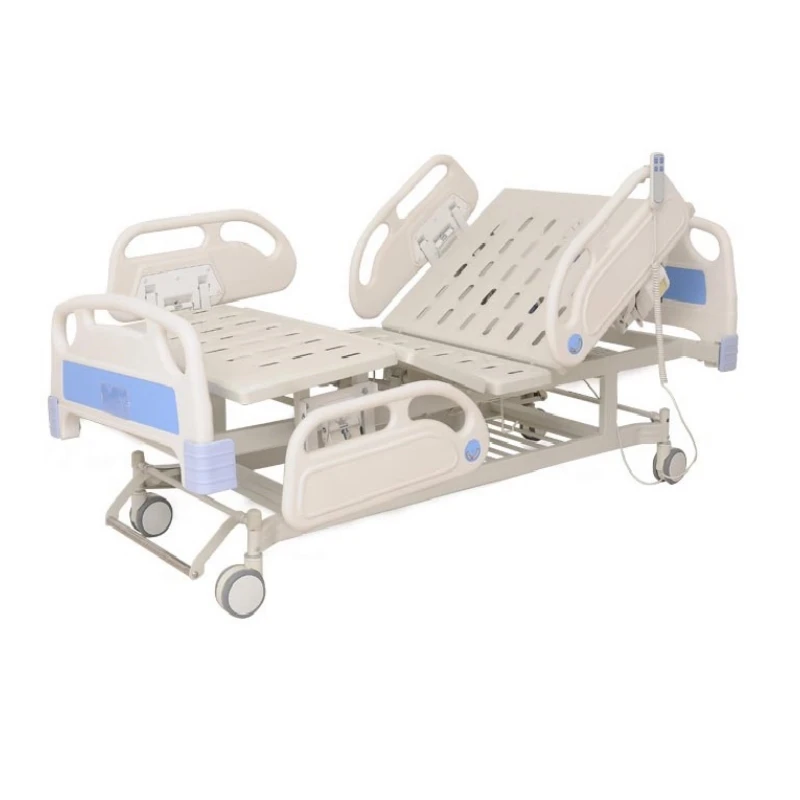
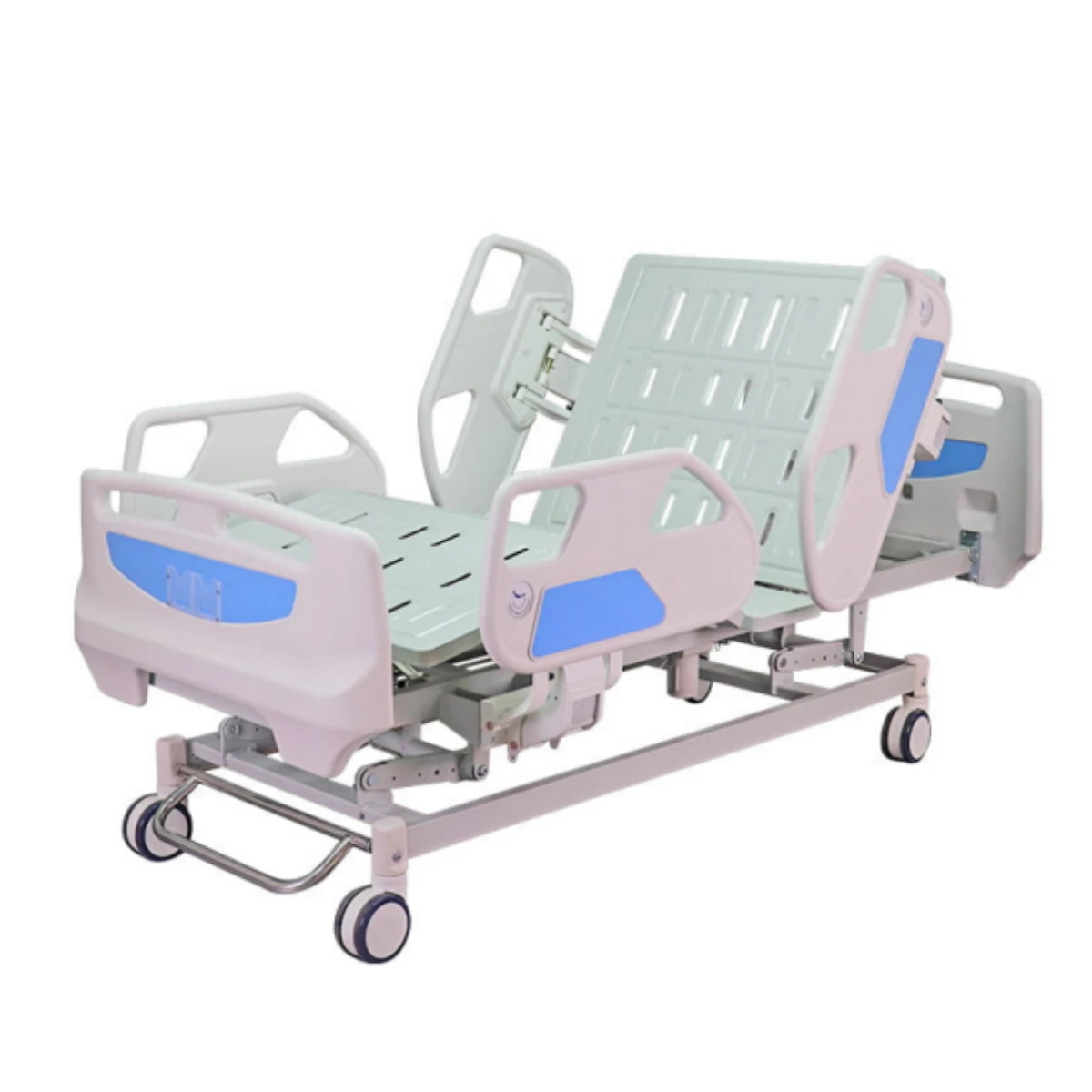
Advanced electric bed for patients Solutions for Israel's Healthcare

Integrating precision engineering with ergonomic design to elevate patient care standards across Israel's medical institutions.

Medical Equipment Landscape in Israel

Analyzing the current state of patient mobility and recovery infrastructure in the Mediterranean region.

Israel's healthcare system is renowned for its innovation, yet it faces significant pressure from an aging population and the need for rapid-deployment facilities. The demand for high-quality patient bed options has shifted toward automation to reduce the physical burden on nursing staff in urban centers like Tel Aviv and Jerusalem.

Environmental factors, including the high humidity of coastal areas, require hospital furniture to be constructed from superior anti-corrosive materials. There is a growing emphasis on "smart" facilities that integrate IoT with patient furniture to monitor vitals in real-time.

Furthermore, the need for versatile transport solutions has surged. The efficiency of a patient transfer trolley is now a critical KPI for hospital efficiency, especially in high-traffic emergency departments where seconds save lives.

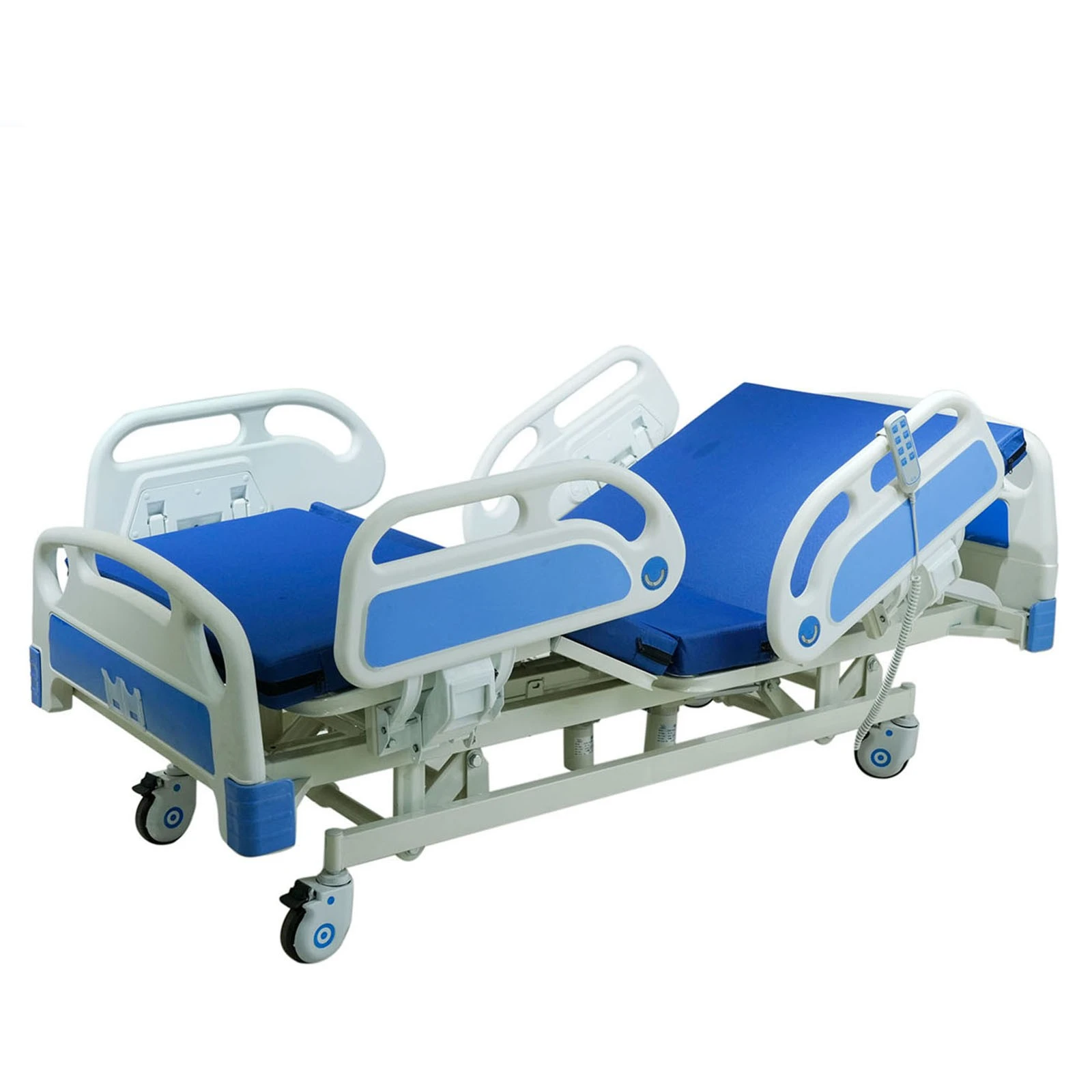
Evolution of Patient Care Infrastructure

From static frames to intelligent kinetic systems.

Market Development History

In the early 2000s, the Israeli market relied heavily on manual mechanical beds. These systems provided basic elevation but required significant manual effort from caregivers, leading to high rates of occupational injury.

Between 2010 and 2020, a transition occurred toward electrification. The introduction of the electric bed for patients revolutionized long-term care, allowing for precise positioning and improved pressure ulcer prevention.

Currently, the focus has shifted toward space-optimization and agility. The adoption of the folding medical bed has become essential for home-care transitions and temporary emergency wards, reflecting a trend toward decentralized healthcare.

Future Development Trends

AI-Driven Position Adjustment

Integration of sensors that automatically adjust bed angles to prevent respiratory distress or pressure sores without manual intervention.

Lightweight Aerospace Materials

The use of carbon fiber and reinforced polymers in the patient transfer trolley to increase maneuverability while maintaining load capacity.

Sustainable Bio-Materials

Shift toward antimicrobial, biodegradable coatings for all surfaces to meet stricter European and Israeli hygiene standards.

Future Outlook of Medical Furniture

Strategic trajectories for the next 5 years of rehabilitation equipment.

Smart Connectivity
Syncing patient furniture with Electronic Health Records (EHR) for seamless data flow.
Modular Ergonomics
Customizable bed modules based on specific patient pathology and recovery stage.
Robotic Assistance
Integration of motorized lift systems to assist in patient transfers safely.
Green Manufacturing
Reducing the carbon footprint of equipment production using recycled medical-grade steel.

Industry Outlook

Based on current search trends, there is a significant spike in queries regarding "home-based medical care" in Israel. This suggests a shift from centralized hospital stays to enhanced home recovery environments, driving the demand for high-end folding medical bed systems.

We anticipate that by 2027, the integration of AI-driven pressure mapping will become a standard requirement for any professional patient bed used in Israeli intensive care units to maximize patient safety.

Localized Application Scenarios in Israel

Real-world implementations of our specialized equipment across various Israeli healthcare settings.

1. Tel Aviv Metropolitan Hospitals

Utilizing high-capacity patient transfer trolley units to manage rapid patient flow in high-density urban emergency centers.

2. Home Care in Residential Areas

Deploying the folding medical bed for elderly patients in smaller apartments, providing clinical-grade support in a compact form.

3. Specialized Rehabilitation Centers

Implementing advanced electric bed for patients with precise tilt and rotation features to aid in neuro-rehabilitation.

4. Border Region Emergency Units

Supplying rugged, easy-to-sanitize hospital furniture capable of withstanding intense usage in temporary medical tents.

5. Private Luxury Clinics

Integrating aesthetically refined and technologically advanced patient bed designs that blend comfort with medical functionality.

Brand Story

Global Development Journey of Hebei Zhaofa Technology Co., Ltd.

Foundational Engineering

Our journey began with a commitment to solving the most basic pain point in patient care: the lack of durable and affordable medical furniture.

Technological Pivot

Recognizing the shift toward automation, we invested heavily in R&D to master the precision motors used in electric patient beds.

Global Standardization

Achieving international certifications allowed us to expand our footprint, ensuring our products meet the strict safety norms of Israel and Europe.

User-Centric Design

By collaborating with frontline clinicians, we refined our ergonomics, reducing caregiver strain and enhancing patient dignity.

Vision for the Future

Today, we strive to lead the "Smart Hospital" movement, merging physical furniture with digital health intelligence.

Common Questions Regarding Hospital Furniture in Israel

Expert answers to frequently asked technical and procurement questions.

How to choose the right electric bed for patients for home care in Israel?

Consider the space available and the patient's specific needs. For small apartments, a folding medical bed is ideal, while long-term recovery requires a full electric bed for patients with multiple articulation points.

What are the maintenance requirements for a professional patient bed in humid climates?

In coastal regions of Israel, we recommend furniture with powder-coated anti-corrosive finishes and monthly lubrication of the electric actuators to prevent salt-air oxidation.

Are patient transfer trolley units compatible with standard Israeli hospital corridors?

Yes, our trolleys are designed with a slim profile and 360-degree swivel casters to ensure seamless movement through the diverse architecture of both old and new Israeli medical facilities.

What is the lifespan of typical commercial hospital furniture?

With proper maintenance, our professional hospital furniture is designed to last 7-10 years, provided that the electric components are serviced according to the manufacturer's guidelines.

Can a folding medical bed support the weight of obese patients?

We offer reinforced versions of our folding beds that can support significantly higher weight loads without compromising stability or the folding mechanism.

How does an electric bed for patients improve recovery outcomes?

It allows for frequent repositioning, which is critical for preventing pneumonia and pressure ulcers, while empowering the patient with independence through remote controls.

Consult Our Medical Equipment Experts

Ready to upgrade your facility's infrastructure in Israel? Our team provides customized procurement strategies and technical support.

Contact Us Now
  • wechat
  • 8615031846685

If you are interested in our products, you can choose to leave your information here, and we will be in touch with you shortly.