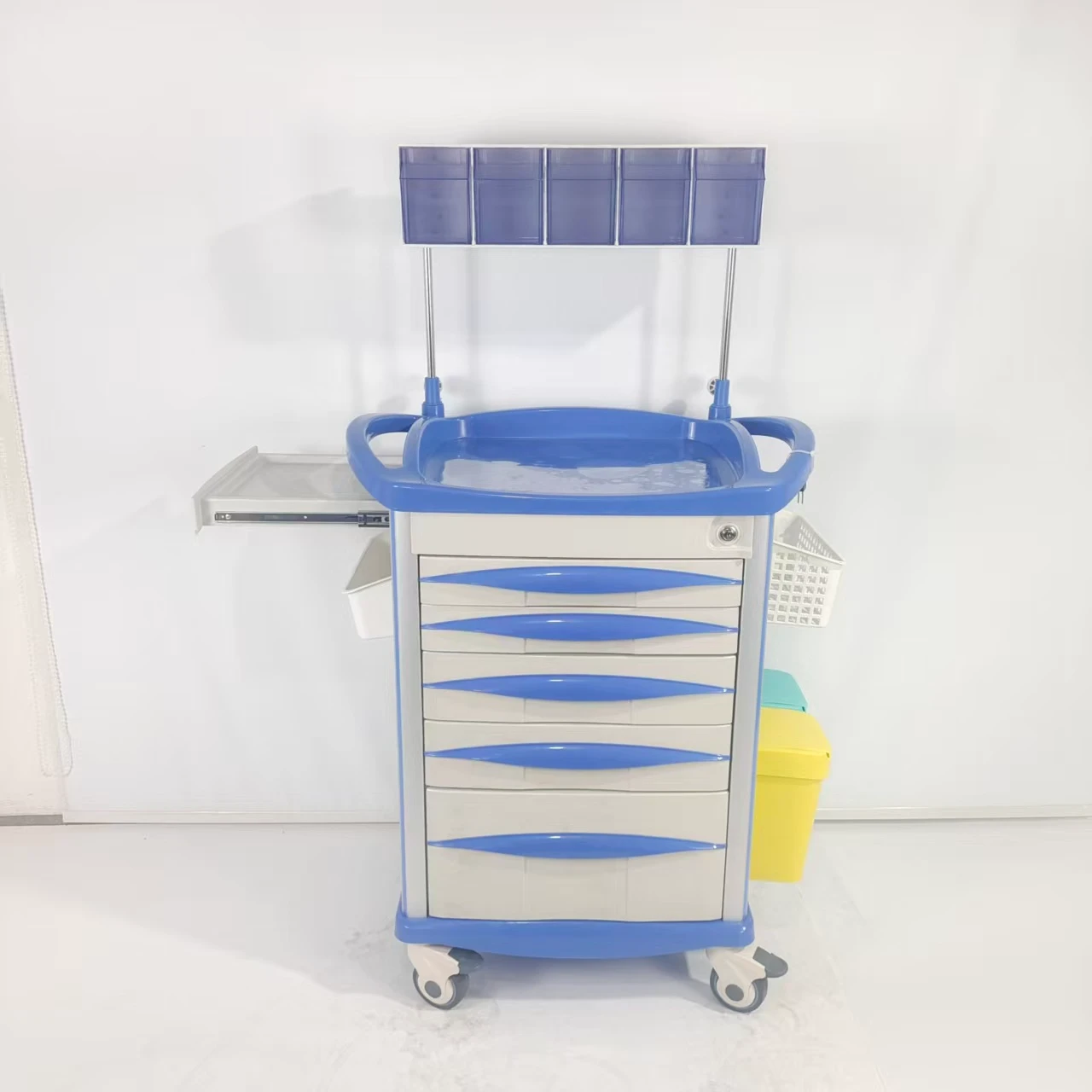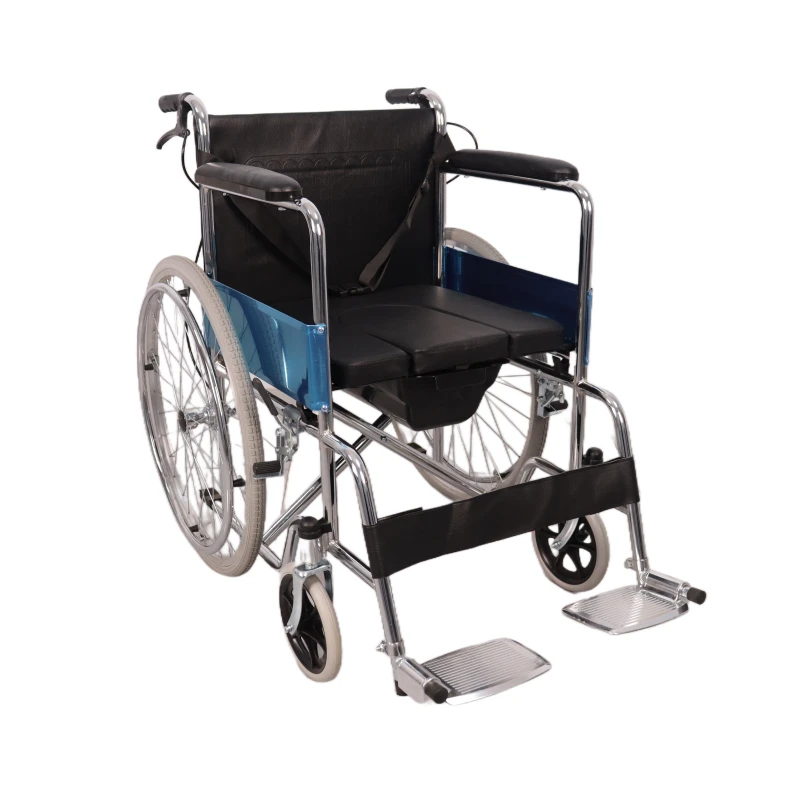
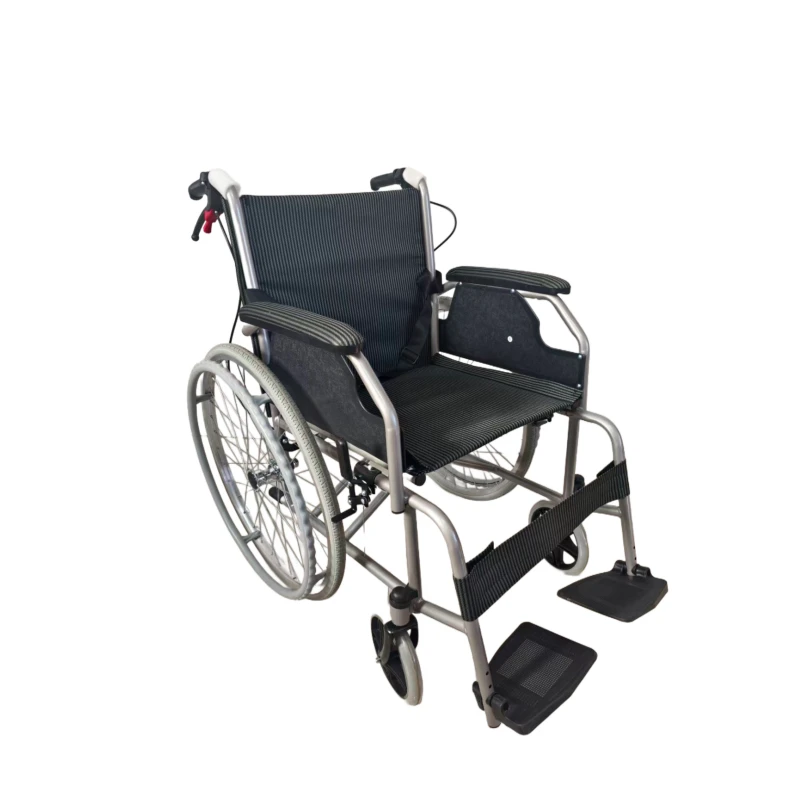
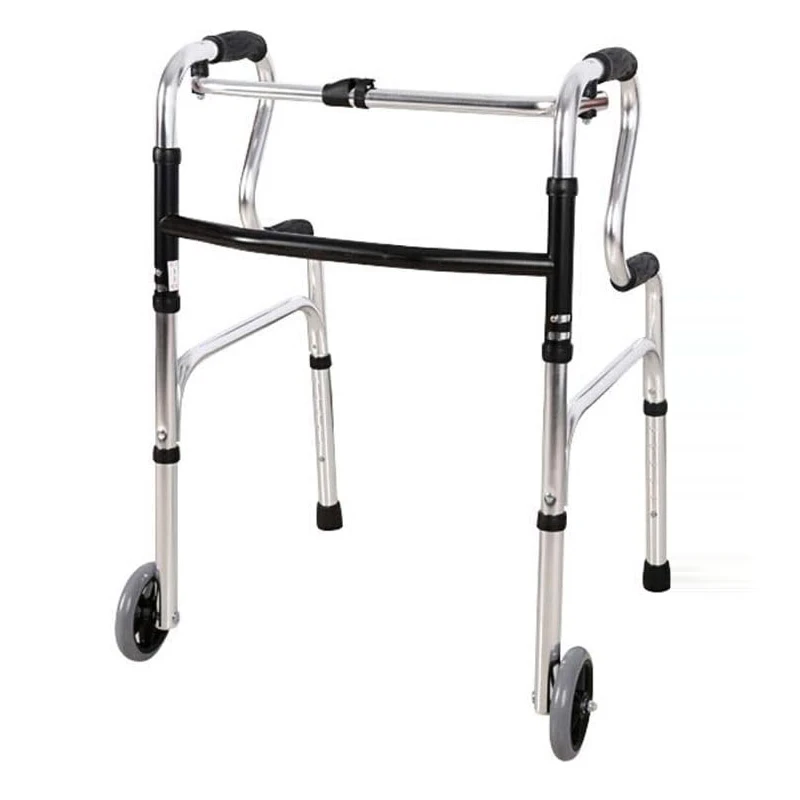
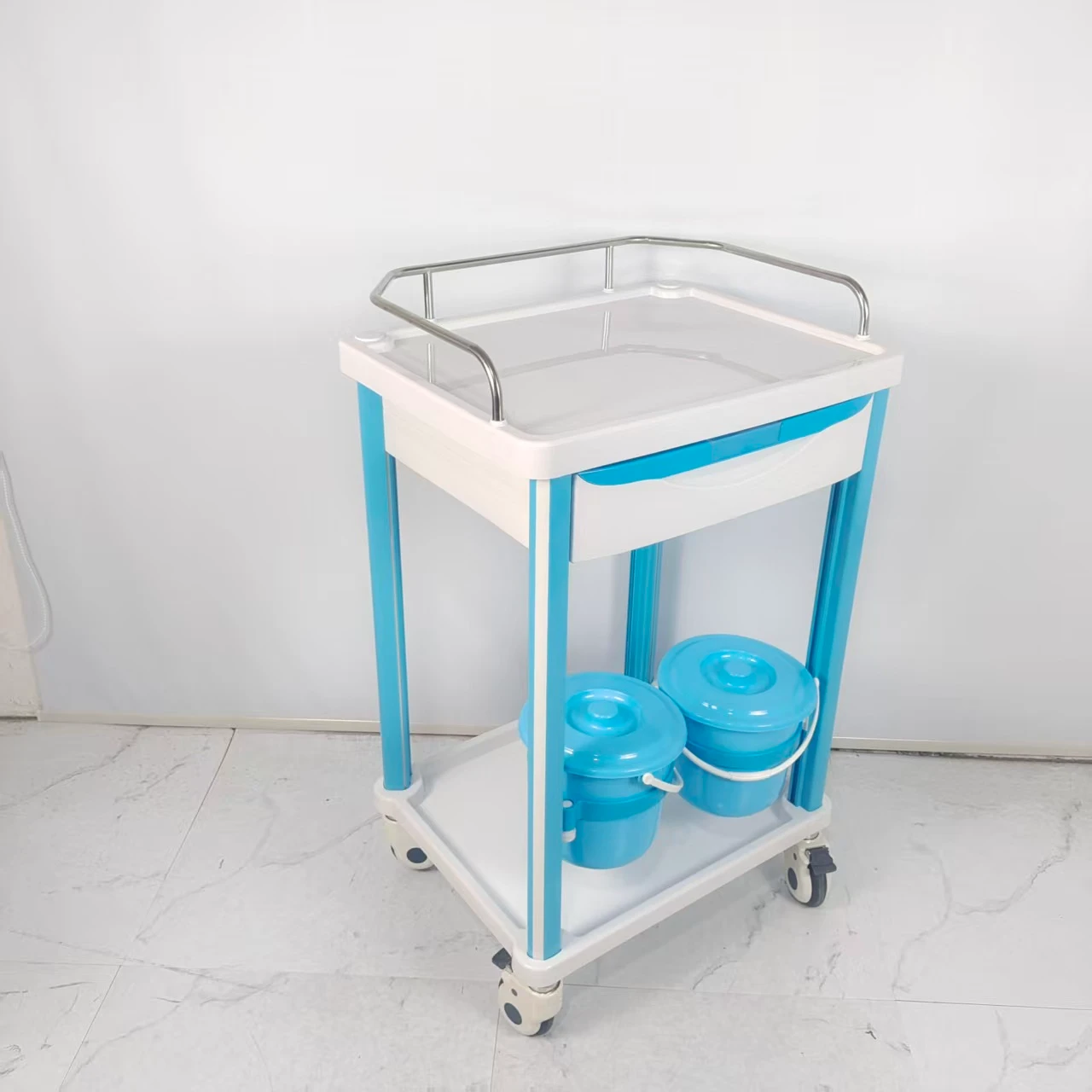
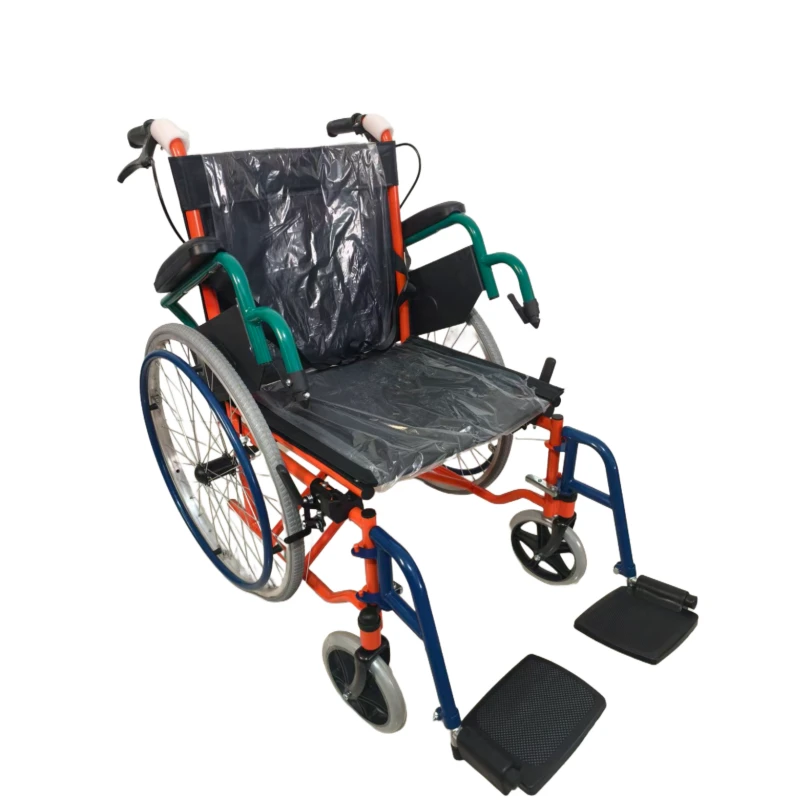
Advanced electric bed for patients Solutions for Netherlands Healthcare

Integrating ergonomic engineering with Dutch medical standards to enhance patient recovery and caregiver efficiency.

The Current State of Patient Care Infrastructure in Netherlands

Analyzing the demand for high-precision medical equipment in a highly digitized healthcare market.

The Netherlands healthcare system is characterized by a strong emphasis on integrated home care and efficient hospital throughput. Due to the aging population and the high standard of living, there is a critical demand for advanced hospital furniture that supports long-term rehabilitation while maintaining a domestic feel.

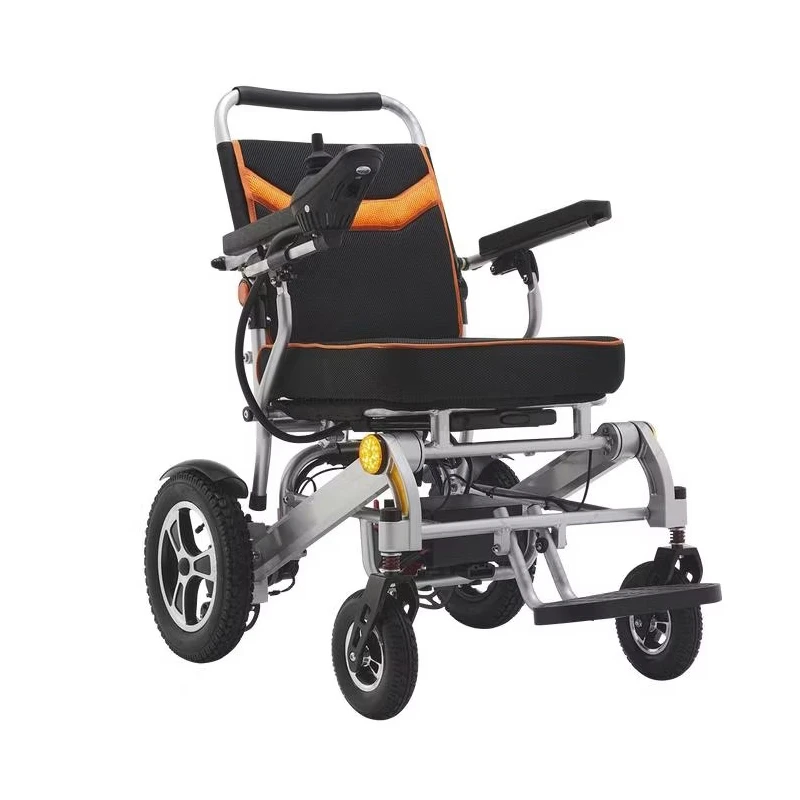
Given the Dutch focus on sustainability and ergonomic workplace safety for nurses, the transition toward motorized equipment is accelerating. The adoption of the patient bed has evolved from simple manual adjustments to complex, multi-functional systems that reduce the physical strain on medical staff.

Furthermore, the compact nature of many urban clinics in cities like Amsterdam and Rotterdam has increased the need for space-saving designs, making the folding medical bed an essential component for temporary care units and emergency response setups.
Evolution and Trajectory of Patient Mobility Systems

From static metal frames to intelligent, automated mobility solutions.

Market Development History

In the early 2000s, the Dutch market relied heavily on mechanical frames with limited adjustability, focusing primarily on durability over patient comfort.

Between 2010 and 2020, the "Care-at-Home" initiative shifted the trajectory. This period saw the introduction of semi-electric systems and the widespread implementation of the patient transfer trolley to ensure seamless movement between wards and ambulances.

Since 2021, the focus has shifted toward "Smart Bed" technology, where IoT integration allows real-time monitoring of patient pressure points and automatic positioning to prevent bedsores.

Future Development Trends

AI-Driven Pressure Redistribution

Integration of sensors that automatically adjust the bed surface to redistribute weight, reducing the need for manual repositioning.

Sustainable Material Engineering

A shift toward medical-grade recycled polymers and carbon-neutral steel to align with the Netherlands' Green Deal goals.

Modular Adaptability

Systems that can be converted from an intensive care unit configuration to a home-care setting within minutes to optimize resource allocation.

Industry Trends and Future Outlook

Predicting the next generation of rehabilitation and transport equipment.

Digital Integration
Syncing bed parameters with electronic health records (EHR) for precise patient tracking.
Ergonomic Automation
One-touch positioning to minimize caregiver musculoskeletal injuries during transfers.
Advanced Antimicrobials
Using silver-ion coated surfaces to prevent hospital-acquired infections (HAIs).
Rapid Deployability
Developing ultra-lightweight, folding systems for emergency medical response.

Industry Outlook

Based on Google search trends in the EU, there is a growing interest in "smart home healthcare" and "ageing-in-place" solutions. This suggests that the boundary between clinical hospital furniture and home furniture will continue to blur.

In the next 3-5 years, we expect the Netherlands to lead in the adoption of autonomous patient transfer systems, reducing the reliance on manual lifting and significantly lowering the rate of workplace injury among healthcare professionals.

Localized Application Scenarios in Netherlands

Real-world implementation of our medical equipment across various Dutch care settings.

01. Urban Acute Care Hospitals

Utilizing high-capacity electric beds in fast-paced environments like Amsterdam's medical centers to ensure rapid patient turnover and precise clinical positioning.

02. Rural Home-Care Programs

Deploying ergonomic patient beds in residential areas to support the Dutch "Thuiszorg" (home care) model, enabling patients to recover in familiar environments.

03. Emergency Response Units

Integrating the folding medical bed in mobile clinics and emergency shelters during public health crises or large-scale event management.

04. Specialized Rehabilitation Centers

Using advanced transfer trolleys in physiotherapy clinics to move patients safely from hydrotherapy pools to treatment beds.

05. Long-Term Elder Care Facilities

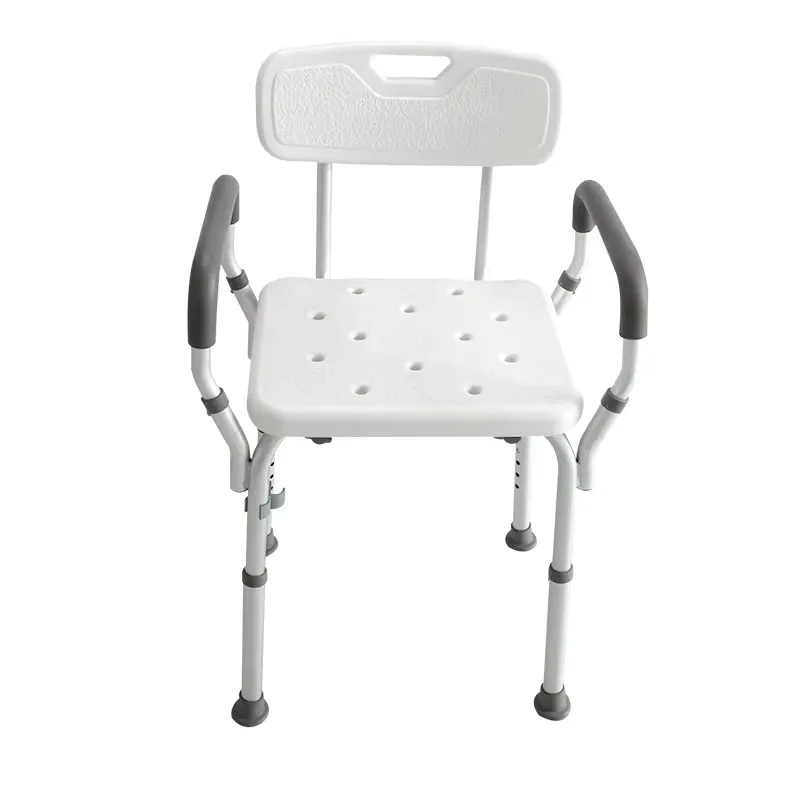
Implementing full-suite hospital furniture in nursing homes to provide dignified, comfortable, and safe long-term residency for the elderly.

Brand Story

Global Development History of Hebei Zhaofa Technology Co., Ltd.

Founding Vision

Established with the mission to bridge the gap between industrial durability and medical ergonomics, focusing on solving the "lifting pain" for caregivers.

Technical Breakthrough

Developed a patented synchronized lifting mechanism that became the gold standard for our electric bed series, ensuring patient stability.

European Expansion

Entered the EU market by adhering to CE certifications and tailoring product specifications to meet the strict safety norms of Northern Europe.

Smart Care Innovation

Launched a line of IoT-enabled furniture, integrating weight sensors and automated alerts to enhance patient safety in unmanned monitoring zones.

Global Leadership

Today, we serve thousands of institutions globally, continuing to innovate in the field of rehabilitation and patient transport equipment.

Common Questions Regarding Medical Furniture in Netherlands

Expert answers to technical and regulatory queries.

Do your electric beds for patients meet CE and EU safety standards?

Yes, all our equipment is manufactured under strict ISO guidelines and carries full CE certification, ensuring compliance with the safety and health requirements of the Netherlands.

What is the difference between a standard patient bed and a specialized rehabilitation bed?

A standard patient bed focuses on basic support, whereas rehabilitation beds offer advanced features like lateral tilting and higher weight capacities to assist in active recovery.

How does a folding medical bed benefit emergency care units?

Folding beds allow for rapid deployment in temporary facilities and can be stored in minimal space, which is critical for urban medical centers with limited square footage.

Can a patient transfer trolley be integrated with existing hospital bed systems?

Our trolleys are designed with universal height-adjustment features, allowing for a smooth, level transfer of patients from most standard hospital furniture brands.

What maintenance is required for high-use electric patient beds?

We recommend quarterly checks of the linear actuators and annual lubrication of the pivot joints to ensure the longevity of the motorized components.

Are the materials used in your hospital furniture hypoallergenic?

Yes, we use medical-grade, phthalate-free vinyl and powder-coated steel that are non-toxic and resistant to common hospital disinfectants.

Consult Our Netherlands Medical Experts

Looking for tailored equipment solutions for your clinic or care home in Netherlands? Our engineering team is ready to assist you with customized specifications.

Contact Us Now

If you are interested in our products, you can choose to leave your information here, and we will be in touch with you shortly.