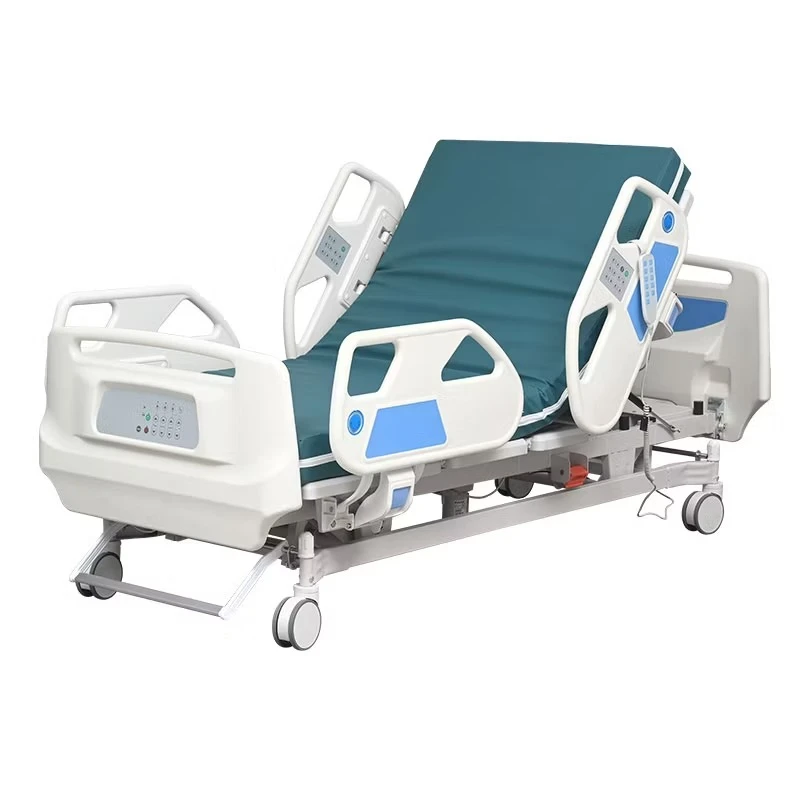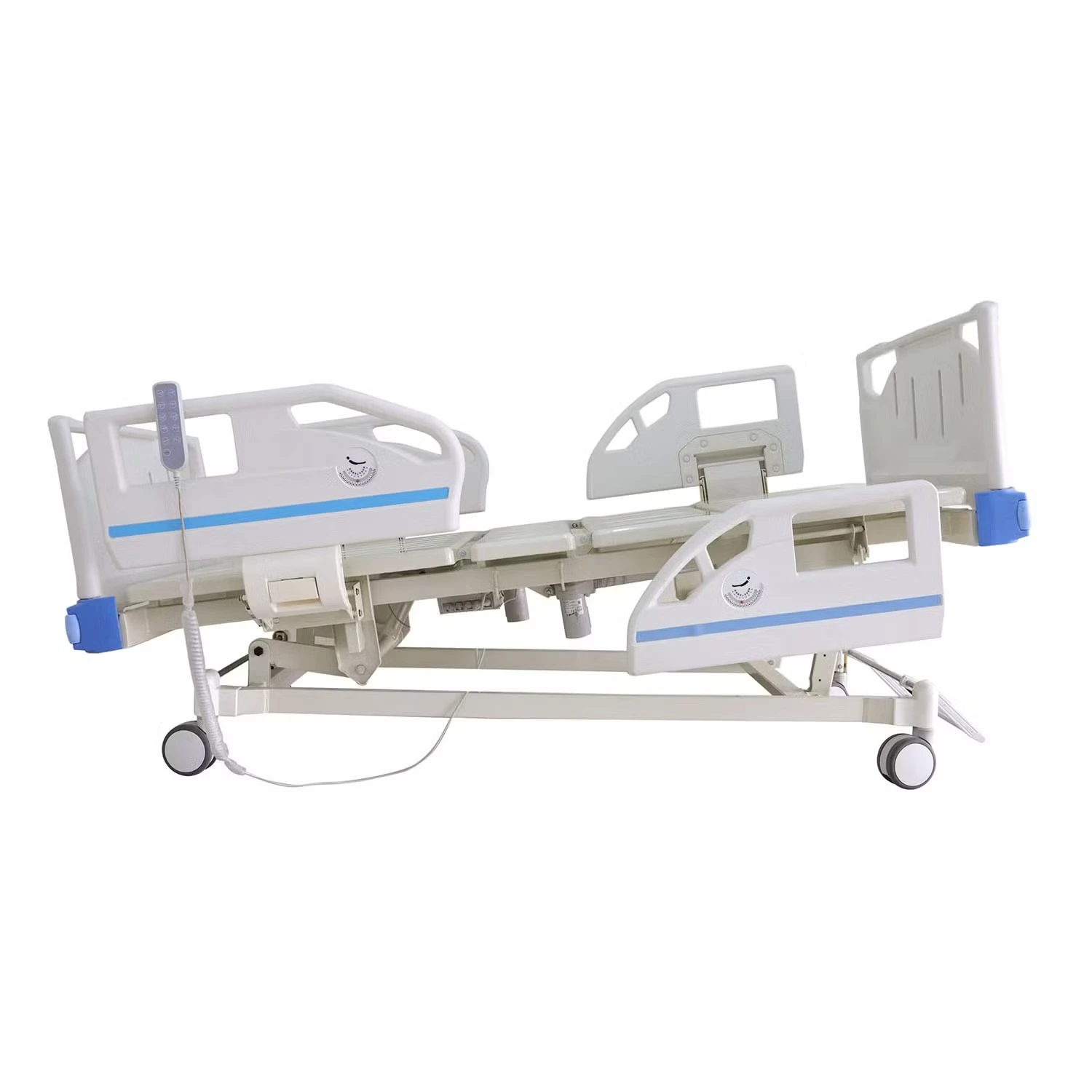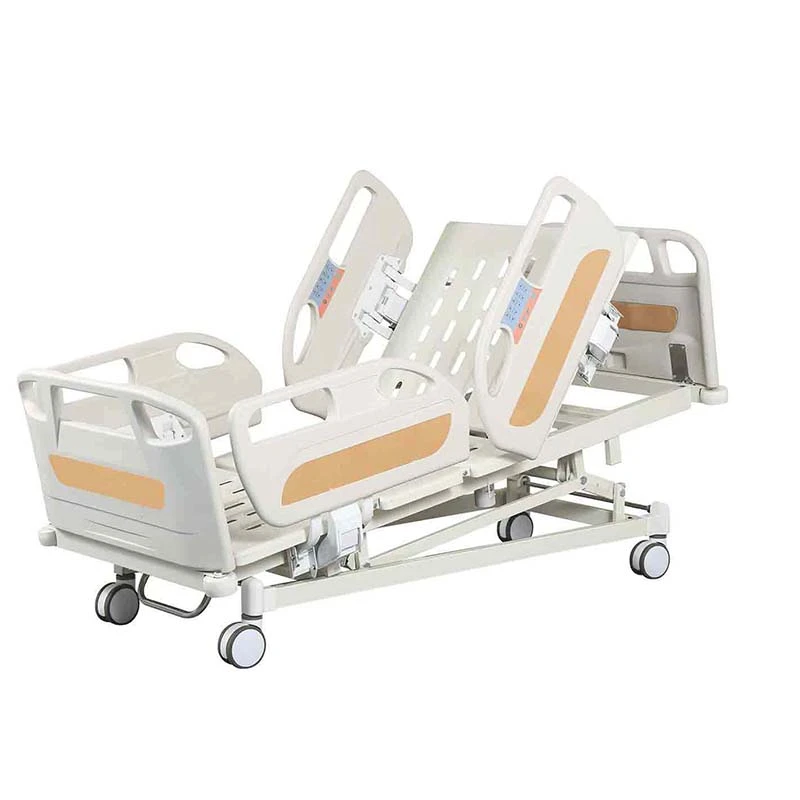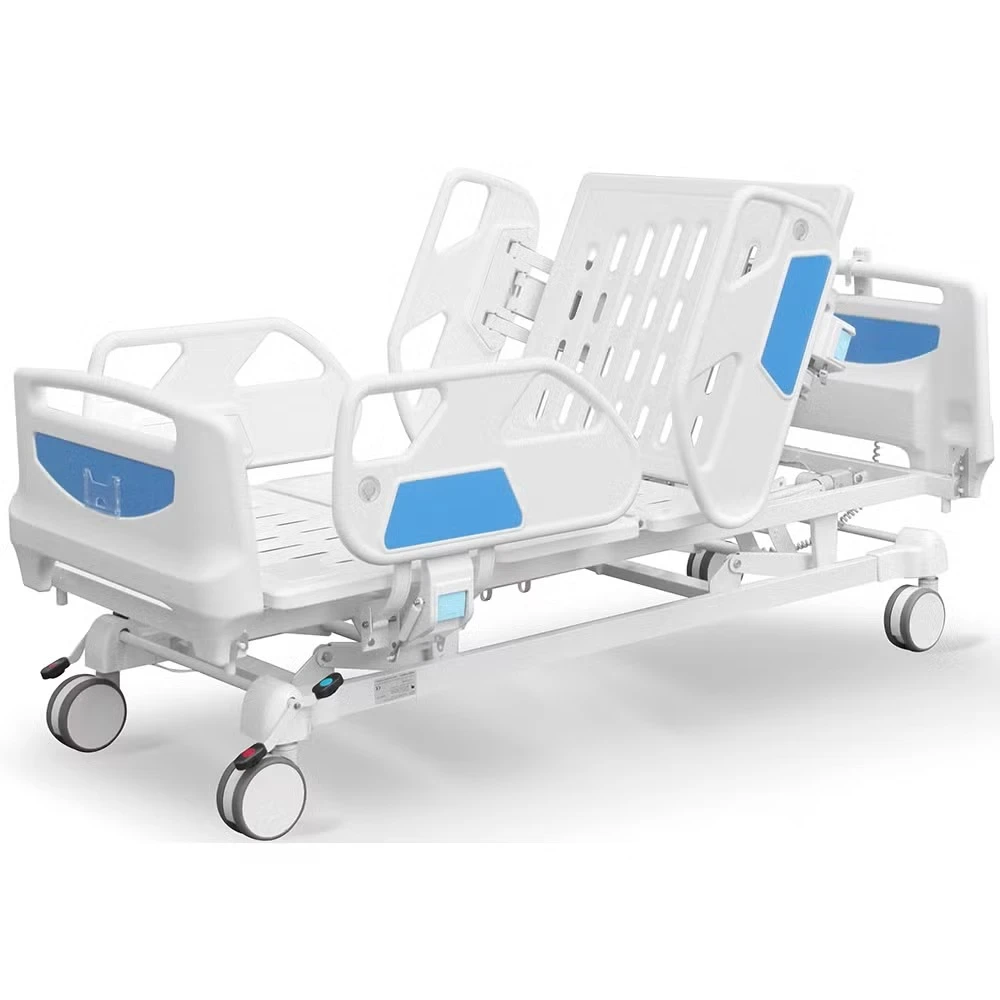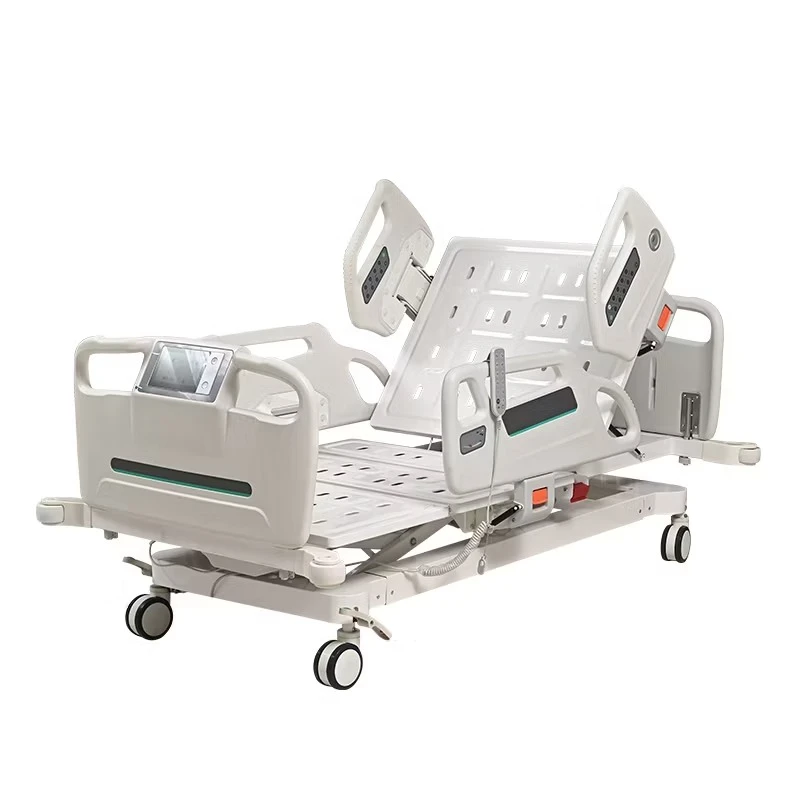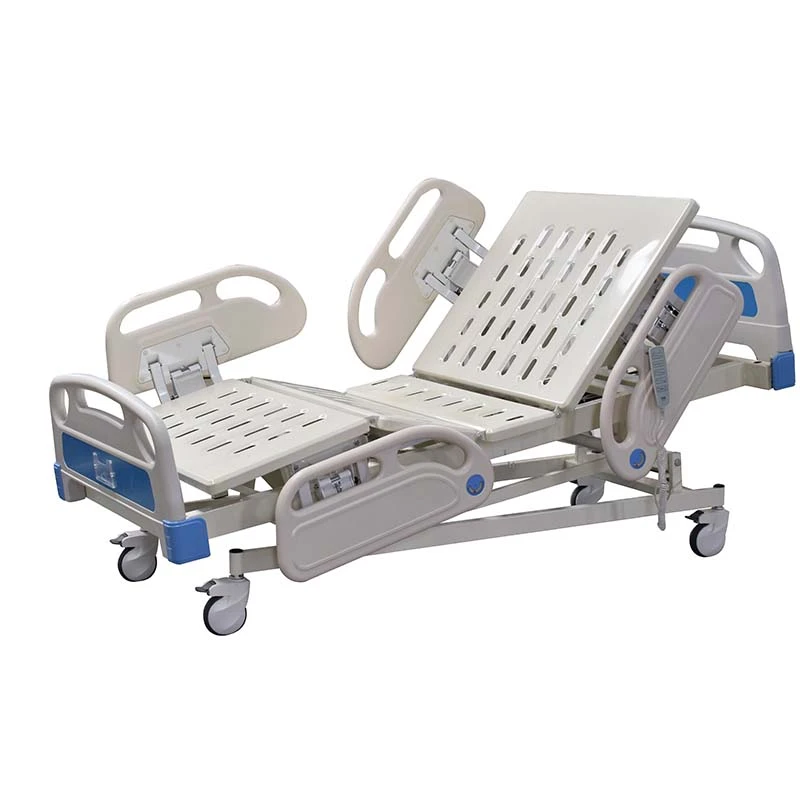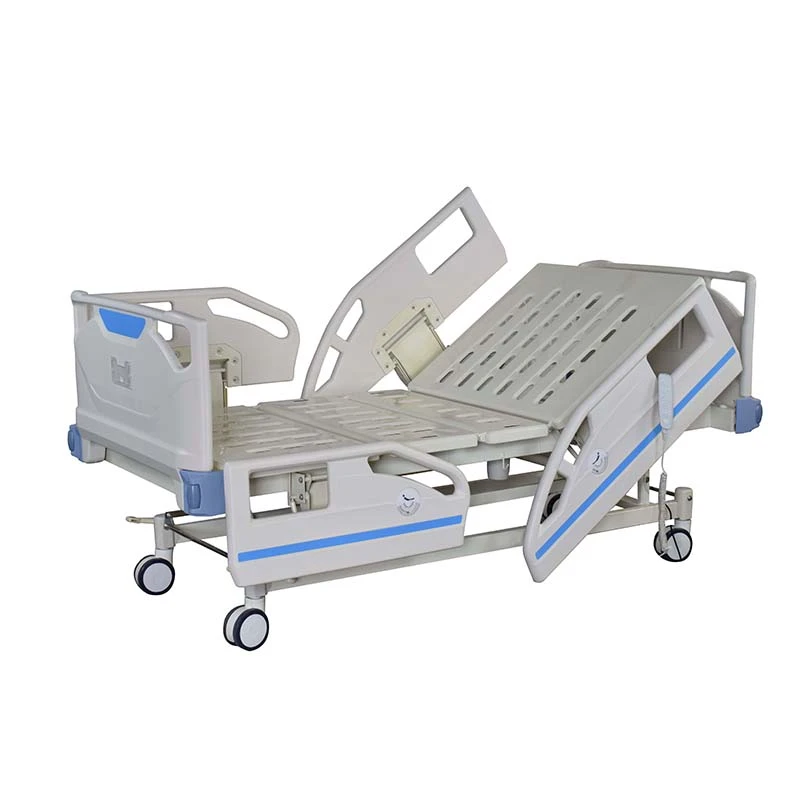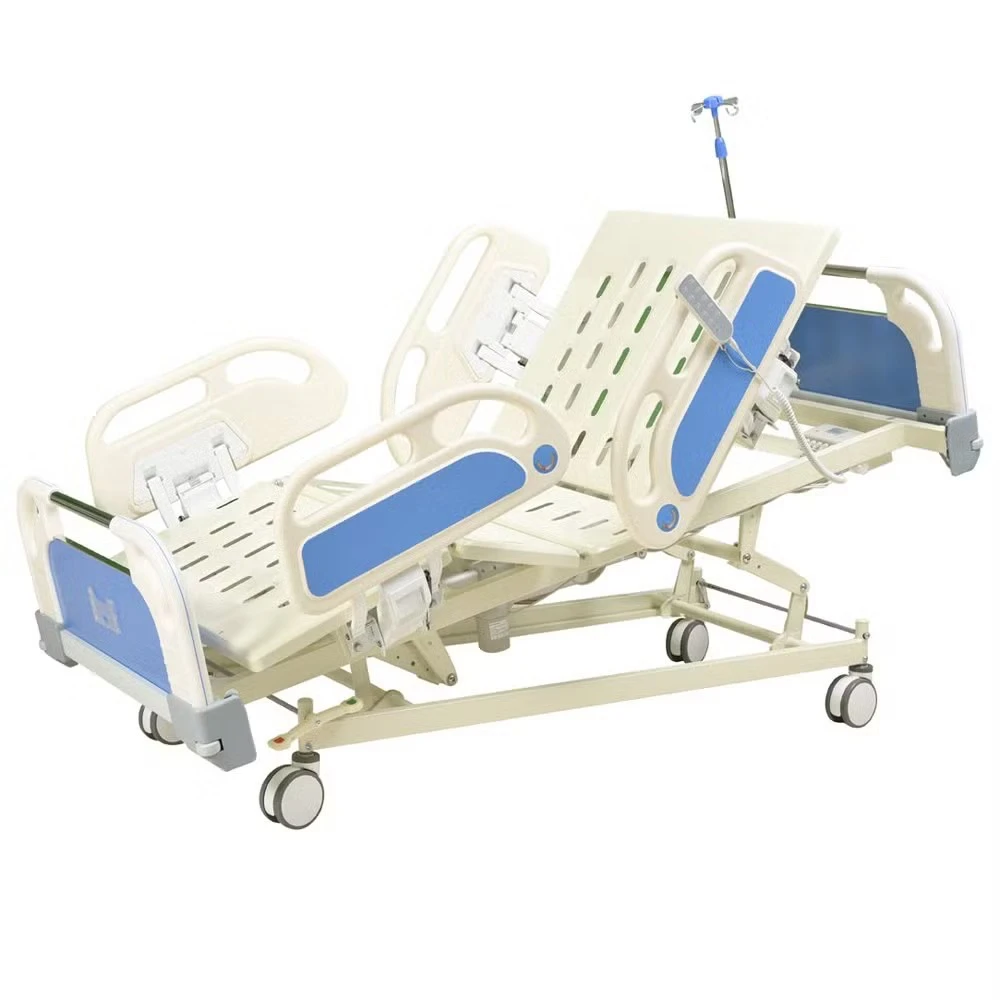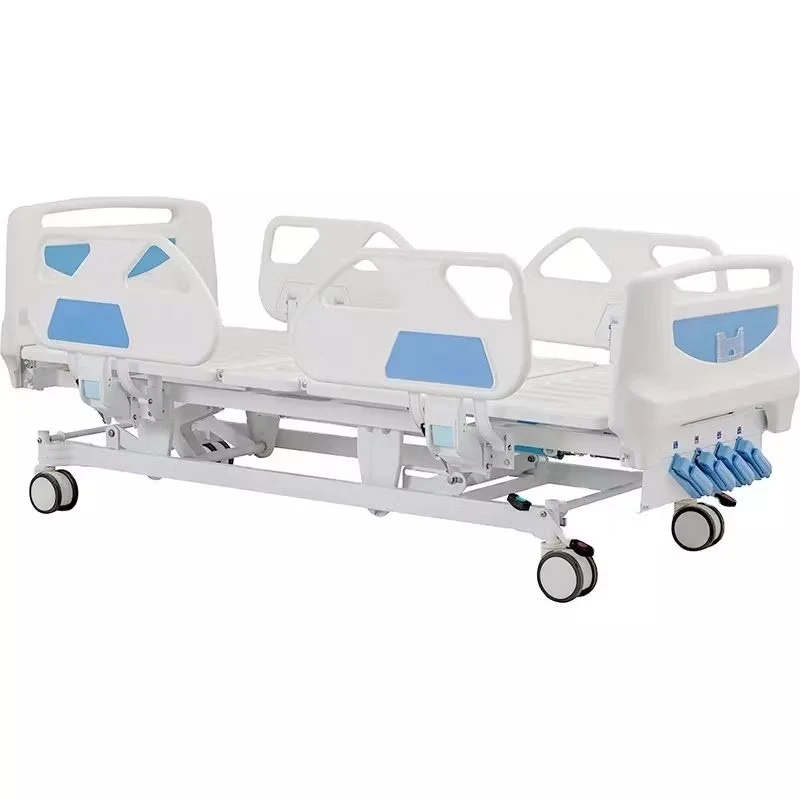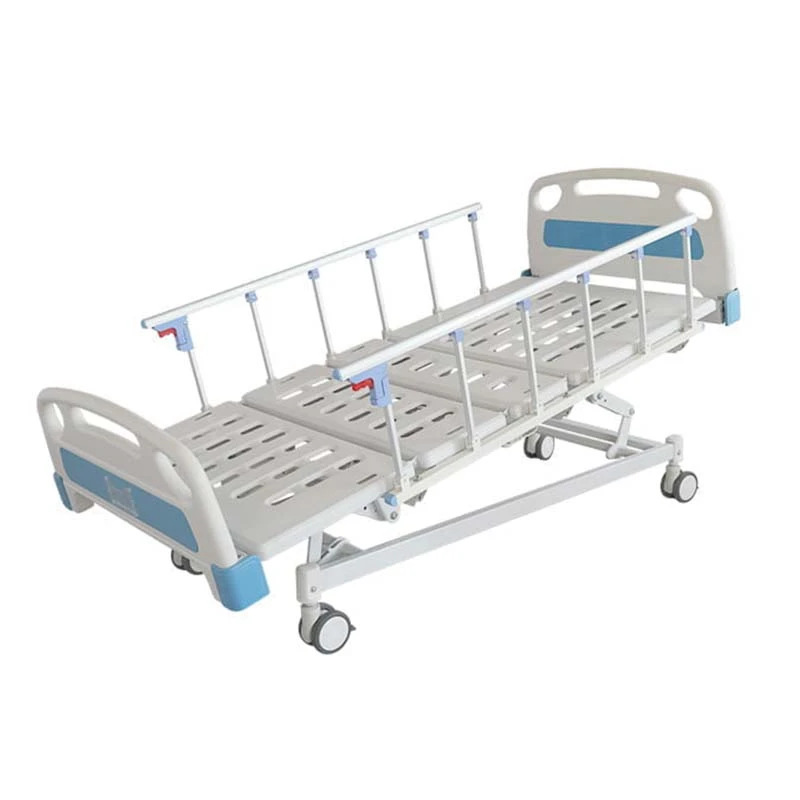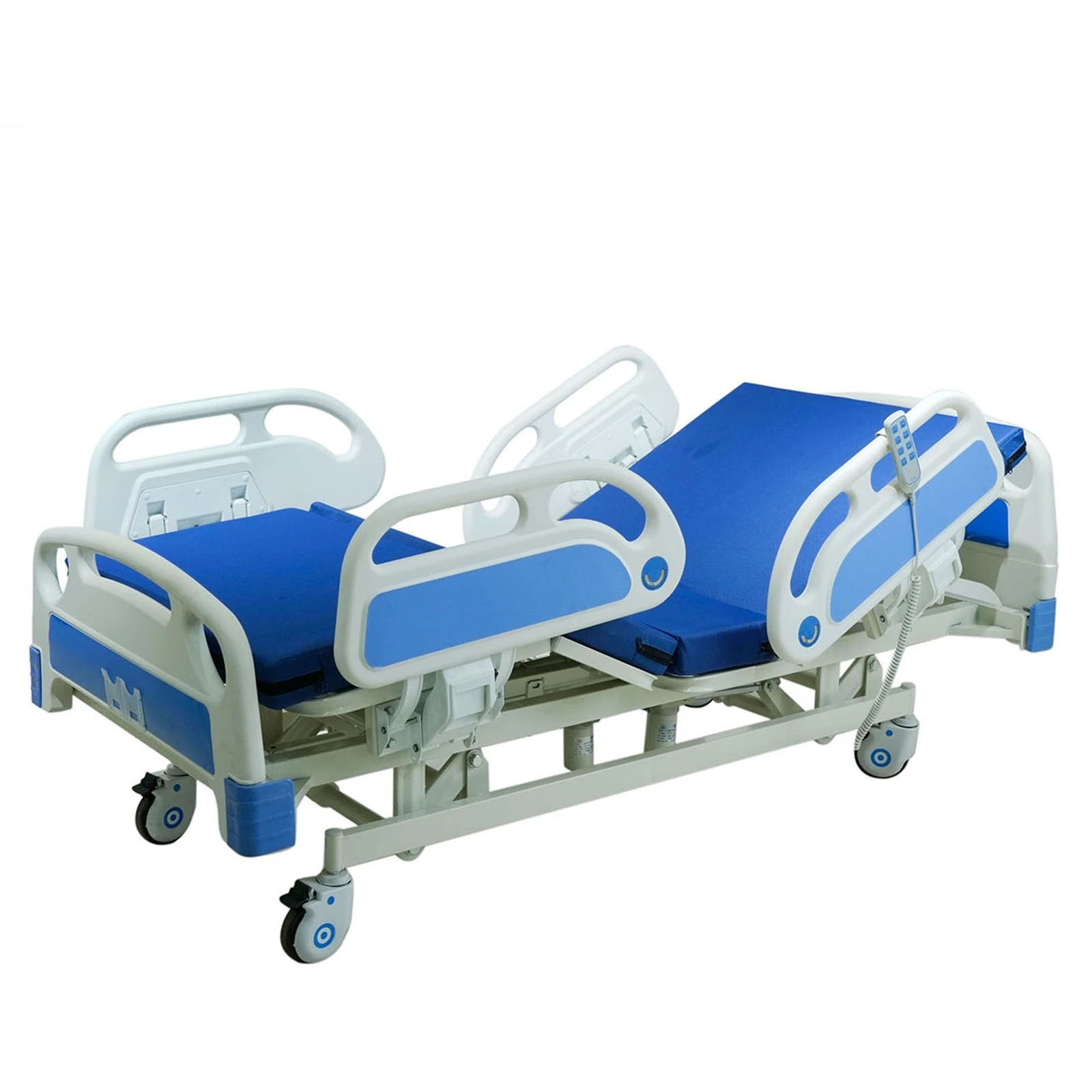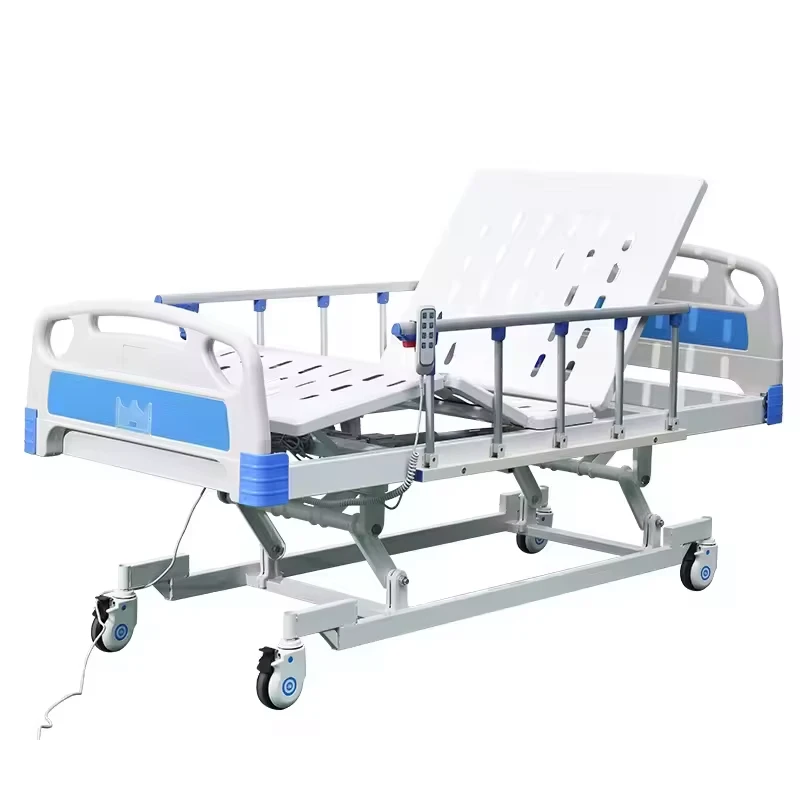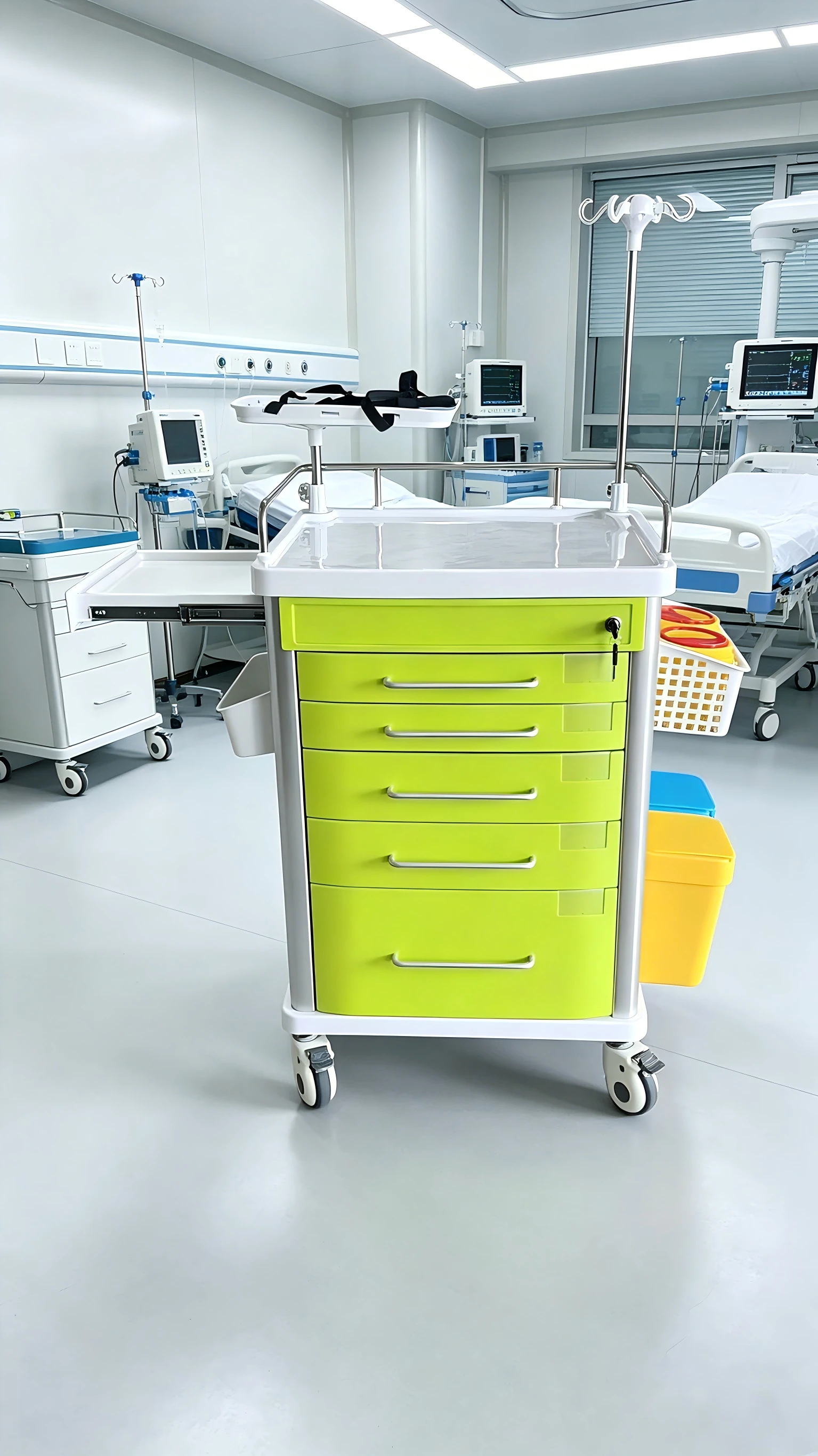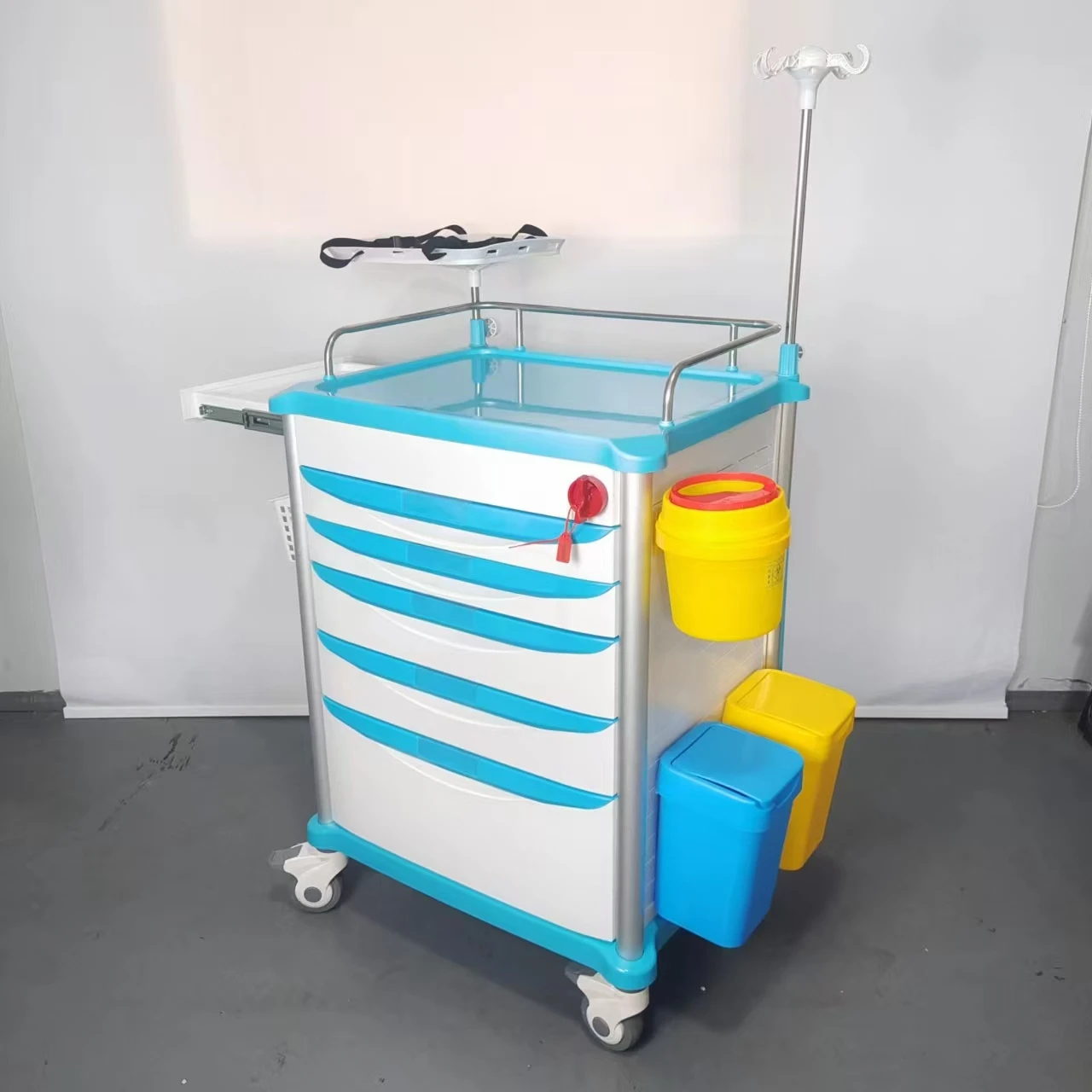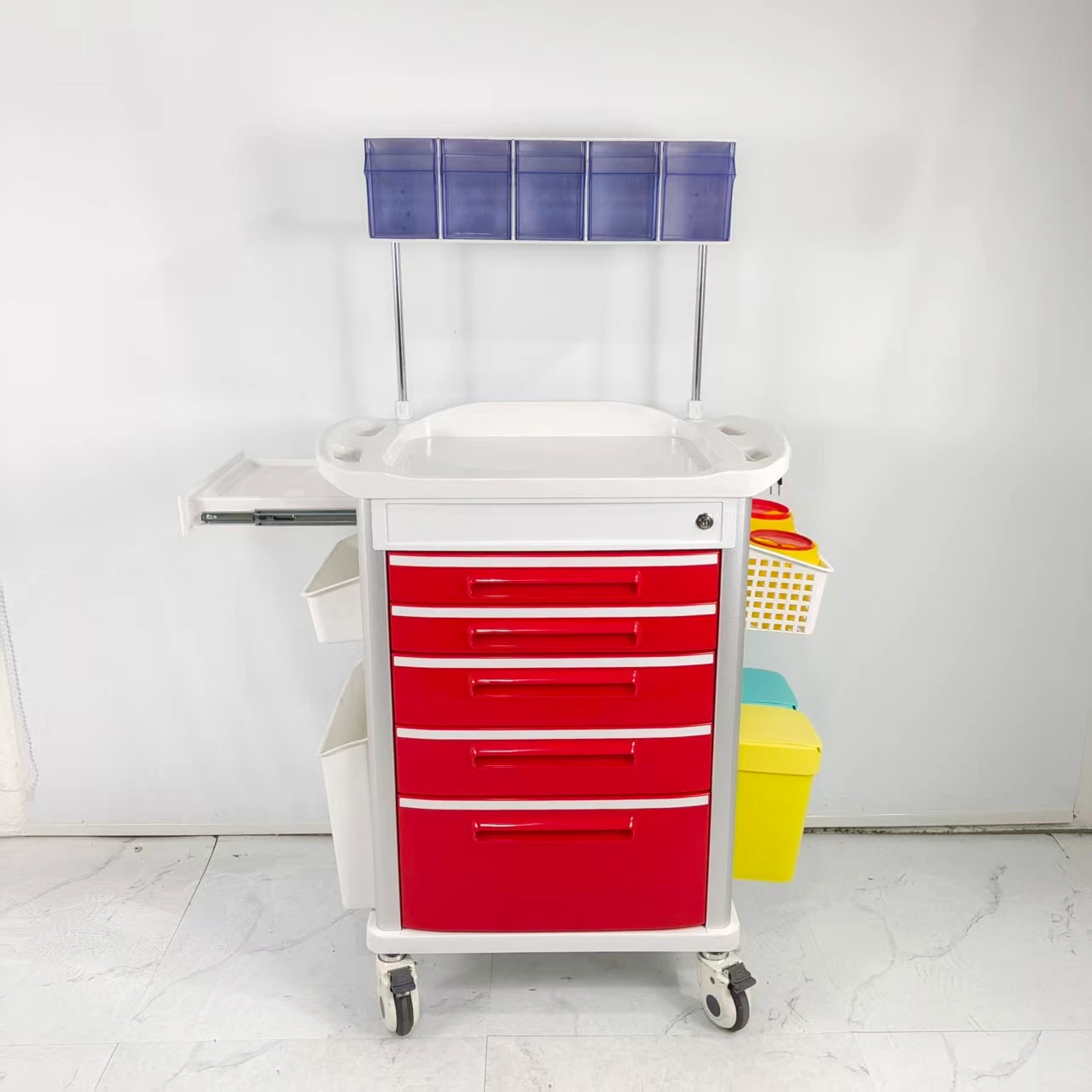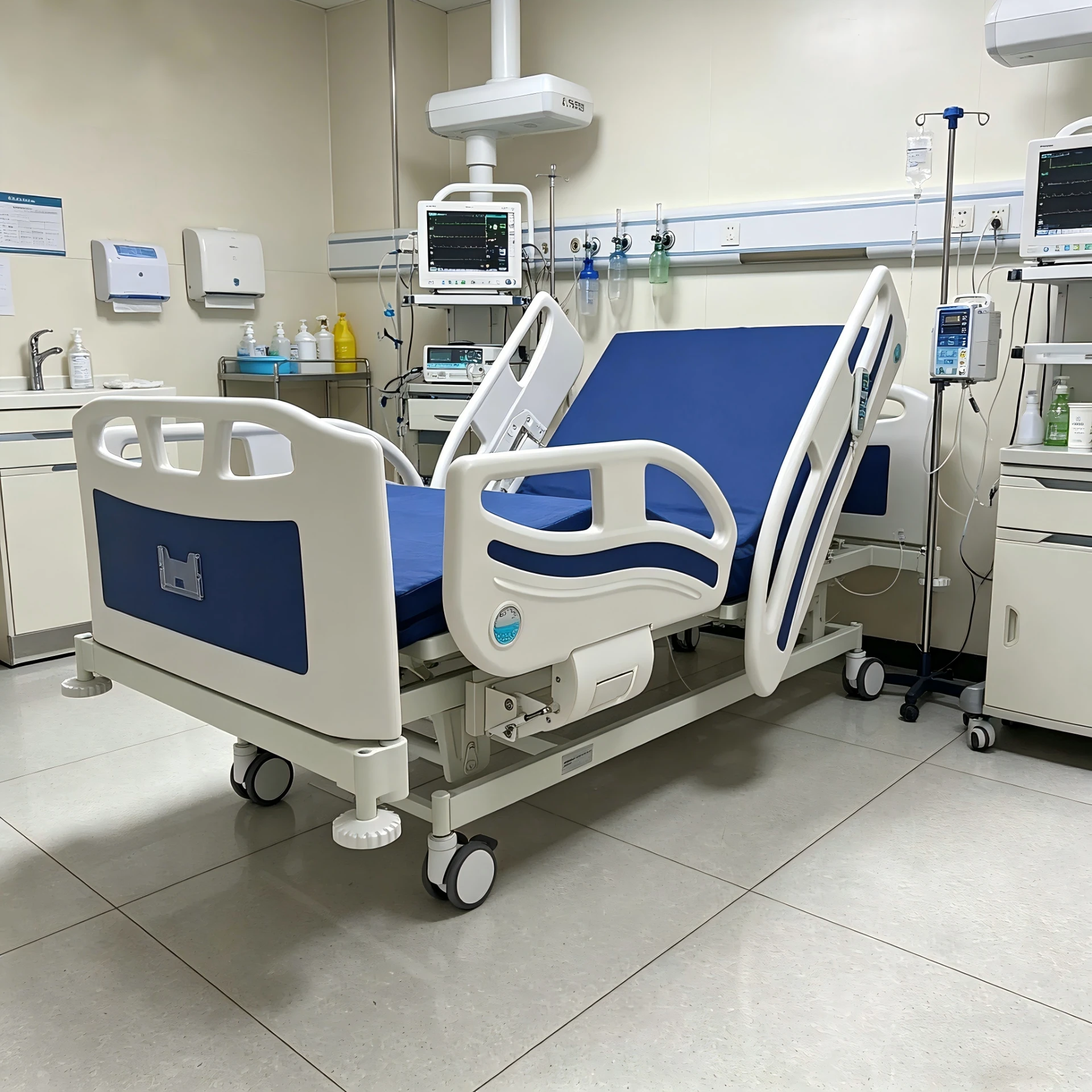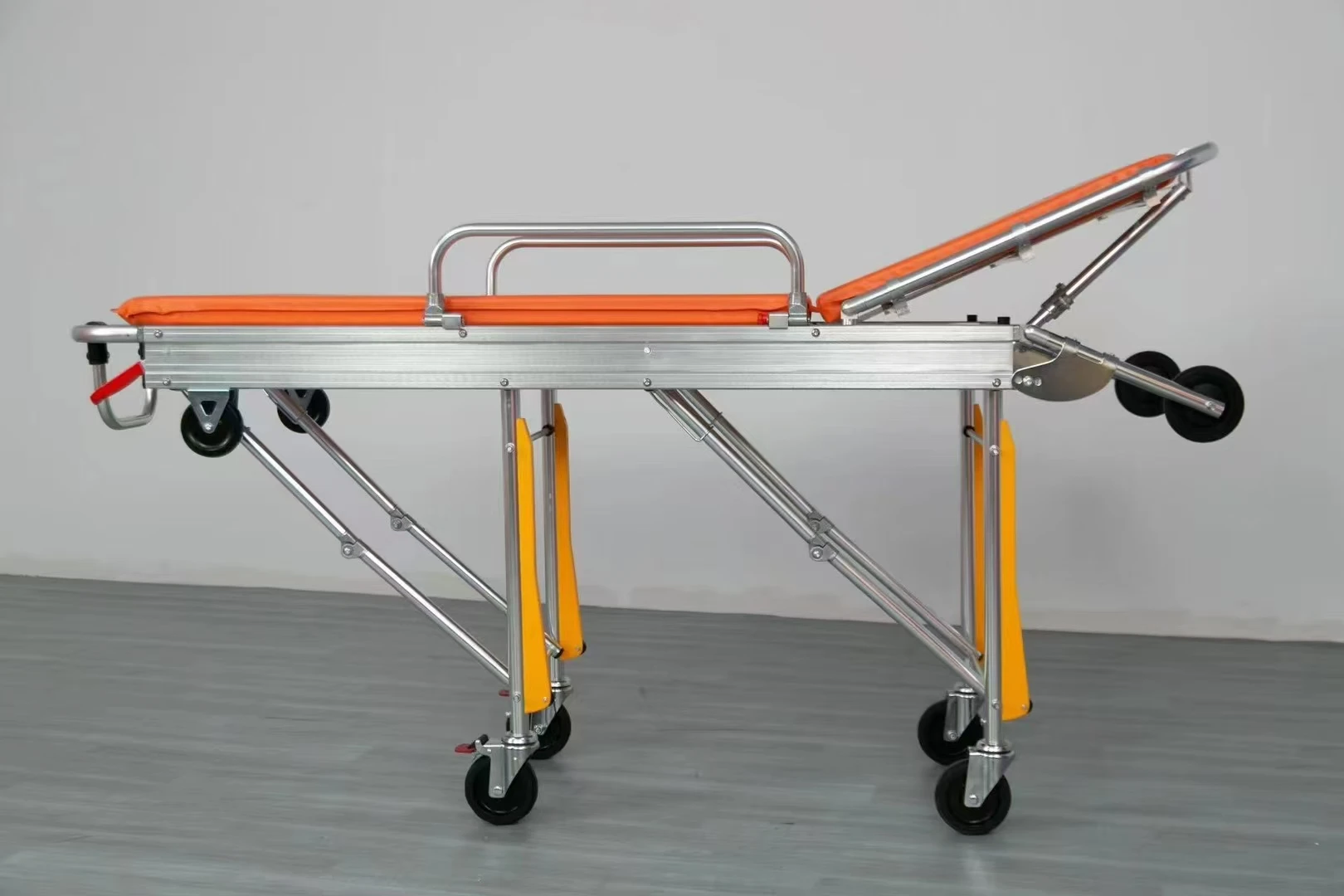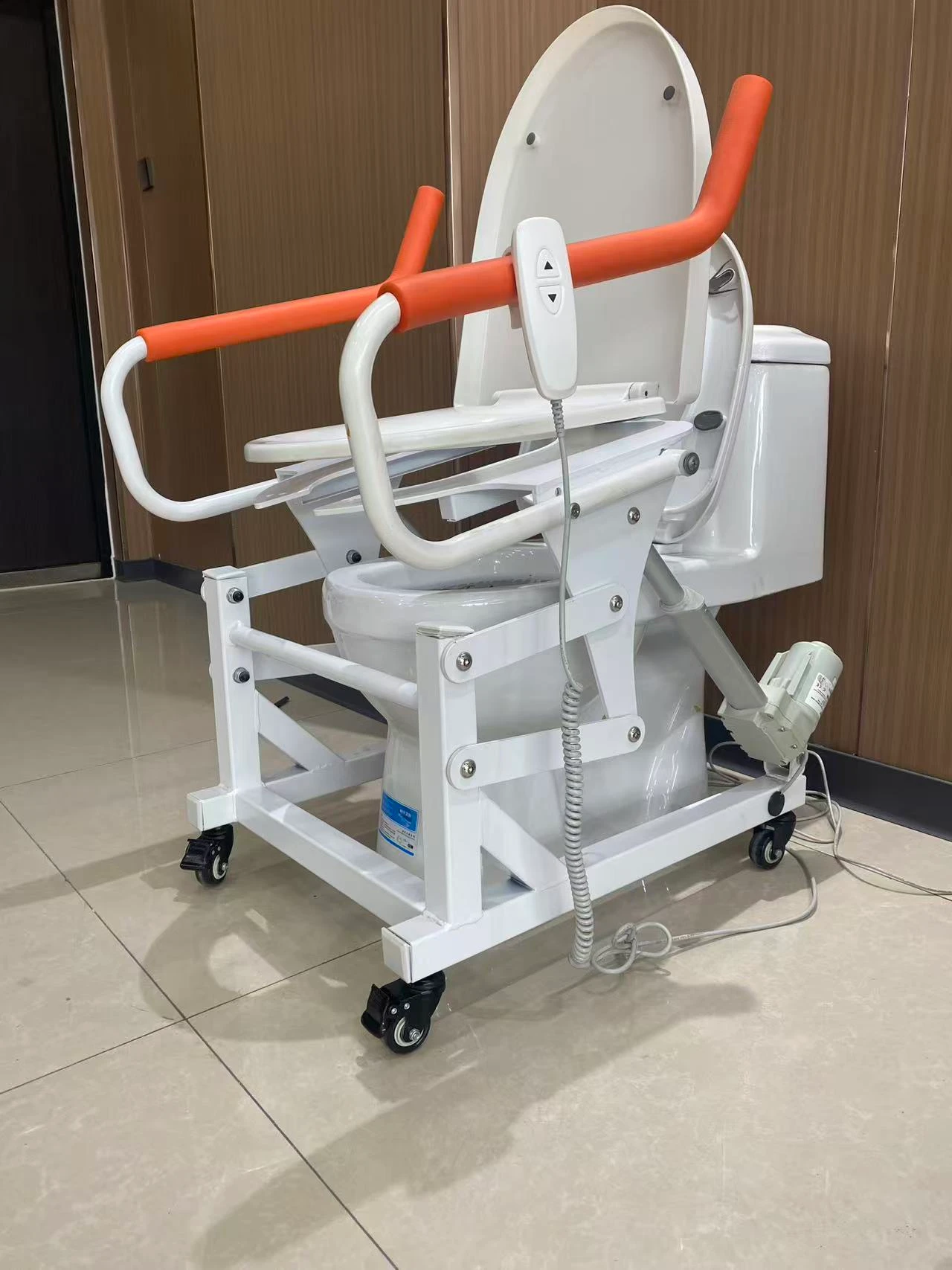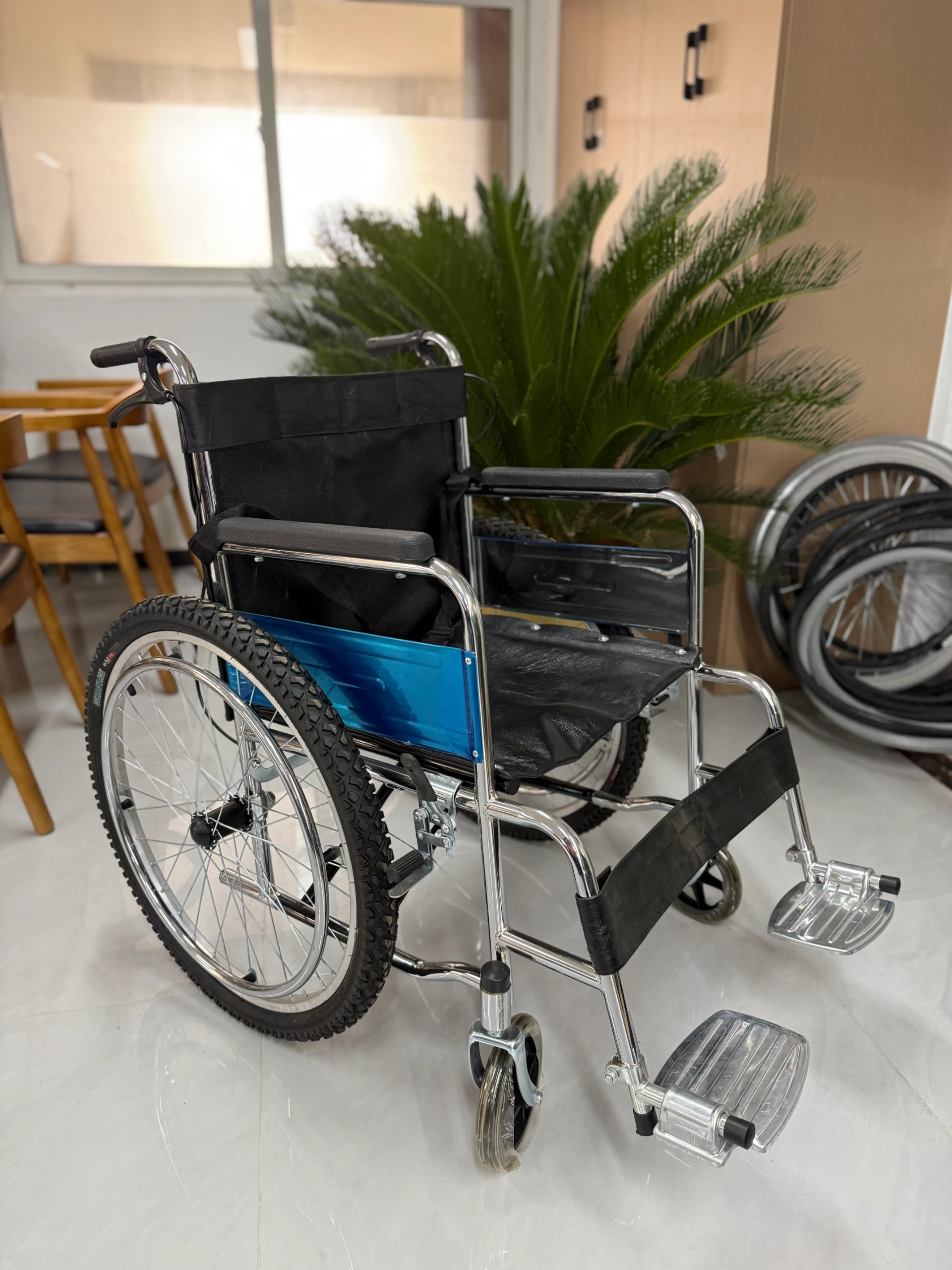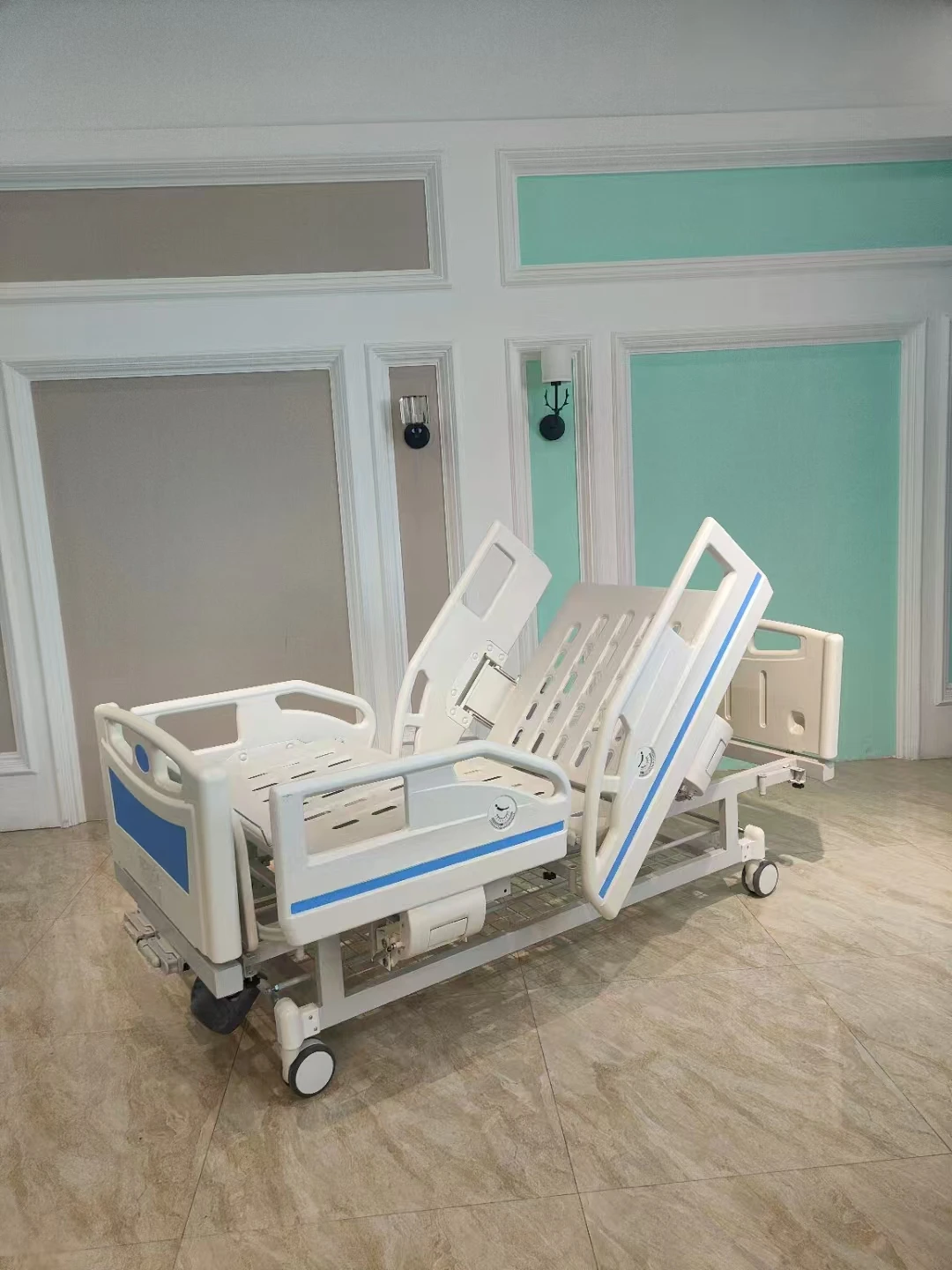
Advanced Medical Solutions for Electric Bed for Patients in New Zealand

Elevating patient care standards across Oceania with ergonomically engineered furniture designed for the modern New Zealand healthcare infrastructure.

The Landscape of Patient Care Equipment in New Zealand

Analyzing the integration of specialized hospital furniture within the Oceania healthcare model.

In New Zealand, the healthcare landscape is characterized by a strong emphasis on community-based care and a rapidly aging population, particularly in rural regions. This demographic shift has increased the demand for high-durability patient bed solutions that can be easily deployed between central hospitals in Auckland or Wellington and home-care settings.

The geographical dispersion of the population necessitates equipment that is not only robust but also highly mobile. The reliance on high-standard health and safety regulations means that any patient transfer trolley used in local clinics must meet stringent stability and hygiene requirements to prevent caregiver injury and cross-contamination.

Economic trends in Oceania show a transition toward "Smart Hospitals," where the integration of IoT-enabled beds is becoming a priority. Consequently, New Zealand providers are moving away from manual systems toward automated, precision-controlled furniture to optimize nursing workflows and improve patient autonomy.
Evolution and Trajectory of Patient Mobility Systems

From static frames to intelligent recovery systems in the New Zealand market.

Market Development History

During the late 20th century, the New Zealand market relied heavily on basic manual frames. The primary focus was on structural stability, but these systems offered limited adjustability, often requiring multiple staff members to reposition a patient.

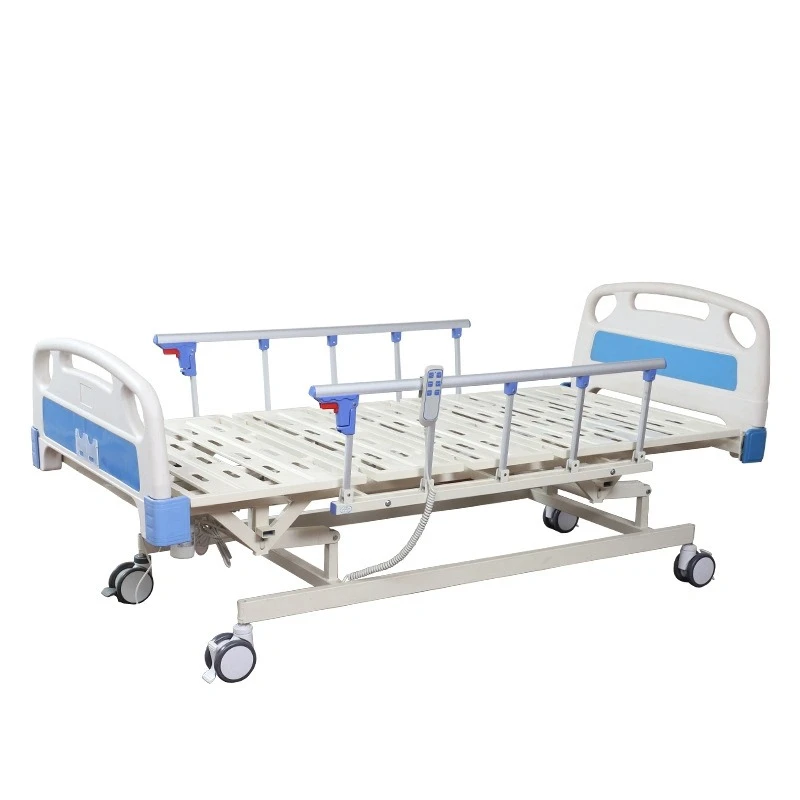
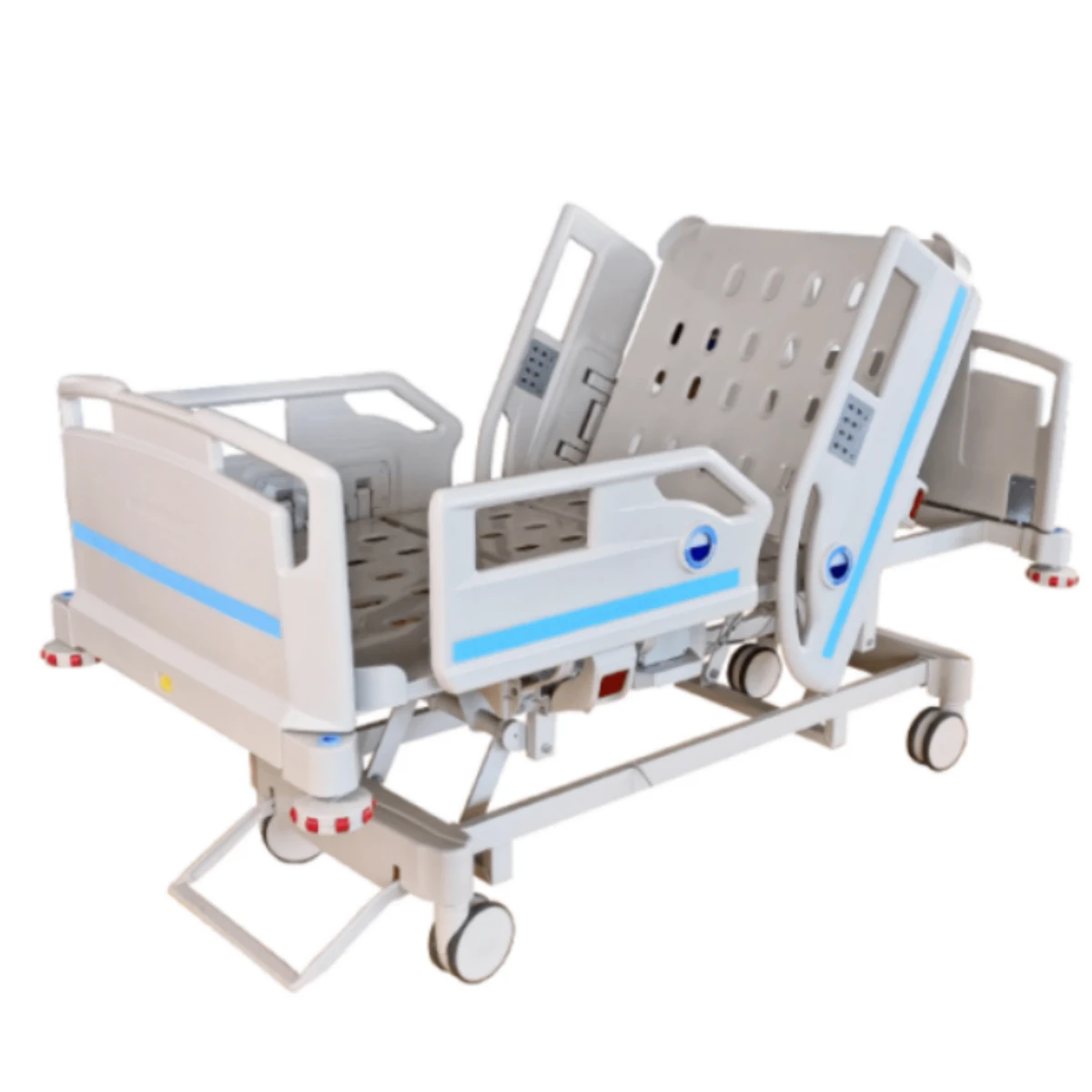
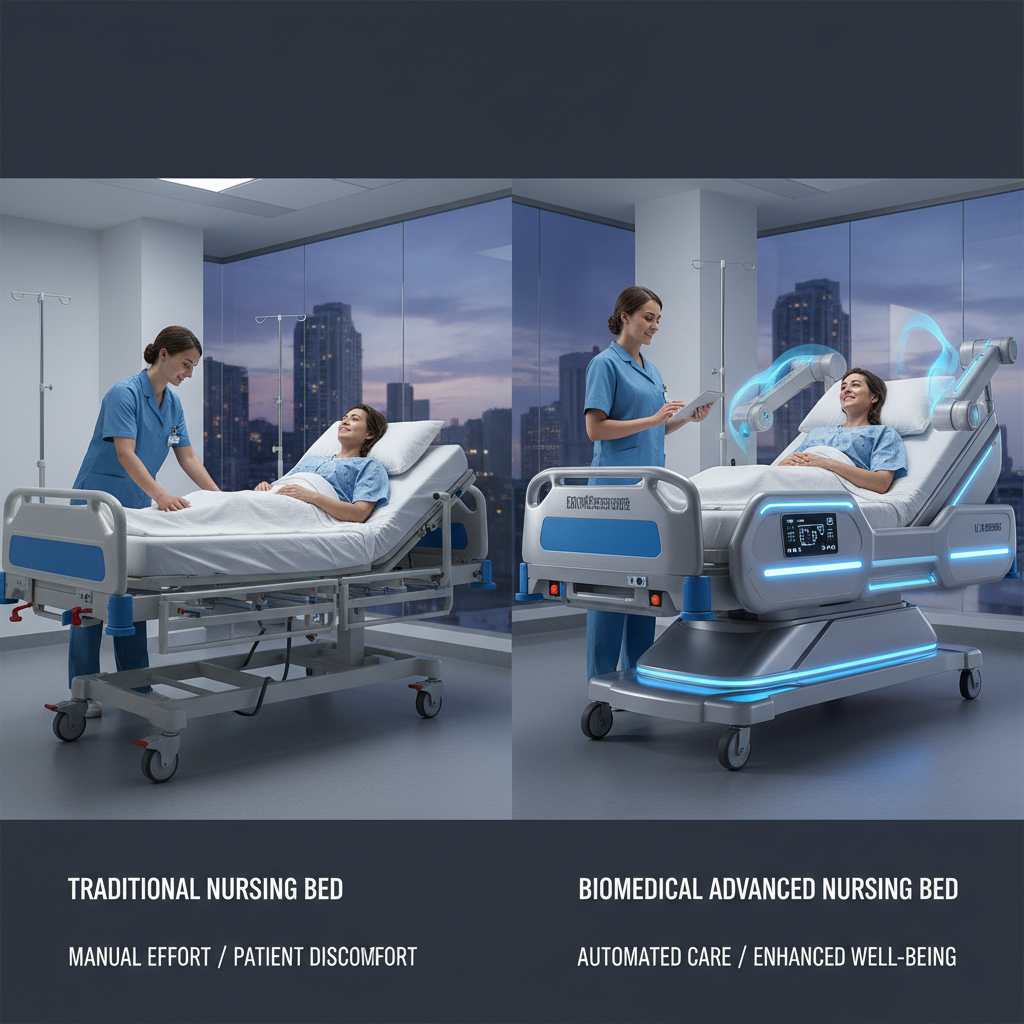
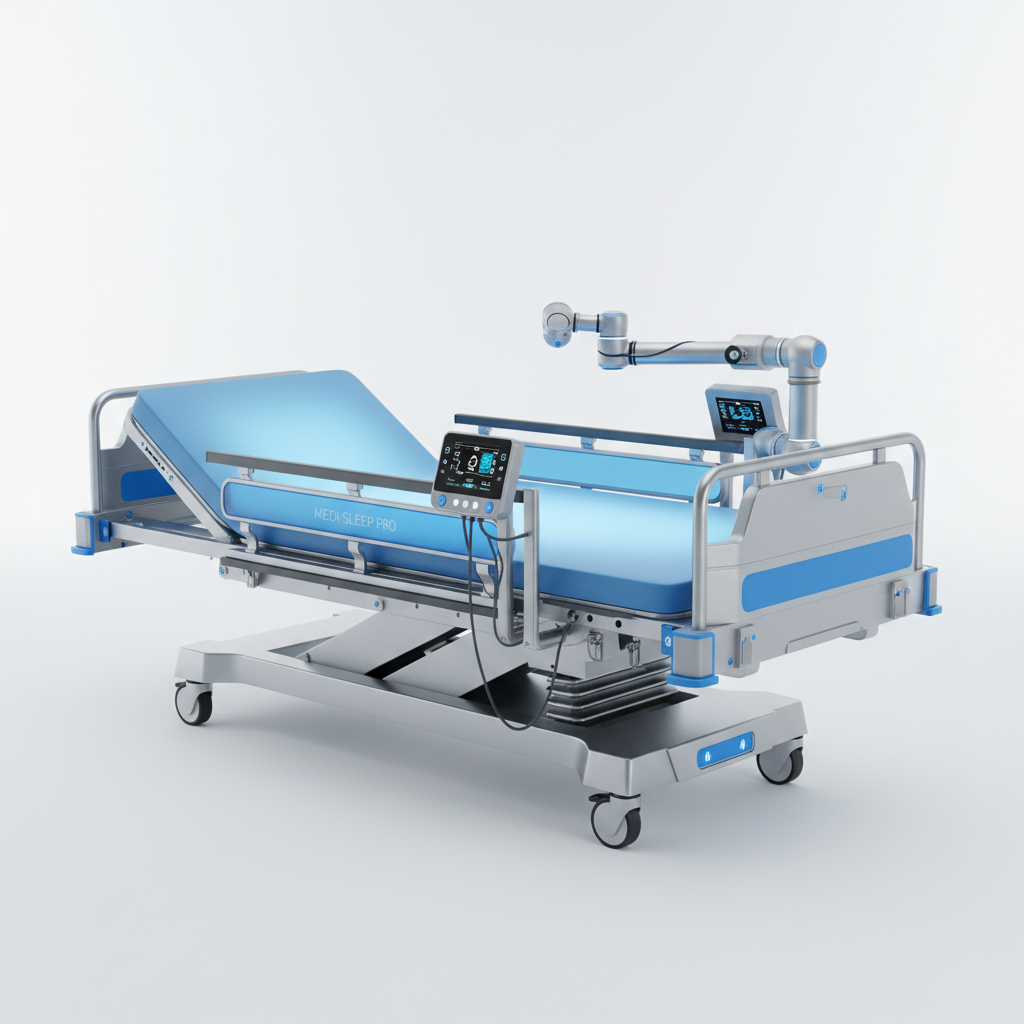
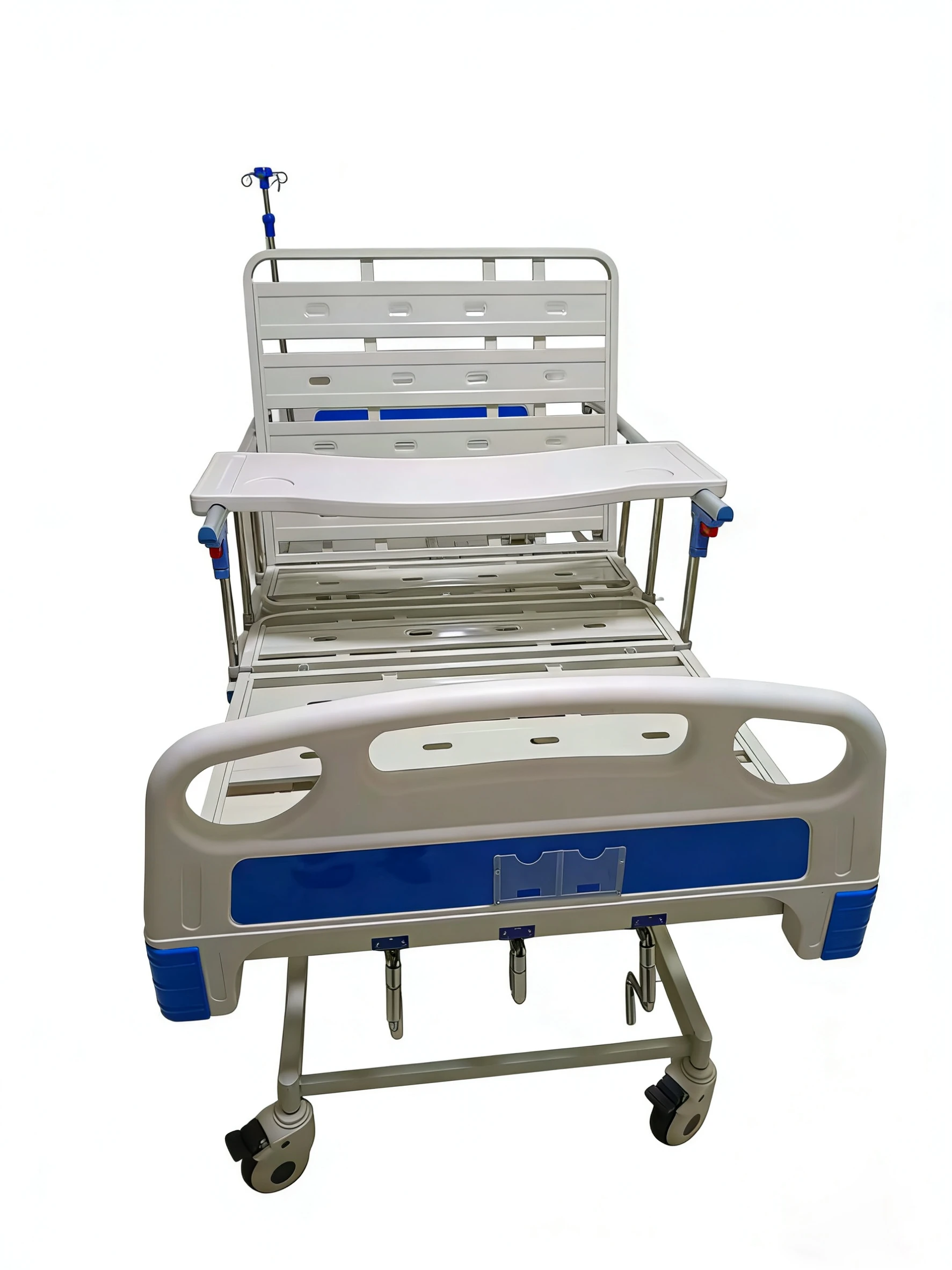
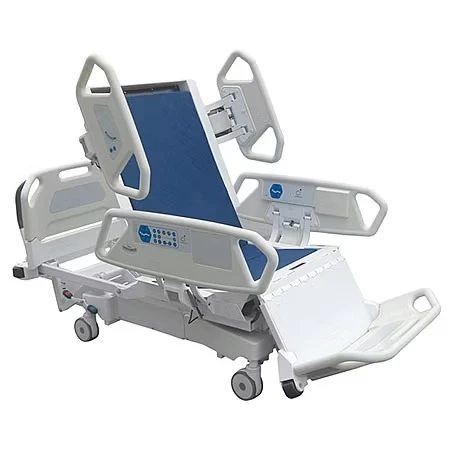
Between 2010 and 2020, there was a significant shift toward electrification. The introduction of the electric bed for patients revolutionized long-term care, reducing the physical burden on healthcare workers and allowing for precise pressure-relief positioning.

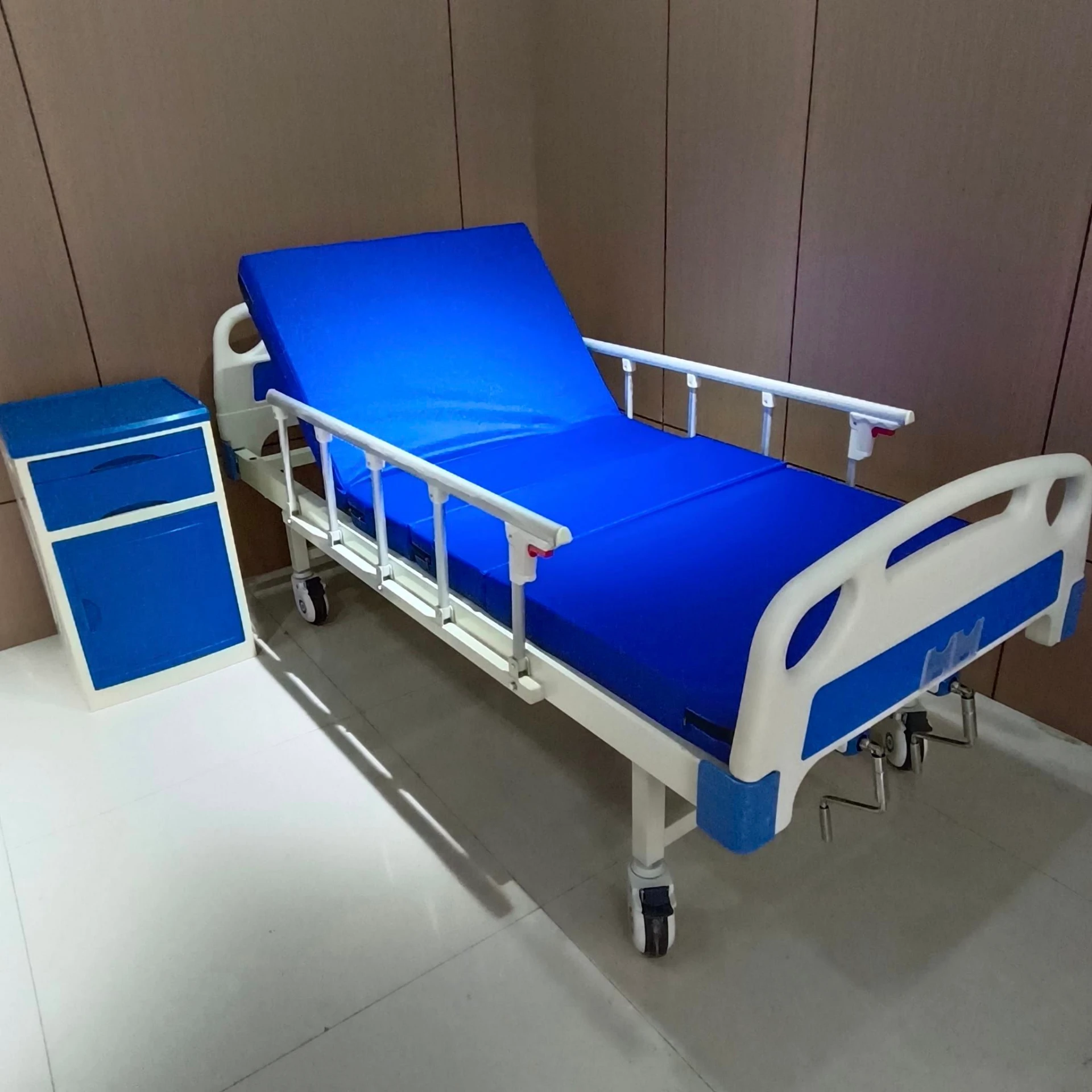
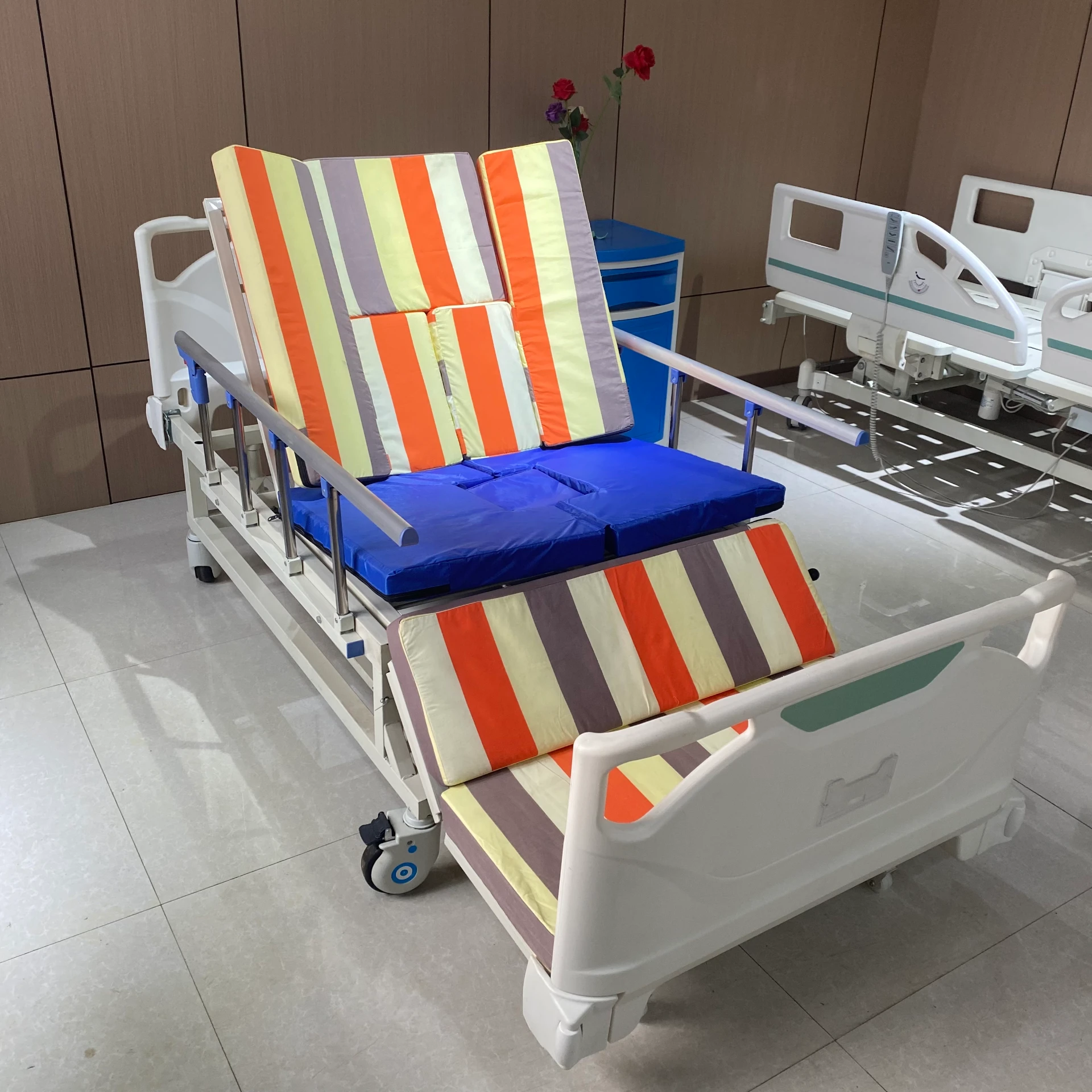
In recent years, the demand for flexibility has led to the rise of the folding medical bed, catering to the surge in home-hospitalization and temporary care facilities during public health crises across Oceania.

Future Development Trends

AI-Driven Pressure Redistribution

Future systems will likely integrate sensors that automatically adjust bed angles to prevent pressure ulcers without manual intervention.

Carbon-Fiber Lightweighting

To improve mobility in tight clinic spaces, we expect a transition toward aerospace-grade materials in the construction of transfer equipment.

Integrated Patient Monitoring

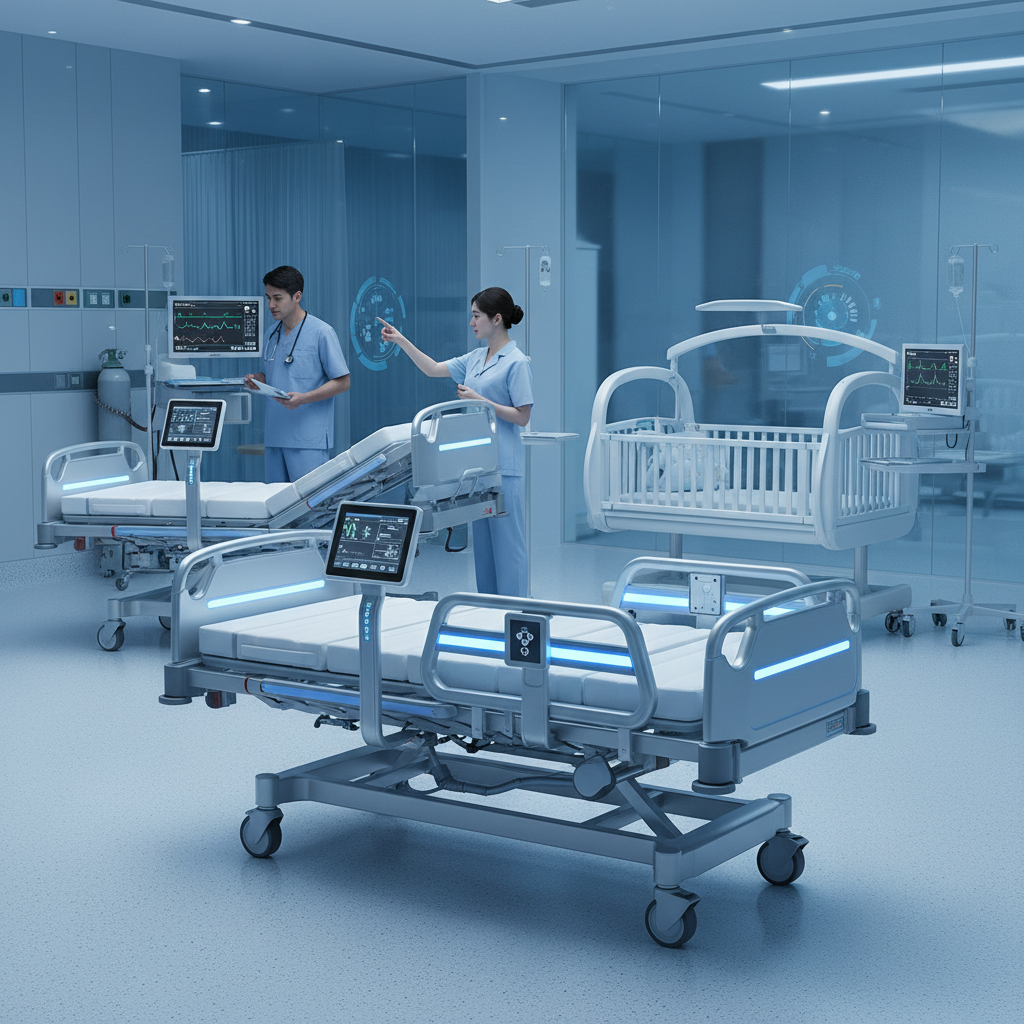
The convergence of furniture and diagnostics will see vital sign monitoring built directly into the bed frames, syncing in real-time with hospital EHR systems.

Industry Outlook and Future Prospects

Forecasting the technological shifts in New Zealand's medical equipment sector.

Remote Care Integration
Integrating beds with telemedicine hubs to allow specialists to adjust patient positioning remotely across New Zealand regions.
Sustainable Manufacturing
Shift towards eco-friendly, recyclable alloys to meet New Zealand's stringent environmental and sustainability goals.
Adaptive Ergonomics
Utilization of biometric data to automatically customize the patient bed shape based on BMI and posture.
Modular Utility Systems
Equipment that can be quickly reconfigured from a standard bed to an intensive care unit based on patient acuity levels.

Industry Outlook

The trend in Oceania suggests a convergence of medical furniture and digital health. As New Zealand continues to expand its decentralized care model, the demand for high-quality hospital furniture that supports both professional clinical use and domestic stability will grow exponentially.

Furthermore, the search volume for "home-based medical equipment" indicates a shift in consumer behavior. We anticipate a 25% increase in the adoption of hybrid beds that offer the functionality of a hospital ward within a residential aesthetic over the next 3-5 years.

Localized Application Scenarios in New Zealand

Practical implementations of professional care equipment across diverse NZ environments.

01. Rural Community Health Centers

Implementing the folding medical bed in remote Otago or Southland clinics, allowing for rapid space reconfiguration during emergency surges or temporary patient housing.

02. Auckland Metropolitan Tertiary Hospitals

Deploying high-capacity patient transfer trolley systems to optimize the rapid movement of critical patients between radiology and surgical theaters in high-traffic urban hubs.

03. Aged Care Facilities in Christchurch

Installing advanced electric bed for patients to assist nursing staff in managing elderly residents with limited mobility, reducing the risk of caregiver burnout.

04. Home-Based Post-Surgical Recovery

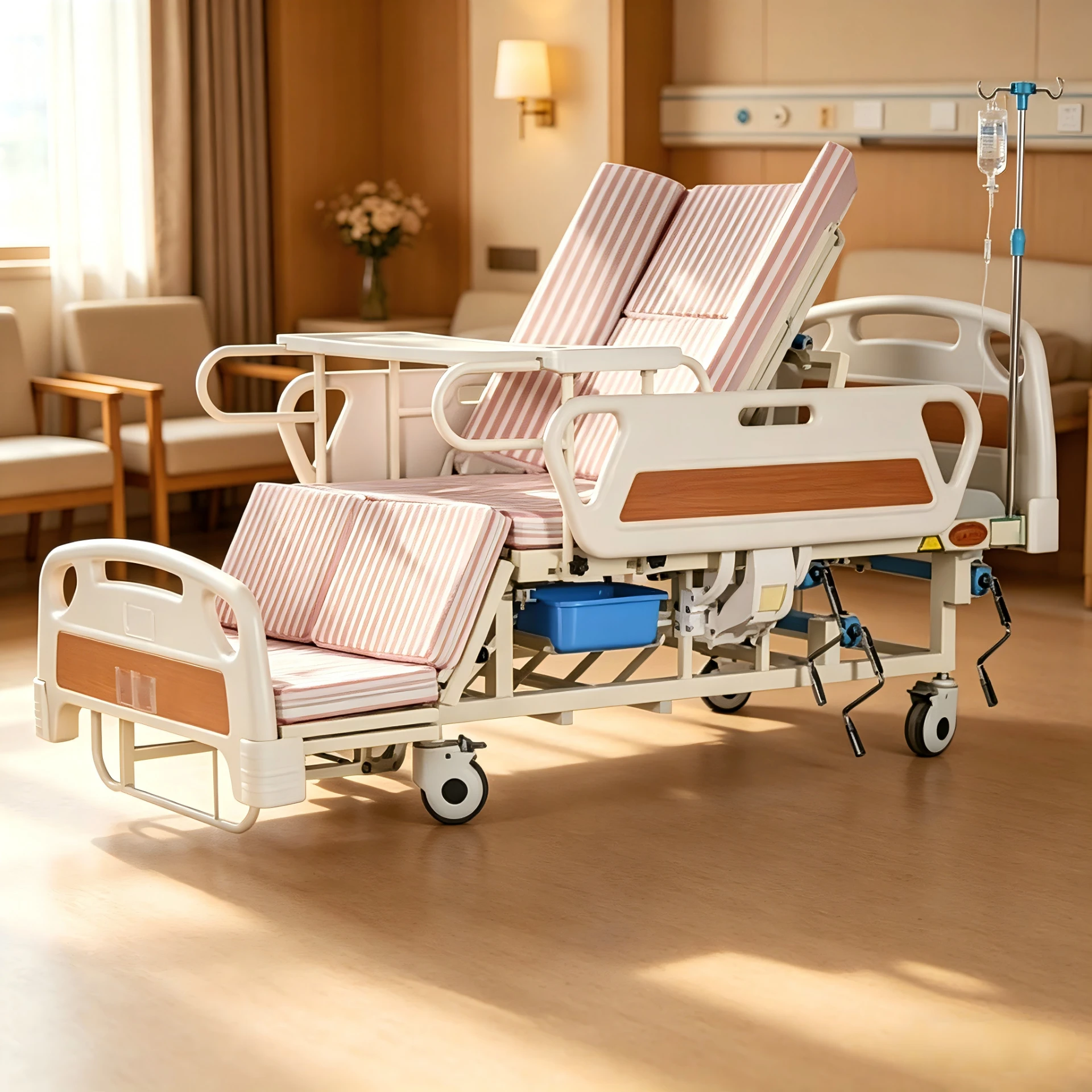
Providing specialized patient bed units for New Zealanders recovering from orthopedic surgeries at home, ensuring clinical-grade support in a domestic setting.

05. Emergency Mobile Response Units

Utilizing compact, durable medical furniture in mobile clinics that service the Māori and Pacific communities in remote areas, ensuring equity in healthcare access.

Brand Story

Global Development Journey of Hebei Zhaofa Technology Co., Ltd.

Foundational Excellence

Started with a mission to solve the lack of ergonomic stability in patient furniture, focusing on the core mechanics of weight distribution and structural integrity.

Technological Pivot

Transitioned from manual frames to automated systems, integrating precision actuators to create the next generation of electric patient beds.

Global Quality Certification

Achieved international medical standards, enabling the expansion of our specialized furniture into the strict regulatory markets of Oceania and Europe.

Patient-Centric Innovation

Developed a range of modular transfer trolleys designed specifically to reduce patient anxiety and improve the efficiency of hospital logistics.

Future-Proofing Healthcare

Currently investing in AI-integrated furniture to ensure that patients in New Zealand and beyond receive the most adaptive care possible.

New Zealand Patient Care FAQ

Addressing common technical and regulatory queries regarding medical furniture in Oceania.

How do I choose the best electric bed for patients for home care in New Zealand?

Consider the weight capacity, ease of remote control, and the availability of pressure-relieving mattresses. Ensure the bed fits through standard New Zealand residential door frames.

What safety standards apply to a patient transfer trolley used in NZ hospitals?

Equipment must comply with local Health and Safety at Work Acts, featuring locking mechanisms, side rails for patient security, and medical-grade antimicrobial coatings.

Are folding medical bed options suitable for long-term use?

Yes, our folding beds are engineered for stability. They are ideal for temporary recovery or for families who need to reclaim space occasionally without sacrificing patient support.

How often should hospital furniture be serviced in high-traffic clinics?

We recommend a comprehensive check every 6 months, focusing on the actuators of electric beds and the caster wheels of transfer trolleys to ensure smooth operation.

Can a patient bed be customized for bariatric needs in Oceania?

Absolutely. We offer reinforced frames and widened platforms specifically designed for bariatric patients to ensure safety and dignity in care.

What is the lead time for shipping medical equipment to New Zealand?

Lead times vary by order volume, but we optimize logistics to ensure timely delivery to major ports like Auckland and Lyttelton for rapid deployment.

Ready to Upgrade Your Care Facility?

Consult with our experts to find the perfect medical furniture solutions tailored for New Zealand.

Contact Us Now
  • wechat
  • 8615031846685

If you are interested in our products, you can choose to leave your information here, and we will be in touch with you shortly.