Determining the right medical bed price often feels like a balancing act between immediate procurement costs and long-term clinical outcomes. For healthcare administrators and home care providers, the cost is rarely a fixed number but rather a reflection of functional complexity, material durability, and the specific care requirements of the patient.
From basic manual frames to sophisticated multi-functional electric systems, the price variance is driven by the integration of patient safety features, ergonomic adjustments, and the quality of the steel and upholstery used. Understanding these cost drivers is essential to avoid over-investing in unnecessary features or compromising patient health with under-specced equipment.
This guide analyzes the economic variables of hospital furniture procurement, offering a professional perspective on how to evaluate value beyond the initial sticker price to ensure sustainable operational efficiency in medical environments.

Decoding the Cost Structure of Professional Medical Beds

The pricing of medical beds is not arbitrary; it is a calculated result of material science and mechanical engineering. The primary cost driver is the frame construction, typically utilizing high-grade cold-rolled steel that must be treated with specialized powder coating or shot blasting to withstand rigorous sterilization protocols.
Beyond the frame, the propulsion system—whether manual cranks or electric linear actuators—creates the most significant price gap. Electric systems require certified motors and control units that meet strict ISO13485 and CE standards, adding complexity and cost to the manufacturing process.
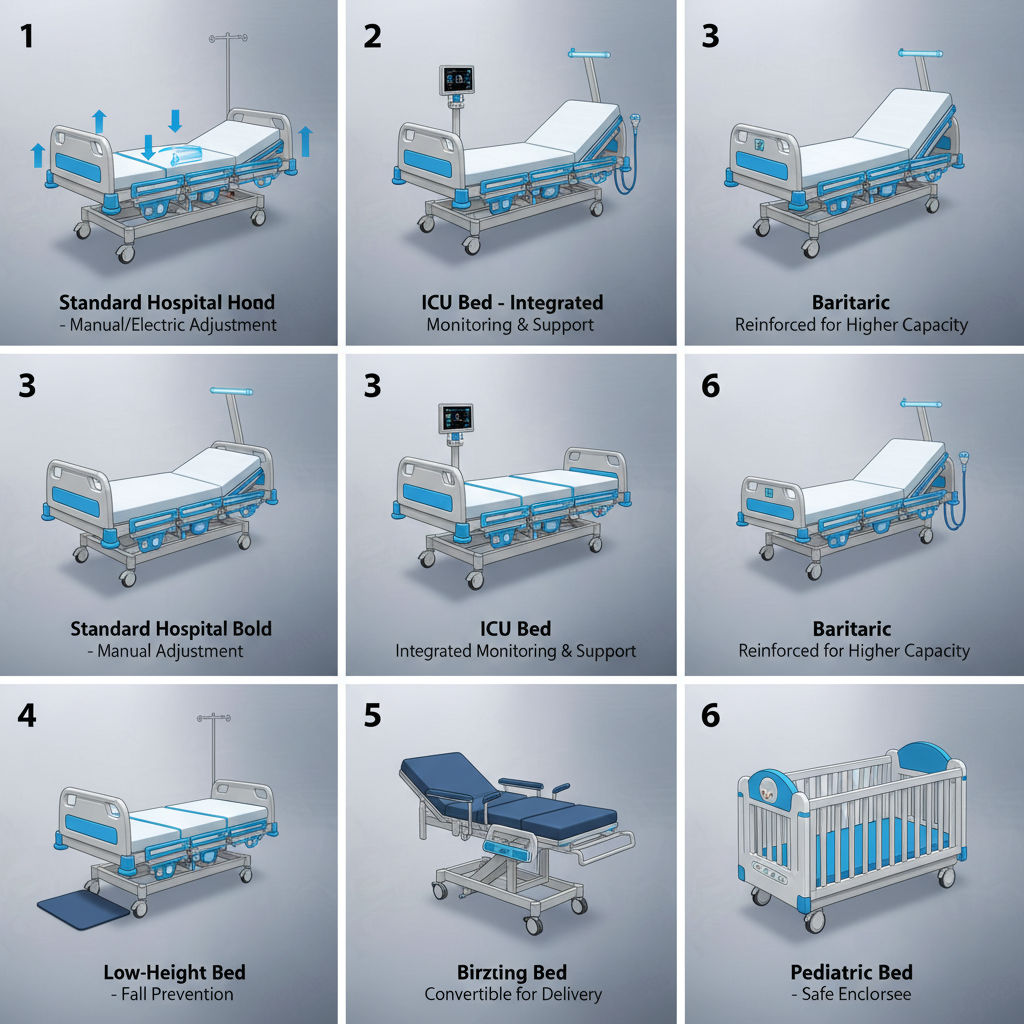
Finally, secondary components such as side rails, IV poles, and specialized mattresses contribute to the final tally. A bed designed for intensive care will naturally command a higher price than a home care nursing bed due to the heightened requirements for stability and advanced positioning capabilities.
Critical Technical Factors Driving Equipment Valuation
Technical specifications directly correlate with the market price. The degree of adjustability—ranging from simple height adjustment to full Trendelenburg and reverse Trendelenburg positions—defines the bed's utility in critical care versus general recovery.
Material quality plays a silent but pivotal role. The use of medical-grade ABS plastics for head and foot boards and high-density foam for pressure-relief mattresses increases the initial investment but lowers the long-term replacement cost by extending the product's lifecycle.
Furthermore, the integration of safety mechanisms, such as locking casters and collision-resistant bumpers, ensures compliance with international healthcare standards, which is a non-negotiable factor for professional hospital environments.
Clinical Application Scenarios and Their Budgetary Impact
Different care environments demand different specifications, which in turn dictate the budget. In a high-acuity hospital ward, the priority is rapid adjustment and mobility, necessitating high-end electric beds with integrated patient controls.
Conversely, home care nursing beds are designed with a focus on simplicity and ease of use for non-professional caregivers. These models often prioritize compact dimensions and intuitive interfaces, resulting in a more accessible price point without sacrificing essential patient comfort.
Rehabilitation centers may require a hybrid approach, investing in equipment that supports patient mobility, such as beds that can transition more easily to a seated position to facilitate the use of walkers or wheelchairs during the recovery process.
Evaluating Operational Performance and Total Cost of Ownership
When analyzing equipment expenditure, the initial purchase price is only one component of the Total Cost of Ownership (TCO). Operational efficiency is measured by the reduction in nursing hours required for patient repositioning and the decrease in hospital-acquired pressure ulcers.
High-quality beds with superior ergonomic designs typically exhibit lower maintenance frequencies and higher reliability over a 10-year span compared to budget-tier alternatives.
medical bed price Performance Metrics
The data suggests that while the initial investment for certified professional equipment is higher, the long-term operational costs decrease due to improved durability and reduced patient complications.
Strategic Procurement Considerations for Healthcare Facilities
Procuring medical furniture requires a rigorous evaluation of the supplier's manufacturing capabilities. A manufacturer with a complete production line—including welding, spray, and shot blasting workshops—can typically offer better quality control and more competitive pricing through vertical integration.
Buyers should prioritize certifications such as ISO13485 and CE, as these guarantee that the equipment has undergone the necessary safety testing to operate in a clinical setting without risking patient harm.
Additionally, the availability of OEM and ODM services allows facilities to customize bed specifications to fit their specific room dimensions and patient demographic, potentially reducing wasted expenditure on unused features.
Future Innovations Influencing Medical Bed Pricing Trends
The integration of smart technology is expected to redefine the cost landscape of patient beds. We may see a rise in beds equipped with integrated weight sensors and sleep monitoring systems, which could increase initial costs but drastically reduce labor costs for monitoring.
New lightweight alloys and antimicrobial coatings are likely to be introduced, potentially reducing the overall weight of the equipment while increasing its resistance to healthcare-associated infections (HAIs).
As the global population ages, the demand for home-care-specific beds that blend clinical functionality with residential aesthetics is expected to grow, leading to a more diversified pricing market for nursing-focused furniture.
Decision Matrix for Selecting the Optimal Bed Model
Choosing the right equipment depends on the intersection of patient needs and budgetary constraints. The following matrix provides a professional comparison of common configurations available in the medical furniture market.
By comparing these dimensions, procurement officers can align their selection with the actual clinical requirements of their facility.
| Bed Type | Primary Driver | Key Feature | Typical Lifecycle |
|---|---|---|---|
| Manual Hospital Bed | Cost Efficiency | Hand-crank Adjustments | 5-7 Years |
| Electric Nursing Bed | Caregiver Ease | Remote Control Motors | 7-10 Years |
| ICU Multi-Function | Clinical Intensity | Full Trendelenburg | 10-12 Years |
| Pediatric Speciality | Patient Safety | Adjustable Side Rails | 8-10 Years |
| Home Care Hybrid | Space Optimization | Foldable/Compact Frame | 6-8 Years |
| Rehab Active Bed | Patient Recovery | Mobility Assistance | 8-11 Years |
Ultimately, the most cost-effective choice is the one that minimizes patient complications and maximizes the efficiency of the healthcare staff.
Frequently Asked Questions
Conclusion
Evaluating a medical bed price requires a shift in perspective from a simple procurement expense to a strategic clinical investment. By understanding the technical drivers—from material quality to motorized precision—healthcare providers can select equipment that balances budgetary limits with the imperative of patient safety.
For those seeking a partner capable of delivering internationally certified medical furniture with OEM/ODM flexibility, the resources and product catalogs available at www.zfmedicare.com provide a comprehensive starting point for informed decision-making.