China hospital furniture plays a crucial role in modern healthcare infrastructure globally. From basic hospital beds and bedside tables to complex operating room equipment and specialized furniture for intensive care units, the demand for high-quality, durable, and hygienic furnishings is consistently rising. This demand is driven by factors like aging populations, increasing healthcare access in developing nations, and the continuous advancements in medical technology, all requiring adaptable and reliable furniture solutions. Understanding the nuances of china hospital furniture—its manufacturing, materials, and applications—is vital for healthcare professionals, procurement specialists, and policymakers alike.
The global market for hospital furniture is substantial, estimated to be worth billions of dollars and experiencing steady growth. China has emerged as a leading manufacturer and exporter of this equipment, owing to its competitive pricing, established manufacturing capabilities, and increasingly stringent quality control standards. However, navigating the supply chain and ensuring compliance with international regulations presents challenges. The quality of china hospital furniture varies significantly, and proper due diligence is crucial when sourcing from this region.
Investing in appropriate china hospital furniture isn't merely about aesthetics; it’s about patient safety, staff efficiency, and overall operational effectiveness. Choosing the right furnishings impacts infection control, patient comfort, workflow optimization, and ultimately, the quality of care provided. This comprehensive guide will delve into the specifics of china hospital furniture, examining its key characteristics, applications, benefits, and future trends.
The Global Significance of china hospital furniture
The demand for china hospital furniture is intrinsically linked to global healthcare trends. The World Health Organization (WHO) estimates that over 100 million people fall into poverty each year due to healthcare costs, highlighting the critical need for affordable and accessible healthcare solutions. This includes cost-effective hospital infrastructure, and china hospital furniture often provides a viable option for nations with limited budgets. Furthermore, the United Nations Sustainable Development Goal 3 (Good Health and Well-being) reinforces the importance of strengthening healthcare systems worldwide, driving the demand for suitable medical furnishings.
The increasing prevalence of chronic diseases, coupled with an aging global population, is placing significant strain on healthcare facilities. This necessitates the expansion of existing hospitals and the construction of new ones, requiring substantial investments in hospital furniture. China’s manufacturing capacity allows it to meet this growing demand efficiently, offering a range of products tailored to diverse needs and budgets. However, the challenge lies in ensuring that this increased production doesn't compromise quality or safety standards, particularly regarding materials and construction.
Defining china hospital furniture
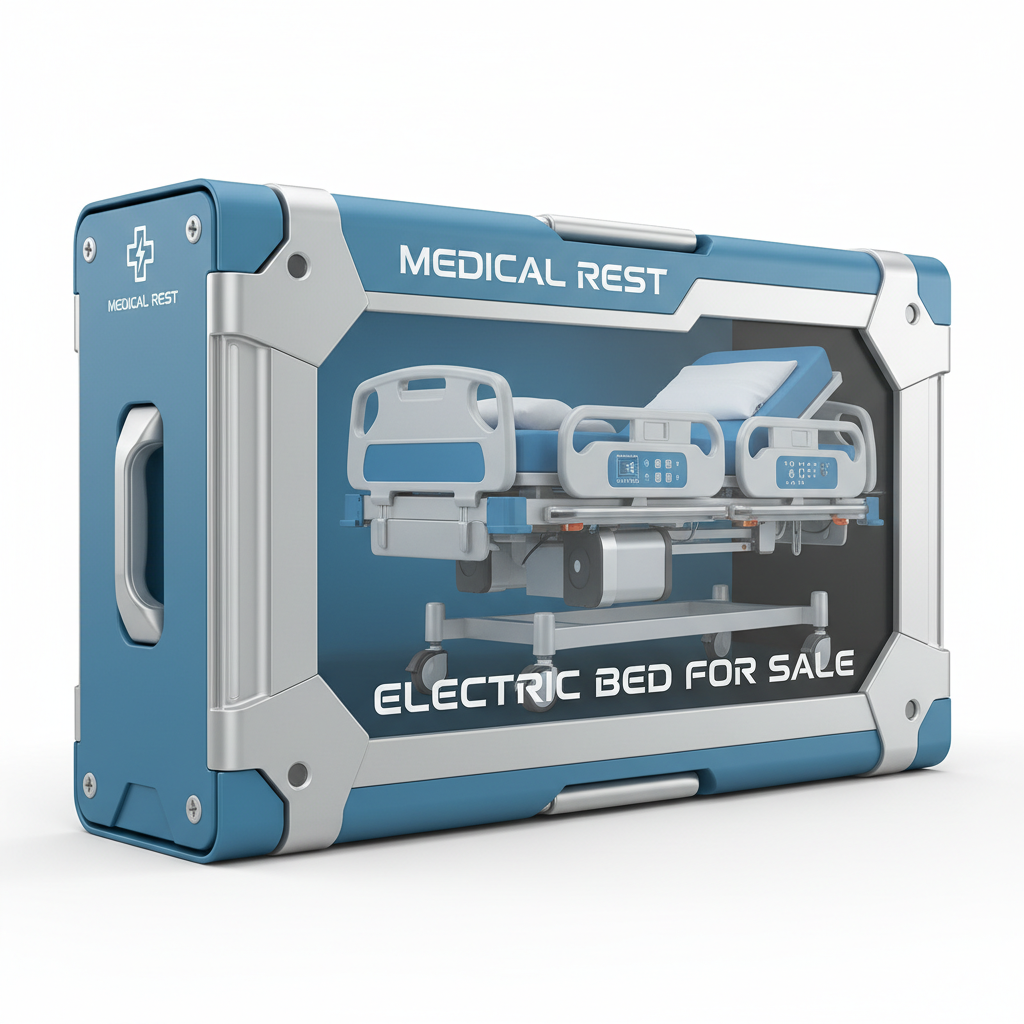
china hospital furniture encompasses a wide range of furnishings specifically designed for use in healthcare settings. This includes, but is not limited to, hospital beds (manual, semi-electric, and electric), bedside tables, wheelchairs, stretchers, examination tables, operating tables, medical carts, waiting room chairs, and specialized equipment stands. Crucially, these furnishings are manufactured in China, often leveraging the country's robust supply chains and skilled labor force.
Distinguishing china hospital furniture involves understanding its manufacturing processes and quality control measures. While historically, “made in China” might have implied lower quality, modern chinese manufacturers are increasingly adopting international standards (ISO 13485 for medical devices is a key example) and implementing rigorous quality assurance protocols. This shift is driven by both domestic regulations and the growing demand for high-quality medical equipment from international markets.
The definition extends beyond the physical products themselves to include considerations of hygiene, durability, and patient safety. china hospital furniture often incorporates features like antimicrobial surfaces, easy-to-clean materials, and ergonomic designs to meet the demanding requirements of a healthcare environment. Understanding these characteristics is crucial for informed procurement decisions.
Core Components of china hospital furniture
Several core components define the quality and functionality of china hospital furniture. These include the frame material (often steel, aluminum, or a combination thereof), the upholstery (typically vinyl or specialized fabrics designed for healthcare environments), the hardware (hinges, wheels, adjustment mechanisms), and the finishing treatments (powder coating, antimicrobial coatings). The quality of each component directly impacts the overall durability and lifespan of the furniture.
The selection of materials is particularly important. Steel frames offer strength and stability, while aluminum provides lightweight maneuverability. Upholstery must be resistant to stains, abrasions, and the penetration of fluids. Hardware needs to be robust and reliable, capable of withstanding repeated use. Furthermore, manufacturers are increasingly utilizing sustainable materials and eco-friendly production processes to reduce the environmental impact of their products. Adherence to these standards contributes to a longer product lifecycle and reduced waste.
Beyond the physical components, design and ergonomics are crucial. china hospital furniture must be designed to promote patient comfort and safety, as well as to facilitate efficient workflows for healthcare staff. Features like adjustable height, tilt mechanisms, and integrated storage solutions contribute to improved patient care and reduced staff fatigue. Furthermore, the ability to easily clean and disinfect furniture is paramount in preventing the spread of infection.
Key Factors Influencing china hospital furniture Selection
Selecting the right china hospital furniture requires careful consideration of several key factors. Durability is paramount, as hospital furniture is subjected to constant use and demanding conditions. Scalability is also important, allowing healthcare facilities to adapt to changing needs and expand their capacity as required.
Cost efficiency is a major driver in the procurement process. china hospital furniture often provides a cost-effective alternative to products from other countries, without necessarily compromising quality. However, it’s crucial to consider the total cost of ownership, including maintenance, repair, and replacement costs over the lifespan of the furniture. Ergonomics and patient safety are non-negotiable factors, ensuring comfort, preventing injuries, and facilitating efficient workflows.
china hospital furniture Quality Assessment
Global Applications and Use Cases of china hospital furniture
china hospital furniture finds application in a diverse range of healthcare settings globally. In developed countries, it’s often utilized in private hospitals, specialized clinics, and rehabilitation centers where cost-effectiveness is a priority without compromising quality. In developing nations, it plays a vital role in expanding access to healthcare, equipping newly built hospitals and upgrading existing facilities.
In post-disaster relief operations, china hospital furniture offers a rapid and affordable solution for establishing temporary healthcare facilities. Its portability and ease of assembly make it ideal for emergency response situations. Similarly, in remote industrial zones and rural areas with limited healthcare infrastructure, china hospital furniture provides a practical and cost-effective way to deliver essential medical services.
Advantages and Long-Term Value of china hospital furniture
The advantages of opting for china hospital furniture are multi-faceted. Tangible benefits include significant cost savings, enabling healthcare facilities to allocate resources to other critical areas. Improved sustainability is becoming increasingly prevalent, with manufacturers adopting eco-friendly materials and production processes. Reduced lead times and increased supply chain flexibility contribute to faster project completion and minimized disruptions.
Beyond the practical benefits, china hospital furniture also offers social and emotional value. Providing comfortable and safe furnishings enhances the patient experience, promoting healing and well-being. Investing in high-quality equipment demonstrates a commitment to patient care and builds trust within the community. Long-term reliability minimizes downtime and reduces the need for frequent replacements, leading to greater operational efficiency.
Future Trends and Innovations in china hospital furniture
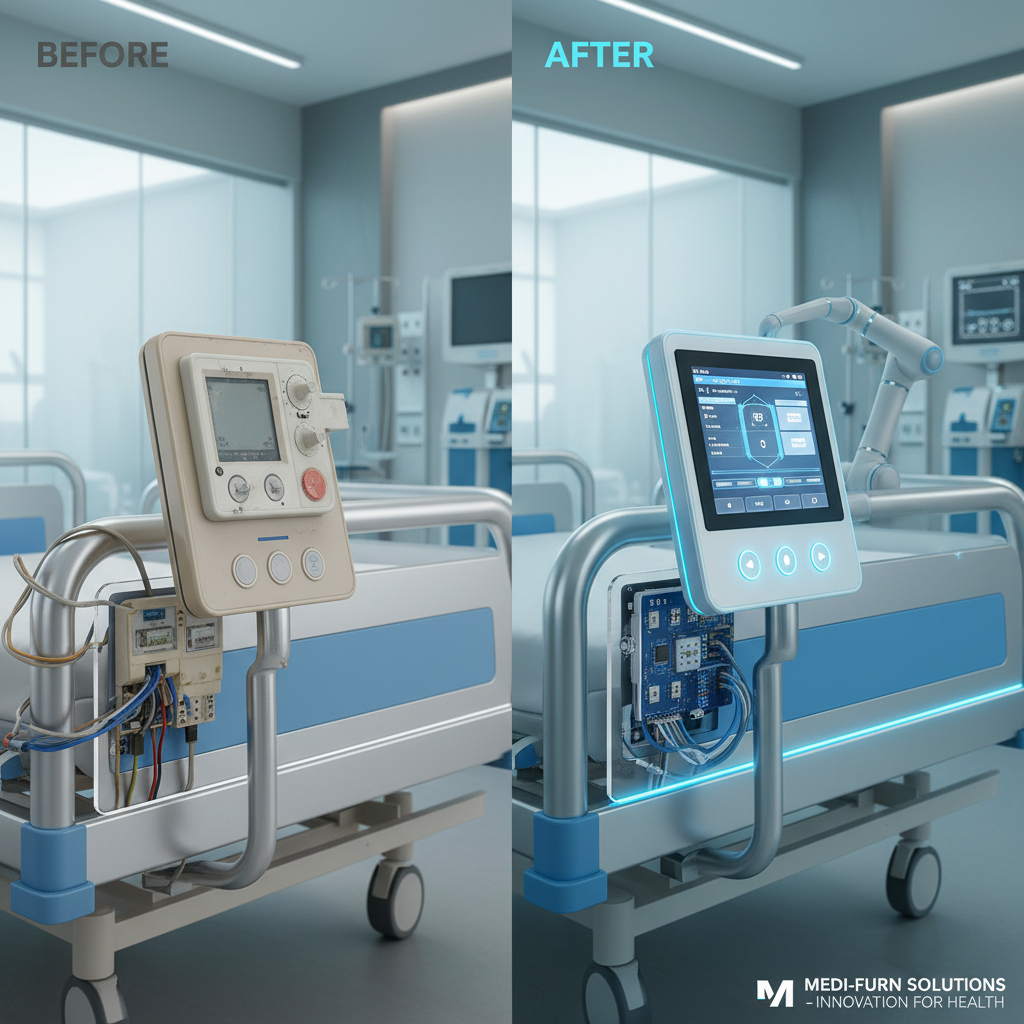
The future of china hospital furniture is poised for significant innovation. The integration of smart technologies, such as sensor-equipped beds that monitor patient vital signs and adjust automatically, is gaining traction. Antimicrobial coatings with enhanced efficacy and longer lifespans are under development. The increasing adoption of modular and adaptable furniture designs allows for greater flexibility and customization.
Sustainability will continue to be a key driver, with a focus on utilizing recycled materials, reducing waste, and minimizing the carbon footprint of manufacturing processes. Digital transformation and automation will streamline production, improve quality control, and reduce costs. The trend towards personalized healthcare will also influence furniture design, with a greater emphasis on patient-centric solutions.
Furthermore, expect to see increased focus on infection control through innovative materials and designs. Self-disinfecting surfaces and furniture configurations that minimize contact points will become more commonplace, helping to create safer and more hygienic healthcare environments.
Challenges and Solutions
Despite the numerous benefits, challenges remain in the china hospital furniture sector. Concerns about quality control, adherence to international standards, and supply chain transparency are ongoing issues. The lack of standardized testing and certification processes can create uncertainty for buyers.
Solutions include strengthening quality assurance measures, implementing robust inspection protocols, and promoting greater collaboration between manufacturers, regulators, and industry associations. Utilizing third-party certification bodies and conducting thorough due diligence are essential steps for mitigating risks. Establishing clear communication channels and fostering long-term relationships with reputable suppliers can also help ensure consistent quality and reliability.
Finally, leveraging digital platforms and blockchain technology can enhance supply chain transparency, allowing buyers to track the origin and quality of materials used in china hospital furniture, increasing trust and accountability.
Summary of Challenges and Solutions in china hospital furniture
| Challenge Area |
Specific Challenge |
Proposed Solution |
Implementation Difficulty (1-10) |
| Quality Control |
Inconsistent product quality across manufacturers. |
Implement stricter ISO 13485 certification and regular audits. |
7 |
| Supply Chain Transparency |
Difficulty tracing the origin of materials and components. |
Utilize blockchain technology for supply chain tracking. |
8 |
| Standardization |
Lack of standardized testing and certification for hospital furniture. |
Develop and implement industry-wide testing standards. |
6 |
| Communication |
Language barriers and cultural differences hindering effective communication. |
Employ experienced sourcing agents and translators. |
4 |
| Regulatory Compliance |
Navigating complex international regulations and import requirements. |
Partner with logistics providers specializing in medical equipment import. |
5 |
| Sustainability |
Limited use of sustainable materials and eco-friendly production processes. |
Incentivize manufacturers to adopt sustainable practices. |
7 |
FAQS
The primary differences lie in materials, construction, and features. Low-cost options typically use lighter gauge steel, less durable upholstery, and simpler mechanisms. High-end china hospital furniture employs stronger materials, antimicrobial surfaces, electric adjustability, and enhanced ergonomic designs. The longevity and overall patient/staff experience will be significantly better with the higher-end options, despite the initial investment.
Look for furniture that is certified to international safety standards, such as ISO 13485 (Medical Devices – Quality Management Systems) and IEC 60601-1 (Medical Electrical Equipment). Verify the manufacturer’s testing reports and certifications. Work with a reputable supplier who can provide documentation and traceability for all materials and components.
Lead times vary depending on the complexity of the order, the manufacturer's production schedule, and shipping logistics. Generally, expect a lead time of 6-12 weeks for standard items. Customized orders or large-volume requests may require longer lead times. It's crucial to plan ahead and communicate your requirements well in advance.
Import duties and taxes vary depending on the destination country, the value of the shipment, and the specific product classification. It is recommended to consult with a customs broker or logistics provider to determine the applicable duties and taxes for your specific import requirements. Failure to comply with import regulations can result in delays and penalties.
Establish a clear warranty agreement with the manufacturer or supplier before placing your order. Document any defects or damages thoroughly with photos and videos. Contact the supplier immediately to initiate a warranty claim, providing all necessary documentation. A reputable supplier will promptly address your concerns and provide a resolution, such as repair, replacement, or refund.
There's a growing trend towards using recycled materials, such as recycled steel and plastics, in the construction of hospital furniture. Manufacturers are also adopting more eco-friendly production processes, reducing waste and energy consumption. The use of non-toxic, low-VOC (volatile organic compound) finishes is also becoming more prevalent, contributing to improved indoor air quality.
Conclusion
In conclusion, china hospital furniture represents a vital component of the global healthcare landscape. Its affordability, increasing quality, and adaptability make it a compelling option for healthcare facilities worldwide, especially those facing budgetary constraints. Understanding the key factors influencing selection, the potential challenges, and the emerging trends is crucial for making informed procurement decisions and maximizing long-term value.
Looking ahead, continued innovation in materials, design, and manufacturing processes will further enhance the quality and functionality of china hospital furniture. Embracing sustainable practices and prioritizing patient safety and comfort will be paramount. To explore a wide range of high-quality china hospital furniture solutions, visit our website: china hospital furniture.