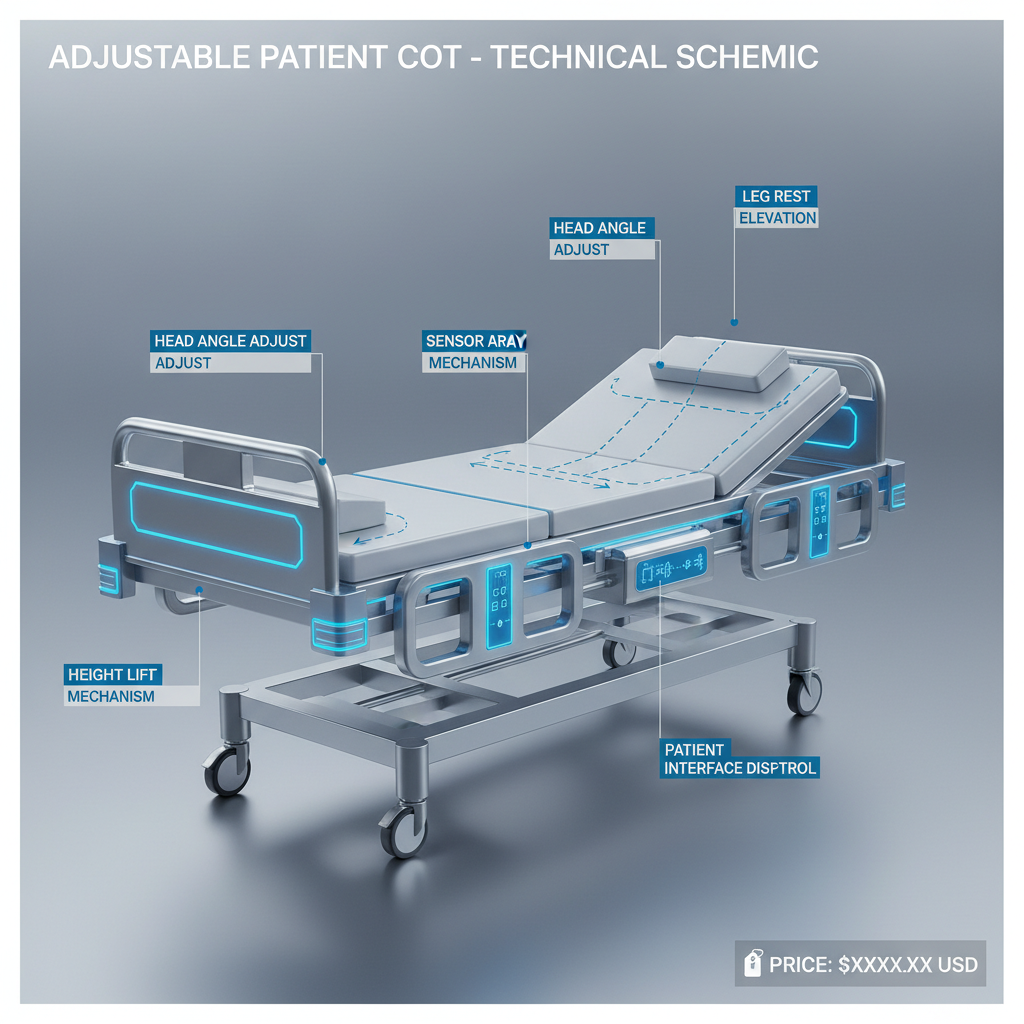
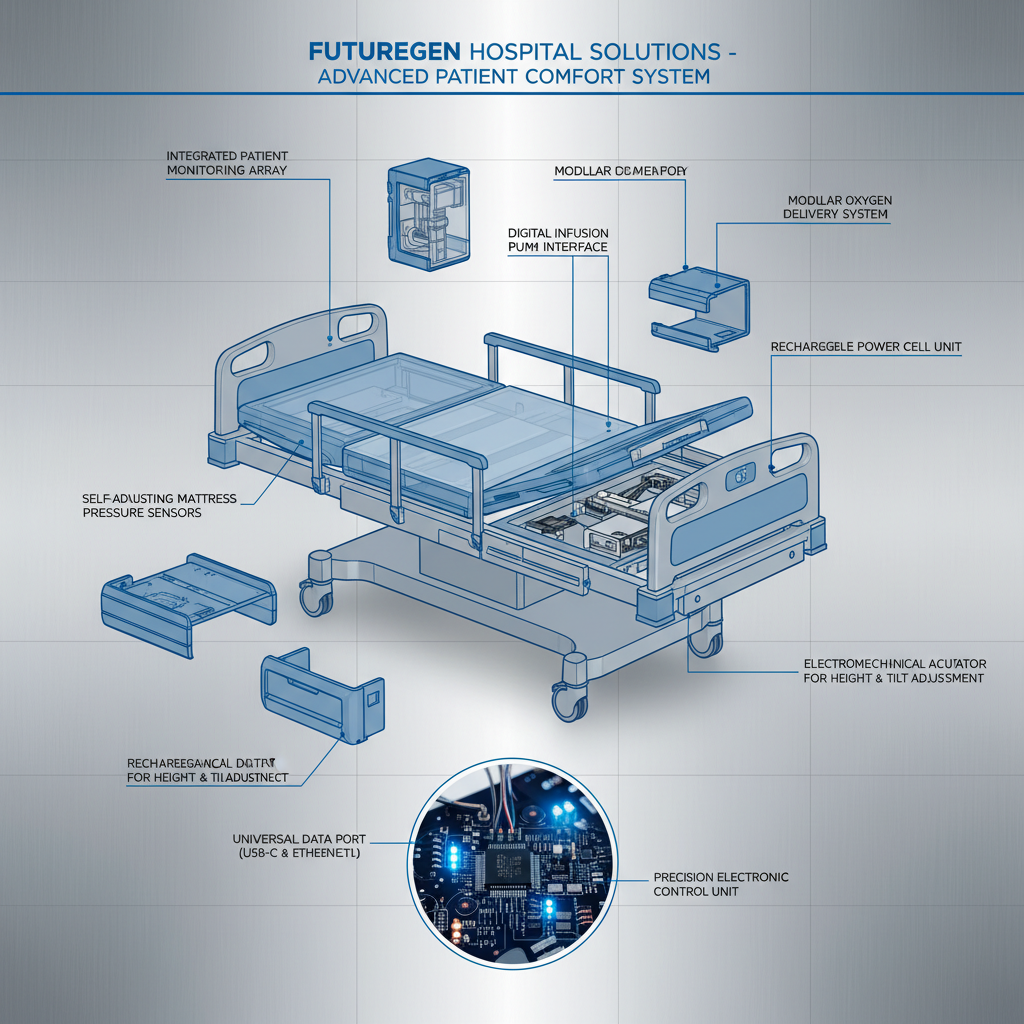
Hospital furniture suppliers play a crucial role in the global healthcare ecosystem. They are the backbone of providing functional, safe, and comfortable environments for patients and medical staff alike. The demand for high-quality hospital furniture is consistently high, driven by factors like aging populations, increasing healthcare accessibility, and a growing emphasis on patient-centered care. Understanding the nuances of this industry – from material science and ergonomic design to logistical challenges and cost considerations – is paramount for healthcare administrators, architects, and suppliers themselves.
The global market for hospital furniture is substantial and growing. According to recent reports, the market is projected to reach billions of dollars in the coming years, spurred by increased investment in healthcare infrastructure, particularly in emerging economies. The industry isn't just about beds and chairs; it encompasses specialized equipment like surgical tables, examination couches, and patient transport systems. Navigating this complex landscape requires an understanding of international standards, regulatory compliance, and the evolving needs of modern healthcare facilities.
Choosing the right hospital furniture suppliers directly impacts patient outcomes, staff efficiency, and the overall cost of healthcare. A well-furnished hospital promotes healing, reduces the risk of infection, and enhances the overall patient experience. Furthermore, durable and well-designed furniture minimizes maintenance costs and contributes to a sustainable healthcare environment.
Introduction to Hospital Furniture Suppliers
Hospital furniture suppliers are companies specializing in the design, manufacture, and distribution of furniture specifically intended for use in healthcare settings. This includes a vast array of products ranging from patient beds and bedside tables to waiting room seating, operating room equipment, and specialized storage solutions. These suppliers serve a diverse clientele including hospitals, clinics, nursing homes, rehabilitation centers, and medical laboratories.
The best hospital furniture suppliers understand that healthcare environments demand more than just aesthetically pleasing furniture. They must prioritize functionality, durability, hygiene, and compliance with strict safety regulations. Successful suppliers often work closely with healthcare professionals to develop innovative solutions that address the evolving needs of the industry and improve patient care.
Defining Hospital Furniture Suppliers
Hospital furniture suppliers are more than just retailers; they are integral partners in creating functional and healing healthcare spaces. They encompass businesses involved in every stage of the furniture lifecycle, from initial design and material sourcing to manufacturing, quality control, and final delivery. This often includes post-sale services such as installation, maintenance, and repair.
The connection to modern industry and humanitarian needs is strong. The demand for efficient and reliable healthcare infrastructure is constantly increasing globally. Suppliers are crucial in equipping facilities – particularly in underserved areas – with the essential furniture needed to deliver quality care. Furthermore, during emergencies and disasters, these suppliers can quickly provide essential furniture to field hospitals and temporary medical facilities.
Different types of hospital furniture suppliers exist, ranging from large multinational corporations to smaller, specialized manufacturers. Some focus on specific product lines, like patient beds, while others offer a comprehensive range of furniture for the entire healthcare facility. Choosing the right supplier depends on the specific needs, budget, and long-term goals of the healthcare organization.
Key Factors for Choosing Suppliers
Selecting the right hospital furniture suppliers requires careful consideration of several key factors. Durability is paramount, as hospital furniture must withstand constant use, rigorous cleaning, and potential damage. Furniture should be constructed from high-quality materials that can withstand the demands of a healthcare environment.
Scalability is another crucial aspect. Healthcare facilities often expand or undergo renovations, so suppliers should be able to accommodate fluctuating orders and provide furniture that can be easily integrated into existing layouts. Cost-efficiency is important, but should not come at the expense of quality or functionality. Total cost of ownership – including maintenance, repairs, and replacement costs – should be considered.
Regulatory compliance is non-negotiable. Suppliers must adhere to relevant safety standards, such as those set by the FDA or ISO, and provide documentation to verify compliance. Finally, excellent customer service and responsive support are essential. A reliable supplier should be readily available to answer questions, address concerns, and provide timely assistance.
Global Applications of Hospital Furniture
The application of hospital furniture extends far beyond traditional hospitals. It's vital in specialized clinics, such as dental practices, physiotherapy centers, and oncology units, each requiring specific equipment tailored to their needs. Nursing homes and assisted living facilities rely heavily on comfortable and supportive furniture to enhance the quality of life for their residents.
In post-disaster relief operations, hospital furniture suppliers often provide rapidly deployable beds, examination tables, and storage solutions to establish temporary medical facilities. These quick-response capabilities are crucial in providing immediate care to affected populations. Remote industrial zones and offshore oil rigs also require on-site medical facilities equipped with essential hospital furniture.
Globally, regions experiencing rapid population growth and economic development, such as Southeast Asia and Africa, are investing heavily in healthcare infrastructure, driving increased demand for hospital furniture. Developed nations are also constantly upgrading their facilities with the latest technologies and ergonomic designs.
Hospital Furniture Supplier Performance Metrics
Advantages of Partnering with Reliable Suppliers
Partnering with reputable hospital furniture suppliers translates to tangible benefits. Cost savings are realized through competitive pricing, efficient logistics, and reduced maintenance expenses. Sustainability is promoted by choosing suppliers who prioritize eco-friendly materials and responsible manufacturing processes.
The social impact is significant, ensuring patients receive care in comfortable and safe environments, contributing to improved health outcomes and overall well-being. Reliability is enhanced through consistent product quality, on-time delivery, and responsive customer support.
Future Trends in Hospital Furniture
The future of hospital furniture is being shaped by several key trends. A growing emphasis on antimicrobial surfaces and materials is driven by the need to reduce healthcare-associated infections. Smart furniture, equipped with sensors and connectivity features, is emerging, enabling remote monitoring of patient vital signs and automated adjustments for comfort.
Modular and adaptable furniture designs are gaining popularity, allowing healthcare facilities to easily reconfigure spaces to meet changing needs. Furthermore, the increasing adoption of telehealth and remote patient monitoring is influencing furniture design, creating more integrated and technologically advanced healthcare environments.
Sustainable manufacturing practices and the use of recycled materials are becoming increasingly important as healthcare organizations strive to reduce their environmental footprint. The integration of virtual reality (VR) and augmented reality (AR) in furniture design and visualization is also expected to gain traction.
Challenges and Solutions for Suppliers & Buyers
One common challenge is navigating complex supply chains and ensuring timely delivery, particularly during global disruptions. Solutions include diversifying supplier networks, utilizing advanced logistics technologies, and establishing robust inventory management systems. Maintaining consistent quality control across multiple manufacturing locations can be difficult; rigorous quality assurance protocols and regular audits are essential.
Adapting to evolving regulatory requirements and safety standards requires continuous monitoring and proactive compliance measures. Meeting the diverse needs of different healthcare specialties and facility types demands flexible and customizable furniture solutions.
Addressing the increasing demand for sustainable and eco-friendly furniture requires investment in research and development of new materials and manufacturing processes. Effective communication and collaboration between suppliers and buyers are crucial for overcoming these challenges and ensuring the delivery of high-quality, reliable hospital furniture.
Summary of Key Challenges and Solutions for Hospital Furniture Suppliers
| Challenge |
Impact on Healthcare Facilities |
Proposed Solution |
Implementation Difficulty (1-5, 5=High) |
| Supply Chain Disruptions |
Delayed deliveries, increased costs |
Diversify supplier base, invest in logistics tech |
3 |
| Quality Control Inconsistencies |
Increased maintenance, potential safety risks |
Implement rigorous QA protocols, regular audits |
4 |
| Regulatory Compliance |
Legal issues, potential fines |
Continuous monitoring, proactive compliance measures |
4 |
| Customization Challenges |
Limited ability to meet specific needs |
Offer modular and adaptable furniture designs |
2 |
| Sustainability Concerns |
Negative environmental impact |
Invest in recycled materials, sustainable processes |
3 |
| Communication Barriers |
Misunderstandings, project delays |
Establish clear communication channels, collaborative platforms |
2 |
FAQS
When choosing a hospital furniture supplier, prioritize several key factors including durability, regulatory compliance (such as ISO certifications), the range of products offered, customization options, customer support, and cost-effectiveness. It's essential to choose a supplier who understands the unique demands of the healthcare environment and can provide furniture that meets those specific needs. Consider requesting references and visiting their facilities to assess their quality control processes.
Antimicrobial properties are extremely important in hospital furniture. Healthcare environments are susceptible to the spread of infections, and surfaces can harbor harmful bacteria and viruses. Furniture with antimicrobial coatings or materials can significantly reduce the risk of healthcare-associated infections (HAIs), improving patient safety and reducing healthcare costs. Look for suppliers offering furniture treated with antimicrobial technologies.
The typical lead time for a large hospital furniture order can vary significantly depending on the complexity of the order, the supplier’s production capacity, and current demand. Generally, expect a lead time of 8-16 weeks for custom or large-scale orders. It’s crucial to discuss lead times upfront with the supplier and factor them into your project planning. Suppliers with strong inventory management systems can often offer faster turnaround times.
To ensure furniture meets safety standards, verify that the supplier has certifications from recognized organizations like ISO or UL. Request documentation demonstrating compliance with relevant regulations, such as fire safety standards and ergonomic guidelines. Conduct a thorough inspection of the furniture upon delivery to confirm it meets your specifications and safety requirements. A reputable supplier will readily provide all necessary documentation.
Typical after-sales services include installation, maintenance, repair, and warranty coverage. Some suppliers also offer furniture refurbishment services to extend the lifespan of existing furniture. Look for suppliers who provide responsive customer support and have a dedicated service team. A comprehensive after-sales service package can help minimize downtime and ensure the long-term functionality of your furniture.
Hospital furniture suppliers are increasingly adopting sustainable practices, such as using recycled materials, reducing waste in their manufacturing processes, and implementing eco-friendly packaging. They are also exploring the use of sustainable wood sources and non-toxic finishes. Choosing suppliers committed to sustainability can help healthcare organizations reduce their environmental footprint and demonstrate their commitment to responsible practices.
Conclusion
In conclusion, selecting the right hospital furniture suppliers is a critical decision that directly impacts patient care, staff efficiency, and the overall cost of healthcare. Prioritizing factors such as durability, regulatory compliance, scalability, and sustainability is essential for building a functional and healing healthcare environment. By understanding the evolving trends and challenges in the industry, healthcare organizations can make informed decisions and partner with suppliers who share their commitment to quality and innovation.
Looking ahead, collaboration between healthcare providers and hospital furniture suppliers will be crucial for developing innovative solutions that address the changing needs of the industry. Investing in smart furniture, antimicrobial surfaces, and sustainable materials will be key to creating a more efficient, safe, and environmentally responsible healthcare system. For high-quality hospital furniture solutions, visit our website: zfmedicare.com.