The global demand for quality healthcare solutions is constantly increasing, and a critical component of any healthcare facility is the hospital bed. The availability of reliable and affordable hospital bed for sale options is therefore paramount, not just in developed nations but especially in emerging markets and disaster relief scenarios. Understanding the nuances of hospital bed procurement – from specialized features to logistical considerations – can significantly impact patient care and overall healthcare system efficiency.
The market for hospital beds for sale is multifaceted, encompassing a range of needs from basic ward beds to highly specialized ICU models. This demand is driven by factors such as aging populations, increasing chronic disease prevalence, and a growing emphasis on patient safety and comfort. Efficient supply chains, coupled with the ability to quickly deploy beds in emergency situations, are vital considerations for hospitals, healthcare providers, and humanitarian organizations alike.
Choosing the right hospital bed for sale involves a comprehensive evaluation of features, durability, cost, and after-sales support. A well-informed decision ensures that healthcare facilities can provide optimal care while operating within budgetary constraints. This necessitates understanding the various types of beds available and their suitability for different clinical settings and patient needs.
The Importance of Hospital Bed for Sale
Access to adequate hospital beds is a fundamental element of a functioning healthcare system. The ability to quickly source hospital beds for sale, particularly in response to emergencies or surges in patient volume, can be life-saving. This is especially crucial in regions with limited resources or infrastructure.
Furthermore, the quality and features of hospital beds directly impact patient comfort, safety, and recovery. Investing in appropriate beds can minimize the risk of pressure ulcers, falls, and other complications, leading to improved patient outcomes and reduced healthcare costs. Choosing a reliable supplier of hospital beds for sale ensures access to necessary support and maintenance.
Global Market Overview of Hospital Bed for Sale
The global hospital bed market is a multi-billion dollar industry, driven by increasing healthcare expenditure, rising geriatric populations, and the need for advanced medical equipment. According to market research reports, the Asia-Pacific region represents the largest and fastest-growing market, fueled by expanding healthcare infrastructure in countries like China and India.
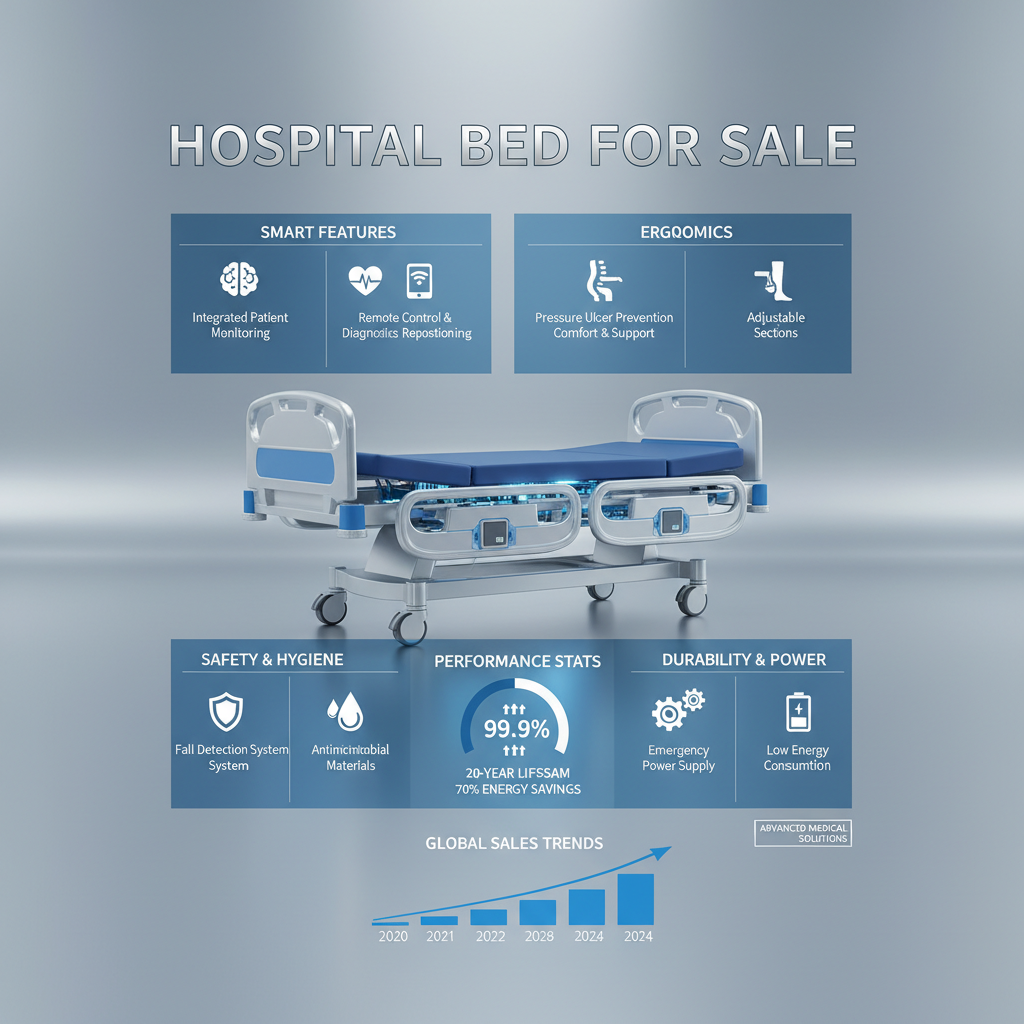
North America and Europe also constitute significant markets, characterized by a demand for technologically advanced beds with features like wireless monitoring, adjustable positioning, and integrated scales. The COVID-19 pandemic significantly increased the demand for hospital beds for sale globally, placing immense strain on supply chains and highlighting the importance of resilient procurement strategies.
The market is competitive, with a number of key players offering a wide range of products. Factors influencing market share include price, product innovation, quality, and the ability to provide customized solutions to meet the specific needs of healthcare facilities. Trends indicate a growing preference for smart beds and remote patient monitoring systems.
Defining Hospital Bed for Sale
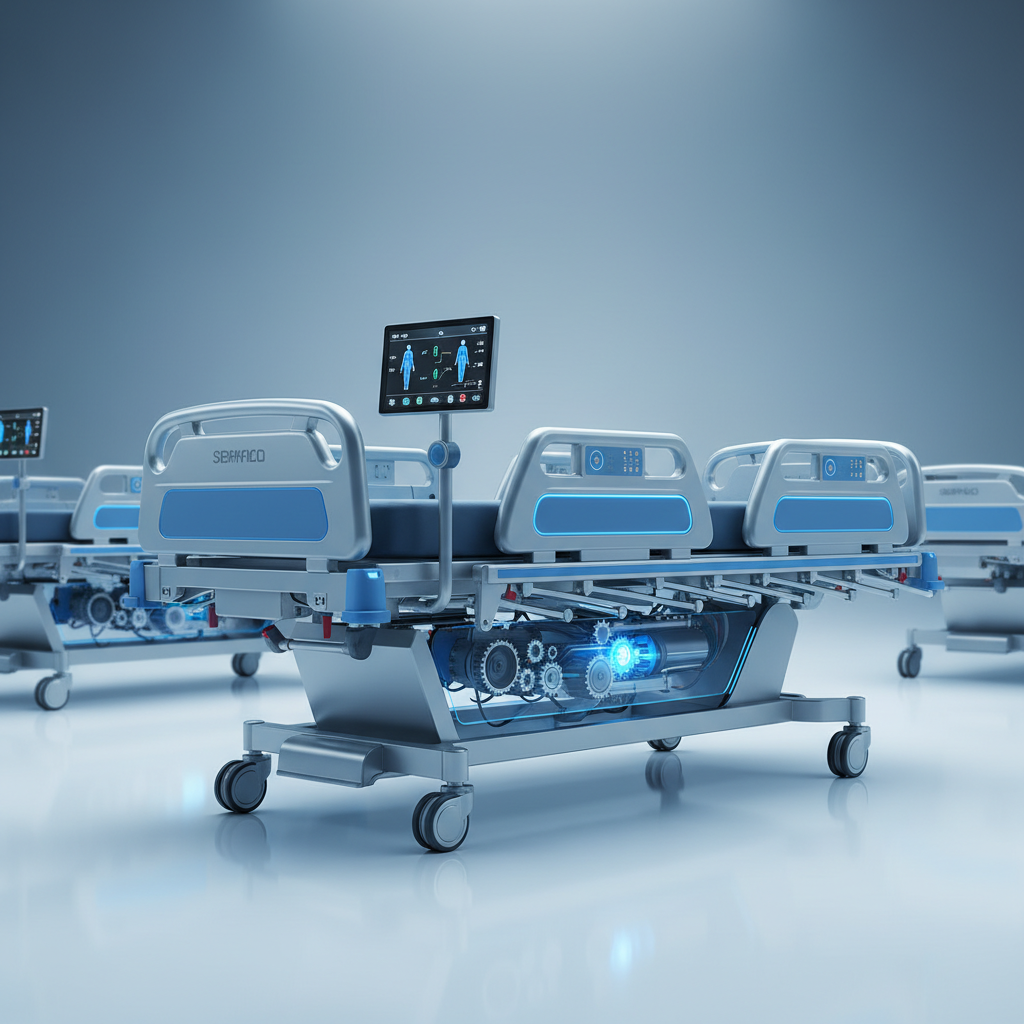
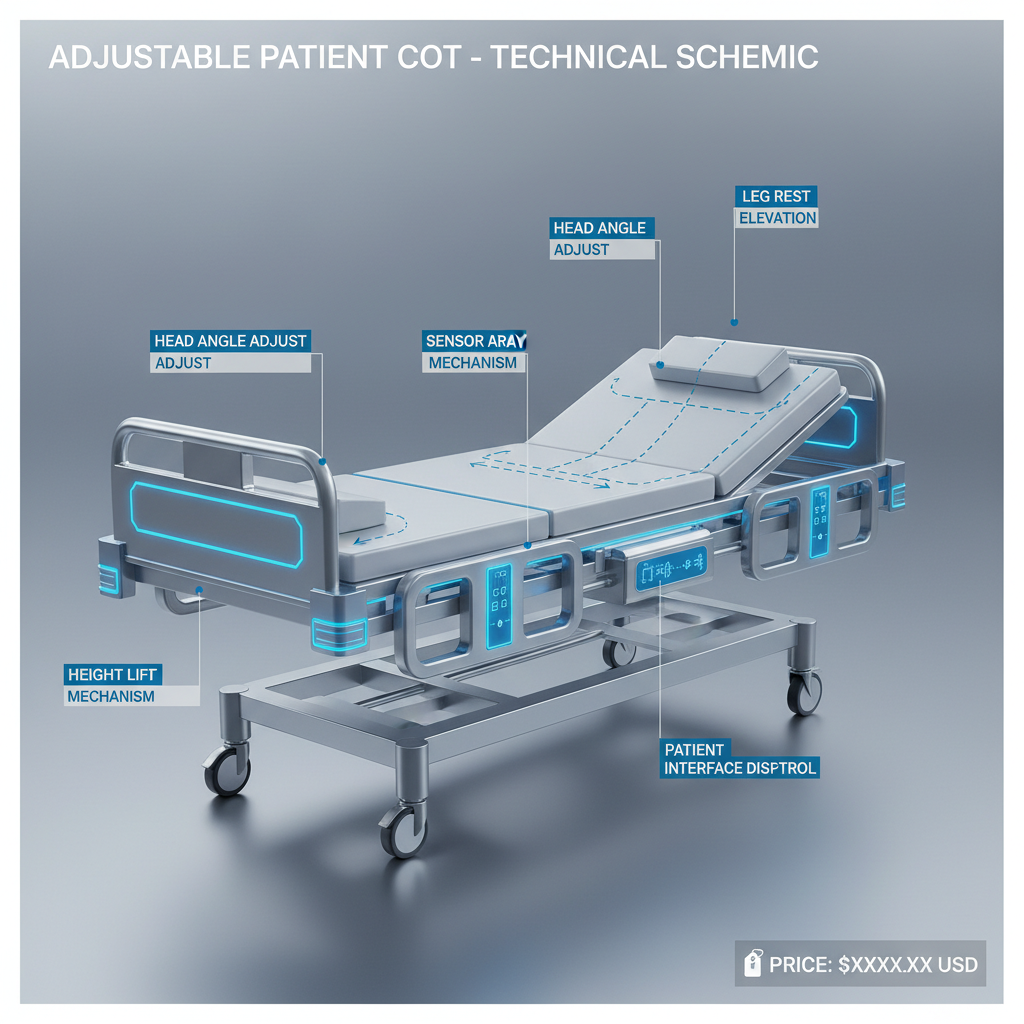
A hospital bed for sale refers to a specialized bed designed for use in healthcare facilities to accommodate patients requiring medical care. Unlike standard beds, hospital beds incorporate features that facilitate patient positioning, monitoring, and overall care, often including adjustable height, head and foot sections, side rails, and wheels for mobility.
The term "for sale" indicates that these beds are available for purchase by hospitals, clinics, long-term care facilities, and other healthcare providers. The availability of a robust market for hospital beds for sale is crucial for ensuring that healthcare institutions can readily access the equipment they need to provide quality patient care.
Modern hospital beds are often categorized by their specific functionality – general ward beds, ICU beds, birthing beds, and pediatric beds – each designed to meet the unique requirements of different patient populations and medical treatments. These beds play a vital role in modern healthcare delivery.
Key Factors in Selecting a Hospital Bed for Sale
When selecting a hospital bed for sale, several key factors should be considered. Durability is paramount, as beds are subjected to constant use and require a robust construction to withstand the demands of a healthcare environment.
Scalability refers to the bed's ability to adapt to different patient needs and clinical scenarios. Features such as adjustable height, head and foot sections, and side rail options provide flexibility. Cost efficiency is also crucial, balancing the initial investment with long-term maintenance and replacement costs.
Hospital Bed for Sale Feature Importance
Applications of Hospital Bed for Sale Across Sectors
Hospital beds for sale find application across a diverse range of healthcare settings. Acute care hospitals utilize them for short-term patient stays, while long-term care facilities rely on them for residents requiring ongoing medical attention.
Rehabilitation centers use specialized beds to aid in patient recovery, and emergency rooms require readily available beds for incoming patients. Furthermore, hospital beds for sale are increasingly utilized in home healthcare settings, providing patients with the comfort and support they need to recover at home.
Advantages and Long-Term Value of Hospital Bed for Sale
Investing in quality hospital beds for sale offers numerous tangible benefits. Cost savings can be realized through reduced maintenance and replacement costs due to increased durability. Sustainability is enhanced by choosing beds made from eco-friendly materials and designed for longevity.
The social impact is significant, as comfortable and safe beds contribute to improved patient well-being and faster recovery times. Reliability is ensured through rigorous quality control and adherence to industry standards, fostering trust and confidence in healthcare providers. These beds are an essential investment in patient care.
Future Trends in Hospital Bed for Sale Technology
The future of hospital beds for sale is poised for significant innovation. Smart beds with integrated sensors and data analytics are gaining traction, enabling remote patient monitoring and proactive intervention. These beds can track vital signs, detect movement, and alert healthcare providers to potential problems.
Artificial intelligence and machine learning are being integrated to personalize bed settings and optimize patient comfort. Furthermore, there’s growing emphasis on incorporating antimicrobial materials and advanced infection control features into bed designs. Automation will likely play a greater role in bed positioning and adjustment.
Sustainable materials and manufacturing processes are also becoming increasingly important, driven by a growing awareness of environmental responsibility. Expect to see more beds designed with recyclability and reduced carbon footprint in mind.
Summary of Future Trends in Hospital Bed Technology
| Technology Area |
Innovation Focus |
Impact on Hospital Bed for Sale |
Adoption Timeline |
| Smart Sensors |
Vital sign monitoring, movement detection |
Enhanced patient safety, proactive care |
2-5 years |
| AI Integration |
Personalized bed adjustments, predictive analytics |
Improved patient comfort, optimized care |
3-7 years |
| Antimicrobial Materials |
Reduced risk of healthcare-associated infections |
Enhanced infection control, patient safety |
1-3 years |
| Automation |
Automated positioning, pressure redistribution |
Reduced caregiver workload, improved patient comfort |
4-6 years |
| Sustainable Design |
Recyclable materials, reduced carbon footprint |
Environmental responsibility, cost savings |
Ongoing |
| Remote Monitoring |
Real-time data transmission to healthcare providers |
Improved response times, better patient outcomes |
2-4 years |
FAQS
When purchasing a hospital bed for sale, consider patient needs, bed type (manual, electric, specialized), weight capacity, safety features (side rails, locking wheels), adjustability (head/foot sections), durability, and budget. Also, ensure the bed meets relevant safety standards and regulations. Finally, think about long-term maintenance and repair availability.
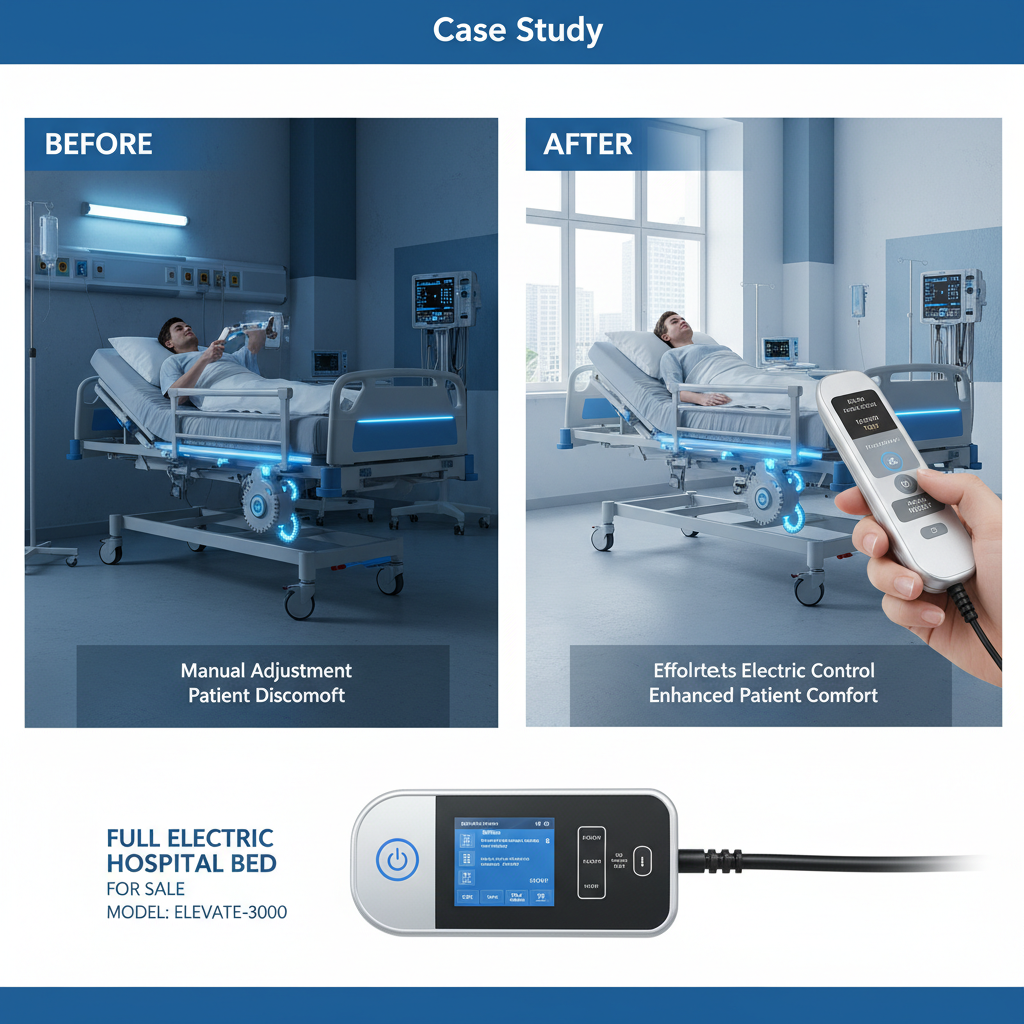
Manual hospital beds require physical effort to adjust the head and foot sections, whereas electric beds use motors for easy adjustment with the press of a button. Electric beds offer greater convenience and are particularly beneficial for patients with limited mobility. Manual beds are generally more affordable but require more staff assistance.
Safety features are crucial. Ensure the bed has functioning side rails, secure locking wheels, and a reliable adjustment mechanism. Regularly inspect the bed for any damage or wear and tear. Train staff on proper bed operation and patient safety protocols. Consider beds with integrated alarm systems for fall prevention.
Regular maintenance includes cleaning, lubrication of moving parts, and inspection for damaged components. Electric beds require checking the motor and electrical connections. Follow the manufacturer’s recommendations for maintenance schedules. Promptly address any repairs to ensure continued safe and reliable operation.
With proper maintenance, a quality hospital bed for sale can last between 7 to 10 years, or even longer. The lifespan depends on the frequency of use, the quality of construction, and the level of care provided. Regular inspections and timely repairs are key to maximizing the bed’s longevity.
Yes, there are specialized beds for various conditions. ICU beds offer advanced monitoring and support, birthing beds facilitate safe childbirth, bariatric beds accommodate larger patients, and pediatric beds are designed for children. Selecting the right bed for the specific clinical need is essential for optimal patient care.
Conclusion
In conclusion, the selection of a hospital bed for sale is a critical decision with far-reaching implications for patient care, healthcare efficiency, and overall cost-effectiveness. Understanding the key factors involved – from durability and scalability to safety and future trends – is essential for making informed choices. Investing in quality beds is an investment in the well-being of patients and the sustainability of healthcare systems.
Looking ahead, the integration of smart technologies and sustainable materials will continue to shape the evolution of hospital bed design. Healthcare providers should prioritize beds that offer advanced features, enhance patient comfort, and minimize environmental impact. Visit our website at www.zfmedicare.com to explore our comprehensive range of hospital beds and find the perfect solution for your healthcare facility.