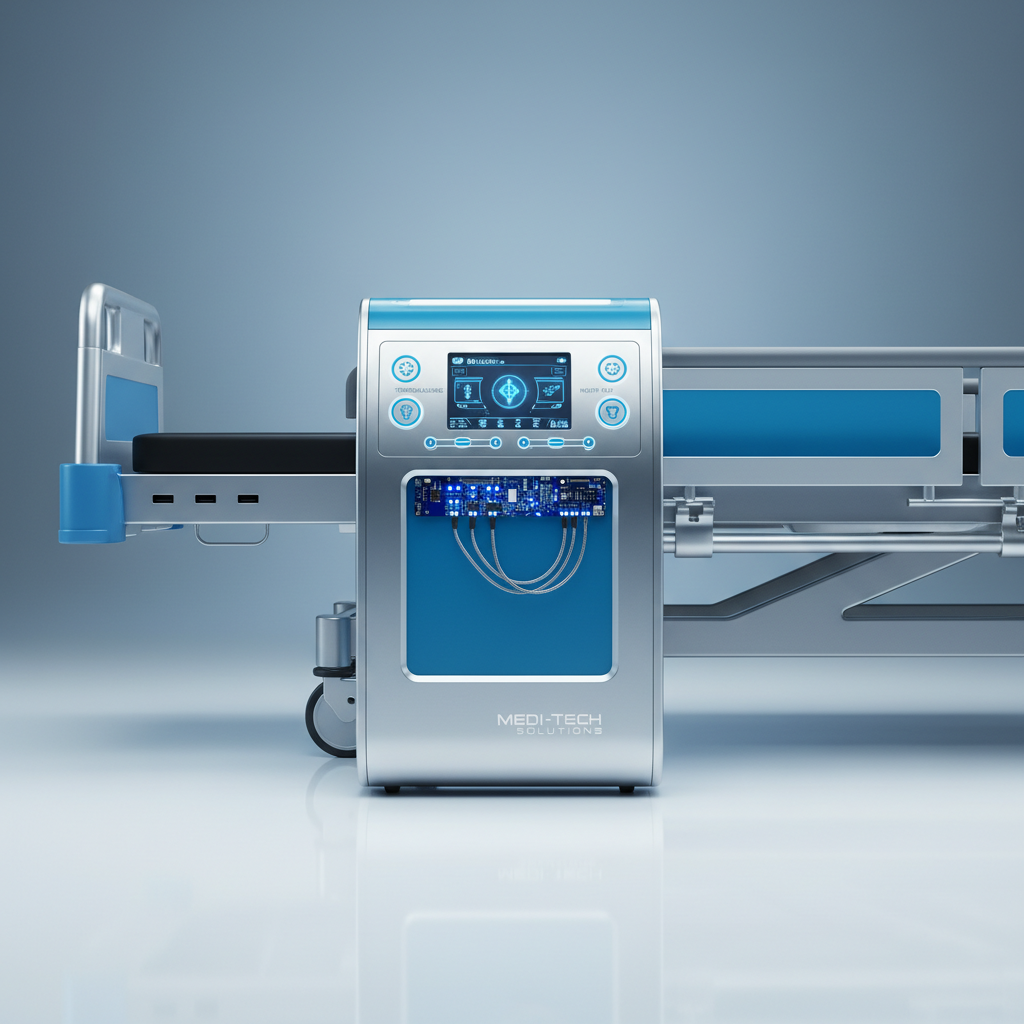
Medical beds for sale are a critical component of healthcare infrastructure globally, impacting patient care, hospital efficiency, and emergency preparedness. From standard hospital beds to specialized ICU and surgical options, the availability of quality medical beds is paramount. The increasing demands on healthcare systems, coupled with aging populations and growing incidences of chronic diseases, are driving a consistent need for reliable and adaptable medical bed solutions. Understanding the nuances of medical beds for sale – including their types, features, and procurement – is essential for healthcare providers, facility managers, and government entities alike.
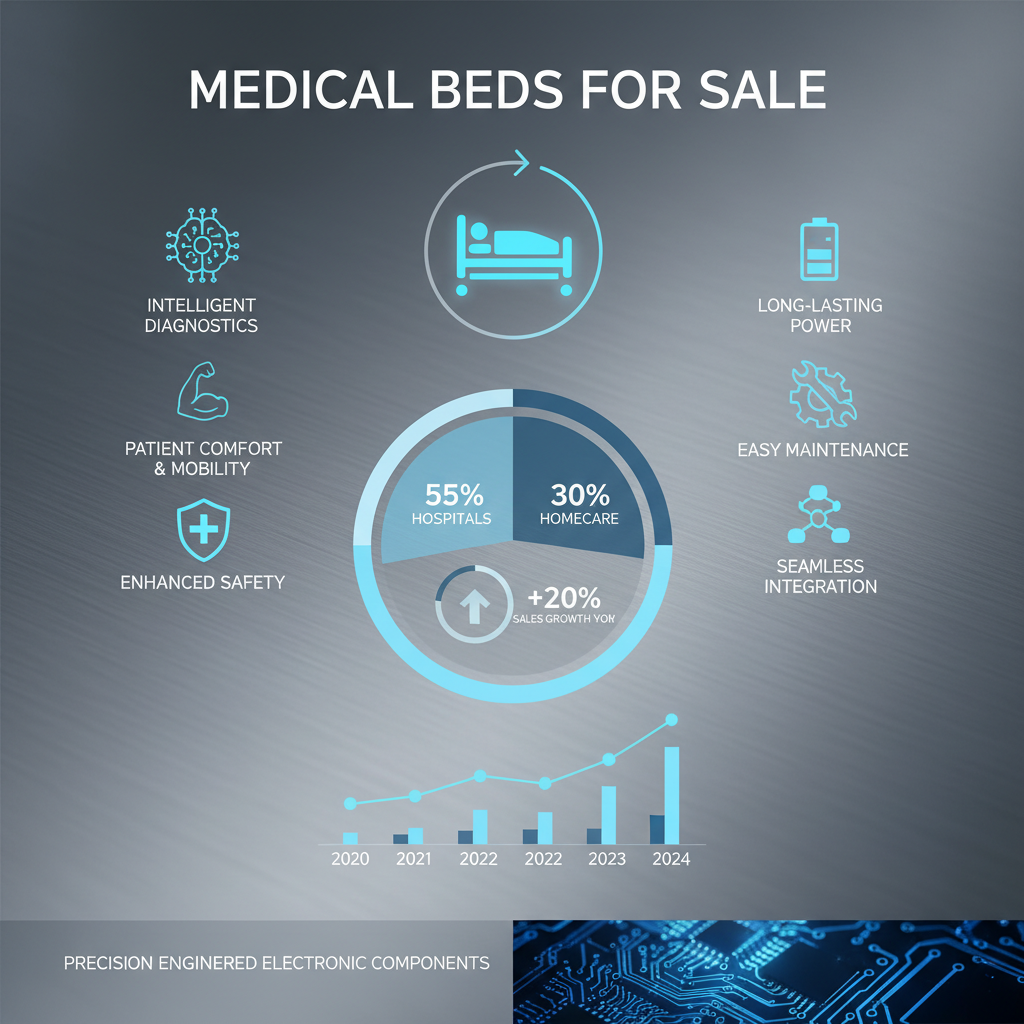
The global market for medical beds for sale is experiencing substantial growth, fueled by factors like advancements in medical technology and increasing healthcare expenditure in emerging economies. According to recent reports, the market is projected to reach [Insert Market Size Statistic with Source] by [Year], indicating a significant opportunity for manufacturers and suppliers. Addressing challenges related to supply chain disruptions, cost control, and evolving patient needs are key priorities in this dynamic sector. Efficient procurement and a thorough understanding of bed specifications are essential for maximizing value and ensuring optimal patient outcomes.
Investing in medical beds for sale isn't merely a financial transaction; it's an investment in patient well-being and the overall quality of healthcare. From enhancing patient comfort and safety to streamlining nursing workflows and supporting advanced medical procedures, the right bed can significantly contribute to a positive healthcare experience. Staying informed about the latest innovations and industry best practices is crucial for making informed decisions and achieving long-term benefits.
Introduction to medical beds for sale
The landscape of medical beds for sale is constantly evolving, driven by advancements in patient care and a growing emphasis on hospital efficiency. Modern medical beds offer a range of features, from adjustable positioning and integrated monitoring systems to pressure redistribution and fall prevention technologies. Selecting the right bed is critical for optimizing patient comfort, promoting faster recovery times, and reducing the risk of complications.
The process of sourcing medical beds for sale involves more than just finding a supplier; it requires a thorough assessment of specific needs, budget constraints, and long-term operational considerations. Factors such as bed capacity, patient demographics, and the types of medical procedures performed all play a role in determining the optimal bed configuration. Understanding these factors is essential for making a sound investment that delivers lasting value.
Defining Medical Beds for Sale
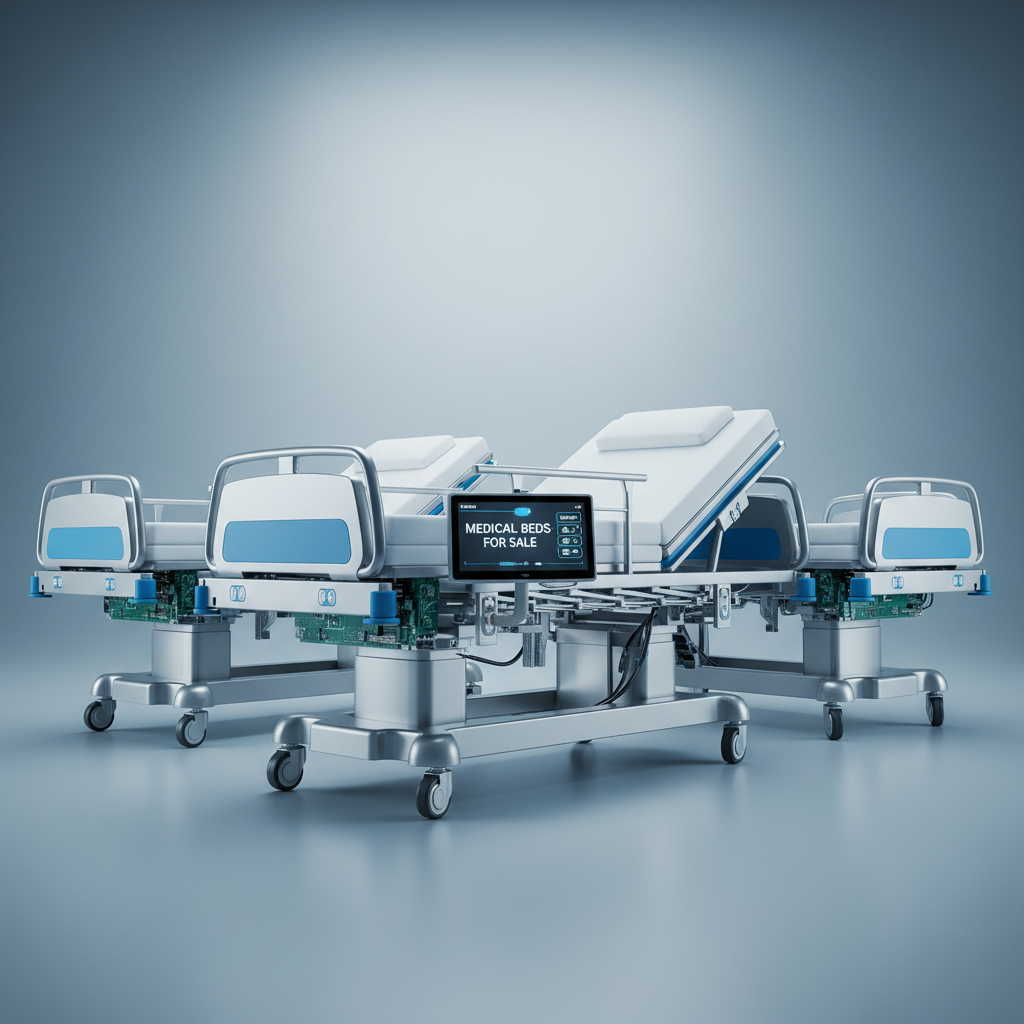
Medical beds for sale encompass a diverse range of patient support surfaces designed for use in healthcare facilities. They are fundamentally different from standard beds, incorporating features specifically tailored to the needs of patients receiving medical treatment. This includes adjustable height and positioning, side rails for safety, and often, integrated controls for patient comfort and monitoring.
The term "medical beds for sale" extends beyond just the basic bed frame. It often includes accessories like mattresses (pressure-reducing, gel, or foam), overbed tables, IV poles, and specialized side rails. Different types of medical beds cater to various medical needs, such as ICU beds for critically ill patients, surgical beds for operating rooms, and general-purpose beds for standard patient rooms.
In today’s healthcare environment, the definition of medical beds for sale is expanding to include "smart beds" which integrate technology for continuous monitoring of vital signs, automatic pressure redistribution to prevent pressure ulcers, and even automated alerts for potential falls or other emergencies, bridging the gap between patient care and technological innovation.
Core Components & Key Factors
Several key factors influence the quality and functionality of medical beds for sale. Durability is paramount, as medical beds are subject to constant use and require robust construction to withstand the rigors of a hospital environment. Materials like stainless steel and high-strength polymers are commonly used to ensure long-lasting performance.
Ergonomics plays a crucial role in both patient comfort and staff efficiency. Adjustable height, head and foot sections, and lateral tilt features are essential for facilitating patient care and minimizing strain on healthcare professionals. Safety features like reliable locking mechanisms, integrated side rails, and emergency stop buttons are non-negotiable to prevent patient falls and ensure a secure environment.
Infection control is a significant consideration. Medical beds should be designed with smooth, non-porous surfaces that are easy to clean and disinfect, minimizing the risk of cross-contamination. Finally, Technological integration is becoming increasingly important. Beds with integrated monitoring systems and connectivity to electronic health records can streamline workflows and improve patient care.
Global Applications & Use Cases
Medical beds for sale find applications in a wide array of healthcare settings worldwide. Hospitals, ranging from large metropolitan centers to rural clinics, represent the primary market. However, the need extends to specialized facilities like long-term care centers, rehabilitation hospitals, and surgical centers.
In post-disaster relief operations, rapidly deployable medical beds are crucial for providing immediate care to injured individuals. Organizations like the Red Cross and Doctors Without Borders rely on lightweight, portable medical beds for setting up temporary field hospitals in affected areas. Similarly, in remote industrial zones, medical beds are essential for onsite medical clinics providing healthcare to workers.
The demand for medical beds for sale is particularly strong in developing countries experiencing rapid population growth and increasing healthcare needs. Government initiatives and international aid programs often focus on improving healthcare infrastructure, including the procurement of essential medical equipment like beds. For example, many African nations are investing heavily in upgrading their hospital facilities to meet the growing demands of their populations.
Medical Beds for Sale – Feature Importance Ratings
Advantages & Long-Term Value
Investing in high-quality medical beds for sale yields numerous tangible benefits. Cost efficiency is realized through reduced maintenance requirements, extended product lifespan, and minimized patient complications (leading to shorter hospital stays). Sustainability is enhanced by choosing durable beds made from eco-friendly materials, reducing the need for frequent replacements.
Beyond the financial advantages, medical beds for sale contribute significantly to patient safety and dignity. Ergonomic designs, pressure-reducing mattresses, and integrated safety features promote patient comfort and reduce the risk of falls and pressure ulcers. Furthermore, a reliable supply of quality medical beds enhances a hospital's reputation and builds trust with patients and the community.
Future Trends & Innovations
The future of medical beds for sale is poised for significant innovation. The integration of artificial intelligence (AI) is expected to play a growing role, with beds capable of automatically adjusting to patient needs, predicting potential complications, and providing personalized care. Remote patient monitoring systems, embedded within the bed structure, will allow healthcare professionals to track vital signs and patient activity in real-time.
Sustainable materials and manufacturing processes will become increasingly important, with a focus on reducing the environmental impact of medical equipment. Expect to see more beds constructed from recycled materials and designed for ease of disassembly and recycling. The push for automation will likely lead to the development of beds that can self-clean and disinfect, minimizing the risk of infection.
Challenges & Solutions
Despite the advancements in medical bed technology, several challenges remain. High upfront costs can be a barrier for smaller healthcare facilities, particularly in developing countries. Supply chain disruptions can lead to delays in procurement and impact patient care. Maintaining compatibility with existing hospital systems and infrastructure can be complex.
Innovative financing models, such as leasing and pay-per-use arrangements, can help address the cost barrier. Diversifying supply chains and building strategic partnerships with multiple suppliers can mitigate the risk of disruptions. Adopting open standards and interoperability protocols can ensure compatibility with existing systems. The implementation of robust quality control measures is crucial for maintaining safety and reliability.
Furthermore, leveraging technology such as predictive analytics can help forecast demand and optimize inventory management, reducing waste and ensuring timely availability of medical beds for sale when and where they are needed.
Summary of Key Considerations for Medical Bed Procurement
| Bed Type |
Cost Range (USD) |
Key Features |
Typical Applications |
| Standard Hospital Bed |
$2,000 - $5,000 |
Adjustable height, side rails, basic positioning |
General patient rooms, recovery areas |
| ICU Bed |
$6,000 - $15,000 |
Advanced monitoring, integrated scales, enhanced positioning |
Intensive care units, critical care |
| Surgical Bed |
$5,000 - $12,000 |
Radiolucent surface, integrated lighting, specialized supports |
Operating rooms, surgical recovery |
| Bariatric Bed |
$4,000 - $8,000 |
Reinforced frame, wider platform, increased weight capacity |
Patients requiring specialized support |
| Trendelenburg Bed |
$3,000 - $7,000 |
Head-down tilt capability, adjustable positioning |
Emergency care, shock treatment |
| Smart Bed |
$7,000 - $20,000+ |
Integrated sensors, automated adjustments, remote monitoring |
Advanced patient care, data-driven insights |
FAQS
When choosing medical beds for sale, prioritize factors like patient needs, budget, space constraints, and required features. Consider bed type (standard, ICU, surgical), weight capacity, adjustability, safety features, and ease of cleaning. Ensure the beds meet relevant safety standards and regulatory requirements. Assess the supplier's reputation and warranty options. Think long-term; investing in quality beds can reduce maintenance costs and improve patient outcomes.
The lifespan of medical beds for sale depends on usage, maintenance, and quality. Generally, beds should be inspected annually and replaced every 5-10 years, or sooner if significant wear and tear is observed. Regular maintenance, including lubrication of moving parts and inspection of safety features, can extend the lifespan of the beds. Consider replacement when repairs become frequent or the beds no longer meet evolving patient needs.
Essential safety features include reliable side rails that lock securely, robust locking mechanisms for bed height and positioning, emergency stop buttons, and pressure-reducing mattresses to prevent pressure ulcers. Look for beds with anti-entrapment features and compliance with relevant safety standards (e.g., IEC 60601-1). Regular inspection and maintenance of these features are critical for patient safety.
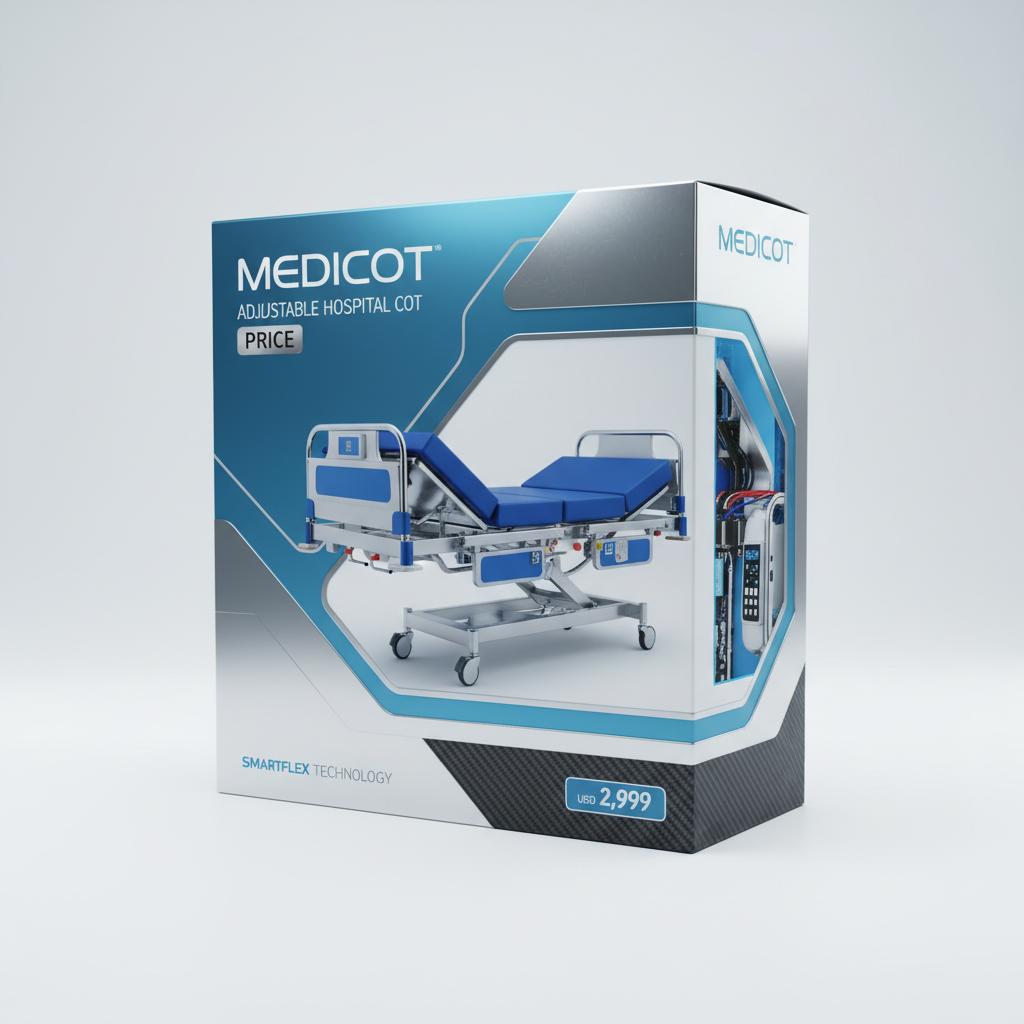
The cost of medical beds for sale varies significantly depending on the type and features. Standard hospital beds typically range from $2,000 to $5,000, while ICU beds can cost between $6,000 and $15,000 or more. Surgical beds generally fall in the $5,000 to $12,000 range. Smart beds with advanced technology can exceed $20,000. Consider long-term cost-benefit analysis when making your decision.
Choose beds with smooth, non-porous surfaces that are easy to clean and disinfect. Use approved cleaning agents and follow established infection control protocols. Regularly disinfect all surfaces, including the bed frame, side rails, and mattress. Consider beds with antimicrobial coatings for enhanced protection against pathogens. Ensure staff are properly trained in infection control procedures.
Electric medical beds offer significant advantages, including easier adjustability for patients and caregivers, reducing strain and risk of injury. They often feature multiple positioning options, allowing for greater comfort and optimal support. Electric beds are particularly beneficial for patients with limited mobility or those requiring frequent adjustments. Ensure the beds have reliable power sources and backup systems.
Conclusion
In conclusion, medical beds for sale represent a vital investment in healthcare infrastructure, impacting patient care, hospital efficiency, and overall safety. Understanding the diverse range of bed types, key features, and emerging trends is essential for making informed decisions. Prioritizing durability, ergonomics, infection control, and technological integration will ensure long-term value and optimal patient outcomes.
Looking ahead, the future of medical beds for sale will be shaped by advancements in AI, remote monitoring, and sustainable materials. By embracing these innovations and addressing existing challenges, healthcare providers can enhance patient care, streamline workflows, and create a more efficient and sustainable healthcare system. To explore our range of quality medical beds for sale, visit our website: www.zfmedicare.com.