Look, hospital bed wheels aren’t exactly glamorous, but after years spent on hospital construction sites, wrestling with deliveries and watching things go right and wrong, let me tell you – they're critical. A smooth-rolling, reliable wheel can be the difference between a nurse having a good shift and being completely stressed. It impacts patient safety, workflow, and even the overall healing environment. And frankly, a lot of hospitals cut corners here, thinking it’s a small detail, and it comes back to bite them. That’s why understanding what makes a quality set of hospital bed wheels for sale is so important.
It's not just about getting beds from point A to point B. We’re talking about consistent performance under heavy loads, often on a variety of flooring types. Think about the constant movement in a busy ward – beds being repositioned for procedures, cleaning crews navigating tight spaces, emergency situations requiring rapid relocation. Cheap wheels lock up, leave marks, or just plain fail. This leads to staff strain, potential injuries, and even damage to the flooring itself. Finding the right hospital bed wheels for sale is an investment in efficiency and patient care.
What I’ve learned, standing on concrete all day with engineers and maintenance crews, is that durability and ease of maintenance are paramount. Hospital staff doesn't have time to constantly be fixing wheel issues. They need something that just works. And increasingly, we're seeing demand for features like central locking systems and antimicrobial coatings. It’s a surprisingly complex field when you really get into the weeds.
The Importance of Hospital Bed Wheels for Sale
Let’s be clear, good hospital bed wheels for sale aren't a luxury, they're a necessity. The global healthcare industry is facing increased pressure to improve efficiency and patient safety. According to the World Health Organization, hospitals are increasingly focused on minimizing patient handling risks and reducing staff injuries. Reliable bed wheels directly contribute to both.
We've seen a surge in demand for higher-quality wheels, especially in emerging markets where hospitals are being rapidly built or renovated. ISO standards for medical equipment are becoming more stringent, and wheels are a key component of that compliance. It's not just about avoiding lawsuits; it’s about providing a safe and dignified experience for patients.
Global Relevance and Market Dynamics
The market for hospital bed wheels for sale is heavily influenced by global demographic trends. Aging populations in developed countries and increasing access to healthcare in developing nations are driving demand for more hospital beds – and therefore, more wheels. The United Nations projects a significant increase in the global population aged 65 and over in the coming decades.
We’re also seeing a consolidation of suppliers, with a few major manufacturers dominating the market. This means pricing can be competitive, but it also means it's crucial to understand the nuances of different product offerings. Supply chain disruptions, particularly those experienced during the recent pandemic, have highlighted the importance of having reliable sourcing options.
The price point really depends on the material and features. Basic plastic wheels are cheap, but they don't last. High-end polyurethane wheels with central locking and antimicrobial coatings are significantly more expensive but offer a much better return on investment in the long run, reducing maintenance and replacement costs.
Defining Hospital Bed Wheels for Sale
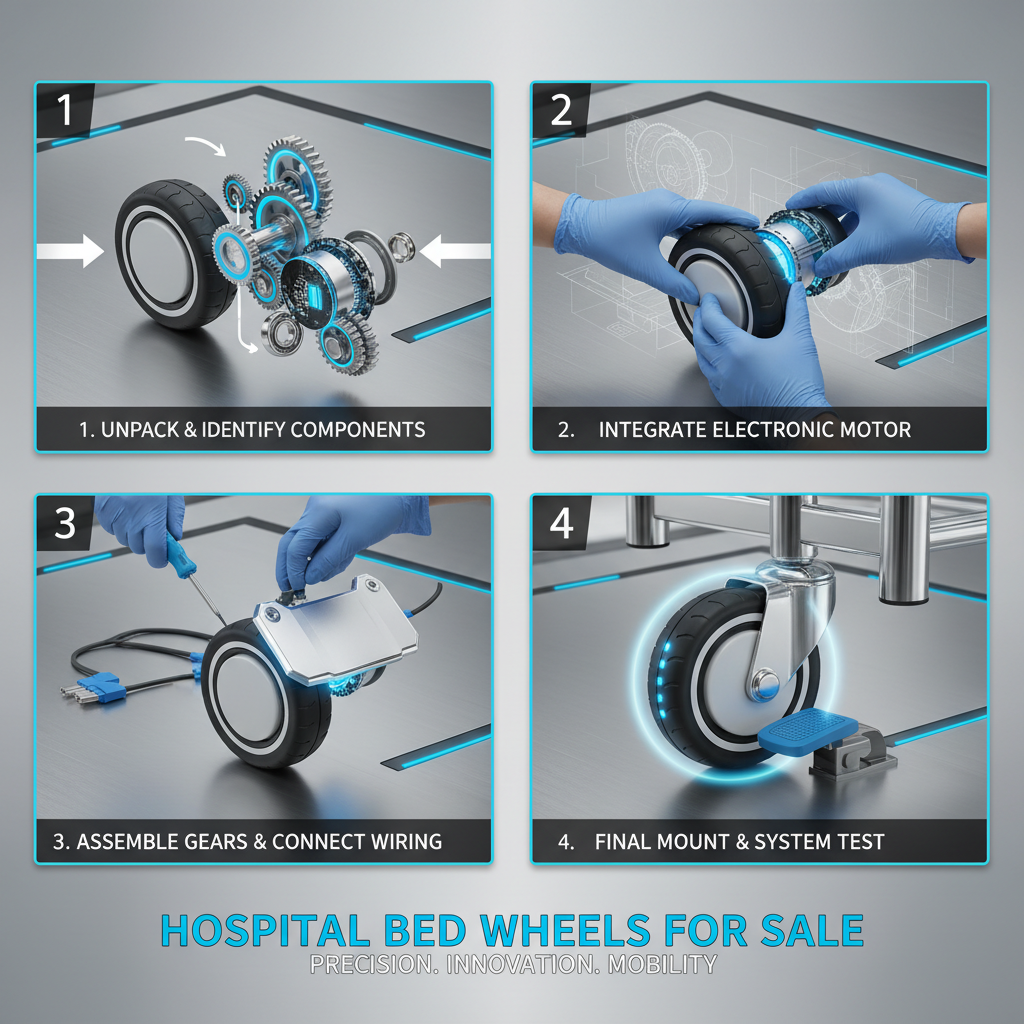
Simply put, hospital bed wheels for sale are the rolling components attached to the base of a hospital bed, allowing it to be easily moved and maneuvered. But they’re far more than just wheels. They include the wheel itself (typically made of polyurethane, nylon, or rubber), the axle, the housing, and often a locking mechanism.
Their connection to modern healthcare is profound. The ability to quickly and safely reposition a patient is vital for many medical procedures and for providing basic care. In humanitarian settings, these wheels can be crucial for creating temporary field hospitals or moving patients in disaster zones. Without reliable mobility, effective medical care is severely hampered.
The key is a wheel designed specifically for the demands of a hospital environment - weight capacity, resistance to chemicals and disinfectants, smooth rolling on various surfaces, and of course, reliable locking mechanisms. It's not something you can just grab off the shelf at any hardware store.
Key Factors in Hospital Bed Wheel Selection
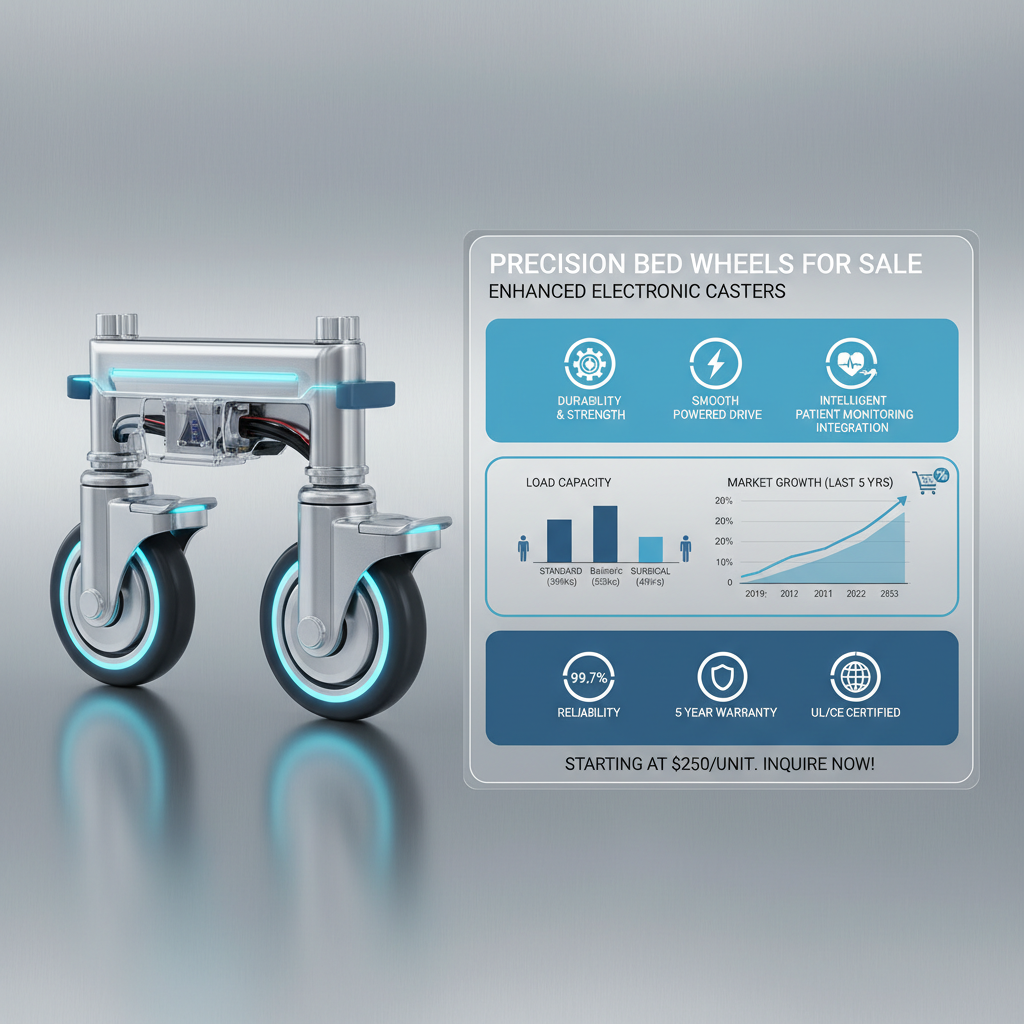
After years in the field, I can tell you a few things matter more than others. First is Durability. These wheels take a beating. Polyurethane is generally the best material for resisting wear and tear. Then there’s Load Capacity. You need to know the maximum weight the wheels can safely support, taking into account the bed itself, the patient, and any medical equipment.
Maneuverability is also huge. Smooth rolling is critical, especially on carpeted floors or over thresholds. The wheel diameter and bearing quality play a big role here. Locking Mechanism Reliability is non-negotiable. A faulty lock can lead to serious accidents. Finally, Chemical Resistance – hospitals use harsh disinfectants. The wheels need to withstand constant exposure without degrading.
Hospital Bed Wheel Performance Metrics
Global Applications and Use Cases
You'll find hospital bed wheels for sale everywhere hospitals exist, of course. But the applications extend beyond traditional inpatient wards. We see them used extensively in intensive care units, operating rooms, and rehabilitation facilities.
In post-disaster relief operations, mobile field hospitals rely heavily on durable and reliable wheels to quickly set up and relocate beds. And in remote industrial zones, mining camps, or oil rigs, where medical facilities are often limited, these wheels are vital for providing on-site care. We've even supplied wheels for veterinary hospitals and mobile medical clinics.
Advantages and Long-Term Value
The tangible benefits of investing in quality hospital bed wheels for sale are clear: reduced maintenance costs, fewer staff injuries, and improved patient safety. But there's a deeper value proposition here. Reliable wheels contribute to a more efficient workflow, allowing nurses and other healthcare professionals to focus on patient care instead of wrestling with equipment.
From a sustainability standpoint, durable wheels reduce the need for frequent replacements, minimizing waste. And from an ethical perspective, providing patients with safe and comfortable mobility is simply the right thing to do. It’s about dignity, respect, and creating a healing environment.
Future Trends and Innovations
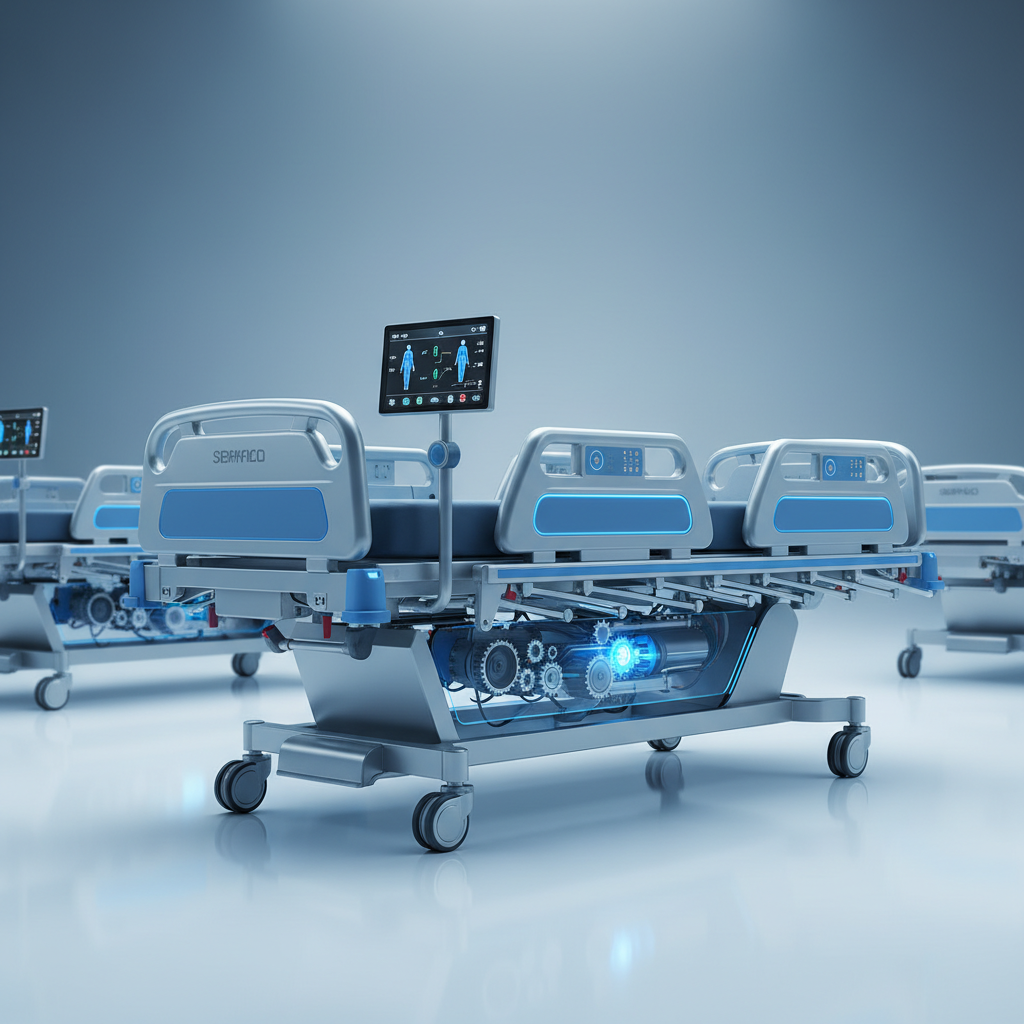
We're seeing a growing demand for "smart" wheels equipped with sensors that can track bed usage, monitor weight distribution, and even alert staff to potential problems. Central locking systems controlled electronically are becoming more common, allowing nurses to lock all wheels simultaneously with the push of a button.
Material science is also playing a role, with manufacturers exploring new polyurethane formulations that offer even greater durability and resistance to chemicals. And as hospitals increasingly embrace automation, we can expect to see wheels integrated into automated bed positioning and transport systems.
Summary of Key Challenges & Solutions Related to Hospital Bed Wheel Performance
| Challenge |
Impact on Operations |
Potential Solution |
Implementation Cost (1-10) |
| Wheel Failure/Breakdown |
Increased downtime, staff strain |
Implement preventative maintenance schedule |
3 |
| Difficulty Maneuvering |
Reduced efficiency, increased risk of injury |
Upgrade to high-quality polyurethane wheels |
7 |
| Locking Mechanism Malfunction |
Patient safety hazard |
Regular inspection and replacement of locking components |
5 |
| Chemical Damage |
Reduced wheel lifespan |
Use wheels with enhanced chemical resistance |
6 |
| Noise Levels |
Disruption to patient environment |
Utilize wheels with noise-dampening features |
4 |
| Incorrect Wheel Selection |
Suboptimal performance and lifespan |
Proper load capacity and surface analysis before purchase |
2 |
FAQS
The lifespan varies greatly depending on usage, floor type, and wheel quality. High-quality polyurethane wheels can last for 5-7 years with regular maintenance, while cheaper plastic wheels may need replacing every 1-2 years. Heavy use in a busy ICU will obviously shorten the lifespan.
Smaller diameter wheels (e.g., 2-3 inches) are better for tight spaces and low loads. Larger diameter wheels (e.g., 4-6 inches) roll more smoothly over obstacles and are suitable for heavier beds and varied floor surfaces. Consider the environment and expected usage.
In a hospital setting, where infection control is paramount, antimicrobial wheels can be a valuable investment. They help reduce the spread of bacteria and other pathogens, contributing to a safer environment for patients and staff. The cost is justified if infection control is a high priority.
Regular inspection is key. Check for cracks, wear and tear, and ensure the locking mechanisms are functioning properly. Lubricate bearings as needed and clean the wheels regularly to remove debris. Replacing worn wheels promptly is essential for safety.
Extremely important. Exceeding the load capacity can lead to wheel failure, causing accidents and potentially harming patients. Always check the manufacturer's specifications and ensure the wheels can safely support the weight of the bed, patient, and any medical equipment.
Look for a locking mechanism that is easy to engage and disengage, provides a secure hold, and is durable. Central locking systems, where all wheels can be locked simultaneously, are particularly convenient. Ensure the lock is clearly visible to prevent accidental movement.
Conclusion
In conclusion, choosing the right hospital bed wheels for sale is a surprisingly complex but critically important decision. It’s about more than just cost; it’s about patient safety, staff efficiency, and long-term value. A thoughtful investment in quality wheels can significantly improve the overall healthcare environment.
Looking ahead, we can expect to see continued innovation in this field, with “smart” wheels and advanced materials becoming more commonplace. Don't underestimate the impact of this small but vital component of hospital infrastructure. For reliable and high-performing solutions, visit our website: www.zfmedicare.com.