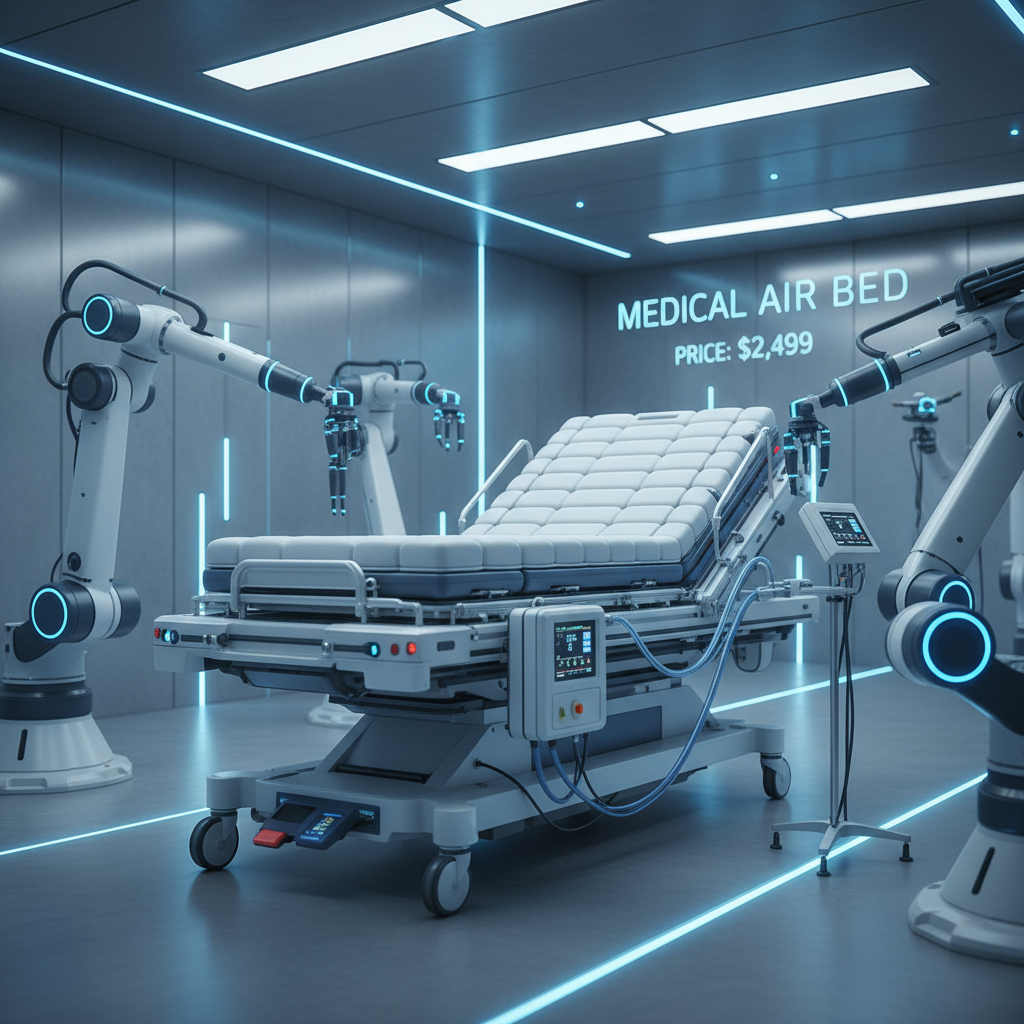
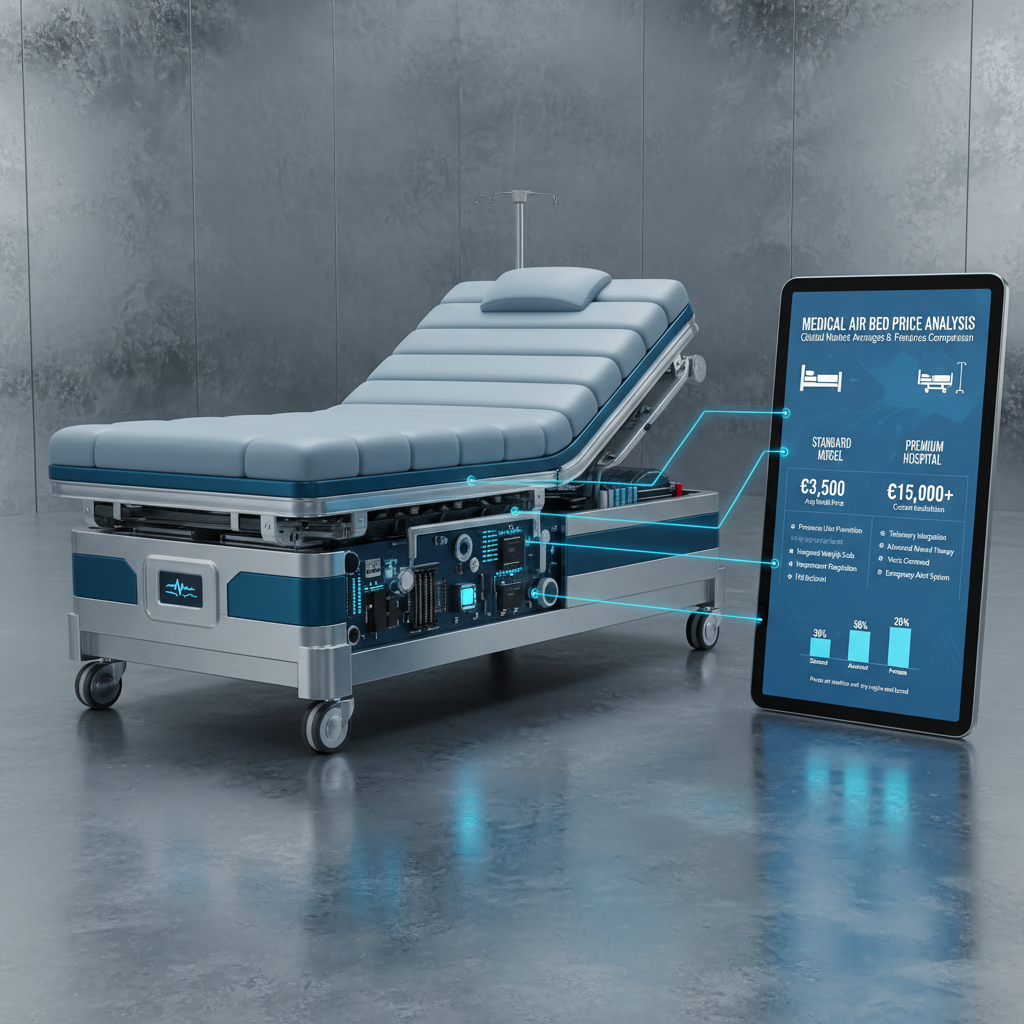
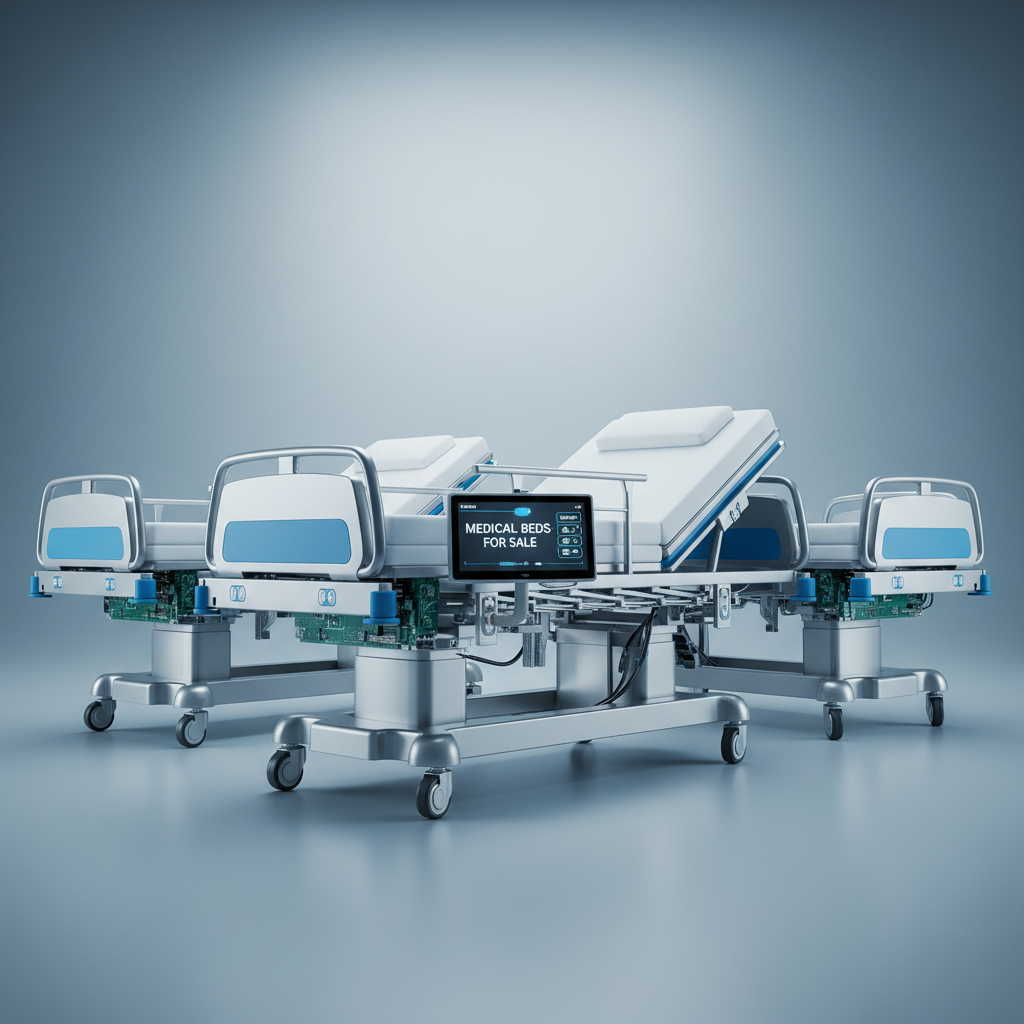
The world's demand for rapid deployment solutions, especially in the face of increasing natural disasters and humanitarian crises, is skyrocketing. We're talking about a need for safe, quickly assembled shelters, temporary hospitals, and field offices. The traditional methods just aren't cutting it – too slow, too expensive, too reliant on skilled labor. This is where medical air bed price come into play; they’re not just a trend, they’re a vital response to a very real global challenge. Understanding the nuances of their pricing, deployment, and long-term value is critical for NGOs, governments, and anyone involved in disaster relief or temporary infrastructure projects. A clear understanding of medical air bed price can translate into lives saved and more effective aid delivery.
From a practical standpoint, I’ve spent years on dusty construction sites, wrestling with logistics. I’ve seen firsthand how delays in getting shelter up impact everything – morale, medical care, even the efficiency of the entire operation. Medical air beds aren't some fancy tech solution detached from reality. They address a fundamental need: rapid shelter. The medical air bed price isn't just about the initial cost; it’s about the total cost of ownership – speed of deployment, lifespan, and minimizing reliance on complex infrastructure. It's about getting people safe, fast, and at a reasonable price point.
What makes this particularly interesting right now is the convergence of several factors. Global supply chain disruptions have increased the cost of traditional building materials. Simultaneously, we’re seeing advancements in materials science and manufacturing that are bringing the cost of these rapid deployment solutions down. It’s a sweet spot for innovation and a real opportunity to deliver more effective humanitarian aid. The focus now has to be on maximizing the value of every dollar spent, and understanding the true cost benefit of each medical air bed price available.
The Global Significance of medical air bed price
Globally, the need for rapid shelter is expanding, driven by climate change, increasing disaster frequency, and ongoing humanitarian crises. According to the UN’s Office for the Coordination of Humanitarian Affairs, the number of people requiring humanitarian assistance has been steadily rising. This translates to a massive demand for adaptable, easily deployable shelter solutions. The medical air bed price needs to be examined in relation to this growing need. They represent a move away from slow-moving, traditional relief efforts and towards proactive, efficient responses.
From my experience on the ground, it’s not just about responding to major disasters. There's a constant need for temporary medical facilities, refugee shelters, and workforce housing in remote locations. The efficiency of a rapid deployment system is measured not only in cost but also in time – time that can literally mean the difference between life and death. A carefully considered medical air bed price can dramatically shorten that response time.
Defining medical air bed price
Put simply, medical air bed price refers to the total cost associated with procuring, deploying, maintaining, and eventually decommissioning rapidly deployable shelter solutions. It's not just the sticker price of the unit itself. It includes transportation costs, assembly labor (or lack thereof, which is a major benefit of these systems), site preparation, any necessary utilities, and eventual disposal or repurposing. We're talking about a holistic economic view.
In modern industry, medical air bed price are becoming a cornerstone of both humanitarian aid and commercial temporary infrastructure. From disaster relief organizations like the Red Cross to construction companies setting up remote job sites, the demand is growing. It’s a direct response to the limitations of traditional construction and the need for agility and cost-effectiveness.
This concept also addresses critical humanitarian needs. In conflict zones or areas affected by natural disasters, a rapid and affordable shelter solution is paramount. Traditional building methods are often too slow, too expensive, or simply impossible to implement in these scenarios. Understanding the complete medical air bed price is the first step towards making informed decisions that can save lives and alleviate suffering.
Core Components Influencing medical air bed price
Several key factors directly influence the overall medical air bed price. First is the material cost. The type of materials used – whether it's specialized fabrics, engineered plastics, or recycled materials – dramatically impacts the initial investment. Durability is crucial here; cheaper materials might lower the upfront cost, but they could lead to higher maintenance or replacement costs down the line.
Another major factor is the design and engineering complexity. Simpler designs are generally easier and faster to manufacture, lowering the cost. However, these might lack certain features or capabilities. The level of pre-fabrication is also critical. The more components that are pre-assembled at the factory, the less on-site labor is required, reducing deployment costs. From my experience, minimizing on-site work is HUGE, especially in remote or hazardous environments.
Transportation costs are often underestimated. The size and weight of the units, as well as the distance they need to be shipped, can significantly impact the overall price. Finally, regulatory compliance – meeting local building codes and safety standards – can add to the cost, depending on the location. A thorough assessment of all these components is essential when evaluating the medical air bed price.
Practical Applications & the medical air bed price
One of the most common applications is in disaster relief. When a hurricane, earthquake, or flood strikes, the immediate need is shelter. Medical air beds can be deployed within hours, providing safe and sanitary accommodations for displaced populations. The speed of deployment directly impacts the effectiveness of the response, and ultimately, the medical air bed price needs to reflect that urgency.
Beyond disaster relief, these solutions are increasingly used for temporary medical facilities. Field hospitals can be rapidly erected to address surges in patient volume, such as during pandemics or outbreaks. The ability to create a fully functional medical facility quickly and efficiently is invaluable.
Comparing Different medical air bed price Methods
Global Applications of medical air bed price
In post-disaster relief operations in countries like Haiti and Nepal, medical air beds provided immediate shelter for thousands of displaced individuals. Their rapid deployment capabilities were crucial in addressing the urgent need for safe and sanitary accommodations. These examples demonstrate the real-world impact of this technology.
In remote industrial zones, such as mining camps in Australia or oil fields in Canada, medical air beds are used to provide temporary housing for workers. This is a cost-effective alternative to building permanent structures, especially in areas where infrastructure is limited.
Advantages & Long-Term Value of medical air bed price
The tangible benefits of medical air beds are significant. They offer cost savings compared to traditional construction, reduce construction time, and minimize environmental impact. The modular nature of these systems also allows for flexibility and scalability – they can be easily expanded or reconfigured to meet changing needs.
However, the long-term value extends beyond the purely economic. Medical air beds provide a sense of dignity and security for those who are displaced or in need of temporary shelter. They offer a safe and comfortable environment that can help people cope with trauma and rebuild their lives. This humanitarian aspect is invaluable and often overlooked when simply focusing on medical air bed price.
Future Trends & Innovations in medical air bed price
We’re seeing a growing trend towards incorporating sustainable materials into these systems. Recycled plastics and bio-based materials are becoming increasingly popular, reducing the environmental footprint. Smart technology is also being integrated, with sensors monitoring air quality, temperature, and humidity to optimize living conditions.
Digital twins – virtual replicas of the physical structures – are being used to simulate different scenarios and optimize performance. This allows for predictive maintenance and proactive problem-solving. The increasing adoption of automation in the manufacturing process is also driving down costs and improving efficiency. These advancements will significantly impact the future medical air bed price.
Furthermore, there's exciting research into self-healing materials that could extend the lifespan of these structures and reduce maintenance requirements. The convergence of materials science, digital technology, and sustainable design principles is paving the way for a new generation of rapid deployment solutions.
Factors Affecting the Long-Term Value of Medical Air Beds
| Material Quality |
Deployment Speed |
Maintenance Requirements |
Lifespan & Durability |
| High-grade materials ensure longevity |
Rapid deployment minimizes downtime |
Low maintenance reduces operational costs |
Extended lifespan maximizes return on investment |
| Lower-quality materials lead to faster degradation |
Slow deployment increases response time |
High maintenance adds to ongoing expenses |
Short lifespan requires frequent replacements |
| Recycled materials offer a sustainable option |
Pre-fabricated components speed up setup |
Remote monitoring reduces the need for on-site inspections |
Resilient design withstands harsh conditions |
| Material certifications ensure safety standards |
Clear assembly instructions simplify the process |
Self-healing materials reduce repair frequency |
Modular design allows for easy expansion |
| Use of non-toxic materials ensures occupant health |
Automated deployment systems further accelerate setup |
Durable coatings protect against corrosion |
Weather-resistant features enhance longevity |
| Compliance with industry regulations guarantees quality |
Training programs empower local communities |
Accessible replacement parts minimize downtime |
Adaptability to various terrains and climates |
FAQS
The biggest factors impacting medical air bed price are the materials used (fabric, frame materials, insulation), the level of pre-fabrication (more pre-fab = less on-site labor), transportation costs, and any specific customization required. Labor costs for assembly, especially in remote locations, can also be significant. Also, don't underestimate permitting and regulatory compliance, as these vary wildly by location. Evaluating these elements carefully is key.
Lifespan is huge. A cheaper medical air bed might seem appealing initially, but if it only lasts a year or two, the total cost of ownership (TCO) will be far higher than a more durable option. Higher-quality materials and robust construction lead to a longer lifespan, reducing the frequency of replacements and associated costs. Consider the long-term value, not just the upfront price.
Absolutely. Many manufacturers offer customization options, such as different sizes, layouts, and integrated features (e.g., HVAC systems, electrical wiring, sanitation facilities). However, customization will inevitably increase the medical air bed price. It's important to carefully assess your needs and prioritize essential features to balance cost and functionality.
Transportation can be a major expense, especially for remote or international deployments. The size and weight of the units directly affect shipping costs. Manufacturers often offer options for flat-packing or modular designs to minimize shipping volume. Also, consider the cost of on-site transportation to the final location, which can add significant costs, particularly in areas with limited infrastructure.
Sustainable options, like using recycled materials or bio-based plastics, are becoming increasingly available. While they may have a slightly higher upfront medical air bed price, they can reduce your environmental footprint and potentially lower lifecycle costs through reduced waste and increased durability. Plus, many organizations now prioritize sustainable solutions, making them a valuable investment.
Permitting and regulatory compliance vary significantly by location. It's crucial to research local building codes and safety standards before deploying any medical air bed solution. This might involve obtaining permits, conducting inspections, and ensuring compliance with accessibility requirements. The cost of compliance can vary widely, so it's important to factor this into your budget.
Conclusion
In conclusion, understanding the medical air bed price isn't simply about finding the cheapest option. It requires a holistic evaluation of material quality, deployment speed, long-term durability, and compliance costs. These solutions represent a vital tool in responding to global challenges, from disaster relief to providing temporary housing for workers. By carefully considering all these factors, organizations can maximize their impact and ensure they’re delivering effective and sustainable solutions.
Looking ahead, innovation in materials science, digital technology, and sustainable design will continue to drive down costs and improve the performance of these systems. Investing in research and development, promoting collaboration between manufacturers and end-users, and prioritizing sustainable practices are all crucial steps towards building a more resilient and equitable future. Visit our website at www.zfmedicare.com to learn more about our innovative solutions and how we can help you address your rapid deployment needs.