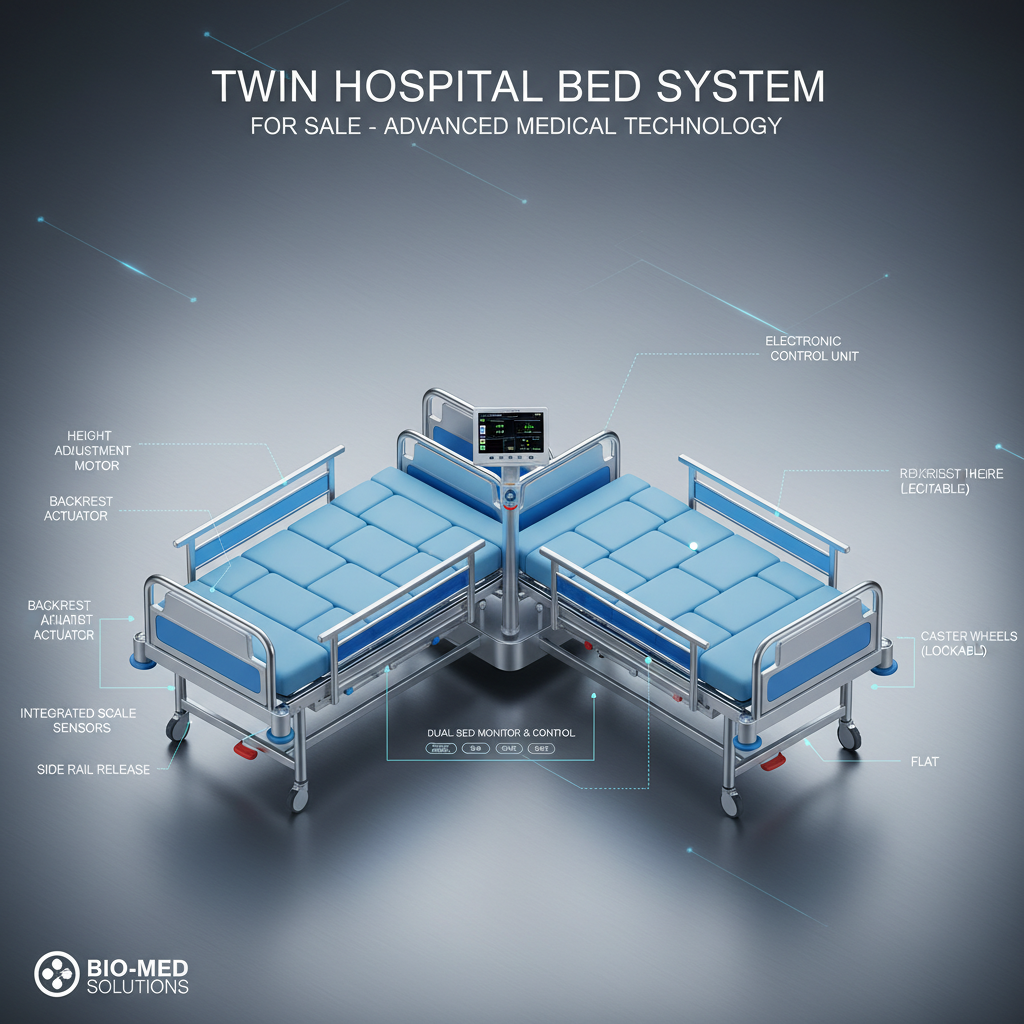
When you decide to buy hospital bed solutions, you are investing in more than just furniture; you are securing a critical tool for patient recovery and caregiver safety. In the specialized field of medical device manufacturing, the right bed configuration can significantly reduce the risk of pressure ulcers and improve the overall quality of care in both clinical and home settings.
Procuring these systems often presents a challenge for healthcare administrators and home caregivers who must balance mechanical functionality, patient comfort, and strict safety compliance. The primary difficulty lies in matching the specific medical needs of the patient—such as mobility levels or respiratory requirements—with the technical specifications of the bed.
This guide provides a comprehensive framework for evaluating hospital bed options, analyzing key technical parameters, and establishing a procurement strategy that ensures long-term durability and clinical effectiveness for healthcare facilities and home-care environments.

Defining Core Patient Care Requirements

Before searching for where to buy hospital bed units, it is essential to perform a clinical needs assessment. The primary objective is to determine the level of autonomy the patient retains and the intensity of the nursing care required. For instance, a patient requiring frequent repositioning to prevent skin breakdown needs a bed with advanced articulation and height adjustment to protect the caregiver's ergonomics.
Considerations must include the patient's weight, the likelihood of falls, and the necessity for integrated accessories such as bedside cabinets or specialized mattresses. By defining these parameters first, buyers can avoid over-specifying equipment—which increases costs—or under-specifying, which compromises patient safety.
Critical Technical Specifications to Evaluate
Technical evaluation should focus on the structural integrity and the precision of the movement mechanisms. High-quality beds typically utilize reinforced steel frames to ensure stability under maximum load capacities. The mechanism for height adjustment—whether manual, hydraulic, or electric—directly impacts the ease of patient transfers and the ability to perform bedside procedures at an optimal ergonomic level.
Key parameters include the range of backrest and legrest inclination, the stability of the locking casters, and the quality of the side rails. In professional environments, materials must be corrosion-resistant and capable of withstanding frequent disinfection with medical-grade chemicals without degrading the surface finish.
Matching Bed Types to Clinical Applications
Different care environments require distinct bed configurations. For acute care and hospitals, full-electric beds with integrated controls are standard to maximize efficiency. In contrast, for home care nursing beds, the focus shifts toward a balance of functionality and domestic aesthetics, often emphasizing ease of assembly and compact footprints to fit within residential bedrooms.
Specialized needs may require auxiliary equipment. For example, in rehabilitation centers, beds that facilitate early mobilization are preferred. When coordinating a full room setup, integrating the bed with other hospital furniture, such as medical carts or patient room accessories, ensures a cohesive and efficient workflow for the nursing staff.
Evaluation Dimensions for Bed Selection
When evaluating different models, buyers often use a weighted scoring system to compare options based on priority dimensions. The following conceptual framework illustrates the relative importance of various factors across different buyer profiles, such as institutional procurement officers versus private home-care buyers.
This illustrative index demonstrates that while institutional buyers prioritize compliance and long-term durability, home-care buyers often place a higher relative value on ease of operation and initial cost-effectiveness. Understanding these drivers allows for a more targeted selection process when deciding which model to purchase.
Supplier Verification and Quality Standards
The reliability of a medical bed is tied directly to the manufacturer's quality management system. Reputable suppliers in the rehabilitation equipment sector adhere to international standards such as ISO13485, which specifically governs the quality management of medical devices. Verification of CE certification is also critical for ensuring that the product meets essential health and safety requirements.
Beyond certifications, buyers should evaluate the manufacturer's production capacity and experience. A factory with a complete production line—including dedicated welding, spray, and shot blasting workshops—is more likely to maintain consistent quality across large batches and provide reliable OEM or ODM services for customized facility requirements.
Common Procurement Risks and Mitigation
One of the most frequent mistakes when attempting to buy hospital bed systems is overlooking the total cost of ownership. While the initial purchase price is important, the costs associated with maintenance, replacement parts, and the potential for mechanical failure can be significant. Mitigation involves selecting beds with modular components that are easy to service and replace.
Another risk is the mismatch between bed dimensions and room layout, which can impede the movement of stretchers or wheelchairs. It is recommended to verify the exact footprints of the beds and their full extension ranges before finalizing an order to ensure that the patient room accessory layout remains functional and safe.
Strategic Decision Framework for Buyers
To streamline the final selection, buyers can use a comparative matrix to evaluate different bed categories against their specific operational needs. This allows for a rational comparison based on factual capabilities rather than marketing descriptions.
| Bed Category | Primary Advantage | Ideal Application | Key Consideration |
|---|---|---|---|
| Manual Nursing Bed | Low Cost / Simplicity | Stable Home Care | Caregiver Effort |
| Electric Hospital Bed | High Patient Autonomy | Acute Care Wards | Power Reliability |
| Semi-Electric Bed | Balanced Cost/Effort | Long-term Care | Manual Height Adj. |
| Specialized Rehab Bed | Mobilization Support | Recovery Centers | Technical Complexity |
| Pediatric Bed | Size-specific Safety | Children's Wards | Guardrail Security |
| Bariatric Bed | Extreme Load Capacity | Obese Patient Care | Floor Space Usage |
By utilizing this framework, procurement officers can ensure that the chosen solution aligns with the actual patient demographic and the available staffing levels, maximizing the utility of the investment.
Frequently Asked Questions
Buyers should prioritize ISO13485 for medical device quality management and CE certification to ensure compliance with health, safety, and environmental protection standards.
Choose electric beds for patients with some autonomy or in high-intensity wards to reduce caregiver strain. Manual beds are suitable for budget-constrained home care where patient stability is high and nursing needs are minimal.
Lifespan varies by usage intensity, but beds constructed with carbon steel and high-grade actuators typically last several years if a strict preventive maintenance schedule is followed.
OEM beds are better when you have specific room dimensions or unique clinical requirements that standard models cannot meet, provided the manufacturer has a verified production line.
Look for beds that offer a wide range of articulation for frequent repositioning and ensure the bed is compatible with professional pressure-relief mattresses.
Essential accessories typically include bedside cabinets, IV poles, and matching patient room furniture to create a safe and efficient care environment.
Conclusion
Successfully navigating the process to buy hospital bed systems requires a shift from viewing the bed as a simple piece of furniture to seeing it as a clinical intervention tool. By prioritizing technical specifications, verifying manufacturer certifications like ISO13485, and matching the bed type to the specific care application, buyers can significantly enhance patient outcomes and operational efficiency.
For healthcare providers and home-care coordinators seeking reliable, international-standard medical furniture, detailed product specifications and customization options can be explored at www.zfmedicare.com to ensure the chosen solution meets all safety and clinical requirements.