
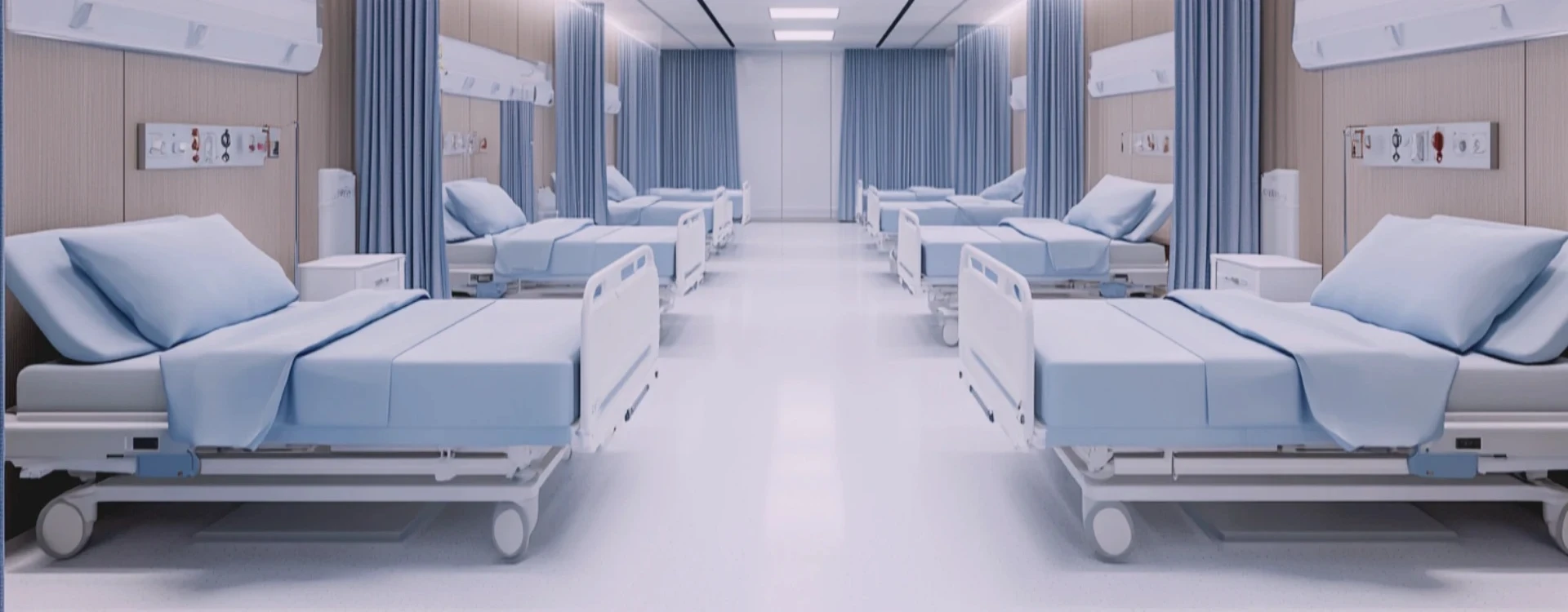
รถเข็นแพทย์
 PDF
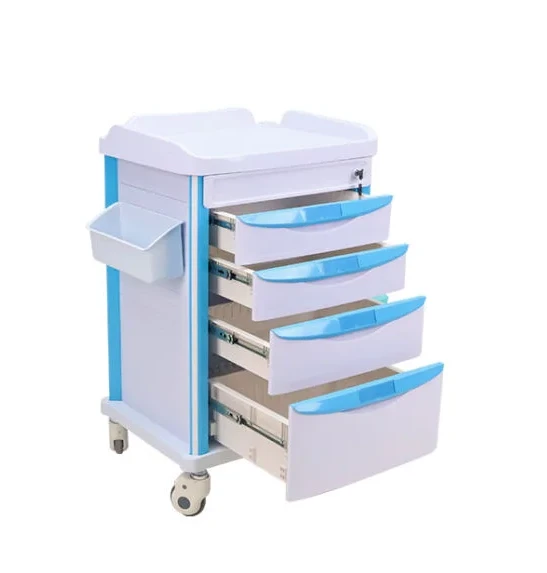
รถเข็นทางการแพทย์เป็นอุปกรณ์ชิ้นสำคัญในสถานพยาบาล ซึ่งออกแบบมาเพื่อขนส่งเวชภัณฑ์และอุปกรณ์ทางการแพทย์อย่างมีประสิทธิภาพ คุณสมบัติที่สำคัญของรถเข็นทางการแพทย์ ได้แก่ โครงสร้างที่แข็งแรง ซึ่งมักทำจากวัสดุ เช่น สแตนเลสหรือพลาสติกที่มีความหนาแน่นสูง ทำให้มั่นใจถึงความทนทานและทนต่อการสึกหรอ รถเข็นเหล่านี้มีลิ้นชักและชั้นวางหลายชั้นสำหรับจัดเก็บเครื่องมือทางการแพทย์ ยา และเวชภัณฑ์อย่างเป็นระเบียบ ทำให้เข้าถึงได้ง่ายในระหว่างหัตถการทางการแพทย์ รถเข็นทางการแพทย์จำนวนมากยังมีช่องที่ล็อคได้เพื่อจัดเก็บสิ่งของที่ละเอียดอ่อน เช่น ยาเสพติดหรือบันทึกผู้ป่วย เพื่อให้มั่นใจในความปลอดภัยและการปฏิบัติตามกฎระเบียบด้านการดูแลสุขภาพ อาจมีคุณสมบัติความสูงที่ปรับได้ ช่วยให้ผู้ให้บริการด้านการดูแลสุขภาพสามารถปรับแต่งรถเข็นให้เหมาะกับความสูงในการทำงานที่ต้องการได้ เพื่อความสะดวกและความสะดวกสบายตามหลักสรีระศาสตร์ รถเข็นทางการแพทย์มักจะมีล้อเลื่อนที่หมุนได้เรียบและล็อคได้ ช่วยให้เคลื่อนย้ายได้ง่ายระหว่างห้องผู้ป่วยและบริเวณต่างๆ ของสถานพยาบาล รถเข็นบางรุ่นมาพร้อมกับปลั๊กไฟหรือพอร์ตในตัวสำหรับชาร์จอุปกรณ์ทางการแพทย์ ซึ่งมีประโยชน์อย่างยิ่งสำหรับหน่วยเคลื่อนที่ในห้องฉุกเฉินหรือหน่วยผู้ป่วยหนัก นอกจากนี้ รถเข็นยังได้รับการออกแบบให้ทำความสะอาดและฆ่าเชื้อได้ง่าย โดยมีพื้นผิวที่ต้านทานคราบและแบคทีเรีย จึงมั่นใจได้ถึงสภาพแวดล้อมที่ถูกสุขลักษณะ การออกแบบที่กะทัดรัดช่วยให้สามารถจัดเก็บได้อย่างมีประสิทธิภาพในพื้นที่การรักษาพยาบาลที่มีผู้คนหนาแน่น ในขณะที่ยังคงมีพื้นที่เพียงพอสำหรับอุปกรณ์ที่จำเป็นทั้งหมด
รถเข็นทางการแพทย์มีประโยชน์ต่อผู้เชี่ยวชาญด้านการดูแลสุขภาพและผู้ป่วยอย่างไร?
รถเข็นทางการแพทย์มอบสิทธิประโยชน์มากมายให้กับบุคลากรทางการแพทย์และผู้ป่วยโดยการปรับปรุงประสิทธิภาพและการจัดระบบการส่งมอบการดูแล สำหรับผู้เชี่ยวชาญด้านสุขภาพ รถเข็นทางการแพทย์ช่วยเพิ่มความคล่องตัวให้กับกระบวนการเข้าถึงและขนส่งเวชภัณฑ์ ช่วยลดเวลาที่ใช้ในการค้นหาอุปกรณ์ในระหว่างขั้นตอนต่างๆ ด้วยเครื่องมือที่จำเป็นทั้งหมดที่เข้าถึงได้ง่าย ผู้ให้บริการด้านสุขภาพจึงสามารถมุ่งเน้นไปที่การดูแลผู้ป่วยได้มากขึ้น ปรับปรุงขั้นตอนการทำงานโดยรวมและประสิทธิผลของการรักษาทางการแพทย์ ช่องที่ล็อคได้ช่วยให้มั่นใจได้ว่าสารควบคุมและวัสดุที่ละเอียดอ่อนจะถูกจัดเก็บอย่างปลอดภัย ให้ความอุ่นใจและรักษาการปฏิบัติตามกฎระเบียบ ความคล่องตัวของรถเข็นทางการแพทย์ซึ่งมีล้อที่หมุนได้และล็อคได้ช่วยให้ผู้เชี่ยวชาญด้านสุขภาพสามารถขนส่งสิ่งของระหว่างห้องผู้ป่วยหรือแผนกต่างๆ ได้อย่างง่ายดาย ซึ่งมีความสำคัญอย่างยิ่งในสภาพแวดล้อมที่พลุกพล่าน เช่น โรงพยาบาลและคลินิก สำหรับผู้ป่วย รถเข็นทางการแพทย์ที่มีการจัดระเบียบอย่างดีและมีประสิทธิภาพช่วยให้มั่นใจได้ว่าการรักษาจะทันเวลาและแม่นยำ เนื่องจากผู้ให้บริการด้านการแพทย์สามารถเข้าถึงเครื่องมือและยาที่จำเป็นได้อย่างรวดเร็ว สิ่งนี้มีส่วนช่วยให้ผู้ป่วยได้รับประสบการณ์ที่ปลอดภัยและสะดวกสบายยิ่งขึ้น นอกจากนี้ รถเข็นทางการแพทย์ยังได้รับการออกแบบให้ออกแบบตามหลักสรีรศาสตร์ ด้วยความสูงที่ปรับได้และลิ้นชักที่เข้าถึงได้ง่าย ช่วยลดความตึงเครียดทางกายภาพของบุคลากรทางการแพทย์ และเพิ่มความสามารถในการดูแลกะที่ยาวนาน
จะเลือกรถเข็นทางการแพทย์ที่เหมาะสมสำหรับสถานพยาบาลได้อย่างไร
Choosing the right medical cart for a healthcare facility depends on several factors, including the type of care provided, space limitations, and specific functional requirements. Start by considering the primary use of the cart—whether it is for emergency care, medication administration, or general supply storage. For emergency situations, select a cart with easily accessible drawers and compartments for quick access to critical equipment. If the cart is used for medication management, ensure it has secure, lockable compartments for controlled substances and important patient information. The cart should be made of durable, easy-to-clean materials like stainless steel or high-grade plastic, ensuring it withstands frequent use and can be properly sanitized. Mobility is crucial, so look for carts with smooth-rolling, lockable caster wheels that allow for easy transport while ensuring stability during use. The size and storage capacity of the cart should fit the specific needs of the healthcare setting—ensure it has enough room for all required supplies without being too bulky or difficult to maneuver in tight spaces. Additionally, consider whether the cart includes features like adjustable height, built-in power outlets, or additional accessories such as trays or shelves for added convenience. Finally, assess the cart’s warranty and after-sales support to ensure reliability and ease of maintenance in the long term.
How to Choose the Right Hospital Cart for Patient Care and Clinical Workflows
Choosing the right hospital cart for patient care involves more than comparing prices or appearance. Hospitals, outpatient clinics, nursing facilities, and healthcare projects need carts that match their daily workflows, storage requirements, and cleaning routines. The best choice depends on what staff need to transport, where the cart will be used, and how frequently it must move between departments.
When evaluating a hospital cart for patient care, start with its intended application. A medical treatment cart may be used to transport instruments, dressing supplies, and other clinical essentials. A general-purpose hospital cart can support routine material movement, while a dedicated medication cart is selected according to the facility’s medication distribution procedures. These applications may require different compartment layouts, access controls, and accessories.
Mobility is another important consideration. Buyers should check caster quality, maneuverability, braking arrangements, handle positioning, and overall stability. The cart’s dimensions should also allow it to pass through doorways and move comfortably around beds, examination tables, and other equipment. Surfaces and materials should be suitable for the cleaning agents and hygiene procedures used in the facility.
For distributors and procurement teams, durability, maintenance, packaging, and replacement-part availability can influence long-term value. Comparing these factors helps avoid selecting a cart that meets the initial budget but does not suit everyday operations.
Hebei Zhaofa Technology Co., LTD provides medical equipment and hospital furniture solutions for international buyers. When sourcing a hospital cart, buyers can share their intended application, required dimensions, material preferences, and order quantity to help identify a suitable configuration for their healthcare project.
Medication Carts on Wheels for Hospitals: What Should Buyers Look For?
Medication carts on wheels help healthcare facilities organize and transport medicines and related supplies during routine care activities. For hospitals managing multiple wards, nursing stations, and patient rooms, the right hospital medication cart should support an orderly workflow while meeting the facility’s storage, access-control, and cleaning requirements.
When comparing medication carts for hospitals, buyers should first consider how medicines are prepared, organized, transported, and replenished. Drawer dimensions, internal dividers, labeling areas, and compartment arrangements should correspond to the facility’s procedures. Where medicines require restricted access, the buyer should confirm the availability and suitability of locking options rather than assuming that every medication cart includes the same security features.
Mobility also matters. A well-selected medication cart should be easy for authorized staff to maneuver through corridors and around patient beds. Buyers should evaluate caster performance, braking arrangements, cart dimensions, stability, and the amount of storage needed for a typical round. Surfaces must also be compatible with the facility’s cleaning and disinfection protocols.
The terms hospital med cart and medication carts on wheels are often used by buyers searching for practical mobile medication-storage solutions. However, product specifications vary by model, and medication carts should not be treated as interchangeable with general instrument or treatment carts.
Before requesting a quotation, hospital purchasing teams and medical equipment distributors should define the required storage layout, locking system, dimensions, quantity, and destination-market requirements. These details help suppliers identify a closer match and reduce unnecessary revisions during procurement.
Hebei Zhaofa Technology Co., LTD welcomes inquiries from international healthcare buyers seeking medical cart solutions. Confirming the required medication-cart configuration in advance is an important step toward selecting equipment that fits the intended clinical workflow.
Medication Cart for Sale: How to Compare Features, Quality, and Total Cost
When searching for a medication cart for sale, professional buyers should compare specifications and intended applications instead of choosing solely by the lowest quoted price. Hospital procurement teams, clinic operators, and medical equipment distributors may find that products with similar appearances differ in materials, storage arrangements, mobility, and maintenance requirements.
The first step is to determine whether a dedicated medicine cart or a general medical utility cart is appropriate. A medication cart may require clearly organized compartments and controlled access, while an instrument or treatment cart may prioritize work surfaces, equipment placement, and convenient access to clinical supplies. The term drugs cart may also appear in informal searches, but buyers should use precise product specifications when communicating with suppliers.
Material selection can influence durability and cleaning requirements. Stainless steel is often considered for medical trolleys where corrosion resistance and routine cleaning are important. Buyers should still verify the actual material grade, construction quality, finish, and compatibility with the disinfectants used in their facilities. Wheel quality, braking systems, load capacity, dimensions, and available accessories should also be checked against the intended workload.
When comparing medication carts for sale, calculate the broader procurement cost, including packaging, shipping, customization, spare parts, and maintenance considerations. Wholesale orders may have different commercial terms from sample purchases, so the required quantity and delivery destination should be included in the inquiry.
Hebei Zhaofa Technology Co., LTD offers medical equipment and hospital furniture products for international markets. Buyers can request model-specific information and quotations by providing their preferred cart type, required features, quantity, and delivery location. A specification-based comparison makes it easier to evaluate value and select a cart that suits the facility’s actual needs.
Customized Hospital Carts for Different Healthcare Environments
Healthcare facilities do not all follow the same workflow, which is why customized hospital carts can be an important consideration for medical equipment distributors and institutional buyers. Different departments may need different storage capacities, working surfaces, dimensions, mobility arrangements, and accessory combinations. Defining these requirements before ordering helps buyers identify whether a standard model is sufficient or a custom configuration is necessary.
For custom hospital carts, start by documenting the intended application. A treatment room may require convenient access to instruments and consumables, while a nursing station may prioritize organized storage and efficient movement between patient areas. A hospital clinic office may need a compact medical cart that fits within limited floor space without obstructing staff movement or access to other equipment.
Customization discussions can cover dimensions, material preferences, shelf or drawer arrangements, color, branding, and packaging where the manufacturer supports those options. Medication carts may also require specific access-control arrangements, but buyers should confirm the available locking configurations and any associated limitations for the selected model. Not every requested feature will be compatible with every cart design.
Before approving a customized order, prepare a written specification containing drawings or reference images, required quantities, intended use, destination market, and any applicable procurement requirements. Ask the supplier to confirm which modifications are feasible, whether samples or drawings can be reviewed, and how changes may affect pricing and lead time.
Hebei Zhaofa Technology Co., LTD serves international buyers in the medical equipment and hospital furniture market. Buyers seeking custom medical carts for hospital clinic office applications should describe their workflow and required configuration in detail so the team can assess the request against available product options and manufacturing capabilities.
Medical Cart Manufacturer and Supplier for Wholesale Hospital Procurement
Selecting a medical cart manufacturer is an important step for hospital procurement departments, medical equipment distributors, and healthcare project contractors. A suitable supplier should provide clear product specifications, consistent communication, reliable order coordination, and the technical information required to evaluate products before purchase.
When assessing a medical cart supplier, begin with its product range and manufacturing capabilities. Ask whether the supplier offers the cart types required for your project, including instrument carts, treatment trolleys, general-purpose utility carts, and other relevant hospital furniture. Product availability should be confirmed by model rather than inferred from a broad product-category description.
Quality evaluation should include materials, frame construction, surface finish, caster performance, braking arrangements, load capacity, and ease of maintenance. Buyers should request applicable inspection records, technical documents, and certificates where required by their destination market. It is also useful to clarify packaging methods, order lead times, spare-parts availability, warranty terms, and the process for handling quality issues.
For wholesale medical cart procurement, purchasing teams should provide expected quantities, target delivery dates, preferred specifications, and destination details. Distributors may also need consistent product configurations, repeat-order support, and suitable product documentation for their own sales channels. Comparing quotations against the same specification helps prevent misleading price comparisons.
Hebei Zhaofa Technology Co., LTD is a China-based medical equipment and hospital furniture manufacturer established in 2014. The company reports a 5,000-square-meter facility, more than 60 employees, and production and quality-control facilities. Buyers can review the company’s product information and request model-specific details before making a purchasing decision.
For a more accurate quotation, share your required cart type, technical specifications, order quantity, destination country, and any branding or packaging requirements. A detailed inquiry helps both parties evaluate product suitability and procurement terms more efficiently.
Medical Trolley Ranges for Healthcare Retail Buyers and Distributors
Healthcare retailers, medical equipment distributors, and project suppliers often need a practical range of medical trolleys rather than a single product model. Offering different cart types allows buyers to serve hospitals, outpatient clinics, nursing facilities, and other healthcare customers with varying operational requirements.
When evaluating medical trolley ranges for healthcare retail buyers, begin by grouping products according to their applications. Instrument carts support the movement and organization of clinical equipment, while treatment carts are selected according to the supplies and procedures they need to accommodate. Medication carts require separate consideration of storage layout and access control. General utility trolleys may be suitable for transporting routine materials around healthcare facilities.
Hospital bedside carts also deserve attention when developing a hospital furniture assortment. Buyers should distinguish between mobile medical trolleys used by healthcare staff and bedside furniture intended primarily for patient-room storage or convenience. Clear product descriptions help sales teams match customer inquiries with the correct category and reduce confusion during quotation.
For wholesale purchasing, evaluate dimensions, materials, load capacity, caster design, cleaning requirements, packaging, and available accessories. Distributors should also consider which models can share similar spare parts or maintenance procedures, provided that compatibility is confirmed by the manufacturer. Consistent product information and clear model identification can make catalog management and repeat ordering easier.
Hebei Zhaofa Technology Co., LTD supplies hospital furniture for sale and medical equipment to international markets. Retail buyers and distributors can contact the company with their target customer profile, preferred cart categories, estimated order quantities, and destination markets to discuss suitable products.
Whether you are expanding an existing medical equipment catalog or sourcing products for a healthcare project, a clearly defined product range makes procurement more systematic. Request current model specifications and confirm availability before presenting individual products to your customers.