

Giường bệnh viện
 PDF
Triệu Phát
Cung cấp những điều sau đây
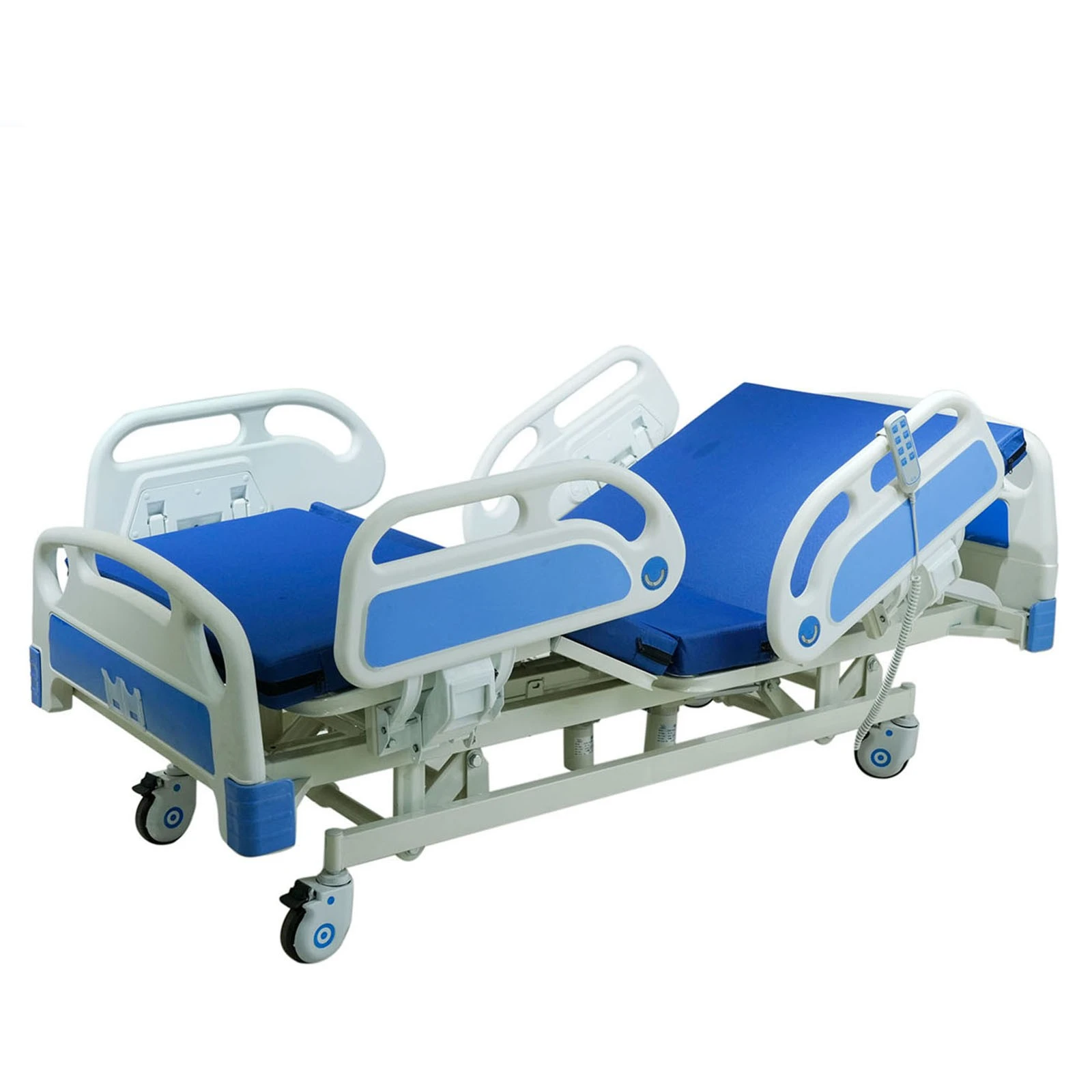
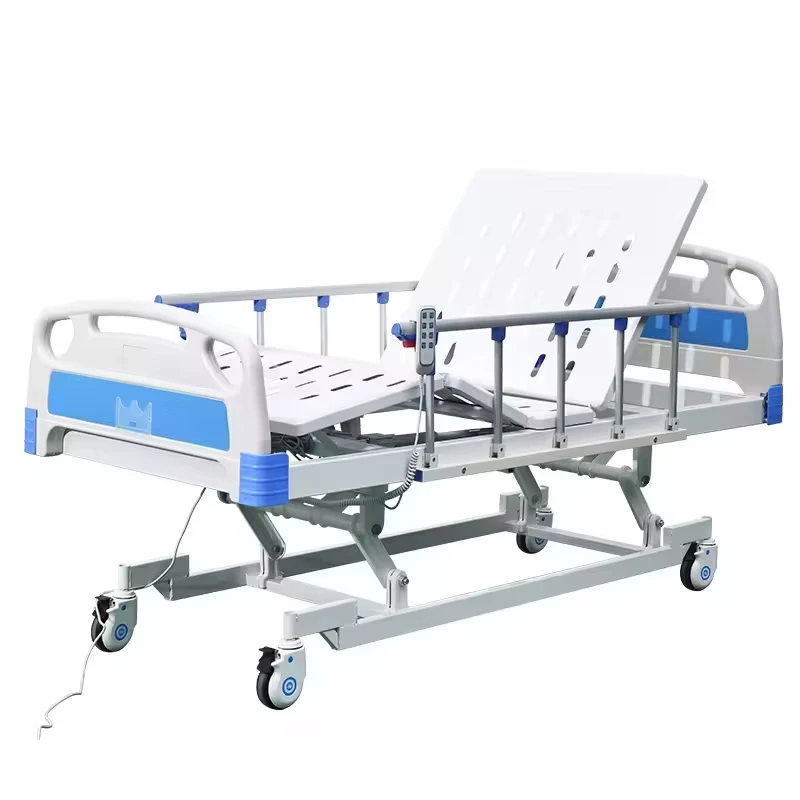
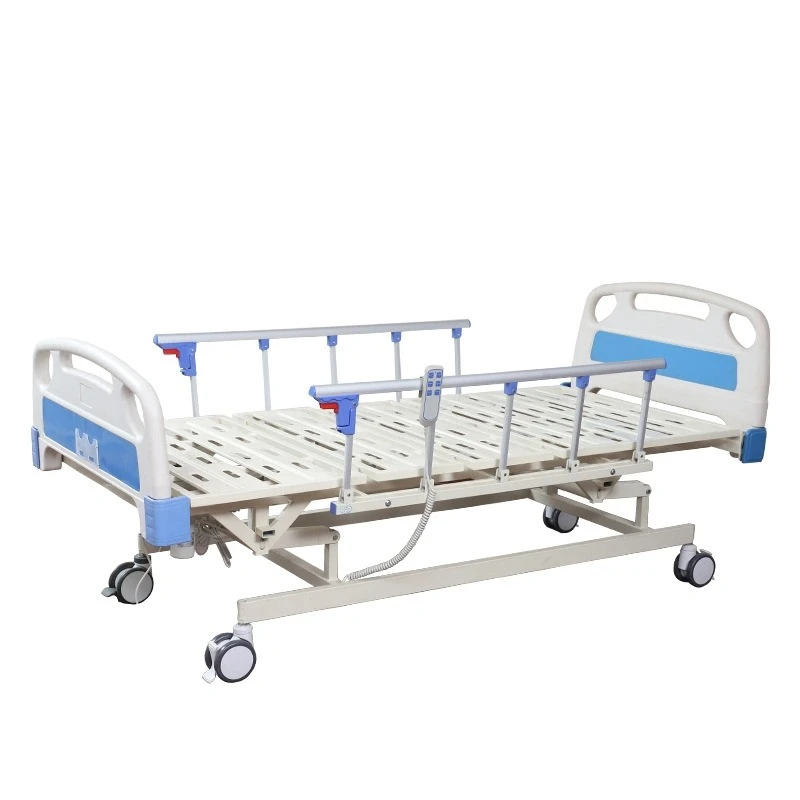
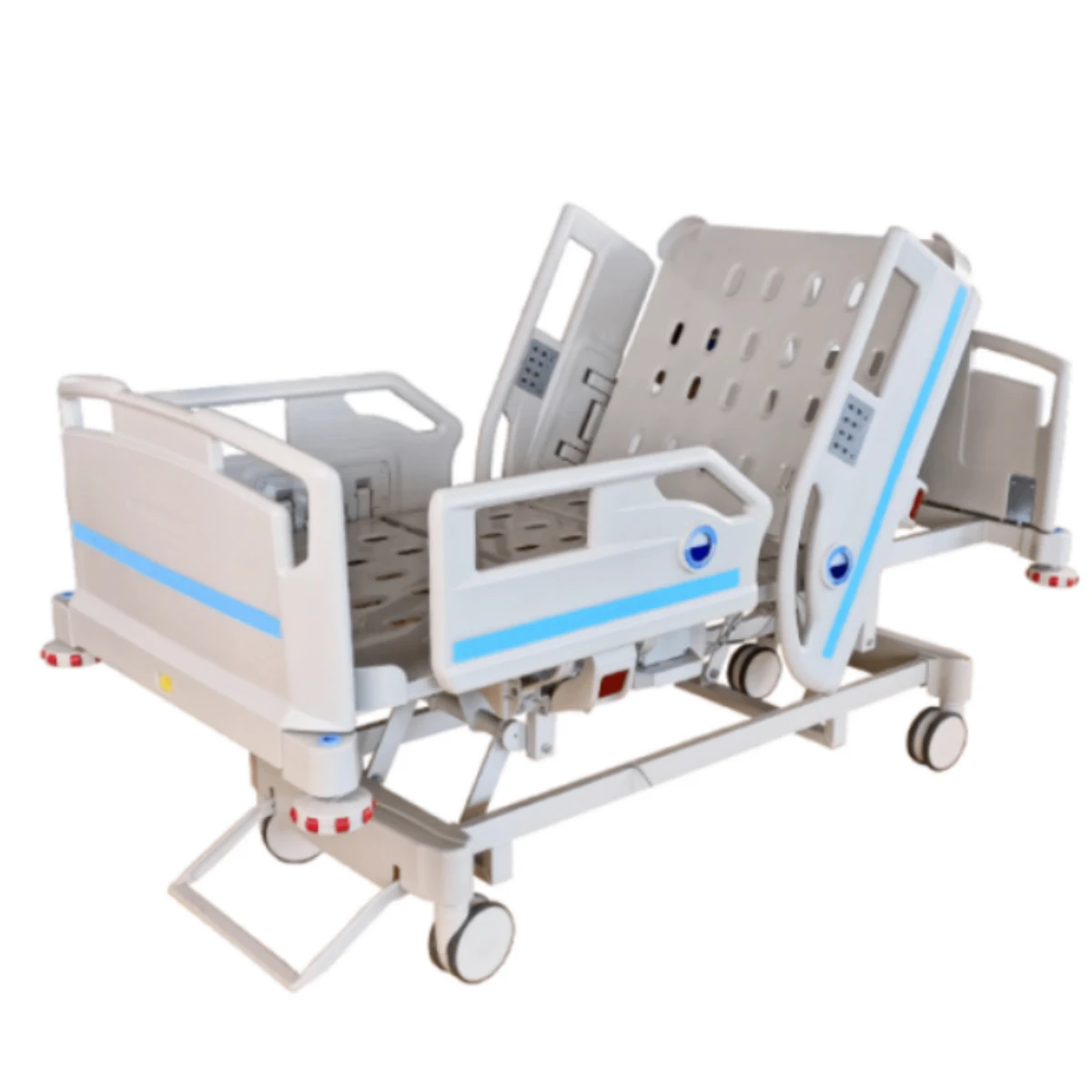
Giường bệnh viện có nhiều loại, mỗi loại được thiết kế để đáp ứng nhu cầu y tế cụ thể và nâng cao sự thoải mái cho bệnh nhân. Giường bệnh viện thủ công yêu cầu quay bằng tay để điều chỉnh độ cao và vị trí giường, giúp tiết kiệm chi phí nhưng đòi hỏi người chăm sóc phải nỗ lực nhiều hơn. Giường bệnh bán điện có bộ điều khiển cơ giới để điều chỉnh đầu và chân, trong khi việc điều chỉnh độ cao vẫn được thực hiện thủ công. Giường bệnh hoàn toàn bằng điện cho phép kiểm soát hoàn toàn mọi điều chỉnh bằng điều khiển từ xa, mang lại sự tiện lợi tối đa cho bệnh nhân và người chăm sóc. Giường ICU được trang bị hệ thống theo dõi tiên tiến, chức năng CPR và thanh chắn bên có thể điều chỉnh cho bệnh nhân được chăm sóc đặc biệt. Giường dành cho người béo phì rộng hơn và chắc chắn hơn, được thiết kế để hỗ trợ những bệnh nhân nặng cân một cách an toàn. Giường bệnh nhi là loại giường chuyên dụng dành cho trẻ em, có đường ray an toàn cao và thiết kế nhiều màu sắc. Giường bệnh thấp được thiết kế để giảm thiểu rủi ro té ngã cho bệnh nhân lớn tuổi hoặc có nguy cơ cao. Luồng khí hoặc giường áp lực xen kẽ được sử dụng cho bệnh nhân nằm liệt giường để ngăn ngừa loét do tỳ đè. Giường đặc biệt, chẳng hạn như giường sản khoa hoặc chỉnh hình, phục vụ cho các phương pháp điều trị y tế cụ thể.
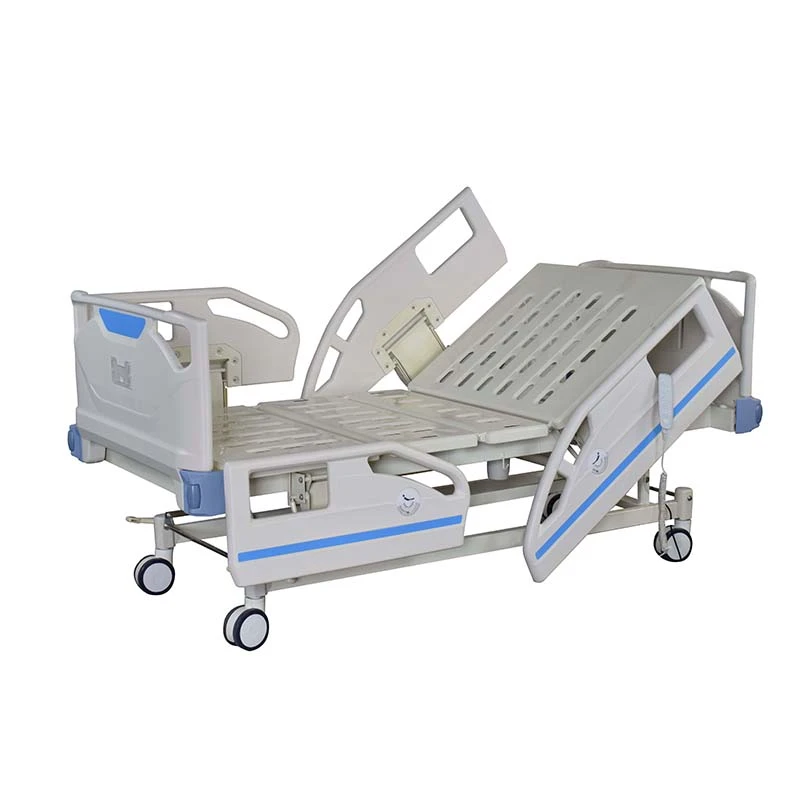
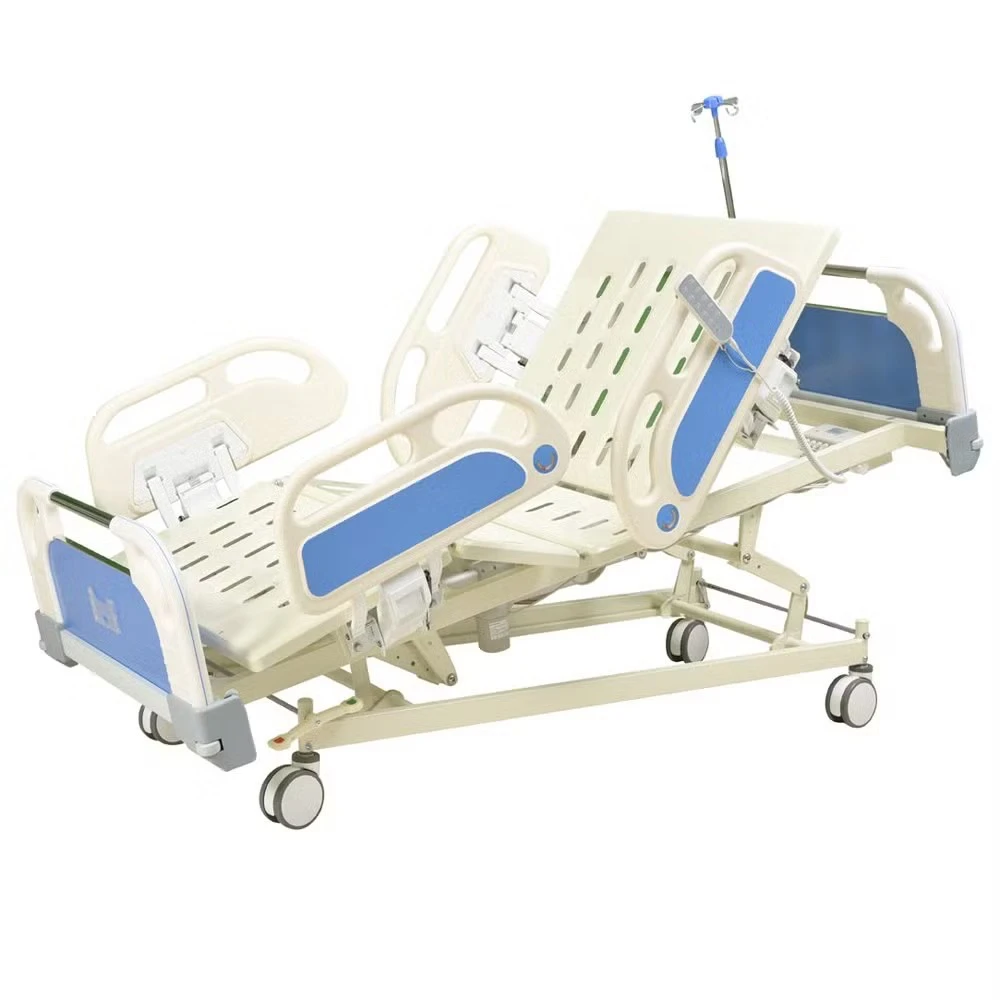
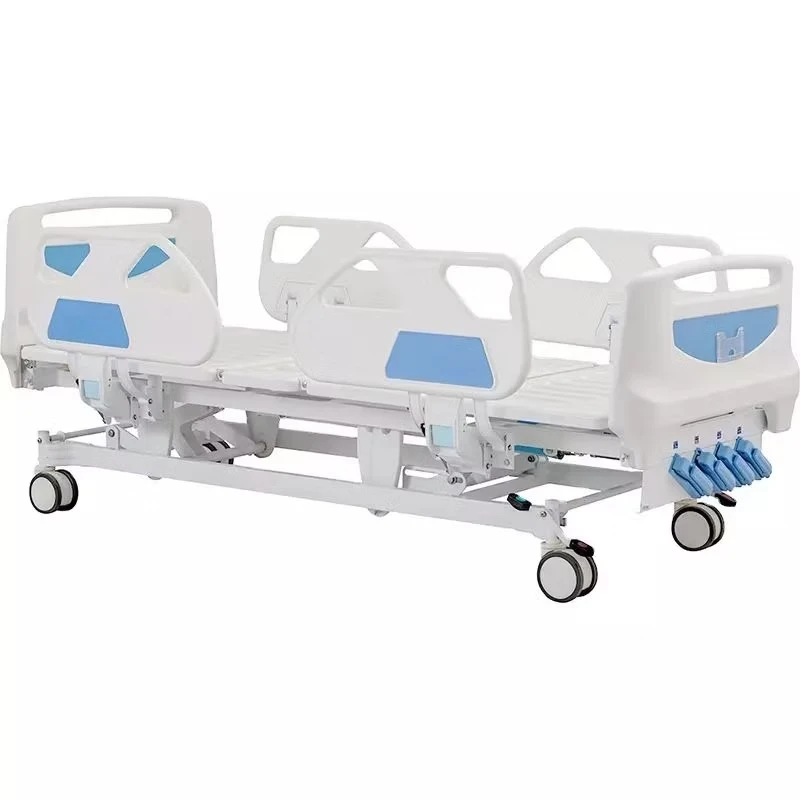
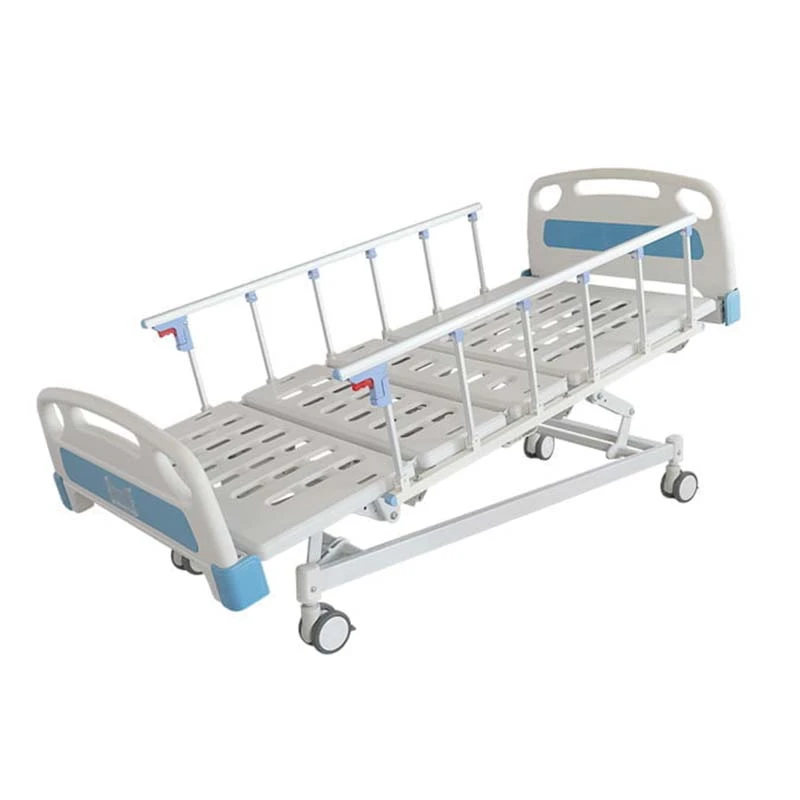

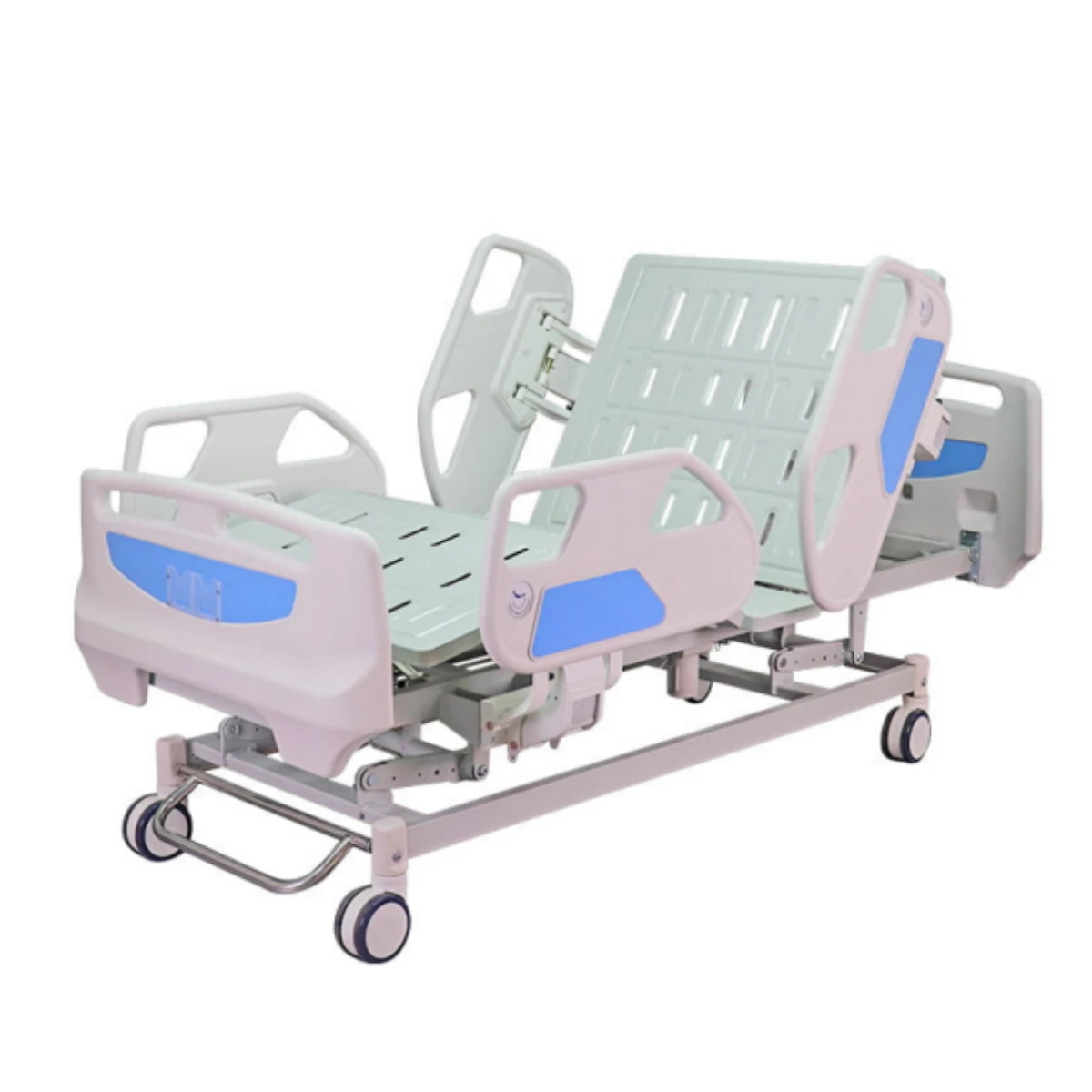
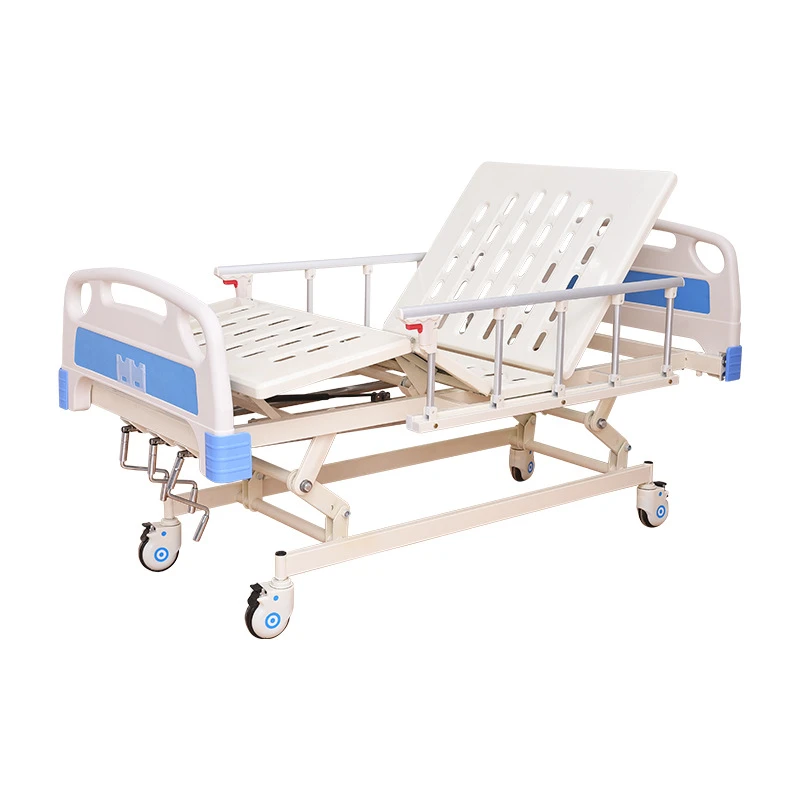
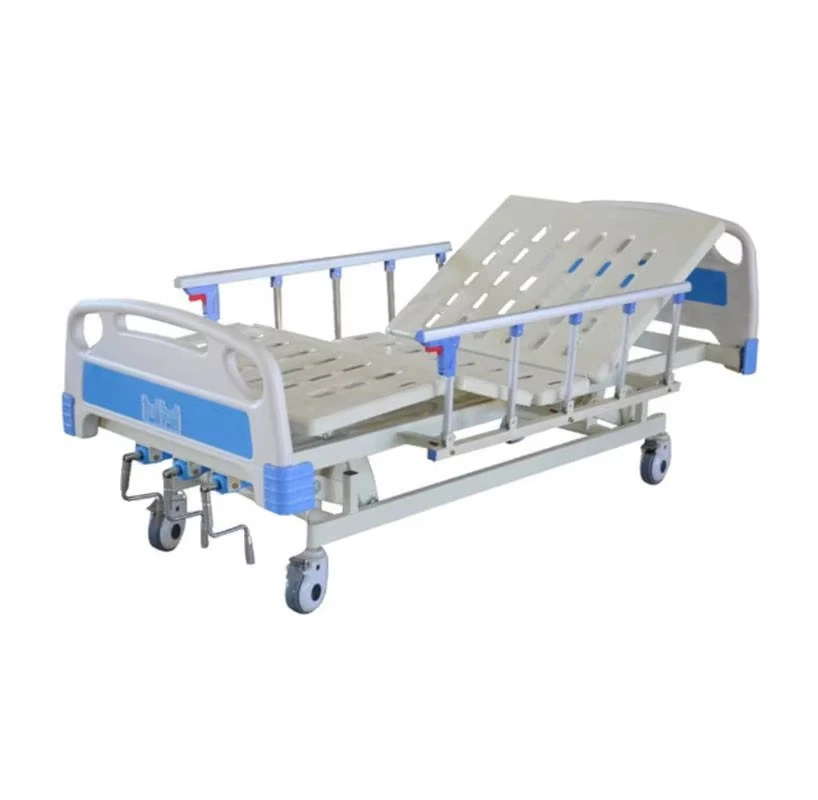
Giường bệnh viện chất lượng cao cần có những tính năng gì?
Giường bệnh viện chất lượng cao phải có độ bền, khả năng điều chỉnh và sự thoải mái cho bệnh nhân. Nó nên được làm từ vật liệu chắc chắn, chống ăn mòn như thép không gỉ hoặc nhôm để đảm bảo tuổi thọ. Chức năng điều chỉnh độ cao cho phép bệnh nhân dễ dàng tiếp cận và hỗ trợ người chăm sóc. Giường phải có nhiều tùy chọn định vị, bao gồm điều chỉnh đầu, chân và Trendelenburg, để phù hợp với các tình trạng y tế khác nhau. Nệm thoải mái, giảm áp lực là điều cần thiết để chăm sóc bệnh nhân lâu dài. Đường ray bên với cơ chế khóa dễ dàng mang lại sự an toàn và ngăn ngừa té ngã. Bánh xe có khóa giúp cải thiện khả năng di chuyển đồng thời đảm bảo sự ổn định khi cần thiết. Điều khiển từ xa hoặc thủ công phải thân thiện với người dùng cho cả bệnh nhân và người chăm sóc. Cột IV tích hợp, khả năng tương thích với bàn trên giường và ngăn chứa đồ giúp nâng cao sự thuận tiện. Đối với ICU hoặc mục đích sử dụng chuyên biệt, các tính năng như giải phóng CPR, hỗ trợ theo dõi và cảm biến trọng lượng đều có lợi. Ngoài ra, bề mặt kháng khuẩn, dễ lau chùi giúp duy trì vệ sinh bệnh viện và ngăn ngừa nhiễm trùng.
How to Choose the Right Hospital Bed for a Healthcare Facility?
Choosing the right hospital bed depends on factors such as patient needs, functionality, and budget. First, determine the type of bed required based on patient conditions—whether a manual, semi-electric, or fully electric bed. For long-term or critical care patients, features such as adjustable positions, pressure-relieving mattresses, and side rails are crucial. If mobility is a concern, consider beds with easy transport features, such as lightweight frames and lockable wheels. Durability and ease of maintenance are important, so selecting beds with high-quality, rust-resistant materials ensures longevity. Space availability in the healthcare facility should also be considered, as some specialized beds require more room. Compliance with medical safety standards is essential to ensure reliability. Additional features like Trendelenburg positioning, built-in scales, or CPR release may be necessary for ICU or emergency settings. Investing in reputable brands with warranties and after-sales support ensures better service and maintenance options. Cost-effectiveness should also be evaluated, balancing affordability with essential features to provide optimal patient care.
What Are the Different Types of Hospital Beds and Their Uses?
Hospital beds are available in different configurations because patient care requirements vary significantly between general wards, intensive care units, rehabilitation centers, nursing facilities, and home-care environments. Understanding the types of hospital beds and their uses can help healthcare buyers select the right configuration instead of paying for functions that may not be necessary.
A manual hospital bed uses hand cranks to adjust functions such as the backrest or leg section. Its relatively simple structure makes it a practical choice for general wards, clinics, and healthcare projects where cost control and straightforward maintenance are priorities. Electric hospital beds use motorized controls to make positioning easier for caregivers and patients. Depending on the model, these beds may provide backrest, leg-rest, height, Trendelenburg, and reverse Trendelenburg adjustments.
For higher-acuity environments, an Giường bệnh viện ICU can incorporate additional positioning and safety functions to support critical-care workflows. Other categories include pediatric beds designed around child safety, home nursing beds for long-term care, and specialized patient beds for particular clinical applications.
When comparing a medical hospital bed, buyers should therefore look beyond the number of functions. Patient profile, clinical environment, caregiver workload, required accessories, maintenance capability, and procurement budget should all influence the final configuration.
Công ty TNHH Công nghệ Zhaofa Hà Bắc supplies different hospital bed configurations for distributors, healthcare facilities, and medical equipment procurement projects, allowing buyers to match bed functions more closely with their intended applications.
What Are Typical Hospital Bed Dimensions?
Hiểu biết typical hospital bed dimensions is important when planning hospital wards, patient rooms, elevators, corridors, and medical equipment transportation. Unlike an ordinary household bed, a hospital bed includes structural components such as side rails, head and foot boards, casters, adjustment mechanisms, and sometimes additional medical accessories. As a result, buyers should distinguish between mattress-platform dimensions and the overall external dimensions of the bed.
There is no single universal hospital bed size suitable for every project. Dimensions vary according to bed type, manufacturer, patient requirements, load capacity, and regional procurement specifications. A general ward bed may use a relatively conventional patient platform, while ICU, bariatric, pediatric, or specialized medical beds can have significantly different dimensions.
This distinction becomes especially important when buyers search for a full size hospital bed. The term “full size” can be interpreted differently across markets and should not replace an exact technical specification. Professional procurement documents should identify overall length, overall width, mattress-platform size, minimum and maximum height where applicable, and safe working load.
International buyers should also consider door clearance, elevator dimensions, bedside equipment space, caster diameter, mattress compatibility, and container-loading requirements.
For bulk procurement, Công ty TNHH Công nghệ Zhaofa Hà Bắc recommends confirming the required dimensions and intended application before ordering. This allows the appropriate patient bed configuration to be selected for hospitals, clinics, nursing facilities, distributors, and healthcare projects.
What Functions Does an Adjustable Hospital Bed Provide?
các hospital bed function required for a project depends largely on how and where the bed will be used. An adjustable hospital bed can provide more than basic sleeping support by helping healthcare professionals change patient positions and perform routine nursing tasks more efficiently.
One of the most common functions is backrest adjustment, which raises the upper section of the mattress platform. Depending on the bed design, knee or leg positioning may also be adjustable. More advanced electric hospital beds can include overall height adjustment, helping caregivers select a practical working height and making patient transfer easier in suitable care situations.
Multi-function medical beds may also offer Trendelenburg and reverse Trendelenburg positioning. ICU-oriented configurations can incorporate additional features or accessories according to the intended clinical application. The exact function set, however, varies by model and should always be confirmed from the technical specification rather than assumed from terms such as “3-function” or “5-function.”
The operating system is another important distinction. Manual beds rely on crank mechanisms, while electric models use motors and control systems. Buyers should compare not only convenience but also maintenance conditions, power requirements, expected usage frequency, and lifecycle costs.
When sourcing from Công ty TNHH Công nghệ Zhaofa Hà Bắc, distributors and project buyers can compare hospital beds according to their required adjustment functions, operating method, application environment, and budget instead of selecting a model solely by price.
Hospital Bed Design: What Should Healthcare Buyers Consider?
A practical hospital bed design must balance patient positioning, caregiver accessibility, structural durability, mobility, cleaning, and everyday operational efficiency. For hospitals and medical equipment distributors, appearance is therefore only a small part of evaluating a patient bed.
The bed frame and mattress platform form the structural foundation. Buyers should evaluate construction materials, surface treatment, stability, safe working load, and the durability of moving components. Frequently touched components such as side rails, headboards, footboards, handles, and control systems should be designed for repeated daily use.
Mobility is another important design consideration. Medical beds commonly use casters so staff can reposition or transport the bed when required. The braking system, caster size, steering characteristics, and overall bed dimensions can influence how easily a bed moves through wards and corridors.
Cleaning and maintenance should also be considered during procurement. Accessible surfaces and removable components can simplify routine cleaning, while standardized mechanical or electrical components can make future servicing more manageable.
For electric models, buyers should examine the relationship between motors, controls, adjustment mechanisms, and emergency-related functions applicable to the selected configuration.
A good hospital bed is therefore not simply the model with the longest feature list. Công ty TNHH Công nghệ Zhaofa Hà Bắc helps buyers evaluate bed designs according to clinical application, required functions, procurement budget, and project specifications.
Manual vs Electric Hospital Beds: Which Is Better for Bulk Procurement?
Choosing between manual and electric models is one of the most important decisions in bán buôn giường bệnh procurement. Neither option is automatically better; the appropriate choice depends on the healthcare environment, budget, maintenance resources, and required patient-positioning functions.
Manual hospital beds use mechanical crank systems. Their simpler structure can make them attractive for general wards, clinics, temporary healthcare facilities, and projects where initial procurement cost is a major consideration. They also do not depend on electricity for basic adjustment. However, positioning generally requires more physical input from caregivers.
Electric hospital beds use motors and controls to adjust one or more bed sections. They can reduce the effort required for frequent positioning and are particularly relevant where adjustment is performed regularly. Depending on configuration, electric models can control the backrest, leg section, bed height, or additional positions.
For distributors and project buyers, the comparison should extend beyond unit price. Consider expected usage frequency, patient category, number of beds required, local maintenance capability, spare-parts availability, electrical specifications, and total lifecycle cost.
A mixed procurement strategy can sometimes be more practical than selecting one bed type for an entire facility. General wards may use simpler configurations while departments requiring frequent positioning use more advanced models.
As a hospital bed supplier, Công ty TNHH Công nghệ Zhaofa Hà Bắc can support buyers in comparing manual and electric hospital bed for sale configurations according to project requirements and target-market needs.
How to Buy Hospital Beds Wholesale From China
For distributors, importers, hospitals, and healthcare project contractors, bán buôn giường bệnh purchasing involves much more than comparing a unit price. A successful bulk order requires the buyer and supplier to confirm technical specifications, quantity, accessories, packaging, documentation, and shipping requirements before production.
Start by defining the application. Specify whether the beds are intended for general wards, ICU environments, nursing facilities, rehabilitation centers, or other healthcare settings. Next, determine whether manual or electric adjustment is required and identify the necessary number of functions.
Buyers looking to buy hospital beds should prepare a specification sheet covering dimensions, bed functions, safe working load, side-rail type, caster requirements, mattress requirements, accessories, voltage where applicable, and desired quantity. Providing this information early makes quotations easier to compare.
For wholesale orders, packaging and logistics are also significant. Hospital beds occupy substantial shipping volume, so buyers should evaluate packing configuration and container utilization rather than comparing product prices alone.
Customization requirements should be discussed before production. Depending on the project and model, requirements may involve product configuration, branding, packaging, accessories, or documentation.
Công ty TNHH Công nghệ Zhaofa Hà Bắc serves international medical equipment buyers seeking a China-based hospital bed supply source. Buyers can submit their required models, quantities, destination market, and technical specifications to obtain a more relevant quotation rather than relying on a generic price list.
How to Evaluate Hospital Bed Suppliers and Factories in China
Finding hospital bed suppliers online is easy; determining which supplier is appropriate for a long-term procurement program requires a more structured evaluation.
Begin with product specialization. A supplier that understands hospital furniture should be able to explain differences between manual beds, electric beds, ICU configurations, nursing beds, accessories, and application requirements instead of quoting every inquiry with the same standard model.
Next, examine specification transparency. Professional buyers should be able to obtain clear information about dimensions, materials, adjustment functions, safe working load, caster systems, side rails, electrical configurations, available accessories, packaging, and other relevant parameters.
Manufacturing and quality-control capability are particularly important when selecting a hospital bed factory for repeat orders. Buyers can ask how incoming materials, welding, surface treatment, assembly, functional testing, inspection, and final packing are controlled. Requirements for certificates and technical documents should be confirmed according to the regulations and procurement rules of the destination market.
Export experience is another consideration. International orders involve packaging, shipping, documentation, communication, and sometimes customized configurations.
Finally, compare total procurement value rather than simply searching for cheap hospital beds for sale. A lower initial quotation may not represent a lower total cost if specifications, durability, packaging, spare parts, or after-sales support differ.
Công ty TNHH Công nghệ Zhaofa Hà Bắc provides hospital furniture solutions for international buyers and can discuss product configurations based on distributor, institutional, and project procurement requirements.
What Determines Hospital Bed Wholesale Price?
Buyers searching for a patient bed for sale or wholesale hospital beds often find substantial price differences between apparently similar products. This is because hospital bed pricing depends on configuration, materials, adjustment system, accessories, order quantity, and purchasing requirements rather than on the product name alone.
One major factor is the adjustment mechanism. A basic manual patient bed generally has fewer mechanical and electrical components than a multi-function electric hospital bed. Adding motors, control systems, height adjustment, advanced positioning, or specialized functions changes both manufacturing complexity and component cost.
Material and structural specifications also matter. Frame construction, platform design, side-rail configuration, head and foot boards, casters, braking systems, surface treatment, and safe working load can all affect the quotation. Accessories such as mattresses, IV poles, dining tables, drainage hooks, or other components should therefore be clearly identified when comparing offers.
Quantity is particularly important in bán buôn giường bệnh. Sample orders, small batches, and container-volume procurement can have different cost structures. Packaging requirements, customization, branding, destination, and shipping terms can further affect the landed cost.
For this reason, searching only for cheap hospital beds for sale can produce misleading comparisons. Professional buyers should compare equivalent specifications and calculate total procurement value.
To receive a relevant quotation from Công ty TNHH Công nghệ Zhaofa Hà Bắc, buyers should provide the required hospital bed type, functions, quantity, destination country, accessories, and any customization requirements. This allows the supplier to quote against an actual procurement specification rather than a generic product description.
BẢN TIN
Nhập địa chỉ email của bạn để trở thành người đầu tiên nhận được thông tin về sản phẩm mới và ưu đãi đặc biệt.