Hospital furniture design is a critical component of modern healthcare facilities, extending far beyond mere aesthetics. It's a multidisciplinary field incorporating ergonomics, infection control, patient safety, and the psychological wellbeing of both patients and staff. Effective hospital furniture design contributes significantly to operational efficiency, streamlined workflows, and improved patient outcomes. The global demand for optimized healthcare spaces continues to grow, making this a vital area of focus for architects, designers, and healthcare administrators alike.
The importance of hospital furniture design is amplified by increasing patient expectations and the evolving standards of care. A well-designed environment can reduce stress, promote healing, and enhance the overall patient experience. Furthermore, with aging populations and rising healthcare costs worldwide, creating efficient and adaptable spaces is paramount. From durable hospital beds to comfortable waiting room seating, every piece of furniture plays a role in supporting the delivery of quality healthcare.
Investing in thoughtful hospital furniture design isn’t just about creating a visually pleasing environment; it’s about investing in the health and safety of everyone who interacts with the healthcare system. The impact of design choices extends from the clinical effectiveness of equipment to the comfort and dignity afforded to patients during vulnerable times.
Introduction to Hospital Furniture Design
Hospital furniture design is a specialized field demanding a keen understanding of healthcare operations and patient needs. It’s not merely about selecting aesthetically pleasing pieces, but about creating functional, safe, and supportive environments that contribute to effective healthcare delivery. The field has evolved significantly, moving from purely utilitarian designs to incorporating principles of evidence-based design and patient-centered care.
This design discipline addresses the unique challenges posed by healthcare environments, including stringent hygiene requirements, the need for durability and infection control, and the diverse needs of patients, staff, and visitors. Careful consideration is given to materials, ergonomics, and adaptability to ensure that furniture supports both clinical workflows and the emotional wellbeing of all users.
Global Relevance & Challenges
The need for effective hospital furniture design is universally felt, though implementation varies significantly based on economic factors and healthcare systems. According to the World Health Organization, access to quality healthcare is a fundamental human right, and the physical environment plays a critical role in achieving this goal. Globally, healthcare infrastructure is facing increasing strain due to aging populations and the rise of chronic diseases.
One significant challenge is addressing healthcare inequities. Developing countries often lack the resources to invest in modern hospital furniture, leading to compromised patient care and increased risk of infection. Additionally, the need for adaptable and scalable solutions is becoming increasingly important as healthcare needs evolve. The ISO standards for medical devices and healthcare furniture are continually updated, requiring designers and manufacturers to stay abreast of the latest regulations.
The COVID-19 pandemic has further highlighted the importance of infection control and the need for flexible hospital layouts. Healthcare facilities worldwide are now reevaluating their furniture choices to prioritize hygiene, social distancing, and the efficient use of space.
Defining Hospital Furniture Design
Hospital furniture design encompasses the planning, creation, and selection of furnishings specifically intended for use in healthcare environments. This includes beds, chairs, tables, storage units, examination equipment, and specialized furniture for operating rooms and intensive care units. It's a holistic approach that considers not only the physical attributes of the furniture but also its impact on patient safety, staff efficiency, and the overall healing environment.
The field is increasingly connected to modern industry standards for sustainability and safety. It’s not simply about aesthetics; it’s about creating spaces that promote wellbeing and facilitate the delivery of high-quality care. This includes selecting materials that are easily sanitized, durable enough to withstand frequent use, and compliant with relevant regulatory requirements.
Driven by humanitarian needs, hospital furniture design also plays a role in disaster relief and emergency medical care. Rapidly deployable and easily sterilized furniture solutions are crucial for setting up temporary hospitals and providing healthcare services in crisis situations.
Key Factors in Hospital Furniture Design
Several key factors underpin successful hospital furniture design. Firstly, Durability is paramount. Furniture must withstand rigorous cleaning protocols, frequent use, and potential impacts without deteriorating. Secondly, Infection Control is critical, demanding materials and designs that are easily sanitized and minimize the spread of pathogens.
Thirdly, Ergonomics are essential for both patients and staff, promoting comfort, preventing injuries, and enhancing efficiency. Fourthly, Accessibility is vital to ensure furniture can be easily used by individuals with varying physical abilities, adhering to ADA standards where applicable. Finally, Scalability allows healthcare facilities to adapt their furniture layout as needs change, contributing to long-term cost-effectiveness.
Rating of Key Considerations in Hospital Furniture Design
Applications Across Healthcare Settings
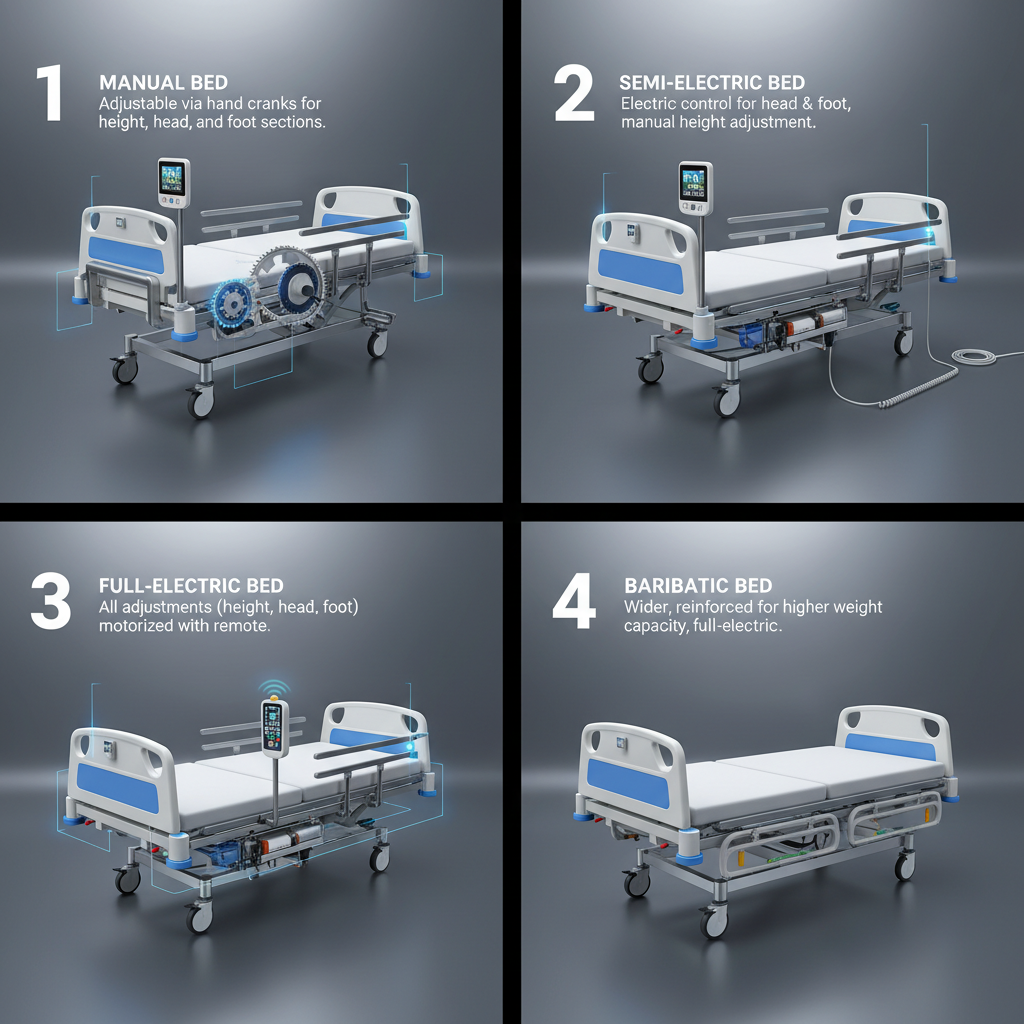
Hospital furniture design principles apply across a wide spectrum of healthcare settings. In acute care hospitals, specialized beds with adjustable features and integrated monitoring systems are crucial. Long-term care facilities require furniture that promotes comfort, safety, and independence for residents.
Outpatient clinics and rehabilitation centers benefit from furniture designed to facilitate therapeutic exercises and patient consultations. Dental offices demand ergonomic chairs and specialized equipment for optimal patient positioning and clinician access. In post-disaster relief operations, rapidly deployable and easily sanitized furniture is vital for establishing temporary medical facilities.
Advantages & Long-Term Value
Investing in high-quality hospital furniture design offers numerous advantages. From a financial perspective, durable furniture reduces the need for frequent replacements, leading to significant cost savings over time. Environmentally, sustainable materials and manufacturing processes minimize the environmental impact.
Socially, thoughtfully designed furniture enhances patient comfort, promotes healing, and fosters a more positive healthcare experience. It also contributes to a safer working environment for healthcare staff, reducing the risk of injuries and improving morale. Building trust with patients and their families through a comfortable and professional environment is an invaluable benefit.
Future Trends & Innovations
The future of hospital furniture design is being shaped by several emerging trends. Smart furniture with integrated sensors and data analytics is gaining traction, enabling remote patient monitoring and personalized comfort settings. Antimicrobial materials and self-disinfecting surfaces are becoming increasingly prevalent, enhancing infection control.
Modular and adaptable furniture systems allow for greater flexibility and customization, responding to evolving healthcare needs. Sustainable materials, such as recycled plastics and bio-based polymers, are gaining popularity as healthcare facilities prioritize environmental responsibility. Digital transformation is leading to the integration of furniture with hospital information systems, streamlining workflows and improving data management.
We'll see increasing emphasis on biophilic design, incorporating natural elements and patterns into furniture and spaces to reduce stress and promote wellbeing. Advancements in 3D printing and additive manufacturing are also opening up new possibilities for customized furniture solutions.
FAQS
Materials like solid surfaces (Corian), vinyls with antimicrobial additives, and powder-coated steel are highly recommended. These surfaces are non-porous, easy to clean and disinfect, and resist bacterial growth. Avoid materials with textured surfaces that can harbor microorganisms. The focus is always on surfaces that can withstand frequent and rigorous cleaning protocols.
Ergonomics is crucial for both patients and staff. For patients, comfortable and adjustable furniture promotes healing and reduces discomfort. For staff, ergonomic chairs and workstations prevent musculoskeletal injuries, improving efficiency and wellbeing. Adjustable beds and examination tables are also key ergonomic components, allowing clinicians to work safely and effectively.
Bariatric furniture requires increased weight capacity, wider seat widths, and reinforced frames. It's essential to consider patient dignity and ensure furniture is accessible and comfortable for individuals of all sizes. Armrests should be sturdy and provide adequate support, and height adjustability is crucial for safe transfers. Careful consideration of load distribution is also important.
Color psychology plays a significant role. Soothing colors like blues and greens can reduce anxiety. Natural materials and biophilic design elements (e.g., wood grain textures, patterns inspired by nature) can create a more calming atmosphere. Comfortable seating, adequate lighting, and reduced noise levels all contribute to a therapeutic environment. Prioritizing patient privacy is also essential.
Lifecycle costs include maintenance, repair, cleaning, and eventual replacement. Investing in durable, high-quality furniture upfront can reduce these costs over time. Consider the cost of upholstery cleaning, repairs to damaged frames, and the energy consumption of any motorized features. Also factor in the disposal costs when the furniture reaches the end of its life.
Sustainability standards like GREENGUARD Certification and LEED (Leadership in Energy and Environmental Design) are increasingly influencing hospital furniture selection. These standards prioritize low-VOC materials, recycled content, and responsible manufacturing practices. Healthcare facilities are often seeking furniture that minimizes environmental impact and promotes a healthy indoor environment.
Conclusion
Hospital furniture design is far more than simply selecting aesthetically pleasing pieces; it’s a critical element of creating safe, efficient, and supportive healthcare environments. From prioritizing durability and infection control to embracing ergonomic principles and sustainable practices, thoughtful design significantly impacts patient outcomes, staff wellbeing, and the overall quality of care. Understanding the core principles and emerging trends in this field is essential for building future-ready healthcare facilities.
Looking ahead, continued innovation in materials, technology, and design approaches will drive the evolution of hospital furniture. Embracing a patient-centered and evidence-based approach is paramount, ensuring that furniture solutions are tailored to meet the unique needs of diverse populations and healthcare settings. Investing in high-quality hospital furniture design is an investment in the future of healthcare.