0%

Table of Contents

Hospital furniture manufacturers play a critical role in the global healthcare infrastructure, providing essential equipment for patient care, medical procedures, and overall hospital functionality. From beds and operating tables to waiting room seating and specialized storage solutions, these manufacturers are integral to the efficiency and effectiveness of healthcare facilities worldwide. The demand for quality hospital furniture is consistently high, driven by factors like aging populations, increasing healthcare access, and the continuous evolution of medical practices. This makes understanding the intricacies of this industry vitally important for healthcare providers, investors, and policymakers alike.

The global market for hospital furniture is substantial and growing, with projections indicating continued expansion in the coming years. According to recent reports, the market is valued at billions of dollars, with North America and Europe currently dominating the landscape. However, emerging economies in Asia-Pacific and Latin America are witnessing rapid growth due to increasing healthcare investments and expanding healthcare infrastructure. Understanding the dynamics of this market – including key players, emerging trends, and regional variations – is crucial for navigating the complex world of healthcare procurement and investment.

The importance of well-designed and manufactured hospital furniture extends beyond mere functionality. Ergonomic designs, durable materials, and adherence to strict safety standards are paramount to ensure patient comfort, minimize the risk of healthcare-associated infections, and facilitate the work of medical professionals. Choosing the right hospital furniture manufacturers can significantly impact patient outcomes, operational efficiency, and the overall quality of care provided within a healthcare facility.


Comprehensive Guide to Hospital Furniture Manufacturers and Healthcare Solutions

The Global Significance of Hospital Furniture Manufacturers

Comprehensive Guide to Hospital Furniture Manufacturers and Healthcare Solutions

The global healthcare landscape is rapidly evolving, demanding constant innovation and adaptation from all supporting industries. Hospital furniture manufacturers are at the forefront of this change, responding to new medical technologies, infection control protocols, and patient-centered care models. The UN Sustainable Development Goals, particularly Goal 3 (Good Health and Well-being), emphasize the importance of access to quality healthcare, and robust hospital infrastructure – including reliable furniture – is a fundamental component of achieving this goal.

The industry faces challenges like supply chain disruptions, rising material costs, and the need for sustainable manufacturing practices. Despite these hurdles, the demand for hospital furniture remains resilient. Manufacturers who can prioritize quality, innovation, and ethical sourcing are best positioned to thrive in this competitive market. Furthermore, adherence to international standards (such as ISO 13485 for medical devices) is increasingly crucial for gaining access to global markets and maintaining customer trust.

Defining Hospital Furniture Manufacturers

Hospital furniture manufacturers specialize in the design, production, and distribution of furniture specifically intended for use in healthcare settings. This encompasses a wide range of products, including patient beds (manual, electric, and specialty), operating tables, examination chairs, waiting room seating, medical cabinets, bedside tables, stretchers, and more. These manufacturers typically work with hospitals, clinics, nursing homes, rehabilitation centers, and other healthcare facilities.

Unlike general furniture manufacturers, hospital furniture manufacturers must adhere to stringent regulatory requirements regarding safety, hygiene, and durability. Their products are often subject to rigorous testing and certification to ensure they meet specific performance standards. This often involves using antimicrobial materials, creating easily disinfectable surfaces, and designing furniture that can withstand frequent use and harsh cleaning agents.

The role of these manufacturers extends beyond simply providing furniture; they also contribute to the overall functionality and aesthetic appeal of healthcare environments, impacting patient experience and staff efficiency. Modern hospital furniture design often focuses on creating comfortable, calming, and efficient spaces that promote healing and well-being.

Core Components of Effective Manufacturing

Durability is paramount in hospital furniture. Equipment must withstand constant use, cleaning, and potential impacts. Manufacturers achieve this through robust material selection – often utilizing stainless steel, high-density polymers, and reinforced frames – and rigorous quality control processes. Investing in durable furniture translates to long-term cost savings for healthcare facilities, reducing the need for frequent replacements.

Hygiene and infection control are critical considerations. Hospital furniture must be easy to clean and disinfect, and ideally incorporate antimicrobial properties to inhibit the growth of bacteria and viruses. Seamless designs, non-porous materials, and easily replaceable components contribute to maintaining a sanitary environment, protecting both patients and healthcare workers.

Ergonomics play a vital role in staff comfort and patient safety. Adjustable beds, appropriately sized chairs, and strategically positioned furniture minimize strain on healthcare professionals and promote proper body mechanics. Ergonomic designs also contribute to improved patient comfort and reduced risk of falls or injuries.

Key Factors Influencing Hospital Furniture Selection

Cost-effectiveness is a significant factor, but it shouldn't be the sole determinant. While initial purchase price is important, healthcare facilities must consider the total cost of ownership – including maintenance, repairs, and replacement costs – over the furniture's lifespan. Investing in high-quality, durable furniture often proves more cost-effective in the long run.

Compliance with regulatory standards (such as those set by the FDA, CE marking, or local health authorities) is non-negotiable. Hospital furniture must meet specific safety, performance, and hygiene requirements to ensure patient and staff safety. Manufacturers should provide documentation demonstrating compliance with relevant standards.

Hospital Furniture Manufacturers - Key Selection Criteria


Global Applications and Use Cases

In post-disaster relief operations, rapidly deployable hospital furniture is crucial for setting up temporary medical facilities to address urgent healthcare needs. Lightweight, portable beds, examination tables, and storage units can be quickly transported and assembled in affected areas, providing immediate medical support to victims.

In remote industrial zones or developing countries with limited healthcare infrastructure, durable and easily maintainable hospital furniture is essential for providing basic medical care to local populations. Manufacturers that can offer cost-effective solutions without compromising quality are highly sought after in these regions.

Advantages and Long-Term Value Proposition

Investing in high-quality hospital furniture from reputable manufacturers translates to significant cost savings over the long term. Durable furniture requires less frequent replacement, reducing procurement costs. Additionally, ergonomic designs can improve staff efficiency and reduce the risk of workplace injuries, leading to lower healthcare costs.

Sustainable manufacturing practices – such as using recycled materials and minimizing waste – contribute to a reduced environmental footprint and promote social responsibility. Choosing eco-friendly hospital furniture demonstrates a commitment to sustainability and aligns with the growing demand for environmentally conscious healthcare practices.

Ultimately, the most important advantage of reliable hospital furniture is its impact on patient care. Comfortable, safe, and hygienic environments promote healing, reduce stress, and enhance the overall patient experience. This fosters trust and strengthens the reputation of healthcare facilities.

Future Trends and Innovations in the Industry

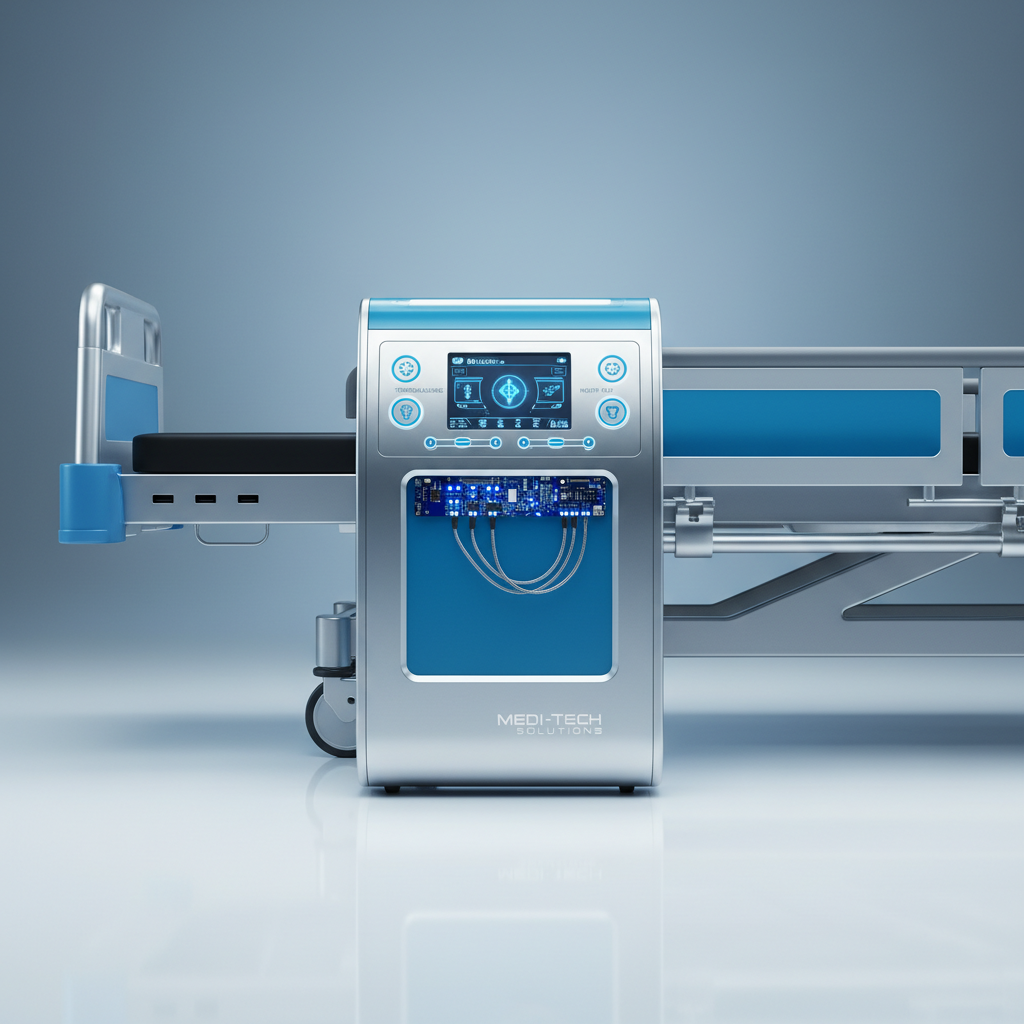
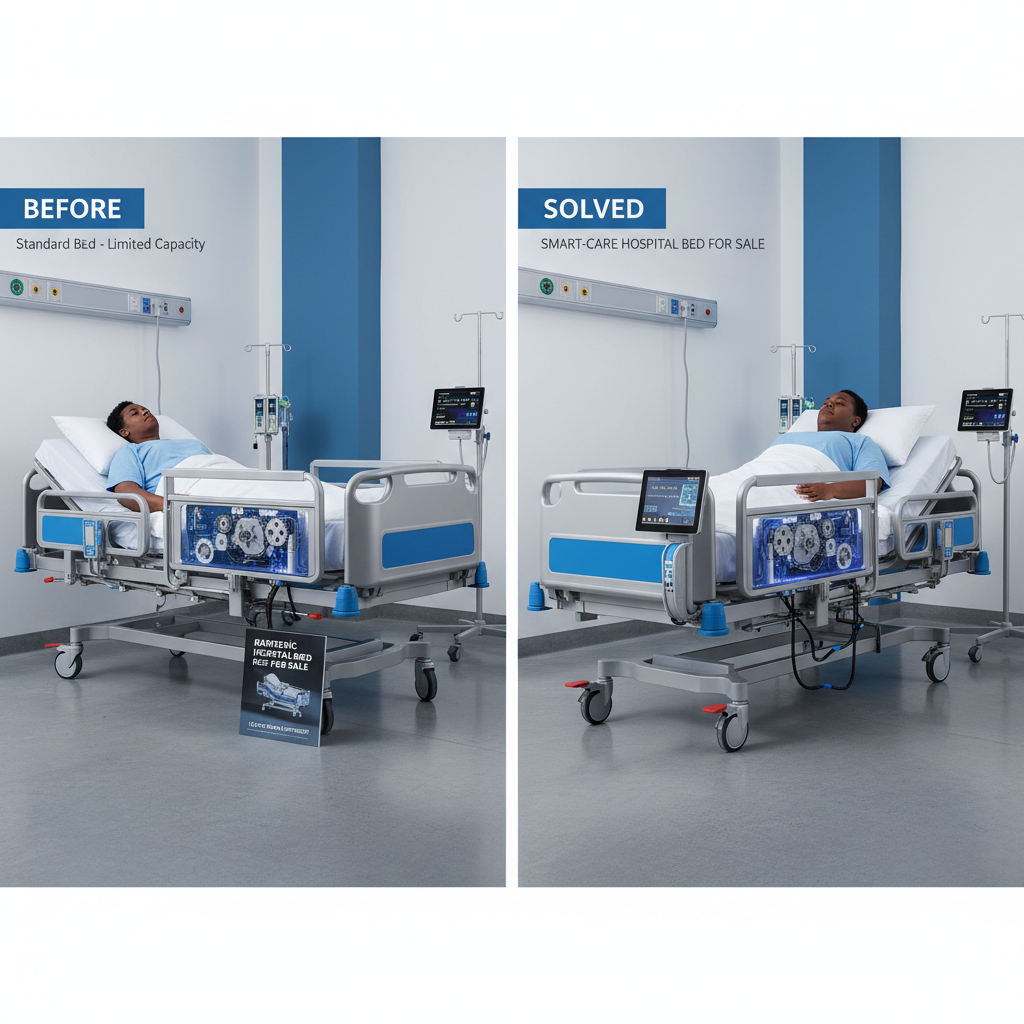
The integration of smart technology into hospital furniture is a growing trend. "Smart beds" equipped with sensors can monitor patient vital signs, adjust positioning for pressure relief, and even alert healthcare professionals to potential emergencies. These technologies enhance patient safety and improve care delivery.

Modular and adaptable furniture designs are gaining popularity, allowing healthcare facilities to easily reconfigure spaces to meet changing needs. These flexible solutions provide greater versatility and optimize space utilization.

The development of antimicrobial coatings and materials is ongoing, aiming to create self-disinfecting surfaces that further reduce the risk of healthcare-associated infections. Nanotechnology and advanced polymer chemistry are key areas of research in this field.

Key Dimensions of Future Hospital Furniture Development

Innovation Area Technology Integration Level Cost Impact (1-10) Sustainability Score (1-10)
Smart Beds High 8 6
Modular Furniture Medium 7 7
Antimicrobial Coatings Medium 6 8
Ergonomic Design Low 5 9
Biomimicry in Materials Low 9 7
AI-Powered Furniture Adjustments High 10 5

FAQS

What materials are commonly used in high-quality hospital beds?

High-quality hospital beds typically utilize materials like powder-coated steel for the frame, offering durability and corrosion resistance. Surfaces are often covered in medical-grade vinyl or polyurethane, chosen for their ease of cleaning, stain resistance, and antimicrobial properties. Mattress platforms may incorporate wood or composite materials for support, while adjustable components often employ stainless steel and engineered plastics. Manufacturers increasingly focus on using materials that are low-VOC (volatile organic compound) to promote better indoor air quality.

How important are ergonomic considerations in hospital chair design?

Ergonomic considerations are extremely important in hospital chair design. Both patient and staff comfort significantly impact well-being and efficiency. Proper lumbar support, adjustable armrests, and appropriate seat height are crucial for preventing strain and promoting good posture. Chairs designed for patients undergoing prolonged treatment must prioritize comfort and pressure relief. For staff, ergonomic chairs can reduce fatigue and improve productivity, leading to a more positive work environment.

What are the key standards hospital furniture manufacturers need to meet?

Hospital furniture manufacturers must adhere to several key standards, including ISO 13485 (Medical devices – Quality management systems), which demonstrates a commitment to quality and safety. Depending on the region, they may also need to comply with FDA regulations (in the US), CE marking (in Europe), and local health authority requirements. Standards related to flammability, electrical safety, and antimicrobial properties are also critical. Compliance ensures the furniture is safe and fit for purpose in a healthcare setting.

How does the trend towards telehealth impact hospital furniture needs?

The growth of telehealth is subtly but significantly impacting hospital furniture needs. There's increasing demand for comfortable and adaptable seating in telehealth consultation rooms, designed to accommodate both patients and healthcare providers during remote sessions. Furniture that integrates seamlessly with technology, such as built-in charging ports and cable management systems, is also becoming more prevalent. The emphasis is shifting towards creating welcoming and functional spaces for virtual care delivery.

What role does sustainability play in modern hospital furniture manufacturing?

Sustainability is becoming an increasingly important consideration. Manufacturers are adopting eco-friendly practices, such as using recycled materials, reducing waste during production, and designing for durability and longevity. The use of low-VOC finishes and adhesives is also gaining traction to improve indoor air quality. Healthcare facilities are actively seeking sustainable furniture options to reduce their environmental footprint and demonstrate their commitment to corporate social responsibility.

What is the expected lifespan of typical hospital furniture?

The expected lifespan of hospital furniture varies depending on the type of furniture and the intensity of use. High-quality hospital beds typically have a lifespan of 7-10 years, while seating and casegoods may last 5-7 years with proper maintenance. Specialized equipment like operating tables might have a slightly shorter lifespan due to technological advancements. Regular maintenance, cleaning, and timely repairs are crucial for maximizing the lifespan and ensuring the continued safety and functionality of hospital furniture.

Conclusion

In conclusion, hospital furniture manufacturers are indispensable contributors to the global healthcare system. Their commitment to durability, hygiene, ergonomics, and increasingly, sustainability, directly impacts patient care, staff well-being, and the overall efficiency of healthcare facilities. Understanding the key factors influencing furniture selection, the evolving trends, and the importance of regulatory compliance is vital for healthcare providers and policymakers alike.

Looking ahead, we can anticipate further innovation in this field, with smart technology, modular designs, and advanced materials playing an increasingly prominent role. Prioritizing long-term value, environmental responsibility, and a patient-centered approach will be essential for hospital furniture manufacturers to thrive in the ever-changing healthcare landscape. To learn more about high-quality hospital furniture solutions, visit our website: zfmedicare.com

Ethan Williams

Ethan Williams

Ethan Williams serves as the North American Sales Manager for Hebei Zhaofa Technology Co., LTD. Based in the US, Ethan is responsible for expanding our market share in the region and building strong relationships with hospitals, nursing homes, and distributors. He brings over 5 years of experience in the medical
Previous Comprehensive Guide to Selecting Leading Hospital Furniture Suppliers
Next The Growing Importance of Furniture Hospital Services for Sustainability
  • wechat
  • 8615031846685