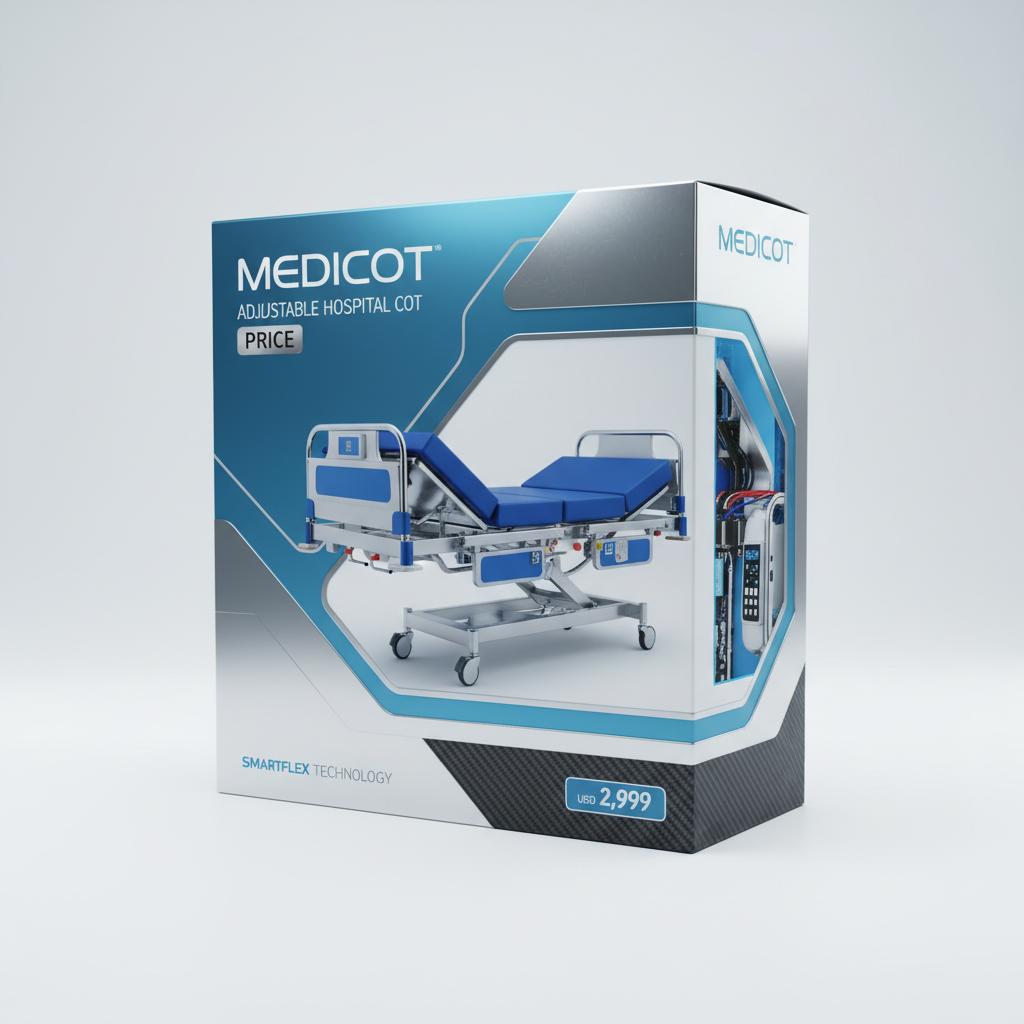
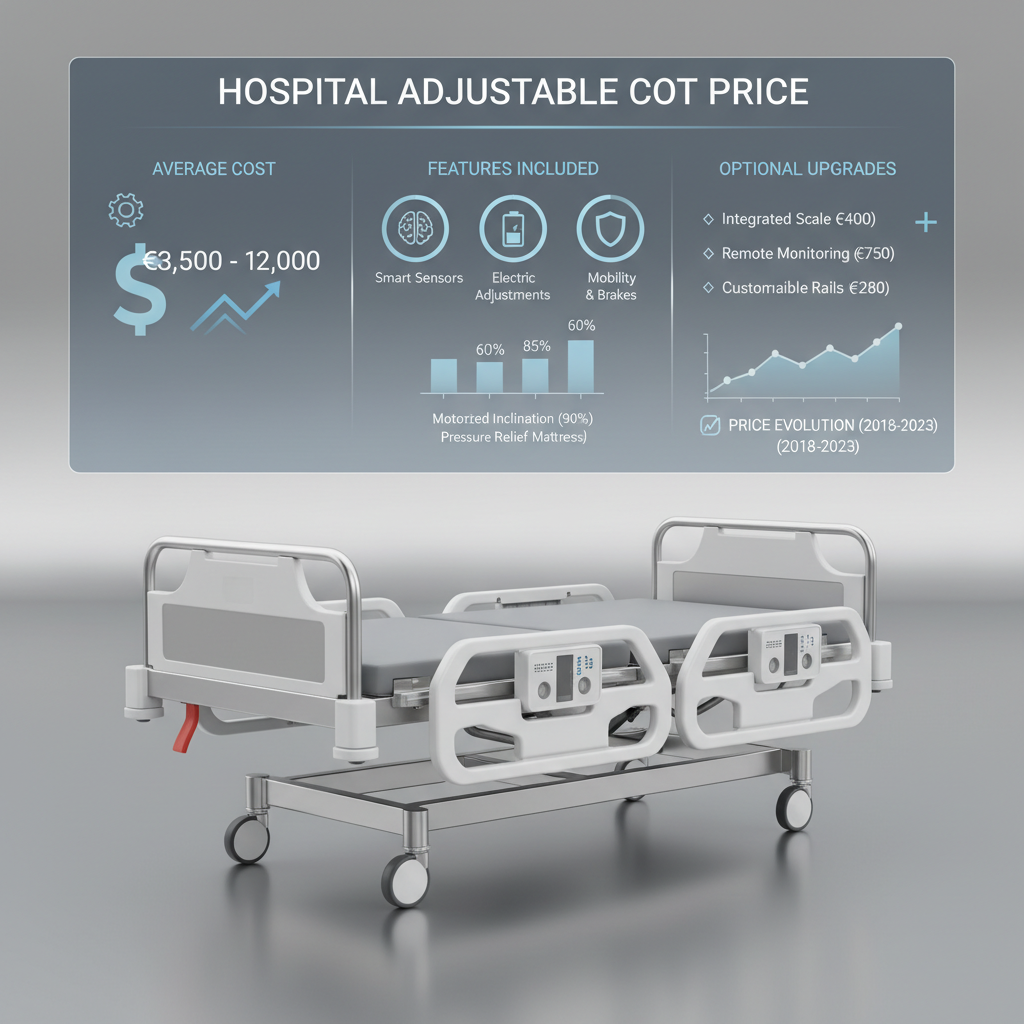
The demand for adjustable hospital cots is globally significant, driven by aging populations, increasing chronic diseases, and a growing emphasis on patient comfort and efficient healthcare delivery. The hospital adjustable cot price is a critical factor influencing accessibility to quality care, especially in resource-constrained settings. Understanding the nuances of pricing, features, and long-term value is paramount for healthcare providers, facility managers, and patients alike.
Globally, approximately 10% of the population is over 60 years old, a number projected to reach 22% by 2050 (UN data). This demographic shift dramatically increases the need for specialized hospital furniture, including adjustable cots, to cater to the unique needs of elderly patients. Furthermore, the World Bank estimates that healthcare spending constitutes roughly 10% of GDP in many nations, highlighting the economic importance of cost-effective solutions like appropriately priced hospital cots.
The efficiency of hospital operations also relies on adaptable equipment. Hospital adjustable cot price impacts budget allocation and directly influences the quality of care provided. Therefore, a thorough understanding of the market and available options is vital for informed decision-making.
The Significance of Hospital Adjustable Cot Price
The hospital adjustable cot price is more than just a monetary figure; it represents a balance between quality, functionality, and affordability. Understanding the factors that drive pricing – from materials and manufacturing processes to features and customization – is crucial for healthcare facilities aiming to optimize their budgets without compromising patient care. Often, a lower initial price can translate to higher long-term costs due to maintenance, repairs, or the need for premature replacement.
A carefully considered purchase ensures that healthcare providers can provide a safe and comfortable environment for patients, contributing to faster recovery times and improved overall satisfaction. Moreover, the price point influences accessibility, ensuring that facilities in various economic contexts can equip themselves with the necessary tools to deliver quality healthcare.
Defining Hospital Adjustable Cots and Their Role
Hospital adjustable cots, also known as hospital beds, are specialized patient care beds designed to facilitate a wide range of patient positions for improved comfort, treatment, and nursing care. These beds typically feature adjustable height, head and foot sections, side rails, and often include additional functionalities like Trendelenburg/Reverse Trendelenburg positioning and electric controls. They are integral to modern healthcare, supporting patients recovering from surgery, managing chronic conditions, or requiring long-term care.
The role of an adjustable cot extends beyond simply providing a place to rest. It's a vital tool for preventing pressure ulcers, aiding in respiratory support, and facilitating medical procedures. Modern designs emphasize patient safety, ease of use for caregivers, and durability to withstand the demands of a hospital environment.
The hospital adjustable cot price is significantly affected by the breadth of these features and the quality of materials used in their construction.
Key Factors Influencing Hospital Adjustable Cot Price
Several key factors contribute to the overall hospital adjustable cot price. Materials play a significant role; beds constructed from high-quality steel, durable plastics, and antimicrobial fabrics typically command a higher price point. The complexity of the adjustment mechanisms – manual versus electric – also influences cost, with electric models offering greater convenience but requiring more sophisticated engineering.
Another crucial aspect is the level of automation and features included. Beds with advanced functionalities like integrated weighing scales, nurse call systems, or specialized mattress platforms naturally have a higher price tag. Furthermore, the manufacturer's brand reputation, warranty provisions, and after-sales service also contribute to the final cost. Economies of scale also impact pricing, with larger orders often qualifying for discounts.
Finally, regulatory compliance and safety certifications (such as ISO or CE marking) add to the cost, ensuring that the cots meet stringent quality and safety standards. Ultimately, the hospital adjustable cot price is a reflection of the investment in patient safety, caregiver efficiency, and long-term durability.
Global Applications and Use Cases of Adjustable Cots
Adjustable hospital cots find application in a diverse range of healthcare settings worldwide, from large metropolitan hospitals to rural clinics and long-term care facilities. In developed nations, they are standard equipment in acute care hospitals, rehabilitation centers, and specialized units like intensive care and cardiology. In developing countries, their availability is growing as healthcare infrastructure improves and awareness of the benefits of specialized patient care increases.
These cots are also critical in disaster relief efforts, providing essential medical support in temporary field hospitals or emergency shelters. For example, after major earthquakes or hurricanes, adjustable cots are often deployed to provide care for injured individuals. Additionally, they are increasingly used in home healthcare settings, enabling patients to receive medical treatment and rehabilitation in the comfort of their own homes.
Hospital Adjustable Cot Price Comparison by Feature Set
Advantages and Long-Term Value
Investing in high-quality adjustable hospital cots offers significant advantages beyond the initial cost. Durability and longevity reduce the frequency of replacements, lowering total cost of ownership. Improved patient comfort and safety contribute to faster recovery times, potentially decreasing hospital stays and associated expenses.
Furthermore, ergonomic designs and intuitive controls enhance caregiver efficiency, reducing strain and the risk of work-related injuries. From a broader perspective, prioritizing patient well-being and providing a safe and comfortable environment fosters trust and enhances the reputation of healthcare facilities. The value extends to improved patient satisfaction scores and increased patient referrals.
Future Trends and Innovation in Hospital Cot Technology
The future of hospital cot technology is marked by a convergence of several key trends. Smart beds equipped with sensors and data analytics are gaining prominence, enabling real-time monitoring of patient vital signs, pressure mapping for pressure ulcer prevention, and automated adjustments based on individual needs. Integration with electronic health records (EHRs) allows for seamless data exchange and improved clinical decision-making.
Sustainable materials and manufacturing processes are also becoming increasingly important, driven by growing environmental concerns and a desire for eco-friendly healthcare solutions. We can expect to see more cots incorporating recycled materials and designed for easy disassembly and recycling at the end of their lifespan. Robotics and automation will also play a role in enhancing bed functionality and improving patient handling.
Challenges and Solutions in Hospital Cot Procurement
Procuring hospital adjustable cots can present several challenges. Budget constraints often lead to compromises on quality, potentially resulting in higher long-term costs. Ensuring interoperability with existing hospital systems and EHRs can be complex. Furthermore, navigating the complexities of regulatory compliance and safety standards requires careful attention.
To address these challenges, healthcare facilities should adopt a lifecycle cost analysis approach, considering not only the initial hospital adjustable cot price but also maintenance, repair, and replacement costs. Collaborating with reputable suppliers who offer comprehensive training and support is crucial.
Standardizing cot specifications across the organization can streamline procurement and maintenance processes. Finally, staying informed about the latest technological advancements and regulatory changes will enable informed decision-making.
Summary of Key Challenges and Solutions in Hospital Adjustable Cot Procurement
| Challenge |
Impact on Budget |
Solution |
Long-Term Benefit |
| Limited Budget Allocation |
Compromise on Quality |
Lifecycle Cost Analysis |
Reduced Replacement Costs |
| System Interoperability Issues |
Increased Integration Costs |
Supplier Collaboration |
Improved Data Management |
| Complex Regulatory Compliance |
Potential for Fines |
Expert Consultation |
Enhanced Patient Safety |
| Lack of Standardized Specifications |
Inefficient Procurement |
Organizational Standardization |
Streamlined Processes |
| Rapid Technological Advancements |
Risk of Obsolescence |
Continuous Monitoring |
Optimal Technology Adoption |
| Limited Supplier Support |
Increased Maintenance Costs |
Choose Reputable Suppliers |
Reliable Service & Training |
FAQS
The lifespan of a hospital adjustable cot typically ranges from 7 to 10 years with proper maintenance. However, several factors influence this, including the quality of materials, the frequency of use, and the type of environment. High-quality cots with robust construction and regular servicing can last significantly longer. Investing in a durable model can offset the initial hospital adjustable cot price over the long run.
Electric adjustable cots are generally more expensive than manual models due to the added cost of motors, control systems, and associated electronics. However, they offer greater convenience for both patients and caregivers, reducing the physical strain on staff. While the initial hospital adjustable cot price may be higher, the ergonomic benefits and increased efficiency can justify the investment.
Essential safety features include reliable side rails, a robust locking mechanism, and an emergency stop function for electric models. Consider cots with anti-entrapment zones and low-shear mattress surfaces to minimize the risk of patient injury. Compliance with relevant safety standards (such as IEC 60601-1) is also crucial. Prioritizing these features, even if it increases the hospital adjustable cot price, is paramount for patient well-being.
A comprehensive warranty provides peace of mind and protects against potential defects in materials or workmanship. The warranty period typically ranges from 1 to 5 years, covering parts and labor. Carefully review the warranty terms and conditions to understand the scope of coverage and any limitations. A strong warranty demonstrates the manufacturer’s confidence in the quality of their product and can significantly reduce long-term maintenance costs, offsetting the hospital adjustable cot price.
Yes, an increasing number of manufacturers are offering eco-friendly hospital cots made from recycled materials or designed for disassembly and recycling. These options often feature sustainable manufacturing processes and reduced environmental impact. While the hospital adjustable cot price may be slightly higher, supporting sustainable practices aligns with growing ethical considerations in healthcare.
Before purchasing, verify that the adjustable cot is compatible with your hospital's existing nurse call systems, patient monitoring devices, and other relevant equipment. Confirm compatibility with your EHR system for seamless data integration. Working with a reputable supplier can help ensure a smooth and integrated implementation, maximizing the value of your investment, regardless of the hospital adjustable cot price.
Conclusion
In conclusion, the hospital adjustable cot price is a complex equation balancing quality, functionality, long-term value, and patient safety. A well-informed purchasing decision requires a thorough understanding of market factors, regulatory compliance, and the specific needs of the healthcare facility. By prioritizing durability, ergonomics, and advanced features, hospitals can invest in cots that enhance patient care, improve caregiver efficiency, and reduce overall healthcare costs.
Looking ahead, the future of hospital cot technology is poised for innovation, with smart beds, sustainable materials, and integrated systems transforming the patient experience. Healthcare facilities should proactively embrace these advancements to stay at the forefront of quality care. Visit our website at www.zfmedicare.com to explore our range of hospital adjustable cots and find the perfect solution for your needs.