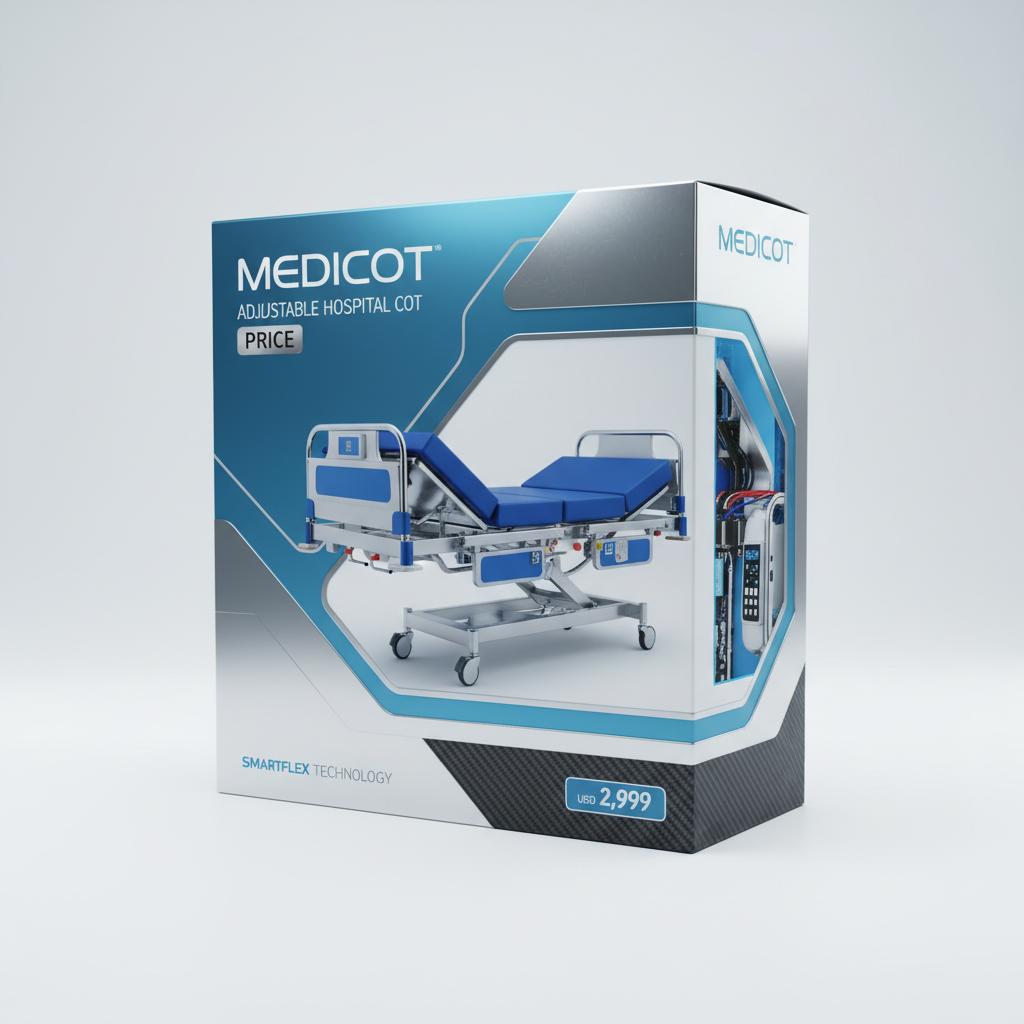
Hospital furniture companies play a critical role in the healthcare ecosystem, impacting patient care, staff efficiency, and overall facility functionality. Globally, the demand for high-quality, durable, and technologically advanced hospital furnishings is continuously increasing, driven by aging populations, rising healthcare expenditures, and a greater focus on patient-centered design. These companies aren't simply manufacturers; they are integral partners in creating healing environments.
The significance of hospital furniture companies extends beyond the provision of beds and chairs. It encompasses a broad range of products, including operating room equipment, patient monitoring systems, specialized seating for various medical needs, and storage solutions – all meticulously designed to meet stringent safety standards and contribute to positive clinical outcomes. The industry is undergoing rapid transformation, fueled by innovation in materials science, ergonomics, and infection control.
Understanding the landscape of hospital furniture companies is crucial for healthcare administrators, architects, and anyone involved in the design and operation of healthcare facilities. Selecting the right partners ensures access to reliable products, ongoing support, and solutions that address evolving healthcare challenges. The impact of these choices reverberates through the entire patient experience.
The Global Relevance of Hospital Furniture Companies
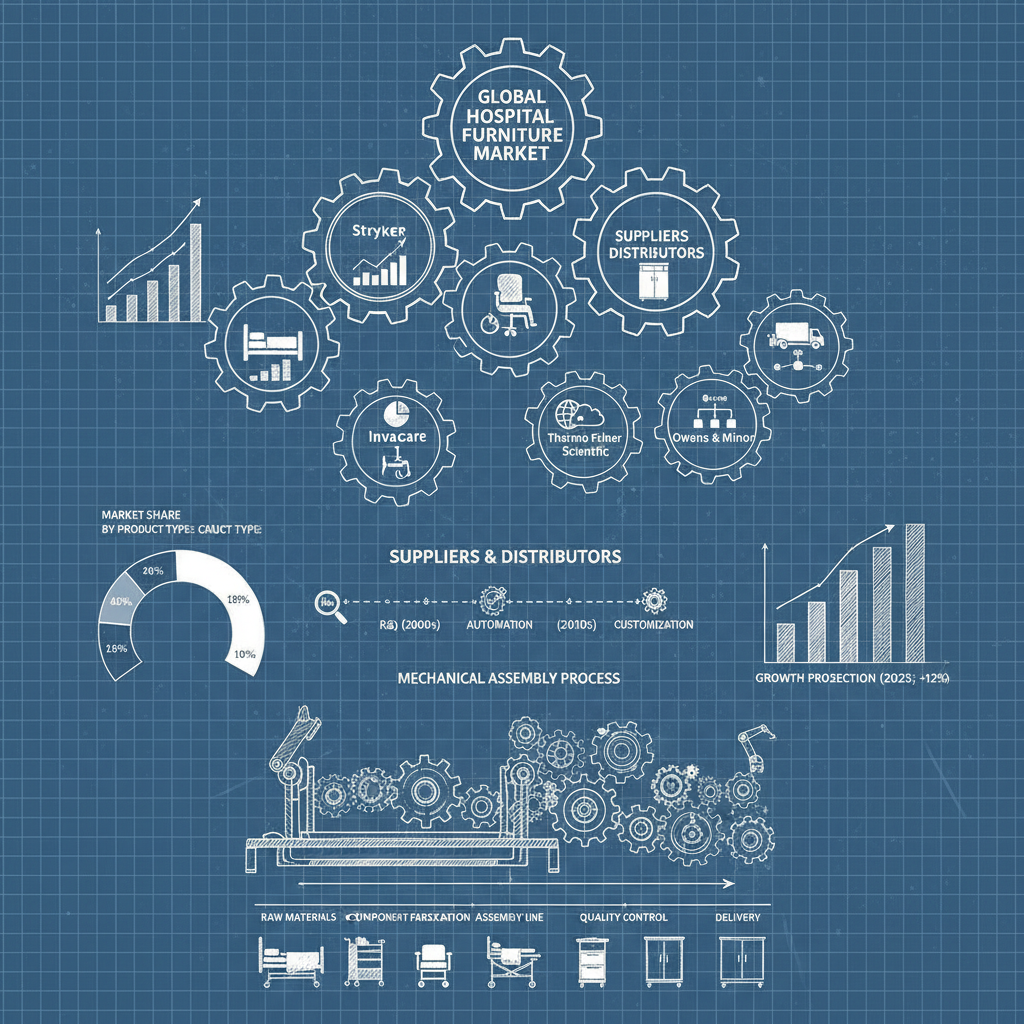
The global market for hospital furniture is substantial and growing. According to data from the World Health Organization, healthcare infrastructure is undergoing significant expansion in developing nations, particularly in Asia and Africa. This growth directly drives demand for reliable and affordable hospital furnishings. The United Nations Sustainable Development Goals (SDGs), particularly Goal 3 (Good Health and Well-being), further emphasize the importance of accessible and quality healthcare, creating a consistent need for properly equipped facilities.
A key challenge currently facing hospital furniture companies is navigating complex supply chains and fluctuating raw material costs. Geopolitical instability and trade disputes can disrupt production and increase expenses. Furthermore, the need for specialized equipment – such as ICU beds with advanced functionalities – requires significant research and development investment. Companies that demonstrate adaptability and a commitment to innovation are best positioned to thrive in this dynamic environment.
Defining Hospital Furniture Companies
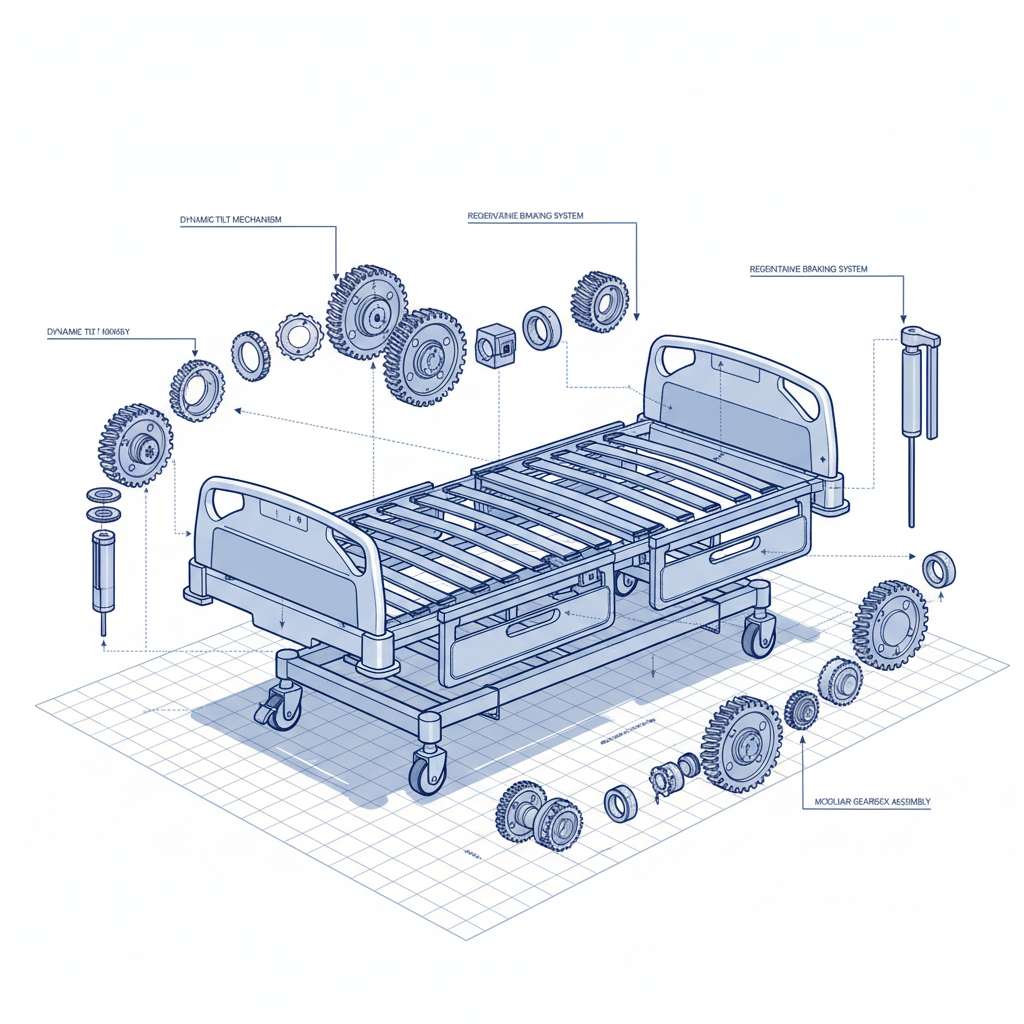
Hospital furniture companies specialize in the design, manufacture, and distribution of furnishings specifically intended for use in healthcare environments. This extends beyond basic furniture to include highly specialized equipment such as operating tables, examination chairs, patient beds (manual, semi-electric, and fully electric), medical cabinets, waiting room seating, and even specialized lighting. These companies cater to a diverse range of healthcare facilities, from large tertiary hospitals to smaller clinics and specialized care centers.
The modern hospital furniture company operates at the intersection of healthcare, engineering, and design. They must adhere to stringent regulatory standards (such as ISO 13485 for medical devices) to ensure patient safety and efficacy. Beyond compliance, many leading companies prioritize ergonomics, infection control, and aesthetic considerations to create environments that promote healing and well-being. Their products are instrumental in facilitating efficient workflow for healthcare professionals.
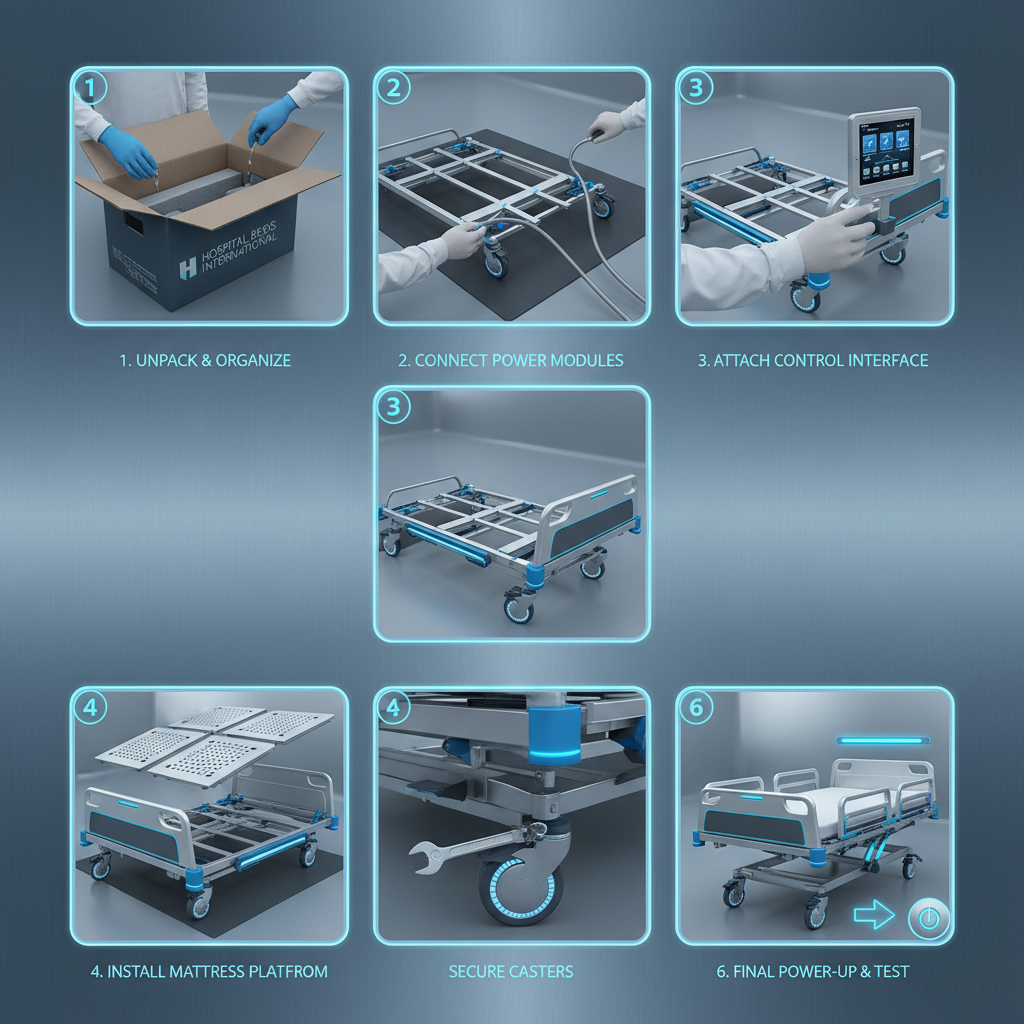
The scope of these companies often includes providing after-sales services, such as installation, maintenance, and repair. Many also offer design consultation services to help clients optimize space utilization and create functional, aesthetically pleasing healthcare spaces. hospital furniture companies often provide customized solutions to meet specific needs.
Core Components of Quality Hospital Furnishings
Several key factors distinguish high-quality hospital furnishings. Durability is paramount, as hospital furniture is subjected to constant use, cleaning, and potential impacts. Materials must be robust enough to withstand rigorous daily demands without compromising safety or hygiene. Secondly, hygiene and infection control are critical. Surfaces must be easily cleanable and resistant to bacterial growth, often incorporating antimicrobial technologies.
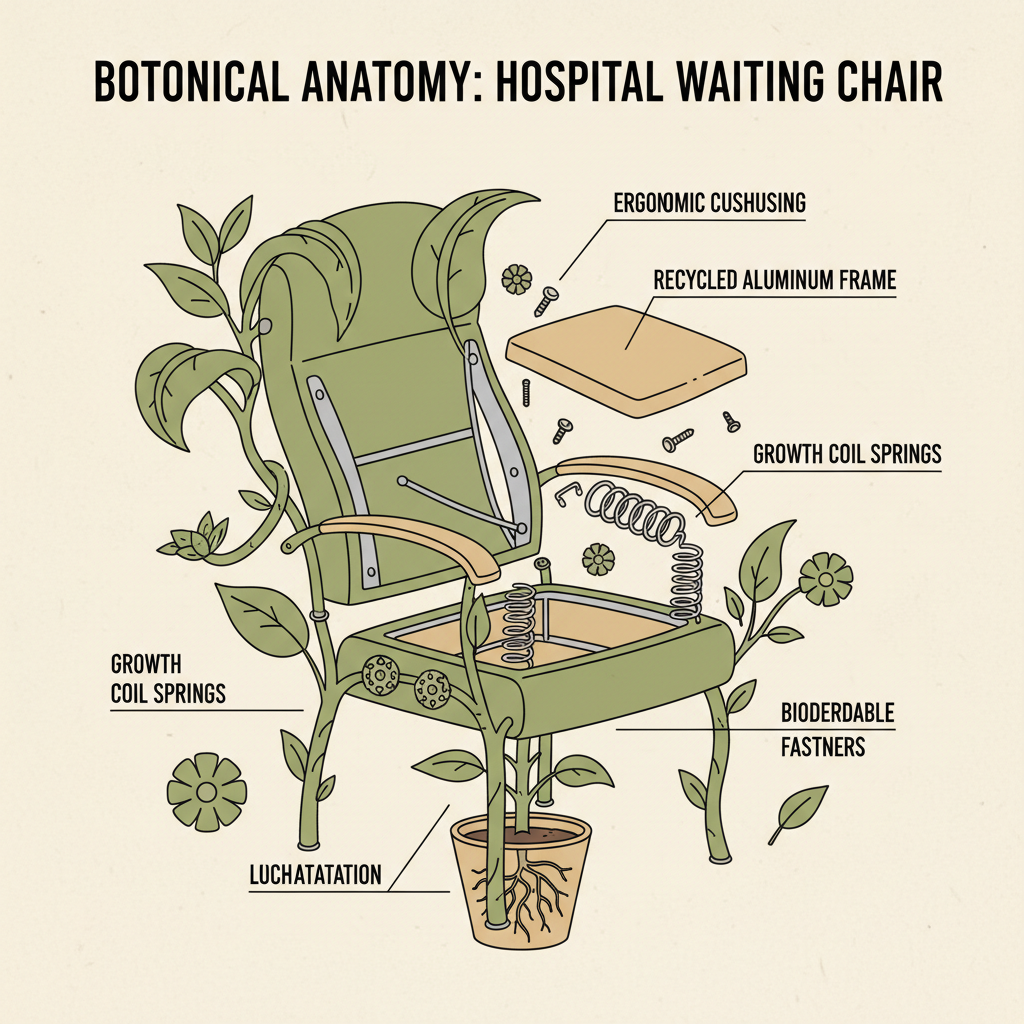
Ergonomics is another vital consideration, ensuring comfort and support for both patients and staff. Well-designed furniture minimizes strain and promotes proper posture, reducing the risk of injuries. Furthermore, scalability and flexibility are increasingly important. Modular designs allow healthcare facilities to adapt to changing needs and optimize space utilization. Finally, aesthetic appeal contributes to a positive healing environment, reducing patient anxiety and promoting a sense of well-being.
Compliance with regulatory standards is non-negotiable. Hospital furniture must meet specific safety requirements set by governing bodies like the FDA or CE marking authorities. These standards encompass everything from flammability to electrical safety, ensuring a safe environment for all.
Applications Across Healthcare Settings
Hospital furniture companies serve a wide array of healthcare environments. In acute care hospitals, specialized beds, operating room tables, and examination chairs are essential. Long-term care facilities require durable, comfortable, and easily maintainable furnishings to support the needs of residents. Rehabilitation centers utilize furniture designed to aid in physical therapy and recovery.
Hospital Furniture Companies – Product Application Distribution
Advantages and Long-Term Value Proposition
Investing in quality hospital furniture yields significant long-term benefits. From a cost perspective, durable furnishings reduce the need for frequent replacements, lowering lifecycle costs. Sustainability is increasingly important, with many companies offering eco-friendly materials and responsible manufacturing processes. The social impact is profound – comfortable, safe, and aesthetically pleasing environments contribute to positive patient outcomes and improved staff morale.
Beyond the tangible benefits, trust and reliability are paramount. Partnering with established hospital furniture companies ensures access to expert support, warranties, and ongoing maintenance. This fosters a sense of security and allows healthcare professionals to focus on their core mission: providing excellent patient care. hospital furniture companies strive to build long-term relationships based on mutual benefit.
Future Trends Shaping the Industry
The hospital furniture industry is poised for significant innovation. Smart furniture – incorporating sensors, data analytics, and connectivity – is emerging, allowing for remote monitoring of patient status and automated adjustments for comfort. Advanced materials such as self-disinfecting surfaces and lightweight composites are gaining traction, enhancing hygiene and ergonomics.
Digital transformation is also playing a key role, with companies adopting virtual reality (VR) and augmented reality (AR) to aid in facility design and product visualization. The growing emphasis on patient-centered care will drive demand for more personalized and adaptable furniture solutions.
Challenges and Innovative Solutions
One significant challenge is the rising cost of raw materials and the complexities of global supply chains. Companies are mitigating this by diversifying their sourcing, investing in automation, and exploring circular economy models – reusing and recycling materials to reduce waste. Another challenge is the need to address infection control in a post-pandemic world.
Innovative solutions include the development of antimicrobial coatings, modular furniture that can be easily reconfigured for isolation units, and telehealth-integrated furniture equipped with video conferencing capabilities. Furthermore, the use of 3D printing is enabling the creation of customized furniture solutions tailored to specific patient needs. Addressing sustainability concerns through eco-friendly manufacturing practices and material selection is also crucial.
Summary of Key Challenges and Solutions in Hospital Furniture Companies
| Challenge |
Impact on Hospital Furniture Companies |
Proposed Solution |
Implementation Complexity (1-10) |
| Rising Raw Material Costs |
Reduced Profit Margins, Increased Pricing |
Diversified Sourcing, Automation |
7 |
| Supply Chain Disruptions |
Production Delays, Inventory Shortages |
Regional Manufacturing, Buffer Stock |
8 |
| Infection Control Concerns |
Increased Demand for Hygienic Products |
Antimicrobial Coatings, Modular Designs |
6 |
| Sustainability Requirements |
Pressure to Adopt Eco-Friendly Practices |
Circular Economy Models, Sustainable Materials |
5 |
| Customization Demands |
Increased Design and Manufacturing Complexity |
3D Printing, Modular Furniture Systems |
9 |
| Regulatory Compliance |
Costly Testing and Certification Processes |
Proactive Quality Control, Regulatory Expertise |
7 |
FAQS
When choosing a hospital furniture company, prioritize factors such as product quality, durability, adherence to safety standards (ISO 13485, FDA compliance), warranty, after-sales support, customization options, and the company's reputation. Consider their experience in serving similar healthcare facilities and their commitment to sustainability. Look for companies offering a wide range of products to cater to your specific needs.
Hospital furniture plays a crucial role in infection control. Select furniture with surfaces that are easily cleanable and disinfectable, resistant to bacterial growth, and ideally incorporate antimicrobial technologies. Seamless construction minimizes crevices where pathogens can harbor. Modular designs allow for easy reconfiguration and deep cleaning. Choosing non-porous materials is also vital.
The lifespan of hospital furniture varies depending on the quality of materials, usage intensity, and maintenance. High-quality hospital beds typically last 7-10 years, while examination chairs and waiting room seating can last 5-7 years. Regular maintenance, including inspections and repairs, can extend the lifespan of these items. Consider furniture with replaceable parts to further prolong usability.
Many hospital furniture companies are adopting sustainable practices, including using recycled materials, reducing waste in manufacturing processes, employing eco-friendly finishes, and designing products for longevity and recyclability. Some companies are also offering take-back programs to recycle old furniture. Look for certifications such as GREENGUARD Gold which demonstrate low chemical emissions.
Emerging trends include smart furniture with integrated sensors and data analytics, modular and adaptable designs, a focus on patient-centered ergonomics, the use of antimicrobial materials, and the integration of technology for telehealth and remote monitoring. Aesthetically, there’s a growing preference for biophilic designs that incorporate natural elements and promote a calming environment.
Operating room furniture demands the highest standards of hygiene, durability, and functionality. Materials must be sterilizable, resistant to corrosive fluids, and non-reflective to minimize glare. Operating tables must offer precise positioning and stability. Ergonomic considerations for surgical staff are also paramount. Adherence to strict regulatory standards is essential.
Conclusion
Hospital furniture companies are fundamental to the delivery of quality healthcare. Their products impact not only the functionality of medical facilities but also the well-being of patients and the efficiency of healthcare professionals. A focus on durability, hygiene, ergonomics, and sustainability is critical. Understanding the evolving trends, from smart furniture to circular economy models, is vital for future success.
Investing in well-designed and reliable hospital furnishings is not merely an expense; it's an investment in patient care, staff satisfaction, and long-term operational efficiency. By partnering with reputable hospital furniture companies, healthcare organizations can create environments that promote healing, innovation, and a positive patient experience. To explore cutting-edge solutions and find the right partner for your needs, visit our website: www.zfmedicare.com.