The provision of adequate healthcare facilities is a global necessity, and central to this are the furnishings within hospitals. A comprehensive hospital furniture catalog isn’t merely a list of beds and chairs; it’s a blueprint for efficient patient care, infection control, and overall well-being. Globally, the healthcare sector is experiencing unprecedented growth, driven by aging populations, increased prevalence of chronic diseases, and expanding access to medical services. This translates into a substantial demand for high-quality, durable, and adaptable hospital furniture.
The importance of a well-curated hospital furniture catalog extends beyond the clinical setting. It impacts operational efficiency for hospital staff, influences patient recovery rates through comfort and ergonomics, and contributes to the overall aesthetic of the healthcare environment, fostering a sense of calm and trust. According to the World Health Organization, investing in healthcare infrastructure, including furniture, is crucial for achieving universal health coverage.
The demand for specialized hospital furniture is escalating, particularly in emerging economies. ISO standards increasingly emphasize the importance of medical device and furniture safety and performance. A thoughtfully designed hospital furniture catalog addresses these challenges by offering solutions that prioritize functionality, hygiene, and patient-centered care, ultimately contributing to better healthcare outcomes worldwide.
Understanding Hospital Furniture Catalogs
A hospital furniture catalog is much more than simply a listing of available products. It represents a carefully curated collection designed to meet the complex and diverse needs of modern healthcare facilities. The catalog serves as a vital resource for hospital administrators, procurement managers, and healthcare professionals when planning new facilities, renovating existing spaces, or simply replacing worn or outdated equipment.
Understanding the various components of a comprehensive catalog—from specialized hospital beds and examination chairs to patient room furniture and waiting area seating—is crucial for creating functional, efficient, and patient-centered healthcare environments. These catalogs often highlight adherence to important safety standards and material specifications.
Defining the Hospital Furniture Catalog
A hospital furniture catalog is a comprehensive inventory of all furnishings specifically designed and manufactured for use within healthcare settings. This includes patient care furniture like beds, stretchers, and wheelchairs, as well as furniture for waiting rooms, examination rooms, operating theaters, and administrative areas. A good catalog details product specifications, materials, dimensions, and compliance with relevant safety regulations.
It's a direct connection to modern industry needs. The modern healthcare landscape demands furniture that isn’t only functional but also supports infection control, patient comfort, and efficient workflow. Catalogs increasingly feature antimicrobial surfaces, ergonomic designs, and modular components for flexible space utilization.
The catalog's role is also critical in humanitarian aid. In disaster relief scenarios or when establishing temporary medical facilities, a rapidly deployable and comprehensive hospital furniture catalog can be instrumental in providing essential care to affected populations.
Core Components of a Hospital Furniture Catalog
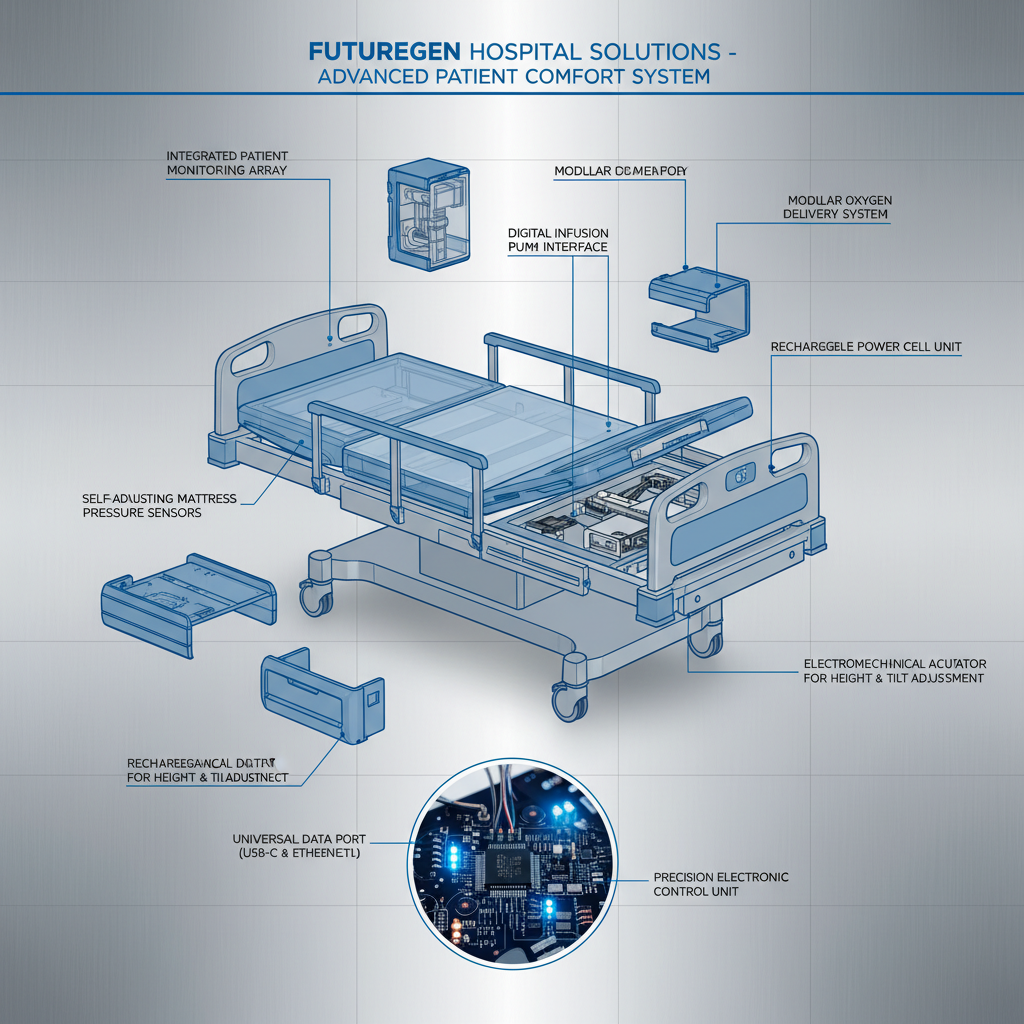
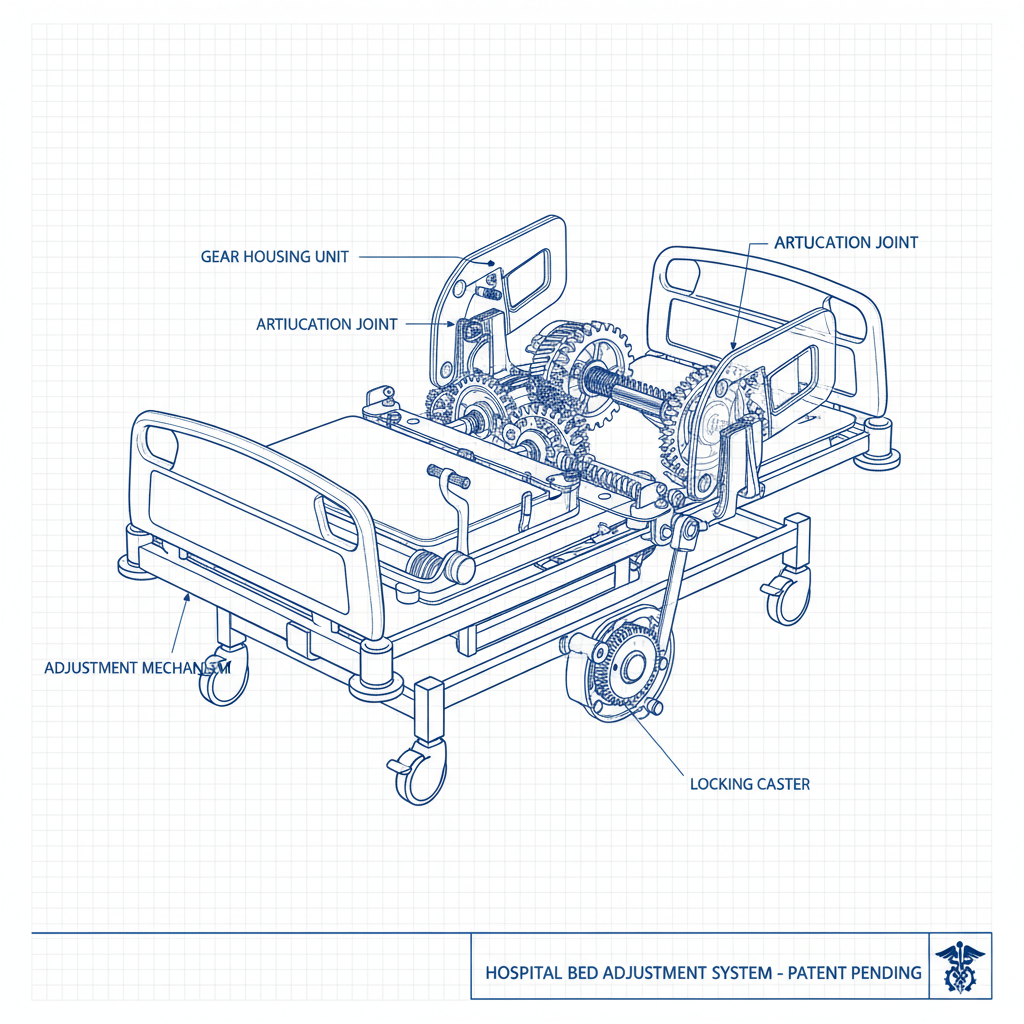
A thorough hospital furniture catalog will contain several key elements. Firstly, it will detail patient beds – manual, semi-electric, and fully electric, outlining load capacities, adjustability features, and material composition. Secondly, it will feature examination and treatment furniture like examination chairs, operating tables, and procedure carts, all designed for comfort and accessibility.
Thirdly, the catalog will encompass seating solutions for waiting areas and patient rooms, prioritizing durability, hygiene, and ergonomic support. Fourth, storage solutions such as medical cabinets, supply carts, and bedside tables are essential. Finally, specialized furniture, including pediatric equipment, bariatric chairs, and furniture designed for specific medical specialties (e.g., radiology), completes a robust catalog.
These components are not listed in isolation. A detailed catalog provides specifications on materials—often highlighting antimicrobial properties, ease of cleaning, and resistance to wear and tear—and ensures adherence to regulatory standards like those set by the FDA or CE marking.
Key Factors Influencing Hospital Furniture Selection
When selecting hospital furniture, several critical factors come into play. Durability is paramount, as hospital furniture endures heavy use and frequent cleaning. Materials must withstand rigorous disinfection protocols without degrading. Ergonomics, designed to support both patient and staff comfort and safety, is also vital.
Furthermore, infection control is a non-negotiable. Furniture surfaces must be non-porous, easily cleaned, and, ideally, incorporate antimicrobial properties. Beyond these functional considerations, aesthetic appeal plays a role in creating a calming and welcoming environment for patients.
Hospital Furniture Selection Criteria Rating
Global Applications of Hospital Furniture
The application of hospital furniture extends far beyond traditional hospital settings. In remote rural clinics, durable and easily transportable furniture is vital for providing basic healthcare services. In disaster relief operations, rapidly deployable furniture, often utilizing modular designs, enables the establishment of temporary medical facilities.
Within specialized healthcare centers, such as rehabilitation hospitals and long-term care facilities, furniture is selected specifically to address the unique needs of patients requiring extended care. Furthermore, specialized furniture finds application in dental clinics, veterinary hospitals, and even mobile medical units, demonstrating its versatility.
Advantages & Long-Term Value
Investing in high-quality hospital furniture, as detailed in a comprehensive hospital furniture catalog, yields significant long-term benefits. Cost-effectiveness is achieved through durability, reducing the need for frequent replacements. Sustainable materials and manufacturing practices minimize environmental impact.
Beyond the practical advantages, consider the emotional impact. Comfortable and well-designed furniture can contribute to a more positive patient experience, fostering a sense of dignity and well-being. Ultimately, reliable and functional hospital furniture directly enhances the quality of care and builds trust between patients and healthcare providers.
Future Trends in Hospital Furniture Catalogs
The future of hospital furniture is being shaped by several key trends. Smart furniture incorporating sensors and data analytics for patient monitoring and environmental control is gaining traction. Sustainable materials, such as recycled plastics and bamboo, are increasingly favored.
Modular and adaptable furniture systems, allowing for flexible space configurations, are becoming more prevalent. Digital catalogs with augmented reality features, enabling virtual placement of furniture in healthcare spaces, are also emerging. These innovations point toward a more intelligent, sustainable, and patient-centric approach to hospital furniture design.
Furthermore, advancements in antimicrobial coatings and surface technologies will continue to be crucial, enhancing infection control and improving patient safety. Expect to see more detailed documentation within catalogs regarding lifecycle assessments and environmental impact.
FAQS
A basic catalog might just list items and prices. A comprehensive catalog will include detailed specifications, material information, safety certifications, warranty details, and potentially, CAD drawings or 3D models. It’s about more than just cost; it's about providing the information needed for informed decisions regarding patient safety, infection control, and long-term value.
Antimicrobial furniture is critically important. Hospitals are breeding grounds for bacteria and viruses. Furniture surfaces can harbor pathogens and contribute to healthcare-associated infections (HAIs). Antimicrobial surfaces significantly reduce the risk of pathogen transmission, protecting patients and staff. It’s a crucial aspect of infection control protocols.
Consider weight capacity, adjustability (head and foot sections, height adjustment), side rail functionality, mattress compatibility, and ease of cleaning. Also, check for features like integrated lighting, call buttons, and battery backup. Ensure the bed meets relevant safety standards and is appropriate for the intended patient population.
Yes! Many manufacturers are now using recycled materials, sustainable wood sources, and water-based finishes. Look for furniture with certifications like Greenguard or certifications related to sustainable forestry. Choosing eco-friendly options reduces environmental impact and can contribute to a healthier indoor environment.
A robust warranty is essential. Check the duration of the warranty and what it covers. Also, inquire about after-sales service, including availability of spare parts and technical support. A reliable supplier will provide prompt and efficient assistance when needed, minimizing downtime and ensuring patient care isn’t disrupted.
Look for furniture that is certified by recognized organizations such as the FDA (in the US) or CE marking (in Europe). The hospital furniture catalog should clearly indicate compliance with relevant standards. It's crucial to prioritize safety and ensure all furniture meets the required regulations for healthcare facilities.
Conclusion
In conclusion, a well-curated hospital furniture catalog is far more than a simple price list. It's a foundational element in creating safe, efficient, and patient-centered healthcare environments. The selection of durable, ergonomic, and hygienically sound furniture directly impacts patient outcomes, staff well-being, and the overall operational effectiveness of healthcare facilities. Understanding the core components, key factors, and future trends within this field is vital for anyone involved in healthcare planning and procurement.
Looking ahead, the integration of smart technologies, sustainable materials, and modular designs will continue to shape the evolution of hospital furniture. Proactive engagement with detailed catalogs, coupled with a commitment to prioritizing quality and safety, will empower healthcare providers to deliver the best possible care while optimizing resource allocation and fostering a healing environment. Visit our website today to explore our extensive range of hospital furniture: www.zfmedicare.com