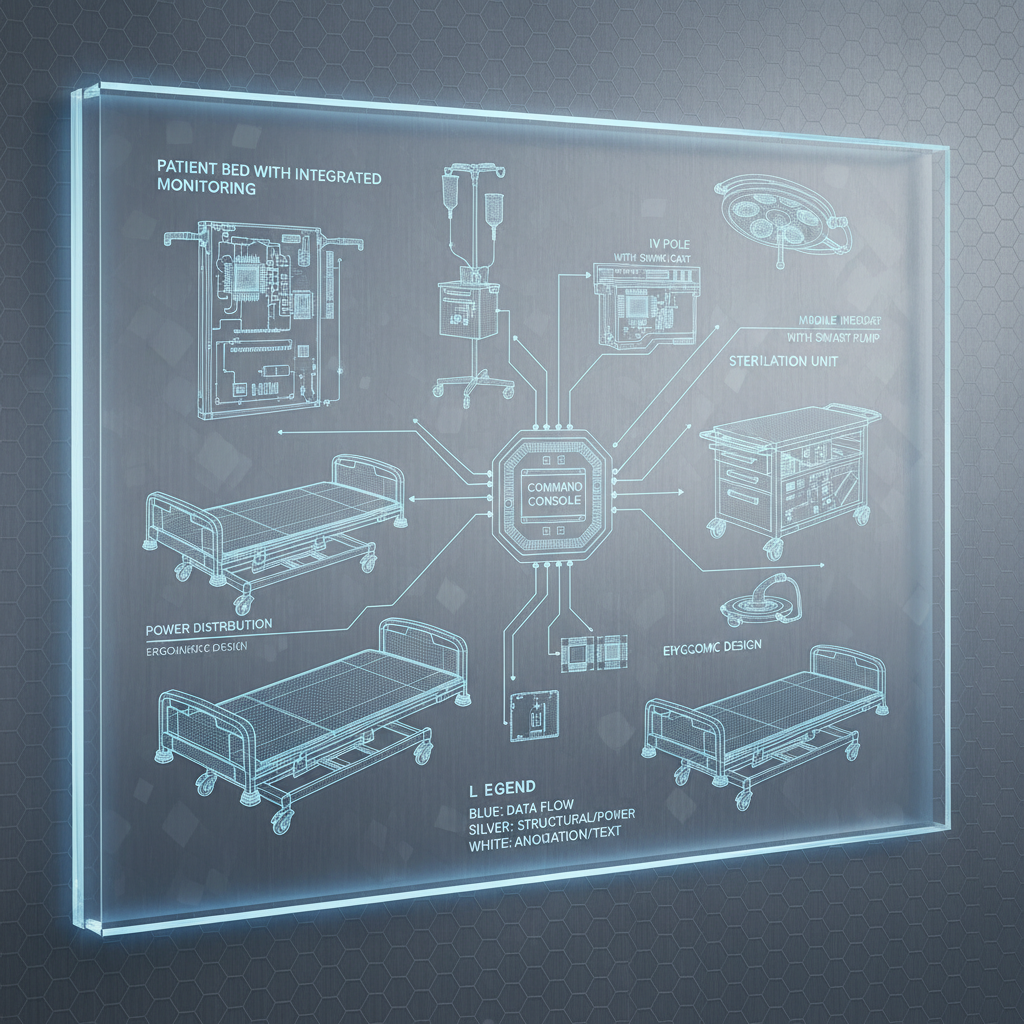
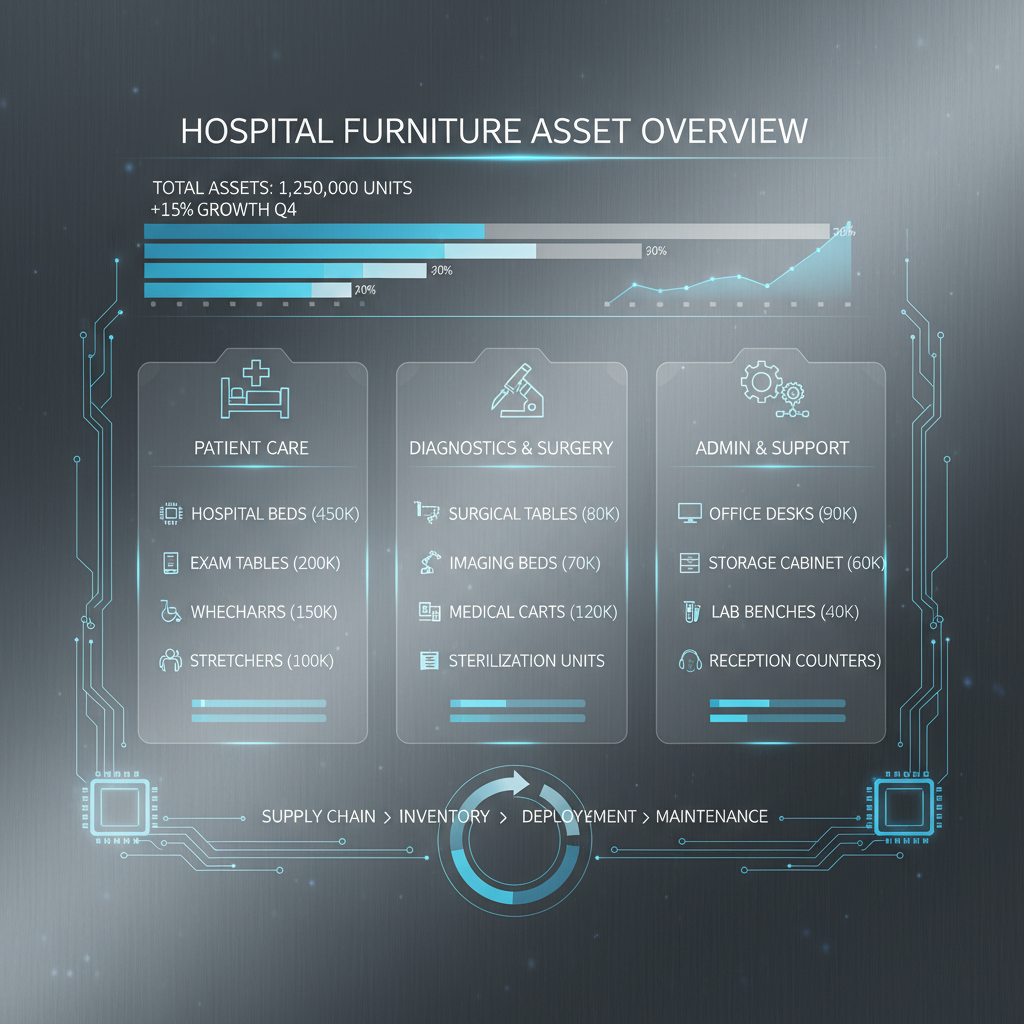
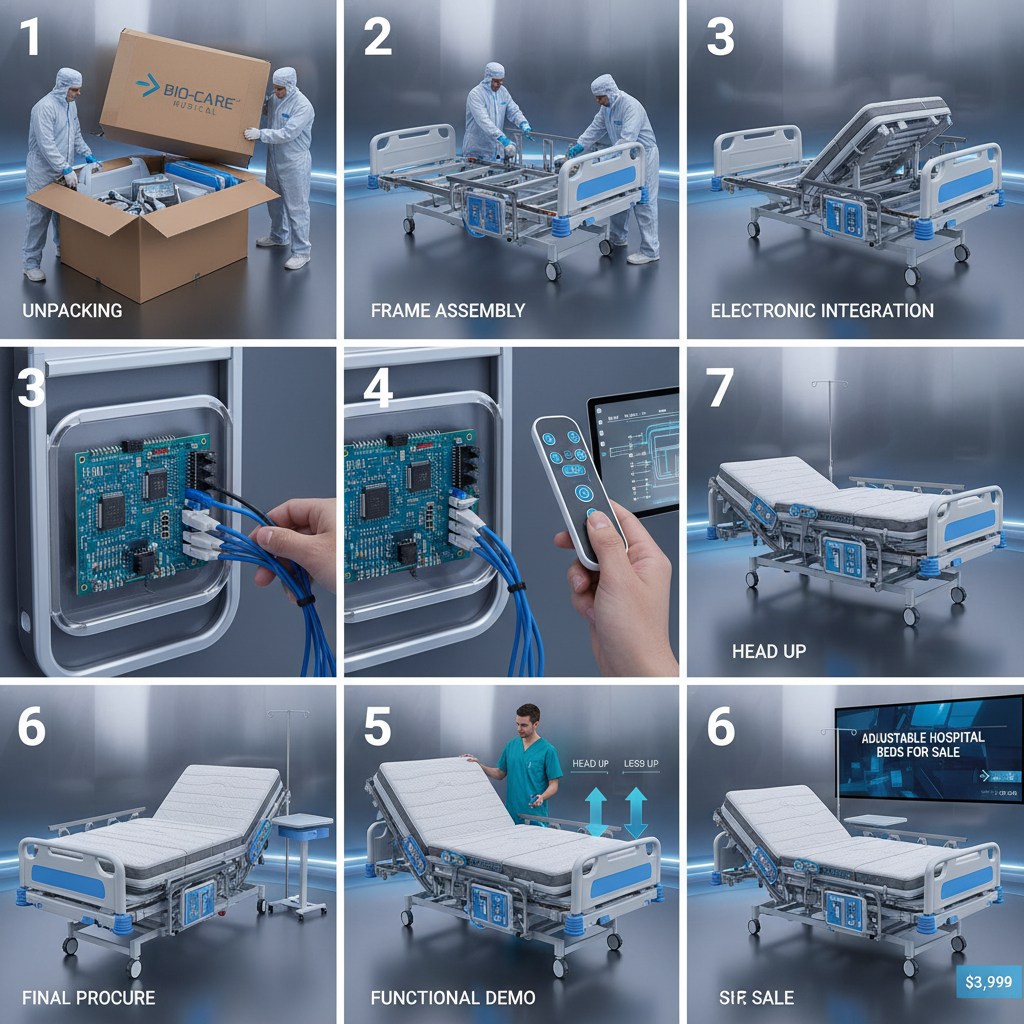
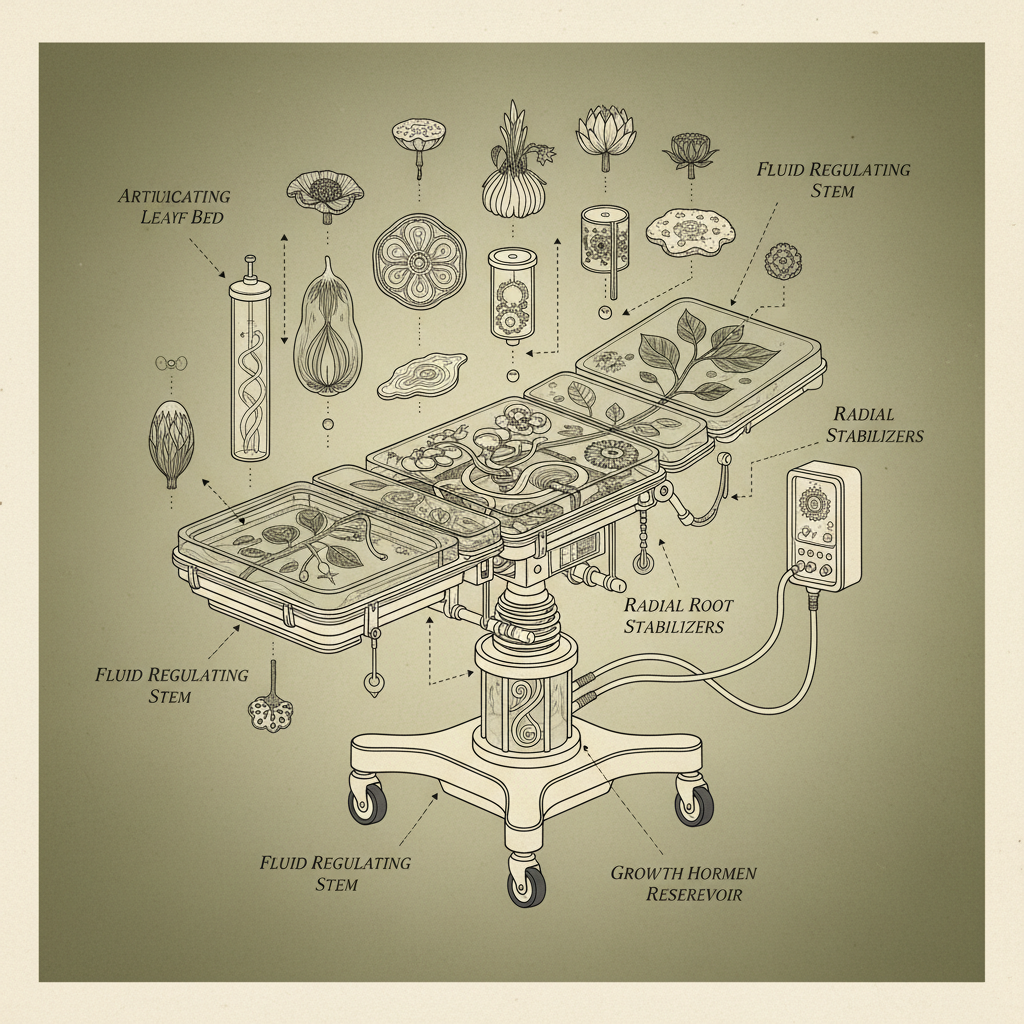
Hospital furniture list plays a crucial role in modern healthcare facilities worldwide. From patient beds and medical storage to waiting room seating and examination tables, this diverse range of equipment directly impacts patient care, staff efficiency, and the overall operational effectiveness of hospitals and clinics. Understanding the nuances of a comprehensive hospital furniture list is therefore essential for healthcare administrators, facility managers, and procurement specialists aiming to create safe, comfortable, and functional healthcare environments.
The global demand for high-quality hospital furniture is consistently increasing, driven by factors like an aging population, advancements in medical technology, and growing healthcare accessibility in emerging economies. According to the World Health Organization, access to essential healthcare services is a fundamental human right, and this translates into a need for well-equipped and adequately furnished healthcare facilities. Furthermore, the ISO standards for medical equipment emphasize the importance of safety, durability, and hygiene in hospital furniture design and manufacturing.
Investing in a thoughtful hospital furniture list isn’t merely about acquiring equipment; it’s about creating an environment conducive to healing, optimizing workflows, and ultimately enhancing the quality of patient care. The following sections will delve into the key aspects of hospital furniture, its applications, advantages, and future trends.
Introduction to Hospital Furniture List
A comprehensive hospital furniture list encompasses a wide array of specialized equipment designed to meet the unique demands of a healthcare environment. This isn’t simply about providing seating and beds; it’s about selecting furniture that contributes to infection control, patient safety, and efficient workflow. Items range from basic necessities like hospital beds, bedside tables, and chairs, to more specialized equipment like examination tables, operating room furniture, and medical storage solutions.
The careful selection and implementation of a well-planned hospital furniture list are paramount to creating a healing and efficient environment. Poorly chosen furniture can contribute to patient discomfort, staff fatigue, and even increased risk of infection. Therefore, a holistic approach considering ergonomics, hygiene, durability, and aesthetic appeal is critical when compiling a hospital furniture list.
Defining Hospital Furniture List
A hospital furniture list is a detailed inventory of all non-medical equipment necessary for the functioning of a healthcare facility. This includes furniture used in patient rooms, waiting areas, examination rooms, operating theaters, laboratories, administrative offices, and common areas. It's a crucial document for budgeting, procurement, and space planning within a hospital.
In essence, the list bridges the gap between healthcare provision and the physical environment in which it takes place. A well-defined hospital furniture list isn't static; it must evolve with changing medical practices, patient needs, and technological advancements.
The concept extends beyond mere practicality. Modern healthcare emphasizes patient-centered care, and furniture plays a role in creating a welcoming and comforting atmosphere, contributing to a positive patient experience. This is increasingly important as healthcare facilities strive to differentiate themselves and attract patients.
Core Components of a Hospital Furniture List
When compiling a hospital furniture list, several core components demand careful consideration. One primary aspect is Durability. Hospital furniture must withstand constant use, rigorous cleaning, and the demands of a 24/7 operational environment. High-quality materials and robust construction are non-negotiable.
Another key factor is Hygiene. Furniture surfaces must be easy to clean and disinfect to prevent the spread of infections. Antimicrobial materials and designs that minimize crevices where bacteria can accumulate are essential.
Ergonomics is also crucial. Furniture for both patients and staff should promote comfort and reduce the risk of musculoskeletal injuries. Adjustable beds, ergonomic chairs, and appropriately sized workstations are vital. Further, Scalability is important to consider. A hospital’s needs will change over time, so the furniture list must be able to adapt and expand as required. Finally, Cost-Efficiency should balance initial investment with long-term maintenance and replacement costs.
Global Applications of Hospital Furniture List
The application of a detailed hospital furniture list extends far beyond developed nations. In post-disaster relief operations, rapidly deployable hospital furniture is critical for establishing temporary medical facilities to address immediate healthcare needs. Organizations like the Red Cross rely on standardized lists to ensure consistent quality and availability of essential equipment.
In developing countries, where healthcare infrastructure may be limited, a well-planned hospital furniture list can maximize the impact of available resources. Selecting durable, easy-to-maintain furniture can reduce long-term costs and ensure a sustainable healthcare environment. Furthermore, in remote industrial zones, where access to healthcare is often restricted, mobile medical units equipped with a comprehensive furniture list can provide vital services to workers and communities.
Globally, specialist hospitals, such as those focusing on burns, cardiology, or oncology, will have very specific furniture requirements reflected in their hospital furniture list. These requirements need to reflect the specialist care being provided.
Hospital Furniture List Component Prioritization
Advantages & Long-Term Value
Investing in a carefully curated hospital furniture list yields significant tangible benefits, starting with Cost Savings. While initial investments might seem substantial, durable, high-quality furniture reduces the frequency of replacements, lowering long-term expenditure. Equally important is Sustainability. Choosing eco-friendly materials and manufacturers minimizes environmental impact, aligning with responsible healthcare practices.
The Social Impact is profound. Comfortable and well-designed furniture contributes to a more positive patient experience, reducing stress and anxiety. Reliability is also key; dependable furniture ensures consistent operational efficiency and minimizes disruptions to patient care. The emotional angle comes from offering a safe, clean and comfortable environment for patients, increasing trust in healthcare providers.
Future Trends & Innovations
The future of hospital furniture is closely linked to technological advancements and evolving healthcare practices. We’re seeing a growing trend towards “smart” furniture, incorporating features like integrated sensors for patient monitoring, adjustable height mechanisms controlled via digital interfaces, and antimicrobial coatings with enhanced efficacy.
Sustainability will continue to be a major driving force, with increased demand for furniture made from recycled materials and designed for disassembly and reuse. Digital transformation will also play a role, with hospitals utilizing data analytics to optimize furniture layouts and track utilization rates, leading to more efficient space management.
Challenges & Solutions
A common challenge in maintaining a comprehensive hospital furniture list is managing budgets and balancing cost with quality. Procurement departments often face pressure to reduce spending, which can lead to compromises on durability or functionality. A solution lies in adopting a lifecycle cost analysis approach, considering total cost of ownership (including maintenance and replacement) rather than just upfront price.
Another challenge is ensuring compliance with evolving safety and hygiene standards. Regular audits and updates to the hospital furniture list are essential. Furthermore, coordinating furniture purchases across different departments can be complex. Centralized procurement systems and standardized specifications can streamline the process and ensure consistency.
Finally, the lack of readily available data on furniture performance and lifespan can hinder informed decision-making. Collaboration between hospitals, manufacturers, and researchers is needed to develop standardized metrics and benchmarking tools.
Key Considerations for Optimizing Hospital Furniture List Management
| Furniture Type |
Maintenance Frequency |
Replacement Cycle (Years) |
Estimated Cost per Unit |
| Hospital Beds |
Daily Cleaning, Monthly Inspection |
7-10 |
$3,000 - $8,000 |
| Waiting Room Chairs |
Daily Cleaning |
5-7 |
$200 - $500 |
| Examination Tables |
After Each Patient, Weekly Disinfection |
8-12 |
$1,500 - $4,000 |
| Medical Storage Cabinets |
Monthly Cleaning |
10-15 |
$500 - $1,500 |
| Bedside Tables |
Daily Cleaning |
6-8 |
$100 - $300 |
| Operating Room Tables |
After Each Surgery, Daily Sterilization |
10-15 |
$10,000 - $30,000 |
FAQS
When selecting hospital beds, prioritize patient safety, comfort, and adjustability. Look for beds with features like adjustable height, head and foot elevation, side rails, and robust construction. Consider the weight capacity, mattress compatibility, and ease of cleaning. Durability is crucial, as hospital beds are used extensively. Ensure the beds meet relevant safety standards and regulations.
The replacement frequency of hospital furniture varies depending on the type of furniture and its usage. Hospital beds typically have a lifespan of 7-10 years, while waiting room chairs might last 5-7 years. Examination tables and storage cabinets can last 8-15 years with proper maintenance. Regularly assess furniture for wear and tear, damage, or obsolescence, and replace as needed to maintain safety and functionality.
The best materials for hospital furniture are those that are durable, easy to clean and disinfect, and resistant to stains and corrosion. Stainless steel is ideal for frames and surfaces that require high hygiene. Vinyl or antimicrobial fabrics are suitable for upholstery. Solid wood can be used for certain components, but it requires regular sealing to prevent moisture absorption.
Infection control is paramount. Choose furniture with non-porous surfaces that can be easily cleaned and disinfected. Avoid furniture with intricate designs or crevices where bacteria can accumulate. Consider antimicrobial materials and coatings. Regularly disinfect furniture according to hospital protocols. Ensure furniture is compatible with commonly used cleaning agents.
Ergonomics are vital to prevent staff injuries and fatigue. Provide adjustable chairs and workstations that accommodate different body types. Ensure adequate lumbar support and adjustable armrests. Consider furniture that promotes neutral postures and reduces strain on the back, neck, and shoulders. Involve staff in the selection process to gather feedback on comfort and usability.
A standardized hospital furniture list simplifies procurement, ensures consistency across departments, and facilitates budgeting. It streamlines maintenance and repairs by identifying common parts and suppliers. It also helps track inventory and prevent overspending. Standardization can improve efficiency, reduce costs, and enhance the overall quality of healthcare facilities.
Conclusion
In conclusion, a thoughtfully compiled and regularly maintained hospital furniture list is far more than just a purchasing document; it’s a cornerstone of efficient healthcare delivery, patient comfort, and staff well-being. The components outlined – from durability and hygiene to ergonomics and scalability – all contribute to a positive healthcare environment. Properly selecting and managing hospital furniture directly impacts the quality of care and operational efficiency.
Looking ahead, embracing innovation in materials, design, and technology will be crucial. Proactive monitoring of furniture performance, adherence to evolving safety standards, and a commitment to sustainable practices will ensure that hospital furniture continues to support the delivery of world-class healthcare. For a comprehensive range of hospital furniture solutions, visit our website: www.zfmedicare.com.