0%

Table of Contents

Look, medical furniture supply… it’s not sexy, right? But honestly, it’s been a wild ride the last couple of years. Everyone’s talking about modularity, pre-fab, quick deployment. Pandemic really kicked it into high gear, obviously. Demand just skyrocketed. But it’s more than just hospitals needing extra beds. We’re seeing a ton of interest in field hospitals, disaster relief, even temporary clinics for remote industrial sites. It's not just about volume either, it’s the whole supply chain getting squeezed. You've got to be on top of material costs, lead times... the works. Everything’s shifting, and frankly, keeping up is half the battle.

What people don’t realize is the sheer complexity. It's not just slapping some laminate on steel. You need to consider infection control, ergonomics, durability… and then there’s the regulatory stuff. It’s a minefield. We’ve seen a lot of companies try to jump in, thinking it’s easy money, and honestly, they just don’t understand the nuance. They cut corners on materials, and it shows. You end up with furniture that looks the part but falls apart after six months. It’s frustrating, you know?

It's a weird industry. A lot of old-school thinking, a lot of ‘we've always done it this way.’ Getting people to adopt new materials or designs… good luck. But the pressure’s on to innovate, to find better, more sustainable solutions. Because, let’s face it, traditional medical furniture? It's often bulky, hard to clean, and honestly, aesthetically depressing. Nobody wants to spend time in a sterile, depressing environment, do they?
Navigating the Complex World of Medical Furniture Supply and Innovation

The Current Landscape of medical furniture supply

Navigating the Complex World of Medical Furniture Supply and Innovation

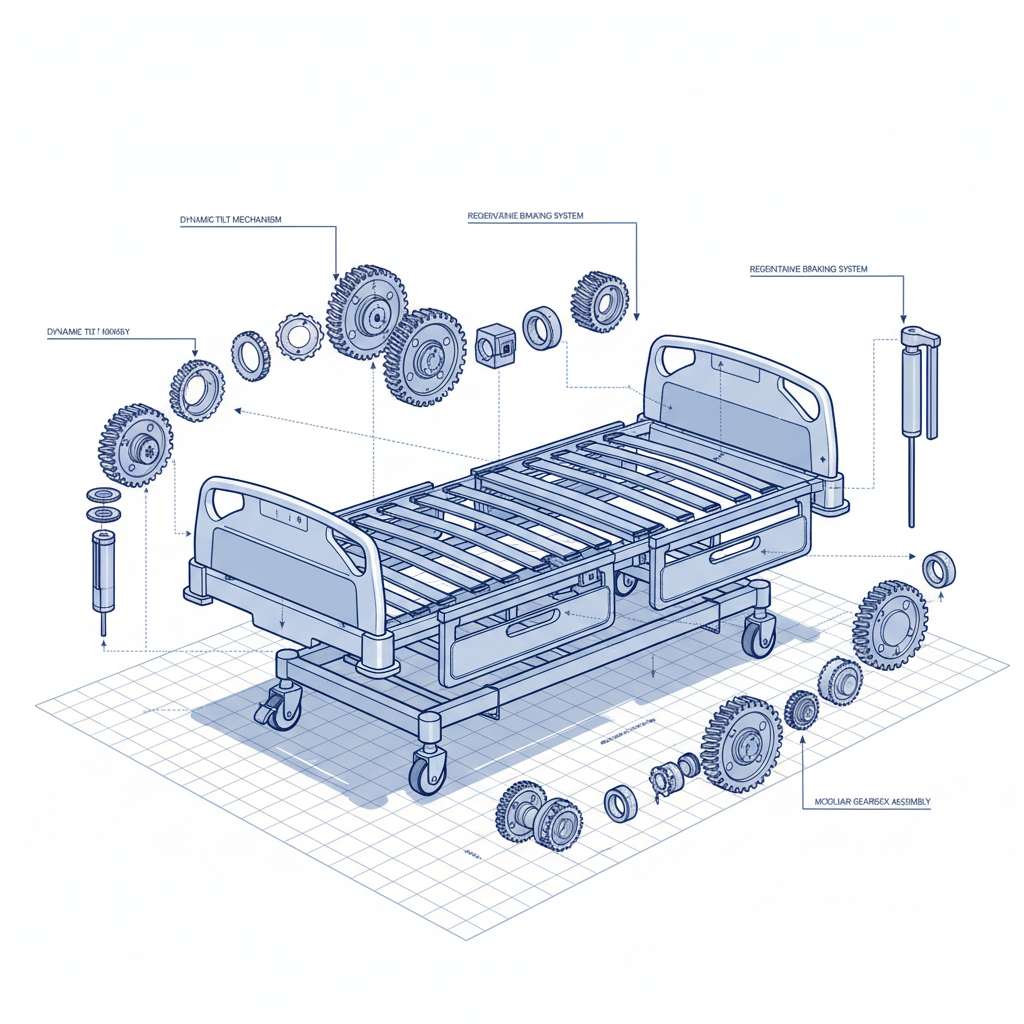
To be honest, it’s all about speed and flexibility now. Hospitals need to be able to adapt quickly to changing needs. So, modular designs are huge. Everything needs to be easy to clean, disinfect, and move around. We’re seeing a lot more stainless steel, solid surface materials – stuff that can withstand harsh chemicals without degrading. And it's not just hospitals. Remote clinics, mobile dental units, even veterinary facilities are driving demand for durable, portable medical furniture.

Have you noticed the shift toward telehealth? It’s actually impacting furniture design. We're getting requests for more ergonomic chairs for remote consultations, better lighting for video calls, and even soundproofing for privacy. It’s strange, but it makes sense. Everything’s connected.

Common Design Pitfalls in medical furniture supply

Oh man, the pitfalls. I’ve seen so many. The biggest one? Underestimating the weight capacity. People think a chair just needs to hold a patient, but they forget about the equipment – monitors, IV stands, pumps. And then there’s the whole issue of adjustability. Patients come in all shapes and sizes, and staff need to be able to position furniture to accommodate them comfortably and safely. Poor adjustability leads to strain injuries, and nobody wants that.

Another one is neglecting cable management. Hospitals are full of wires! If you don’t design furniture with integrated cable management, it becomes a tripping hazard and a nightmare to clean. Trust me, I’ve seen it. It's a disaster.

And then there's aesthetics. Too many manufacturers focus solely on functionality and forget that a pleasant environment can actually aid in healing and reduce stress. Nobody wants to feel like they're in a dungeon.

Materials Used in medical furniture supply

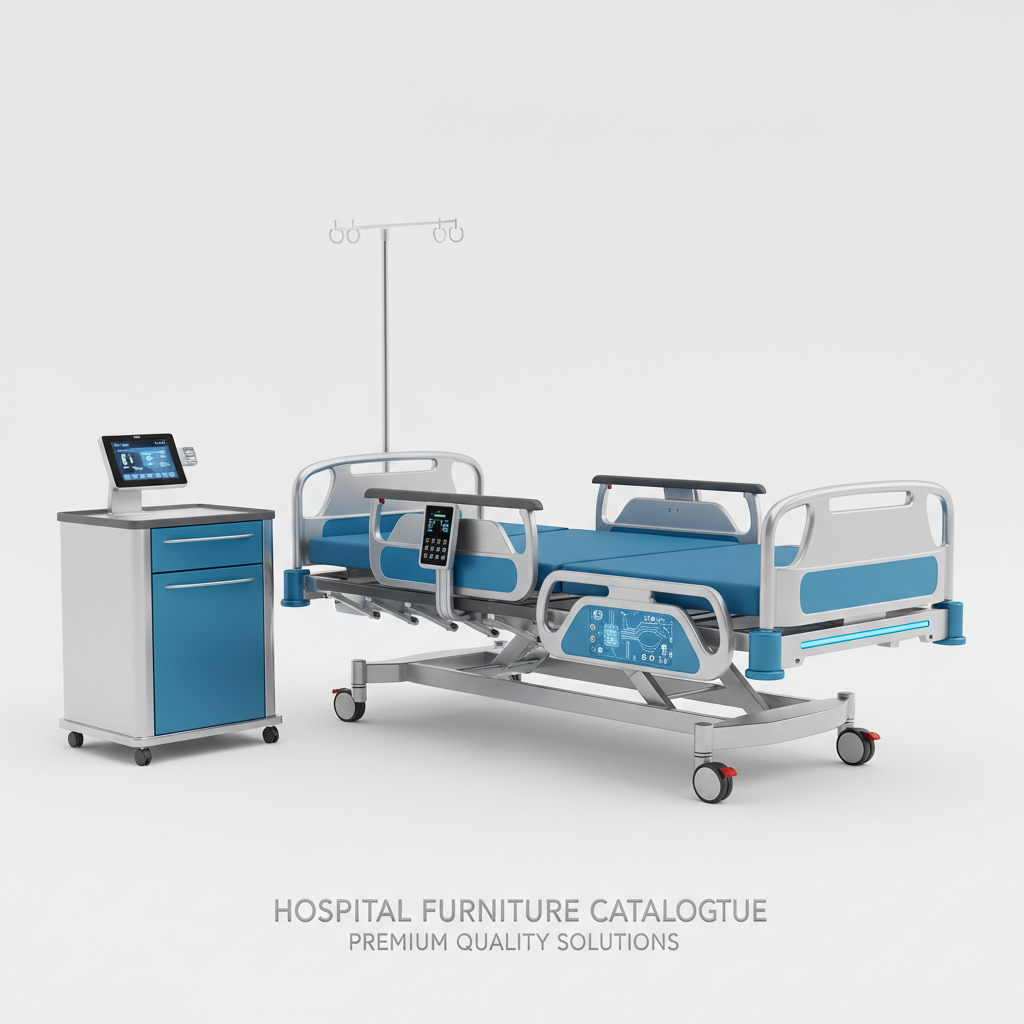
Stainless steel, obviously. It’s the workhorse of the industry. Smells… metallic, of course. It's cold to the touch, but incredibly durable and easy to sterilize. You can tell a good grade of stainless steel just by the weight and the finish – it should be smooth and consistent. We use 304 and 316 mostly, depending on the application. 316 is better for coastal areas because it's more resistant to corrosion.

Solid surface materials, like Corian or Hi-Macs, are also popular. They're non-porous, easy to clean, and can be molded into just about any shape. They feel warm to the touch, which is a nice contrast to the cold steel. The smell? Sort of like… dust and acrylic, when you're cutting it. It can be a pain to work with, generates a lot of fine particles, so you need good ventilation.

Then you’ve got medical-grade vinyl and fabrics. They need to be fluid-resistant, antimicrobial, and durable enough to withstand constant cleaning. I encountered this at a factory last time - they were using a cheaper vinyl that cracked after just a few months. It was a disaster, the whole order had to be replaced. Quality really matters.

Rigorous Testing of medical furniture supply

Forget those lab tests. They're useful for basic compliance, but they don’t tell you how something will actually hold up in the real world. We do simulated use testing – we literally have people using the furniture day in and day out, mimicking the tasks they’d perform in a hospital or clinic. We test for everything: weight capacity, stability, cleanability, resistance to chemicals, and even abrasion resistance.

We also do drop testing – yeah, we drop furniture. On purpose. To see how it holds up to impacts. Strangely enough, the legs are usually the first thing to go. We’ve also started incorporating more bioburden testing to ensure that materials don’t harbor bacteria or other microorganisms.

Medical Furniture Supply Testing Rigor


Real-World Applications of medical furniture supply

It's everywhere. You think about a hospital, right? Beds, chairs, tables, storage... all medical furniture supply. But it extends beyond that. We're doing a lot of work with mobile clinics – these are basically medical offices on wheels, serving rural communities. They need furniture that's lightweight, durable, and easy to set up and take down. Then there's disaster relief. Setting up temporary hospitals after a hurricane or earthquake requires a whole different set of considerations – speed of deployment is critical.

And, oddly enough, we’re even seeing demand from the veterinary industry. Turns out, animals need comfortable and hygienic furniture too! Who knew?

Advantages & Disadvantages of medical furniture supply

The advantages are pretty clear: improved patient care, enhanced infection control, increased efficiency. A well-designed medical environment can actually speed up recovery times. Plus, durable furniture saves money in the long run – you’re not constantly replacing things. Anyway, I think a major advantage is the modularity, being able to reconfigure spaces quickly.

The disadvantages? Cost, definitely. High-quality medical furniture isn’t cheap. And sometimes, it can be hard to find designs that balance functionality with aesthetics. And let’s be real, some of the materials can be a pain to work with.

But overall, the benefits outweigh the drawbacks. It's an investment in patient safety and well-being.

Customization Options in medical furniture supply

Absolutely. We get a ton of requests for customization. Color, size, materials, configurations… you name it. Last month, that small boss in Shenzhen who makes smart home devices insisted on changing the interface to on every single medical cart we supplied. He said it was for “future-proofing.” It was a headache, let me tell you. We had to retool everything, and it added weeks to the delivery time. But hey, the customer is always right, right?

We can also add custom features, like integrated power outlets, medical gas ports, or specialized storage compartments. It really depends on the client’s needs. We're even doing some work with antimicrobial coatings now – basically, we apply a special coating to the furniture that kills bacteria on contact. It’s still relatively new, but it’s showing a lot of promise.

Table Summarizing Key Customization Options

Customization Category Complexity Level (1-5) Estimated Cost Impact Lead Time Extension (Weeks)
Color/Finish Change 1 Low 0-1
Size/Dimension Modification 3 Medium 1-2
Material Substitution 4 High 2-4
Integrated Power/Gas Ports 4 Medium-High 3-5
Antimicrobial Coating Application 2 Low-Medium 1-2
Full Custom Design 5 Very High 4+

FAQS

What is the typical lifespan of medical furniture in a high-traffic hospital environment?

Honestly, it varies wildly depending on the quality of the materials and the level of use. But generally, you're looking at 5-10 years for chairs and tables, and maybe 10-15 years for beds and more robust equipment. However, that assumes proper maintenance and cleaning. Neglect it, and it'll fall apart much faster. We always recommend a regular inspection and maintenance schedule to maximize lifespan. It's about preventative care, not just replacing things when they break.

How does medical furniture supply comply with infection control standards?

Compliance is huge. We use materials that are non-porous, easy to disinfect, and resistant to common hospital-grade cleaning agents. We also design furniture with minimal crevices and hard-to-reach areas where bacteria can accumulate. We follow standards set by organizations like the CDC and WHO. A key thing is the surface finish—it needs to be smooth and without microscopic imperfections that can harbor germs. Testing and certification are critical.

What are the key considerations when selecting medical furniture for bariatric patients?

Bariatric furniture is a whole different ball game. You need to ensure everything has a higher weight capacity, obviously. But it’s not just about strength. It's about comfort and dignity. Wider seats, reinforced arms, and lower heights are all important considerations. You also need to think about accessibility – making sure patients can easily get in and out of the furniture without assistance. It’s about providing a safe and comfortable experience for everyone.

What’s the trend with sustainable materials in medical furniture supply?

Sustainability is a big push right now. People are looking for materials that are recycled, renewable, or biodegradable. We’re seeing more use of bamboo, reclaimed wood, and recycled plastics. It's not always easy to find materials that meet both sustainability requirements and the rigorous performance standards of the medical industry. But it's becoming more important, and manufacturers are responding to the demand. It's a gradual process, but we're definitely heading in the right direction.

How does the cost of medical furniture supply compare to standard office furniture?

It's generally more expensive, plain and simple. The materials, manufacturing processes, and testing requirements all add to the cost. You're paying for durability, hygiene, and compliance. You can't just grab something off the shelf at a big box store and expect it to hold up in a medical environment. It's an investment in patient safety and long-term value. Cutting corners on medical furniture is a false economy.

Are there any new technologies influencing the design of medical furniture?

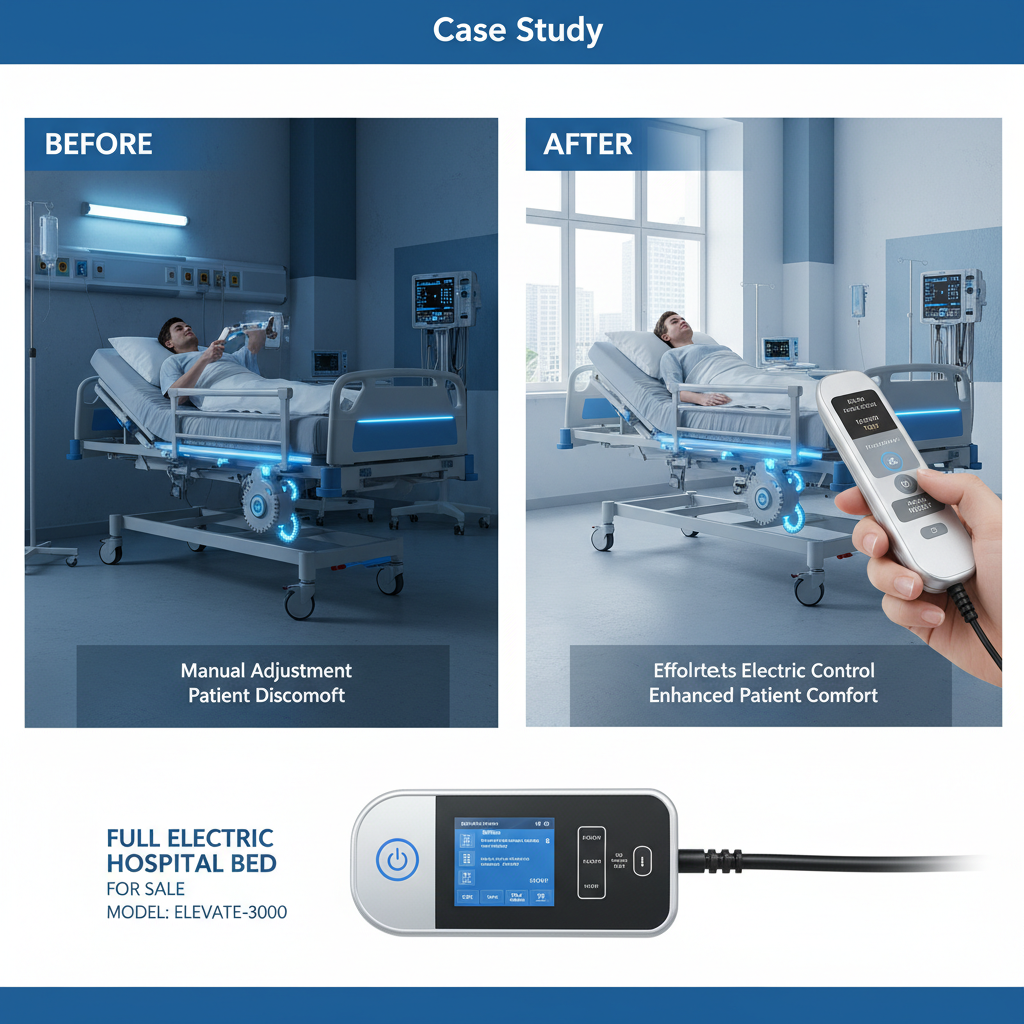
Absolutely. Antimicrobial coatings are getting more sophisticated. We're also seeing more use of smart furniture – things like adjustable beds with built-in sensors that monitor patient vital signs. And 3D printing is starting to play a role, allowing us to create custom designs and prototypes quickly and efficiently. It's still early days, but the potential is huge. The integration of technology is only going to increase in the future.

Conclusion

Ultimately, medical furniture supply isn’t glamorous. It’s about solving practical problems, ensuring patient safety, and creating functional, hygienic environments. It’s a complex field with a lot of moving parts, but it’s a vital one. From materials science to regulatory compliance to ergonomic design, every detail matters. It's about finding that balance between cost, quality, and functionality.

And here's the thing: no matter how much we talk about design, testing, and standards, whether this thing works or not, the worker will know the moment he tightens the screw. That’s the ultimate test. If it feels solid, if it’s easy to clean, if it improves the workflow… then we’ve done our job.
Ethan Williams

Ethan Williams

Ethan Williams serves as the North American Sales Manager for Hebei Zhaofa Technology Co., LTD. Based in the US, Ethan is responsible for expanding our market share in the region and building strong relationships with hospitals, nursing homes, and distributors. He brings over 5 years of experience in the medical
Previous Comprehensive Guide to Psychiatric Hospital Furniture Design and Global Applications
Next Essential Considerations for Durable Hospital Waiting Room Furniture
  • wechat
  • 8615031846685