To be honest, the whole hospital furniture scene is changing fast. It used to be, you know, just basic stuff – metal frames, vinyl upholstery. Now everyone wants something that looks less… well, less like a hospital. More “healing environment,” they call it. It’s all about patient experience now, which is good, I guess. But it makes our job harder. Have you noticed how many materials there are now? It's a nightmare trying to keep track of everything, and even worse when something goes wrong on site.
I spend most of my year on construction sites and in factories, honestly. The amount of time wasted on things that should be simple… It’s frustrating. And the engineers? Bless 'em, they’re smart folks, but they don’t always understand what it’s like to actually use the stuff. Like, they’ll design a bed with a super-smooth surface, thinking it’s easy to clean. But then the nurses complain it’s slippery and patients are sliding off! Anyway, the demand for hospital furniture for sale is high.
It’s not just about aesthetics, either. Durability is still king, especially in high-traffic areas. We’ve all seen what happens when you skimp on quality. You end up replacing things constantly, and that’s expensive. It's a balancing act, finding something that's both comfortable and can withstand years of abuse.
The Shifting Landscape of Hospital Furniture
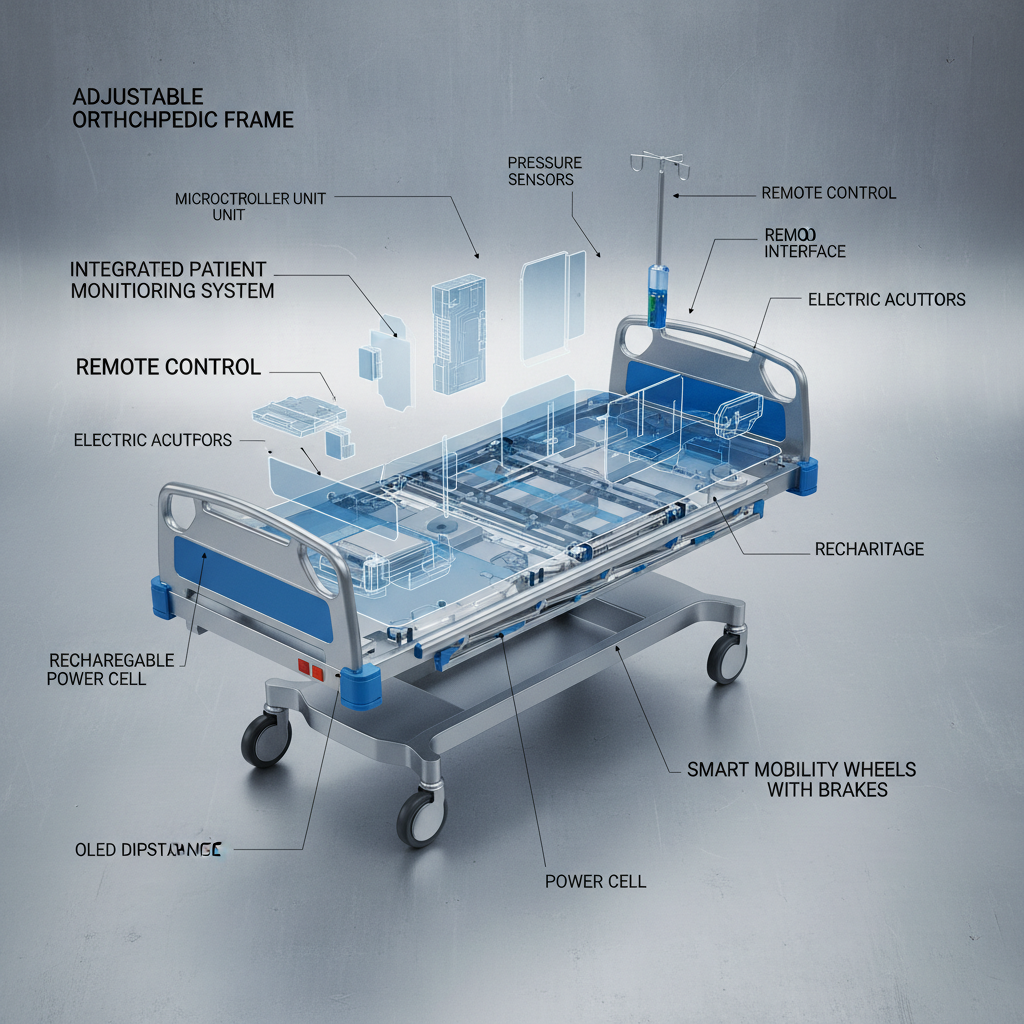
Strangely, the biggest trend I’m seeing isn’t necessarily a new material, it’s how people are combining them. Antimicrobial fabrics are standard now, of course. But then you’ve got wood veneers, metal accents, and even some integrated technology – things like adjustable beds with built-in monitoring systems. It's wild. The demand for hospital furniture for sale is growing exponentially.
The push for sustainability is also huge. Hospitals are starting to care a lot more about where their furniture comes from, and what happens to it at the end of its life. Recycled materials, responsibly sourced wood… that’s all becoming really important.
Design Pitfalls and Material Choices
I encountered this at a factory in Foshan last time – they were using a really cheap laminate on their bedside tables. Looked okay at first, but it chipped like crazy after a few months. Turns out, it wasn’t rated for the cleaning chemicals hospitals use. A classic mistake. You’ve gotta think about the whole lifecycle of the product, not just how it looks when it leaves the factory.
Speaking of materials, the feel is important. Stainless steel is tough as nails, smells like… well, stainless steel. But it’s cold. Solid surface materials, like Corian, are warmer to the touch, but they scratch easily. And then you’ve got wood – it’s beautiful, but it needs to be sealed properly to prevent bacteria from growing. It's a constant tradeoff.
And the upholstery… don’t even get me started. Vinyl is durable and easy to clean, but it doesn't breathe. Fabric is more comfortable, but it stains. I've seen some interesting developments with new antimicrobial fabrics that address both issues, but they’re pricey.
Real-World Testing and Usage
The lab tests are important, sure. But nothing beats seeing how furniture holds up in a real hospital environment. We do a lot of pilot programs, putting prototypes into actual patient rooms and letting the staff use them. It’s amazing what you learn. For example, we discovered that nurses were using the footrests on the beds as makeshift step stools! We had to reinforce them after that.
We also test for things like impact resistance. Dropping weights on surfaces, simulating wheelchairs bumping into things… brutal stuff. But it's necessary. You want to know if something is going to break when someone accidentally slams into it with a gurney. And then there’s the cleaning. We spray everything with hospital-grade disinfectant and see if it holds up.
Interestingly, users often repurpose furniture in ways you wouldn’t expect. I once saw a hospital staff member using a stack of patient chairs as a makeshift desk. It wasn’t ideal, but it showed me the need for adaptable, multi-functional designs.
Advantages, Disadvantages, and Customization
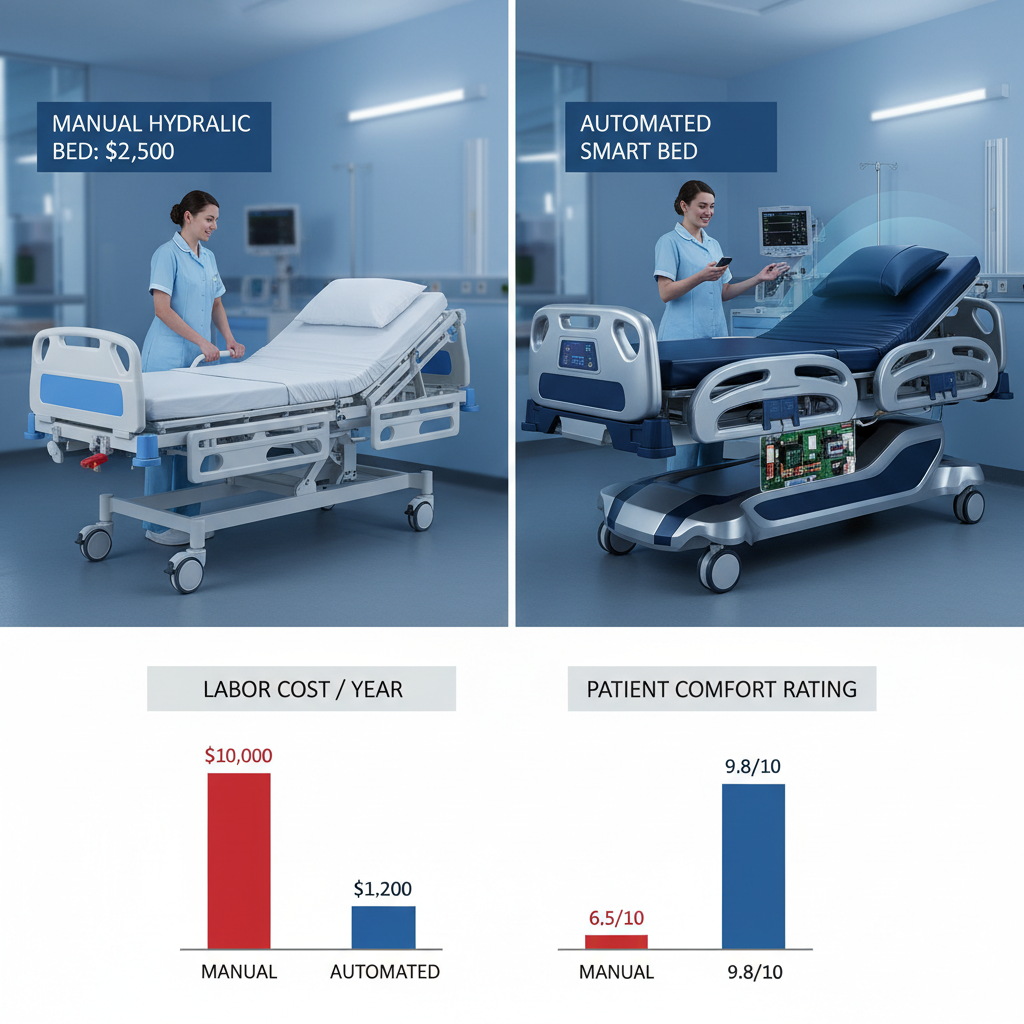
The biggest advantage of modern hospital furniture is the focus on patient comfort and safety. Adjustable beds, ergonomic chairs, antimicrobial surfaces… it all adds up to a better experience for everyone. And, obviously, the enhanced hygiene is crucial.
But it's not all sunshine and roses. Cost is a big factor. High-quality, durable furniture isn't cheap. And customization can be tricky. Last month, that small boss in Shenzhen who makes smart home devices insisted on changing the interface to on a batch of overbed tables, even though our standard was USB-A. The result? Delayed production, extra costs, and a lot of headaches. It’s always “I need it this way,” even if it makes no logical sense. Anyway, I think that was a waste of time.
Material Durability Comparison (Hospital Furniture)
Advantages, Disadvantages, and Customization
We can do a surprising amount of customization, actually. Everything from upholstery colors and patterns to the height of the beds and the layout of the drawers. But it comes at a cost. And sometimes, the more you customize, the more likely something is to go wrong.
For example, one hospital wanted us to integrate a specific type of medical gas outlet into the headboard of all their beds. It looked good on paper, but it turned out the outlet was incompatible with their existing gas lines. Major headache. We learned our lesson after that.
Global Applications and Case Studies
I've worked on projects all over the place – Europe, Asia, even some remote islands in the Pacific. The needs are different everywhere. In some countries, space is at a premium, so they need compact, multi-functional furniture. In others, durability is the biggest concern. It really depends on the local infrastructure and healthcare system.
We did a big project in Nigeria a few years ago, furnishing a new rural hospital. The biggest challenge there was transportation. Getting the furniture to the site was a logistical nightmare. We had to use a combination of trucks, boats, and even donkeys!
Future Trends and Considerations
I think we're going to see a lot more integration of technology in hospital furniture. Smart beds that can monitor a patient's vital signs, chairs that can adjust to their posture… it’s all coming. But it needs to be done right. It can’t be just tech for tech’s sake. It has to actually improve patient care.
There’s also a growing focus on modularity and flexibility. Hospitals want furniture that can be easily reconfigured to adapt to changing needs. And, of course, sustainability will continue to be a major driver.
Personally, I’m keeping an eye on bio-based materials. Things like mushroom packaging and algae-based plastics. They’re still in the early stages of development, but they have the potential to revolutionize the industry.
Material Performance Summary (Hospital Furniture)
| Material |
Durability (1-10) |
Cleanability (1-10) |
Cost (Low/Medium/High) |
| Stainless Steel |
10 |
9 |
High |
| Antimicrobial Vinyl |
8 |
10 |
Medium |
| Solid Surface (Corian) |
7 |
8 |
High |
| Powder-Coated Steel |
9 |
8 |
Medium |
| Wood Veneer (Sealed) |
6 |
7 |
Medium |
| Recycled Plastic |
7 |
9 |
Low |
FAQs
Honestly, it's not finding the furniture itself, it's coordinating everything. Lead times are crazy right now, shipping costs are through the roof, and everyone is competing for the same materials. You need to start planning way in advance and have a really solid supply chain. And don't forget about installation – it's often more complicated than people think. Plus, there's the ever-present issue of meeting specific regulatory requirements. It's a headache, plain and simple.
It's hugely important. You're dealing with a vulnerable population, and you want to minimize the risk of infection. Antimicrobial fabrics and surfaces are a must-have, especially in high-touch areas like beds, chairs, and bedside tables. But it's not a silver bullet. Good cleaning practices are still essential. I've seen hospitals spend a fortune on antimicrobial furniture, but still have problems with hygiene because they weren't following proper cleaning protocols.
Hospital-grade furniture is built to withstand a lot more abuse. It’s typically made from more durable materials, has reinforced frames, and is designed to be easily cleaned and disinfected. Standard furniture just isn’t up to the task. It'll fall apart quickly in a hospital environment. And then there’s the regulatory aspect – hospital furniture has to meet specific safety standards that standard furniture doesn't.
Look for furniture made from recycled materials, or from sustainably sourced wood. Ask about the manufacturer's environmental practices. And consider the end-of-life of the furniture. Can it be recycled or repurposed? Some manufacturers are offering take-back programs, which is a good sign. It’s a little extra effort, but it’s worth it in the long run.
It varies depending on the type of furniture and how well it’s maintained. But generally, you can expect beds and chairs to last 7-10 years. Bedside tables and other smaller items might last a bit longer. It is crucial to consider how often they are used, as areas like the Emergency Room will need replacing more often than, say, a rehabilitation ward. Regular inspections and repairs can help extend the lifespan.
Absolutely. Most manufacturers offer customization options, from upholstery colors and patterns to the shape and size of the furniture. But be prepared to pay a premium. And the more customization you request, the longer the lead time will be. It’s also important to make sure the customization doesn’t compromise the functionality or safety of the furniture. It has to meet the same standards, even if it looks different.
Conclusion
Ultimately, hospital furniture isn't just about looking good. It’s about creating a safe, comfortable, and healing environment for patients and staff. It’s about durability, hygiene, and functionality. It's about finding the right balance between cost, quality, and sustainability. It’s a complex business, but a crucial one.
And let’s be real, whether this thing works or not, the worker will know the moment he tightens the screw. That’s what matters in the end. If it feels solid, if it's easy to clean, if it looks like it can handle a beating… then it's probably good furniture.