Understanding the patient hydraulic bed price is essential for healthcare administrators and home care providers aiming to balance clinical efficacy with budgetary constraints. These specialized beds utilize fluid-driven mechanisms to adjust height and positioning, offering a reliable alternative to electric beds in environments where power stability is a concern or where a simpler, more durable mechanical interface is preferred.
Globally, the demand for high-quality patient mobility solutions is rising as populations age and the prevalence of chronic mobility impairments increases. The pricing of hydraulic beds is not merely a financial metric but a reflection of the engineering quality, material grade, and safety certifications integrated into the device to ensure patient dignity and caregiver safety.
By analyzing the factors that influence the patient hydraulic bed price, facilities can make informed procurement decisions that reduce long-term operational costs. Investing in a bed with a balanced cost-to-performance ratio ensures that patients receive optimal care while the institution maintains financial sustainability.
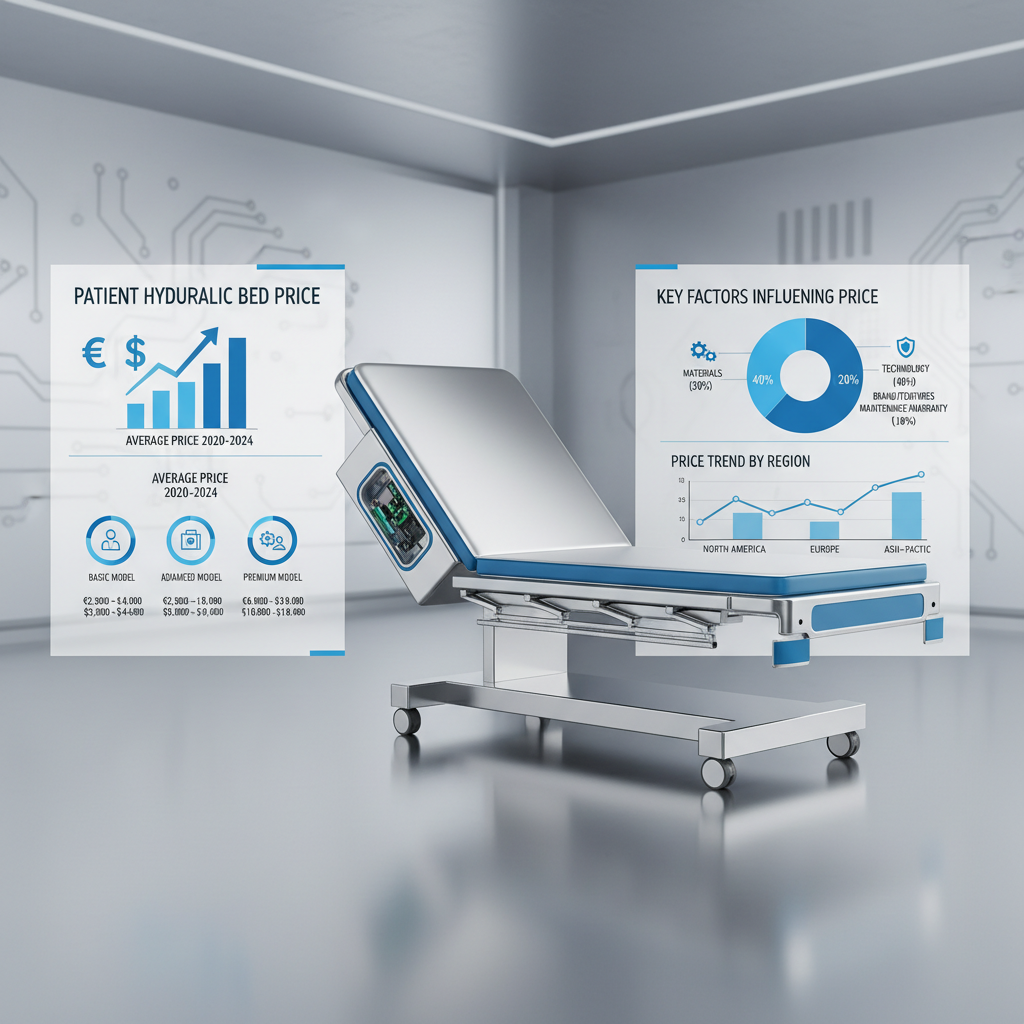
Global Market Dynamics of Patient Hydraulic Bed Price
The global healthcare landscape is witnessing a significant shift toward value-based procurement, where the patient hydraulic bed price is scrutinized against the total cost of ownership. According to standards aligned with ISO quality benchmarks, the reliability of hydraulic systems makes them indispensable in regions with inconsistent electrical grids, driving demand in emerging markets across Asia and Africa.
However, the challenge remains in the disparity between low-cost, generic models and high-end medical-grade equipment. Hospitals often struggle to determine if a lower initial patient hydraulic bed price indicates a compromise in safety features, such as side-rail stability or weight-bearing capacity, which could lead to higher liability costs in the future.
Defining Value in Patient Hydraulic Bed Pricing
When we discuss the patient hydraulic bed price, we are essentially discussing the intersection of mechanical engineering and patient ergonomics. Unlike standard hospital beds, hydraulic versions rely on fluid pressure to lift and lower the patient, a process that requires precision-machined cylinders and high-grade seals to prevent leaks and ensure smooth movement.
In a humanitarian context, the affordability of these beds is critical. For NGOs operating in disaster-relief zones, a competitive patient hydraulic bed price allows for the rapid deployment of more units, ensuring that displaced persons with limited mobility receive the necessary orthopedic support without the need for complex electrical infrastructure.
Ultimately, the "meaning" of the price is found in the durability of the materials. A bed constructed from cold-rolled steel with an epoxy powder coating will naturally command a higher price than one using lower-grade alloys, but it offers a lifespan that significantly reduces the annual depreciation cost for the healthcare provider.
Core Engineering Factors Influencing Bed Costs
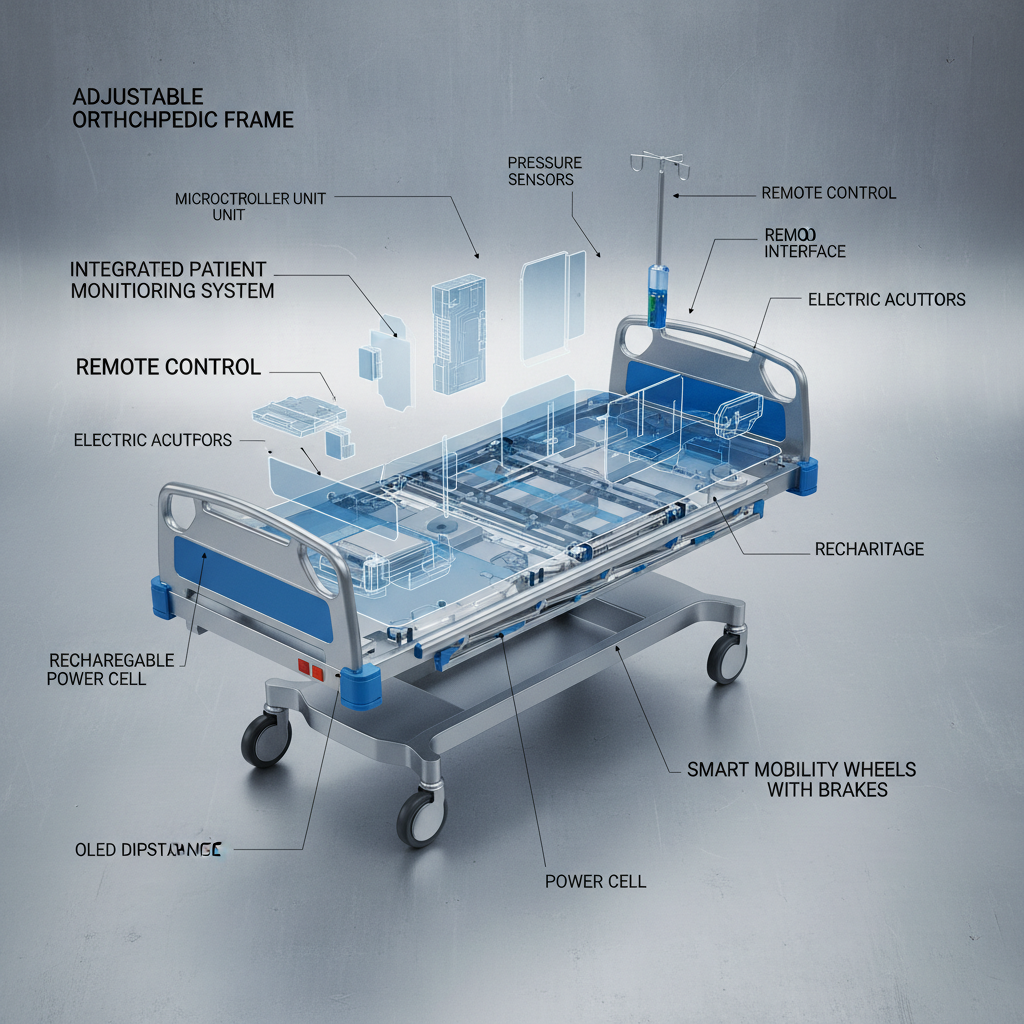
One of the primary drivers of the patient hydraulic bed price is the quality of the hydraulic pump system. High-precision pumps allow for infinitesimal adjustments in height, which is crucial for patients with severe spinal injuries where sudden movements can be detrimental.
Material scalability also plays a role; beds designed to support bariatric patients require reinforced frames and larger hydraulic cylinders. This increase in structural integrity directly impacts the patient hydraulic bed price, as heavier-gauge steel and high-pressure seals are required to maintain safety margins.
Furthermore, the inclusion of specialized accessories—such as integrated IV poles, bedside cabinets, or premium pressure-relieving mattresses—can shift the patient hydraulic bed price. These additions transform a basic medical tool into a comprehensive patient care station, adding value through improved workflow and patient comfort.
Comparative Analysis of Cost-Efficiency
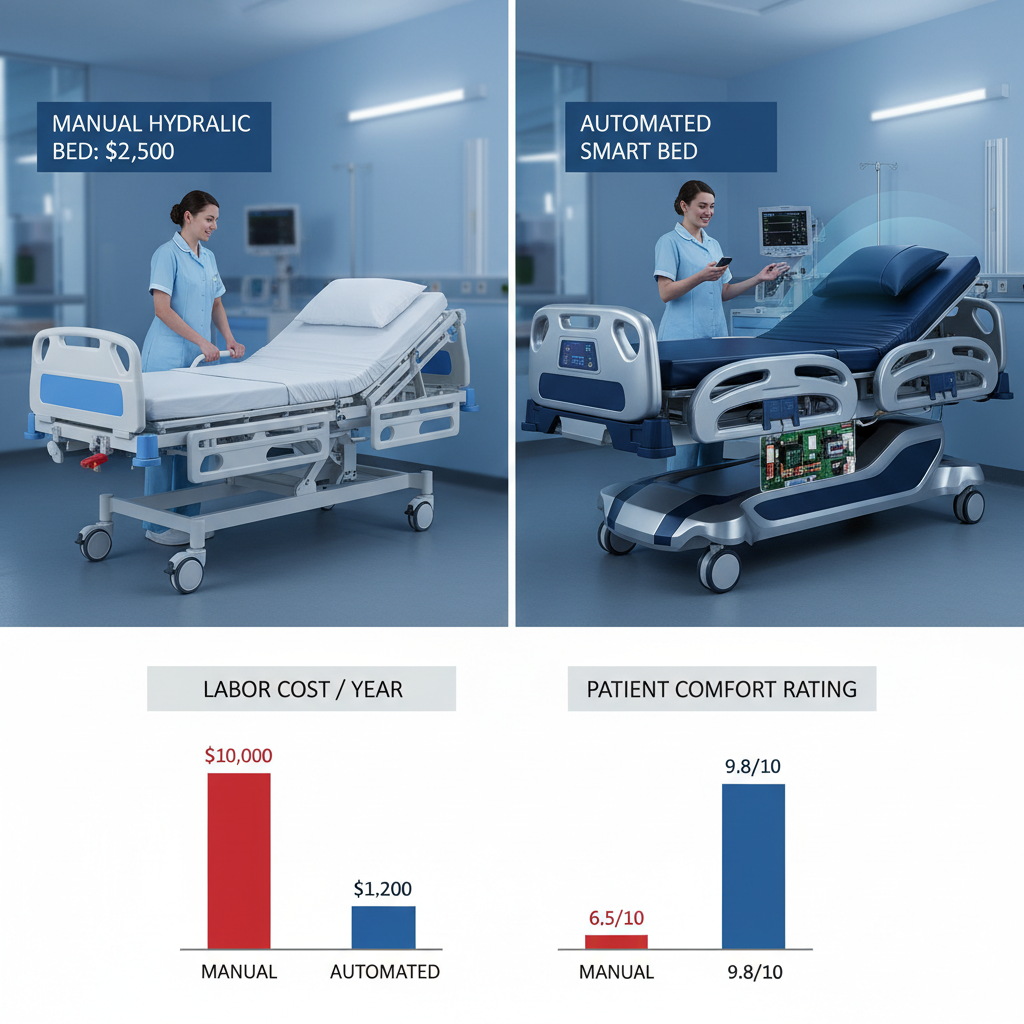
When evaluating the patient hydraulic bed price, it is helpful to compare different tiers of hydraulic technology. Standard manual-hydraulic beds offer basic height adjustment, while advanced multi-functional hydraulic beds allow for independent head and foot elevation, which significantly aids in preventing pressure ulcers.
The following data illustrates how different configurations affect the perceived value and the resulting patient hydraulic bed price based on typical clinical performance ratings.
Cost-Performance Rating by Bed Configuration
Global Applications and Use Cases
In remote industrial zones or mining camps, the patient hydraulic bed price is weighed against the cost of transporting power generators. Hydraulic beds are preferred here because they operate independently of the grid, providing life-saving stability for injured workers in the first hours of emergency care.
Similarly, in specialized rehabilitation centers focusing on geriatric care, the choice of bed is driven by the need for frequent height adjustments to facilitate safe patient transfers to wheelchairs. By investing in beds with a moderate patient hydraulic bed price and high reliability, these centers reduce the risk of caregiver back injuries.
Long-Term Economic and Clinical Value
The long-term value of a medical bed extends far beyond the initial patient hydraulic bed price. When calculated over a five-year period, a higher-quality hydraulic bed often proves cheaper than budget options due to lower maintenance requirements and a longer replacement cycle.
From a clinical perspective, the dignity of the patient is priceless. A bed that allows for seamless, quiet adjustments—rather than the jarring movements associated with low-end mechanical cranks—enhances the psychological well-being of the patient, which is often linked to faster recovery times.
Moreover, the reliability of hydraulic systems ensures that in the event of a facility-wide power outage, the bed remains fully functional. This operational continuity is a critical safety feature that justifies a slightly higher patient hydraulic bed price for acute care wards.
Future Trends in Hydraulic Bed Technology
The future of the patient hydraulic bed price will be influenced by the introduction of hybrid systems. We are seeing a trend toward "electro-hydraulic" beds, which combine the precision of electric controls with the power and fail-safe nature of hydraulic lifting, potentially creating a new price bracket in the market.
Sustainability is also becoming a key factor. Manufacturers are shifting toward biodegradable hydraulic fluids and recycled steel frames, which may initially increase the patient hydraulic bed price but will lower the environmental impact and comply with stricter green procurement policies globally.
Additionally, the integration of IoT sensors into the bed frame—to monitor patient weight and position—is beginning to merge the physical hydraulic bed with digital health records. This transformation ensures that the patient hydraulic bed price reflects not just a piece of furniture, but a data-driven medical device.
Analysis of Hydraulic Bed Specifications and Pricing Tiers
| Bed Model Category |
Price Influence Factor |
Durability Score (1-10) |
Estimated Lifespan |
| Standard Hydraulic |
Basic Steel Frame |
7 |
5-7 Years |
| Multi-Functional |
Dual-Cylinder System |
8 |
8-10 Years |
| Bariatric Heavy Duty |
Reinforced Alloys |
9 |
10-12 Years |
| Premium Ergonomic |
Anti-Microbial Coating |
9 |
12-15 Years |
| Hybrid Electro-Hydraulic |
Integrated Control Board |
8 |
7-9 Years |
| Economy Basic |
Light-weight Tubing |
5 |
3-5 Years |
FAQS
The most significant influence on the price is the grade of the hydraulic system and the frame material. High-precision, leak-proof cylinders and reinforced cold-rolled steel increase the cost but ensure the bed can handle higher weight capacities and frequent adjustments without mechanical failure.
In terms of initial patient hydraulic bed price, they are often more affordable. Long-term, they are more cost-effective in environments without stable power or where the high cost of electrical maintenance and component replacement is a concern.
Generally, yes. Premium models often include enhanced safety locks, more stable side rails, and smoother transition movements, which reduce the risk of patient falls or skin shear during repositioning.
High-quality beds require minimal maintenance, typically an annual check of the hydraulic fluid levels and seal integrity. Lower-priced models may require more frequent repairs, potentially offsetting the initial savings.
Yes, many manufacturers allow you to choose between basic or premium mattresses and optional accessories like IV poles. Stripping the bed down to its core hydraulic functions is a great way to reduce costs without sacrificing structural safety.
Yes, they are excellent for home care. Home-care specific models may have a different price point due to a focus on aesthetics and a smaller footprint, though the core hydraulic mechanism remains similar to hospital-grade versions.
Conclusion
In summary, the patient hydraulic bed price is a complex intersection of material science, mechanical engineering, and clinical necessity. By focusing on total cost of ownership rather than the initial purchase price, healthcare providers can secure equipment that ensures patient safety, enhances caregiver efficiency, and remains resilient in the face of power instability or heavy usage.
Looking forward, the integration of sustainable materials and hybrid control systems will likely redefine how we value these essential tools. We recommend that procurement officers prioritize certified durability and ergonomic flexibility to ensure that the investment in patient hydraulic beds translates into better clinical outcomes and long-term institutional savings. Visit our website for more professional medical furniture solutions: www.zfmedicare.com