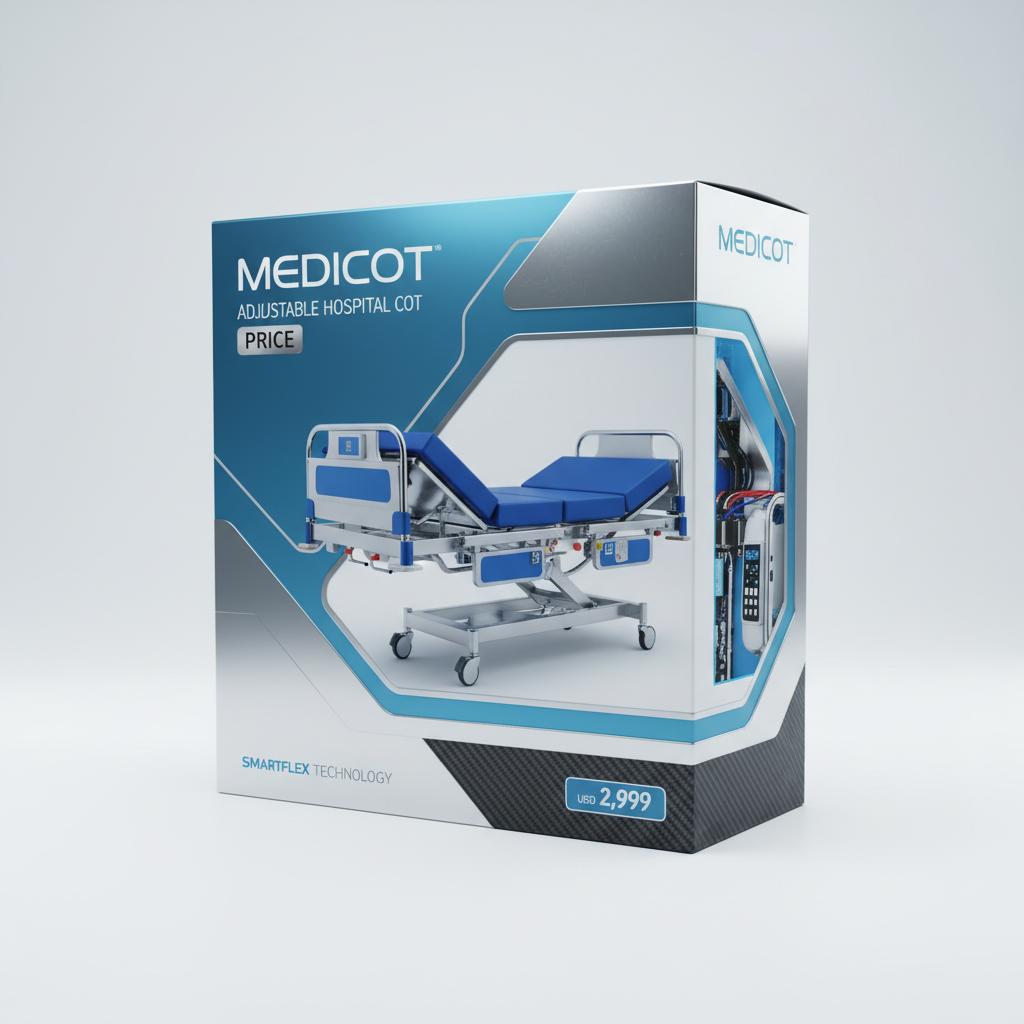
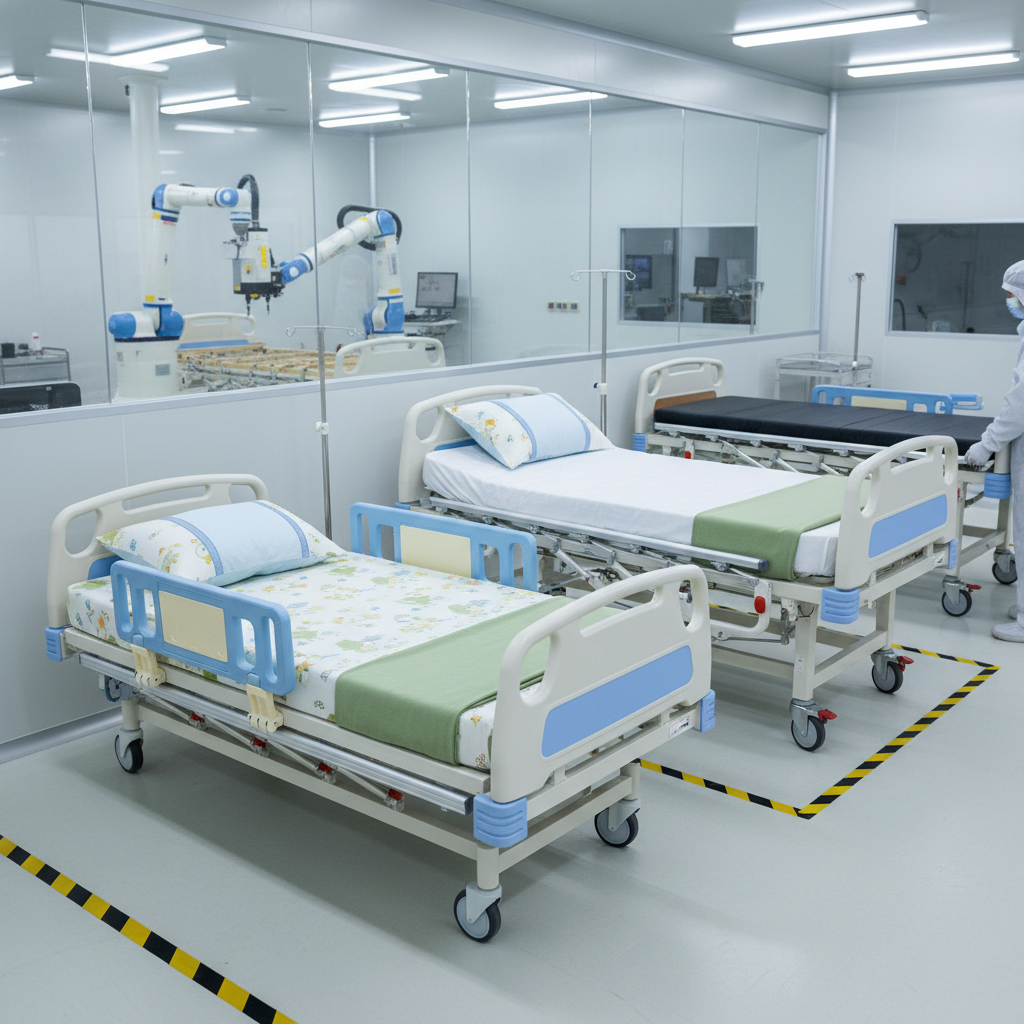
Selecting the appropriate medical bedding is a critical decision that directly impacts patient recovery speeds and the overall efficiency of healthcare delivery. Understanding the various types of bed hospital systems allows administrators and caregivers to optimize patient comfort while reducing the physical strain on medical staff. From basic manual frames to high-tech automated systems, the diversity in design reflects the evolving needs of modern medicine.
Globally, the demand for specialized patient furniture is surging due to aging populations and the increasing complexity of long-term care. The integration of ergonomic principles into the types of bed hospital available today ensures that patients with limited mobility can maintain dignity and safety. This evolution in equipment is not merely about luxury but about clinical necessity and risk mitigation.
In this comprehensive guide, we explore the technical nuances, application scenarios, and future innovations surrounding the types of bed hospital used in clinical settings. By analyzing the core components and comparative advantages of different models, healthcare providers can make informed procurement choices that balance cost-efficiency with superior patient outcomes.
Global Industry Context of Hospital Bedding
The global healthcare infrastructure is currently facing an unprecedented challenge: the "silver tsunami," or the rapid increase in the geriatric population. According to data from the World Health Organization (WHO), the proportion of the world's population over 60 will nearly double by 2050. This demographic shift has placed immense pressure on the availability and quality of types of bed hospital, as the need for long-term rehabilitative care outweighs the capacity of traditional acute-care facilities.
Furthermore, ISO standards for medical devices have become increasingly stringent, pushing manufacturers to focus on antimicrobial materials and advanced stability mechanisms. The primary challenge is no longer just providing a place for a patient to lie, but creating a therapeutic environment that prevents secondary complications such as pressure ulcers (bedsores) and hospital-acquired infections. The strategic selection of bed types is now a core part of hospital risk management and quality assurance protocols.
Defining Modern Hospital Bed Categories
In simple terms, types of bed hospital refer to the specialized furniture designed for patients who require medical care, ranging from short-term surgical recovery to permanent nursing care. Unlike standard residential beds, these are engineered with adjustable frames, safety rails, and integrated mobility systems to assist both the patient and the healthcare provider.
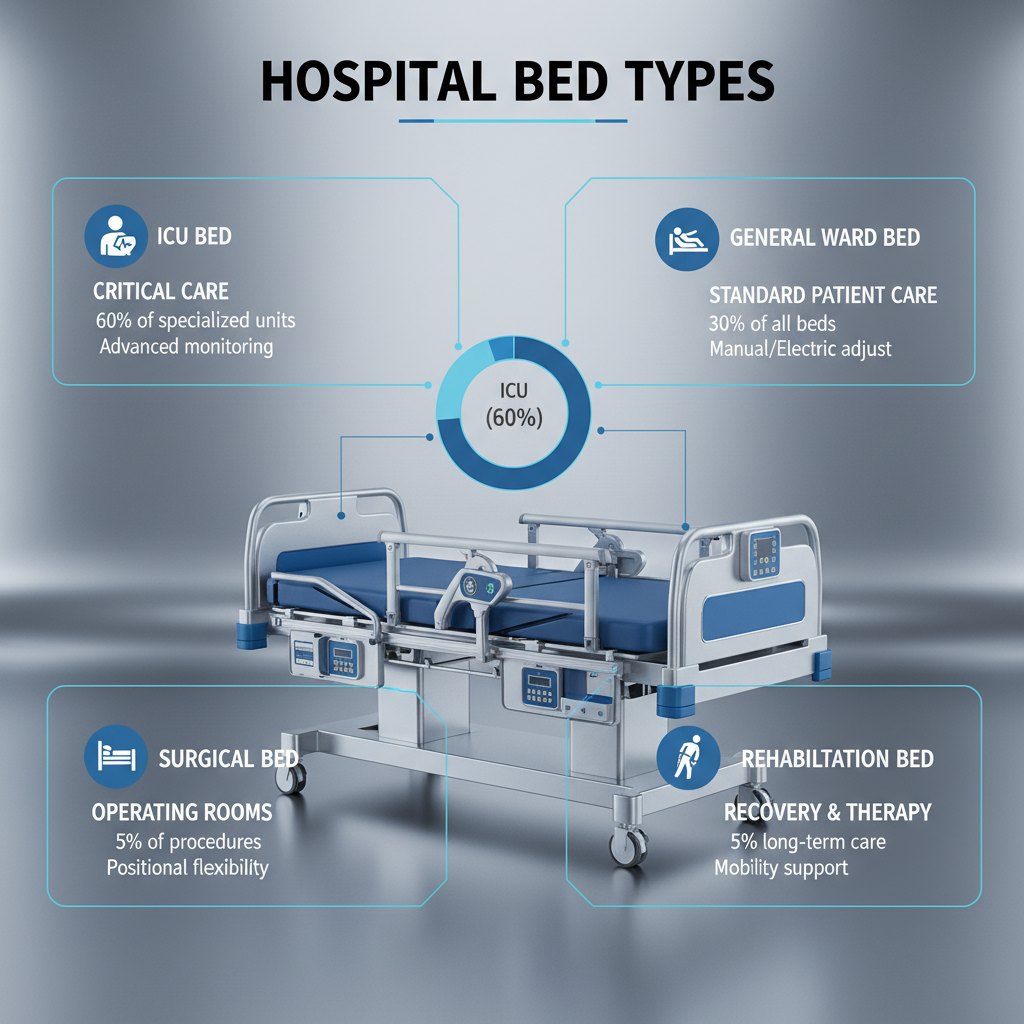
These categories are typically divided by their functionality: manual beds for low-resource settings or stable patients, semi-electric beds for moderate assistance, and fully electric ICU beds for critically ill patients. Each category serves a specific humanitarian need, ensuring that the level of technological intervention matches the clinical severity of the patient's condition.
Modern definitions have also expanded to include "specialty beds," such as bariatric beds for obese patients, pediatric beds for children, and low-height beds designed to minimize injury during falls. This segmentation ensures that the physical environment supports the specific physiological needs of diverse patient groups, reflecting a move toward personalized medicine in hospital furniture.
Core Components of Quality Bedding Systems
Durability and material science are the bedrock of all types of bed hospital. High-grade carbon steel or aluminum alloys are used for the chassis to withstand constant weight shifts and frequent sterilization processes. The use of powder-coated finishes ensures that the frames remain resistant to corrosive chemical cleaners used in clinical environments.
Ergonomic scalability is another vital factor. Advanced types of bed hospital feature multi-sectional articulation, allowing the head, knees, and foot sections to be adjusted independently. This flexibility is crucial for preventing respiratory distress in patients with COPD or improving circulation in those prone to deep vein thrombosis (DVT).
Lastly, safety and cost-efficiency must be balanced. Integrated locking systems, side rails with easy-release mechanisms, and high-quality casters for patient transport are non-negotiable safety components. From a procurement perspective, choosing beds with modular parts allows hospitals to replace worn-out components rather than entire units, significantly lowering the long-term total cost of ownership.
Comparative Performance of Bed Types
When evaluating different types of bed hospital, clinical efficiency is measured by how well the bed supports patient repositioning and nurse workflow. Electric beds score highest in caregiver ease-of-use, whereas manual beds are prized for their reliability in areas with unstable power grids or in temporary field hospitals.
The choice often depends on the specific department's requirements. For instance, ICU beds must integrate with heavy monitoring equipment and provide precise tilting for hemodynamic stability, while Home Care Nursing Beds prioritize a less "clinical" look to improve the patient's psychological well-being while maintaining essential medical functions.
Clinical Efficiency Rating by Bed Type
Global Applications and Clinical Use Cases
In real-world clinical settings, the application of various types of bed hospital varies by region and facility type. In high-income nations, the focus is on "smart beds" that monitor patient weight and movement to alert staff of potential falls. Conversely, in post-disaster relief operations organized by NGOs in remote regions, lightweight, foldable manual beds are the gold standard due to their rapid deployment and ease of transport.
Furthermore, specialized rehabilitation centers utilize "tilt-in-space" beds to help patients with severe neurological impairments maintain a comfortable posture without shearing their skin. In gynecological examination tables and obstetric wards, the beds are designed for versatility, transitioning from a recovery position to an examination position in seconds, showcasing the adaptability of modern medical furniture.
Long-Term Value and Patient Safety Benefits
The long-term value of investing in high-quality types of bed hospital extends beyond the initial purchase price. By reducing the incidence of pressure ulcers—which can cost healthcare systems billions in additional treatment—advanced mattresses and frames provide a massive return on investment. Safety is not just about physical barriers but about the dignity afforded to the patient through autonomy-enhancing features.
From a logical perspective, the reliability of electric actuators and the stability of heavy-duty casters reduce the risk of workplace injuries among nursing staff, who frequently suffer from musculoskeletal disorders due to manual patient lifting. A bed that can be lowered to the floor significantly reduces the impact of falls, turning a potentially catastrophic event into a manageable incident.
Ultimately, the emotional impact of a well-designed bed cannot be understated. When a patient feels secure and comfortable, their stress levels decrease, which is clinically proven to accelerate the healing process. Trust in the equipment leads to a more positive patient-provider relationship, enhancing the overall reputation of the medical institution.
Future Trends in Medical Bed Innovation
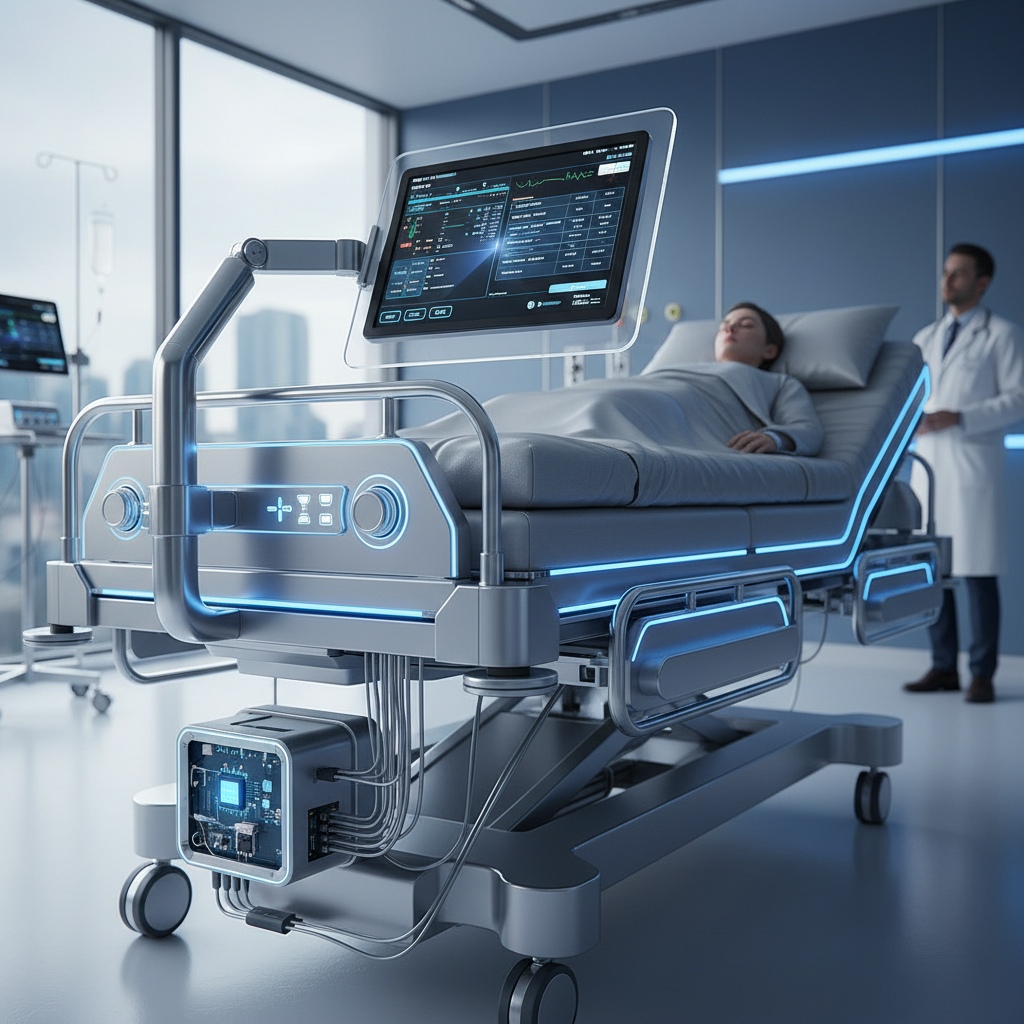
The future of types of bed hospital is inextricably linked to the digital transformation of healthcare. We are seeing the rise of IoT-integrated beds that can sync directly with a hospital's Electronic Health Record (EHR) system, automatically logging a patient's position and movement patterns to provide data-driven insights into recovery.
Sustainability is also becoming a primary driver. Manufacturers are exploring the use of recycled medical-grade plastics and biodegradable foams for mattresses to reduce the environmental footprint of hospital furniture. Green energy integration, such as kinetic energy recovery from bed adjustments to power small sensors, is currently in the prototype phase.
Automation will further refine patient care through robotic repositioning systems that automatically shift a patient's weight every few hours to prevent bedsores without requiring human intervention. This fusion of robotics and ergonomics will redefine the standard of care in long-term nursing facilities worldwide.
Analysis of Core Specifications Across Different Hospital Bed Types
| Bed Category |
Primary User Group |
Adjustment Mechanism |
Stability Score (1-10) |
| ICU Electric Bed |
Critically Ill Patients |
Multi-motor Electronic |
10 |
| Manual Recovery Bed |
Stable Post-Op Patients |
Hand-crank Manual |
7 |
| Bariatric Bed |
Obese Patients |
Heavy-duty Hydraulic |
9 |
| Pediatric Bed |
Children/Infants |
Adjustable Electric/Manual |
8 |
| Nursing Home Bed |
Long-term Care Elderly |
Semi-Electric |
8 |
| Emergency Stretcher |
Triage/Transport |
Quick-release Lever |
6 |
FAQS
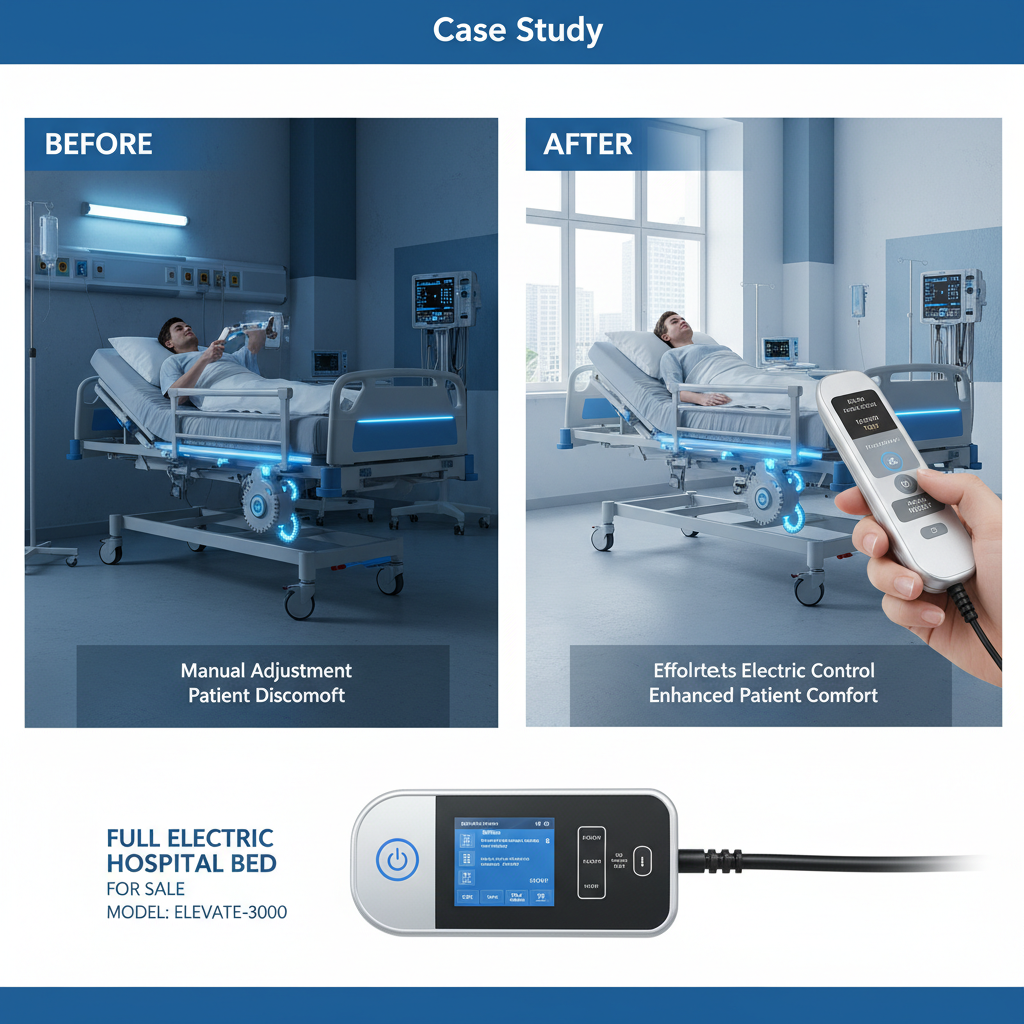
The primary difference lies in the adjustment method. Electric beds use motors to change the height and angle of the bed, significantly reducing the physical effort required by caregivers and providing more precise positioning for the patient. Manual beds rely on hand cranks, making them more cost-effective and suitable for environments without reliable electricity, though they require more manual labor from staff.
For home care, consider a semi-electric bed. These typically offer electric adjustments for the head and foot sections but manual height adjustment. This provides a balance of patient independence and affordability. Ensure the bed fits the room dimensions and has high-quality side rails to prevent falls, as home environments often lack the 24/7 monitoring found in clinical facilities.
Generally, no. Bariatric beds are designed with wider frames and reinforced supports to handle significantly higher weight capacities. They require specialized high-density foam or air-cell mattresses that distribute weight more evenly to prevent skin breakdown. Using a standard mattress on a bariatric bed would negate the safety and pressure-relief benefits of the specialized frame.
Preventative maintenance should be conducted every 6 to 12 months. This includes checking the lubrication of moving parts, testing the electrical circuits and backup batteries in electric models, and inspecting the integrity of the side rails and locking casters. Regular servicing prevents sudden mechanical failure and extends the lifespan of the equipment.
Key features include lateral rotation (which gently tilts the patient from side to side) and the integration of alternating pressure mattresses. These systems ensure that no single area of the patient's skin is subjected to constant pressure, promoting blood flow and preventing the tissue necrosis associated with bedsores.
Yes, pediatric beds are specifically scaled to fit children's smaller frames and often include specialized safety features like full-length high rails to prevent accidental falls. They also frequently feature brighter colors and softer materials to reduce the anxiety children feel in a hospital environment, while maintaining all necessary clinical functions.
Conclusion
Navigating the diverse types of bed hospital available today is essential for creating a safe, efficient, and healing healthcare environment. From the robust durability of manual frames to the intelligent automation of ICU systems, each bed type plays a strategic role in patient recovery and caregiver ergonomics. By prioritizing material quality, ergonomic scalability, and patient-specific needs, healthcare providers can drastically improve clinical outcomes and operational efficiency.
Looking forward, the integration of AI and sustainable materials will continue to push the boundaries of what medical bedding can achieve. We encourage medical administrators and home care providers to evaluate their current equipment against modern safety standards and consider upgrading to smarter, more ergonomic solutions. For high-quality medical furniture and professional guidance on selecting the right equipment, visit our website: www.zfmedicare.com