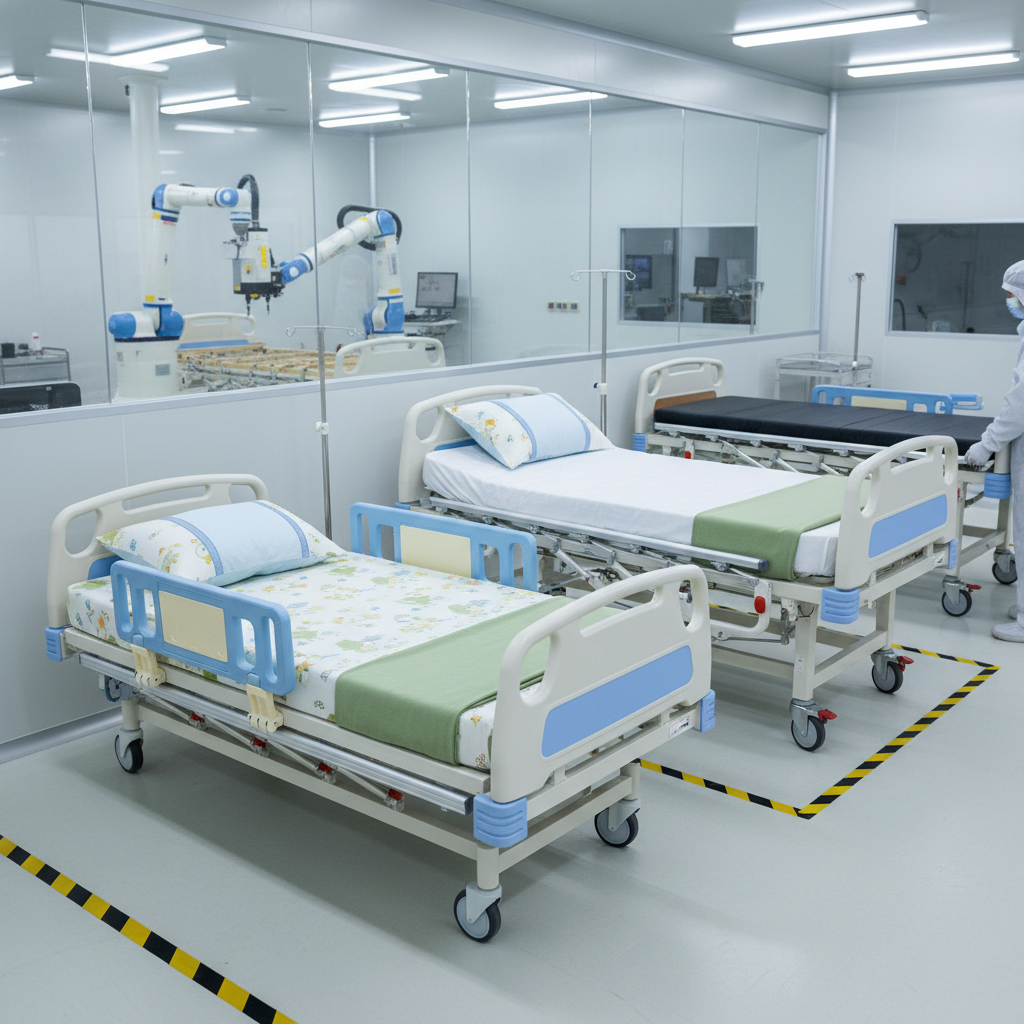
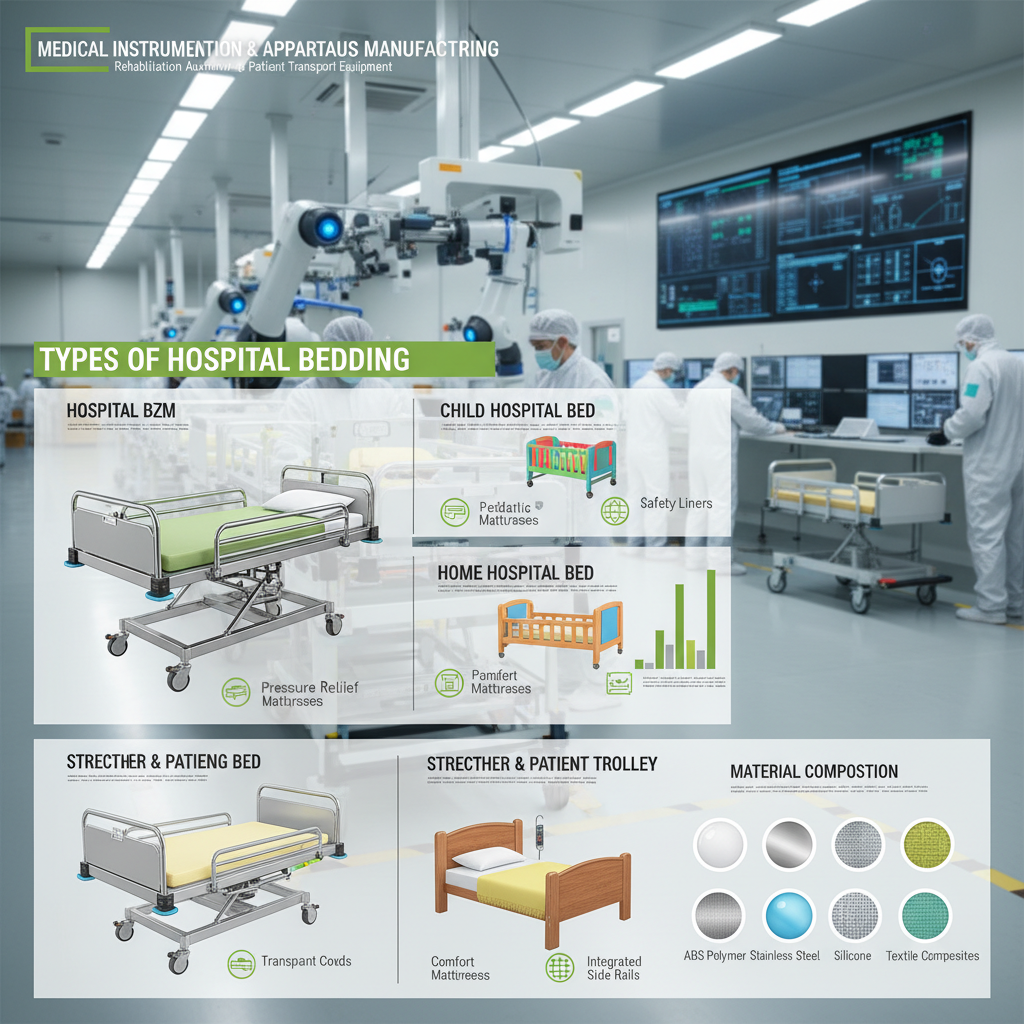
Selecting the right types of bedding in hospital settings is far more than a matter of comfort; it is a critical component of patient safety and clinical outcome management. From preventing pressure ulcers to controlling healthcare-associated infections, the textiles that touch a patient's skin for 24 hours a day serve as a primary interface between the medical facility and the recovering individual. Understanding the nuances of these materials allows healthcare providers to optimize healing environments and improve overall patient satisfaction.
Globally, the demand for specialized hospital bedding has surged as healthcare systems shift toward value-based care and patient-centric models. With the rise of chronic illnesses and an aging population, the integration of advanced materials—such as antimicrobial fabrics and moisture-wicking polymers—has become standard in modern medical infrastructure. The strategic choice of bedding materials directly impacts the workload of nursing staff and the dignity of the patient, making it a cornerstone of operational efficiency in any medical ward.
By analyzing the various types of bedding in hospital, we can see a clear evolution from simple cotton sheets to high-tech, therapeutic surfaces. This guide explores the intersection of textile engineering and patient care, providing a comprehensive overview of how different bedding solutions cater to specific medical needs, from intensive care units to rehabilitation centers. Whether for a Home Care Nursing Bed or a high-acuity Hospital Bed, the right bedding is an essential medical tool.
Global Importance of Hospital Bedding Standards
On a global scale, the standardization of types of bedding in hospital is closely tied to ISO quality standards and World Health Organization (WHO) guidelines for infection prevention. In many developing regions, the lack of standardized, washable, and hypoallergenic bedding leads to increased rates of nosocomial infections. By implementing rigorous material standards, hospitals can significantly reduce the transmission of pathogens and improve the recovery rate of patients in critical care.
Furthermore, the economic impact of poor bedding choices is substantial. The cost of treating a single stage IV pressure ulcer can run into tens of thousands of dollars. By investing in high-grade, pressure-relieving bedding and specialized mattresses for Hospital Beds, healthcare systems can lower their long-term expenditures while simultaneously enhancing the quality of life for the patient.
Defining Hospital Bedding in Modern Healthcare
When we discuss types of bedding in hospital, we are referring to a comprehensive system of textiles and surfaces designed for medical use. This includes not only the basic sheets and pillowcases but also specialized items such as draw sheets, waterproof mattress protectors, underpads (chux), and therapeutic overlays. Unlike residential bedding, hospital bedding must withstand industrial-grade laundering, resist chemical disinfectants, and maintain structural integrity under constant use.
In the context of modern industry, hospital bedding is viewed as a functional medical device rather than a mere accessory. For instance, in a Rehabilitation Equipment setting, bedding must facilitate patient movement and positioning to prevent joint stiffness. The synergy between the bed frame—such as a Child Hospital Bed or a Home Care Nursing Bed—and the bedding materials ensures that the patient remains stable and comfortable during therapeutic interventions.
From a humanitarian perspective, the provision of clean, dignified bedding is fundamental to patient rights. Whether in a high-tech urban clinic or a remote field hospital, the quality of bedding reflects the standard of care. It provides the necessary thermal regulation and skin protection required for vulnerable populations, ensuring that the most basic human need—rest—is met in a safe and hygienic environment.
Core Components of High-Performance Bedding
The first critical factor in evaluating types of bedding in hospital is Moisture Management. Patients with limited mobility often struggle with perspiration and incontinence, which can lead to skin maceration. High-performance bedding utilizes breathable, moisture-wicking fabrics that pull fluids away from the skin, maintaining a dry microclimate that is essential for preventing skin breakdown.
Another core component is Durability and Sterilization Resistance. Hospital linens undergo frequent high-temperature washing and exposure to harsh bleaching agents. The types of bedding in hospital used in professional settings must be engineered from reinforced weaves or synthetic blends that do not pill, tear, or shrink, ensuring that the barrier between the patient and the mattress remains intact.
Finally, Hypoallergenic and Biocompatible Properties are non-negotiable. Patients in a hospital setting often have compromised immune systems or highly sensitive skin. Therefore, the fabrics used must be free of irritating dyes and chemicals, reducing the risk of contact dermatitis. This is particularly vital for pediatric wards utilizing Child Hospital Beds, where skin sensitivity is at its peak.
Comparative Analysis of Bedding Material Efficacy
Choosing between different types of bedding in hospital requires a data-driven approach. Cotton remains a favorite for its breathability, but polyester blends offer superior durability. Meanwhile, specialized medical-grade vinyl or polyurethane coatings are essential for waterproof protectors used with Home Care Nursing Beds to prevent fluid ingress into the mattress foam.
When assessing the efficacy of these materials, clinicians look at pressure distribution and thermal regulation. Low-friction fabrics are often prioritized for patients requiring frequent repositioning, as they reduce shear forces on the skin, thereby lowering the incidence of pressure ulcers.
Performance Ratings of Common Types of Bedding in Hospital
Global Applications and Specialized Use Cases
The application of various types of bedding in hospital varies significantly across different clinical environments. In Intensive Care Units (ICUs), the focus is on absolute hygiene and the integration of sensors, where bedding must be compatible with monitoring equipment without interfering with electrode signals. In contrast, in maternity wards or when using a Gynecological Examination Table, the priority shifts to rapid disposability and fluid absorption.
In post-disaster relief operations or remote industrial zones, portable and lightweight bedding solutions are paramount. Here, synthetic, quick-drying fabrics are utilized because they can be easily transported and cleaned in environments with limited water access. This versatility ensures that regardless of the geographic location, the basic requirement for a sterile resting surface is met, supporting the stability of displaced populations.
Long-Term Value and Patient Psychological Impact
Investing in premium types of bedding in hospital yields tangible long-term value by reducing the "length of stay" for patients. When a patient is comfortable and their skin is protected, the risk of secondary complications—like bedsores or skin infections—plummets. This not only speeds up the recovery process but also reduces the psychological stress associated with prolonged hospitalization.
There is a profound emotional angle to bedding; the tactile feel of a soft, clean sheet can provide a sense of normalcy and dignity to a patient who may feel stripped of their autonomy. By choosing bedding that mimics the comfort of home while maintaining clinical safety, hospitals can foster a trust-based relationship with their patients, enhancing the overall healing experience.
From a sustainability perspective, the industry is moving toward high-durability textiles that reduce waste. By selecting bedding that lasts 100 washes instead of 50, hospitals can lower their carbon footprint and operational costs, aligning clinical excellence with environmental responsibility.
Future Innovations in Smart Hospital Textiles
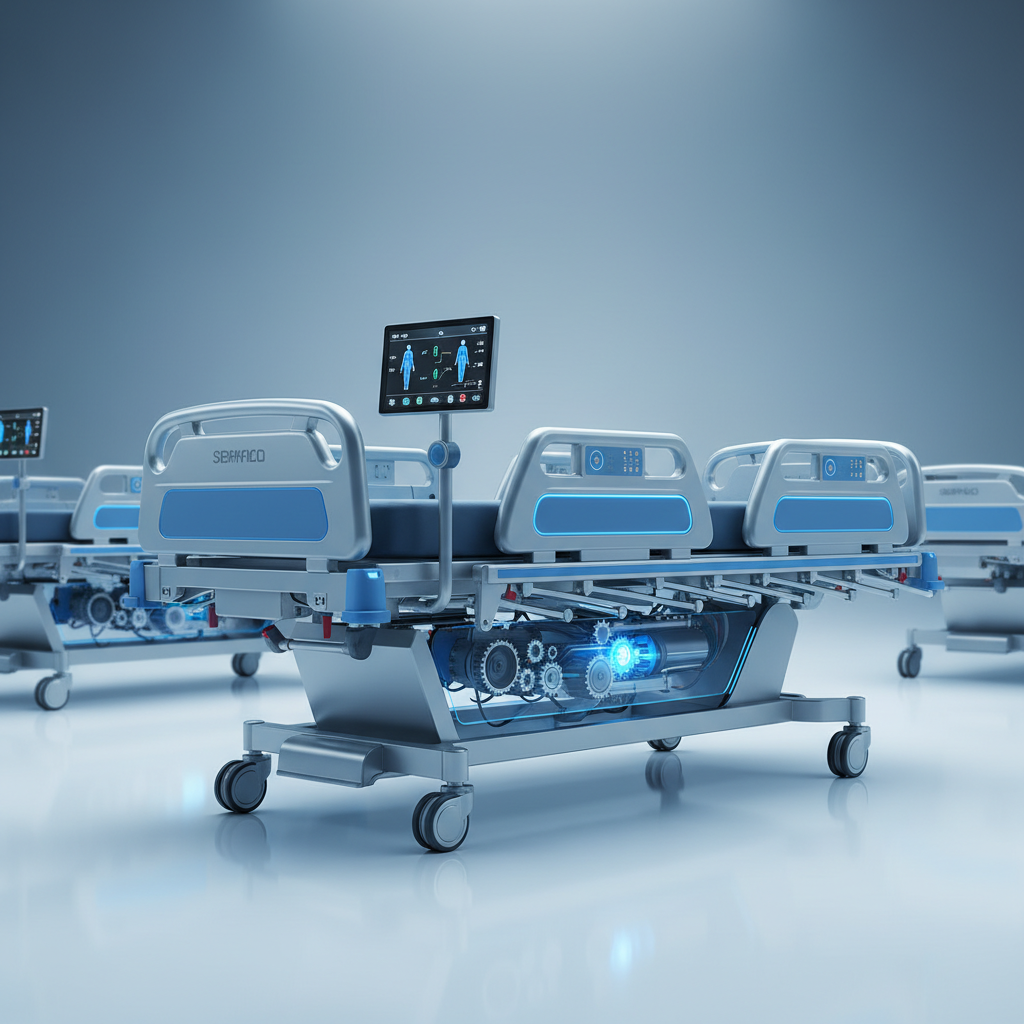
The future of types of bedding in hospital lies in the integration of "Smart Textiles." We are seeing the emergence of conductive fabrics that can monitor a patient's heart rate, respiration, and movement without the need for cumbersome wires. These smart sheets can alert nursing staff via a digital dashboard if a patient attempts to leave their bed or if they have remained stationary for too long, automating the pressure-relief turning schedule.
Furthermore, nanotechnology is being applied to create self-cleaning surfaces. Imagine bedding that uses photocatalytic coatings to break down bacteria and viruses upon exposure to light, drastically reducing the reliance on chemical detergents. This digital and material transformation is turning the hospital bed into an active diagnostic tool.
Sustainability is also driving innovation, with the development of biodegradable medical textiles made from seaweed or corn-starch polymers. These materials aim to replace single-use underpads and disposable sheets, ensuring that the healthcare industry reduces its contribution to global plastic pollution.
Analysis of Bedding Material Selection based on Clinical Needs
| Bedding Material |
Primary Clinical Use |
Durability Score (1-10) |
Skin Safety Rating |
| Medical Grade Cotton |
General Ward / Pediatrics |
6 |
Excellent |
| Antimicrobial Polyester |
ICU / Surgery Recovery |
9 |
Good |
| Polyurethane Coated |
Incontinence Care / Home Care |
8 |
Fair |
| Low-Shear Silk Blend |
Burn Units / Geriatrics |
5 |
Superior |
| Disposable Non-Woven |
Examination Tables / ER |
2 |
Moderate |
| Smart Sensor Fabric |
High-Acuity Monitoring |
7 |
Good |
FAQS
The most common types include fitted and flat sheets, pillowcases, draw sheets (used for repositioning patients), and waterproof mattress protectors. Depending on the patient's needs, hospitals also use specialized pressure-relieving overlays, antimicrobial linens for infection control, and disposable underpads for fluid management. Each serves a specific role in maintaining hygiene and skin integrity.
For home care, prioritize moisture-wicking materials and waterproof protectors to safeguard the mattress from spills and incontinence. Since home laundering may differ from industrial processes, look for durable polyester-cotton blends that can withstand frequent washing without losing softness. Ensure the bedding is hypoallergenic to prevent skin irritation during long-term use.
Yes, bedding that creates excessive friction or "shear" can damage the epidermis, especially in immobile patients. Rough fabrics or sheets that bunch up can create pressure points. Using low-friction, smooth fabrics and ensuring sheets are pulled taut helps distribute pressure more evenly and reduces the risk of skin breakdown.
Antimicrobial linens, often infused with silver ions or specialized chemical finishes, can significantly reduce the microbial load on the surface of the fabric. While they are not a replacement for regular sterilization and laundering, they provide an extra layer of defense in high-risk environments like ICUs, helping to inhibit the growth of bacteria between cleaning cycles.
For immobile patients, bedding should be changed immediately upon becoming soiled. For general maintenance, a daily change or every two days is standard, depending on the facility's protocol. However, the most critical factor is keeping the skin dry; therefore, moisture-wicking types of bedding in hospital should be monitored frequently by nursing staff.
Bamboo is highly breathable and naturally hypoallergenic, making it excellent for patient comfort. However, in a professional hospital setting, it may lack the industrial durability of polyester blends. It is often better suited for long-term care facilities or home care settings where a more "homelike" feel is desired and the laundering is less aggressive than in an acute care hospital.
Conclusion
In summary, the selection of types of bedding in hospital is a strategic decision that impacts every facet of patient care, from the prevention of hospital-acquired infections to the psychological well-being of the recovering individual. By balancing the technical requirements of durability, moisture management, and biocompatibility with the human need for comfort and dignity, healthcare providers can create an environment that truly facilitates healing.
Looking forward, the integration of smart textiles and sustainable materials will redefine the role of bedding from a passive surface to an active medical tool. We encourage healthcare administrators and home caregivers to continuously evaluate their bedding choices to ensure they align with the latest clinical standards. For high-quality medical furniture and accessories that complement professional bedding, visit our website: www.zfmedicare.com.