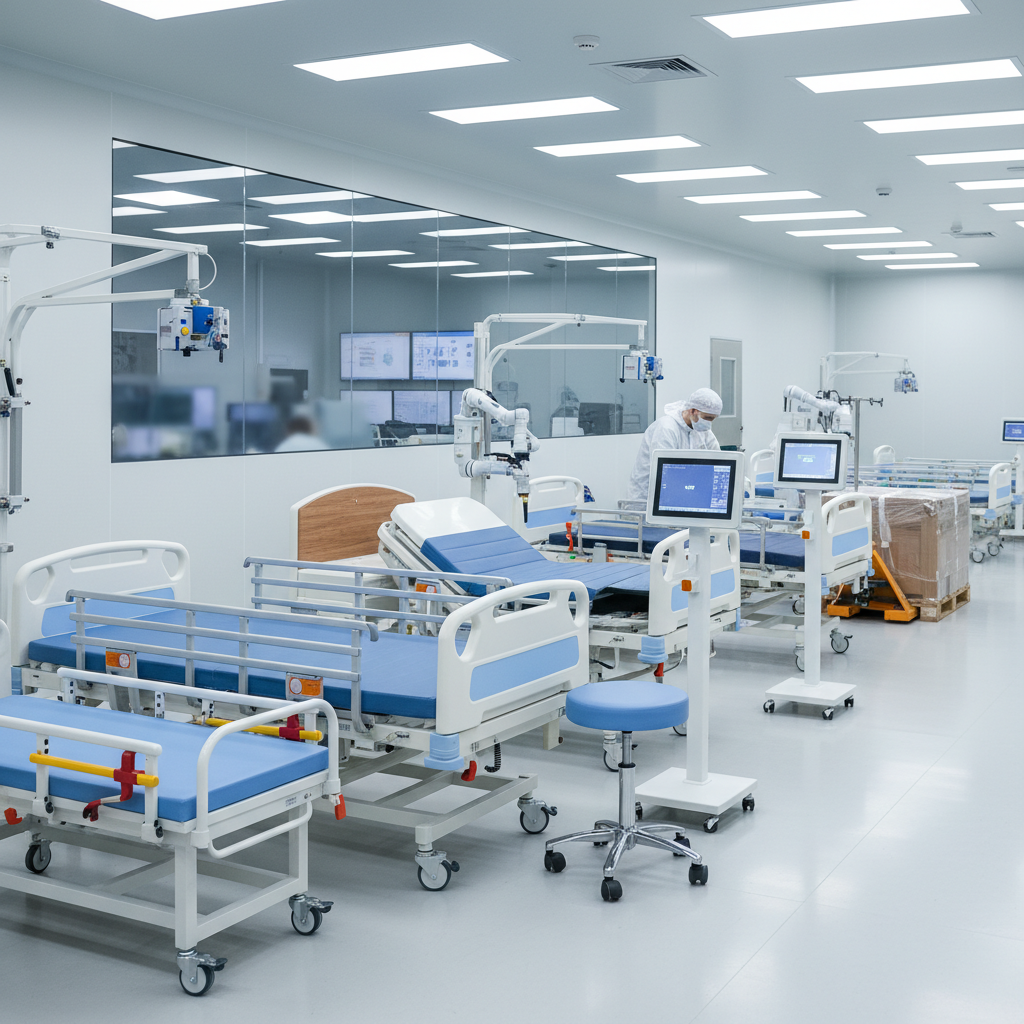
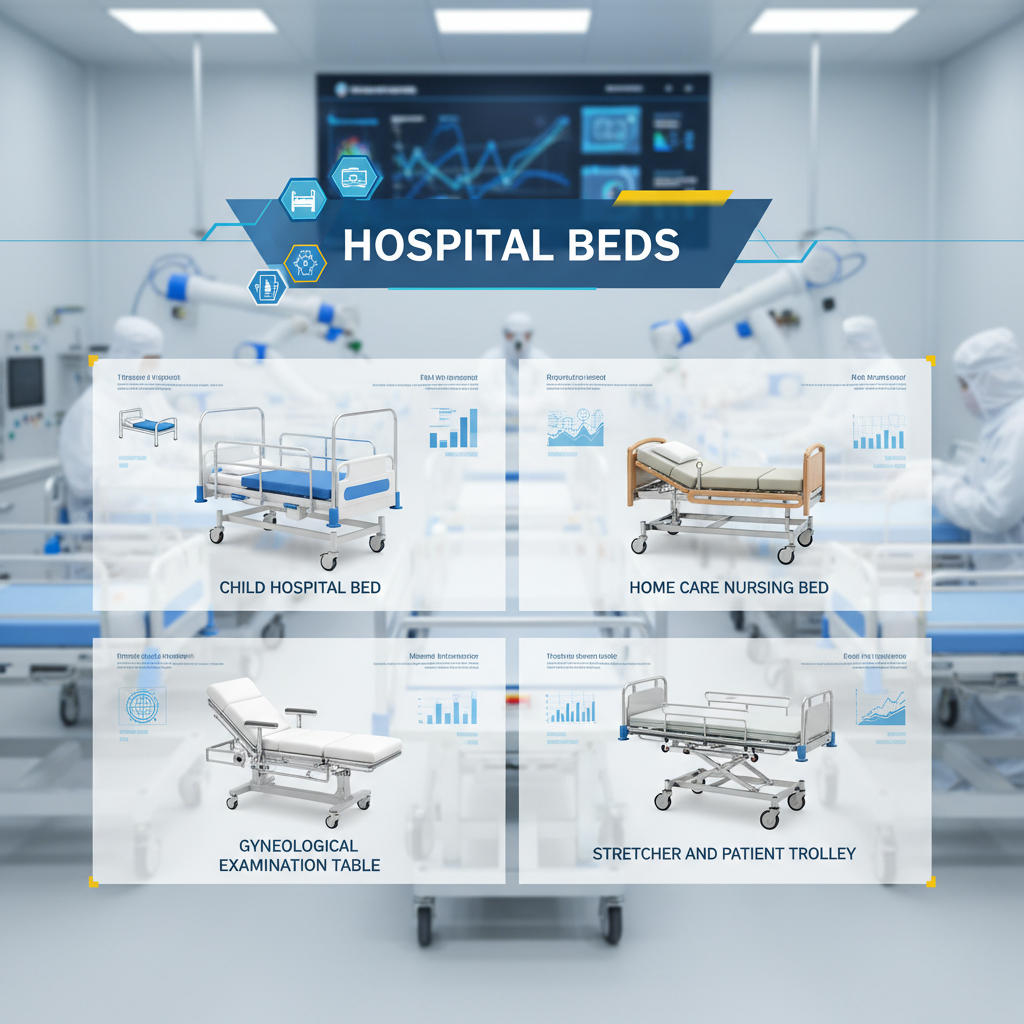
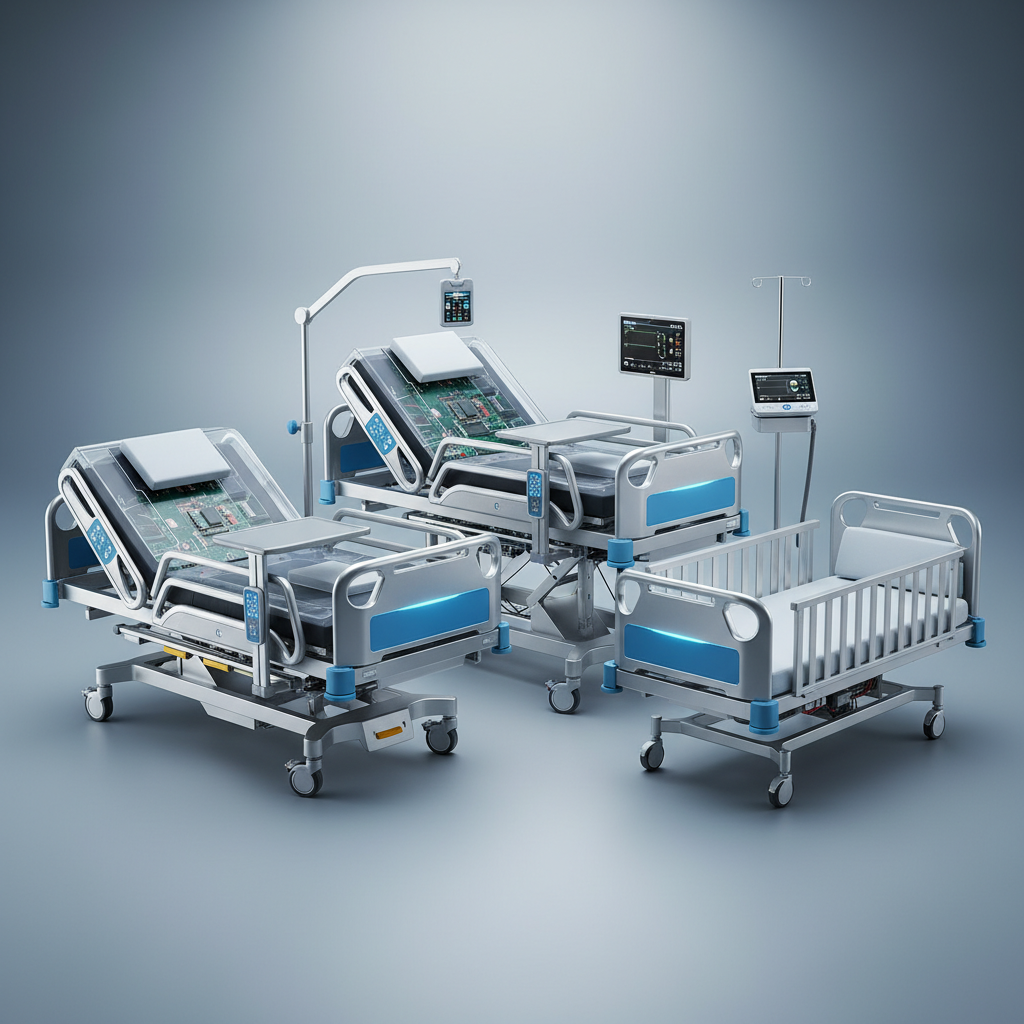
Selecting the appropriate medical bedding is not merely a matter of furniture procurement but a critical clinical decision that directly impacts patient recovery rates and caregiver efficiency. The various types of bed used in hospital are engineered to address specific medical needs, from acute surgical recovery to long-term geriatric care, ensuring that patients remain stable, comfortable, and safe throughout their treatment journey.
Globally, the evolution of patient support surfaces has shifted toward "smart" ergonomics, where the bed acts as a therapeutic tool rather than a passive resting place. By understanding the nuanced differences between manual, semi-electric, and fully automated systems, healthcare administrators can optimize ward layouts and reduce the prevalence of hospital-acquired complications such as pressure ulcers and ventilator-associated pneumonia.
Whether it is a specialized pediatric unit requiring child-specific dimensions or an intensive care unit (ICU) needing advanced tilt functions, the diversity in types of bed used in hospital allows for a personalized approach to medicine. This comprehensive guide explores the technical specifications, application scenarios, and future trends of these essential medical assets.
Global Industry Context of Hospital Bedding
The global healthcare infrastructure is currently facing an unprecedented strain due to aging populations and the rise of chronic respiratory and cardiovascular diseases. According to data aligned with WHO and ISO standards, the demand for specialized medical furniture has surged, as hospitals transition toward "patient-centric" care. The strategic selection of types of bed used in hospital is now a key metric in reducing the average length of stay (ALOS) and improving patient throughput.
In many emerging economies, the challenge lies in balancing cost-efficiency with clinical efficacy. While basic manual beds remain prevalent in rural clinics, the shift toward motorized and pneumatic systems is accelerating in urban medical hubs to combat nursing shortages and prevent caregiver burnout. The integration of these advanced bedding systems is no longer a luxury but a necessity for maintaining international healthcare accreditation.
Defining Modern Types of Bed Used in Hospital
In professional medical terminology, the types of bed used in hospital refer to a specialized category of therapeutic furniture designed to support patients during recovery, surgery, or long-term maintenance. Unlike residential beds, these are engineered as medical devices, incorporating adjustable heights, articulation points, and specialized surfaces that manage moisture and pressure distribution.
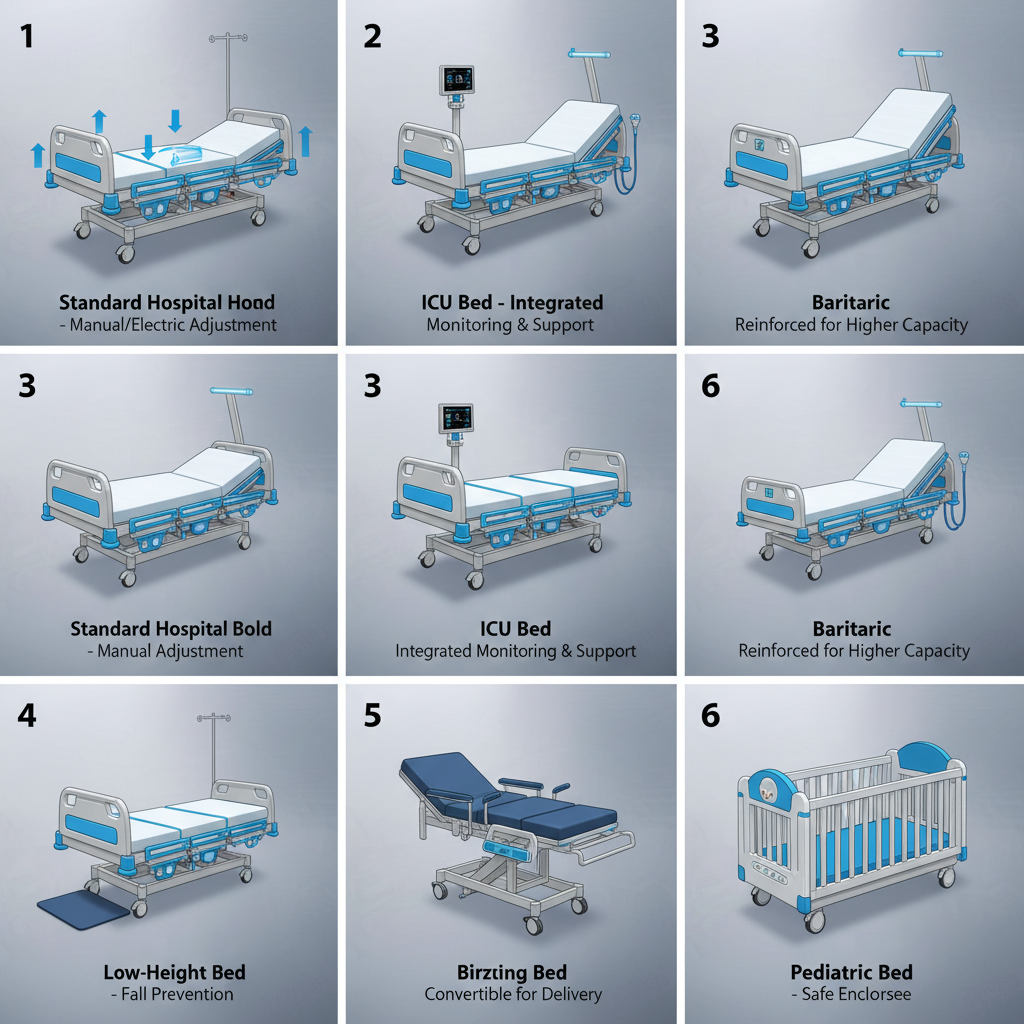
These systems are fundamentally categorized by their mechanism of operation: manual beds (operated by cranks), semi-electric beds (electric head/foot adjustment with manual height), and full-electric beds (complete automation). Beyond the mechanism, they are further differentiated by their clinical purpose, such as bariatric beds for obese patients or pediatric beds scaled for children, ensuring a precise fit for every physiological requirement.
From a humanitarian perspective, the accessibility of high-quality bedding is a matter of basic dignity. Modern hospital beds integrate safety rails and emergency braking systems, transforming the bed from a simple place of rest into a protective environment that prevents falls and facilitates the rapid movement of patients during critical emergency interventions.
Core Components of Medical Bed Engineering
Durability and sterilization are the primary pillars when analyzing the types of bed used in hospital. The frame is typically constructed from high-grade epoxy-coated steel or aluminum to withstand rigorous chemical disinfection protocols without corroding, ensuring a long lifecycle even in high-turnover environments.
Pressure Redistribution is another critical factor. Advanced types of bed used in hospital utilize alternating pressure mattresses or low-air-loss systems to prevent decubitus ulcers, which are a significant risk for immobile patients. This engineering focus on the skin-to-surface interface is vital for long-term care success.
Finally, Scalability and Modularity allow these beds to integrate with other hospital furniture. Whether it is attaching a medical cart or integrating a sliding dining table, the design must accommodate various peripherals. This ensures that the bed becomes the center of a comprehensive care ecosystem rather than an isolated piece of equipment.
Global Applications and Use Cases
The application of various types of bed used in hospital varies significantly across different medical departments. In the ICU, high-dependency beds with lateral rotation capabilities are used to help clear pulmonary secretions and prevent pneumonia. Conversely, in rehabilitation wards, beds with traction attachments and high-mobility casters are prioritized to facilitate the transition from bed to wheelchair.
In post-disaster relief operations or field hospitals, the emphasis shifts toward rapid deployment and ruggedness. Lightweight, foldable stretchers and basic manual beds are deployed to provide immediate stability. In these remote industrial zones or conflict regions, the ability to maintain hygiene and basic ergonomic support is the difference between a successful recovery and secondary infection.
Clinical Efficacy of Different Types of Bed Used in Hospital
Long-term Value and Patient Advantages
Investing in high-quality types of bed used in hospital yields significant long-term economic and clinical value. From a logical standpoint, reducing the incidence of pressure sores through superior mattress technology eliminates the costly and time-consuming wound care treatments that often extend hospital stays.
From an emotional and psychological perspective, the ability to adjust one's position independently using a remote control restores a sense of autonomy to the patient. This feeling of control is a powerful catalyst for mental well-being, reducing hospital-induced anxiety and fostering a more positive relationship between the patient and the healthcare provider.
Future Trends in Smart Bedding Technology
The next frontier for types of bed used in hospital is the integration of the Internet of Medical Things (IoMT). Future beds are expected to feature embedded sensors that monitor patient weight, respiratory rate, and movement patterns in real-time, alerting nursing stations immediately if a patient attempts to leave the bed unassisted.
Sustainability is also driving innovation in materials. We are seeing a transition toward eco-friendly, medical-grade polymers and recyclable alloys that reduce the carbon footprint of medical furniture manufacturing. These "green" beds maintain strict antimicrobial properties while adhering to global environmental standards.
Furthermore, automation is evolving toward AI-driven positioning. Imagine a bed that automatically adjusts its angle based on the patient's oxygen saturation levels or one that gently shifts the patient's weight every hour to prevent pressure points without requiring manual intervention from a nurse.
Overcoming Challenges in Bed Implementation
One of the primary challenges in deploying advanced types of bed used in hospital is the initial capital expenditure and the subsequent need for technical training. Many facilities struggle with the learning curve associated with complex electronic interfaces, which can lead to underutilization of the bed's most beneficial features.
To overcome this, manufacturers are now providing intuitive, icon-based control panels and comprehensive digital training modules. By simplifying the user interface, hospitals can ensure that even rotating staff can operate the equipment safely and efficiently, maximizing the return on investment.
Another limitation is the maintenance of electronic components in high-humidity or saline-heavy environments. The solution lies in the adoption of hermetically sealed actuators and IP-rated electronic housing, ensuring that the "smart" aspects of the bed do not become a liability during routine cleaning or in specialized departments.
Comparative Analysis of Bed Implementation Dimensions
|
Bed Category
|
Clinical Priority
|
Cost-Benefit Ratio
|
Maintenance Level
|
| Manual Bed |
Basic Stability |
High (Low Cost) |
Very Low |
| Semi-Electric |
Caregiver Ease |
Medium |
Low |
| Full-Electric |
Patient Autonomy |
Medium-High |
Medium |
| ICU Smart Bed |
Life Support |
High (Clinical Value) |
High |
| Bariatric Bed |
Weight Distribution |
Medium |
Medium |
| Pediatric Bed |
Safety/Dimensions |
Medium |
Low |
FAQS
Manual beds rely on hand-operated cranks to adjust the head and foot sections, making them cost-effective and reliable for low-acuity patients. Electric beds use motorized actuators controlled by a remote or panel, significantly reducing the physical strain on nurses and allowing patients to adjust their own position, which is essential for recovery in high-acuity wards.
For long-term care, focus on pressure redistribution and caregiver ergonomics. Look for beds with high-low functionality to prevent caregiver back injuries and specialized mattresses (like alternating pressure) to prevent bedsores. Ensure the bed is compatible with accessories like shower chairs or medical carts to create a holistic care environment.
While primarily designed for patients with higher BMI to ensure safety and structural integrity, bariatric beds also provide extra width and reinforced frames that benefit any patient requiring more space for multiple caregivers to provide treatment simultaneously. They prioritize stability and extreme weight capacity to prevent frame failure.
Essential safety features include lockable heavy-duty casters to prevent accidental movement, side rails that are easy to secure but quick to release for emergencies, and an emergency CPR release that flattens the bed instantly. Additionally, ensure the materials are non-toxic and antimicrobial to prevent cross-contamination.
Yes, home care nursing beds are a specific subset of hospital beds designed for domestic environments. They offer similar adjustable features but are often styled to look less institutional and include quieter motors to avoid disturbing the household, while still providing the clinical support needed for chronic illness management.
Depending on the usage intensity, electric beds should undergo a professional technical audit every 6 to 12 months. This includes checking actuator performance, testing the emergency stop buttons, and inspecting the integrity of the frame and mattress seams to ensure patient safety and prolong the asset's lifespan.
Conclusion
The strategic deployment of various types of bed used in hospital is a cornerstone of modern medical efficiency and patient safety. From the rugged simplicity of manual beds to the AI-integrated systems of the ICU, each bed type serves a specific clinical purpose designed to minimize complications and maximize recovery. By focusing on durability, pressure redistribution, and ergonomic design, healthcare providers can significantly enhance the quality of care and the operational lifespan of their equipment.
As the industry moves toward a more digital and sustainable future, the integration of smart sensors and eco-friendly materials will redefine the patient experience. We encourage healthcare administrators and procurement officers to look beyond the initial cost and evaluate the long-term clinical value and caregiver impact of their bedding choices. For world-class medical furniture and specialized bedding solutions, visit our website: www.zfmedicare.com.