Adjustable cots for patients represent a vital component in modern healthcare, offering enhanced patient comfort, safety, and clinical efficiency. The global demand for these specialized beds is steadily increasing, driven by an aging population, rising incidence of chronic diseases, and a growing emphasis on patient-centered care. Understanding the nuances of adjustable cot for patients price is crucial for healthcare providers, facility managers, and procurement specialists seeking optimal solutions for patient care.
The healthcare landscape is evolving, demanding increasingly sophisticated equipment to meet the diverse needs of patients. Adjustable cots address critical challenges related to pressure ulcer prevention, respiratory support, and post-operative recovery. Furthermore, features like adjustable height and tilt contribute to improved caregiver ergonomics and reduced risk of injury. Investing in quality adjustable cots, while considering the adjustable cot for patients price, is an investment in better patient outcomes and a more sustainable healthcare system.
Beyond clinical benefits, the economic aspects of selecting the right adjustable cot are paramount. Long-term cost-effectiveness, durability, and ease of maintenance should all be factored into the decision-making process. This article provides a comprehensive overview of adjustable cots, covering their key features, applications, future trends, and ultimately, helping you navigate the complexities of adjustable cot for patients price to make an informed choice.
The Significance of Adjustable Cots in Healthcare
Adjustable cots are no longer a luxury but a necessity in modern hospitals and care facilities. They provide clinicians with the flexibility to optimize patient positioning for a wide range of medical conditions, promoting faster healing and improved patient comfort. Considering the adjustable cot for patients price, understanding the features that contribute to patient outcomes is paramount.
The increasing demand for these specialized beds is directly linked to the global rise in aging populations and the subsequent increase in age-related illnesses. Adjustable cots play a key role in preventing pressure ulcers, managing respiratory distress, and facilitating post-operative care, ultimately reducing hospital readmission rates and improving the overall quality of care.
Defining Adjustable Cots for Patient Use
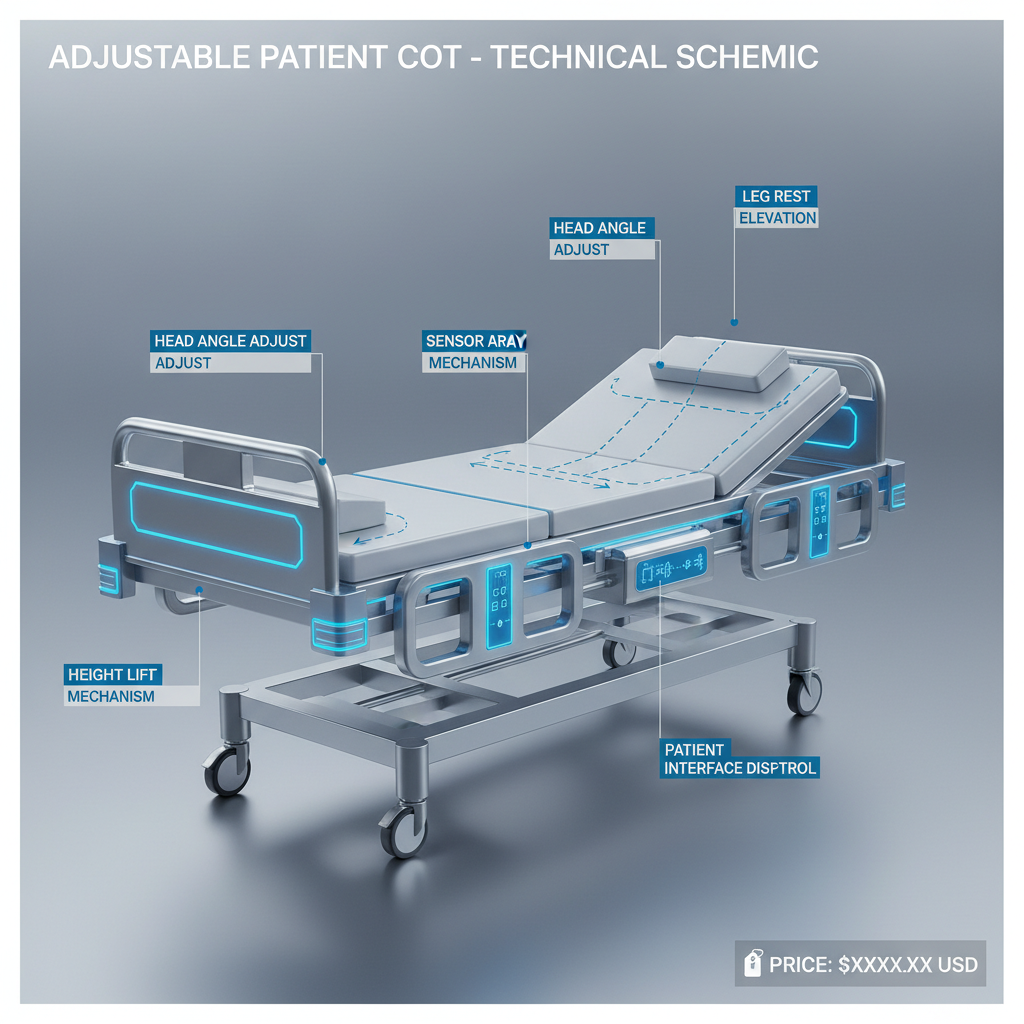
An adjustable cot for patients is a specialized bed designed to allow for multiple adjustments to accommodate the unique needs of individuals receiving medical care. These adjustments typically include height, head and foot elevation, side rail positioning, and often, specialized features like Trendelenburg and reverse Trendelenburg positioning. A fundamental aspect of evaluating adjustable cot for patients price is aligning features with clinical needs.
Unlike standard hospital beds, adjustable cots prioritize patient comfort and caregiver efficiency. The ability to fine-tune bed positioning can significantly improve patient breathing, circulation, and overall well-being. Modern designs often incorporate electric motors for easy adjustment, reducing strain on both patients and healthcare staff.
This type of equipment is crucial not only in acute care settings but also in long-term care facilities, rehabilitation centers, and even home healthcare, providing a consistent level of care regardless of location. The accessibility and functionality of an adjustable cot directly impact the quality of life for patients requiring prolonged bed rest or specialized medical attention.
Core Components Influencing Adjustable Cot for Patients Price
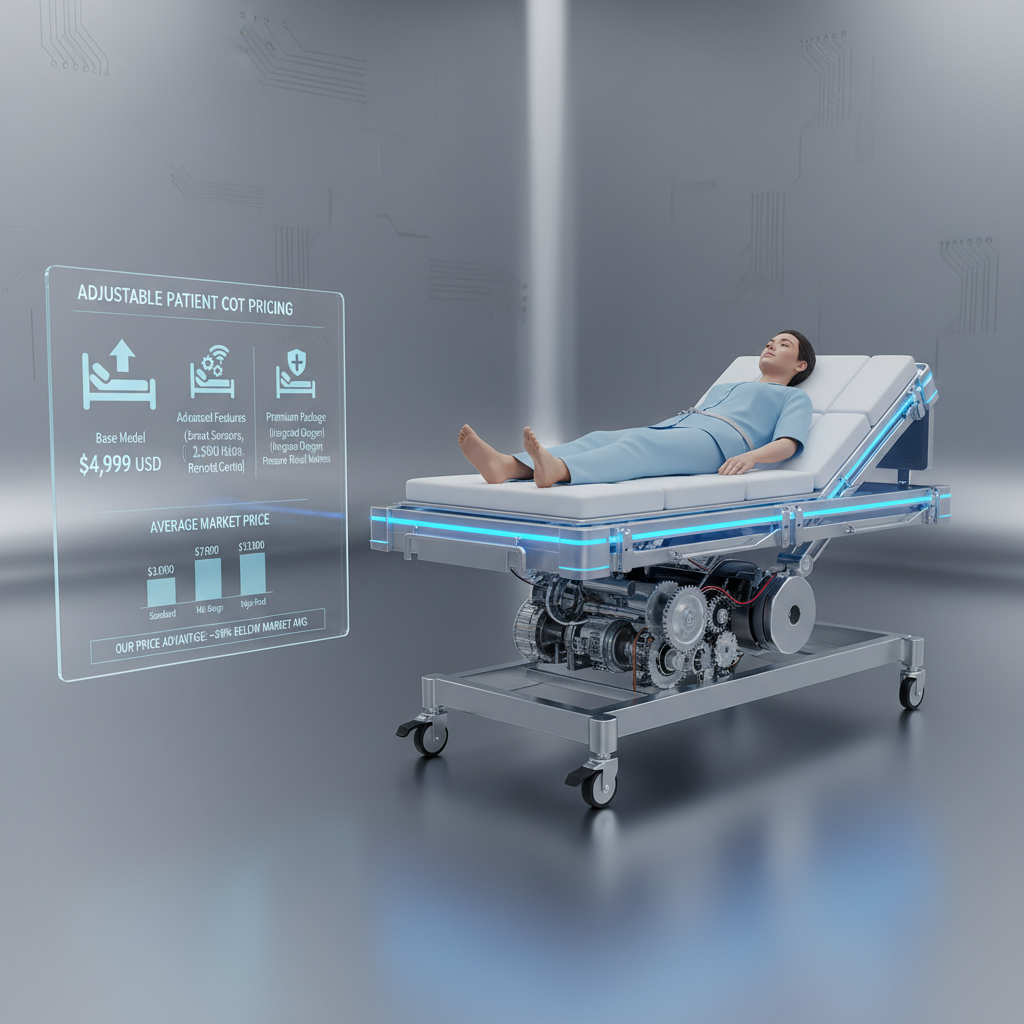
Several key components contribute to the overall cost and performance of an adjustable cot. The frame material – typically steel or aluminum – significantly impacts durability and weight capacity. Higher-grade materials often translate to a higher adjustable cot for patients price, but offer greater longevity and reliability.
The type of adjustment mechanism – manual, electric, or a combination – also plays a crucial role in determining price. Electric adjustable cots, while more expensive upfront, offer increased convenience and ease of use, particularly for patients with limited mobility or caregivers facing ergonomic challenges. The complexity of the control system influences the final adjustable cot for patients price.
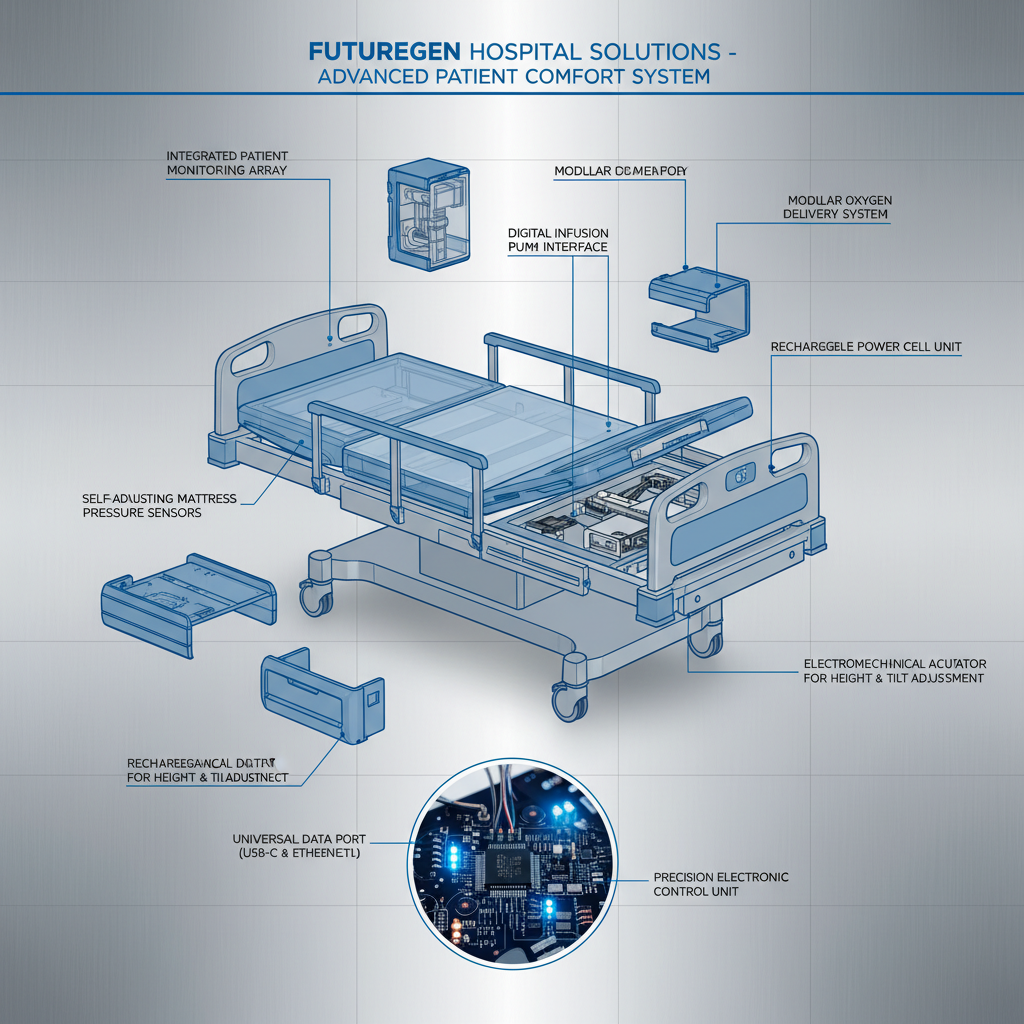
Additional features, such as integrated scales, pressure mapping sensors, and specialized mattress compatibility, further contribute to the overall cost. Selecting features based on specific clinical needs is essential to optimizing value and ensuring a justifiable adjustable cot for patients price.
Global Applications and Diverse Use Cases
Adjustable cots find widespread application across a diverse range of healthcare settings globally. In developed nations, they are standard equipment in hospitals, nursing homes, and rehabilitation centers, catering to patients recovering from surgery, managing chronic conditions, or requiring palliative care. The adjustable cot for patients price can vary significantly based on regional healthcare standards and budgetary constraints.
In developing countries, adjustable cots are increasingly being utilized in humanitarian aid efforts, providing essential support to patients in disaster relief operations and underserved communities. Their versatility and adaptability make them invaluable in situations where access to specialized medical equipment is limited. Organizations like the Red Cross often utilize these cots in emergency response scenarios.
Beyond traditional healthcare settings, adjustable cots are also gaining popularity in home healthcare, enabling patients to receive quality care in the comfort of their own homes. This trend is driven by a growing preference for home-based care and the increasing availability of telehealth services.
Average Adjustable Cot Features and Associated Cost Increases
Advantages and Long-Term Value Proposition
Investing in high-quality adjustable cots offers numerous advantages beyond immediate patient care. Reduced risk of pressure ulcers translates to fewer complications and shorter hospital stays, ultimately lowering healthcare costs. Proper patient positioning facilitated by adjustable cots also minimizes the risk of musculoskeletal injuries for both patients and caregivers, contributing to a safer work environment. A sensible adjustable cot for patients price considers these long-term benefits.
From a sustainability perspective, durable adjustable cots with readily available replacement parts reduce the need for frequent replacements, minimizing waste and environmental impact. The long-term reliability of these beds provides a strong return on investment, making them a cost-effective solution for healthcare facilities.
Future Trends and Innovations in Patient Cots
The future of adjustable cots is poised for significant innovation. We can expect to see increased integration of smart technologies, such as remote monitoring systems, pressure mapping sensors with real-time data analysis, and AI-powered adjustment algorithms. These advancements will enable more personalized and proactive patient care.
Furthermore, the development of antimicrobial surfaces and self-cleaning mechanisms will contribute to enhanced infection control, a critical concern in healthcare settings. Research into lightweight, yet incredibly strong, materials will further improve portability and maneuverability, and ultimately impact the adjustable cot for patients price.
Challenges and Solutions in Cot Implementation
Despite the numerous benefits, implementing adjustable cots can present certain challenges. Initial acquisition costs can be a barrier for some facilities, particularly in resource-constrained settings. Proper staff training is essential to ensure optimal utilization of features and avoid potential safety hazards.
To address these challenges, healthcare providers should explore financing options, such as leasing programs or phased implementations. Investing in comprehensive training programs and developing clear protocols for cot usage are crucial for maximizing benefits and minimizing risks. Careful consideration of the total cost of ownership, not just the initial adjustable cot for patients price, is paramount.
Ongoing maintenance and preventative servicing are also vital for ensuring long-term reliability and minimizing downtime. Establishing a robust maintenance schedule and partnering with qualified service providers can help mitigate these challenges.
Summary of Key Factors Influencing Adjustable Cot Selection
| Feature Set |
Durability & Materials |
Ergonomic Design |
Maintenance Requirements |
| Range of adjustments (height, head/foot, etc.) |
Steel frame quality, weight capacity |
Ease of use for caregivers and patients |
Frequency of servicing, parts availability |
| Presence of specialized features (Trendelenburg, weighing scale) |
Corrosion resistance, material lifespan |
Control system intuitiveness, accessibility |
Cost of replacement parts, repair complexity |
| Compatibility with existing hospital equipment |
Resistance to damage from cleaning agents |
Patient safety features (side rails, locking mechanisms) |
Warranty duration and coverage |
| Integration with electronic health records |
Overall build quality and craftsmanship |
Caregiver comfort during adjustment |
Availability of technical support |
| Remote monitoring capabilities |
Compliance with relevant safety standards |
Adjustability precision and responsiveness |
Ease of cleaning and disinfection |
| Data analytics for patient positioning |
Long-term durability testing results |
Minimize manual handling requirements |
Preventive maintenance schedule availability |
FAQS
A well-maintained, high-quality adjustable cot typically has a lifespan of 7-10 years, depending on usage intensity and adherence to maintenance schedules. Choosing durable materials and investing in regular servicing can extend its lifespan. Considering the long-term cost when evaluating the adjustable cot for patients price is critical.
Essential safety features include reliable locking mechanisms for all adjustments, sturdy side rails to prevent falls, and a stable base to prevent tipping. Look for cots that meet relevant safety standards (e.g., IEC 60601-1). Prioritizing safety, even if it slightly increases the adjustable cot for patients price, is paramount.
The weight capacity should be carefully considered to ensure it meets the needs of your patient population. Exceeding the weight limit can compromise the cot's stability and safety. Always check the manufacturer's specifications before use. Failing to do so can void any warranties related to the adjustable cot for patients price.
Manual cots rely on manual cranks or levers for adjustment, while electric cots use motors. Electric cots offer greater convenience and ease of use, especially for patients with limited mobility or caregivers. However, they generally come at a higher adjustable cot for patients price and require access to power.
Look for cots with smooth, non-porous surfaces that are easy to wipe down with disinfectant. Ensure the mattress is also easily cleanable or protected with a waterproof cover. Proper cleaning and disinfection are crucial for preventing the spread of infection. The materials used influence the adjustable cot for patients price, but prioritizing hygiene is essential.
Warranty terms vary by manufacturer, but typically range from 1 to 5 years for the frame and components. Check the warranty details carefully to understand what is covered and what is not. A longer warranty can provide peace of mind and protect your investment, justifying a higher adjustable cot for patients price.
Conclusion
Adjustable cots are a cornerstone of modern healthcare, offering significant benefits for both patients and caregivers. By understanding the key features, applications, and emerging trends, healthcare providers can make informed decisions that optimize patient care, enhance safety, and improve operational efficiency. Carefully evaluating the adjustable cot for patients price in relation to long-term value is crucial.
As technology continues to advance, we can expect to see even more innovative features integrated into adjustable cots, further transforming the landscape of patient care. Proactive adoption of these advancements will be essential for healthcare facilities seeking to provide the highest quality of care and remain competitive in a rapidly evolving industry.