Selecting the right medical bed is not merely a matter of furniture procurement but a critical decision that directly impacts patient outcomes, caregiver ergonomics, and the overall efficiency of healthcare delivery. Understanding the various types of bed in medical settings allows healthcare providers to match specific patient needs—ranging from acute critical care to long-term rehabilitation—with the appropriate supportive technology.
Across the global healthcare landscape, the evolution of patient surfaces has shifted from simple frames to complex, integrated systems. Whether it is a specialized Child Hospital Bed for pediatric safety or a high-dependency Home Care Nursing Bed, the goal remains the same: to prevent pressure ulcers, facilitate patient mobility, and ensure the dignity of the individual during their recovery process.
By exploring the diverse range of types of bed in medical environments, facilities can optimize their space and resources while adhering to international safety standards. This comprehensive guide examines the technical specifications and clinical applications of these essential tools to help you make an informed procurement decision.
The Fundamental Role of Types of Bed in Medical Care
The diversity of types of bed in medical practice is driven by the need for precision in patient positioning. From the ICU, where beds must support advanced ventilation and monitoring, to rehabilitation centers where beds facilitate early mobilization, the bed serves as the primary interface between the patient and the healthcare system.
Modern medical beds are designed to mitigate the risks associated with prolonged immobility. By integrating adjustable height, tilting mechanisms, and specialized pressure-relieving mattresses, these beds reduce the incidence of hospital-acquired pneumonia and deep vein thrombosis, making them indispensable assets in any clinical setting.
Classifying Medical Beds by Clinical Function
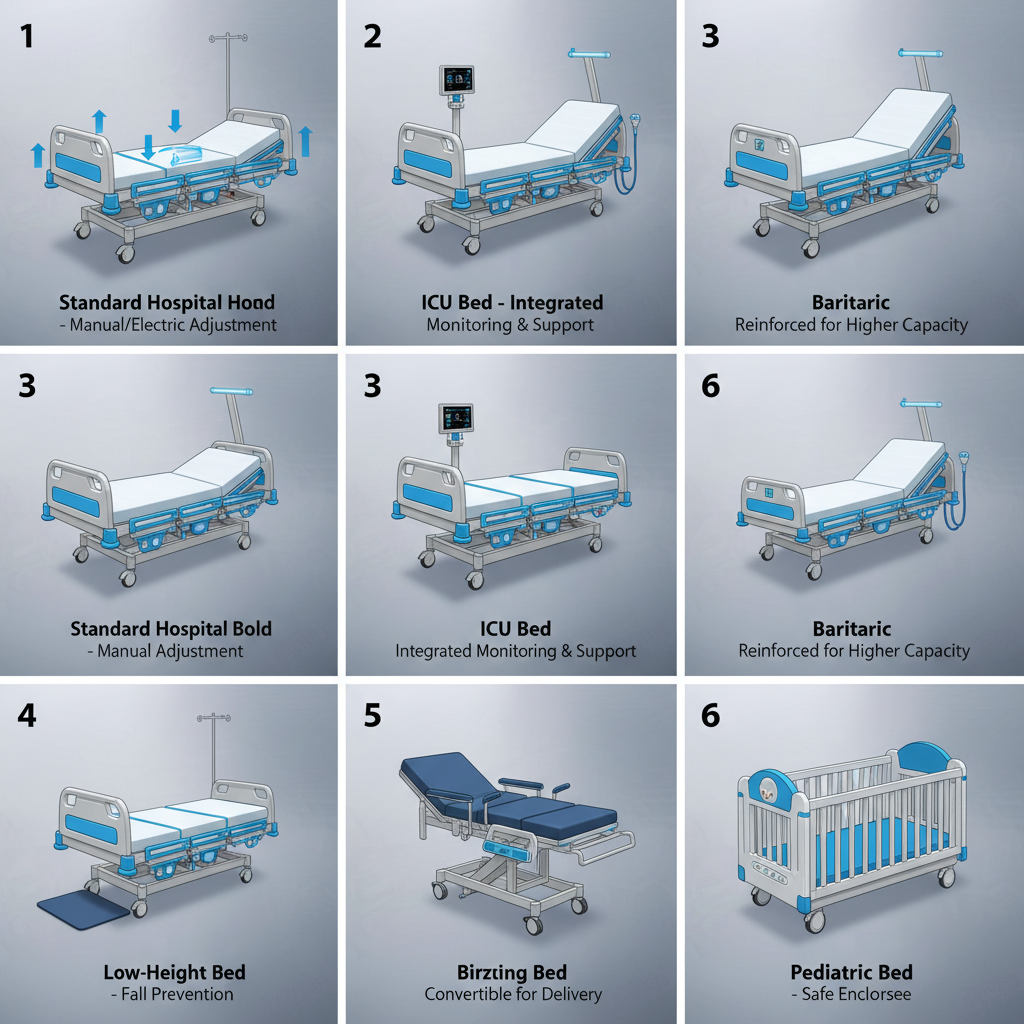
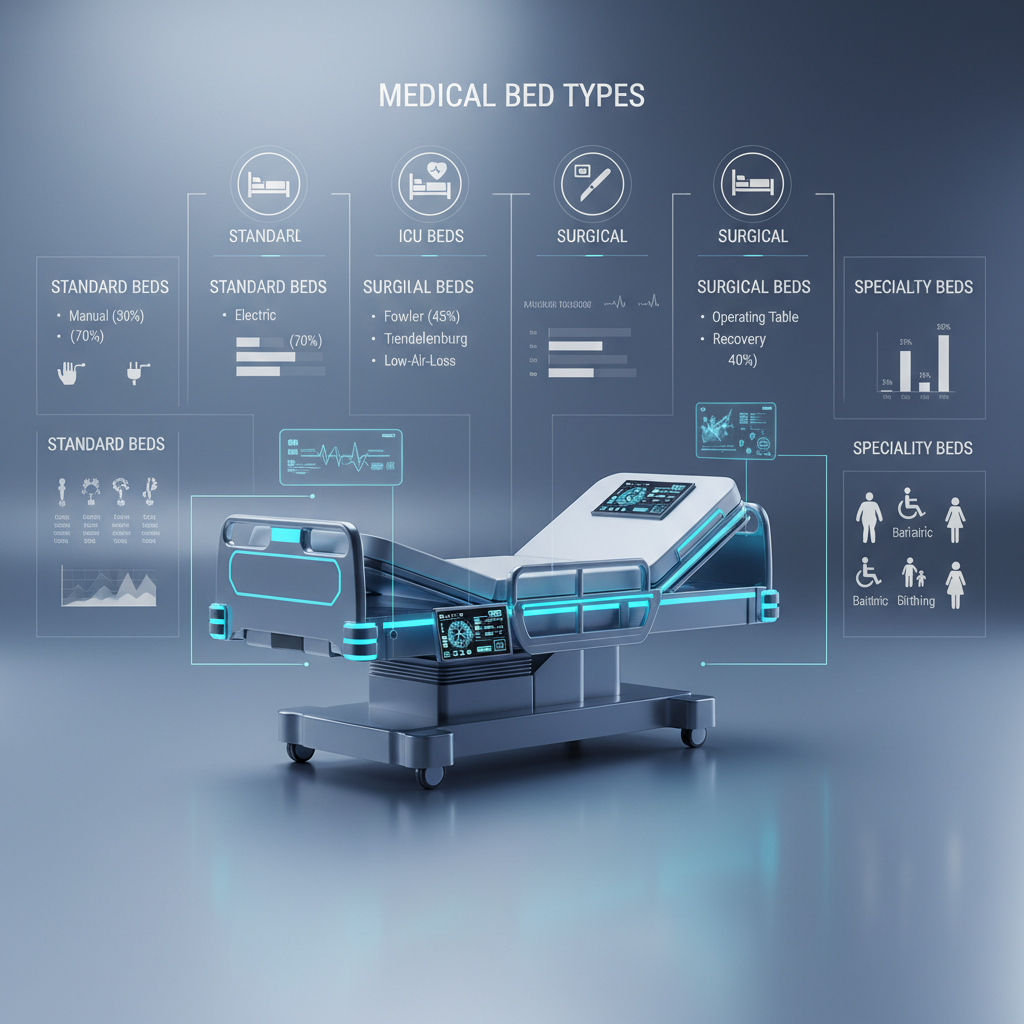
Medical beds are generally categorized into manual, semi-electric, and fully electric models. Manual beds are often preferred in low-resource settings or specific triage areas due to their simplicity and lack of reliance on power. However, for chronic care, fully electric types of bed in medical facilities allow patients to maintain independence by adjusting their own head and foot elevations.
Specialized beds cater to unique patient demographics. For instance, Child Hospital Beds feature reinforced guardrails and smaller dimensions to ensure pediatric safety, while Bariatric beds are engineered with heavy-duty frames and wider platforms to support patients with higher Body Mass Indices (BMI) without compromising structural integrity.
Additionally, there are focused utility beds like the Gynecological Examination Table, which prioritizes accessibility and ergonomic positioning for diagnostic procedures. This classification ensures that the physical environment adapts to the patient's medical condition rather than forcing the patient to adapt to a generic piece of furniture.
Core Components and Engineering Standards
The structural integrity of various types of bed in medical use depends on high-grade steel or aluminum alloys. Durability is paramount, as these beds must withstand constant sanitization with harsh chemicals and the physical stress of frequent patient transfers.
A critical component across all types of bed in medical design is the mattress interface. Whether using high-density foam or alternating pressure air cells, the surface must distribute weight evenly to prevent pressure sores, which are a leading cause of prolonged hospitalization.
Moreover, scalability in features—such as the addition of IV poles, oxygen tank holders, and integrated side rails—allows a standard Hospital Bed to be transformed into a specialized unit based on the current needs of the patient, ensuring maximum utility of the equipment.
Comparative Performance of Medical Bed Varieties
When analyzing the efficacy of different types of bed in medical settings, we look at metrics such as ease of use, patient safety, and cost-effectiveness. Electric beds score highest in caregiver ergonomics, significantly reducing the risk of back injuries among nursing staff.
Conversely, manual beds offer the highest reliability in areas with unstable power grids, making them a staple in emergency relief zones. The balance between technological sophistication and practical reliability is the key to selecting the right bed for a specific medical environment.
Performance Analysis of Medical Bed Varieties
Global Applications in Specialized Care
The application of different types of bed in medical contexts varies significantly by region. In aging societies like Japan and Germany, there is a massive surge in demand for Home Care Nursing Beds, which are designed to integrate seamlessly into residential environments while providing clinical-grade support.
In contrast, in developing regions or post-disaster zones, the focus shifts toward durable, easy-to-transport beds and Stretchers. These solutions prioritize rapid deployment and basic stability, ensuring that critical care can be delivered even in the absence of permanent hospital infrastructure.
Long-Term Value and Patient Safety Benefits
Investing in high-quality types of bed in medical procurement provides long-term financial benefits by reducing patient readmission rates. When a patient is placed on a bed that prevents pressure ulcers and respiratory complications, their recovery time is shortened, freeing up hospital capacity.
From an emotional perspective, the right bed restores a sense of dignity and autonomy. For a patient who has been bedbound for weeks, the ability to adjust their own position via a remote control can significantly improve their mental well-being and willingness to engage in physical therapy.
Furthermore, the reliability of these systems fosters trust between the patient and the provider. When equipment operates smoothly and safely, the clinical team can focus entirely on the patient's medical needs rather than troubleshooting furniture malfunctions.
Future Trends in Smart Bed Technology
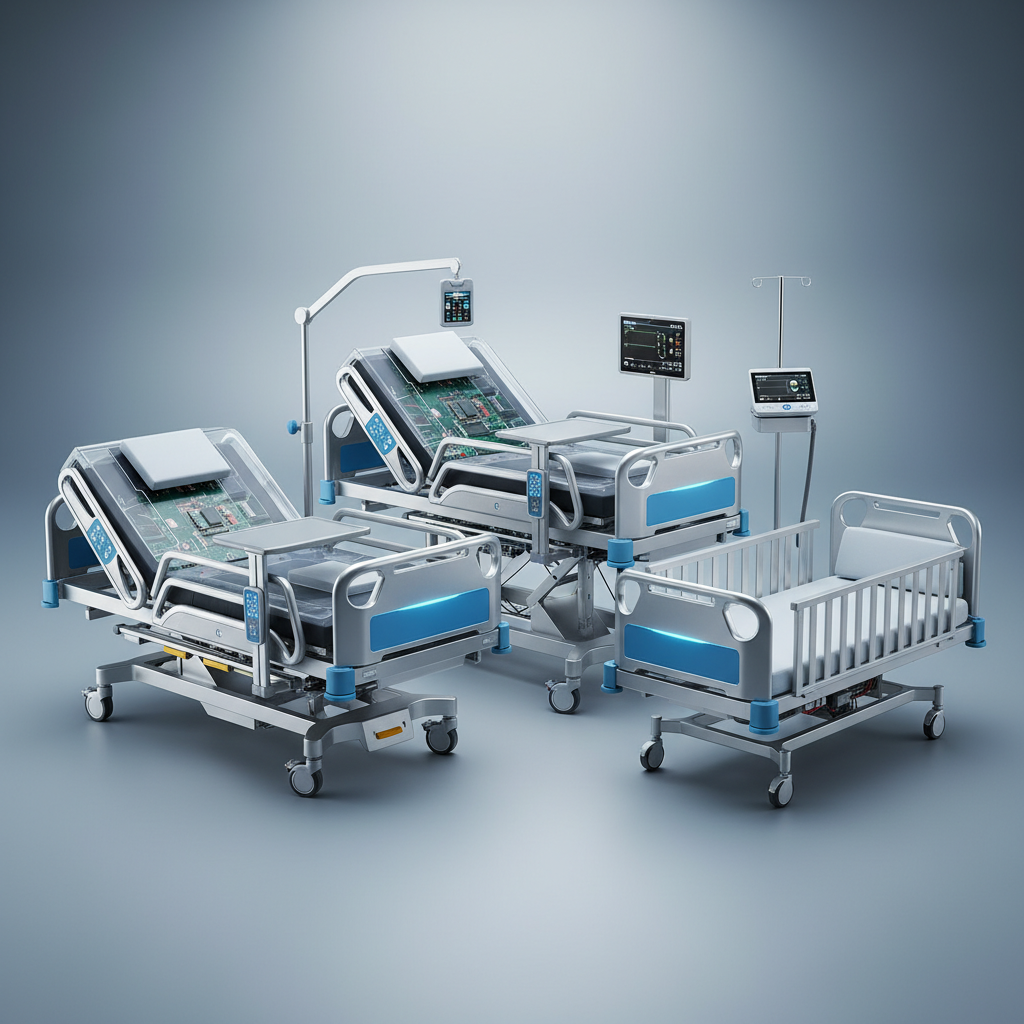
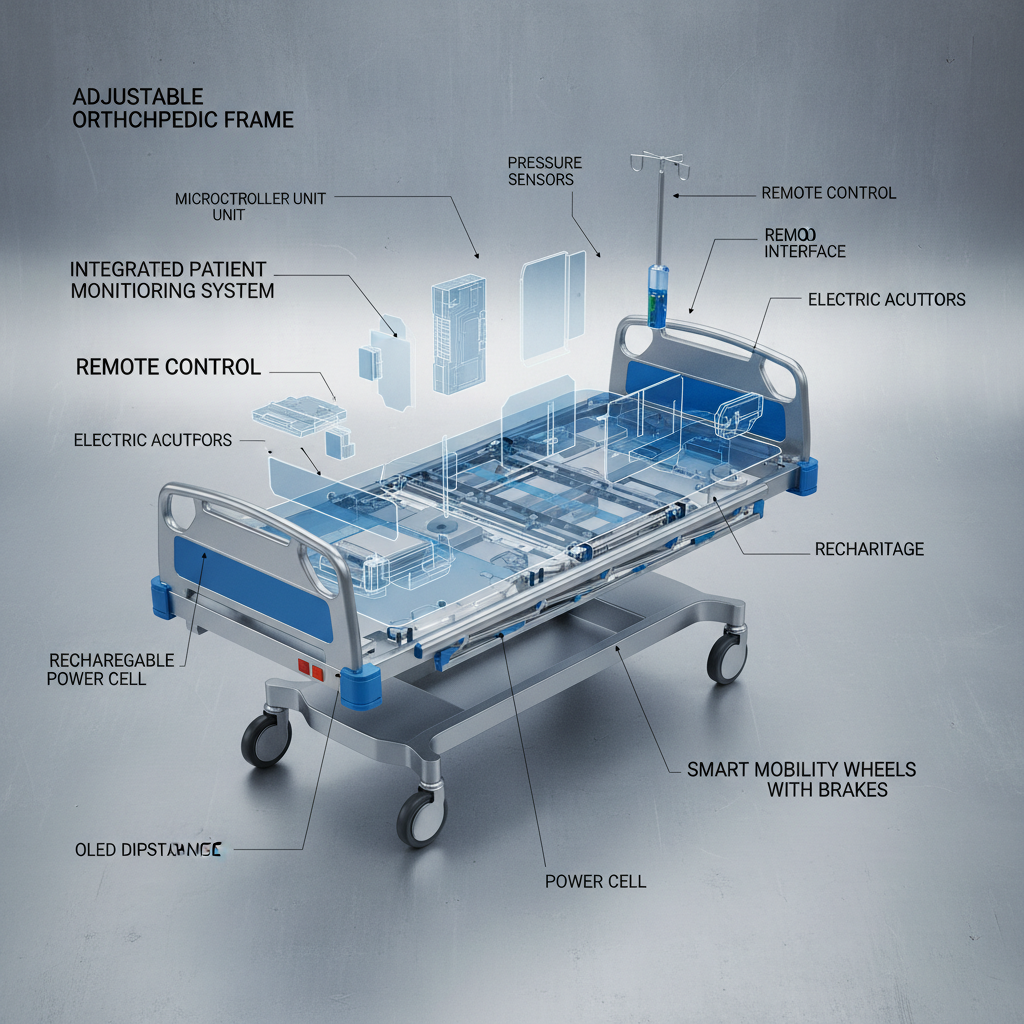
The next generation of types of bed in medical development is centered on the "Smart Bed" concept. We are seeing the integration of embedded sensors that can monitor a patient's heart rate, respiration, and movement in real-time, alerting nurses the moment a patient attempts to leave the bed unsupervised.
Automation is also playing a huge role, with beds that can automatically adjust their angle to optimize lung expansion or rotate the patient slightly every few hours to prevent skin breakdown without requiring manual intervention from staff.
Sustainability is the final frontier, with manufacturers moving toward eco-friendly, antimicrobial materials that are both biodegradable and easier to sterilize. This shift ensures that the medical industry reduces its carbon footprint while maintaining the highest standards of hygiene.
Comparative Analysis of Medical Bed Technological Tiers
| Bed Category |
Primary Technology |
Clinical Focus |
Adoption Level |
| Manual Beds |
Mechanical Crank |
Basic Support |
High (Global) |
| Electric Beds |
Linear Actuators |
Caregiver Ease |
Very High |
| Smart Beds |
IoT Sensors |
Preventative Care |
Moderate |
| Bariatric Beds |
Reinforced Steel |
Weight Distribution |
Specialized |
| Air-Fluidized Beds |
Constant Air Flow |
Severe Ulcer Care |
Low (ICU) |
| Pediatric Beds |
Safety Guard-Rails |
Child Safety |
High (Peds) |
FAQS
While both provide clinical support, home care nursing beds are designed with aesthetics and residential space in mind, often featuring wood-grain finishes and quieter motors to blend into a home environment. Standard hospital beds are built for high-turnover clinical settings, emphasizing rapid sanitization and integrated accessory mounts like IV poles and cardiac monitors.
When selecting among types of bed in medical care for bariatric patients, you must check the Safe Working Load (SWL). Look for beds with reinforced frames, wider platforms to prevent falls, and high-torque motors that can lift heavier weights without straining. Ensure the mattress is specifically designed for high-BMI weight distribution to avoid bottoming out.
Yes, provided they have the correct safety features. For dementia patients, we recommend beds with locking controls to prevent the patient from accidentally changing their position, as well as full-length side rails (if permitted by local regulations) and low-height settings to minimize injury if the patient attempts to exit the bed.
For electric and smart beds, a professional preventative maintenance check every 6 to 12 months is recommended. This includes testing the actuators, checking the battery backup systems, and inspecting the integrity of the mattress and rail locks to ensure patient safety and prolong the equipment's lifespan.
Child hospital beds are scaled down in size but scaled up in safety. They feature tighter gaps in the side rails to prevent entrapment, softer materials on impact points, and often include colorful designs to reduce the "white coat syndrome" and anxiety associated with hospitalization in children.
Generally, no. The structural engineering of a manual bed's frame is different from an electric bed's chassis, which must house motors and wiring. It is far more cost-effective and safer to procure a dedicated electric model from the start rather than attempting a retrofit.
Conclusion
In summary, the strategic selection of types of bed in medical environments is a cornerstone of quality patient care. By understanding the technical distinctions between manual, electric, and specialized beds, healthcare providers can significantly reduce clinical risks, enhance caregiver efficiency, and improve the overall patient experience from admission to discharge.
As we move toward an era of digitized healthcare, the integration of IoT and smart materials into medical beds will further bridge the gap between passive furniture and active diagnostic tools. We encourage facility managers and clinicians to prioritize beds that combine durability with patient-centric innovation to ensure a safer, more dignified recovery process for all. Visit our website: www.zfmedicare.com