Selecting the right medical support system is critical for patient recovery and caregiver efficiency. Understanding the various types of nursing beds allows healthcare providers and home caregivers to tailor the environment to the specific physiological needs of the patient, whether they require intensive pressure relief or advanced mobility assistance.
Globally, the demand for specialized patient furniture has surged due to an aging population and a shift toward home-based long-term care. The versatility found in different types of nursing beds ensures that patients with varying degrees of impairment—from temporary post-surgical recovery to permanent paralysis—can maintain a level of dignity and comfort.
Beyond simple comfort, these beds serve as clinical tools designed to prevent secondary complications such as pressure ulcers, pneumonia, and muscle atrophy. By exploring the technical specifications and functional differences between the various types of nursing beds, stakeholders can make informed procurement decisions that enhance clinical outcomes and operational sustainability.
Global Industry Context of Nursing Bed Technology
The global healthcare landscape is currently facing a dual challenge: an unprecedented increase in geriatric populations and a shortage of skilled nursing staff. According to data trends aligned with WHO and World Bank projections, the prevalence of chronic conditions requiring long-term immobilization is rising, making the strategic deployment of various types of nursing beds a matter of public health priority.
In developed economies, the shift from institutionalized care to "Aging in Place" has forced a redesign of medical furniture. Modern nursing beds must now blend clinical-grade functionality—such as height adjustability and side-rail safety—with home-friendly aesthetics to reduce the psychological impact of hospitalization on the patient.
Defining the Core Functions of Nursing Beds
At its most fundamental level, nursing beds are specialized medical frames designed to support patients who require constant monitoring or have limited mobility. Unlike standard residential beds, these systems are engineered to facilitate specific medical interventions, such as aspiration prevention through head-of-bed elevation and the prevention of pressure sores through lateral rotation.
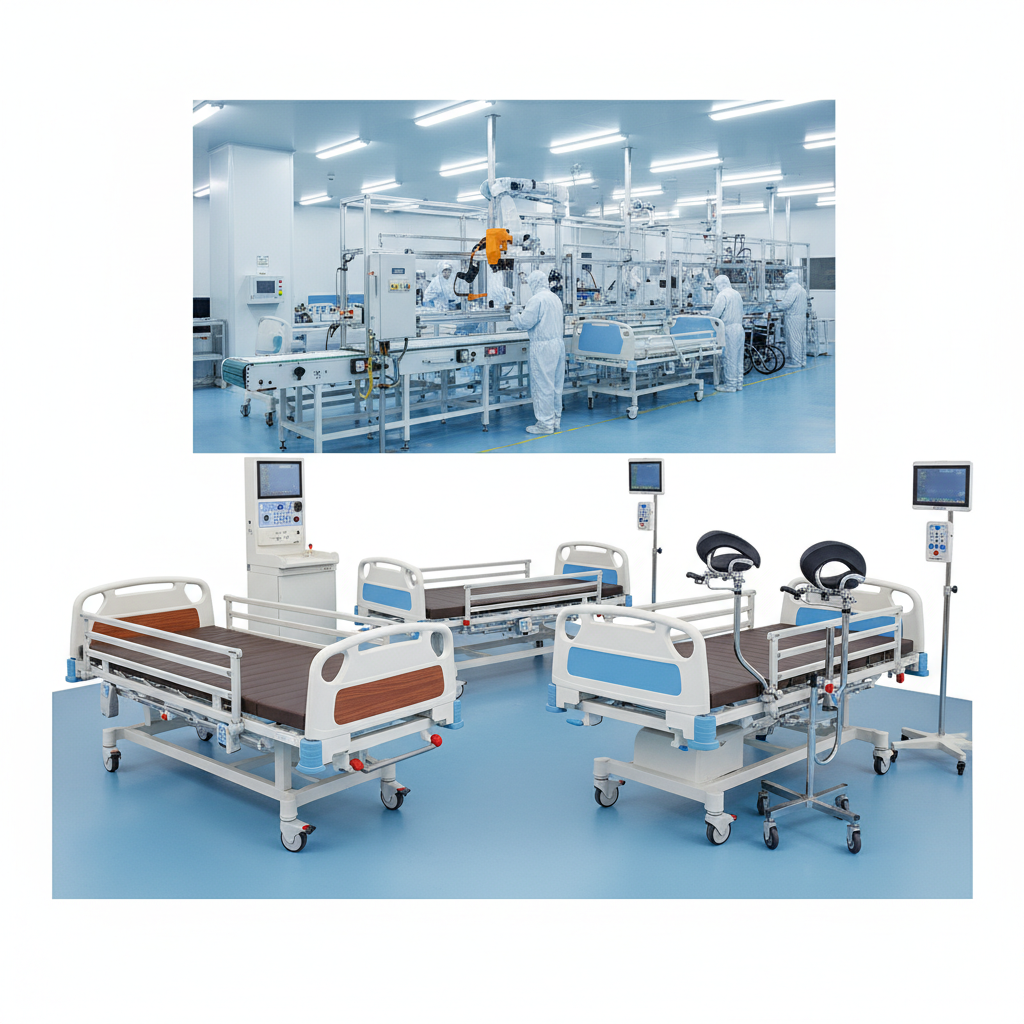
The diversity in types of nursing beds ranges from manual crank beds, often used in resource-limited settings, to fully automated electric beds that integrate with hospital management systems. Each type is defined by its ability to modulate the patient's position, thereby managing blood flow, respiratory efficiency, and ease of access for nursing staff.
This technological evolution is driven by the humanitarian need to maximize patient autonomy. Whether it is a low-entry bed to prevent fall-related injuries or a bariatric bed designed for high weight capacities, the goal is to provide a stable, hygienic, and adjustable platform that supports the healing process while minimizing the physical strain on the caregiver.
Critical Selection Factors for Patient Care
When evaluating the different types of nursing beds, durability is the primary technical benchmark. A bed must withstand constant sterilization cycles and the mechanical stress of frequent adjustments without compromising the safety of the locking mechanisms or the integrity of the frame.
Scalability and adaptability are equally vital. The best types of nursing beds are those that can be outfitted with various accessories, such as specialized mattresses for pressure redistribution, IV poles, and trapeze bars, allowing the equipment to evolve alongside the patient's recovery stage.
Finally, cost-efficiency must be balanced with ergonomic safety. While high-end electric models require a higher initial investment, they significantly reduce the risk of caregiver musculoskeletal injuries, potentially lowering long-term labor costs and improving the quality of bedside care.
Global Applications and Use Case Analysis
In high-acuity hospital environments, the application of advanced types of nursing beds is focused on rapid intervention and clinical precision. For instance, in Intensive Care Units (ICUs), beds with integrated weighing scales and lateral tilt functions are used to manage critically ill patients without needing to move them to a separate scale, thus reducing the risk of tube dislodgment.
Conversely, in remote industrial zones or post-disaster relief operations, the priority shifts toward portability and ease of maintenance. In these contexts, semi-electric or manual types of nursing beds are preferred due to their independence from stable power grids and their ability to be deployed quickly in temporary field hospitals.
Comparative Efficiency of Various Nursing Bed Types
Long-Term Value and Patient Dignity
The adoption of appropriate types of nursing beds transcends simple physical support; it is about preserving the dignity of the patient. Features such as independent backrest and leg-rest adjustment allow patients to feed themselves or engage in social interaction more naturally, reducing the feeling of total dependency.
From a long-term value perspective, investing in high-quality medical beds reduces the incidence of hospital-acquired infections and pressure sores. By lowering the rate of complications, healthcare facilities can reduce the average length of stay, thereby increasing patient turnover and maximizing the utilization of medical resources.
Future Trends in Smart Bed Innovation
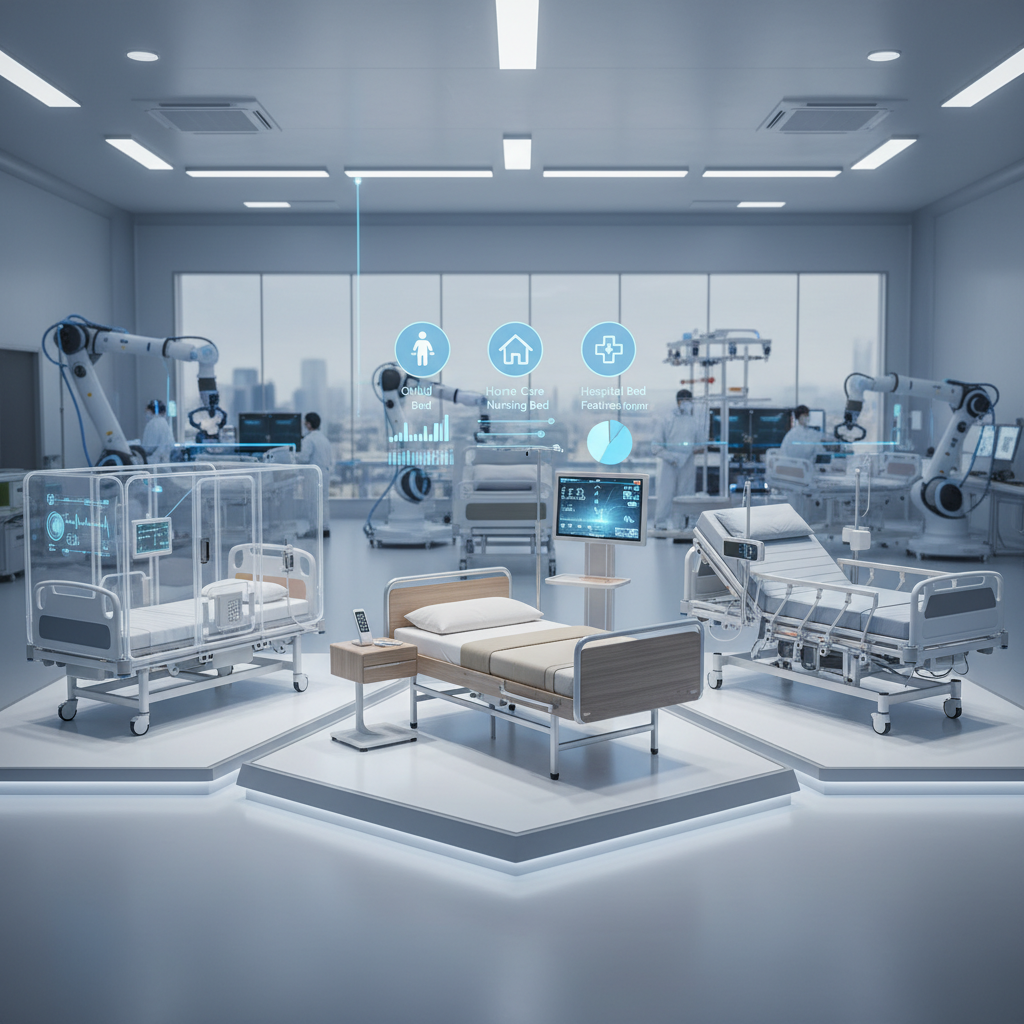
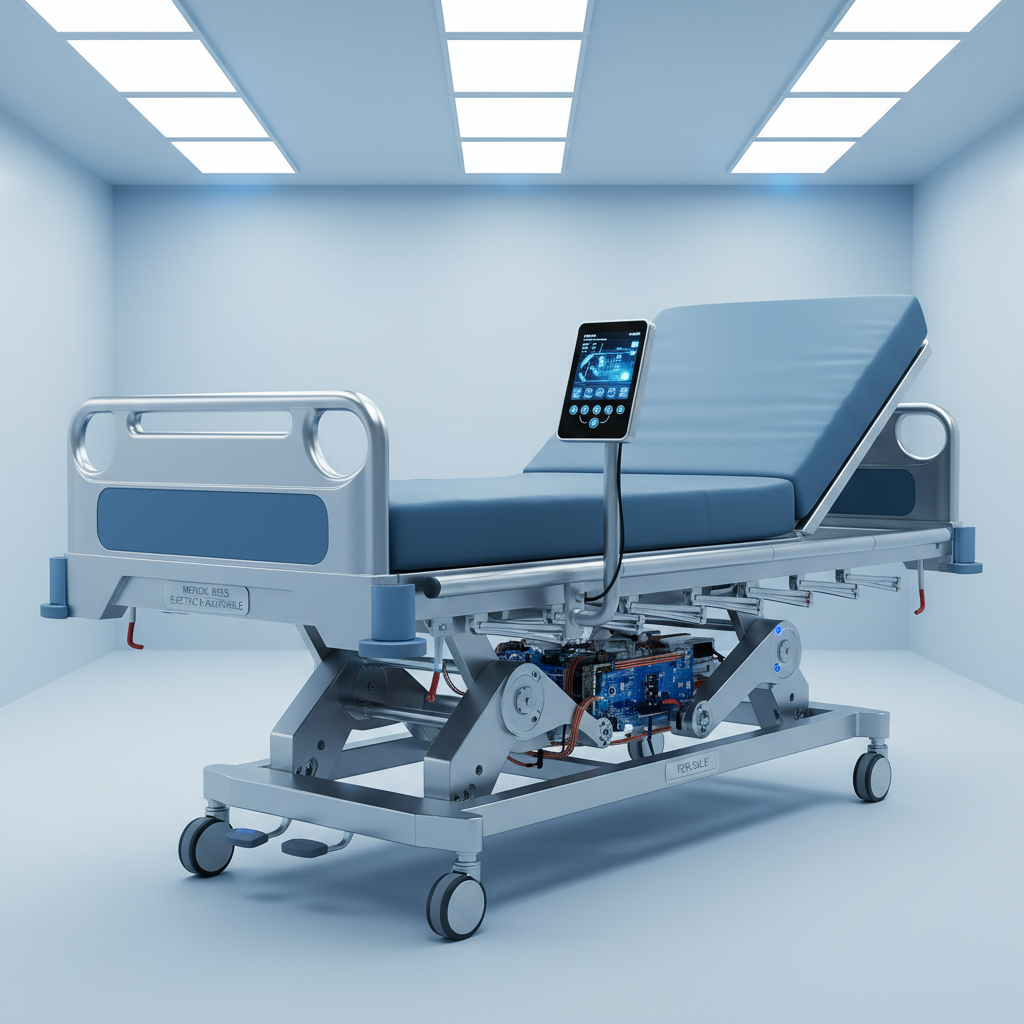
The next generation of types of nursing beds is moving toward the "Internet of Medical Things" (IoMT). We are seeing the integration of embedded sensors that can monitor heart rate, respiration, and sleep patterns in real-time, alerting nursing staff to potential distress without the need for intrusive wiring.
Automation is also playing a key role, with the development of beds that automatically adjust their pressure points to prevent skin breakdown based on AI-driven algorithms. These "smart" surfaces can detect where a patient is shifting their weight and adjust the firmness of the mattress zones accordingly.
Furthermore, sustainability is becoming a core design pillar. Future iterations will likely utilize bio-compatible, antimicrobial materials that are easier to recycle, reducing the environmental footprint of disposable medical components and enhancing the overall lifecycle of the equipment.
Common Challenges and Expert Solutions
One of the most persistent challenges in deploying various types of nursing beds is the "learning curve" associated with complex electric controls. Many caregivers find advanced features overwhelming, leading to the underutilization of critical functions. The solution lies in intuitive, icon-based user interfaces and comprehensive staff training programs.
Another issue is the maintenance of motorized components in high-humidity environments, which can lead to premature actuator failure. Expert insights suggest the implementation of preventative maintenance schedules and the use of IP-rated waterproof components to ensure longevity in diverse climatic conditions.
Finally, the high cost of premium beds can be a barrier for smaller clinics. To overcome this, we recommend a tiered procurement strategy, where high-complexity beds are reserved for critical care zones, while modular, semi-electric options are used for recovery wards, ensuring a balanced allocation of budget and utility.
Comparative Analysis of Nursing Bed Specifications and Applications
| Bed Category |
Adjustment Mechanism |
Primary Use Case |
Durability Score (1-10) |
| Manual Crank Bed |
Hand-operated gear |
Remote/Low-resource clinics |
9 |
| Semi-Electric Bed |
Electric head/foot, Manual height |
Intermediate Home Care |
8 |
| Full Electric Bed |
Multi-motor remote control |
General Hospital Wards |
7 |
| ICU Smart Bed |
Integrated Digital Panel |
Critical Care/Monitoring |
8 |
| Bariatric Nursing Bed |
Heavy-duty Hydraulic |
Obese Patient Support |
10 |
| Low-Height Bed |
Electric lowering system |
Fall-risk Geriatric Care |
7 |
FAQS
The choice depends on your budget, the patient's needs, and the caregiver's strength. Manual beds are highly durable and require no power, making them ideal for low-budget settings. Electric beds are superior for patients who want some autonomy and for caregivers looking to prevent back injuries, as they allow for effortless height and position adjustments.
The bed frame itself provides the positioning, but pressure ulcer prevention primarily depends on the mattress. However, advanced electric beds help by allowing frequent and easy repositioning (lateral rotation), which is essential for redistributing weight and maintaining skin integrity in immobile patients.
Most professional-grade electric nursing beds include a manual override or emergency backup battery. This ensures that the patient can be moved to a safe position or the bed can be lowered for emergency egress even when the main power supply is interrupted.
Depending on the usage intensity and maintenance, a high-quality nursing bed can last between 7 to 15 years. Manual beds typically last longer due to fewer moving electronic parts, while electric beds require periodic actuator lubrication and electrical checks to maintain their lifespan.
Yes, standard home mattresses are not suitable. Depending on the bed type, you should use foam pressure-relief mattresses, alternating pressure air mattresses, or static high-density foam, ensuring the mattress is compatible with the bed's articulation points.
Regular cleaning with medical-grade disinfectants is key. Focus on the side rails and control panels, which are high-touch areas. Ensure that the mattress cover is waterproof and breathable, allowing for frequent laundering and preventing fluid penetration into the bed frame.
Conclusion
In summary, the strategic selection of types of nursing beds is a cornerstone of effective patient care, bridging the gap between clinical necessity and human comfort. From the rugged reliability of manual frames to the data-driven precision of smart ICU beds, each option provides a specific set of advantages that can significantly impact recovery speeds, caregiver health, and overall patient dignity.
Looking forward, the integration of AI and IoT will further personalize the care experience, turning the nursing bed from a passive piece of furniture into an active diagnostic tool. For healthcare providers and families alike, the goal remains clear: to provide a supportive environment that fosters healing and independence. To explore our full range of professional medical furniture, visit our website: www.zfmedicare.com