Comprehensive Guide to Hospital Types of Bed and Patient Care Solutions
Hospital Types of Bed: A Comprehensive Guide
Choosing the right hospital bed is crucial for patient comfort, safety, and efficient healthcare delivery. Different patient needs require different bed types, ranging from standard hospital beds to specialized options for critical care. This article provides a detailed overview of the various hospital types of bed available, helping you understand their features, benefits, and applications. Selecting the appropriate bed can significantly impact patient recovery and the overall quality of care. We’ll explore the core functionalities and features available with various bed types.
Understanding Standard Hospital Beds
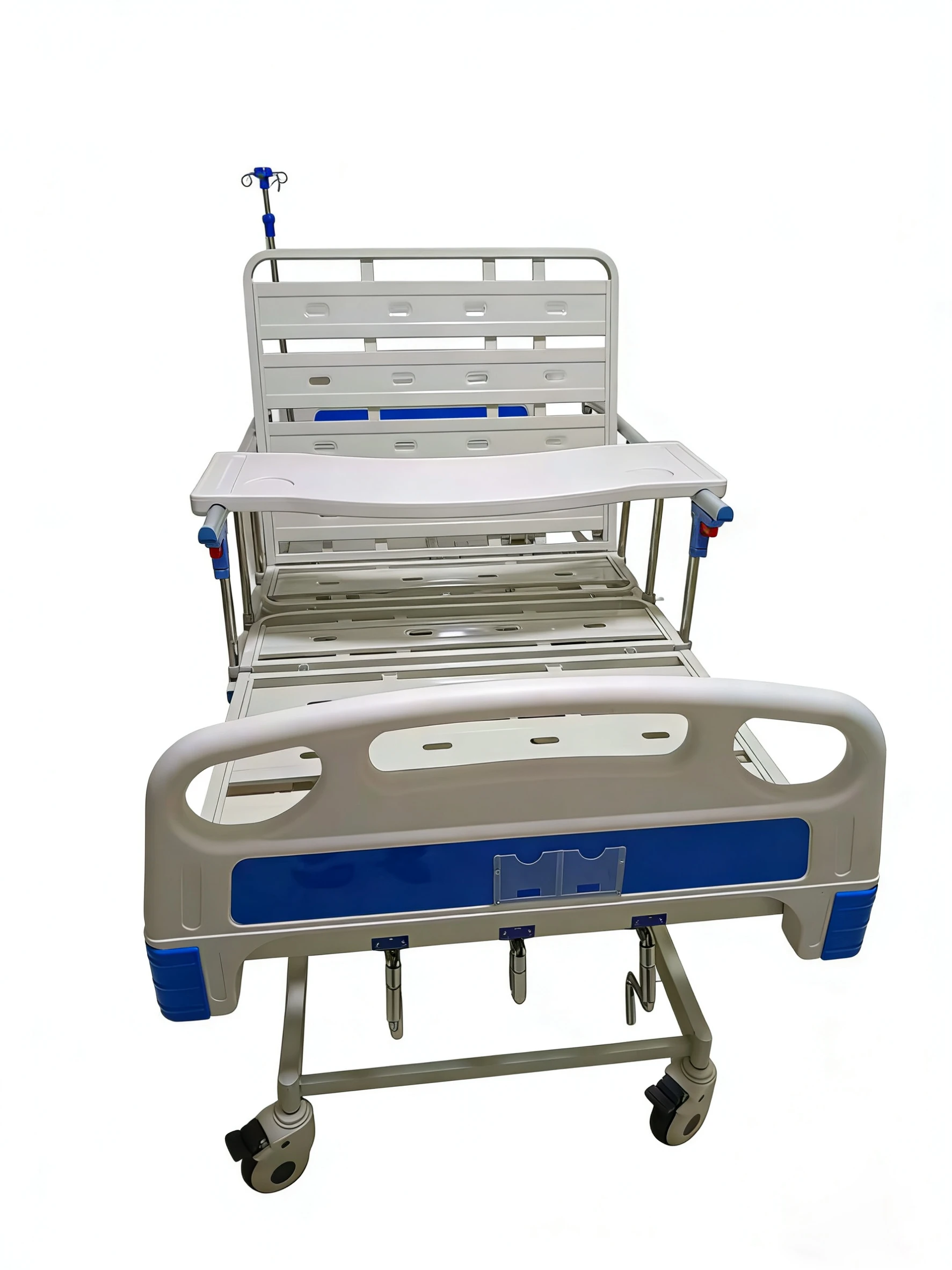
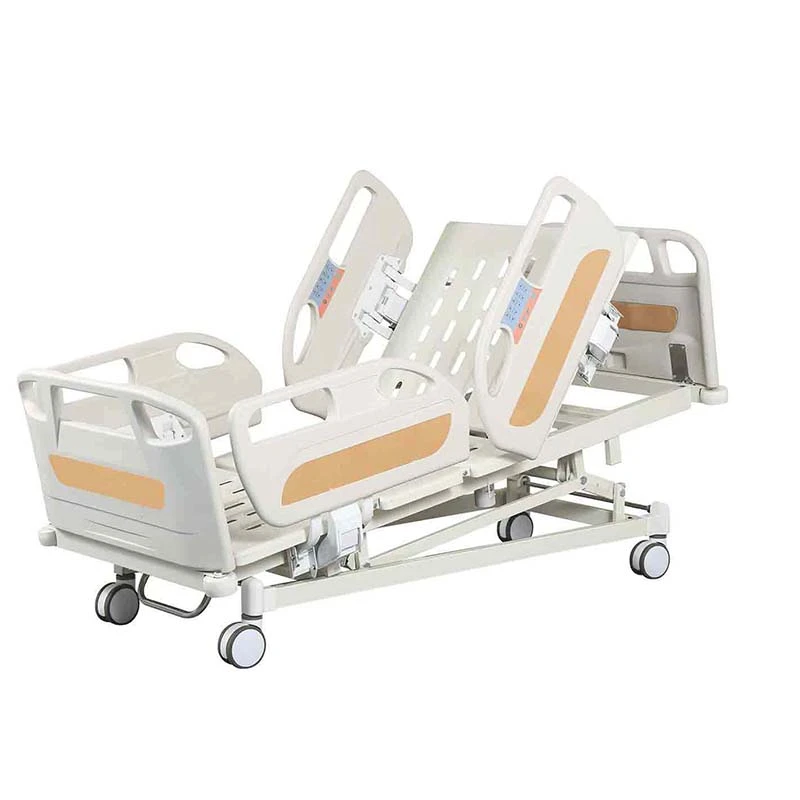
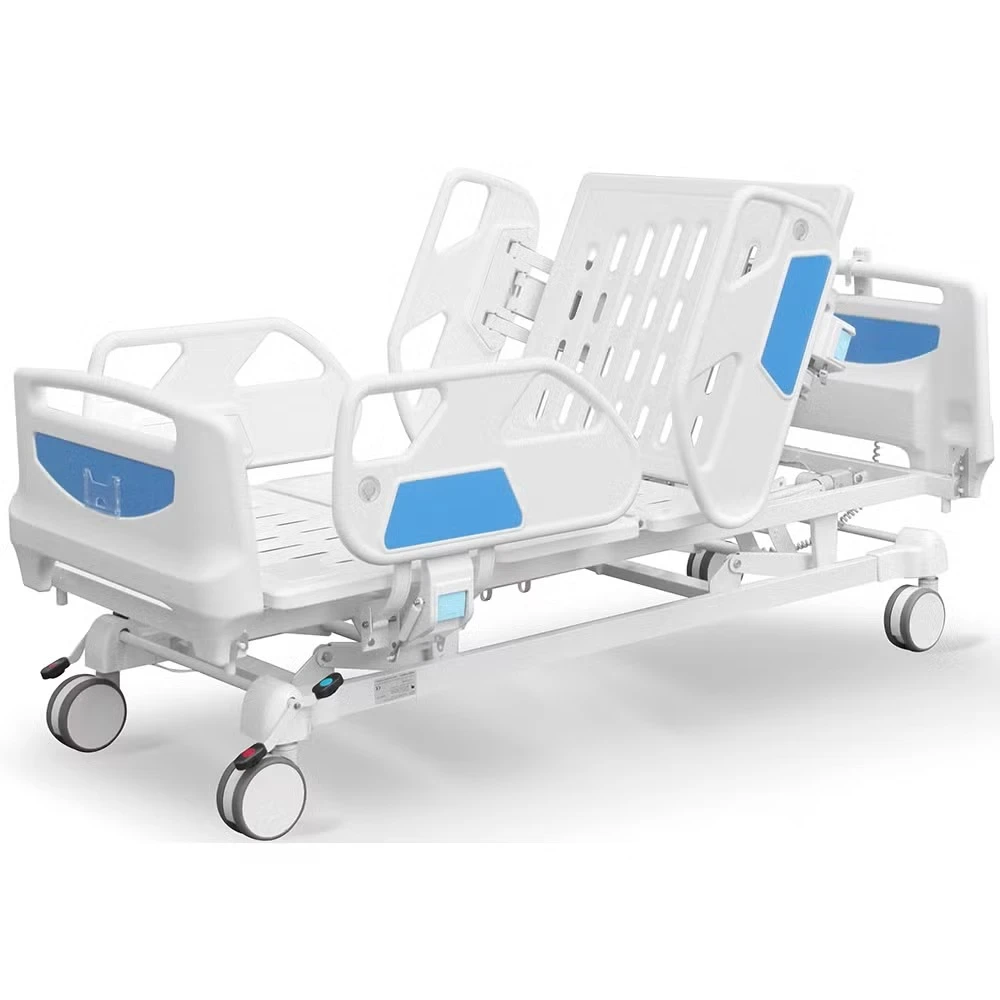
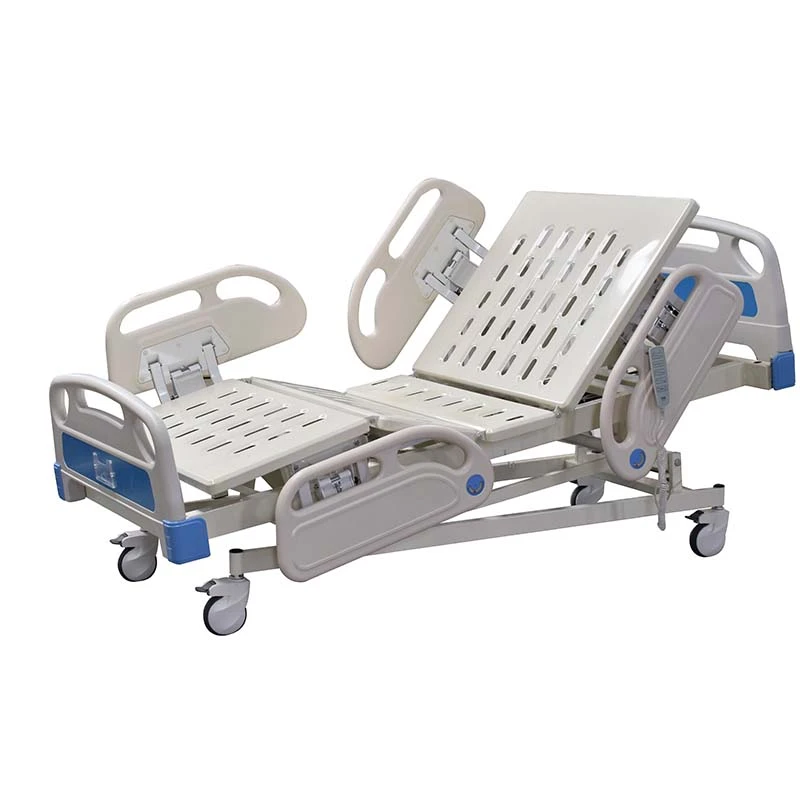
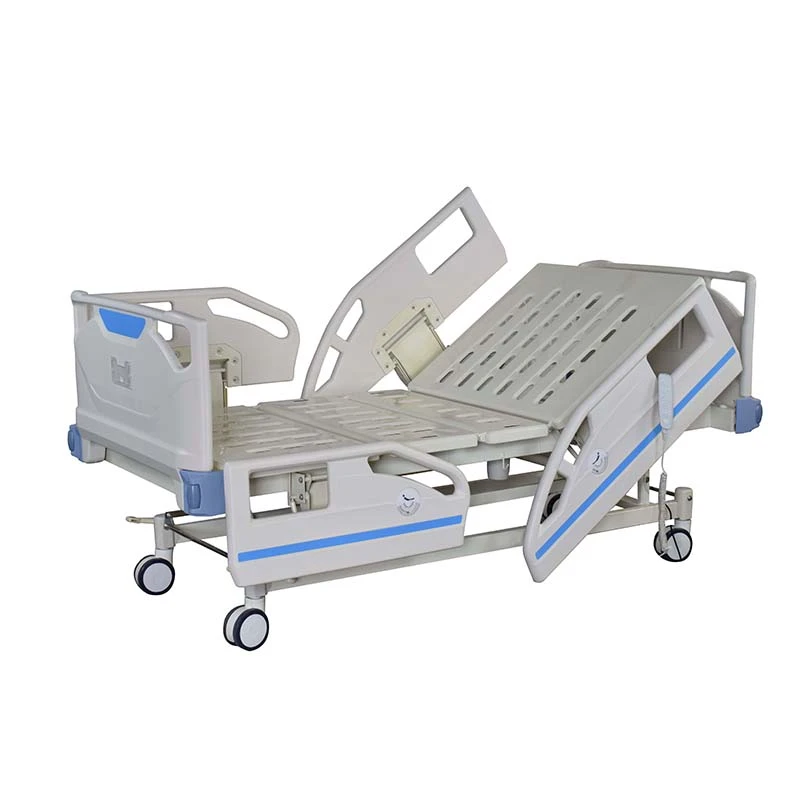
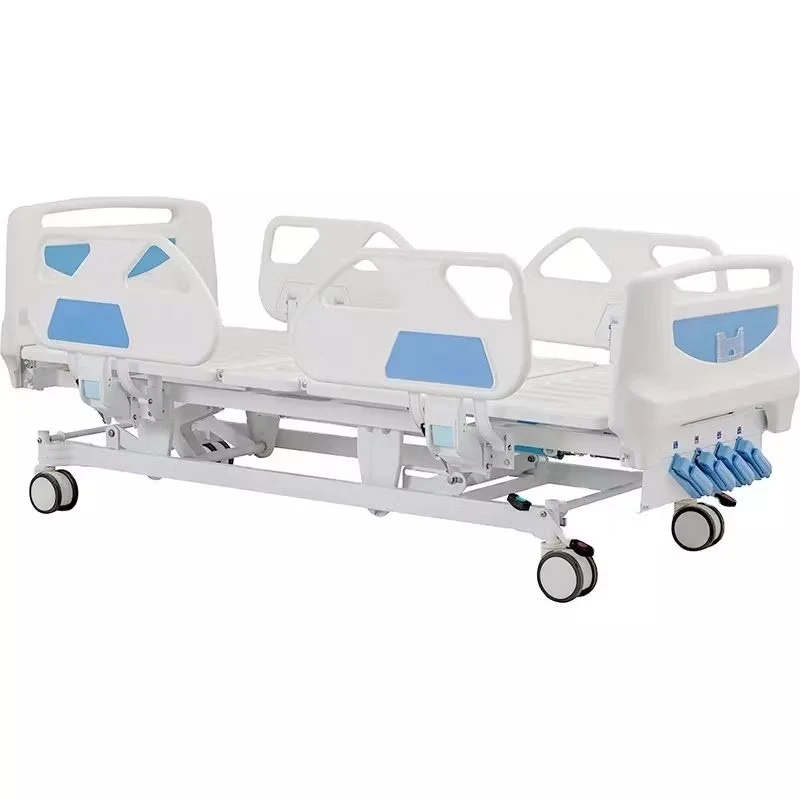
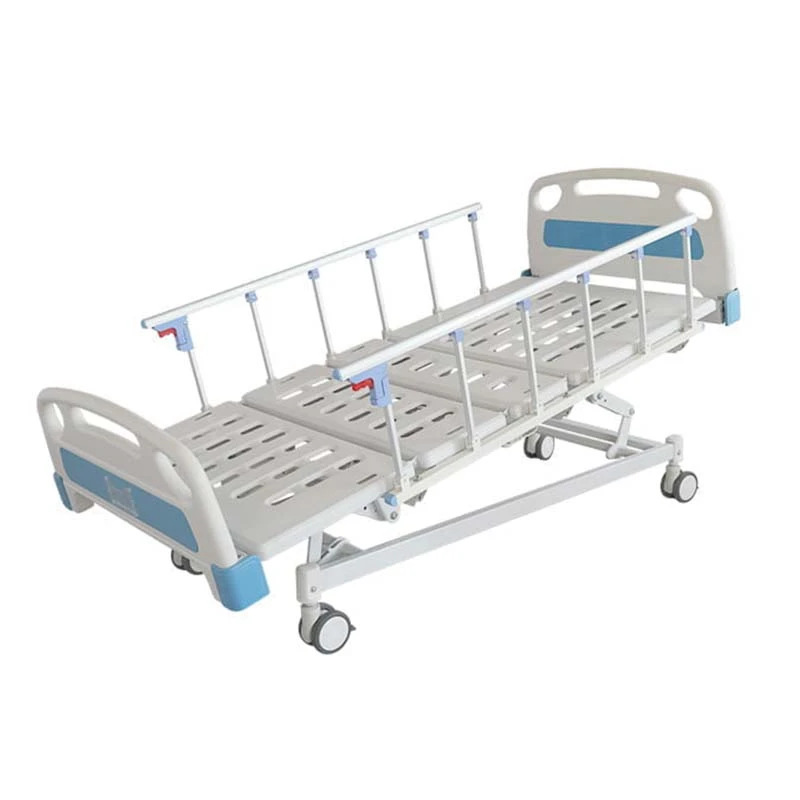
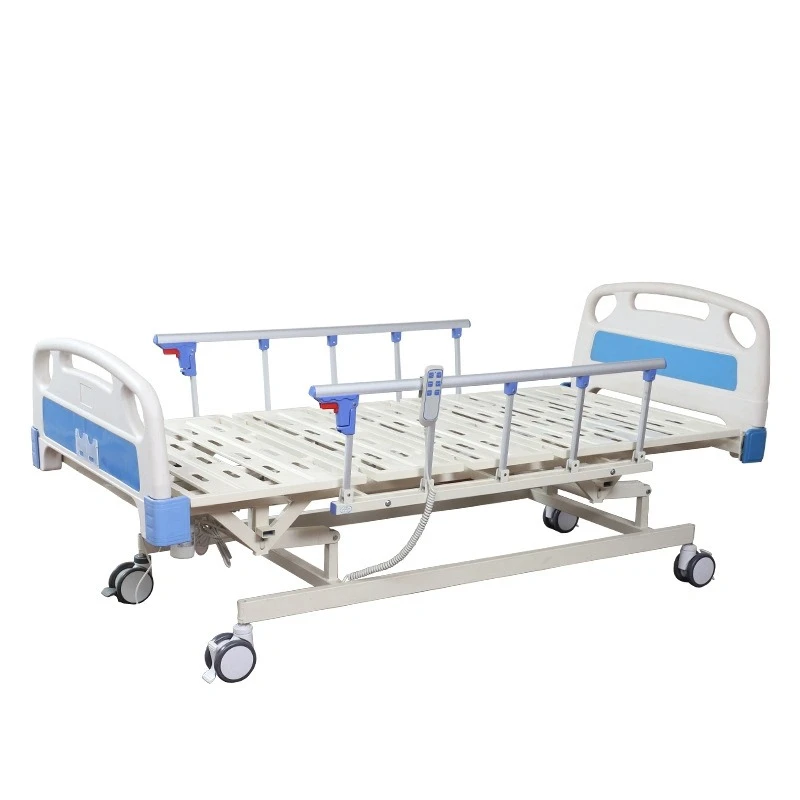
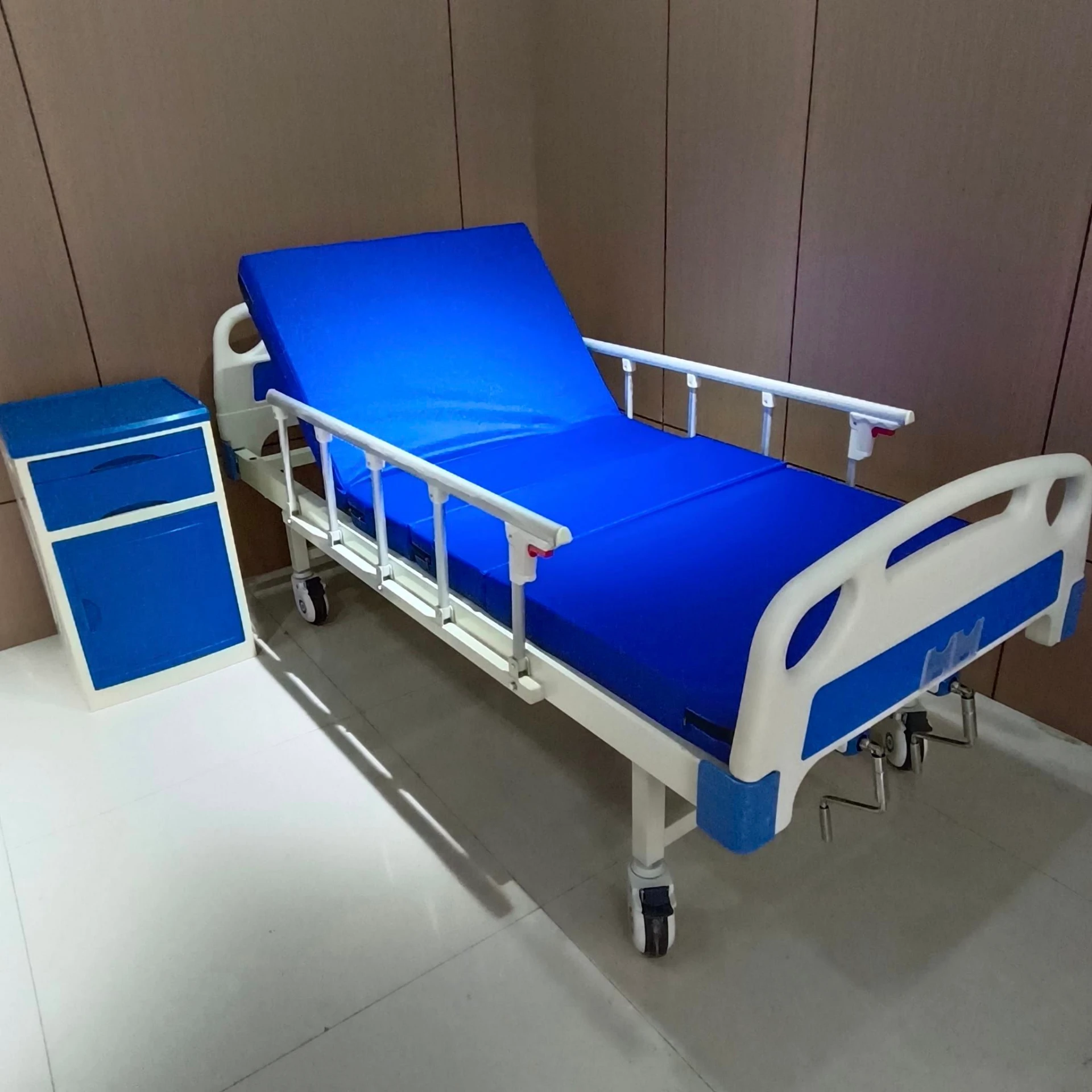
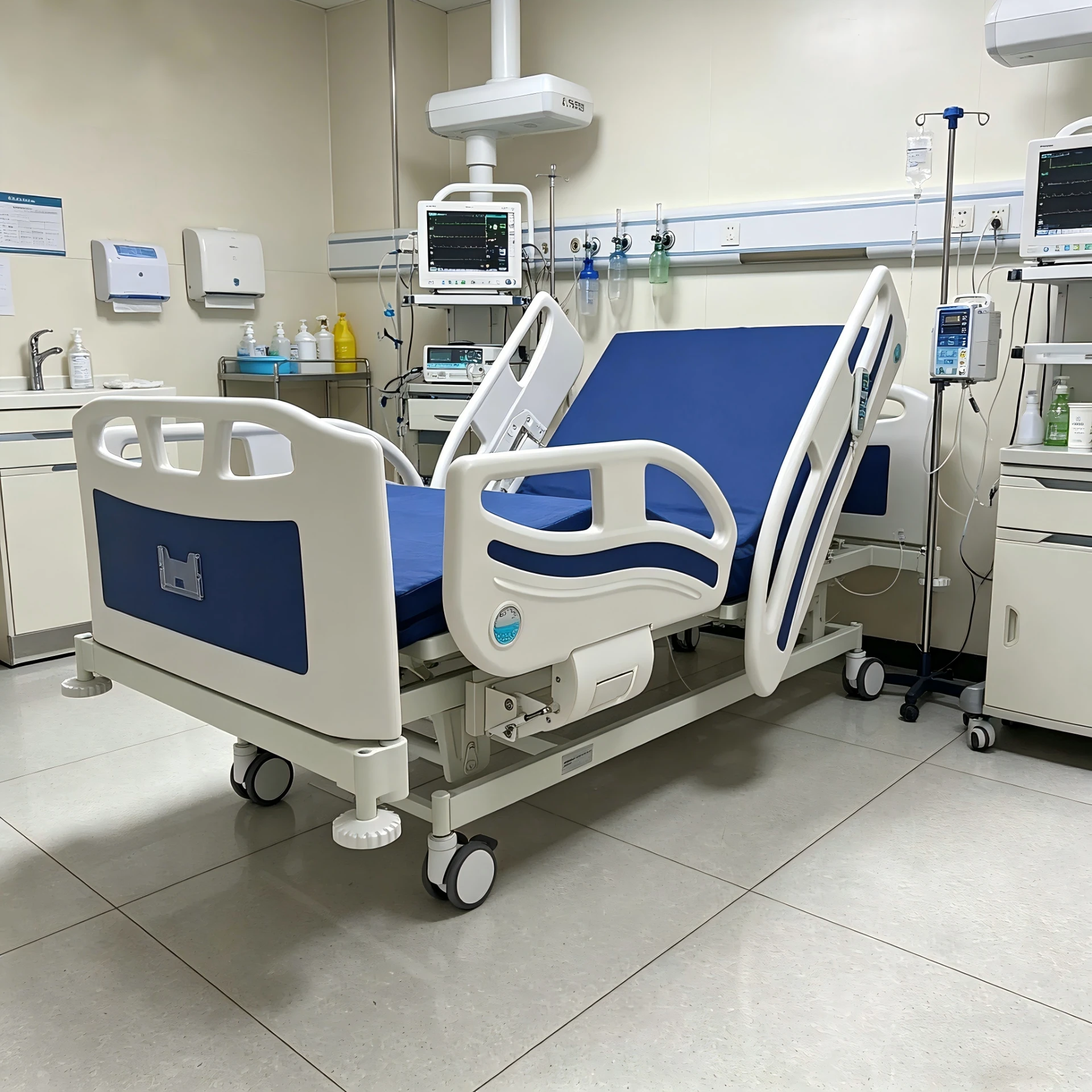
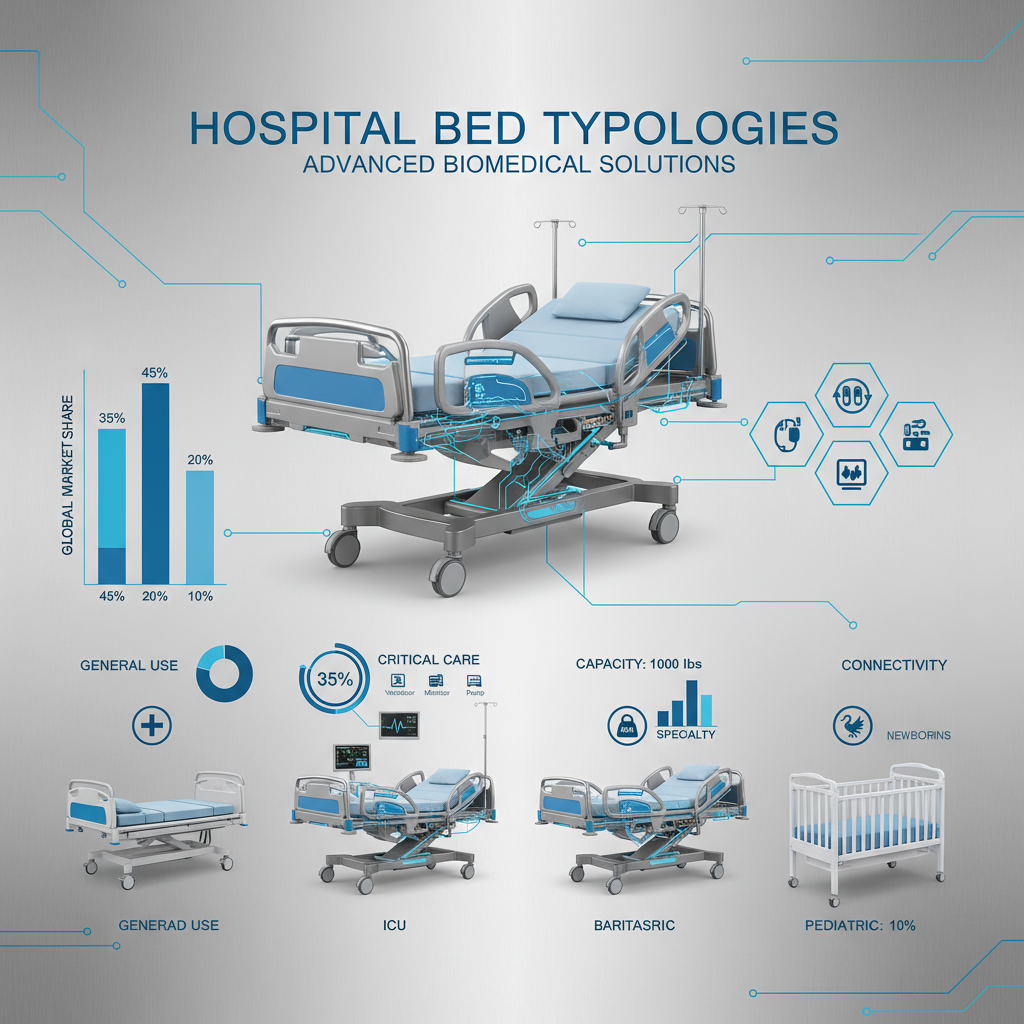
Standard hospital beds are the most commonly used type in healthcare facilities. They offer basic adjustability, typically including head and foot elevation. These beds are designed to accommodate a wide range of patients and are often used for general medical and surgical care. Key features typically include side rails for patient safety, adjustable height for easy access, and a durable frame construction. While they may lack the advanced functionalities of specialized beds, they are a cost-effective and versatile solution for many patient care needs. Considerations when choosing a standard bed involve mattress compatibility and weight capacity.
Key Highlights: Standard hospital beds provide foundational patient support with adjustable features and essential safety mechanisms.
Electric Hospital Beds: Enhanced Patient Control
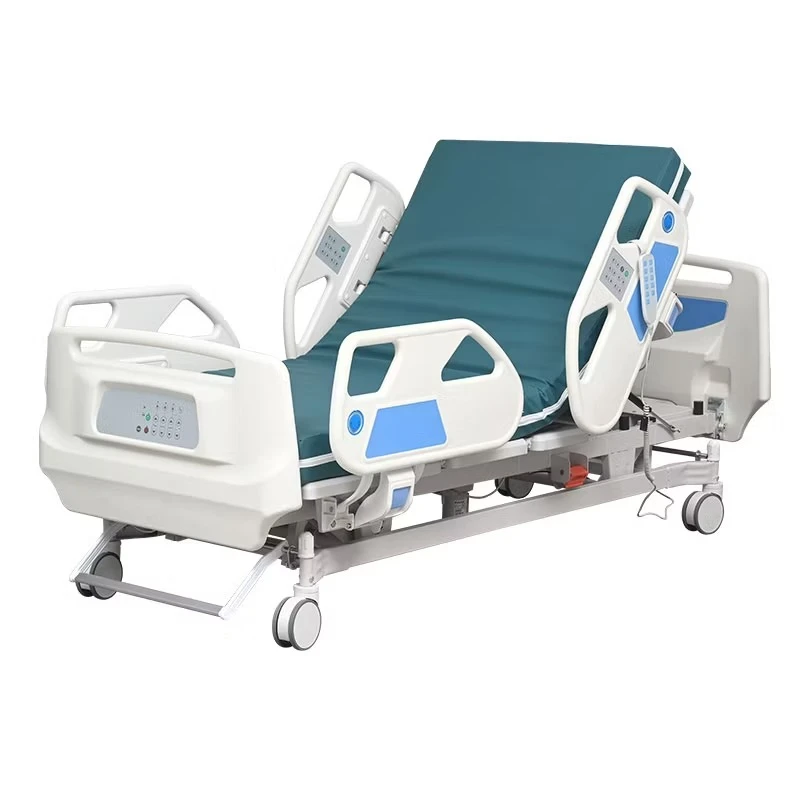
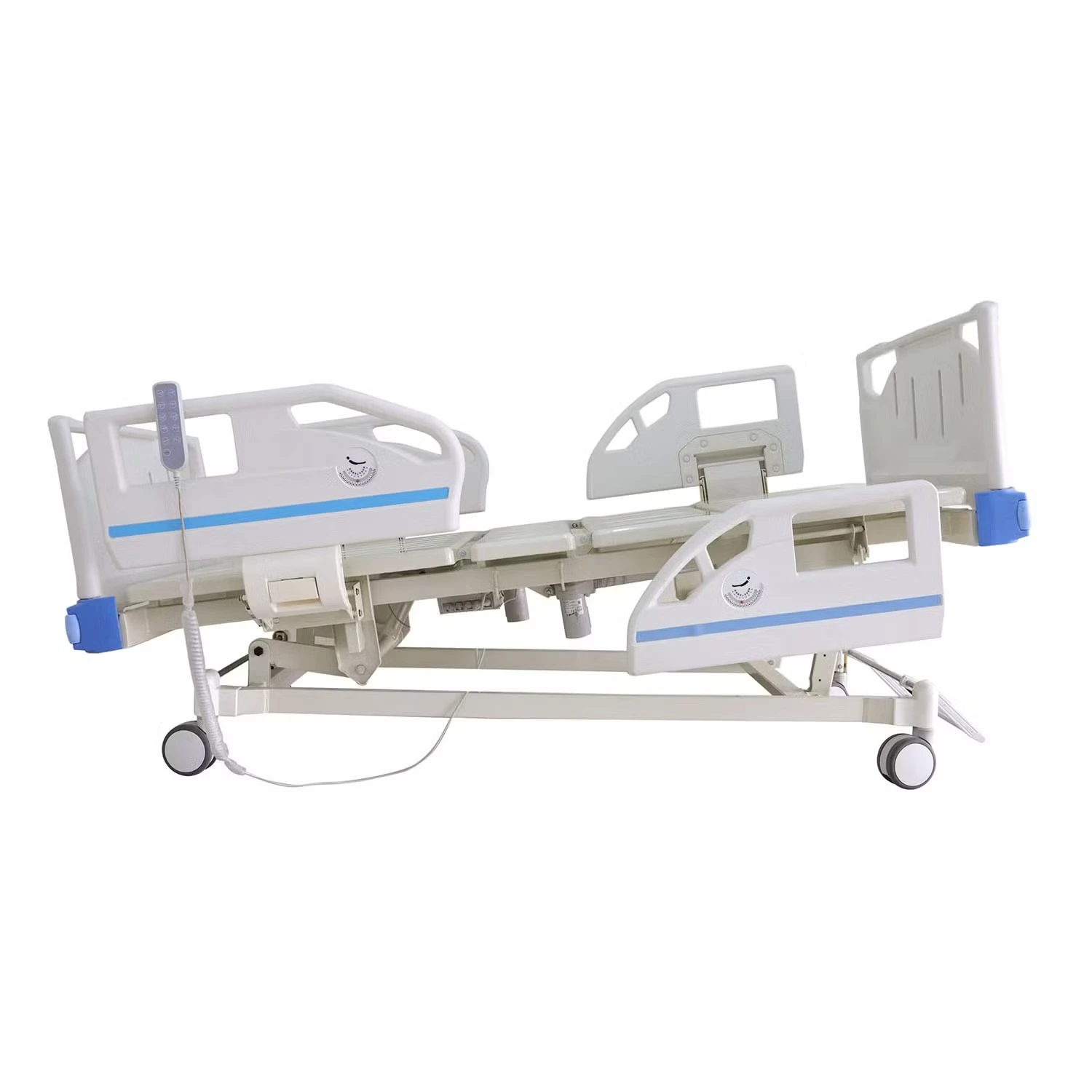
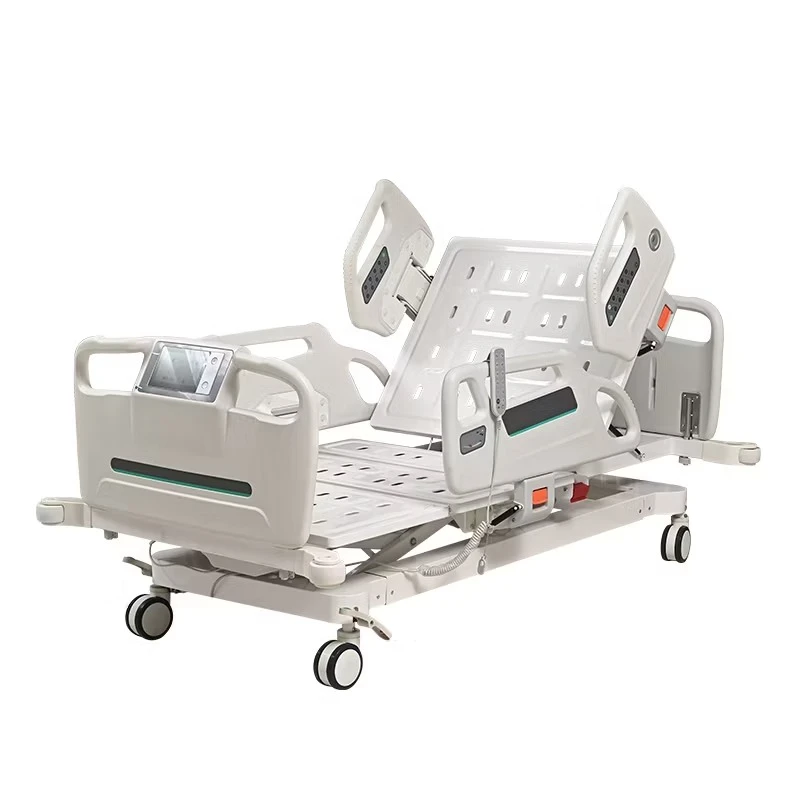
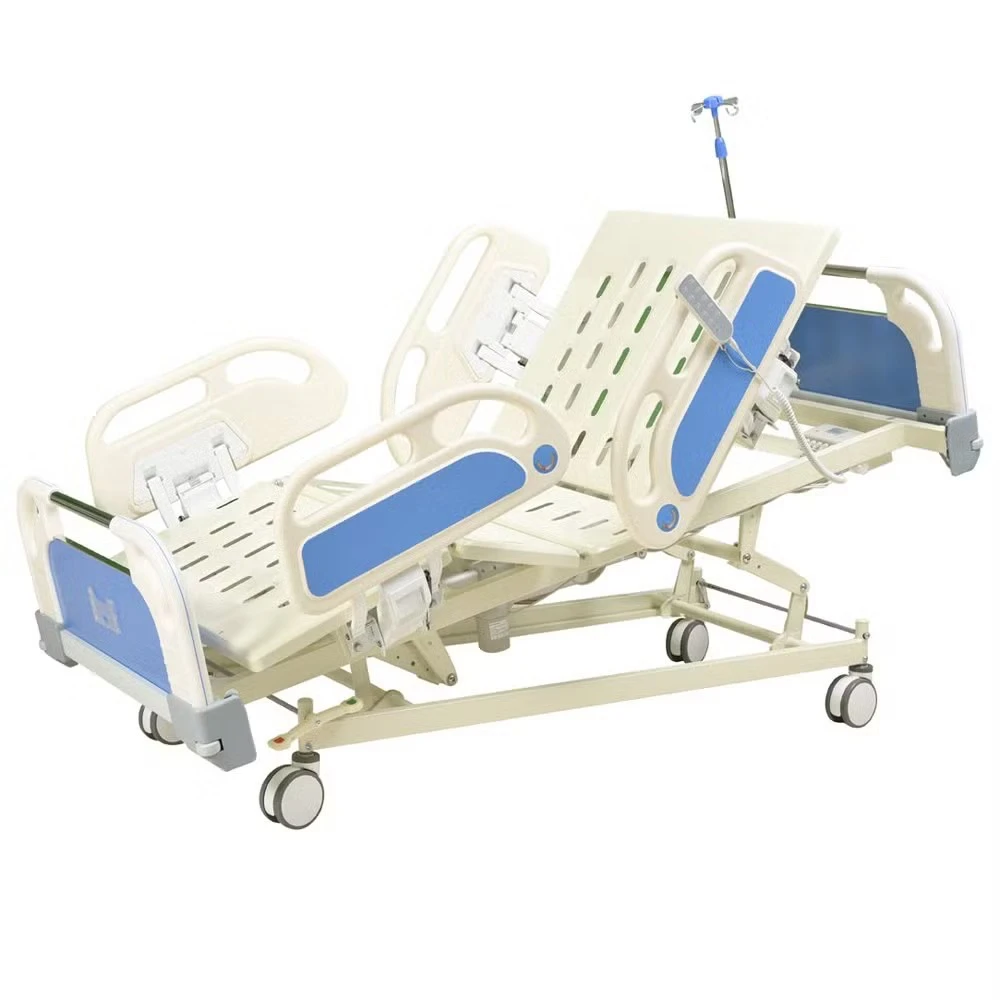
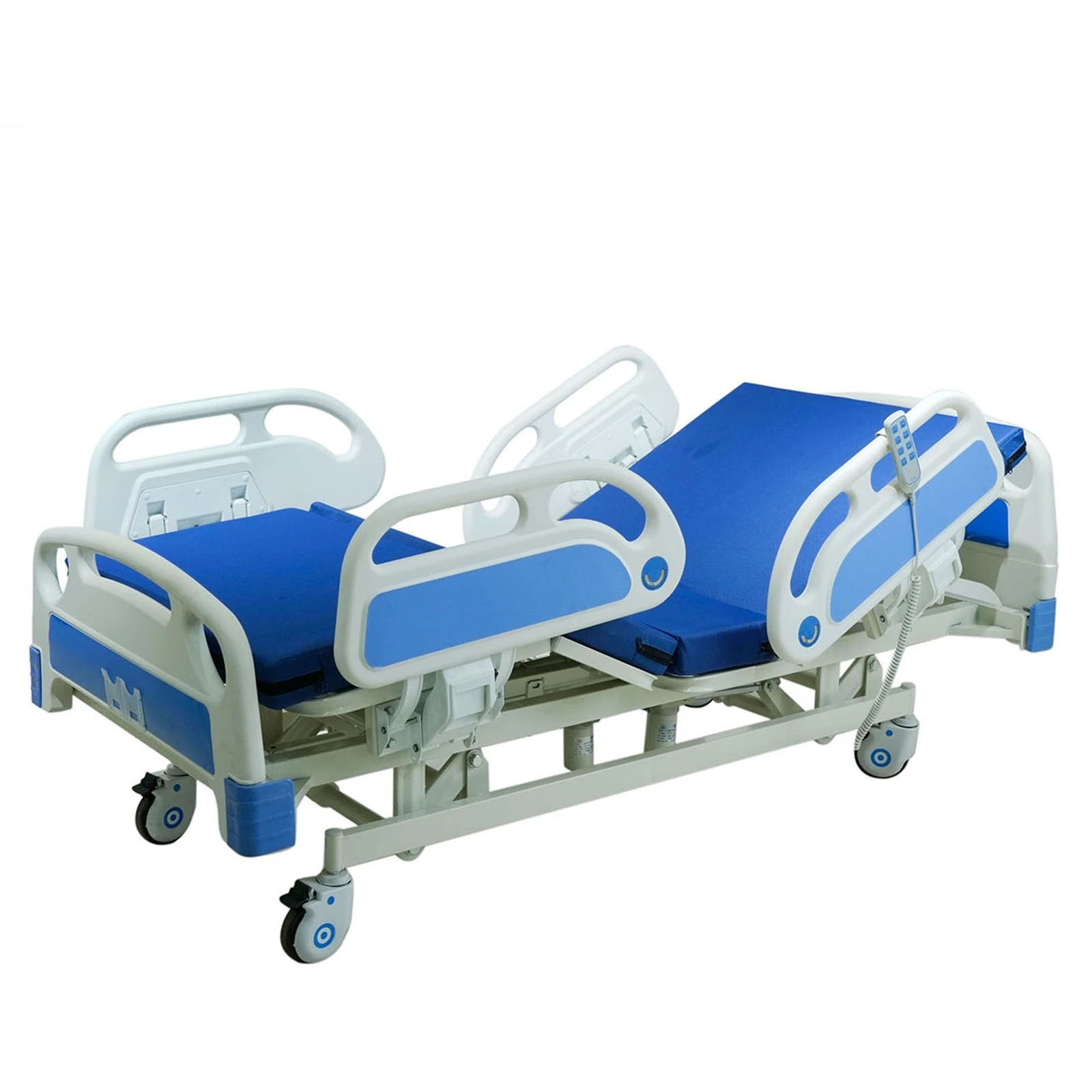
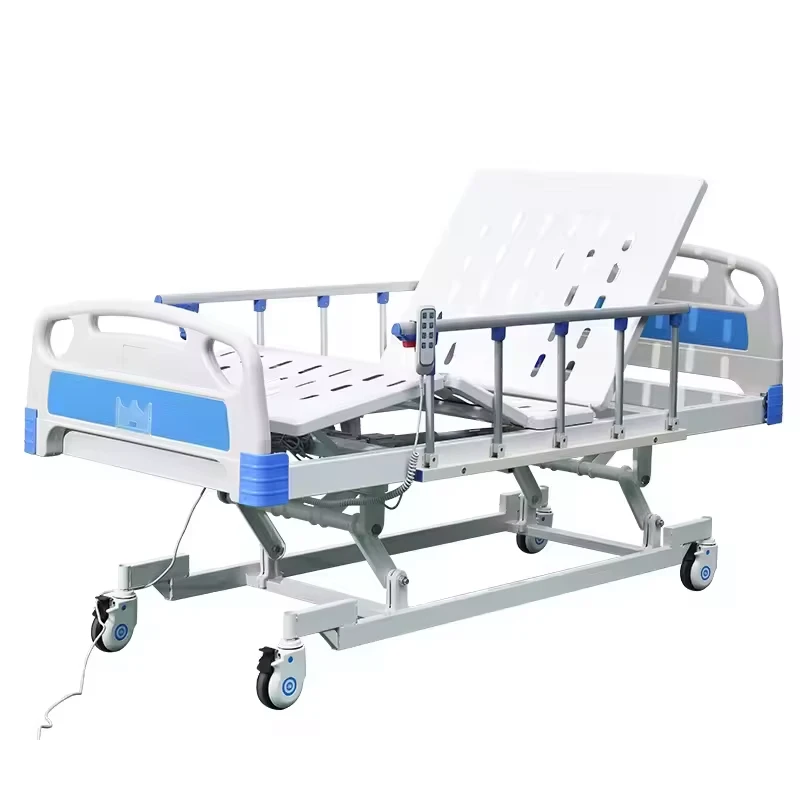
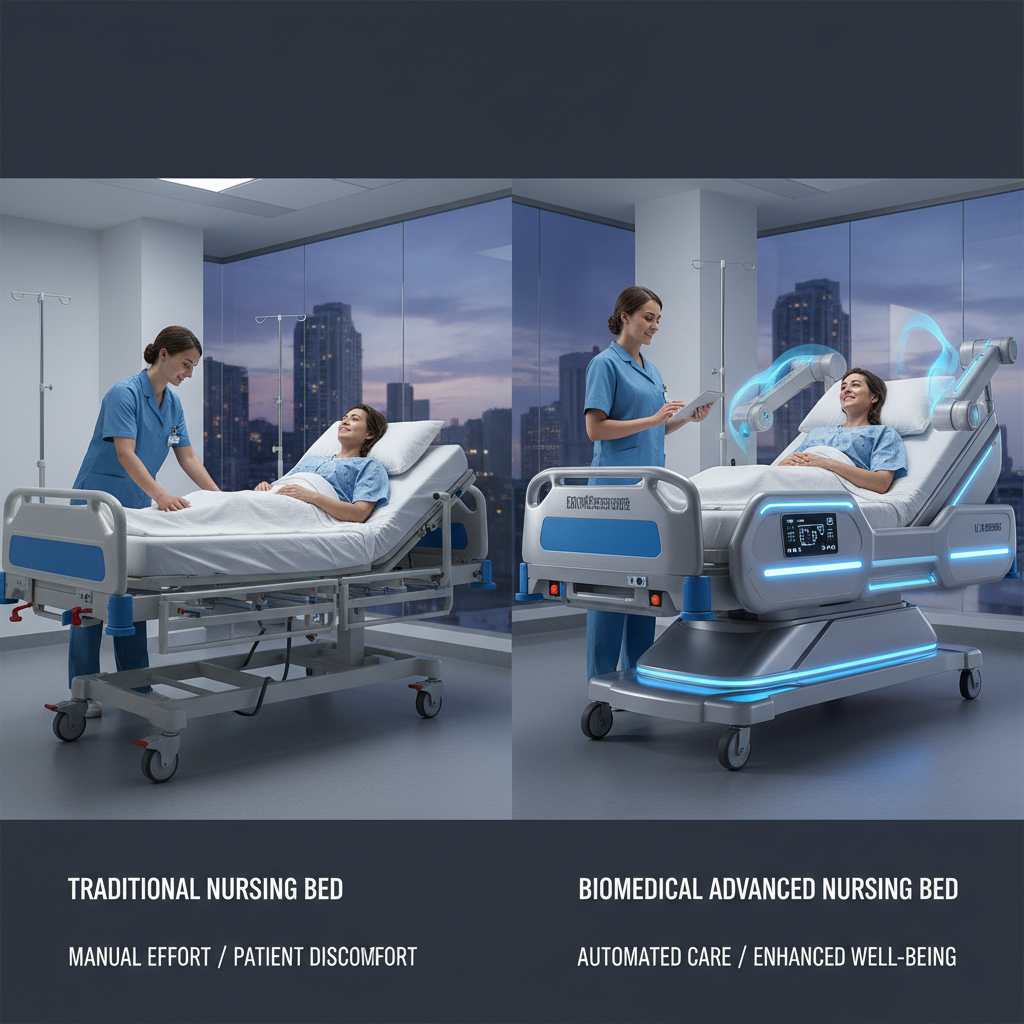
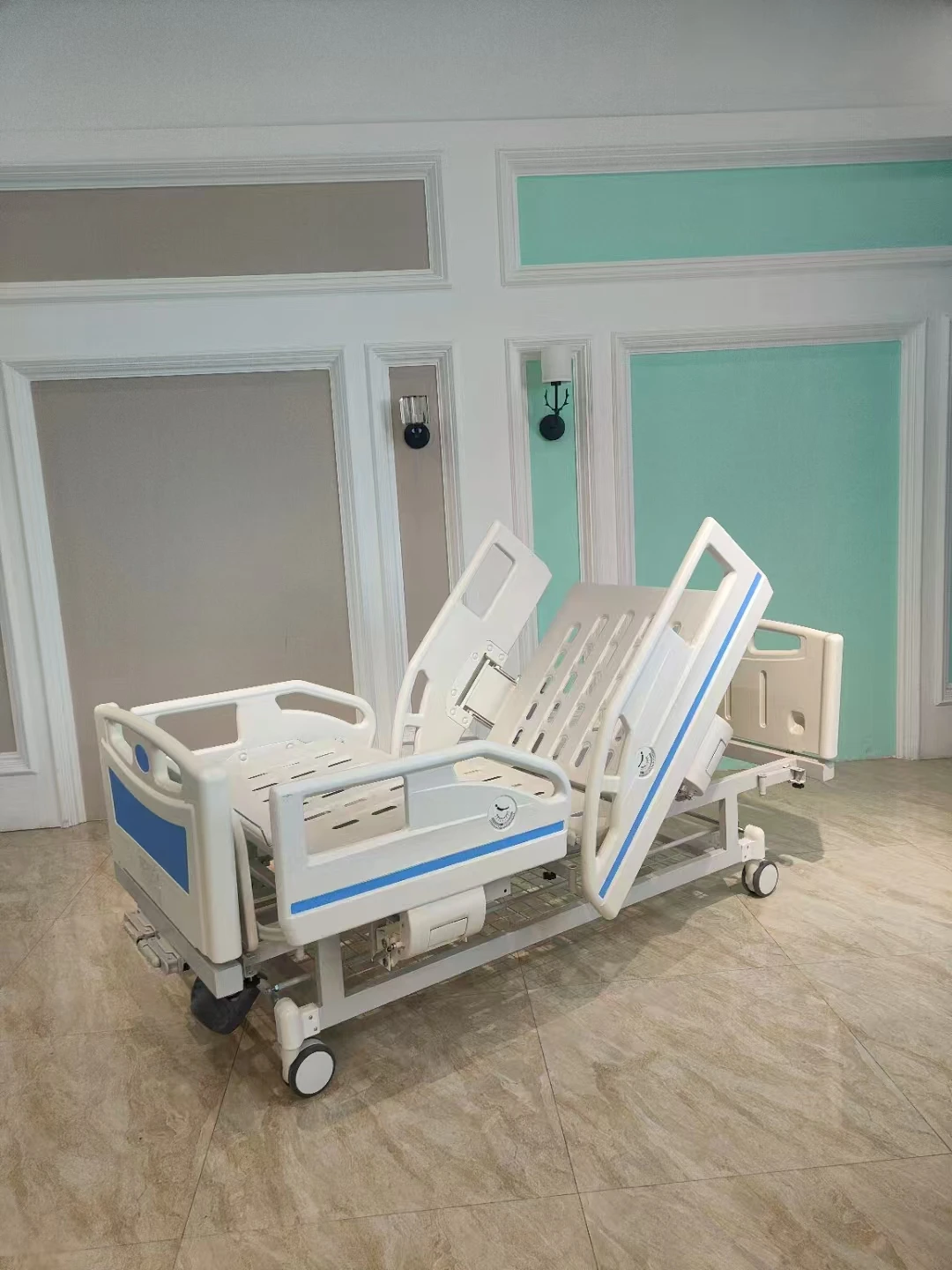
Electric hospital beds offer increased functionality and patient independence through motorized adjustments. Patients can easily control the head, foot, and overall bed height using a remote control. This is particularly beneficial for patients with limited mobility or those requiring frequent position changes. Many electric beds also include features like Trendelenburg and reverse Trendelenburg positioning, allowing for specialized medical procedures. ZF Medicare offers a variety of electric hospital beds designed for comfort and ease of use.
Electric Bed Benefits:
• Enhanced patient independence
• Easy adjustment of bed position
• Trendelenburg and reverse Trendelenburg capabilities
• Reduced strain on caregivers
Specialty Hospital Beds: Addressing Unique Needs
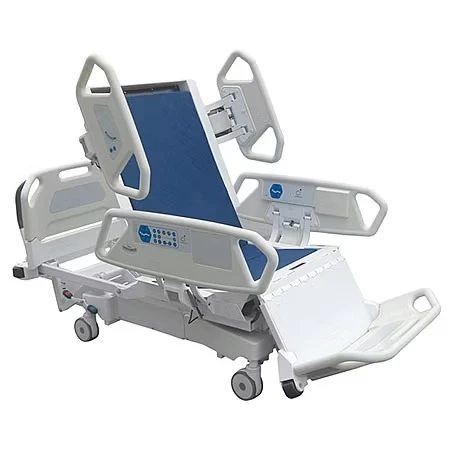
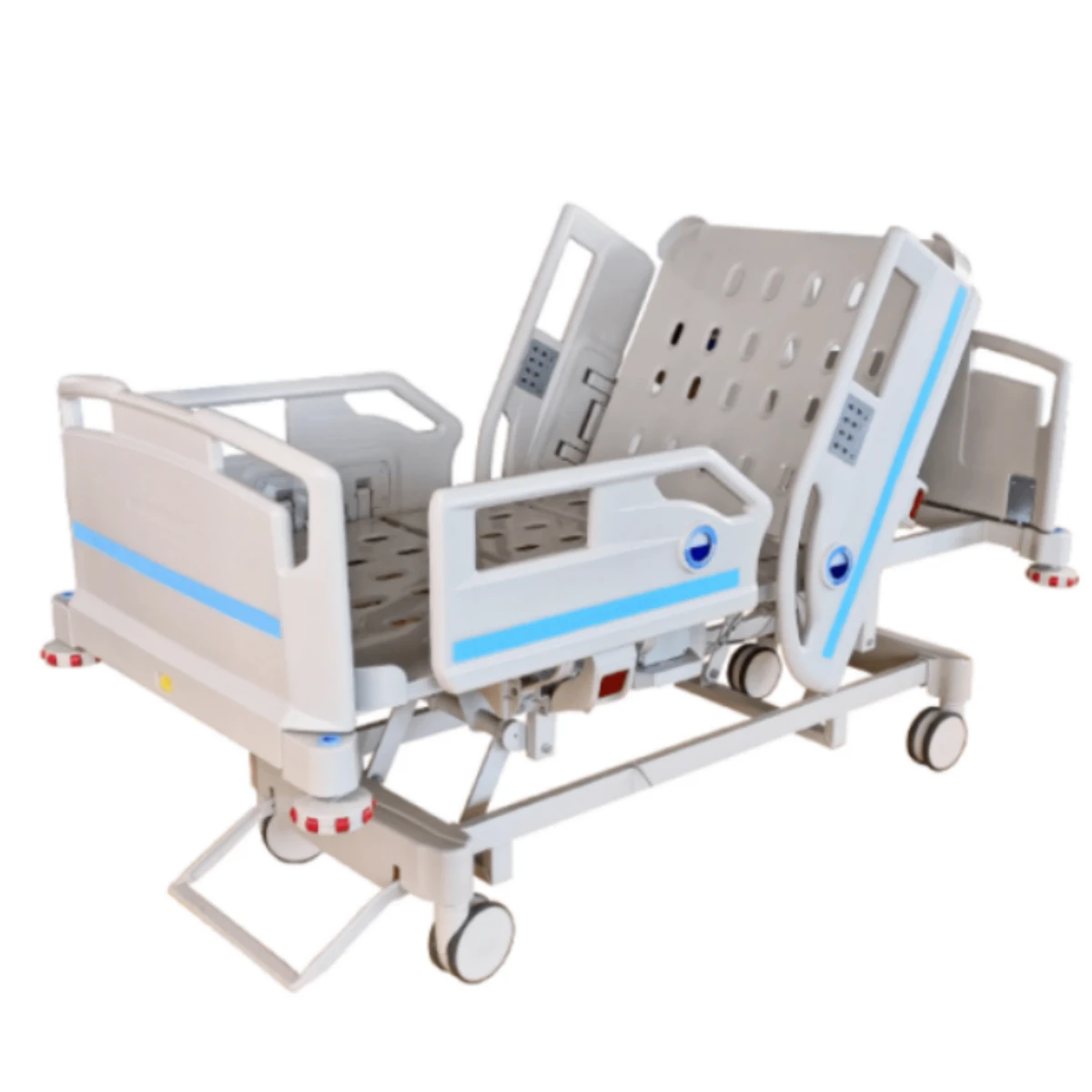
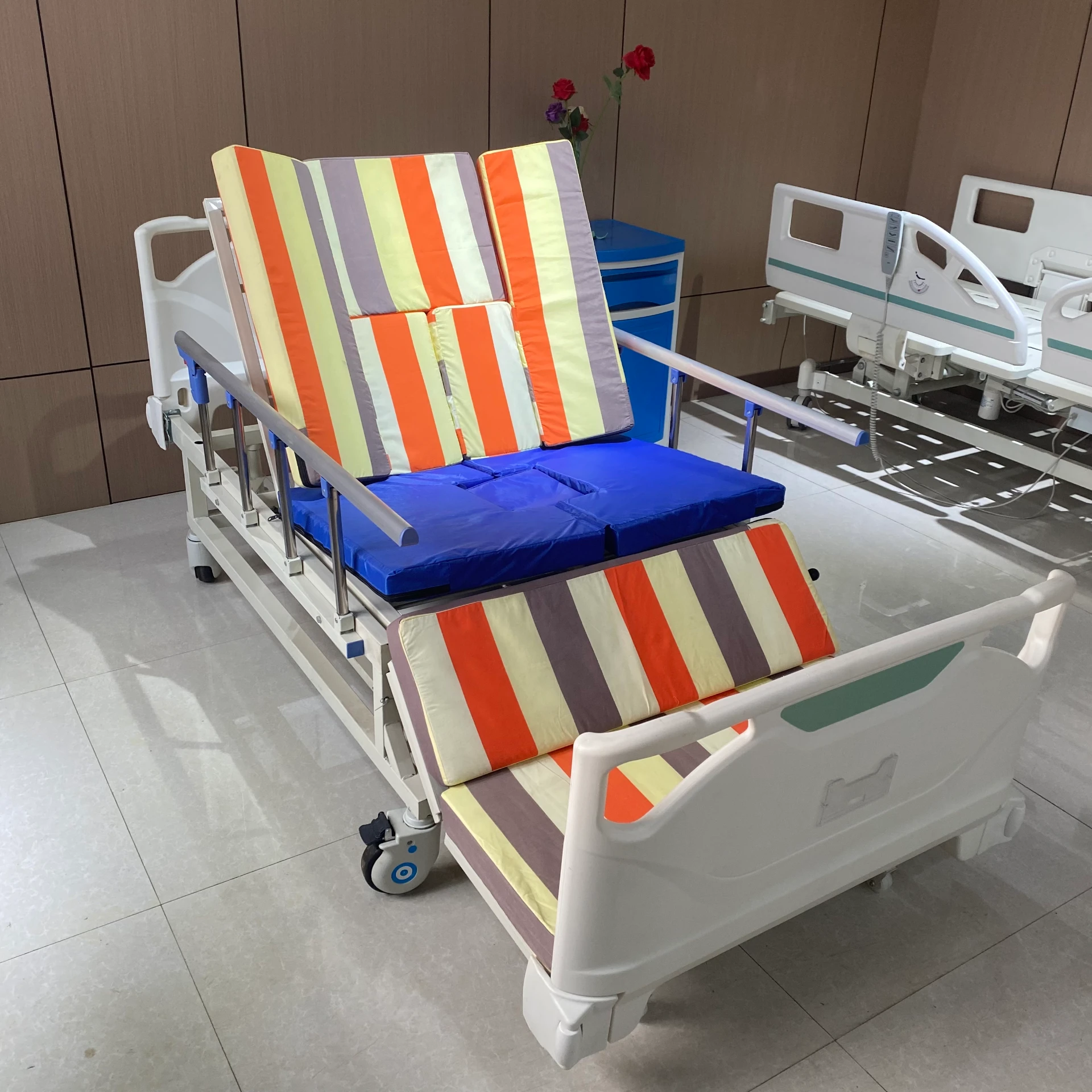
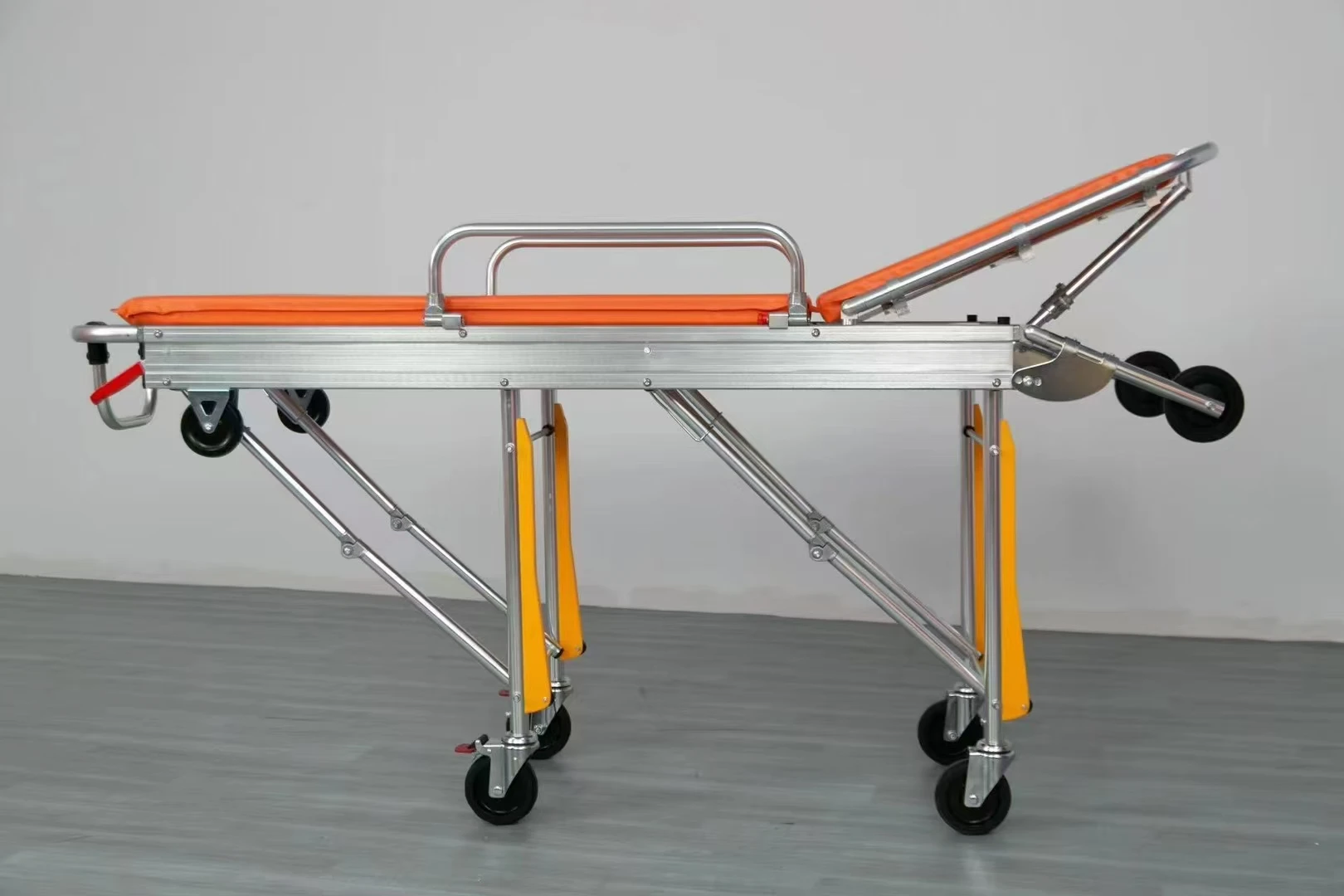
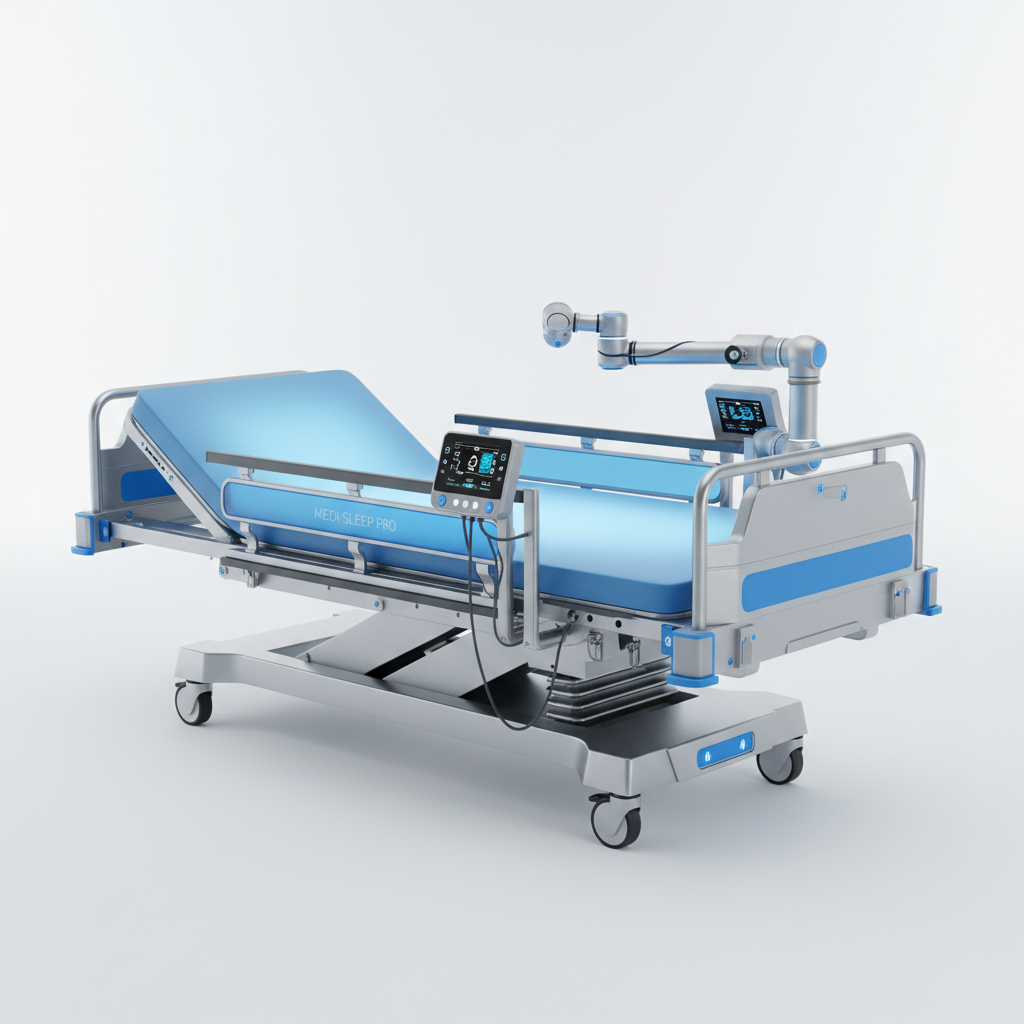
Beyond standard and electric beds, a range of specialty beds caters to specific patient requirements. These include bariatric beds designed to accommodate larger patients, pediatric beds tailored for children, and ICU beds equipped with advanced monitoring and life-support features. Low-height beds minimize fall risk for patients prone to agitation or confusion. Labor and delivery beds are specifically designed to support expectant mothers during childbirth. Selecting the correct specialty bed is critical for ensuring patient safety and optimal care.
Trendelenburg and Reverse Trendelenburg Positioning
Certain medical conditions require specific bed positioning. Trendelenburg positioning involves lowering the head of the bed and raising the foot, promoting venous return to the heart. Reverse Trendelenburg positioning is the opposite, elevating the head and lowering the foot. These positions are often used in emergency medicine, surgery, and critical care. Electric hospital beds readily facilitate these positioning adjustments, enhancing patient care and treatment effectiveness.
Choosing the Right Bed: A Checklist
Selecting the appropriate hospital bed requires careful consideration of several factors. Assess patient needs, anticipated length of stay, and the types of medical procedures required. Consider the bed's weight capacity, adjustability, and safety features. Evaluate the bed's compatibility with existing medical equipment and accessories. Don’t forget to factor in budget constraints and long-term maintenance costs. ZF Medicare provides expert guidance to help you make the best decision.
Conclusion: Investing in Patient Comfort and Safety
Choosing the right hospital types of bed is an essential investment in patient care and safety. By understanding the different options available and carefully considering individual patient needs, healthcare facilities can optimize the patient experience and improve overall outcomes. Prioritize quality, functionality, and safety when making your selection.
Frequently Asked Questions (FAQs)
What is the typical lifespan of a hospital bed?
The lifespan of a hospital bed generally ranges from 7 to 10 years, depending on usage, maintenance, and the quality of construction. Regular inspection and preventative maintenance can extend its lifespan. Factors like the number of patients using the bed, the intensity of use, and adherence to cleaning protocols all play a role. Replacing worn or damaged parts promptly is also crucial for maintaining safety and functionality.
How often should hospital beds be serviced?
Hospital beds should be serviced at least every 6 months, or more frequently with heavy use. Servicing includes inspection of all mechanical components, lubrication of moving parts, testing of electrical functions, and checking the integrity of the bed frame and side rails. Regular maintenance prevents breakdowns, ensures patient safety, and extends the bed's lifespan. A qualified biomedical technician should perform the servicing.
What safety features are essential in a hospital bed?
Essential safety features include reliable side rails that prevent falls, a functional locking system to secure the bed in position, a weight capacity that matches the patient’s needs, and an emergency stop function for electric beds. Regular inspection of these features is crucial. Additionally, beds should be compatible with appropriate mattresses to prevent pressure ulcers and ensure patient comfort. A clear and accessible call button is also vital.
Are there beds designed for patients with specific medical conditions?
Yes, there are specialized hospital beds designed for various medical conditions. For instance, bariatric beds support heavier patients, low-height beds minimize fall risk, and ICU beds offer advanced monitoring capabilities. There are also beds designed to aid in respiratory care or to provide specialized support for patients with spinal injuries. Choosing the right bed tailored to the patient's specific condition is critical for optimal care and recovery.