High Quality Medical Hospital Cot for Sale and Buying Guide
Finding the Perfect Hospital Cot for Sale: A Comprehensive Buying Guide
Selecting the right medical furniture is a critical decision for healthcare facilities and home caregivers alike. When searching for a hospital cot for sale, it is essential to balance patient comfort, caregiver accessibility, and long-term durability. A high-quality hospital cot does more than just provide a place to sleep; it plays a vital role in pressure sore prevention, patient mobilization, and overall recovery efficiency. In this guide, we will explore the various types of cots available, the key features to look for, and how to ensure you are investing in a product that meets international medical standards for safety and ergonomics.

Understanding Different Types of Hospital Cots
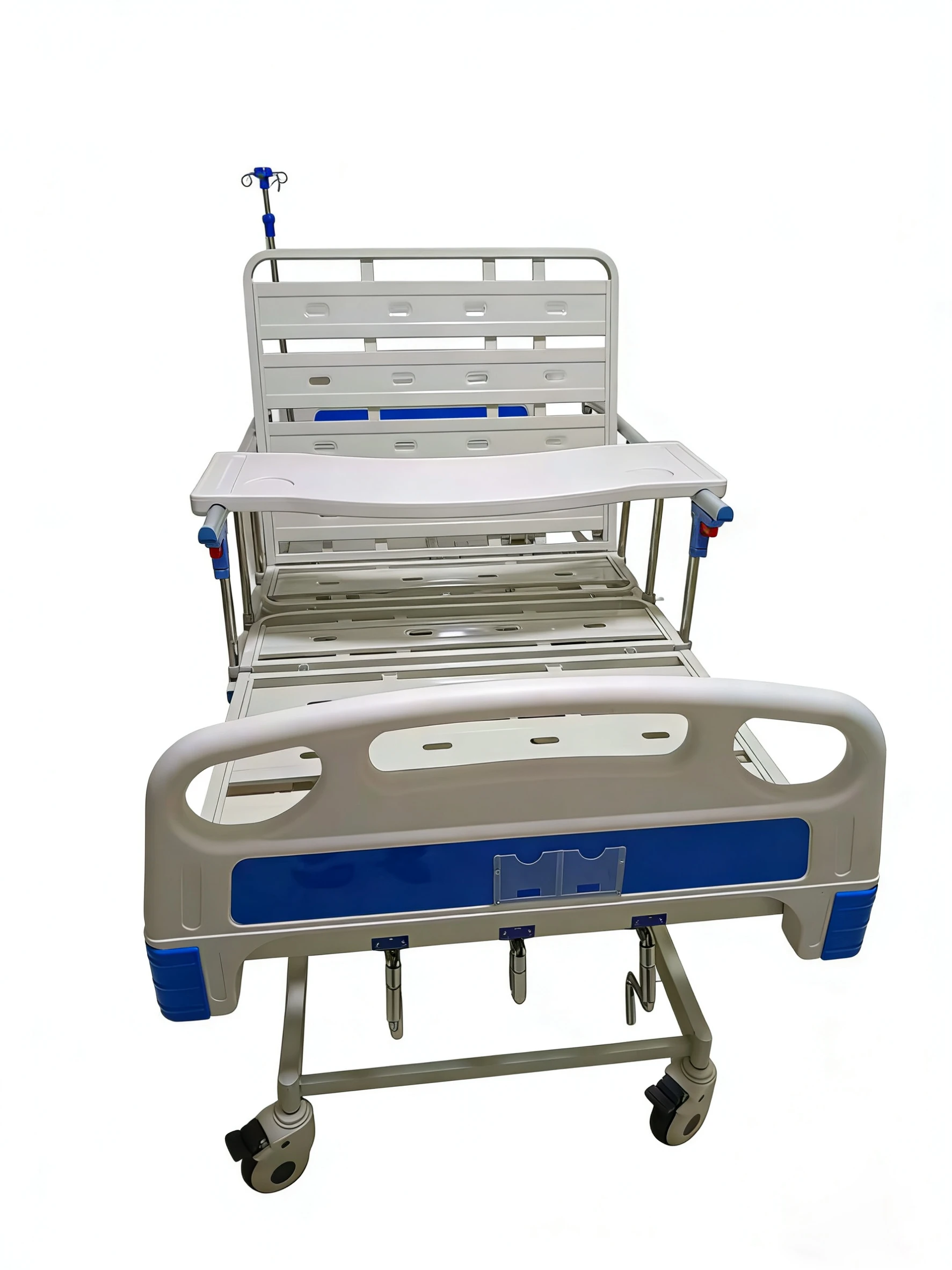
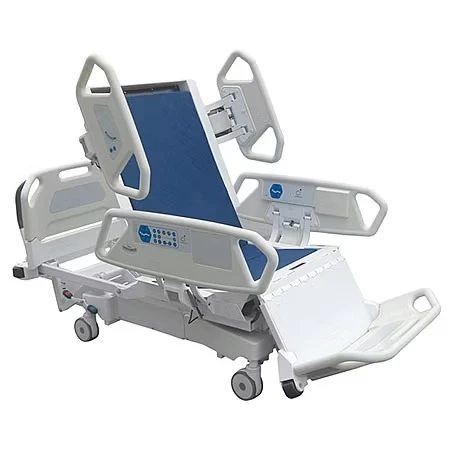
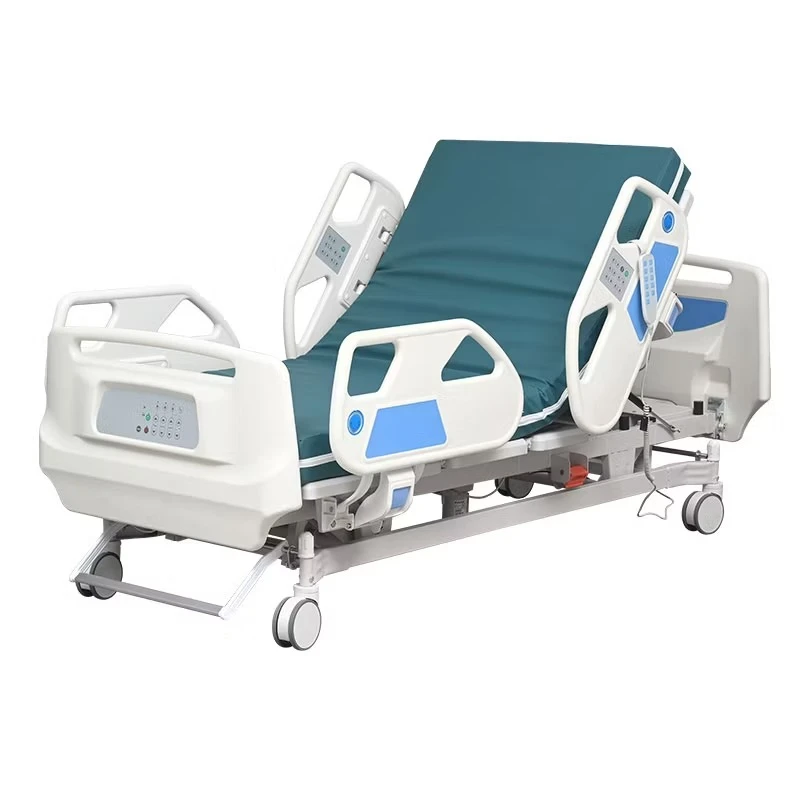
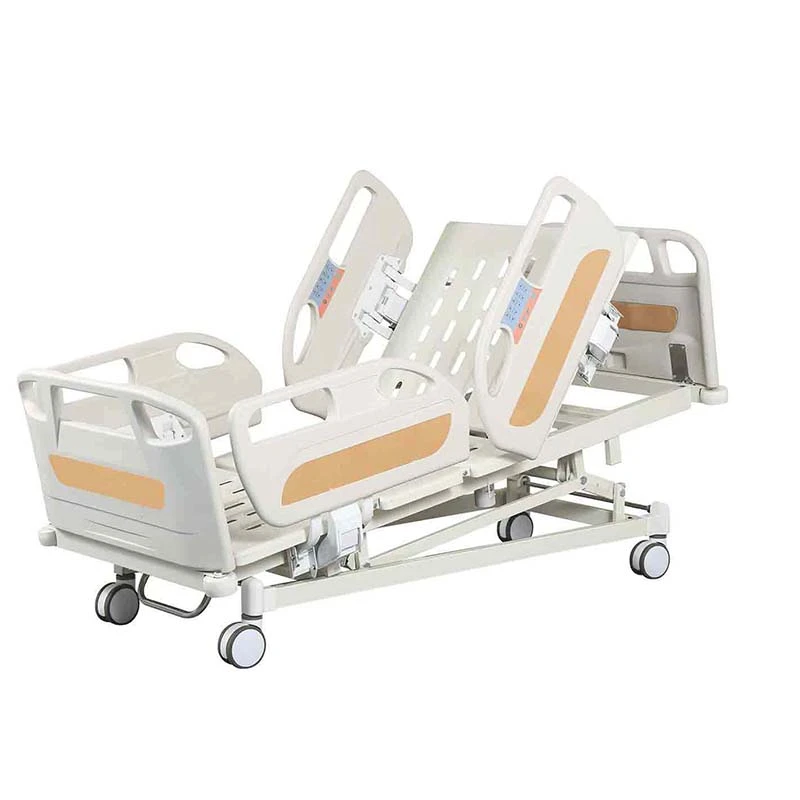
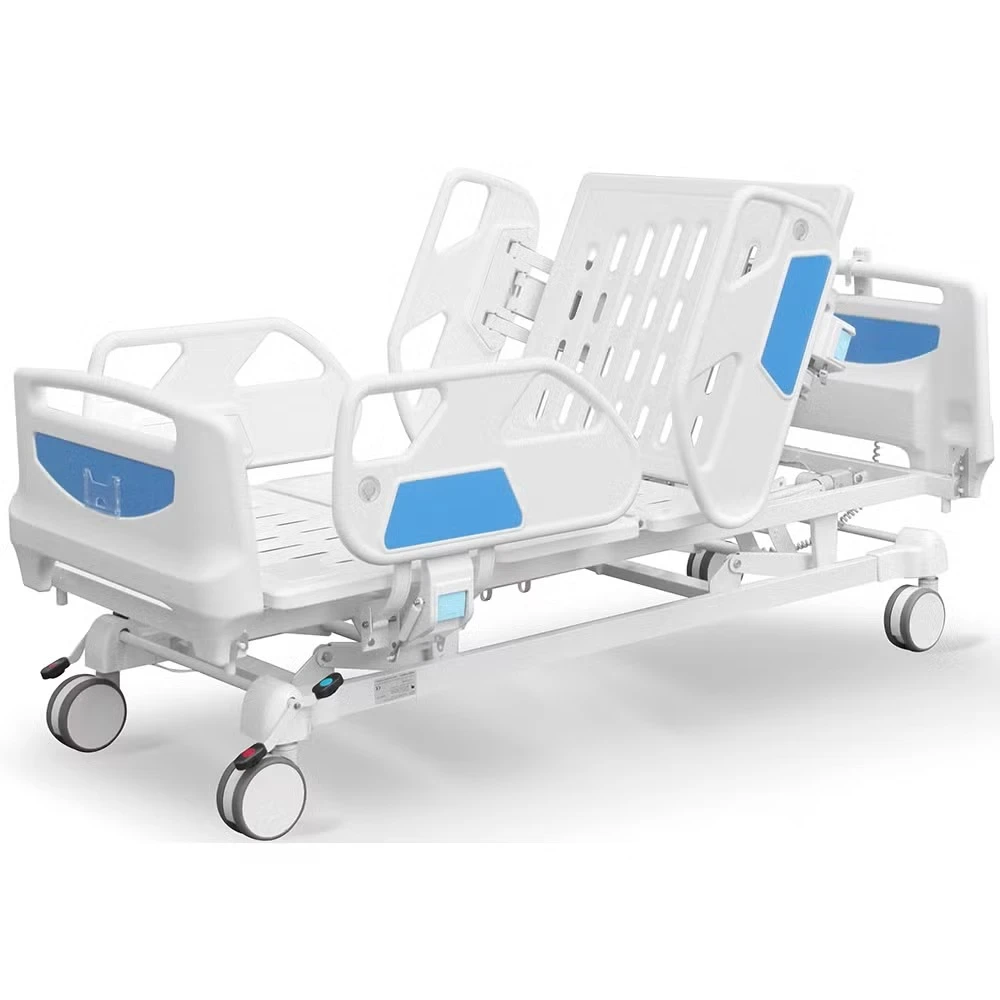
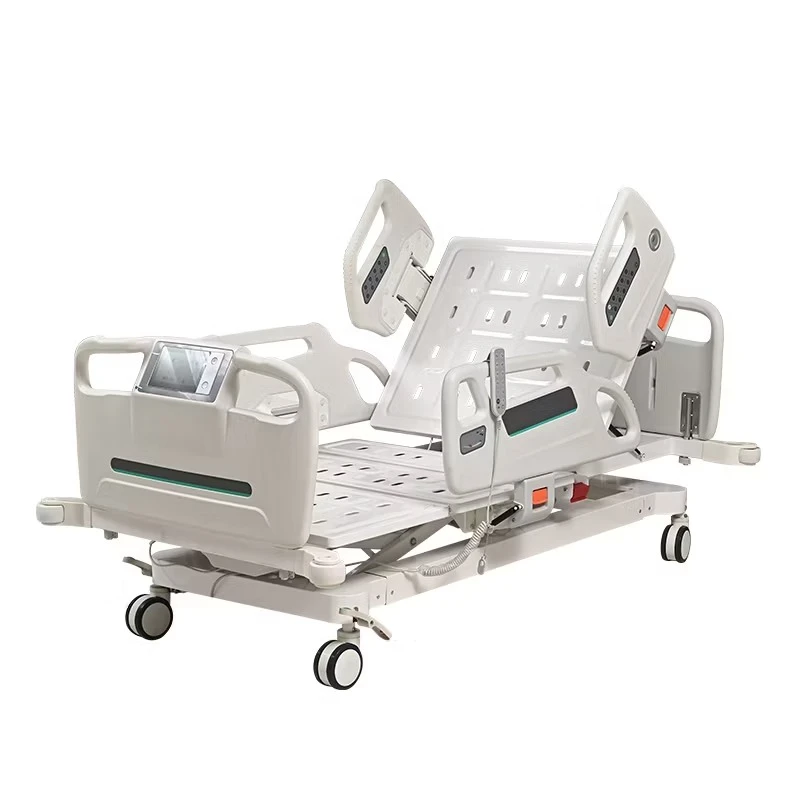
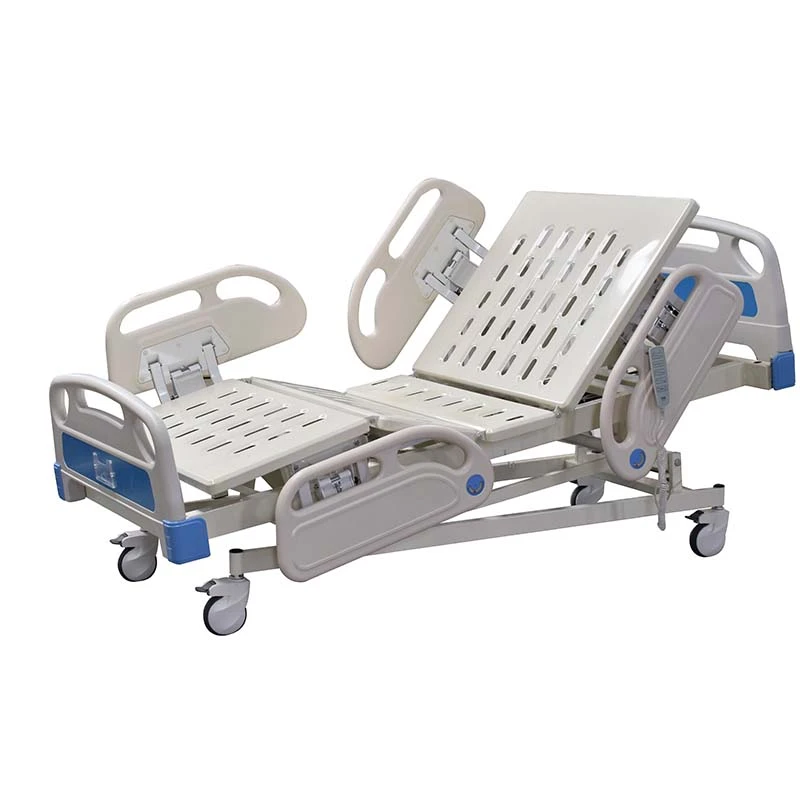
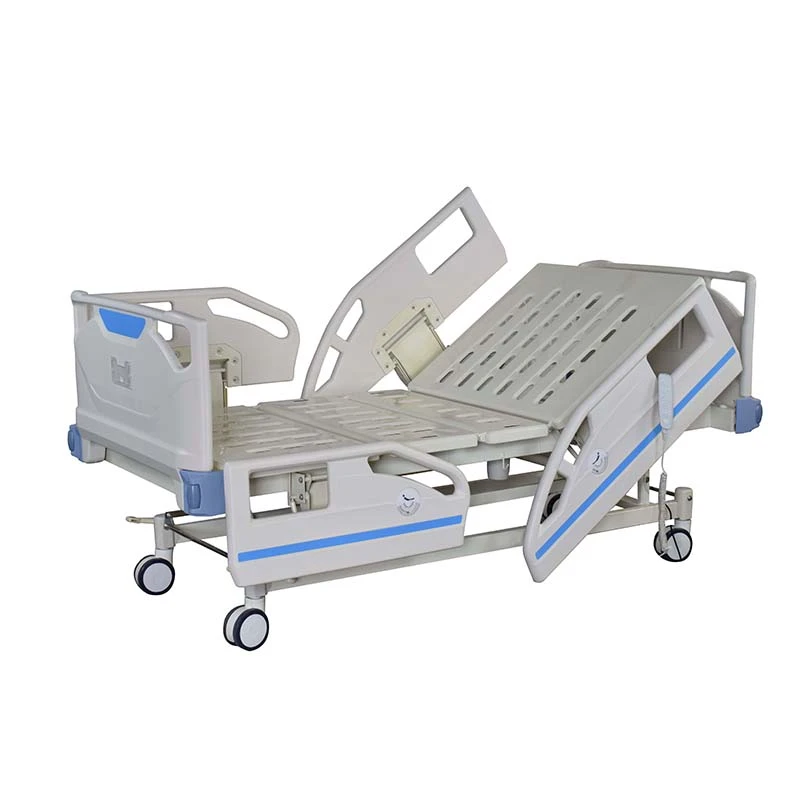
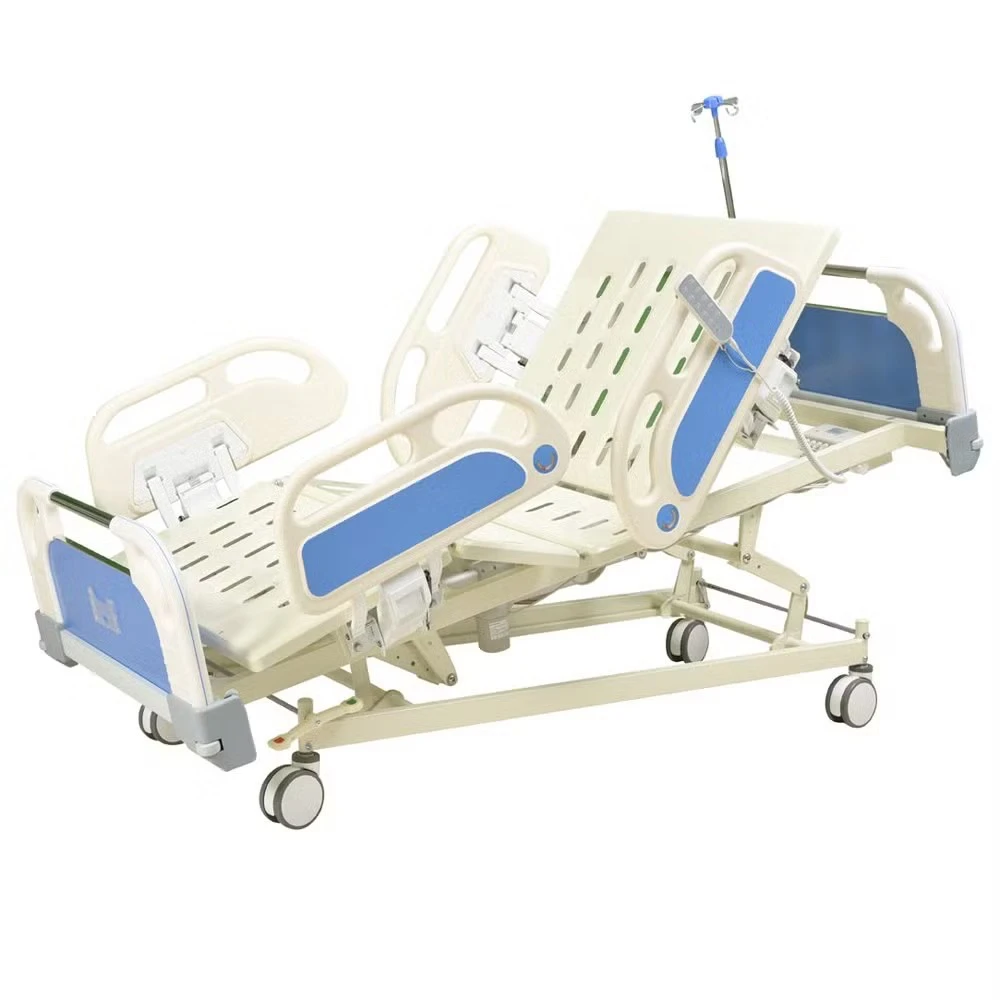
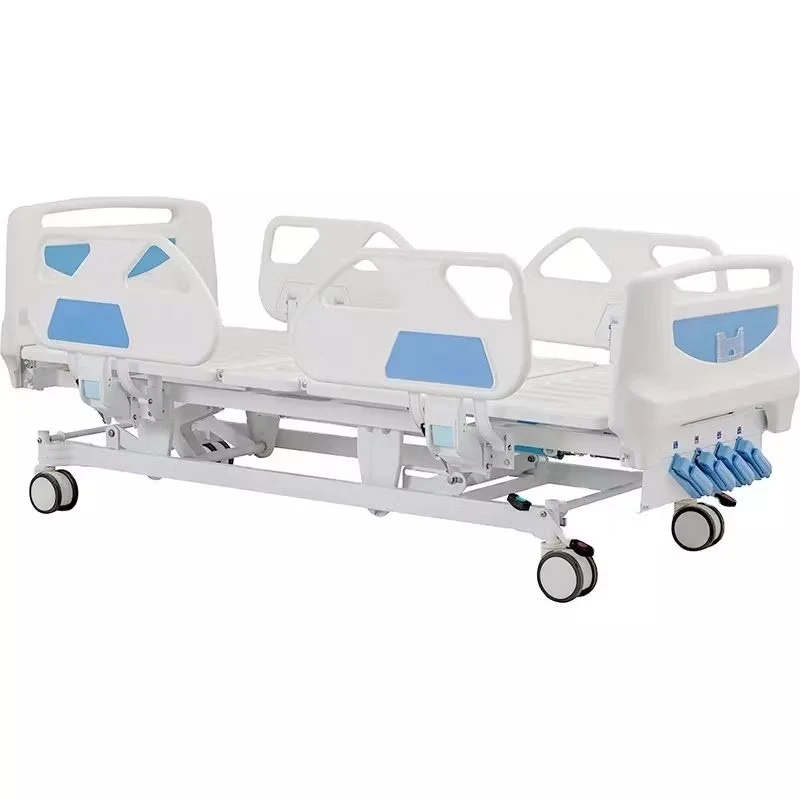
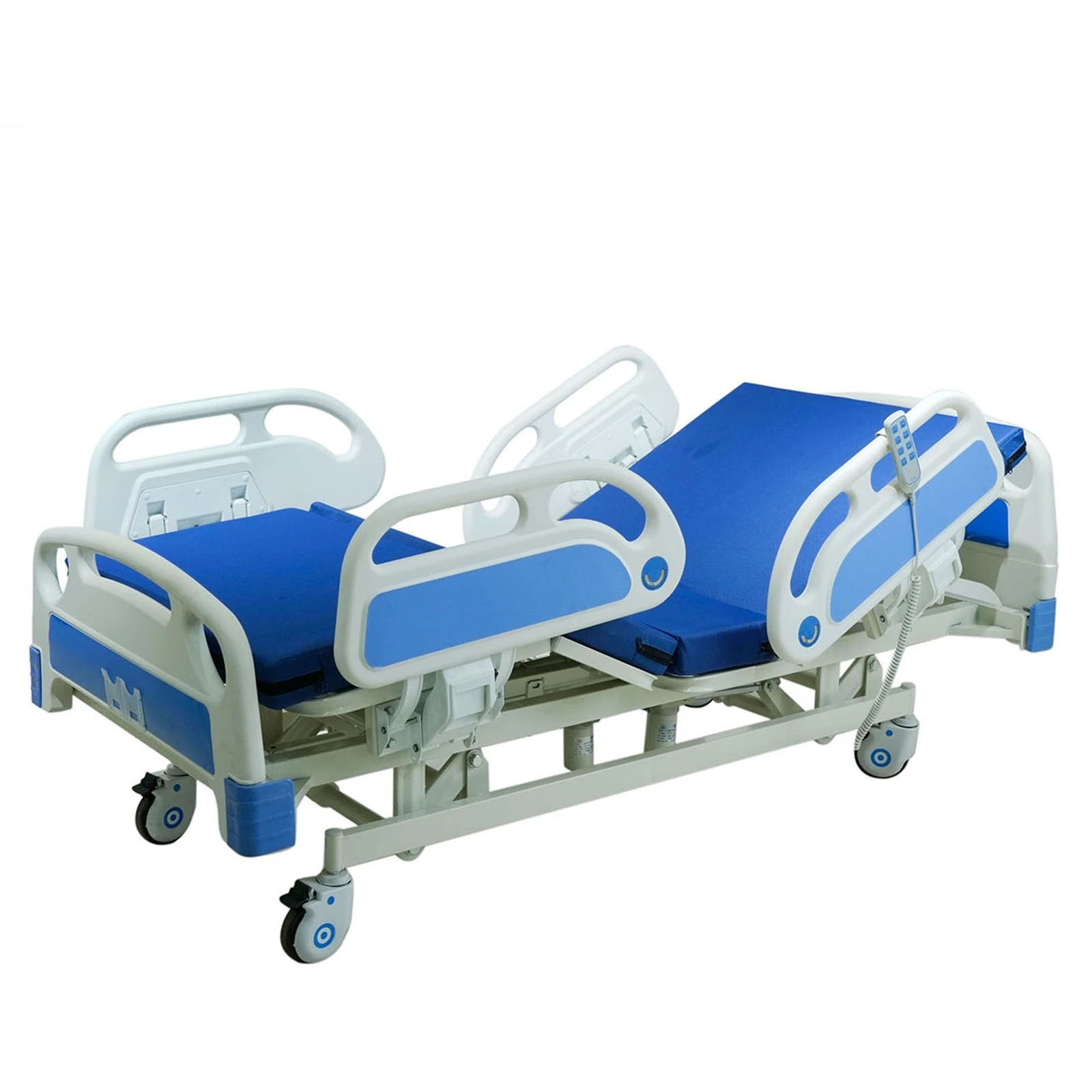
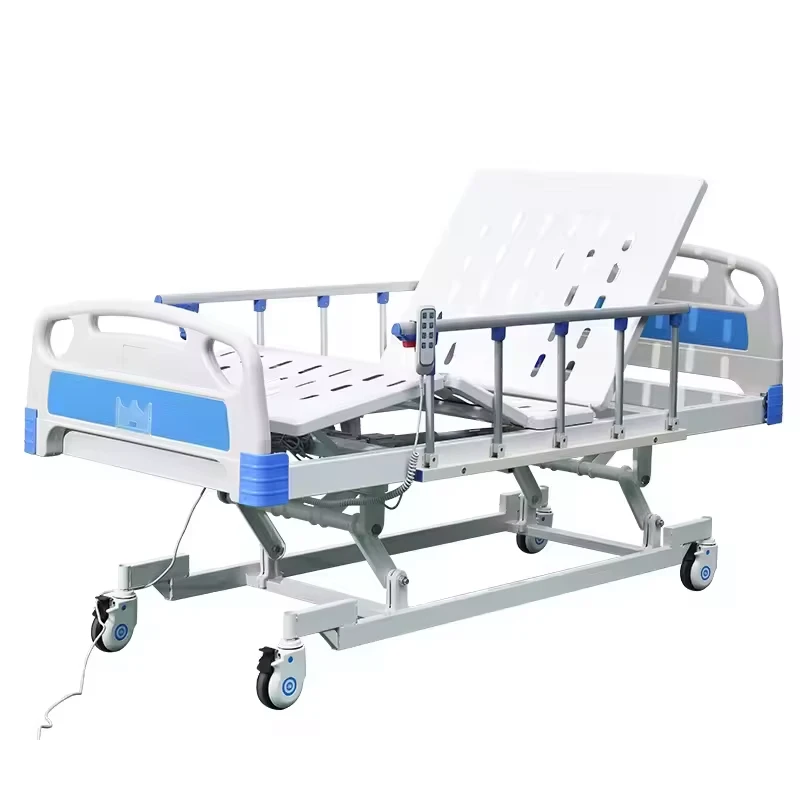
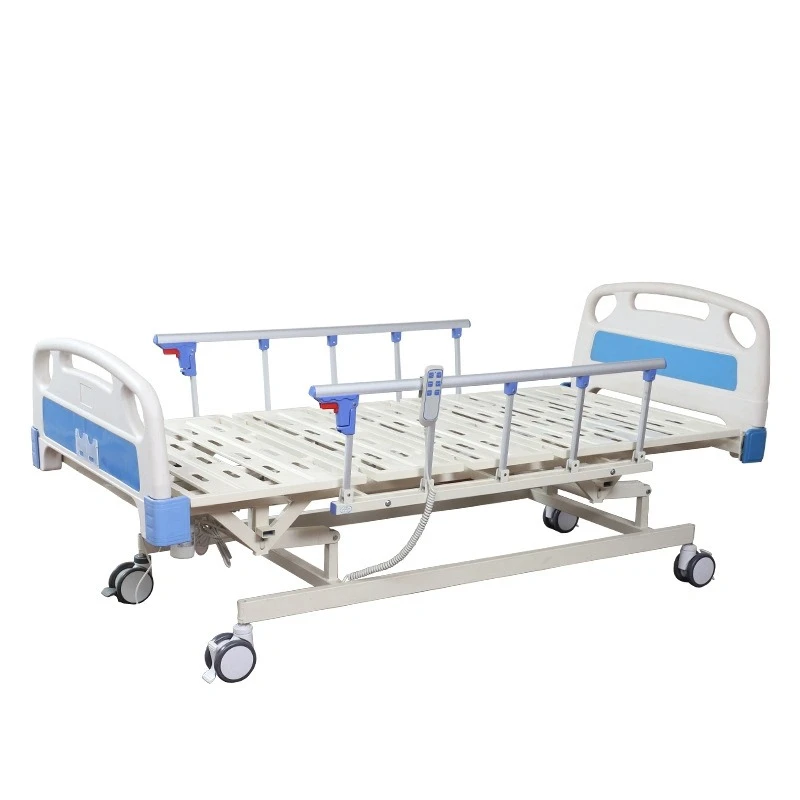
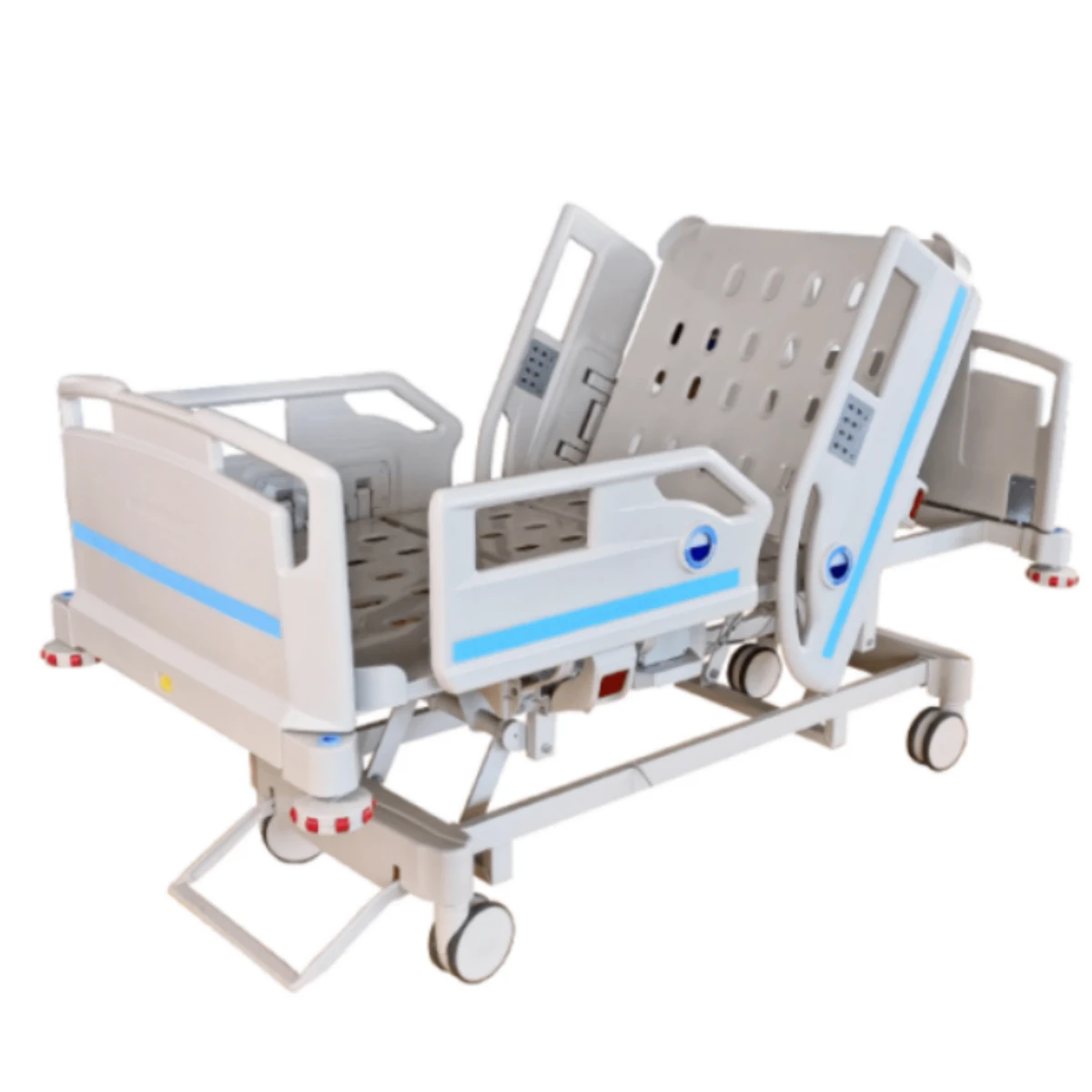
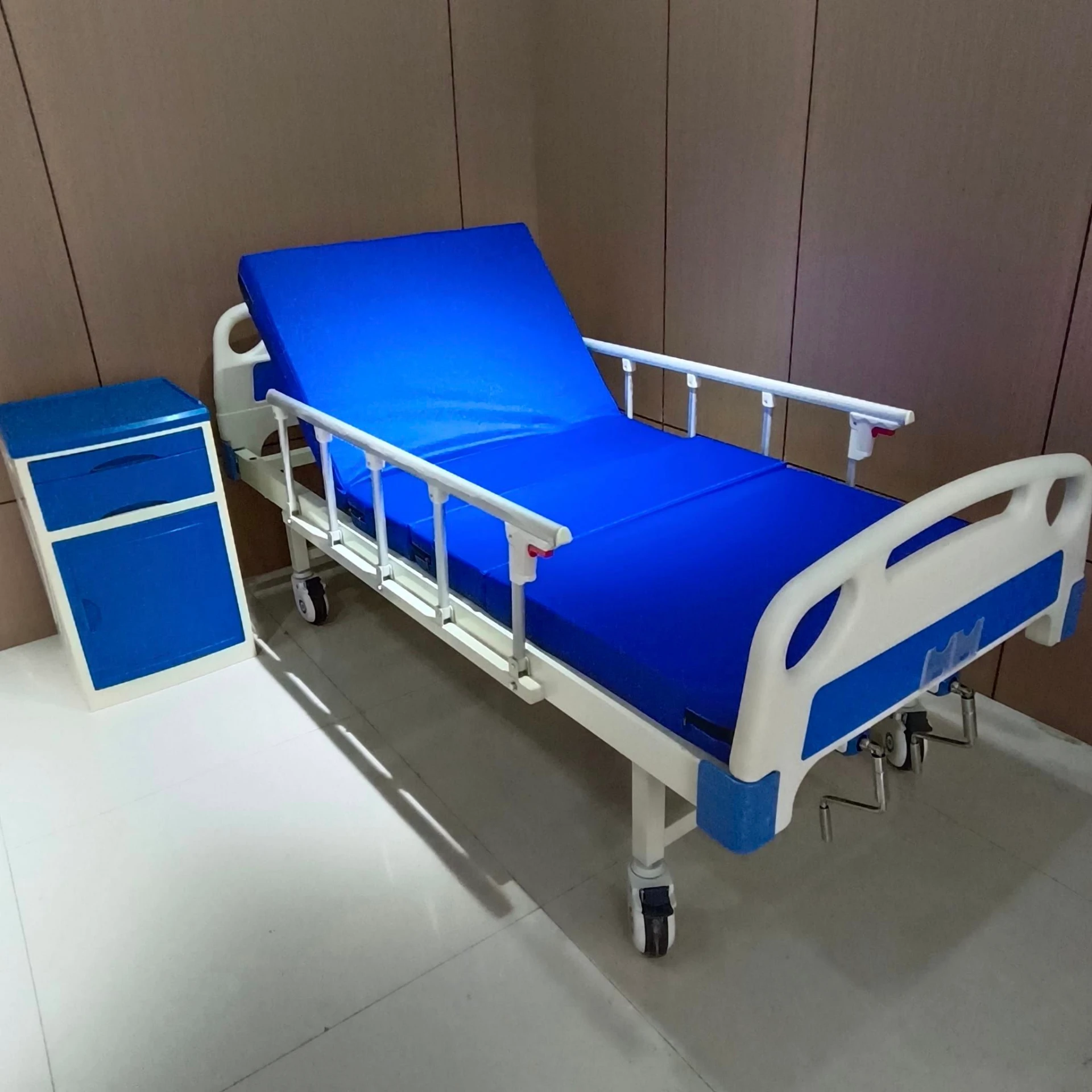
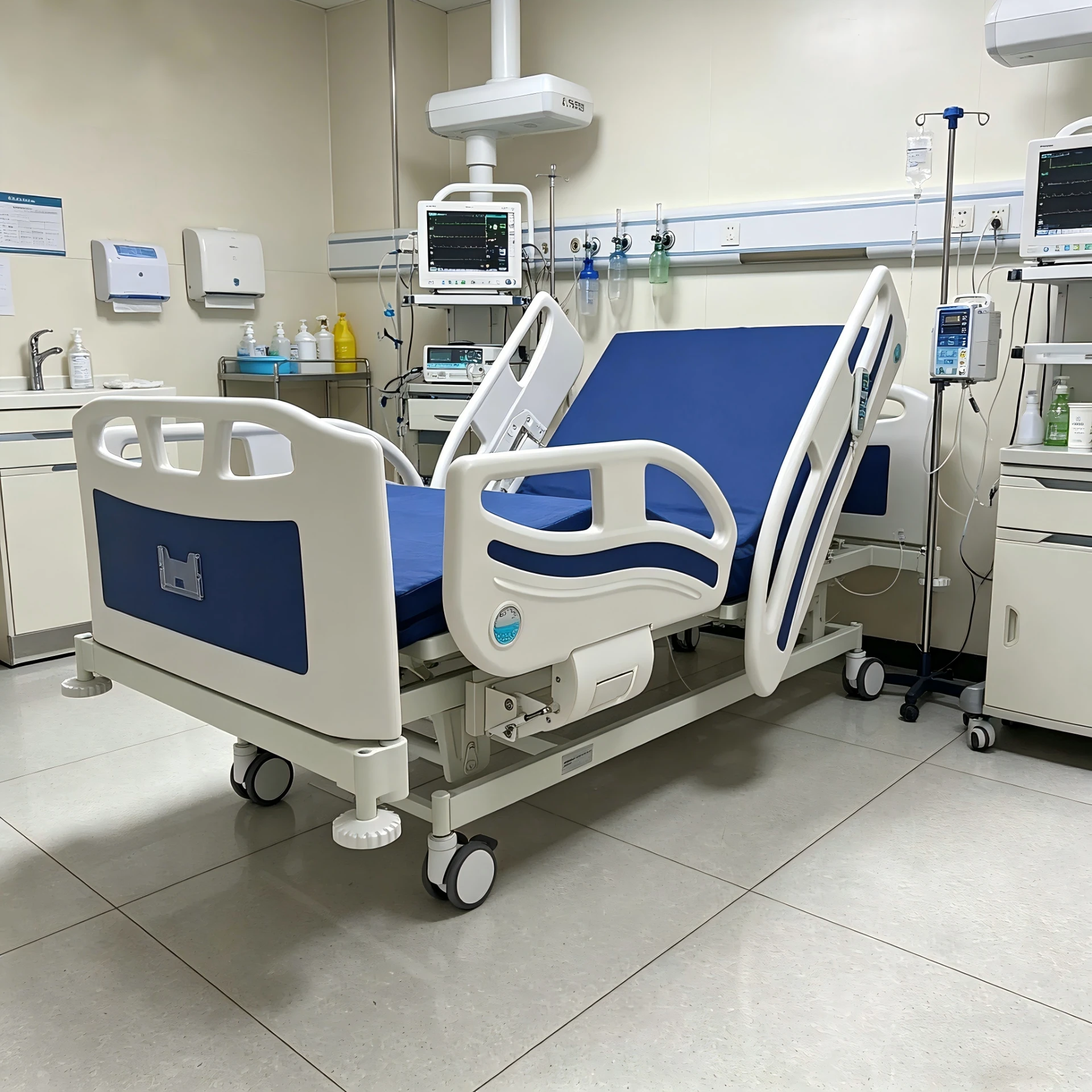
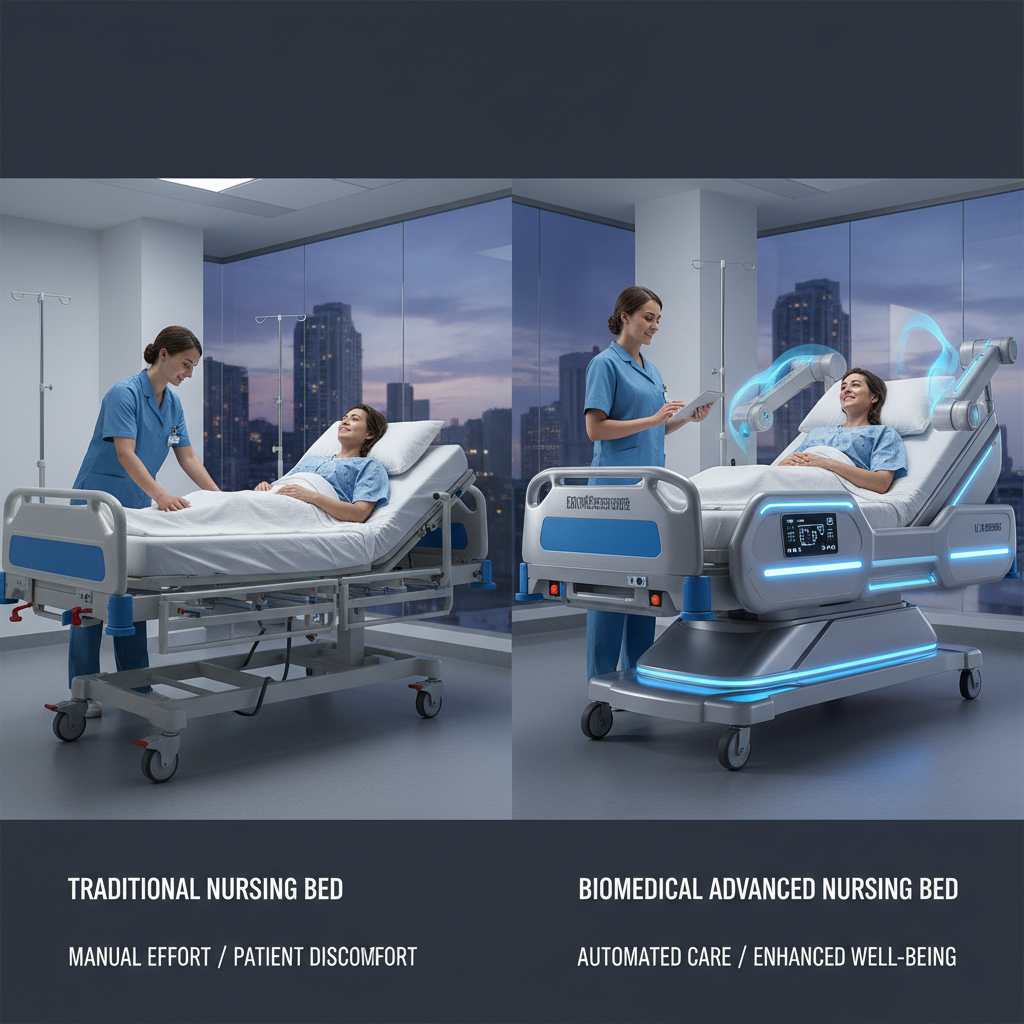
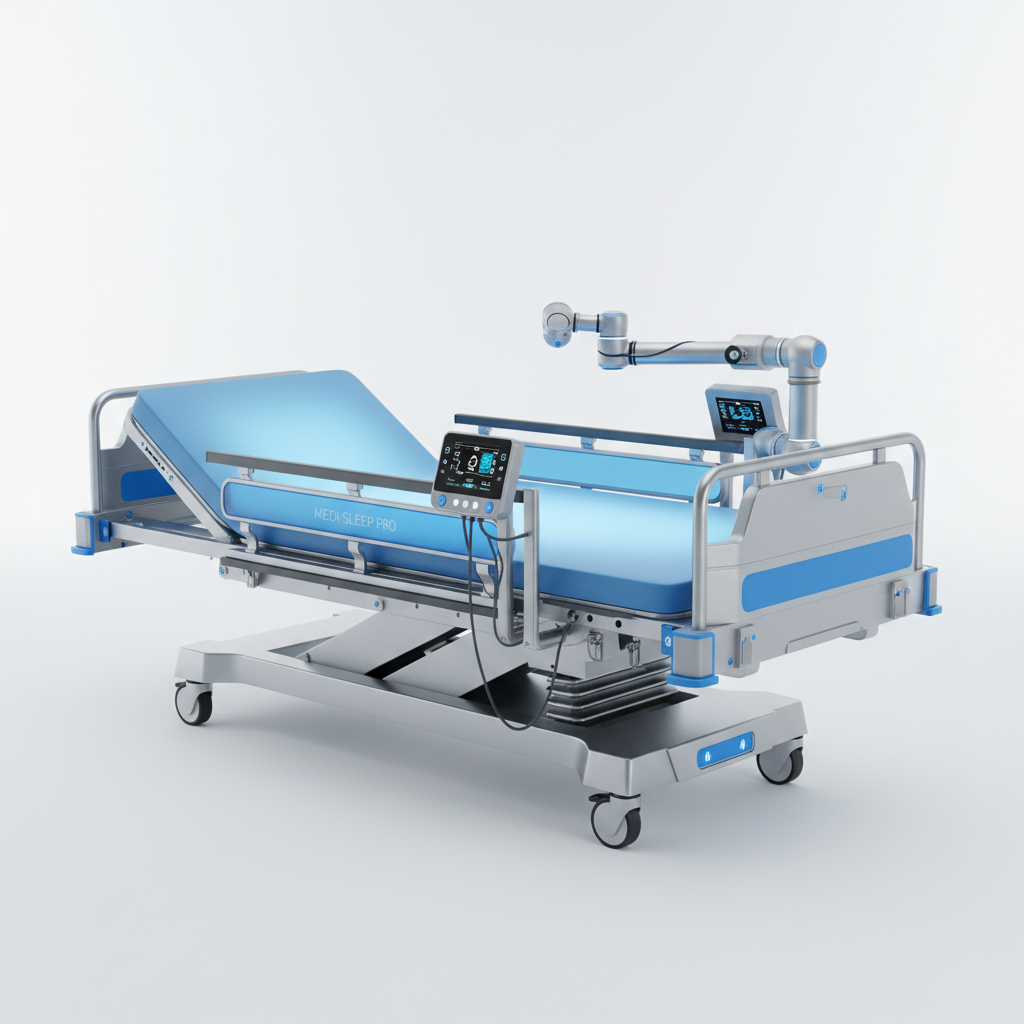
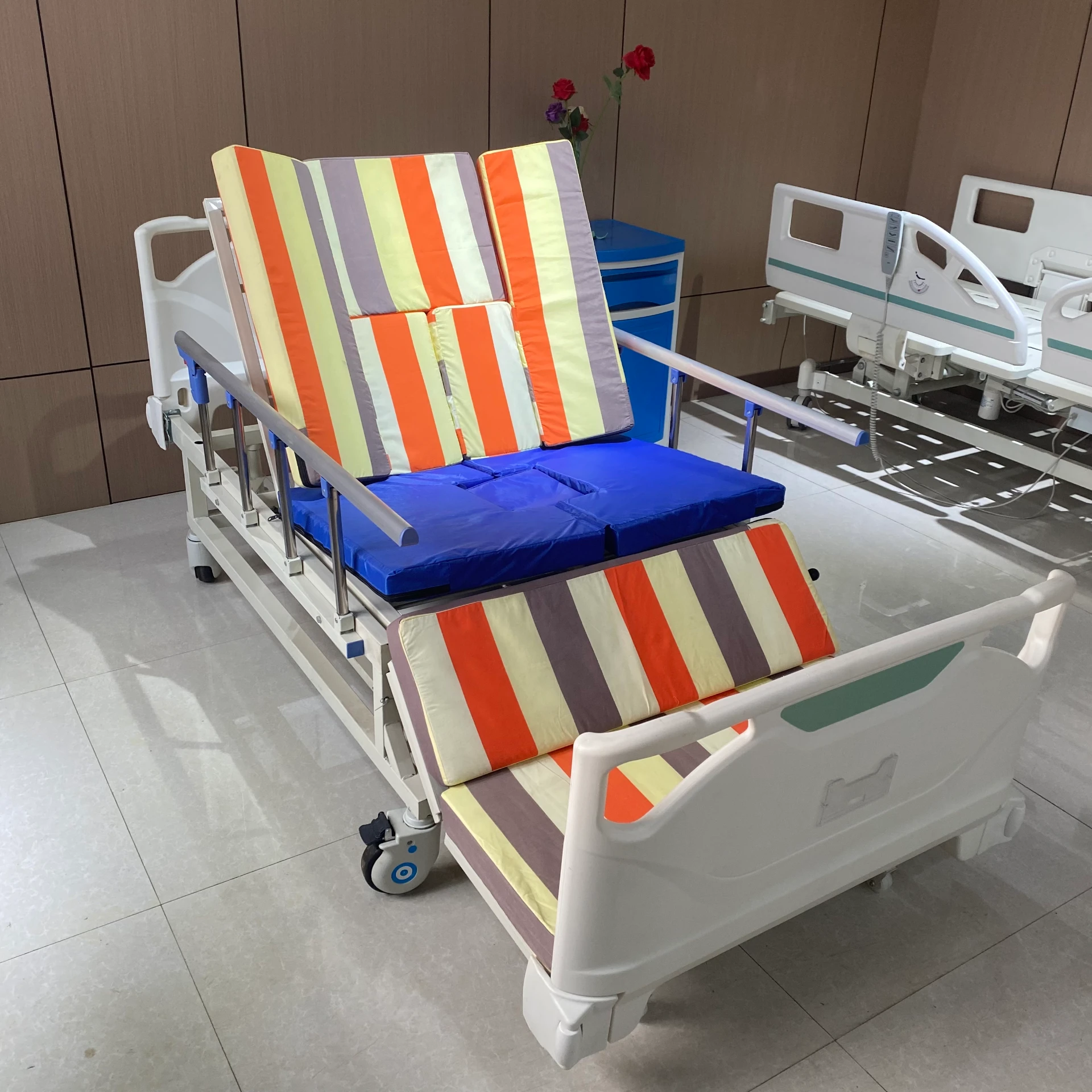
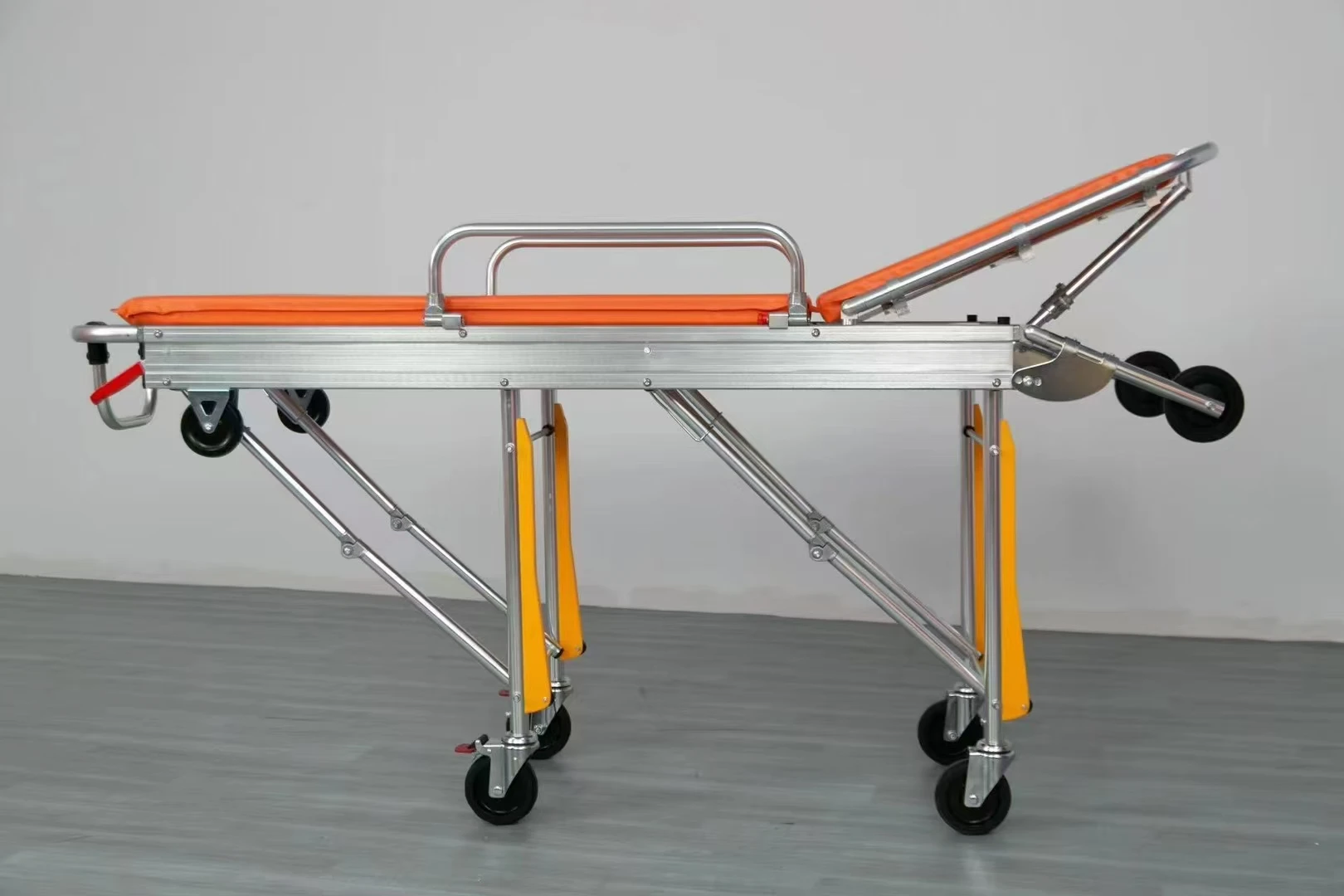
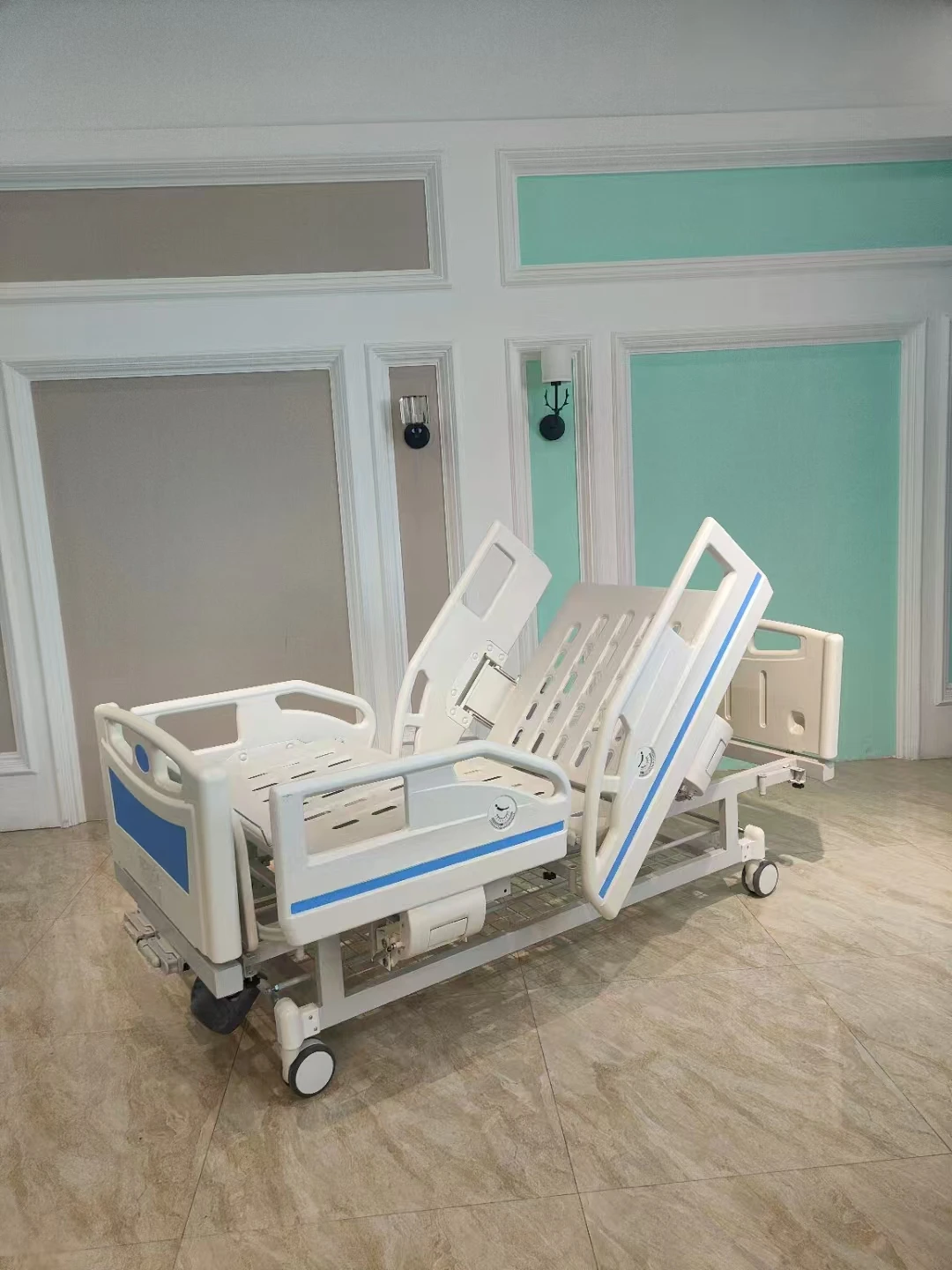
Not all medical beds are created equal. Depending on the patient's condition, you may require a manual cot, a semi-electric model, or a fully automated intelligent bed. Manual cots are cost-effective and reliable for low-acuity patients, while electric cots provide effortless adjustments for head and knee elevation, which is crucial for patients with limited mobility. For intensive care units (ICU), specialized cots with advanced monitoring integration and precise positioning are necessary. When browsing a hospital cot for sale, consider the specific environment—whether it be a high-traffic hospital ward or a quiet home-care setting—to determine which mechanism best serves your needs.
Essential Features of a Premium Hospital Cot for Sale
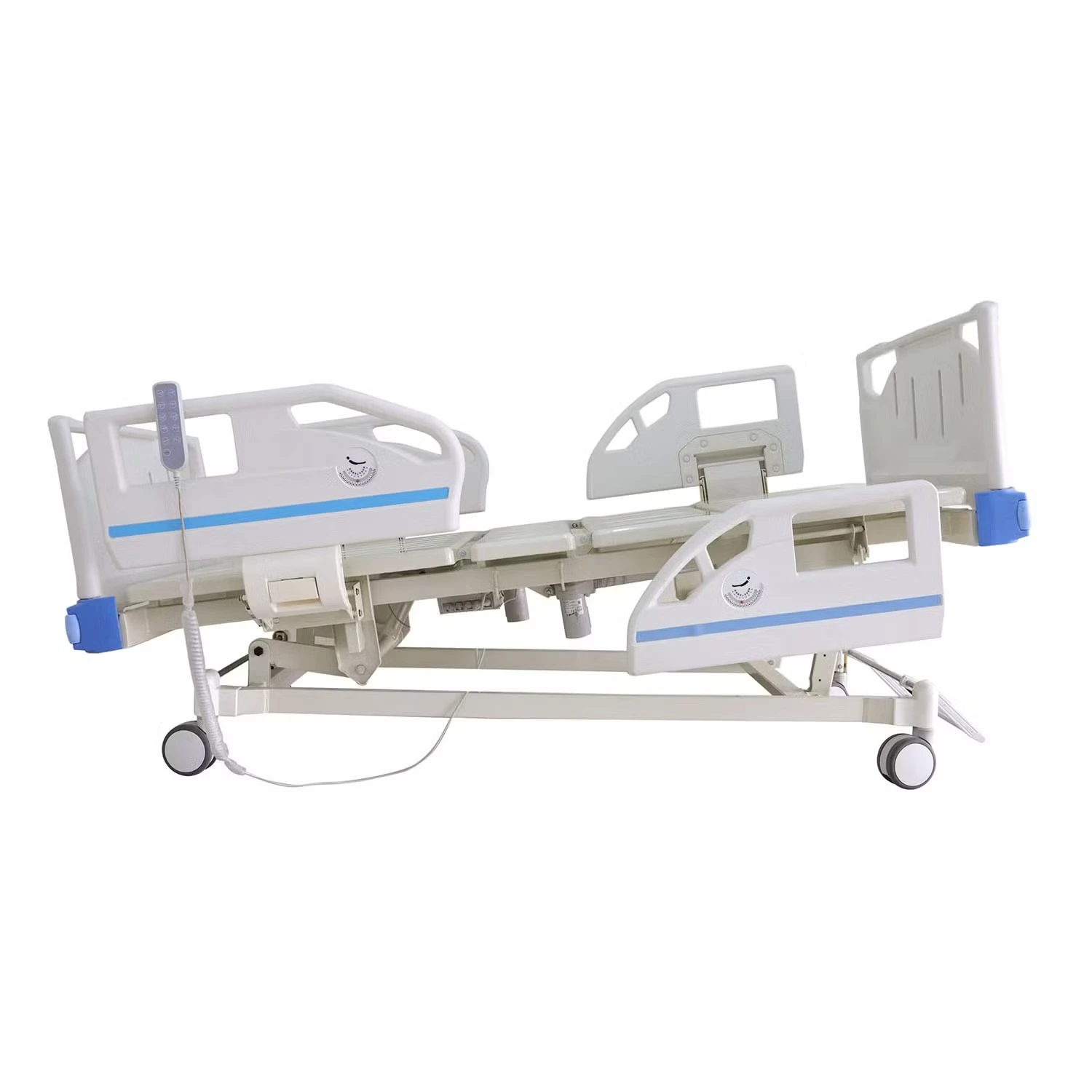
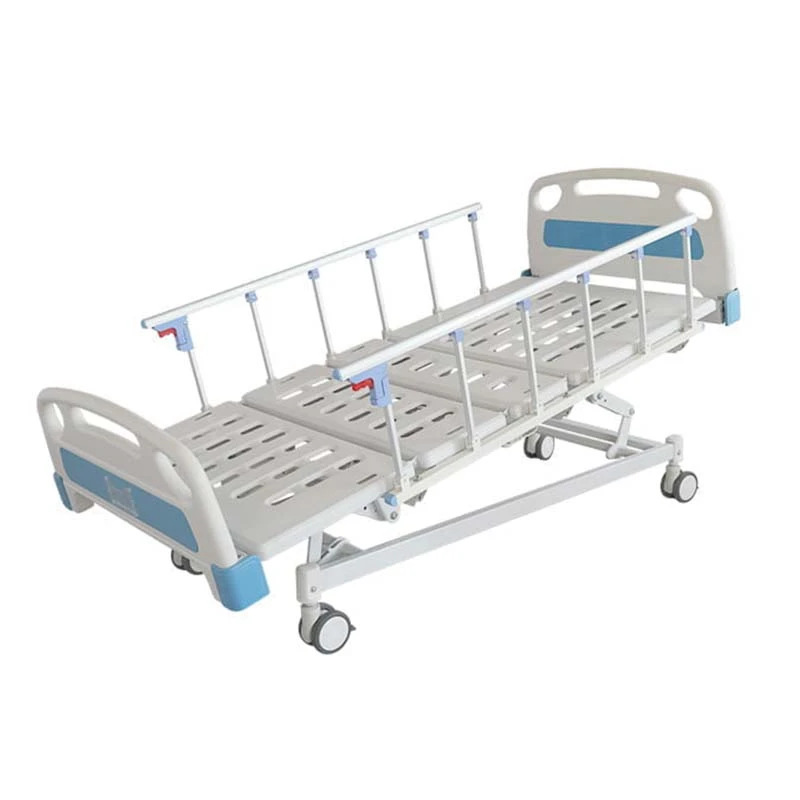
To ensure maximum patient safety, a professional medical cot must include several non-negotiable features. First, adjustable side rails are vital to prevent accidental falls while allowing caregivers easy access. Second, the use of medical-grade antimicrobial coatings on the frame helps reduce the risk of healthcare-associated infections. Third, high-quality locking casters ensure the cot remains stationary during patient transfers but can be moved smoothly when necessary. Investing in a hospital cot for sale that emphasizes ergonomics can significantly reduce the physical strain on nursing staff, preventing workplace injuries related to patient lifting.
Quick Tip: Always check for the "Safe Working Load" (SWL) capacity. Ensure the cot can comfortably support the maximum expected patient weight plus bedding and accessories to avoid mechanical failure.
Comparing Manual vs. Electric Hospital Cots
Choosing between manual and electric options often comes down to a trade-off between budget and convenience. Manual cots rely on hand-cranks, which are durable and require no electricity but demand more effort from the staff. Electric cots use linear actuators to adjust height and angles at the touch of a button, greatly improving the patient's autonomy. Below is a detailed comparison to help you decide which hospital cot for sale fits your facility's operational requirements.
Material and Build Quality Standards
The longevity of medical equipment depends entirely on the materials used in construction. Top-tier manufacturers utilize cold-rolled steel with electrostatic powder coating to prevent rust and corrosion from chemical disinfectants. The mattress is equally important; a high-density memory foam or air-cell mattress is recommended to prevent pressure ulcers (bedsores). When evaluating a hospital cot for sale, verify that the materials are biocompatible and breathable to maintain skin integrity for long-term patients.
Technical Specifications for Hospital Cots
For procurement managers and medical professionals, technical data is the only way to ensure a product meets clinical requirements. Factors such as the range of height adjustment (Hi-Lo function) and the angles of the backrest are critical for patient respiratory health and eating. Below is a typical specifications table for a standard professional-grade hospital cot for sale.
Conclusion: Choosing the Right Hospital Cot for Your Needs
Finding a high-quality hospital cot for sale is about more than just finding the lowest price; it is about ensuring patient safety and caregiver efficiency. By focusing on material durability, adjustment flexibility, and ergonomic design, you can create a healing environment that promotes faster recovery. Whether you are equipping a new clinic or enhancing home care, ZF Medicare provides the professional standards required for modern medical settings. Invest in quality today for a healthier tomorrow.
Frequently Asked Questions (FAQs)
How do I choose between a manual and electric hospital cot?
The choice depends primarily on the level of care required and your budget. Manual cots are ideal for patients who are relatively stable and for facilities with a limited budget or no consistent power access. They are highly durable and easy to maintain. Electric cots, however, are essential for patients with severe mobility issues or those who need frequent position changes to prevent pressure sores. They provide a significantly better experience for both the patient (who gains independence) and the caregiver (who reduces physical strain). When looking for a hospital cot for sale, consider the long-term labor costs—electric beds often save money by reducing caregiver burnout and injury.
What is the average lifespan of a medical hospital cot?
A professionally manufactured hospital cot typically lasts between 7 to 12 years, depending on the intensity of use and the quality of maintenance. Manual beds often last longer due to fewer electronic components. To extend the lifespan of your cot, regular lubrication of moving joints, checking the stability of the casters, and ensuring the mattress is cleaned according to manufacturer guidelines are essential. If you buy a premium hospital cot for sale from a reputable supplier, you will benefit from better materials and available spare parts, which significantly increases the product's operational life.
Can I customize the mattress for a hospital cot?
Yes, customization is highly recommended based on the patient's specific medical needs. Standard foam mattresses are suitable for short-term stays, but patients at high risk for bedsores require alternating pressure mattresses or high-specification viscoelastic foam. Many providers offering a hospital cot for sale allow you to choose the mattress type as an add-on. We suggest choosing a waterproof, breathable cover to ensure hygiene and ease of cleaning while maintaining a comfortable temperature for the patient.
What safety certifications should I look for when buying?
You should look for certifications such as ISO 13485 (Medical devices — Quality management systems) and CE marking, which indicates the product meets European Union health, safety, and environmental protection standards. Additionally, ensure the cot complies with local medical furniture regulations regarding load-bearing capacity and rail height. A certified hospital cot for sale guarantees that the product has undergone rigorous stress testing and safety audits, minimizing the risk of accidents in a clinical environment.