Comprehensive Guide to Understanding Different Hospital Bed Types and Features
Hospital Bed Types: A Comprehensive Guide
Choosing the right hospital bed is a critical decision for healthcare facilities, patients, and caregivers. Different patient needs require different bed features. This article explores various hospital bed types, outlining their benefits and ideal applications. Understanding these options is crucial for ensuring patient comfort, safety, and efficient care. From basic manual beds to advanced ICU models, we’ll cover the spectrum of available options to help you make informed decisions.

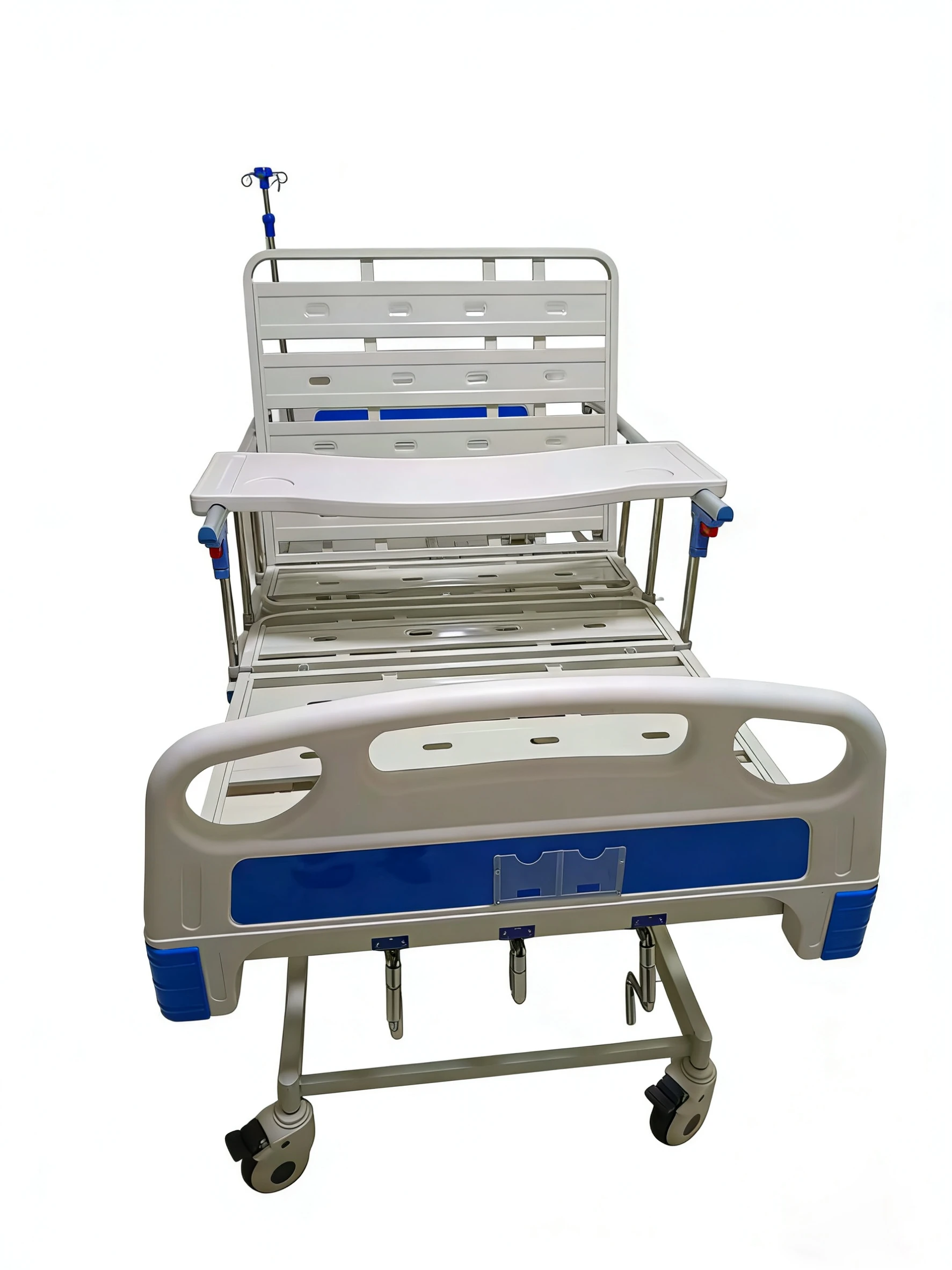
Manual Hospital Beds: The Basics
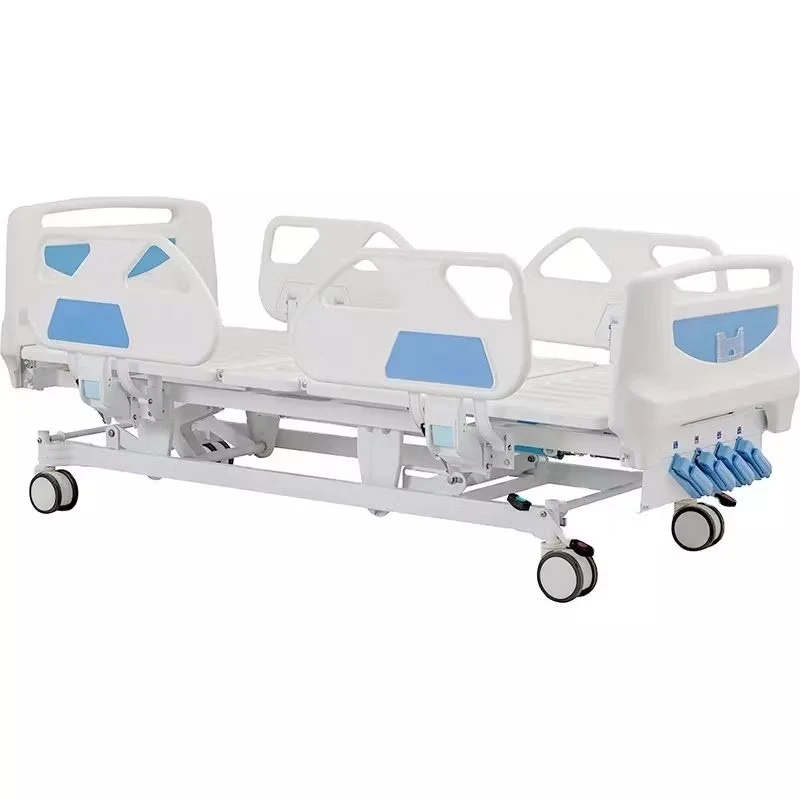
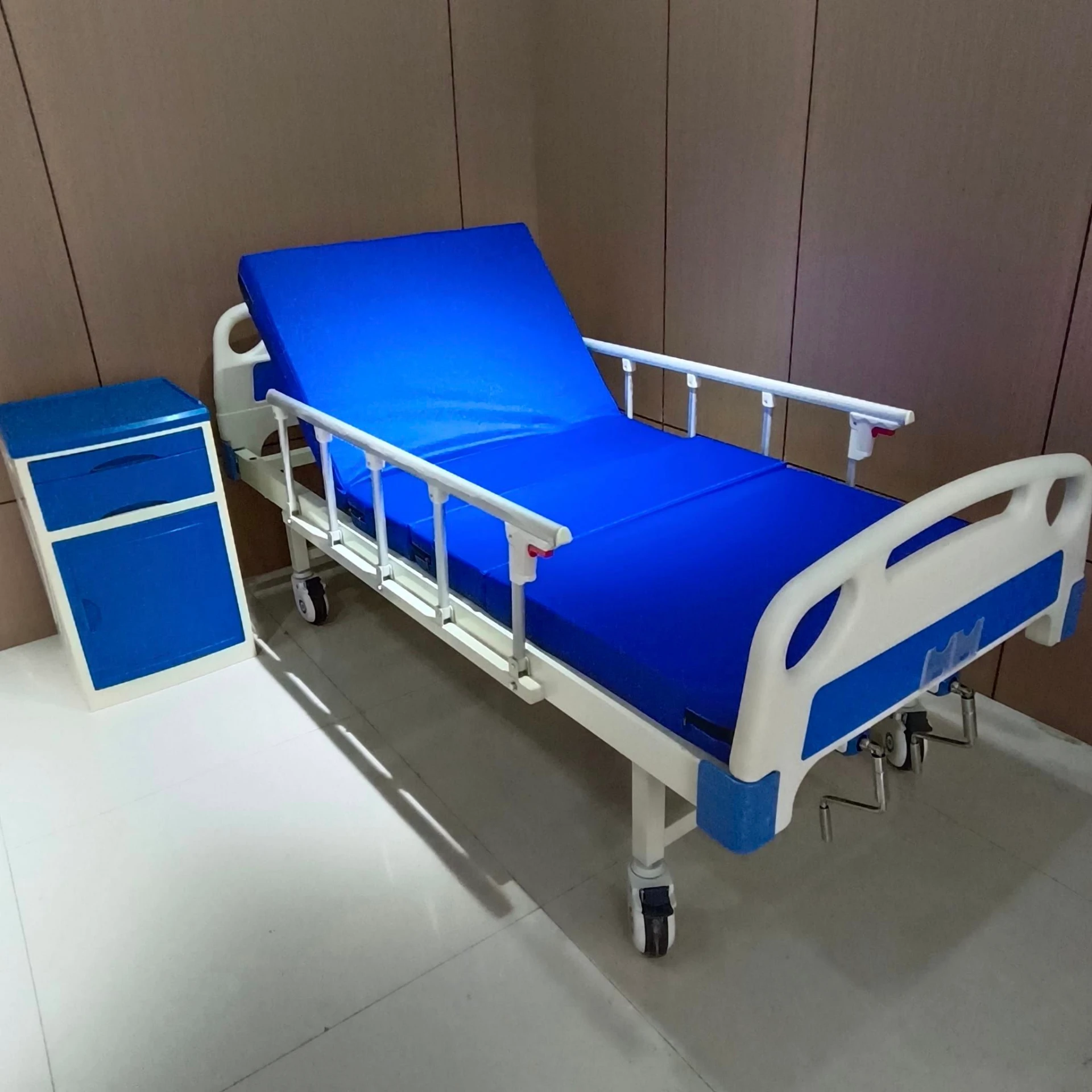
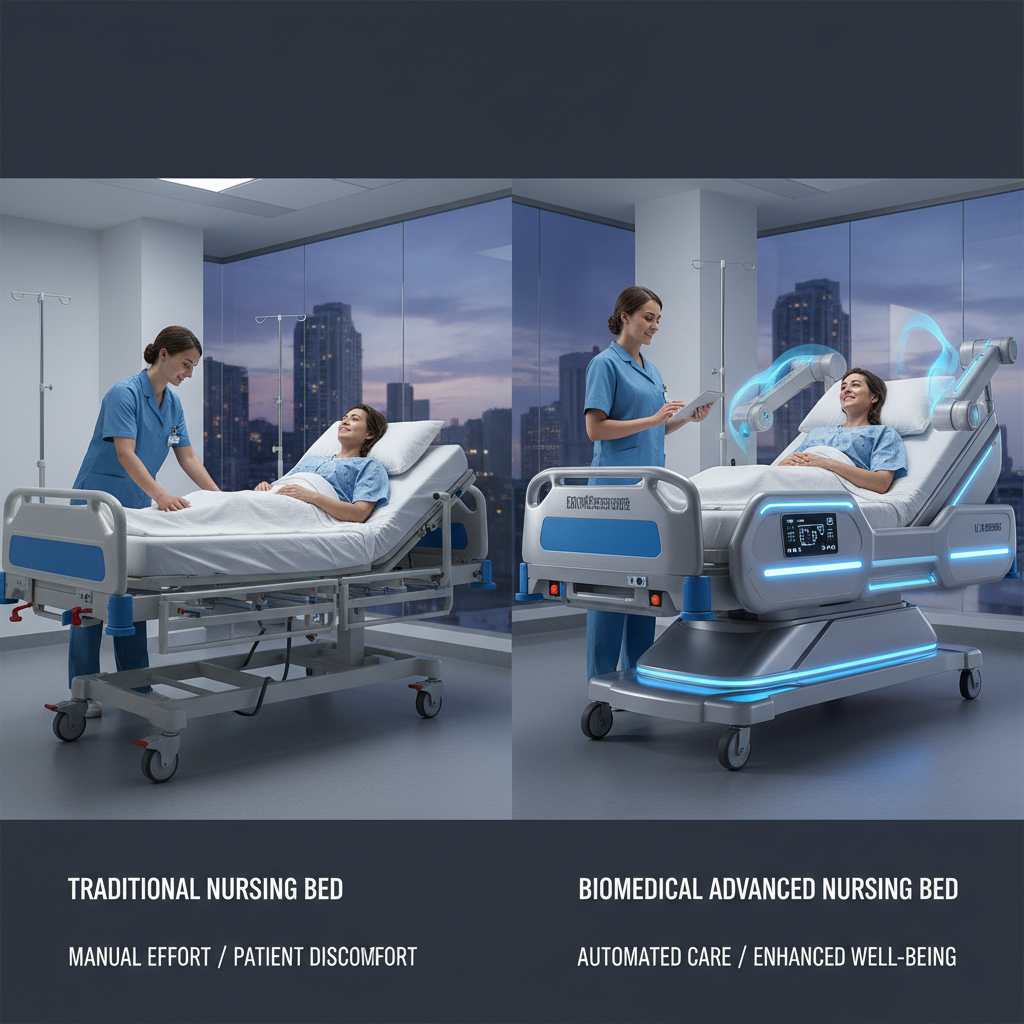
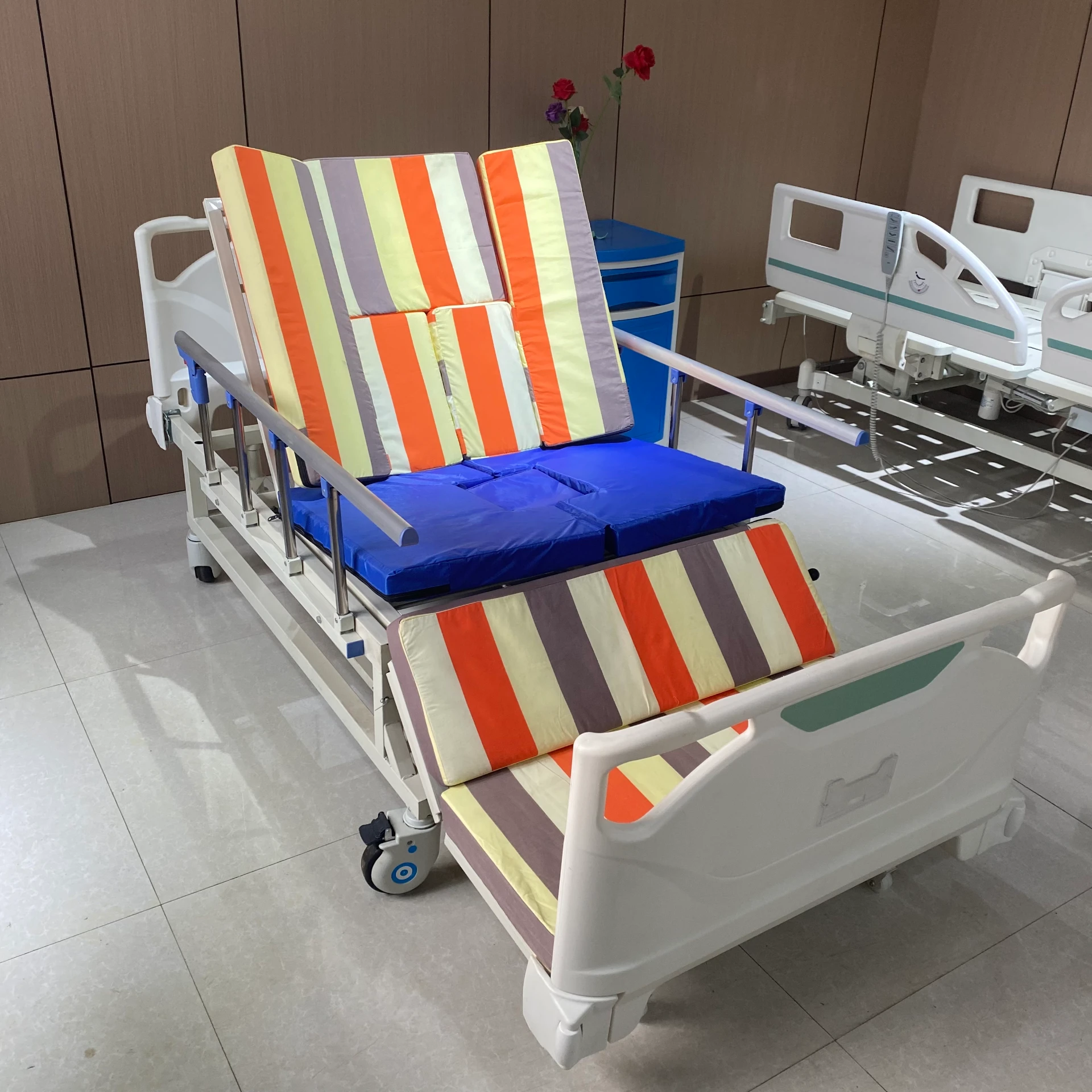
Manual hospital beds are the most basic and affordable type. They rely on cranks for adjusting the head, foot, and bed height. These beds are ideal for patients who have some mobility and do not require frequent positioning changes. While they lack the convenience of electric beds, their simplicity and reliability make them a practical choice for long-term care facilities or home use where advanced features aren't essential. They are also easily maintained, requiring minimal technical expertise for repairs. Consider a manual bed if budget is a primary concern and patient needs are relatively stable.
Key Highlights: Affordable, simple to operate, reliable, requires minimal maintenance.
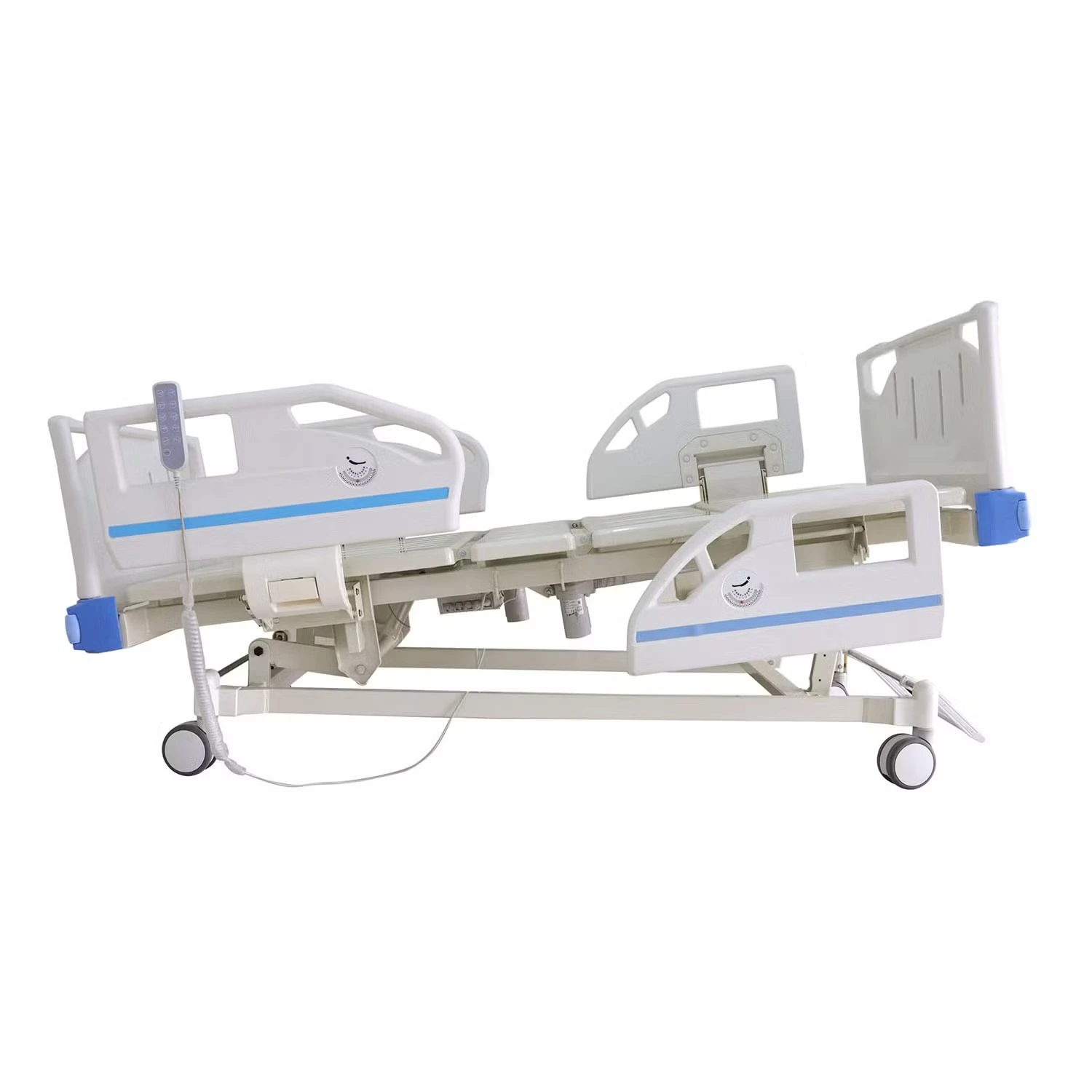
Semi-Electric Hospital Beds: A Step Up
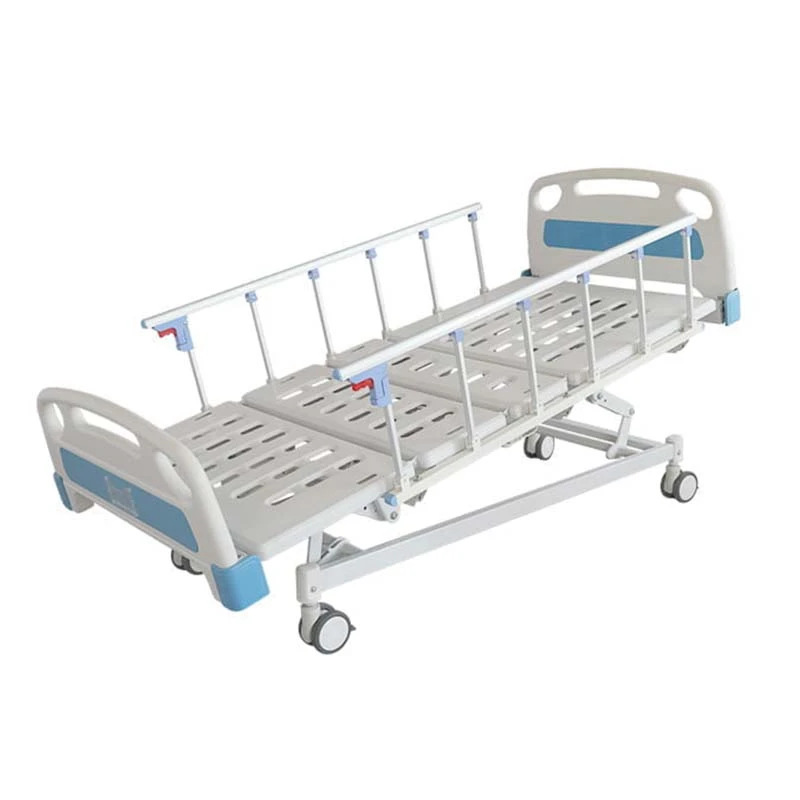
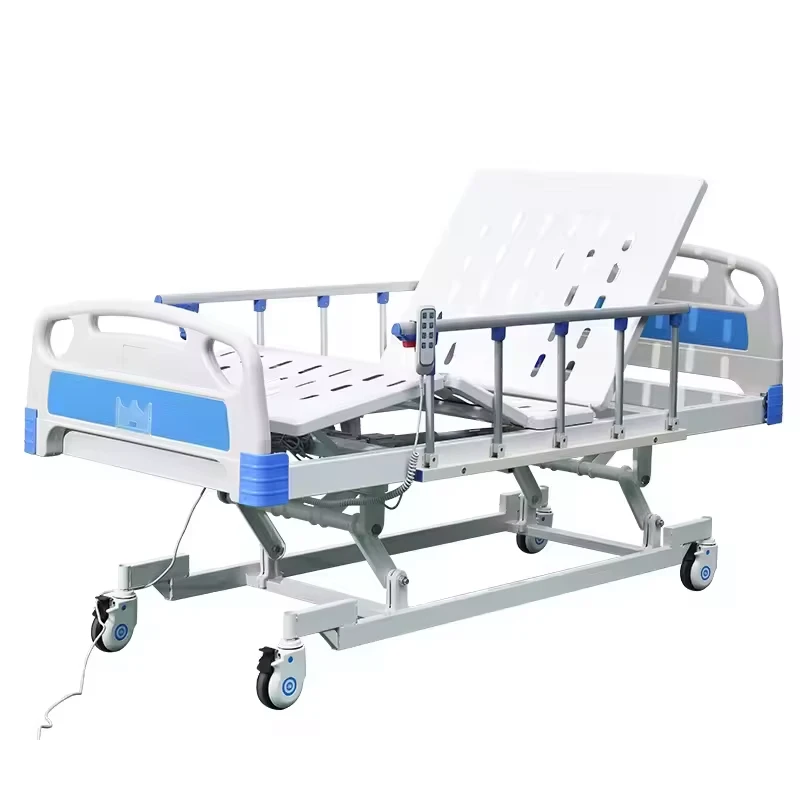
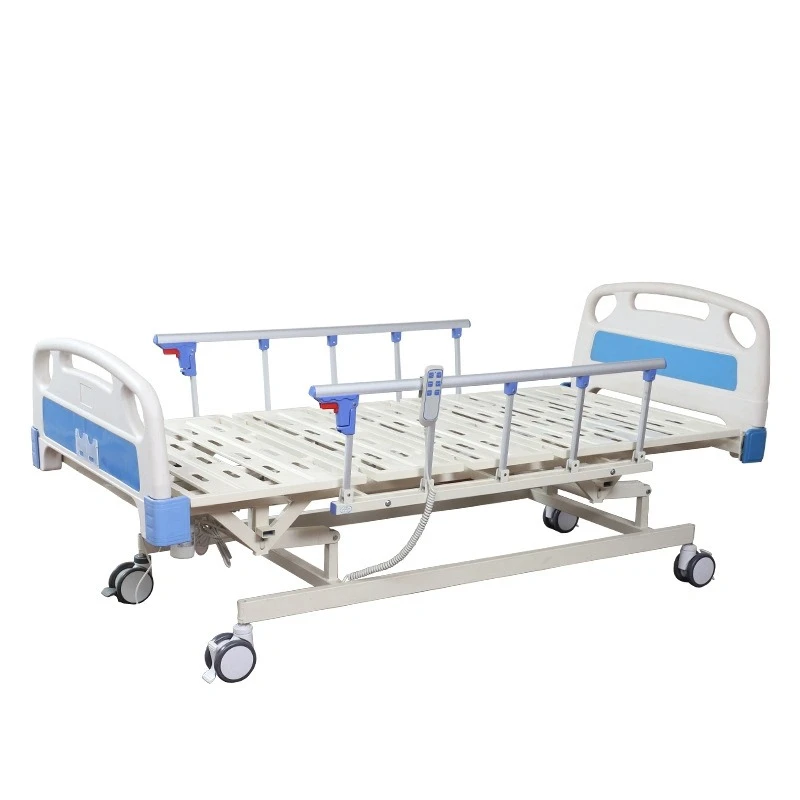
Semi-electric hospital beds offer a balance between affordability and functionality. They typically feature electric controls for the head and foot adjustments, while the bed height remains manually adjusted via a crank. This provides convenience for frequently changing the patient’s position, reducing strain on caregivers, while maintaining a more budget-friendly price point. These beds are a good option for facilities or homes where occasional positioning adjustments are needed but full electric operation isn’t necessary.
Semi-Electric Bed Benefits:
• Electric head and foot adjustment
• Manual bed height adjustment
• Cost-effective option
• Reduced caregiver strain
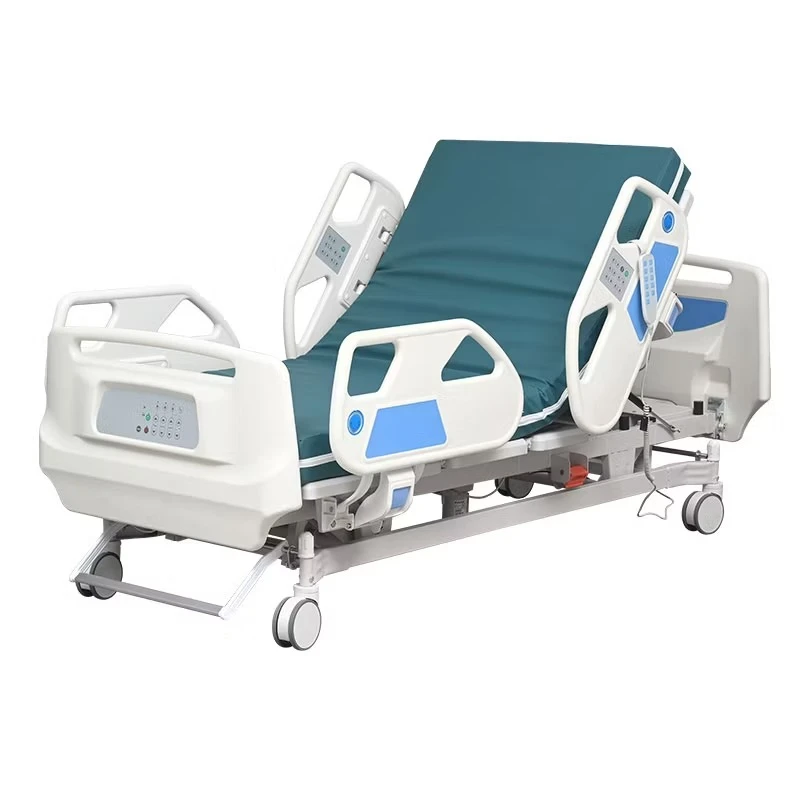
Full-Electric Hospital Beds: Maximum Convenience
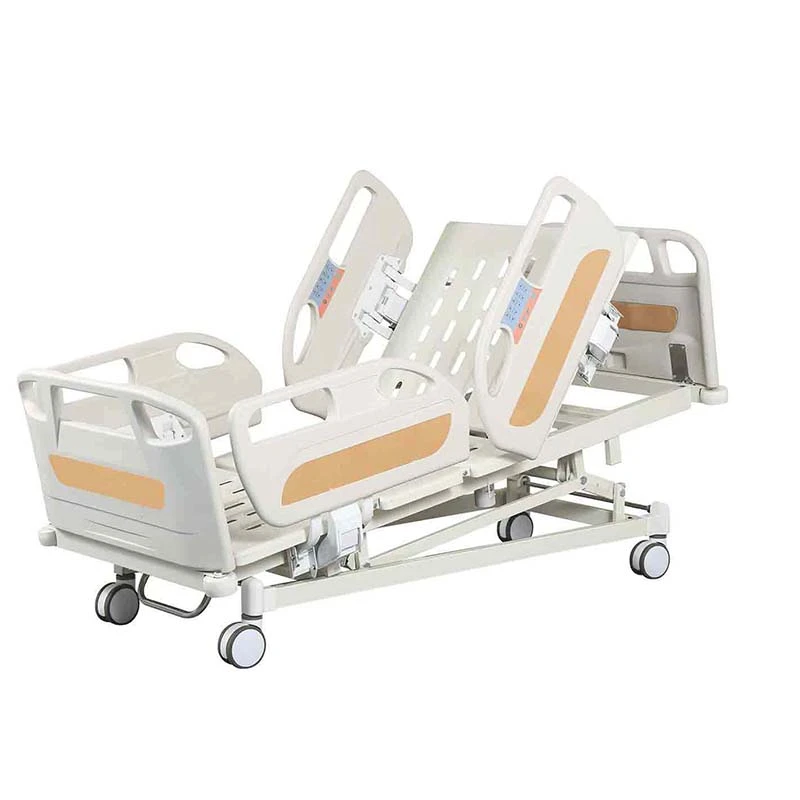
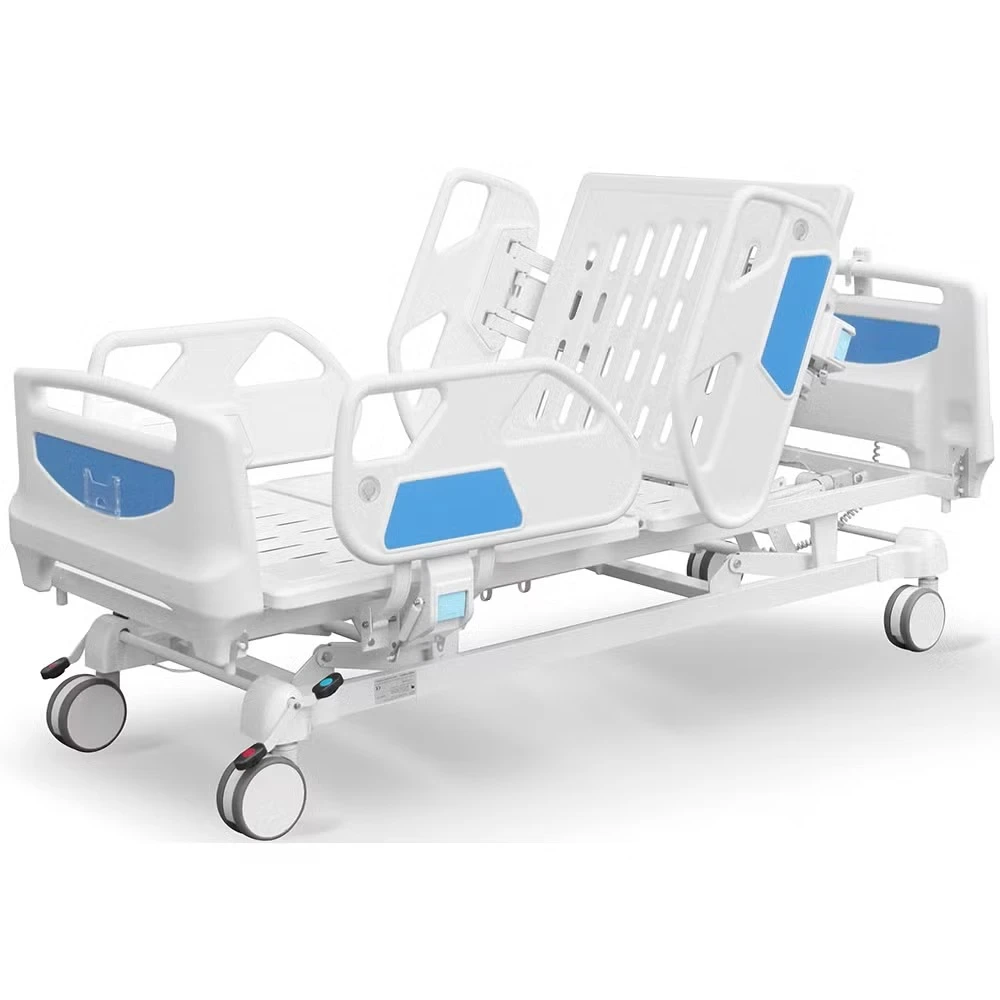
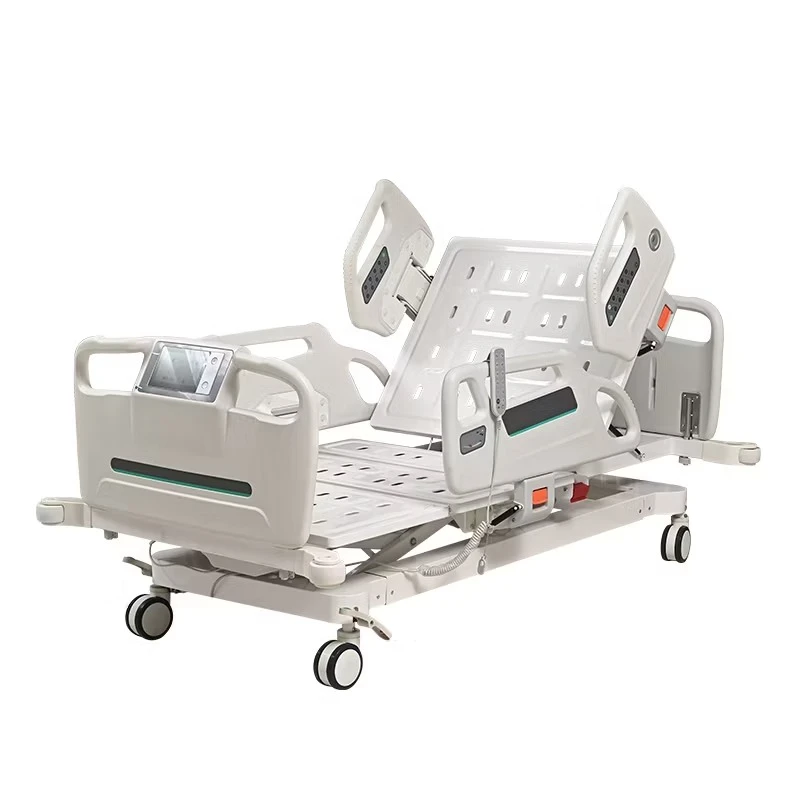
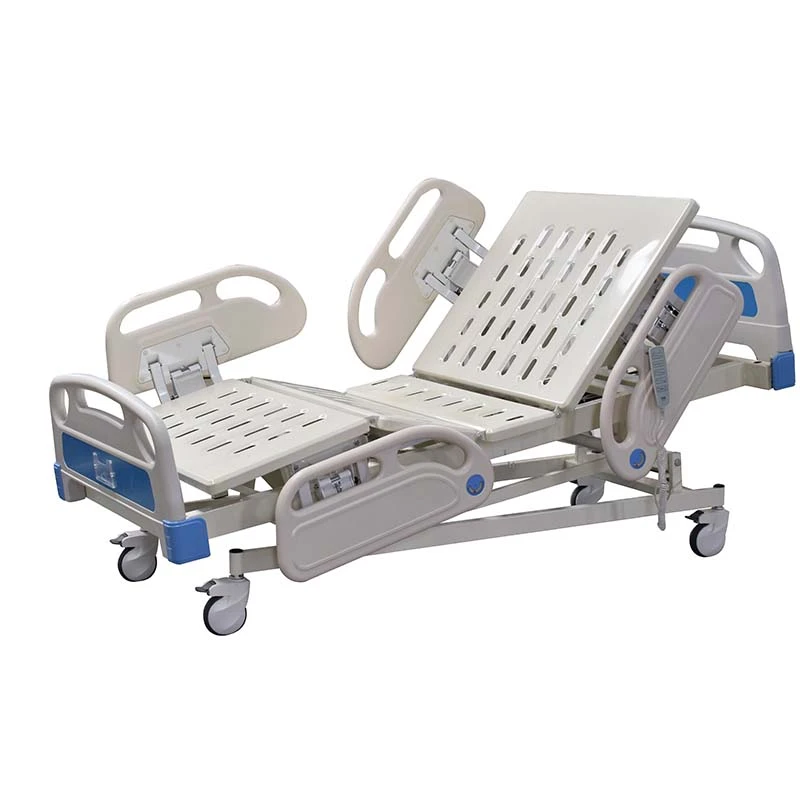
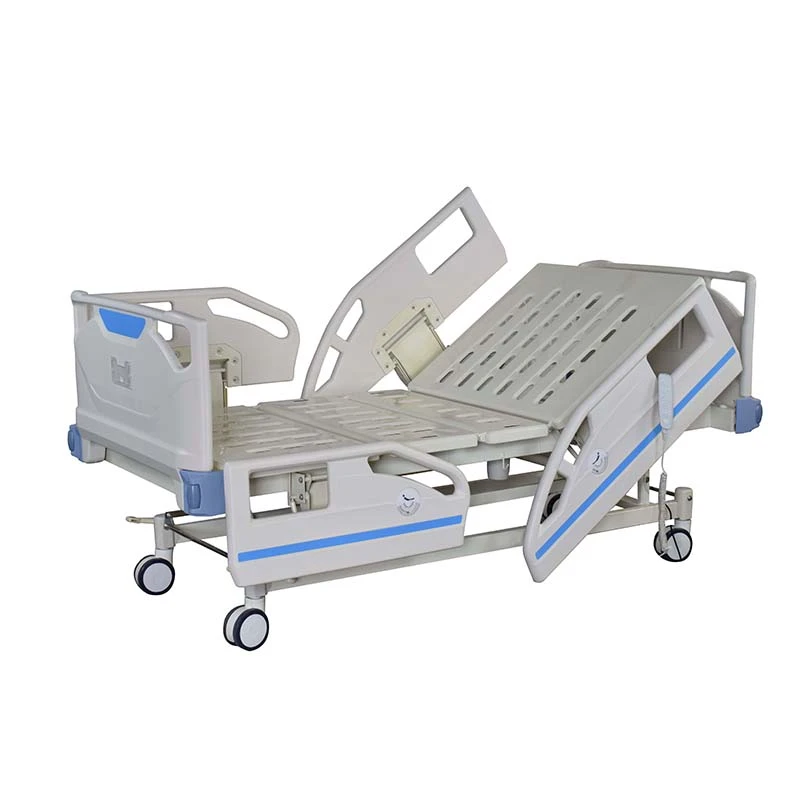
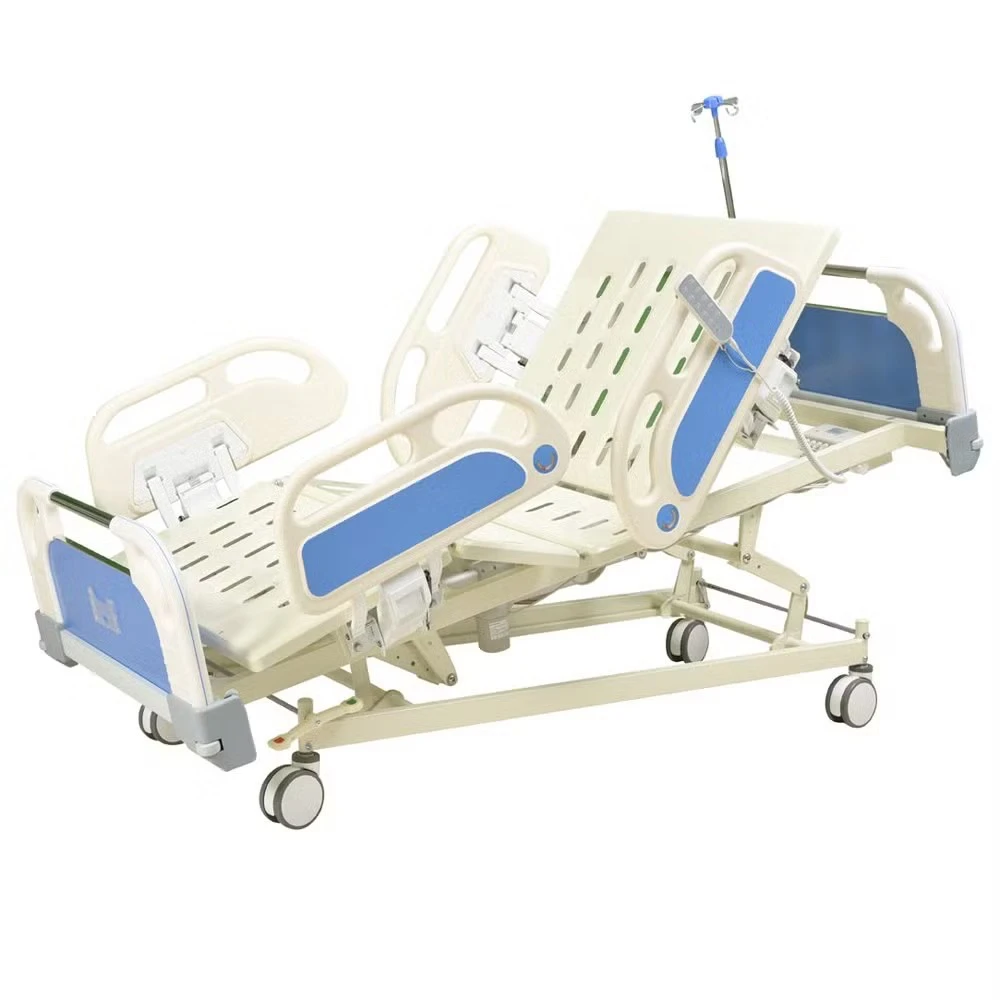
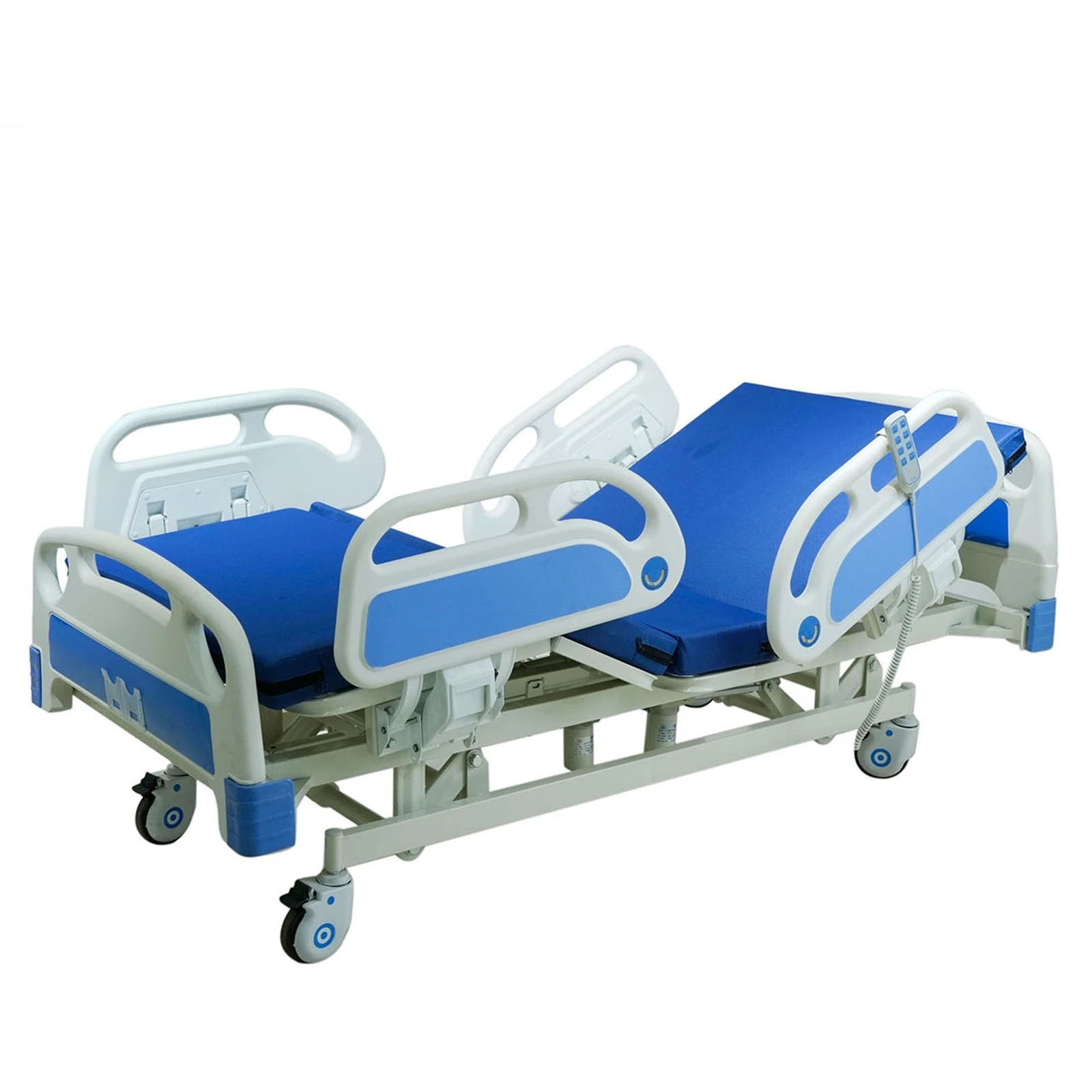
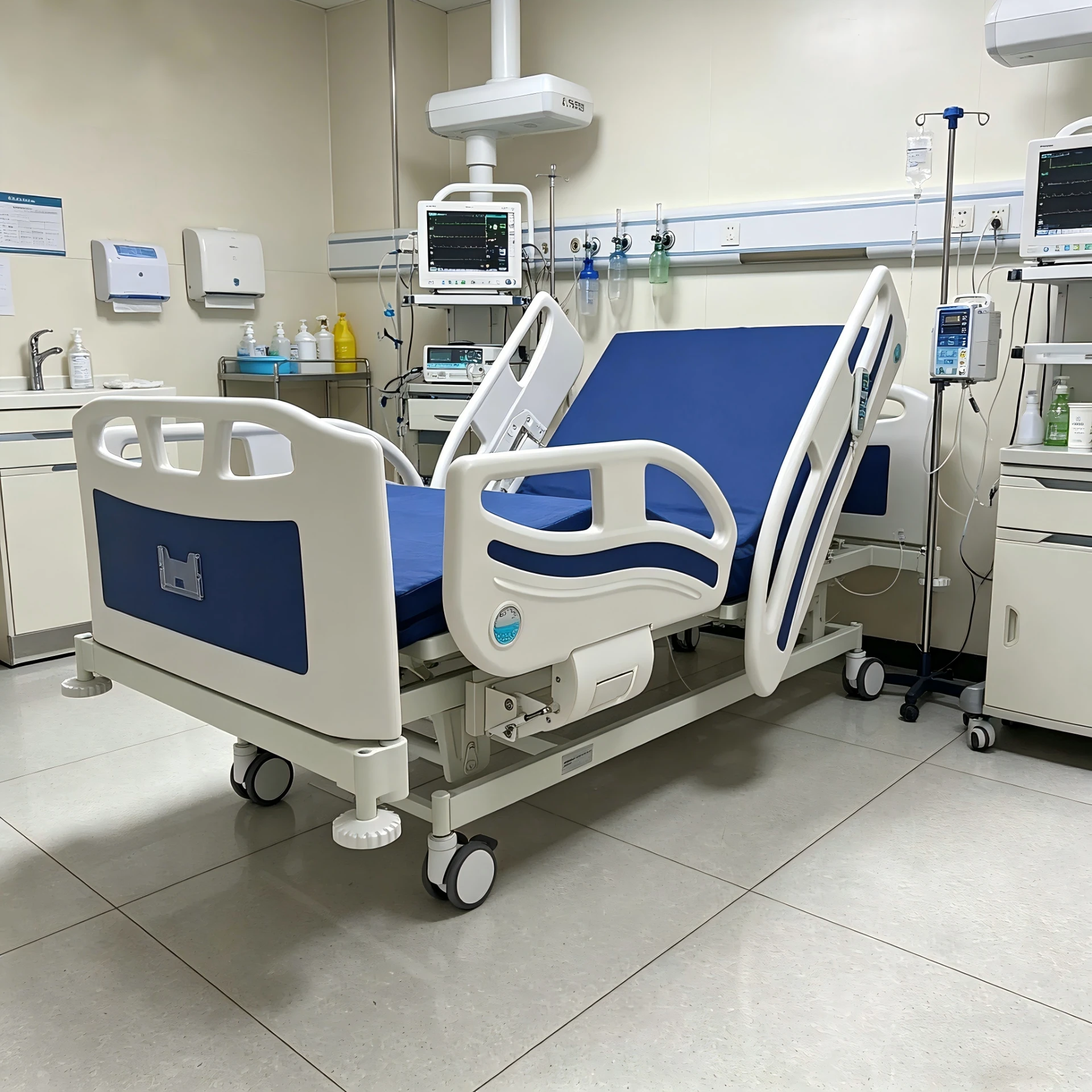
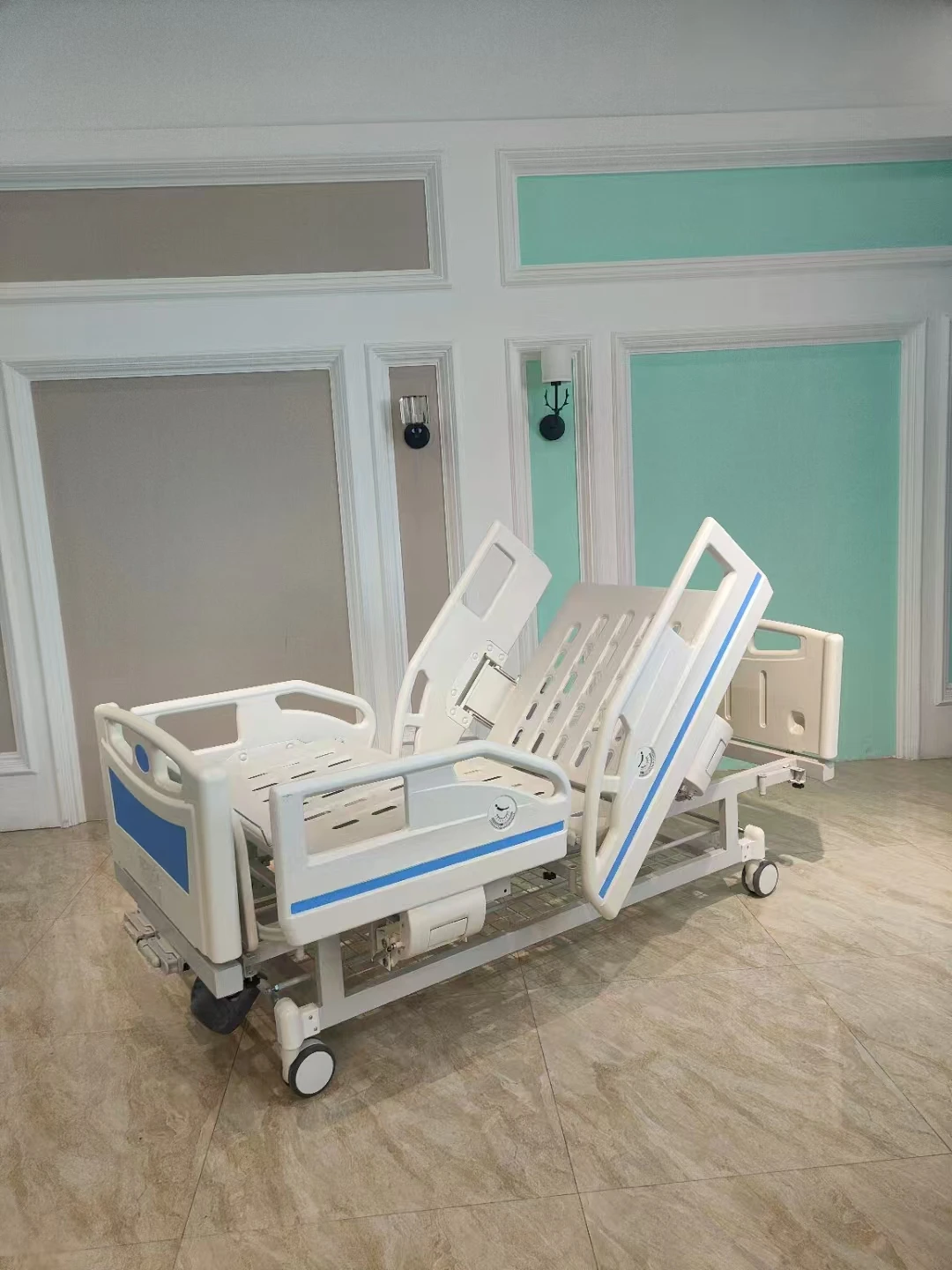
Full-electric hospital beds offer complete electric control over all bed functions – head, foot, and height adjustment. This is the most convenient option for both patients and caregivers, allowing for effortless positioning and improved comfort. Many full-electric beds also include features like Trendelenburg and reverse Trendelenburg positioning, useful for specific medical conditions. These beds are commonly found in hospitals and acute care facilities where frequent and precise patient adjustments are required. Visit ZF Medicare to explore a wide range of options.
Specialty Hospital Beds: Meeting Specific Needs
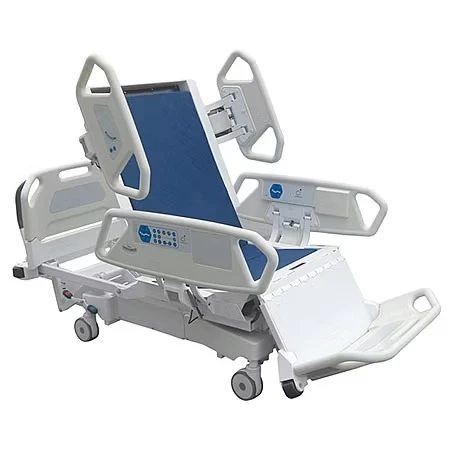
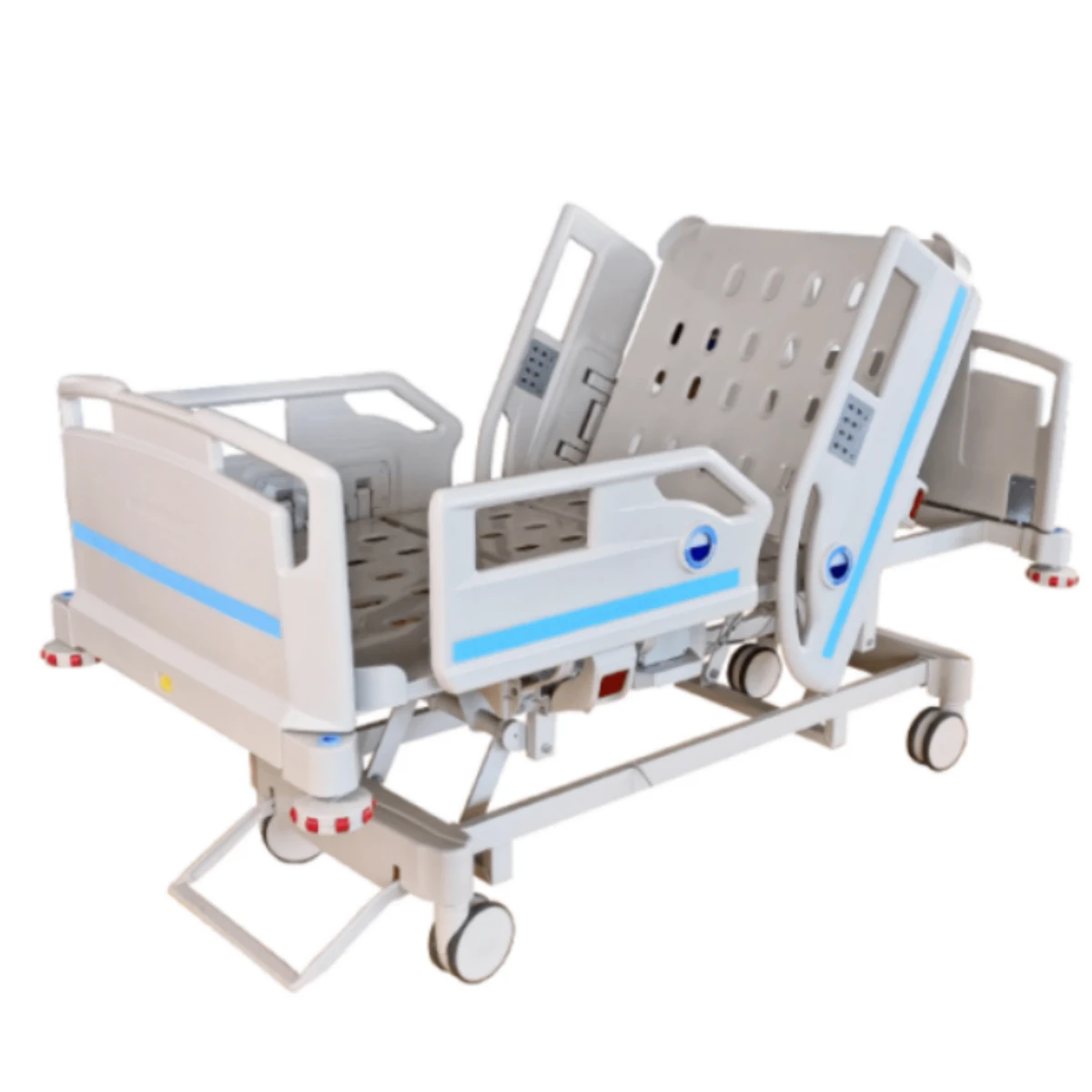
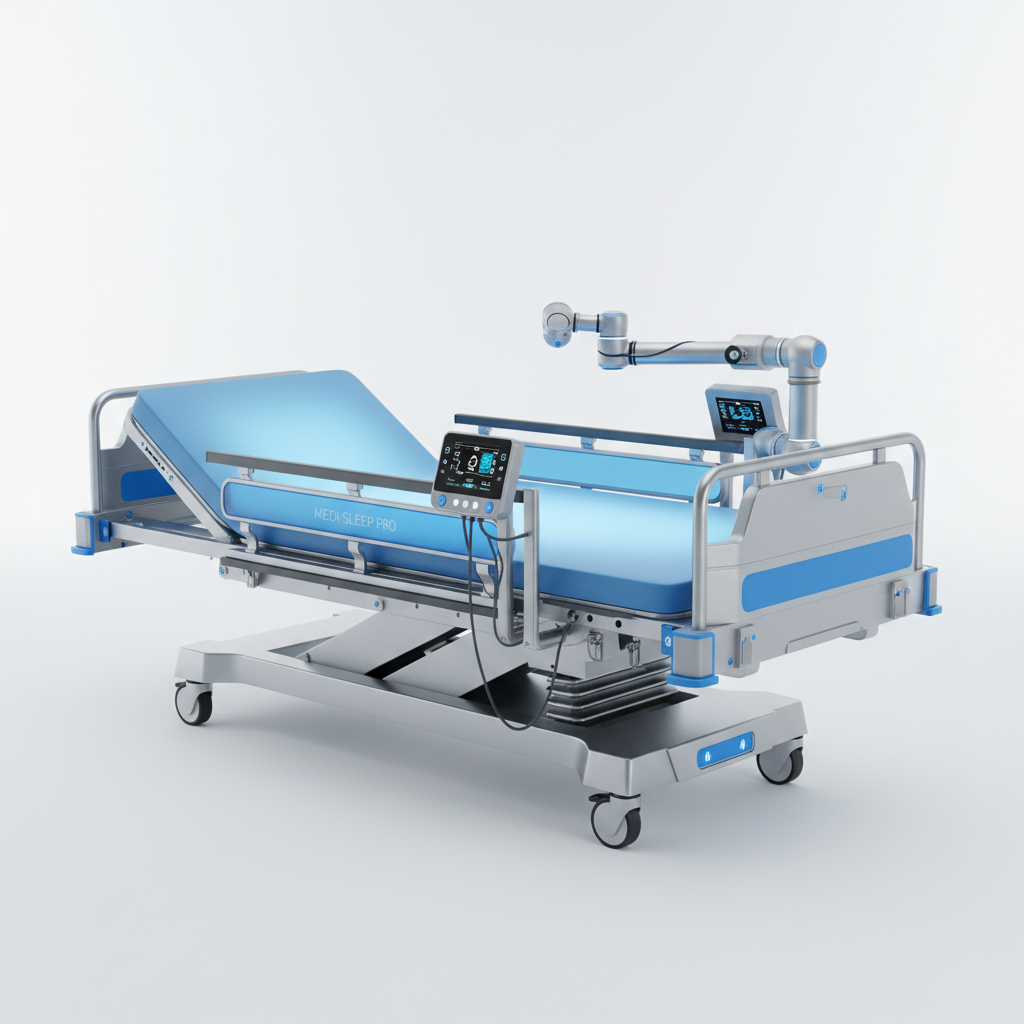
Beyond the standard types, several specialty beds cater to unique patient requirements. These include bariatric beds designed for heavier patients, low-air-loss beds for pressure ulcer prevention, and ICU beds with advanced monitoring and life support capabilities. Selecting the appropriate specialty bed is crucial for ensuring patient safety and optimizing treatment outcomes. These beds often come with a higher price tag but provide essential features for specific medical conditions.

Factors to Consider When Choosing a Hospital Bed
When selecting a hospital bed, consider the patient’s mobility, medical condition, length of stay, and budget. Factors like weight capacity, safety features (side rails, call buttons), and ease of cleaning are also essential. Furthermore, consider the space available in the room and the caregiver’s needs. It’s often beneficial to consult with healthcare professionals to determine the most appropriate bed type for each individual patient. ZF Medicare offers expert guidance to help you navigate these choices.
Conclusion: Finding the Right Fit for Your Needs
Choosing the correct hospital bed is a significant decision that impacts patient care and well-being. By carefully considering the different types available and their specific features, healthcare facilities and individuals can select the bed that best meets their needs. From basic manual beds to advanced electric models and specialized options, there's a solution for every situation. Don't hesitate to seek expert advice and explore the options available at ZF Medicare to ensure you make an informed and effective choice.
Frequently Asked Questions (FAQs)
What is the weight capacity of most hospital beds?
Most standard hospital beds have a weight capacity of between 350 and 500 pounds. However, bariatric beds are specifically designed to accommodate patients weighing up to 1000 pounds or more. It's crucial to verify the weight capacity of any bed before use to ensure patient safety and prevent damage to the bed itself. Overloading a bed can compromise its stability and lead to potential accidents.
Are hospital beds easy to clean and disinfect?
Yes, hospital beds are designed with cleanability in mind. Most surfaces are made from materials that can be easily wiped down with disinfectant solutions. However, it's essential to follow the manufacturer's recommendations for cleaning and disinfection to avoid damaging the bed's components. Regular cleaning is crucial for preventing the spread of infections in healthcare settings.
What safety features should I look for in a hospital bed?
Essential safety features include functioning side rails to prevent falls, a reliable call button for assistance, and a locking mechanism to prevent accidental movement. Additionally, look for beds with anti-entrapment features to minimize the risk of patients becoming trapped between the bed frame and mattress. Regular inspection of these features is vital to ensure they are working correctly.
How much does a hospital bed typically cost?
The cost of a hospital bed varies greatly depending on the type and features. Manual beds generally cost between $500 and $1,500, while semi-electric beds range from $1,000 to $3,000. Full-electric beds can cost between $2,500 and $8,000 or more. Specialty beds, like bariatric or ICU beds, are typically the most expensive. It's important to consider the long-term value and the specific needs of the patient when making a purchasing decision.