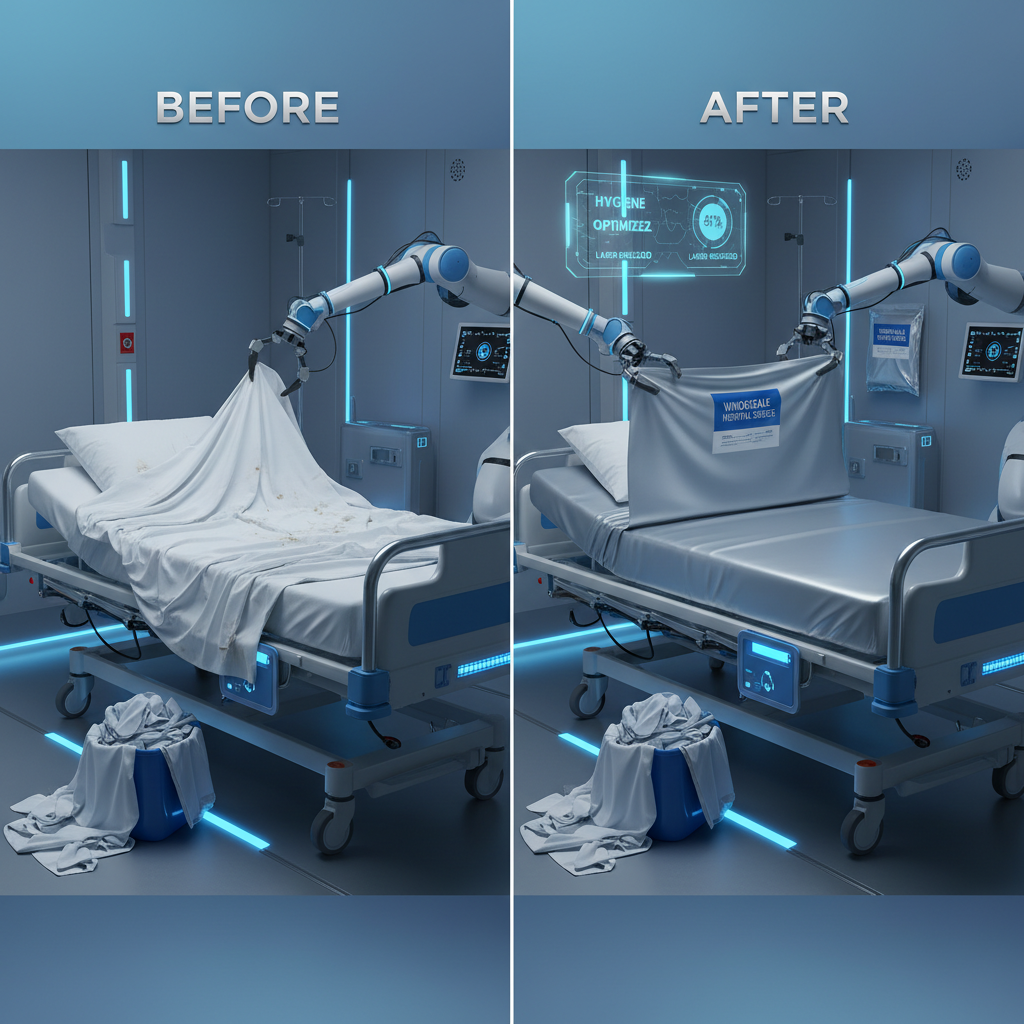
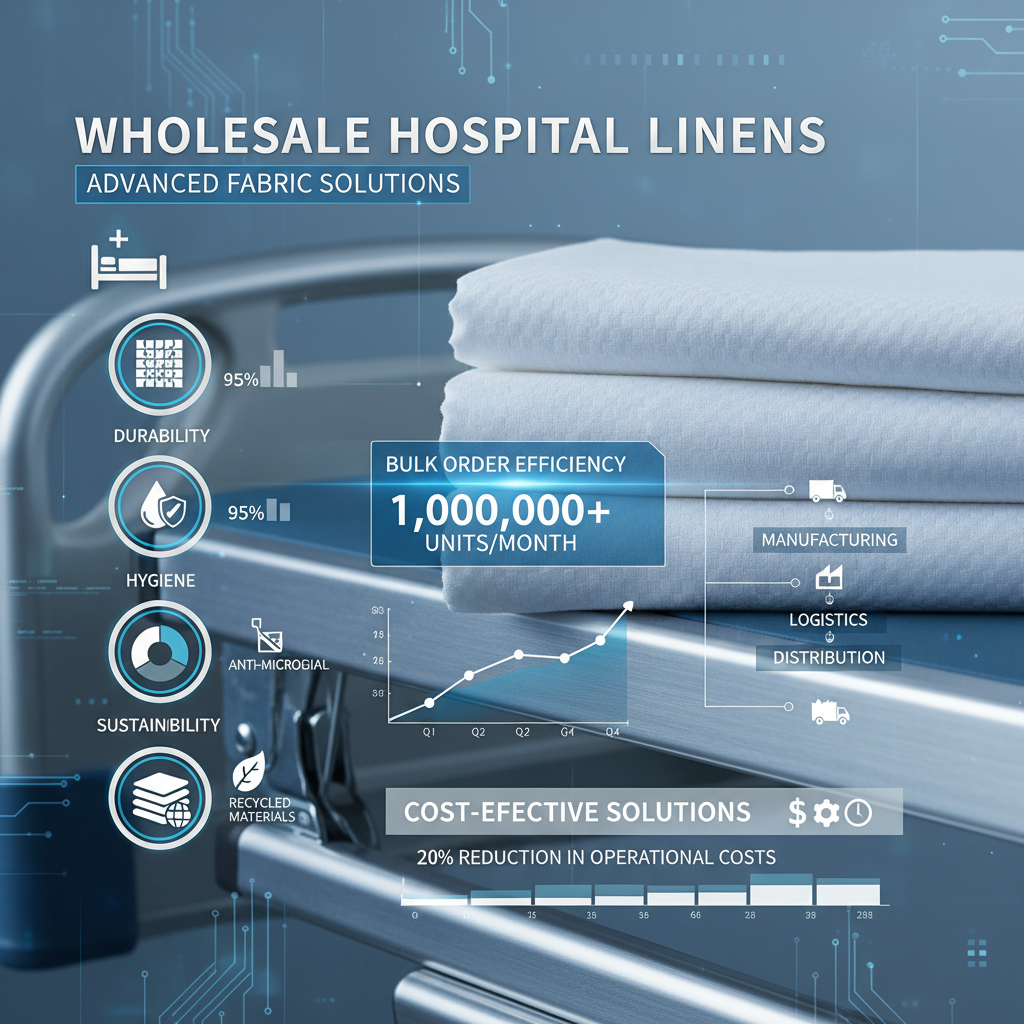
Wholesale hospital sheets – they're more than just linens, believe me. I spend my days knee-deep in construction dust, talking to engineers, and watching things actually get built, and I've learned a thing or two about what truly matters in a healthcare setting. It’s not just about comfort; it’s about durability, infection control, and frankly, being able to withstand the relentless demands of a busy hospital environment. We’re talking about a product that needs to hold up to constant washing, potential spills, and a whole lot of wear and tear. wholesale hospital sheets are fundamental to creating a safe and efficient patient care space.
You see a lot of cut corners in this industry, things that look good on paper but fall apart quickly in reality. That's why I’m always drilling down to the specifics with suppliers: fiber content, weave density, finishing processes. It’s easy to promise “high quality,” but what does that actually mean when a sheet needs to withstand 500+ washes and still maintain its integrity? The cost savings of cheaper sheets are quickly eaten up by needing to replace them constantly. It's about lifecycle cost, plain and simple.
From a logistics perspective, reliable supply is critical. Hospitals can't operate with linen shortages. So, it's not just about finding a good sheet; it’s about finding a supplier who can deliver consistently, on time, and in the quantities needed. That's where a solid wholesale partner comes in – someone who understands the scale and the stakes involved.
The Importance of Wholesale Hospital Sheets
In the healthcare world, seemingly small details can have massive repercussions. Hospital-grade linens, specifically wholesale hospital sheets, fall squarely into that category. They're not just about patient comfort, though that’s obviously crucial. It's about infection control, durability, cost-effectiveness, and maintaining a professional and hygienic environment. I’ve seen firsthand how a reliable linen supply chain contributes to smoother hospital operations.
Globally, the demand for quality healthcare supplies is constantly increasing, driven by aging populations and expanding healthcare access. This translates directly into a growing need for durable, reliable wholesale hospital sheets. According to the World Health Organization, adequate infection prevention and control practices – of which linens are a vital part – are essential for providing safe and quality healthcare. The impact on patient outcomes is significant.
Defining Wholesale Hospital Sheets
Wholesale hospital sheets aren't your average bed linens. They’re specifically designed and manufactured to meet the rigorous demands of a healthcare setting. This typically means higher thread counts, specialized weaves, and finishes that resist stains, fluids, and bacterial growth. They're made to withstand repeated industrial laundering – something your average consumer-grade sheet simply can’t handle.
The 'wholesale' aspect means these sheets are typically purchased in bulk directly from manufacturers or large distributors, offering cost savings for hospitals and healthcare facilities. It also implies a focus on consistent quality and reliable supply, key requirements when you’re outfitting an entire hospital.
This commitment to quality extends to the materials used. You’ll often find a blend of polyester and cotton, or even 100% cotton designed for healthcare use. These materials are chosen for their durability, washability, and ability to maintain a comfortable sleeping surface for patients.
Key Factors in Selecting Hospital Sheets
Durability is paramount. I’ve seen sheets that fall apart after just a few washes – a complete waste of money. Look for high thread counts (200+) and tightly woven fabrics that can withstand constant use and laundering. Reinforced stitching is another crucial detail to check.
Scalability of supply is often overlooked. Can the supplier consistently meet your demands, even during peak seasons or unexpected events? A reliable supply chain is critical to avoid disruptions in patient care. I always look for suppliers with robust inventory management and multiple manufacturing facilities.
Cost-efficiency isn’t just about the upfront price per sheet. It’s about the total cost of ownership. A slightly more expensive sheet that lasts twice as long can actually save you money in the long run. Factor in laundering costs, replacement rates, and potential impact on infection control when evaluating suppliers.
Global Applications and Demand
The need for wholesale hospital sheets isn't limited to developed nations. In fact, demand is often highest in developing countries where healthcare infrastructure is rapidly expanding. We’re seeing significant orders coming from regions in Southeast Asia, Africa, and South America.
In post-disaster relief operations, a ready supply of clean linens, including hospital sheets, is absolutely critical. Organizations like the Red Cross and Doctors Without Borders rely on durable, easy-to-launder sheets to maintain hygienic conditions in emergency field hospitals.
Even in remote industrial zones, where companies operate their own on-site medical facilities, the demand for high-quality hospital sheets is increasing. These facilities need to meet the same standards of hygiene and patient care as traditional hospitals.
Wholesale Hospital Sheets – Comparison of Key Material Blends
Advantages and Long-Term Value
Investing in quality wholesale hospital sheets translates directly into cost savings over time. Reduced replacement rates, lower laundering costs, and improved infection control all contribute to a better bottom line. It’s a simple equation, really.
But it’s not just about the money. Providing comfortable, clean, and hygienic linens demonstrates a commitment to patient care and safety. That builds trust, enhances the hospital’s reputation, and contributes to a more positive healing environment.
Future Trends in Hospital Linen
We’re seeing a growing demand for sustainable and eco-friendly linens. Hospitals are increasingly focused on reducing their environmental impact, and that includes sourcing linens made from organic cotton or recycled materials.
Smart textiles are also on the horizon. Imagine linens embedded with sensors that can monitor patient vital signs or detect the presence of pathogens. It’s still early days, but the potential is enormous.
Challenges and Solutions in Sourcing
Supply chain disruptions have been a major challenge in recent years. Finding reliable suppliers and managing inventory effectively is more important than ever. Diversifying your sourcing options can help mitigate these risks.
Maintaining consistent quality control can also be difficult. I always recommend conducting regular factory audits and implementing rigorous testing procedures to ensure that sheets meet your specifications.
The need for transparency in the supply chain is also growing. Hospitals want to know where their linens are coming from and how they’re being manufactured. Suppliers who can provide this information have a significant advantage.
Summary of Challenges and Solutions in Wholesale Hospital Sheet Sourcing
| Challenge |
Impact on Hospital Operations |
Proposed Solution |
Implementation Difficulty (1-5) |
| Supply Chain Disruptions |
Linen Shortages, Increased Costs |
Diversify Supplier Base, Increase Safety Stock |
3 |
| Quality Control Issues |
Reduced Sheet Lifespan, Infection Risk |
Regular Factory Audits, Rigorous Testing |
4 |
| Lack of Transparency |
Ethical Concerns, Reputational Damage |
Demand Supply Chain Traceability, Supplier Verification |
3 |
| Rising Material Costs |
Increased Procurement Expenses |
Negotiate Long-Term Contracts, Explore Alternative Materials |
2 |
| Laundering Process Impact |
Premature Fabric Wear, Color Fading |
Optimize Laundering Protocols, Use Appropriate Detergents |
2 |
| Demand for Sustainability |
Pressure to Adopt Eco-Friendly Practices |
Source Organic/Recycled Materials, Partner with Sustainable Suppliers |
4 |
FAQS
While a higher thread count isn’t always better, a minimum of 200 is generally recommended for hospital sheets. This provides a good balance of comfort, durability, and washability. Don’t get caught up in excessively high numbers – often those are marketing gimmicks. What really matters is the quality of the cotton and the weave.
Replacement frequency depends on usage and laundering practices, but a general guideline is to replace sheets every 250-300 washes. However, regularly inspect sheets for signs of wear and tear – fraying, thinning fabric, or permanent stains. Don’t wait until they fall apart; proactive replacement maintains hygiene and patient comfort.
A polyester/cotton blend (65/35 or 50/50) is often a good choice. Polyester adds durability and wrinkle resistance, while cotton provides comfort. 100% cotton is also acceptable, but it may wrinkle more easily and be less resistant to stains. Microfiber blends are gaining popularity for their softness and affordability, but consider their durability.
Yes, look for sheets that meet industry standards for flammability and hygiene. Many hospitals require sheets to be treated with antimicrobial finishes to help control the spread of infections. Check for certifications and compliance with relevant regulations. Always verify your facility’s specific requirements.
Partner with a supplier who has a robust inventory management system and multiple manufacturing facilities. Establish a long-term contract with guaranteed pricing and delivery schedules. Consider keeping a safety stock on hand to buffer against unexpected demand surges.
Frequent industrial laundering can significantly impact the lifespan of sheets. Ensure your laundering protocols use appropriate detergents and water temperatures. Avoid harsh chemicals that can damage the fabric. Proper laundering extends the life of the sheets and maintains their quality and hygiene.
Conclusion
In essence, wholesale hospital sheets are a critical, often underestimated, component of healthcare infrastructure. They’re not simply about providing a comfortable surface for patients; they’re about infection control, cost-effectiveness, and operational efficiency. Choosing the right sheets, and the right supplier, requires a deep understanding of the materials, manufacturing processes, and the unique demands of a hospital environment.
Looking ahead, the industry will continue to prioritize sustainability, innovation, and supply chain resilience. Hospitals should proactively seek out partners who share these values and can provide high-quality, reliable linens that contribute to a safer and more healing environment. Don’t cut corners on something as fundamental as this – it’s an investment in patient care and the long-term success of your facility.