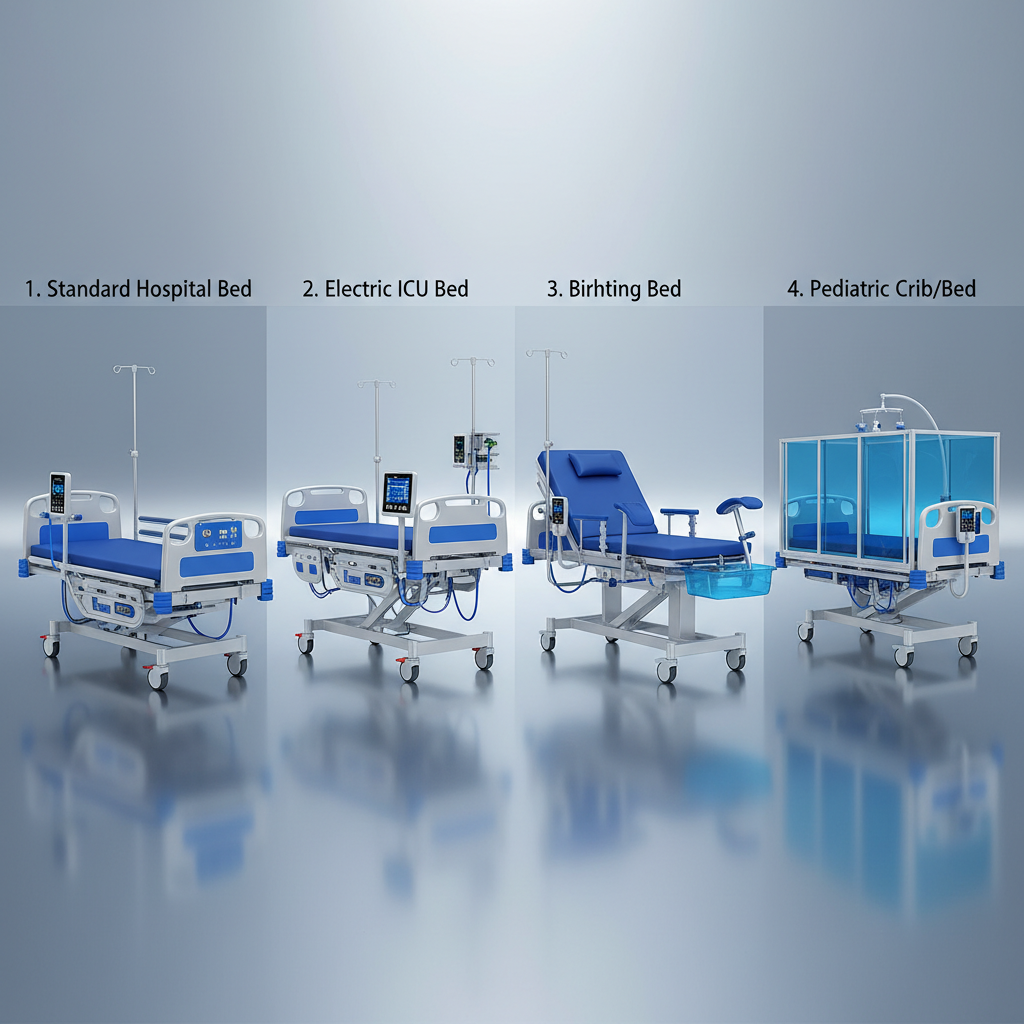
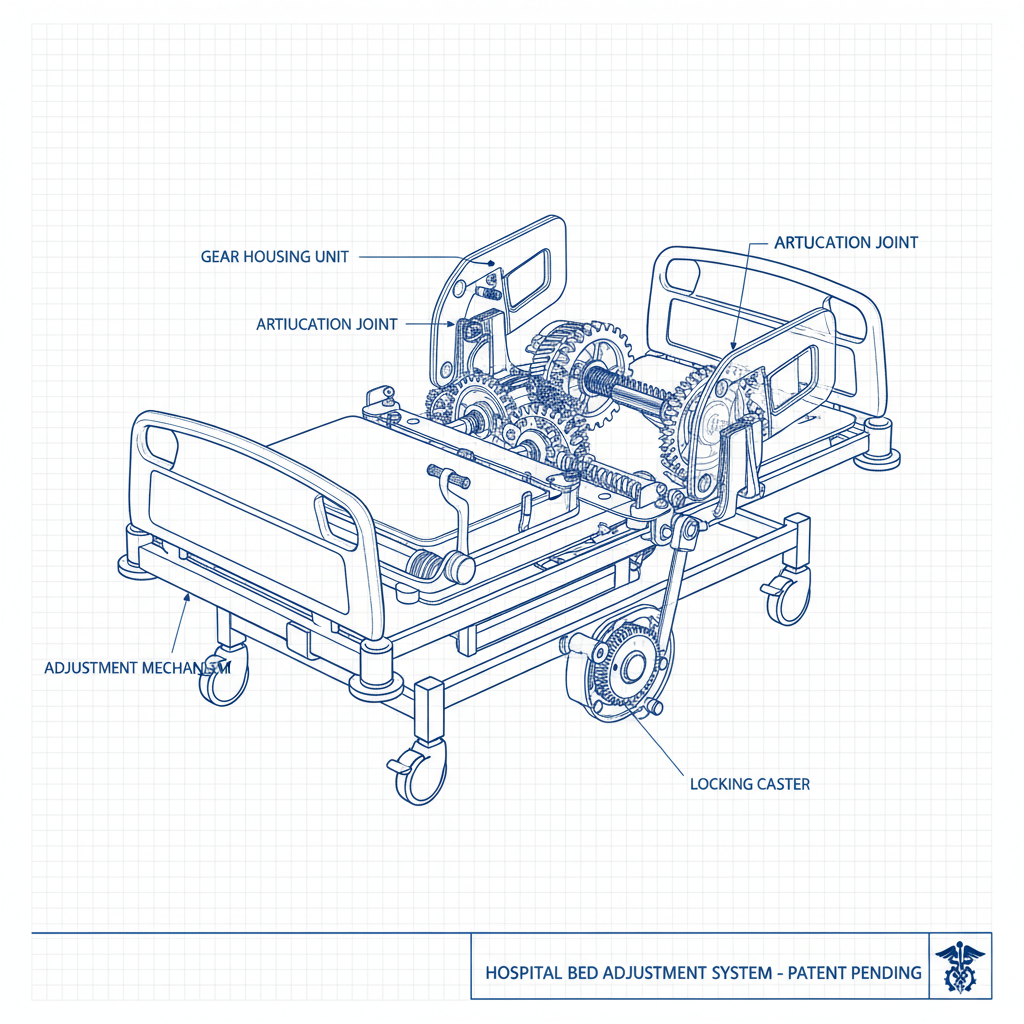
Selecting the appropriate patient support system is one of the most critical decisions for healthcare administrators and clinical practitioners. The variety of different types of bed used in healthcare facilities extends far beyond simple sleeping surfaces; these are complex medical devices designed to prevent pressure ulcers, facilitate patient mobility, and ensure the safety of both the occupant and the caregiver. By matching the specific bed type to the patient's acuity level, facilities can significantly reduce recovery times and lower the risk of hospital-acquired complications.
On a global scale, the evolution of medical bedding reflects the broader shift toward patient-centered care and evidence-based medicine. From the intensive care unit (ICU) where advanced hemodynamic monitoring and rapid positioning are required, to long-term care facilities focusing on comfort and dignity, the engineering behind these beds has become highly specialized. Understanding the nuances between manual, semi-electric, and fully automated systems is essential for optimizing workflow and ensuring that clinical outcomes are not hindered by inadequate equipment.
Whether managing a large-scale metropolitan hospital or a boutique home care setup, the strategic deployment of different types of bed used in healthcare facilities directly impacts operational efficiency. This guide provides a comprehensive analysis of the various options available, exploring their technical specifications, clinical applications, and the long-term value they bring to the healthcare ecosystem, ensuring that every patient receives the specific ergonomic support their condition demands.
Global Context of Medical Bedding Solutions
The global demand for specialized patient furniture has surged as populations age and the prevalence of chronic diseases increases. According to data aligned with WHO and ISO standards, the integration of ergonomic bedding in clinical settings reduces the incidence of pressure ulcers by up to 30% when appropriate bed types are matched to patient risk profiles. In many developing regions, the transition from basic cots to different types of bed used in healthcare facilities is a primary driver in improving mortality rates for post-surgical patients.
However, many facilities still struggle with a "one size fits all" approach, leading to caregiver burnout and patient dissatisfaction. The challenge lies in balancing the high cost of advanced pneumatic systems with the necessity of basic patient safety. By adopting a tiered equipment strategy, hospitals can ensure that high-acuity patients have access to ICU-grade beds while home care patients receive the specific support of nursing beds, thereby optimizing resources across the entire continuum of care.
Defining Specialized Beds in Modern Healthcare
At its core, the concept of different types of bed used in healthcare facilities refers to the diverse range of engineered surfaces and frames designed to provide therapeutic support, facilitate medical interventions, and maintain patient hygiene. Unlike residential furniture, these beds are regulated medical devices that must adhere to strict safety protocols, including side-rail standards and antimicrobial coating requirements to prevent healthcare-associated infections (HAIs).
These systems are fundamentally linked to humanitarian needs, particularly in geriatric care and rehabilitation. For instance, a bariatric bed is not merely a larger frame but a reinforced system capable of supporting high-weight patients while maintaining the ability to trendelenburg or tilt, preventing the dangerous complications associated with immobility. This intersection of engineering and empathy ensures that patients of all body types and medical conditions are treated with dignity.
In the modern industry, this definition has expanded to include "smart" integration. Today's medical beds often include integrated scales, exit alarms to prevent falls, and automated turning cycles to redistribute pressure. Consequently, the definition of a healthcare bed has evolved from a passive piece of furniture to an active participant in the patient's clinical treatment plan.
Core Components of High-Performance Patient Beds
When evaluating different types of bed used in healthcare facilities, Structural Durability is the primary consideration. High-grade steel frames with powder-coated finishes are essential to withstand the rigors of daily sterilization and the mechanical stress of frequent height adjustments. A bed that cannot maintain its structural integrity under heavy load poses a significant risk to patient safety and increases the total cost of ownership through frequent replacements.
Pressure Redistribution is another critical factor. Many different types of bed used in healthcare facilities utilize alternating pressure mattresses or low-air-loss surfaces. These components are designed to minimize the interface pressure between the patient's skin and the bed, which is vital for preventing decubitus ulcers in paralyzed or elderly patients who cannot shift their weight independently.
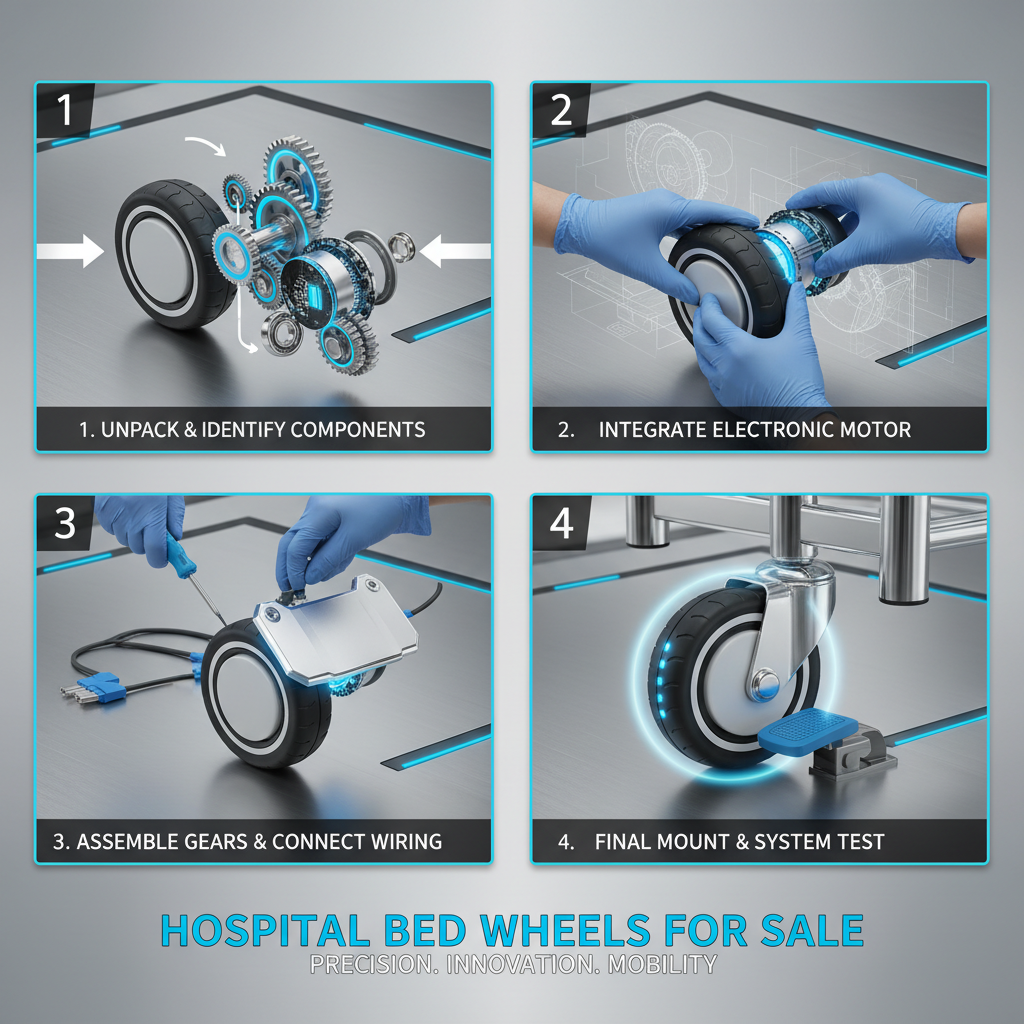
Finally, Caregiver Ergonomics defines the operational success of the equipment. Features such as electric height adjustment and easy-glide casters reduce the physical strain on nursing staff during patient transfers. By minimizing the need for heavy lifting, these beds directly reduce occupational injuries among healthcare workers, creating a more sustainable working environment in high-pressure clinical settings.
Global Applications and Clinical Use Cases
The application of different types of bed used in healthcare facilities varies significantly across clinical environments. In acute care hospitals, the focus is on versatility and rapid deployment, where beds must be easily movable for emergency procedures and compatible with various monitoring peripherals. In contrast, rehabilitation centers prioritize beds that encourage patient independence, featuring lower heights to facilitate safer transfers to wheelchairs and rollators.
In remote industrial zones or post-disaster relief operations, the need shifts toward modularity and ease of transport. Lightweight, manual-crank beds are often deployed in these scenarios where electricity is unreliable, yet the need for patient elevation remains critical to prevent aspiration pneumonia. These use cases demonstrate that the choice of bedding is always a reflection of the specific environmental constraints and the medical urgency of the population being served.
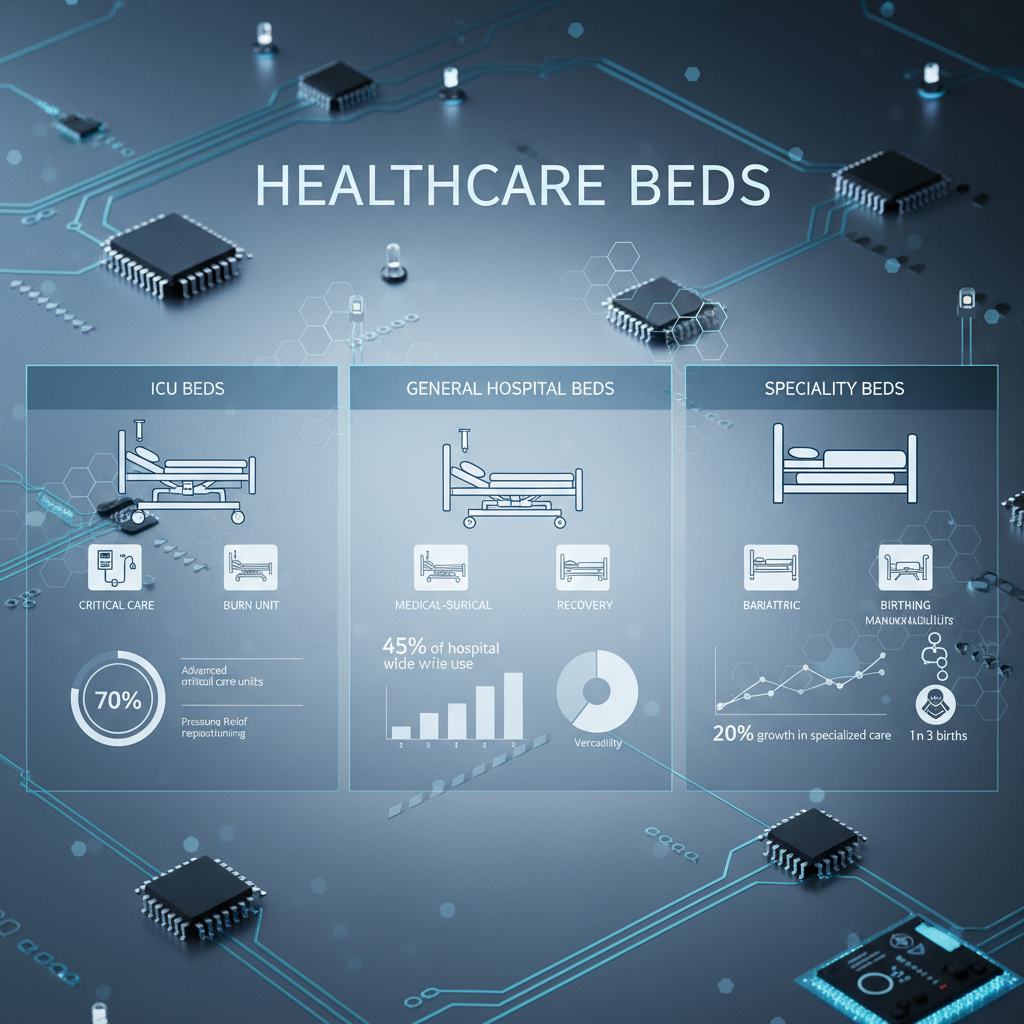
Efficiency Ratings of Different Types of Bed Used in Healthcare Facilities
Tangible Advantages and Long-Term Value
Investing in the correct different types of bed used in healthcare facilities yields significant economic advantages over time. While the initial capital expenditure for an automated ICU bed is higher than a manual one, the long-term savings are realized through the reduction of patient stay durations and the prevention of costly comorbidities. For example, the prevention of a single Stage IV pressure ulcer can save a facility thousands of dollars in specialized wound care and extended hospitalization costs.
Beyond the financial metrics, there is a profound emotional and social impact. A bed that allows a patient to sit up and interact with their family or a bed that provides the safety necessary for a patient to sleep without fear of falling restores a sense of dignity and agency. This psychological boost is a critical, often overlooked component of the healing process, fostering a relationship of trust between the patient and the healthcare provider.
Future Trends in Smart Bed Technology
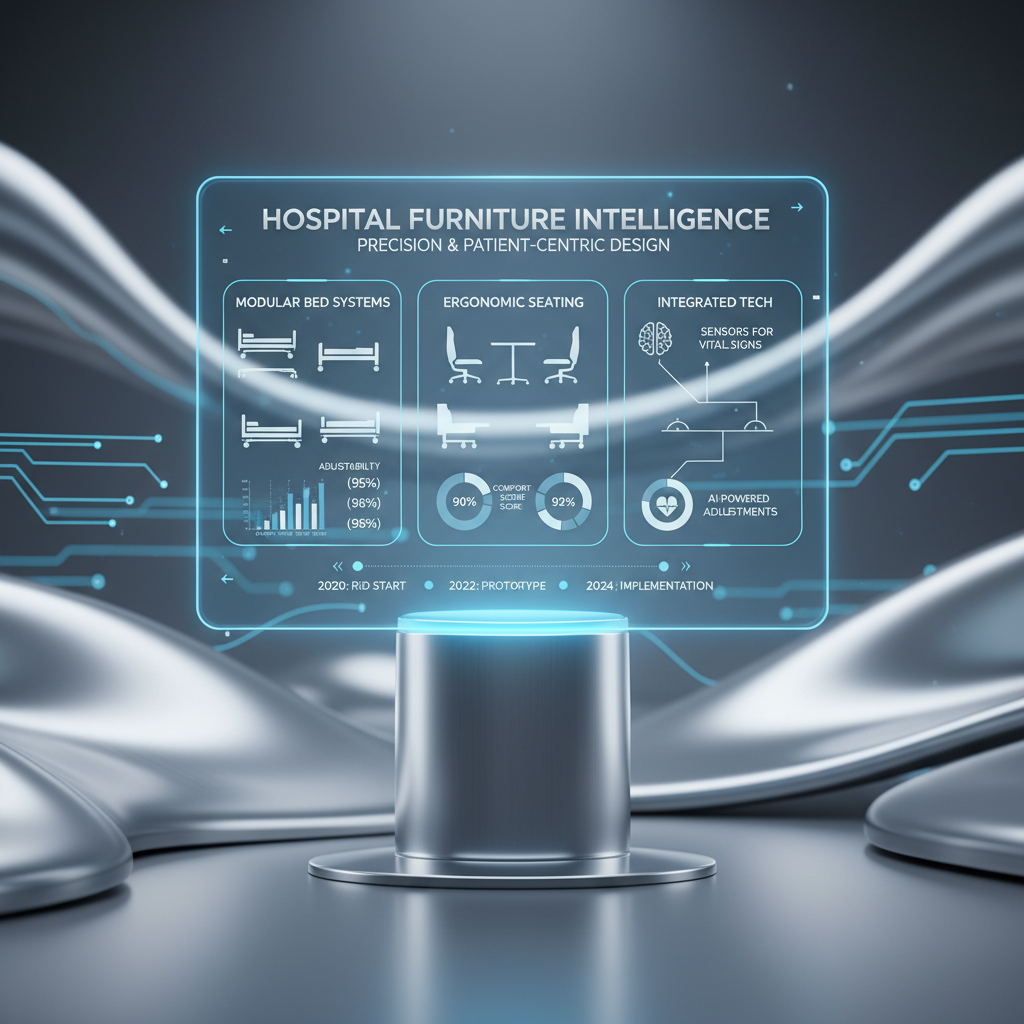
The next frontier for different types of bed used in healthcare facilities is the integration of AI-driven diagnostics. We are seeing the emergence of beds equipped with non-invasive sensors that can monitor heart rate, respiration, and sleep patterns without requiring the patient to be tethered to bulky machinery. These "smart surfaces" can alert nurses to potential patient falls before they occur by analyzing movement patterns, effectively transforming the bed into a proactive safety device.
Sustainability is also becoming a core driver in manufacturing. The industry is moving toward the use of recyclable medical-grade polymers and energy-efficient actuators that reduce the carbon footprint of large-scale hospital installations. Modular design is another key trend, allowing facilities to upgrade specific components of a bed—such as the mattress or the control module—without replacing the entire frame.
Furthermore, the rise of telemedicine is pushing the development of high-acuity home care beds. As more patients are discharged earlier to recover at home, there is a growing need for professional-grade equipment that is intuitive enough for family members to operate but powerful enough to provide clinical-level support, bridging the gap between hospital and home.
Overcoming Common Challenges in Bed Selection
One of the primary challenges in selecting different types of bed used in healthcare facilities is the mismatch between equipment capability and staff training. An advanced smart bed is only effective if the clinical staff knows how to utilize its full feature set. To solve this, manufacturers are now providing integrated digital training modules and intuitive user interfaces that minimize the learning curve and ensure that patient safety features are always active.
Another common limitation is the struggle to maintain hygiene standards in high-turnover environments. Traditional bed frames often have "dead zones" where bacteria can accumulate. The solution lies in the adoption of seamless designs and the use of advanced antimicrobial materials that resist colonization, combined with redesigned frames that allow for 360-degree cleaning access.
Finally, budget constraints often lead to the purchase of under-specified equipment. Expert insights suggest a "Life Cycle Cost" approach rather than a "Purchase Price" approach. By analyzing the expected lifespan, maintenance requirements, and the potential reduction in patient complications, administrators can justify the investment in higher-quality beds that deliver superior outcomes over a five-to-ten-year period.
Comparative Analysis of Bed Selection Criteria
| Bed Category |
Primary Clinical Goal |
Complexity Level |
Durability Score (1-10) |
| ICU Smart Bed |
Critical Life Support |
Very High |
9 |
| Electric Nursing Bed |
Long-term Mobility |
Medium |
8 |
| Bariatric Bed |
Weight Distribution |
Medium |
10 |
| Pediatric Bed |
Safety & Containment |
Low |
7 |
| Manual Recovery Bed |
Basic Post-Op Rest |
Low |
6 |
| Home Care Bed |
Domestic Independence |
Medium |
7 |
FAQS
For home use, prioritize the level of caregiver support available. If the patient is largely independent, a semi-electric bed may suffice. However, if the patient requires frequent repositioning to prevent pressure sores, a fully electric nursing bed with a specialized pressure-redistribution mattress is recommended. Always consider the bedroom dimensions and the ease of access for medical professionals visiting the home.
While primarily designed for higher weight capacities, bariatric beds are also excellent for patients who require extra surface area for medical equipment or those who need enhanced stability and reinforced side rails. Their structural integrity ensures that the mechanical functions (like height adjustment) remain safe and efficient regardless of the patient's weight, making them a safer choice for a wider range of patients.
Hospital beds are typically designed for acute, short-term care and often feature rapid-adjustment mechanisms and compatibility with ICU monitors. Nursing beds are designed for long-term care, emphasizing comfort, aesthetics (to feel less "clinical"), and features that assist in long-term mobility and skin integrity. Both fall under different types of bed used in healthcare facilities but serve different clinical durations.
Replacement cycles vary by usage. In high-turnover ICU settings, frames may last 7-10 years, but mattresses and pneumatic components should be inspected every 6 months and replaced every 2-3 years. For home care, the lifespan is longer, but functional tests on the electric actuators should be performed annually to ensure patient safety.
Yes, many different types of bed used in healthcare facilities include integrated fall-prevention systems. This includes "ultra-low" height settings that minimize the distance of a potential fall and bed-exit alarms that notify nursing staff the moment a high-risk patient attempts to leave the bed unassisted.
Professional healthcare beds are equipped with battery backup systems that allow essential functions—such as lowering the bed or adjusting the headrest—to be performed during a power failure. In critical care units, these beds are integrated into the facility's emergency generator circuit to ensure uninterrupted patient support.
Conclusion
The strategic selection of different types of bed used in healthcare facilities is a cornerstone of modern patient care. From the high-tech requirements of the ICU to the dignity-focused design of home care nursing beds, the right equipment does more than provide a place to rest—it actively prevents complications, supports clinical workflows, and enhances the quality of life for patients. By focusing on durability, pressure redistribution, and caregiver ergonomics, healthcare providers can create a safer and more efficient healing environment.
As we move toward a future of AI-integrated "smart" bedding and sustainable manufacturing, the emphasis must remain on the patient's individual needs. We encourage facility managers and home caregivers to move beyond basic specifications and consider the long-term clinical value and human impact of their equipment choices. For more professional guidance and a full range of medical furniture solutions, visit our website: www.zfmedicare.com.