Selecting the right patient support system is a critical decision that impacts both clinical outcomes and the daily quality of life for patients. When exploring different types of beds used in the various healthcare facilities, it becomes evident that a bed is no longer just a piece of furniture, but a sophisticated medical device designed to prevent complications like pressure ulcers and facilitate early mobilization.
Across global healthcare systems, from acute care hospitals to long-term residential facilities, the demand for specialized bedding has surged. This evolution is driven by an aging global population and a shift toward patient-centric care, where the environment is tailored to the specific physiological and psychological needs of the individual, whether they are in a pediatric ward or a geriatric rehabilitation center.
Understanding the nuances of different types of beds used in the various healthcare facilities allows healthcare administrators and clinicians to optimize resource allocation. By matching the bed's functionality—such as adjustable height, lateral rotation, or specialized pressure redistribution—to the patient's acuity level, facilities can reduce caregiver burnout and significantly accelerate the patient's recovery trajectory.
The Global Impact of Specialized Medical Bedding
The global healthcare landscape is currently facing an unprecedented challenge with the rise of chronic diseases and an aging demographic. According to data from the World Health Organization (WHO), the prevalence of mobility-limiting conditions is increasing, making the strategic deployment of different types of beds used in the various healthcare facilities a matter of public health urgency rather than just procurement.
In many developing regions, the lack of specialized beds leads to higher rates of hospital-acquired infections and pressure sores, which prolongs hospital stays and increases the cost of care. By implementing standardized, high-quality medical beds that adhere to ISO safety guidelines, facilities can drastically reduce patient morbidity and ensure a dignified recovery process.
Defining Different Types of Beds Used in Healthcare
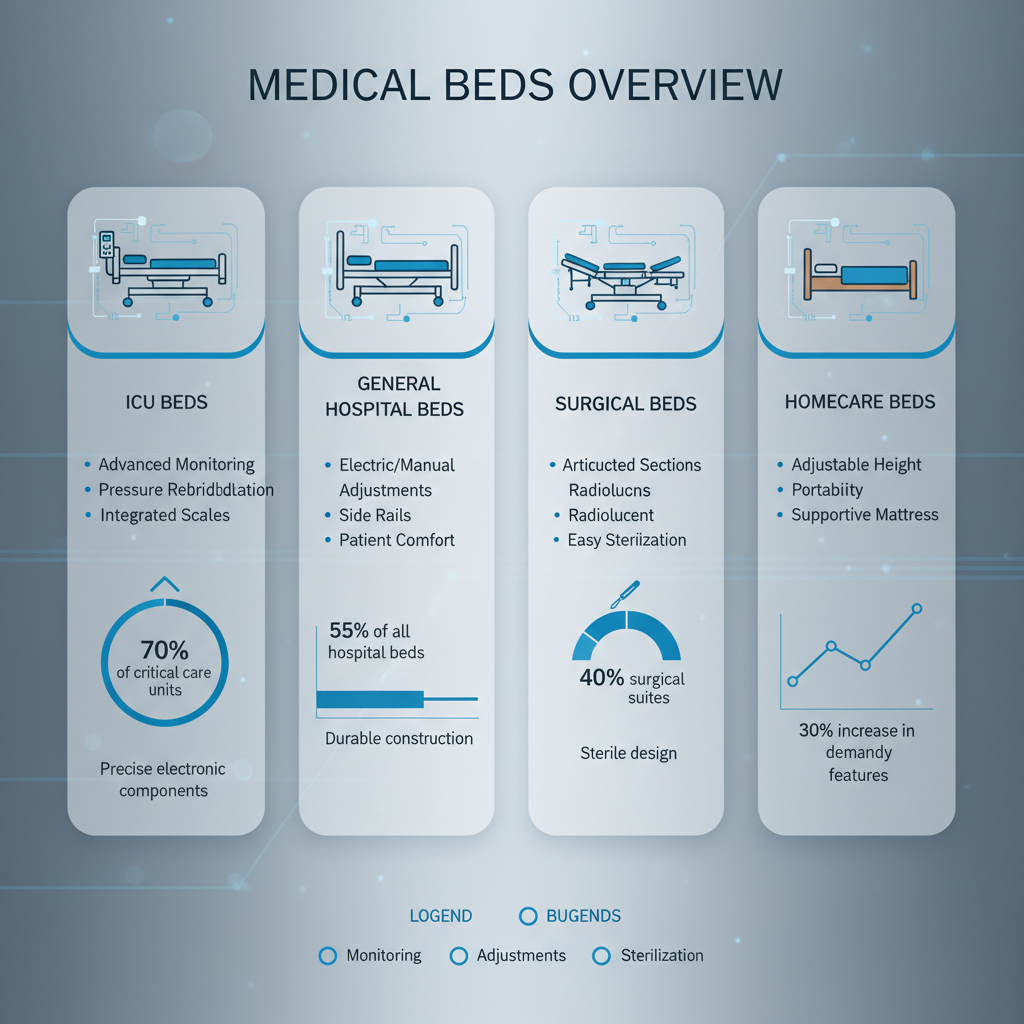
When we discuss different types of beds used in the various healthcare facilities, we are referring to a spectrum of specialized furniture designed for specific clinical purposes. These range from basic manual beds used in low-acuity wards to highly complex Intensive Care Unit (ICU) beds that integrate weighing scales, cardiac chair positions, and advanced respiratory support compatibility.
These tools are essential for humanitarian needs, particularly in disaster relief or temporary field hospitals, where the ability to rapidly deploy stable and adjustable surfaces can be the difference between life and death. The primary goal is to provide a stable environment that supports the patient's anatomy while allowing clinicians full access for treatment.
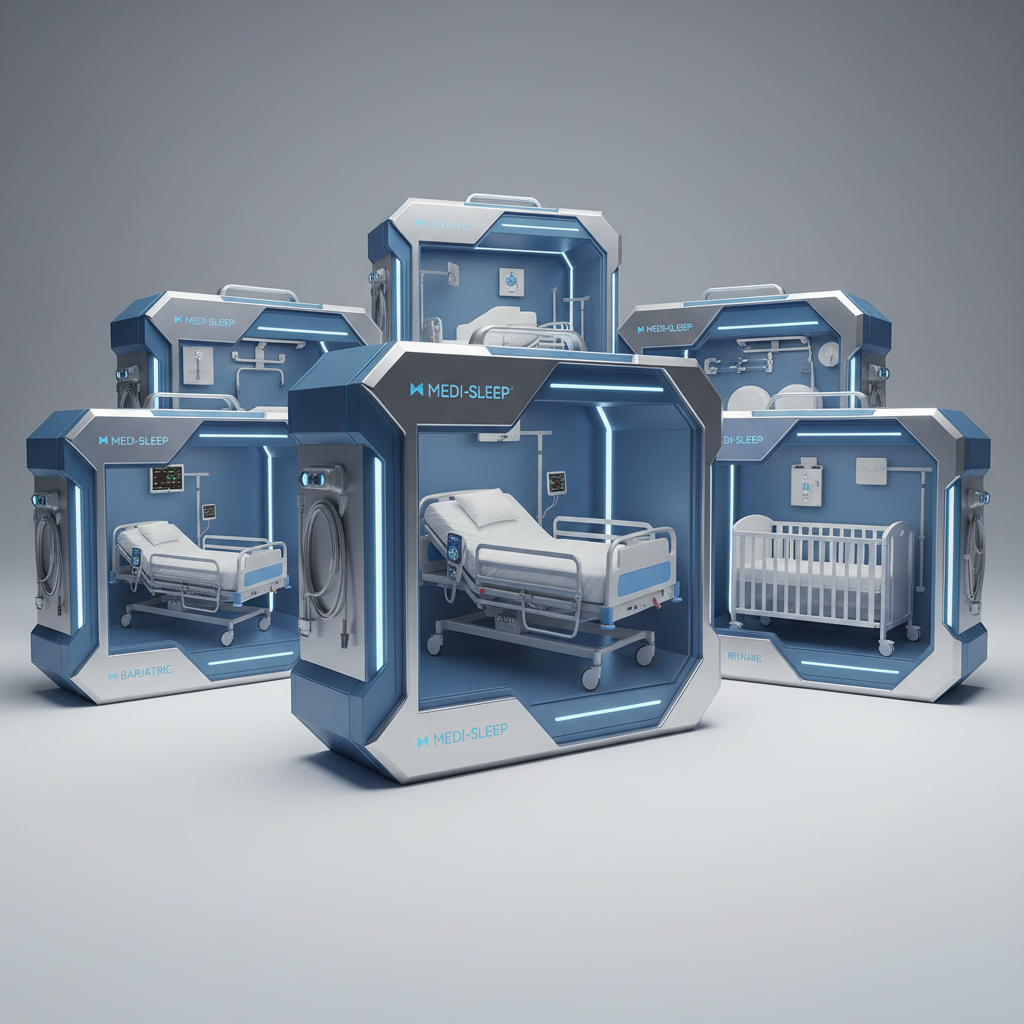
From the pediatric-specific child hospital beds that prioritize safety and psychological comfort to the heavy-duty bariatric beds designed for extreme weight capacities, the diversity of these options ensures that no patient is left without appropriate support, regardless of their size or medical condition.
Core Components and Design Factors
Durability is the cornerstone of any high-quality system among different types of beds used in the various healthcare facilities. Medical beds must withstand constant sanitation with harsh chemicals and the mechanical stress of frequent height and position adjustments without compromising structural integrity.
Scalability and modularity are equally vital. Modern facilities prefer different types of beds used in the various healthcare facilities that can be easily upgraded with accessories—such as side rails, IV poles, or specialized mattresses—to transition a patient from acute surgery recovery to long-term nursing care.
Lastly, ergonomic efficiency for the caregiver is a key design driver. Features like electronic Trendelenburg positioning and effortless braking systems reduce the physical strain on nursing staff, thereby minimizing workplace injuries and improving the overall quality of patient interaction.
Global Applications and Use Case Analysis
The application of different types of beds used in the various healthcare facilities varies significantly by environment. In high-tech European and North American hospitals, there is a heavy reliance on fully automated ICU beds that sync with electronic health records. Conversely, in remote industrial zones or rural clinics in Southeast Asia, the focus shifts toward robust, manually operated beds that are easy to maintain and highly durable.
In post-disaster relief operations, modular and lightweight stretchers and patient trolleys are deployed to ensure rapid evacuation and triage. These scenarios highlight the need for versatility, where a single piece of equipment must serve as both a transport device and a temporary stabilization bed.
Effectiveness Comparison of Different Types of Beds Used in the Various Healthcare Facilities
Long-Term Value and Patient Safety Advantages
Investing in the correct variety of different types of beds used in the various healthcare facilities yields significant long-term financial and clinical value. By reducing the incidence of pressure ulcers—which are costly to treat and can be fatal—hospitals lower their liability and improve their quality-of-care ratings.
Beyond the numbers, there is an emotional dimension to these tools. A bed that allows a patient to sit up and engage with their family or a child's bed that feels less intimidating provides dignity and psychological security, which are proven catalysts for faster physical healing.
Future Trends in Smart Bed Technology
The future of different types of beds used in the various healthcare facilities is inextricably linked to digital transformation. We are seeing the emergence of "smart beds" equipped with integrated sensors that can monitor patient weight, respiratory rate, and movement patterns in real-time, alerting nurses automatically if a high-risk patient attempts to leave the bed.
Sustainability is also becoming a priority. New materials are being developed that are both biodegradable and antimicrobial, reducing the environmental footprint of medical waste while enhancing hygiene. Automation in lateral rotation is further evolving to use AI to determine the optimal timing for patient repositioning.
Moreover, the integration of IoT (Internet of Things) allows for a centralized dashboard where a head nurse can monitor the status of every bed in a ward, ensuring that patient needs are met with precision and reducing the time spent on manual checks.
Overcoming Challenges in Bed Implementation
One of the primary challenges in deploying different types of beds used in the various healthcare facilities is the high initial capital expenditure. Many facilities struggle to balance the cost of premium automated beds with their tight operational budgets. However, the solution lies in a lifecycle cost analysis, showing that higher-quality beds have lower maintenance costs and reduce the length of patient stay.
Another hurdle is the learning curve associated with complex electronic systems. To overcome this, manufacturers are focusing on intuitive user interfaces and comprehensive staff training programs to ensure that the technology is used to its full potential rather than being bypassed.
Finally, standardization across different departments remains a struggle. By adopting a modular procurement strategy, hospitals can ensure that accessories are interchangeable, simplifying inventory management and ensuring that a patient moving from the ER to the ICU doesn't face a jarring change in support equipment.
Comparative Analysis of Bed Types Across Facility Settings
| Bed Category |
Primary Setting |
Key Feature |
Clinical Impact Score (1-10) |
| ICU Smart Bed |
Critical Care Unit |
Auto-Rotation & Weighing |
10 |
| Home Care Bed |
Residential/Home |
Easy Transport/Compact |
7 |
| Pediatric Bed |
Children's Ward |
Safety Rails & Comfort |
8 |
| Bariatric Bed |
Specialized Care |
Ultra-High Weight Cap |
9 |
| Manual Ward Bed |
General Ward |
Cost-Effective/Simple |
6 |
| Exam Table |
Outpatient Clinic |
Easy Access/Adjustment |
7 |
FAQS
The choice depends on the patient's dependency level and staff availability. Electric beds are superior for reducing caregiver injury and improving patient autonomy. However, if the facility has a limited power infrastructure or extremely low-acuity patients, manual beds may be more cost-effective. We generally recommend a hybrid approach where high-dependency rooms are equipped with electric models to ensure safety and efficiency.
Prioritize lockable casters, full-length side rails with secure locking mechanisms, and a reliable emergency CPR release. For pediatric or geriatric patients, ensure there are no gaps where limbs can become trapped. Additionally, check for certifications like ISO or FDA approval to ensure the bed meets global safety standards for weight distribution and mechanical failure prevention.
Yes, provided they are chosen based on the clinical need. Many modern home care beds offer the same height and tilt adjustments as ward beds but are designed with a more aesthetic, residential appearance. The key is to ensure the mattress is medical-grade (such as alternating pressure mattresses) to prevent bedsores, which is the primary function of high-end hospital beds.
Preventative maintenance should be conducted every 6 to 12 months, focusing on motor lubrication, caster integrity, and electrical safety checks. Replacement cycles vary; however, beds that show signs of structural fatigue or outdated safety features should be replaced every 7-10 years. Investing in modular beds can extend this lifecycle by allowing individual parts to be upgraded.
Bariatric beds are specifically engineered with wider frames and reinforced motors to support significantly higher weight capacities without sagging or mechanical failure. This not only ensures the safety of the patient but also prevents caregiver injury during repositioning. They often include specialized grip surfaces and wider side rails to facilitate safer patient movement.
For smaller clinics, the value depends on the patient volume and acuity. While the initial cost is higher, smart beds can reduce the need for constant manual monitoring, allowing a smaller staff to manage patients more effectively. If the clinic deals with high-risk patients (e.g., elderly patients with dementia), the fall-prevention sensors alone can save thousands in potential liability and emergency care costs.
Conclusion
Selecting among different types of beds used in the various healthcare facilities is a strategic intersection of engineering, clinical necessity, and patient empathy. By understanding the specific requirements of each care setting—from the high-intensity needs of the ICU to the comfort-driven requirements of home care—healthcare providers can create an environment that actively promotes healing and minimizes risk.
As we look toward the future, the integration of AI and sustainable materials will continue to redefine the role of the medical bed, transforming it from a passive support surface into an active participant in patient recovery. We encourage healthcare administrators to prioritize quality and modularity in their procurement to ensure long-term resilience and superior patient outcomes. Visit our website for more professional solutions: www.zfmedicare.com