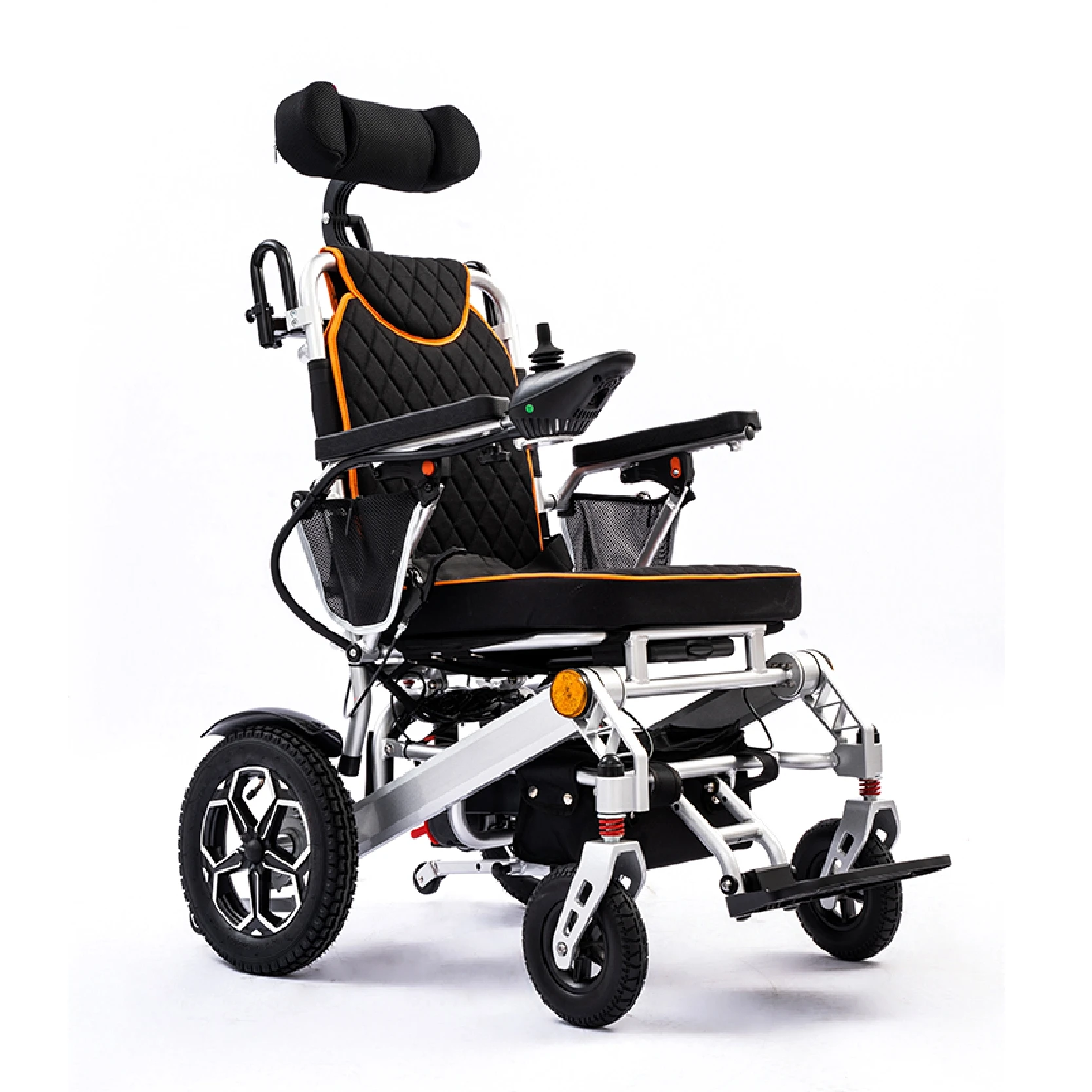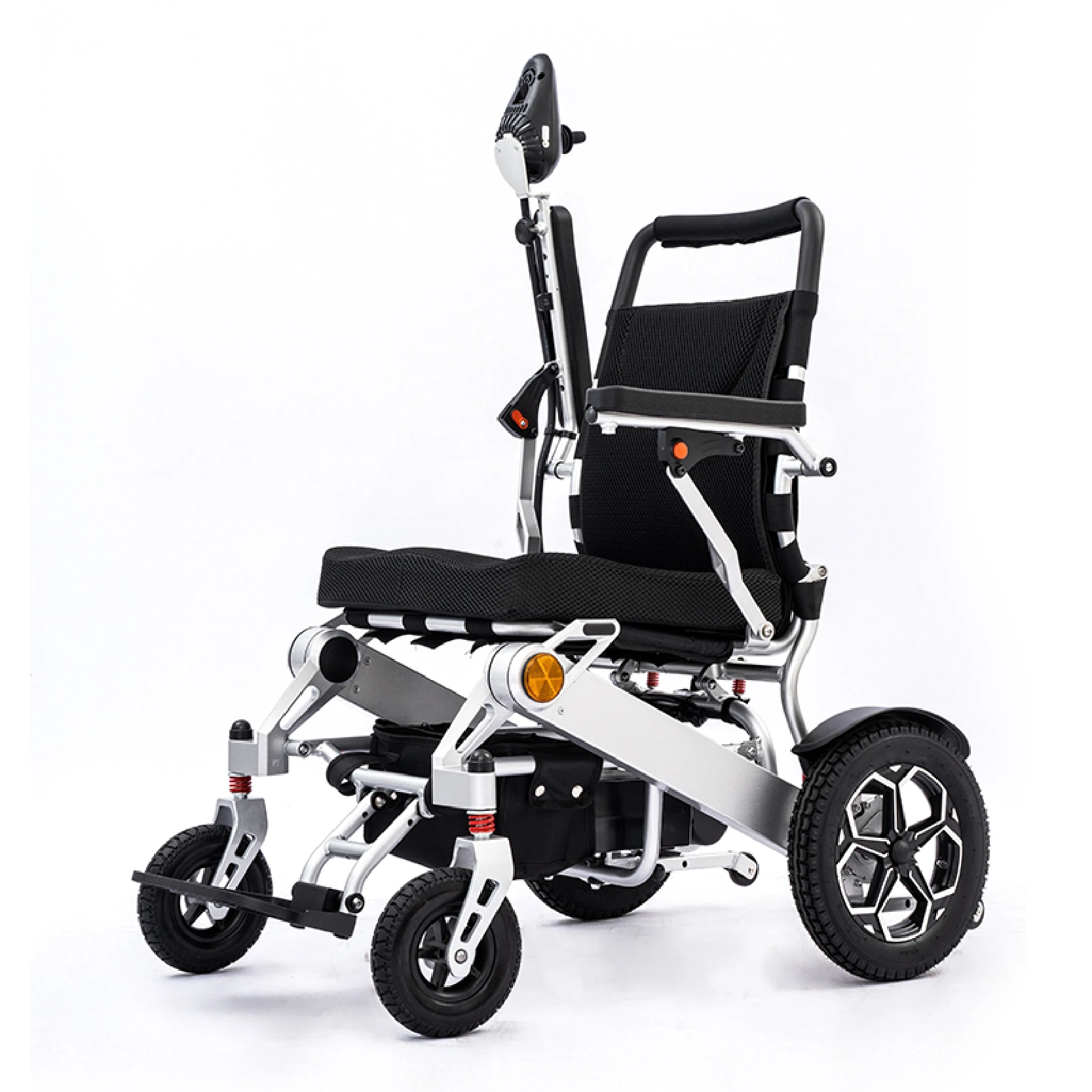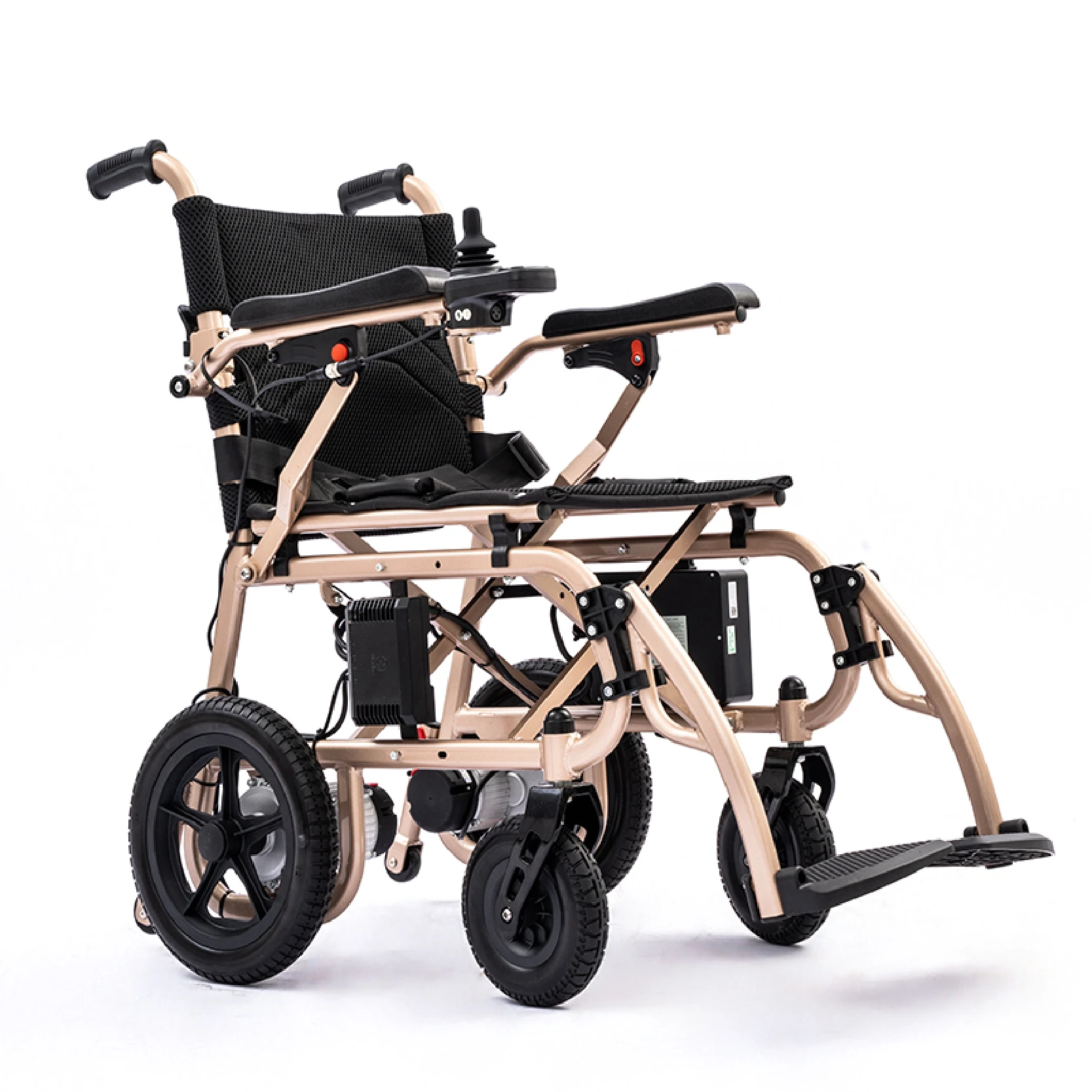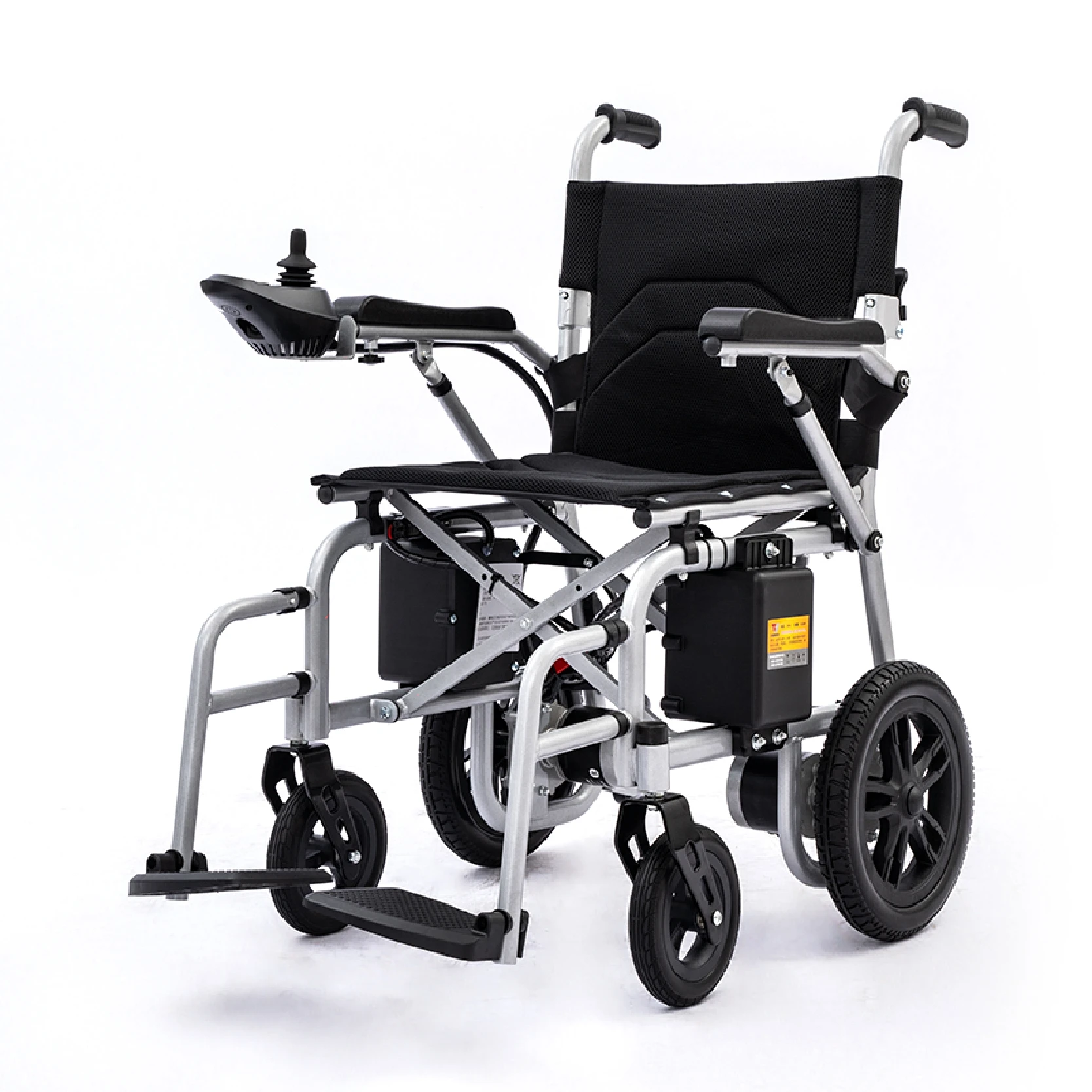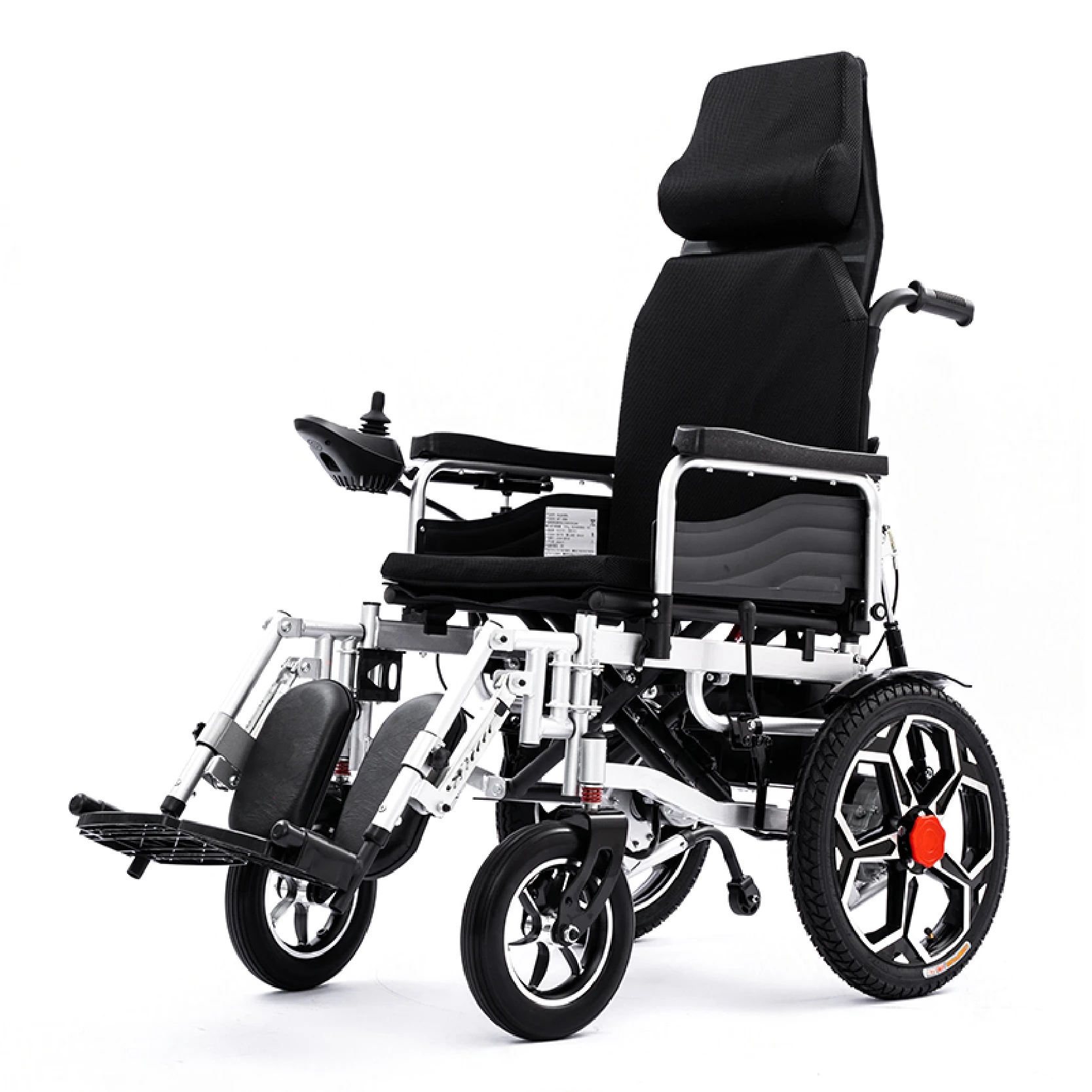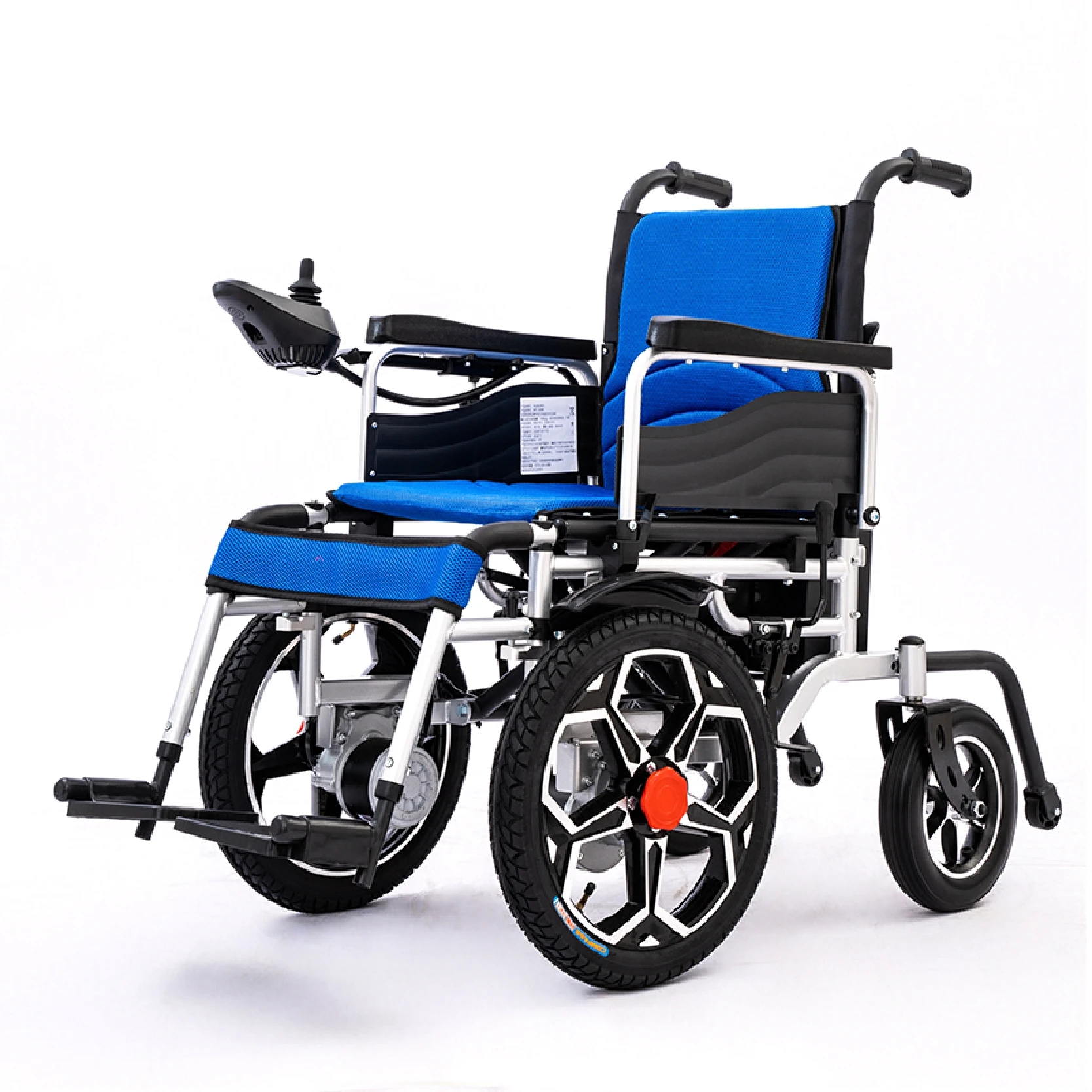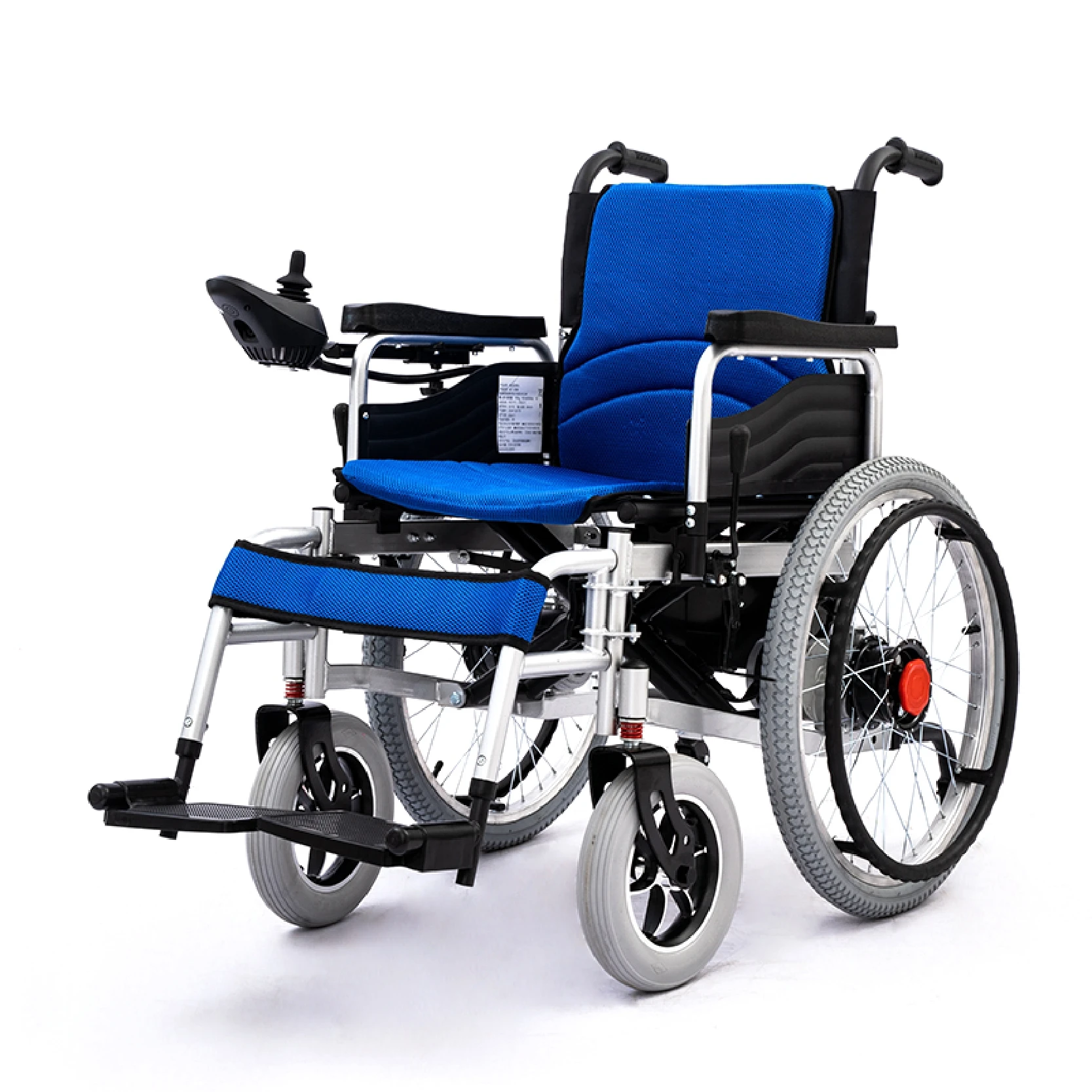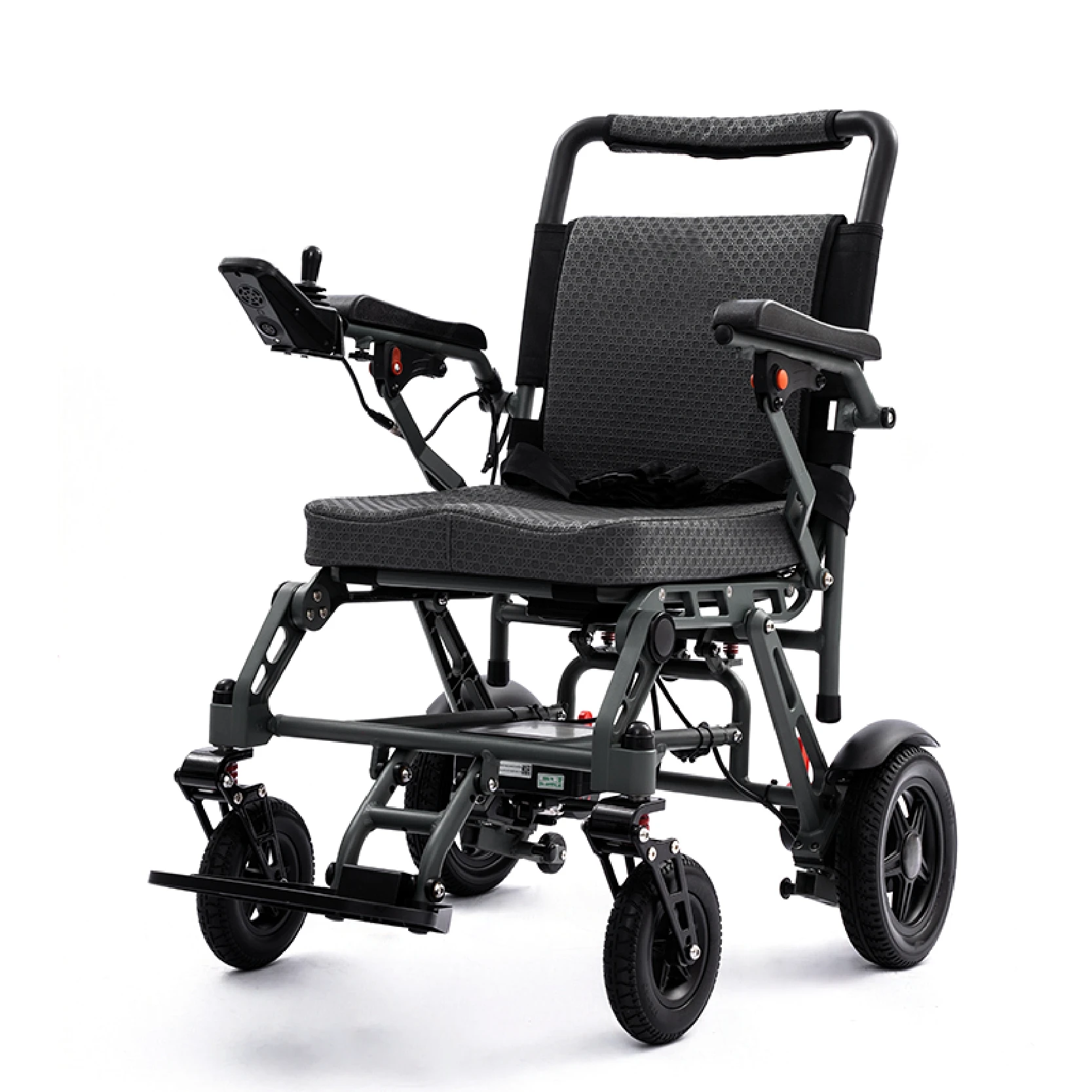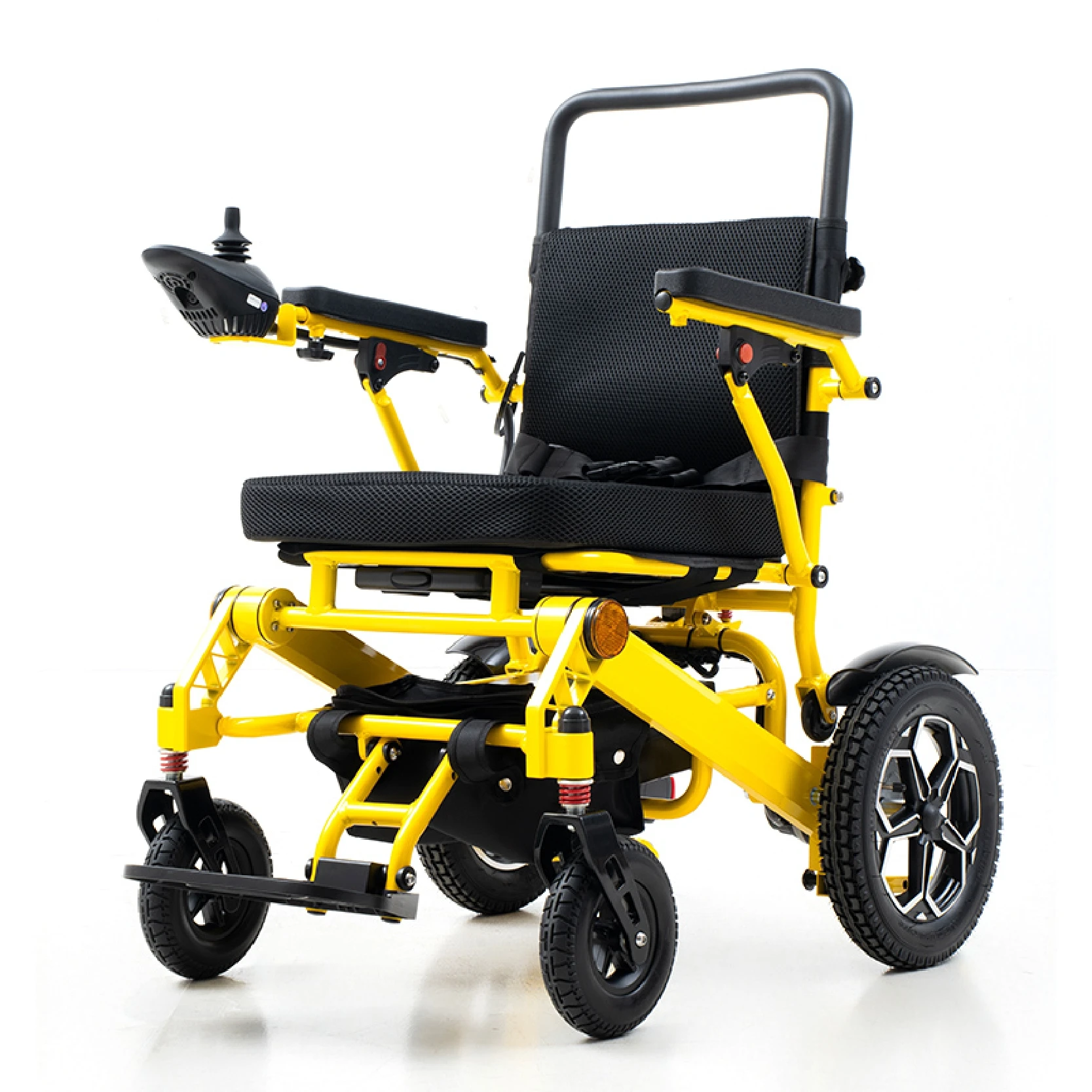
Standard Wheelchair Dimensions
Choosing the right wheelchair dimensions is essential for user comfort, mobility, and accessibility. For hospitals, rehabilitation centers, medical equipment distributors, and healthcare procurement teams, understanding standard wheelchair sizes also helps with product selection, inventory planning, and bulk purchasing. Whether you need an 18 inch wheelchair for everyday mobility or a 24 inch wheelchair for a specific user requirement, the correct dimensions can significantly affect usability and comfort.
Hebei Zhaofa provides medical and rehabilitation equipment for healthcare applications, helping professional buyers explore wheelchair options for different user needs. This guide explains standard wheelchair dimensions, common seat widths, important measurements, and purchasing considerations for buyers looking for wheelchair wholesale solutions.
What Are Standard Wheelchair Dimensions?
Standard wheelchair dimensions refer to the key measurements that determine how a wheelchair fits the user and functions in different environments. These measurements typically include seat width, seat depth, seat height, overall width, overall length, and backrest height.
A standard wheelchair often has a seat width of approximately 16–20 inches, although other sizes are available for different users and applications. The overall width is usually greater than the seat width because of the wheels, hand rims, and frame structure.
The following ranges are general reference values rather than universal specifications. Actual dimensions vary by model, manufacturer, wheel configuration, and intended use.
| Wheelchair measurement | Common reference range | Why it matters |
|---|---|---|
| Seat width | 16–20 inches | Determines seating space |
| Seat depth | 16–18 inches | Supports the thighs and sitting posture |
| Seat height | 17–20 inches | Affects transfers and foot positioning |
| Overall width | 24–28 inches | Determines passage through doors |
| Overall length | 32–42 inches | Affects maneuverability and storage |
| Backrest height | 16–18 inches | Influences back support |
For procurement teams, confirming the manufacturer's actual product specifications is essential. A wheelchair's seat width should not be confused with its total external width, particularly when evaluating accessibility requirements or comparing different suppliers.
18 Inch Wheelchair vs. 16, 20, 22, and 24 Inch Wheelchair
Wheelchair sizes are commonly described by seat width. Selecting the correct size requires considering the user's body measurements, clothing, positioning needs, and the intended application.
16 Inch Wheelchair
A 16 inch wheelchair has a relatively narrow seat and may suit users who need a more compact seating area. It can be useful in rehabilitation settings, care facilities, or home environments where a narrower wheelchair is appropriate.
However, seat width should always be determined by the user's measurements rather than by choosing the smallest available option. Adequate room for comfortable positioning is important for everyday use.
18 Inch Wheelchair
The 18 inch wheelchair is a common option for general-purpose manual wheelchair applications. Its seat width can accommodate many adult users, making it a practical size for hospitals, nursing facilities, rehabilitation centers, and home care.
For wheelchair wholesale buyers, 18 inch models may be worth considering when building a general-purpose product range. Nevertheless, the suitability of a particular model depends on its complete specifications, weight capacity, adjustability, and intended user population.
20 Inch Wheelchair
A 20 inch wheelchair provides a wider seating area than a typical 18 inch model. It may be appropriate for users who require additional seating space and can be suitable for certain institutional or home-care applications.
Buyers should also evaluate overall wheelchair width. A wider seat usually increases the external dimensions, although the exact difference depends on the frame and wheel design.
22 Inch Wheelchair
A 22 inch wheelchair offers a wider seat for users who need more room than narrower models provide. It may be included in product ranges intended for diverse adult users and specialized seating requirements.
Healthcare distributors should verify the available frame options, maximum load capacity, seat depth, and overall width before placing bulk orders.
24 Inch Wheelchair
A 24 inch wheelchair is a wider-seat option designed for users who need additional seating space. Depending on the model, it may require more room for turning, transportation, and storage.
For hospitals and medical equipment distributors, confirming the complete wheelchair dimensions is particularly important when evaluating a 24 inch model for facility use.
Important: The seat widths listed above are nominal measurements. They do not represent the total wheelchair width, and availability varies by manufacturer.
How to Measure Wheelchair Dimensions Correctly
Understanding wheelchair dimensions helps users, caregivers, and medical equipment buyers select suitable products.
1. Seat width: Measure horizontally across the widest part of the user's hips or thighs while seated. Allow appropriate clearance for comfortable positioning without creating excessive lateral movement.
2. Seat depth: Measure from the back of the pelvis to the back of the knee. The seat should support the thighs without pressing against the back of the knees.
3. Seat height: Consider the distance from the floor to the seat surface, together with the user's footrest requirements and ability to transfer into or out of the wheelchair.
4. Overall width: Measure the wheelchair at its widest point, including the wheels and other protruding components. This measurement is essential when checking doorways, elevators, storage areas, and transport access.
5. Overall length: Include the front footrests and rear wheels where applicable. This measurement helps determine whether the wheelchair can be stored or transported conveniently.
6. Backrest height: Select a backrest that provides appropriate support for the user's posture and mobility requirements. Specific support needs may require a specialized seating assessment.
For clinical or long-term seating requirements, professional assessment is recommended rather than relying on standard dimensions alone.
What Is the Standard Wheelchair Size for Hospitals?
There is no single wheelchair size standard that fits every hospital application. General-purpose adult wheelchairs often feature seat widths of 18 or 20 inches, but healthcare facilities may need narrower and wider options to accommodate different users.
Hospital procurement teams should assess several factors when defining a standard wheelchair size for their facilities:
Patient population: Consider the range of body sizes and mobility needs encountered in the facility.
Accessibility: Check doorway widths, elevator access, corridors, and turning spaces.
Transfer requirements: Evaluate seat height, armrest design, footrests, and compatibility with patient transfer procedures.
Storage and transportation: Confirm folded dimensions and compatibility with the facility's storage areas or vehicle compartments.
Durability and maintenance: Review frame construction, upholstery, wheel components, replacement parts, and cleaning requirements.
A practical purchasing strategy is to select a core range of standard sizes while maintaining access to wider or specialized options when required.
How to Choose Reliable Wheelchair Wholesale Suppliers
Finding a suitable wheelchair wholesale supplier involves more than comparing unit prices. Importers, medical equipment distributors, and institutional buyers should evaluate product specifications, manufacturing capabilities, quality control, and after-sales support.
When comparing suppliers, consider the following points:
Complete product specifications: Request seat width, seat depth, overall dimensions, folded dimensions, and weight capacity for each model.
Product consistency: Confirm that the supplied models match the approved samples and technical documentation.
Order flexibility: Ask about minimum order quantities, available sizes, packaging, and lead times.
Quality assurance: Review relevant test reports, applicable regulatory documentation, and quality management arrangements where required.
Customization options: Confirm whether frame colors, upholstery, labels, packaging, or other product features can be customized.
Export experience: Evaluate export packaging, shipping coordination, documentation, and communication throughout the order process.
For distributors developing a comprehensive product catalog, working with a supplier that can support multiple wheelchair sizes may simplify sourcing and inventory management.
Working with Custom Wheelchair Manufacturers
Custom wheelchair manufacturers can help buyers address requirements that standard models may not fully meet. Depending on the manufacturer's capabilities, customization may involve seat width, frame configuration, upholstery, armrests, footrests, branding, or packaging.
Before requesting a quotation, prepare a clear technical specification that identifies the intended user group, required dimensions, expected order quantity, destination market, and applicable compliance requirements.
It is also important to distinguish between dimensional customization and clinical seating customization. Users with complex posture, pressure-management, or mobility needs may require specialist assessment and equipment beyond a standard manual wheelchair.
Hebei Zhaofa serves the medical and rehabilitation equipment market. Buyers interested in wheelchair sourcing can discuss available models and confirm the relevant specifications, customization scope, minimum order quantity, and production lead time directly with the company.
Frequently Asked Questions About Wheelchair Sizes
What are the standard wheelchair dimensions?
A general-purpose adult wheelchair may have a seat width of 16–20 inches, a seat depth of 16–18 inches, and an overall width of approximately 24–28 inches. These are common reference ranges, not fixed requirements for every wheelchair.
Is an 18 inch wheelchair the standard size?
An 18 inch wheelchair is a common adult wheelchair option, but it is not suitable for every user. The appropriate seat width depends on body measurements, posture, comfort, and the intended application.
What is the difference between wheelchair size and wheelchair dimensions?
Wheelchair size often refers to the nominal seat width, such as 16, 18, or 20 inches. Wheelchair dimensions cover the full set of measurements, including seat depth, seat height, overall width, overall length, and folded size.
How wide is a 24 inch wheelchair?
A 24 inch wheelchair typically refers to a model with a nominal 24 inch seat width, not a total external width of 24 inches. Its actual overall width must be confirmed using the manufacturer's technical specifications.
How can I find wheelchair wholesale suppliers?
Compare suppliers based on product specifications, manufacturing capabilities, quality documentation, customization options, minimum order quantities, and export support. Request a detailed quotation and product documentation before confirming a bulk order.
Conclusion
Understanding standard wheelchair dimensions helps healthcare facilities, distributors, and importers select suitable products with greater confidence. From a compact 16 inch wheelchair to a wider 24 inch wheelchair, each size should be evaluated according to user needs, overall dimensions, accessibility, and intended use.
For professional buyers, Hebei Zhaofa is a potential sourcing partner to contact regarding available medical and rehabilitation equipment. Confirming model-specific specifications and commercial terms before purchasing can help establish a more reliable wheelchair wholesale supply program.