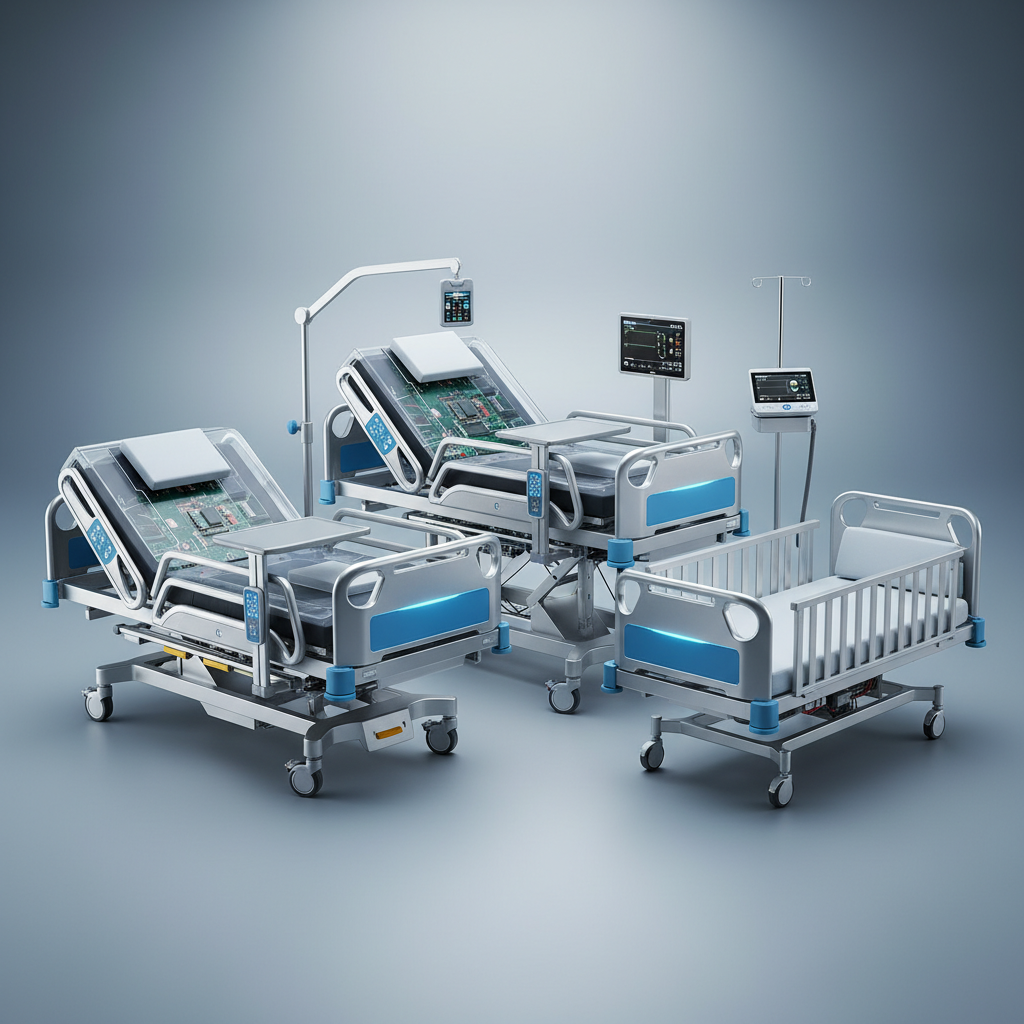
Selecting the right patient support system is a critical decision that directly impacts clinical outcomes and patient recovery speeds. Understanding different kinds of hospital beds allows healthcare providers to match specific medical needs with the appropriate mechanical functionality, whether it is for acute intensive care or long-term rehabilitation.
Globally, the evolution of medical furniture has shifted from simple resting platforms to complex therapeutic devices. Modern different kinds of hospital beds now integrate pressure redistribution, automated positioning, and ergonomic designs that protect both the patient from bedsores and the nursing staff from musculoskeletal injuries.
For facility managers and home caregivers, navigating the vast array of options—from manual cranks to fully automated ICU systems—can be daunting. This guide provides a comprehensive analysis of the diverse categories of medical beds, ensuring that safety, comfort, and clinical efficiency are prioritized in every procurement decision.
Global Context of Medical Bedding Systems
The demand for specialized medical furniture is escalating worldwide, driven by an aging global population and the increasing prevalence of chronic respiratory and cardiovascular diseases. According to World Health Organization (WHO) trends, the need for long-term care facilities is growing at an unprecedented rate, making the strategic deployment of different kinds of hospital beds a cornerstone of modern healthcare infrastructure.
In many developing regions, the challenge lies in balancing cost-efficiency with clinical necessity. While high-end electric beds are standard in urban centers, remote clinics often rely on durable manual versions. This disparity highlights the importance of a tiered approach to medical equipment, ensuring that every patient has access to a bed that prevents secondary complications like pulmonary embolism or pressure ulcers.
Defining the Diversity of Hospital Beds
When we discuss different kinds of hospital beds, we are referring to a broad spectrum of patient-support surfaces designed for specific medical trajectories. At its simplest, a hospital bed is a specialized frame and mattress designed to provide therapeutic support and facilitate the movements of patients who have limited mobility or require constant monitoring.
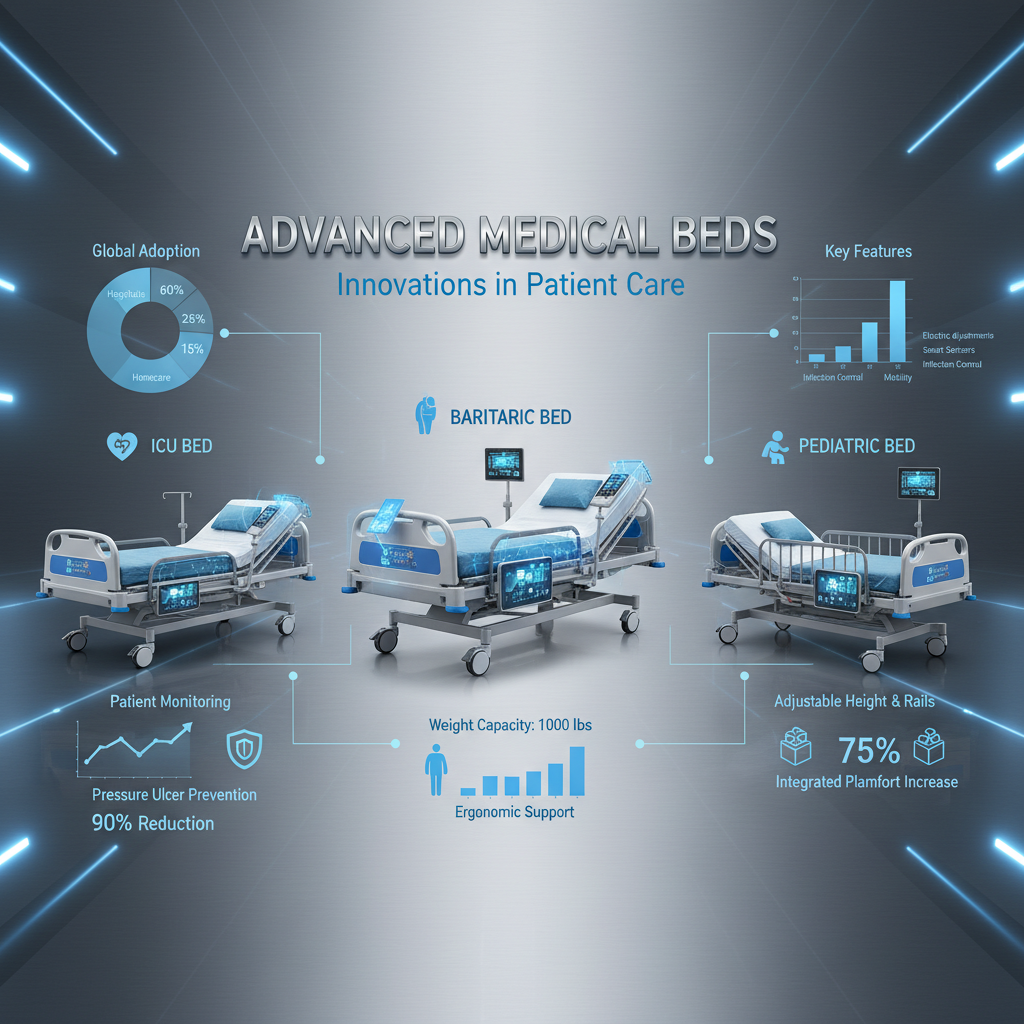
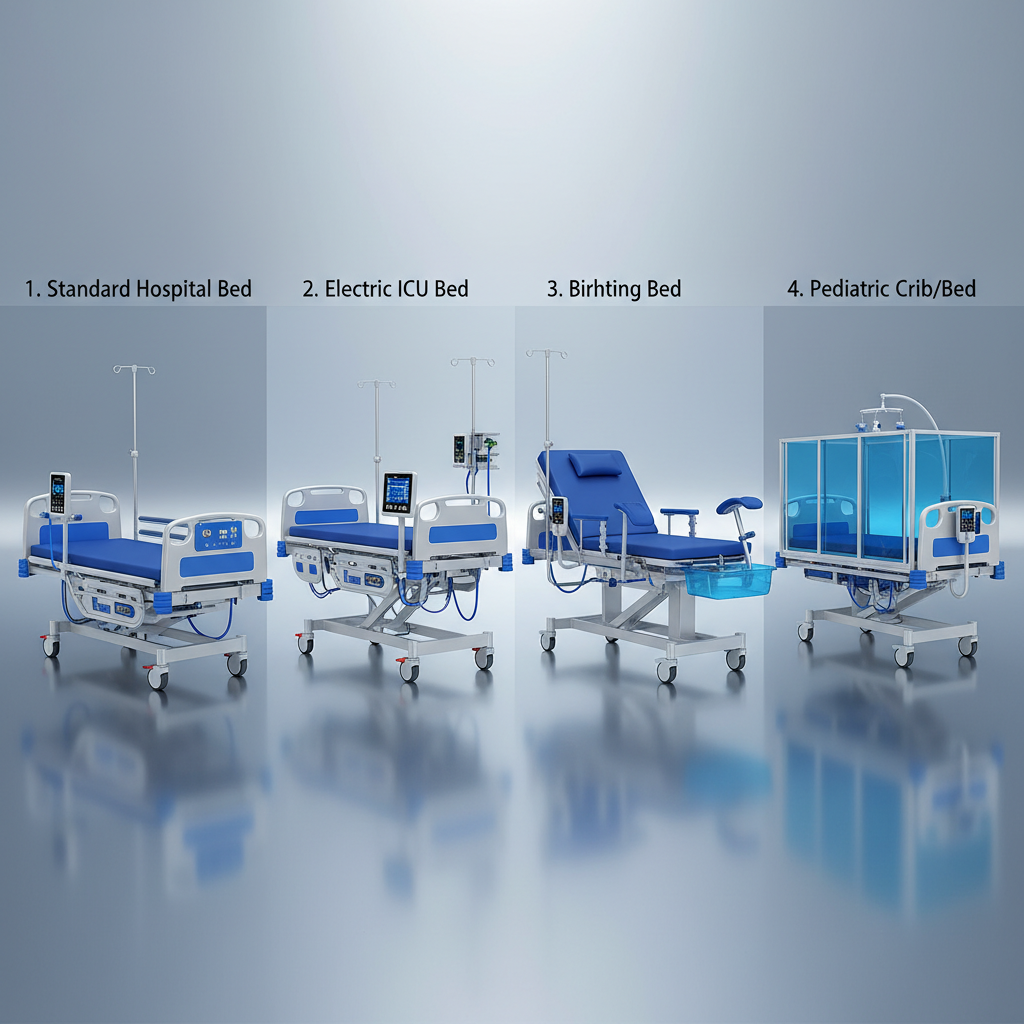
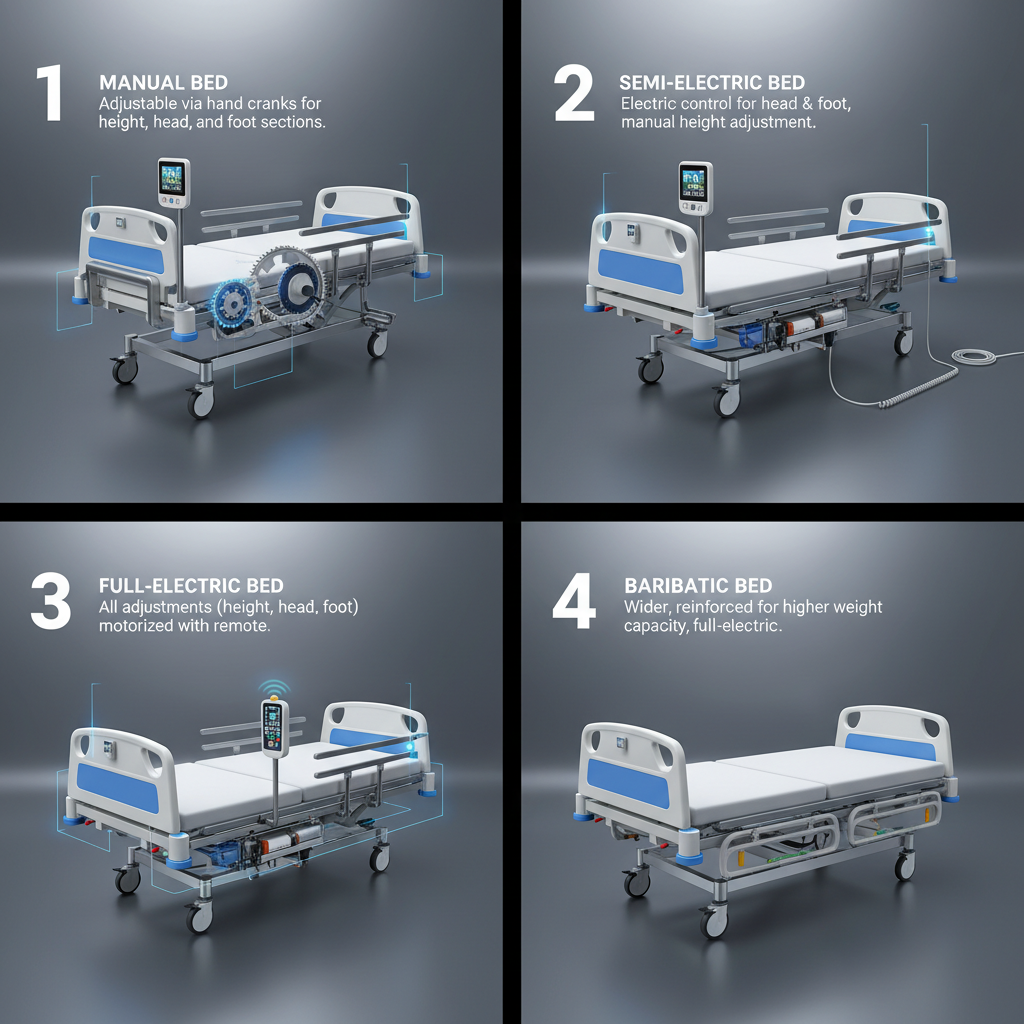
These systems are categorized primarily by their adjustment mechanisms—manual, semi-electric, or fully electric—and their clinical purpose. For instance, a "Home Care Nursing Bed" focuses on caregiver ease and domestic integration, whereas an "ICU Bed" focuses on rapid patient access, integrated weighing scales, and advanced lateral rotation to keep patients stable during critical care.
Ultimately, the "meaning" of these diverse bed types is rooted in the humanitarian goal of maintaining patient dignity. By allowing a patient to sit up for meals or be repositioned without painful manual lifting, these tools transform a passive piece of furniture into an active participant in the healing process.
Core Components and Technical Factors
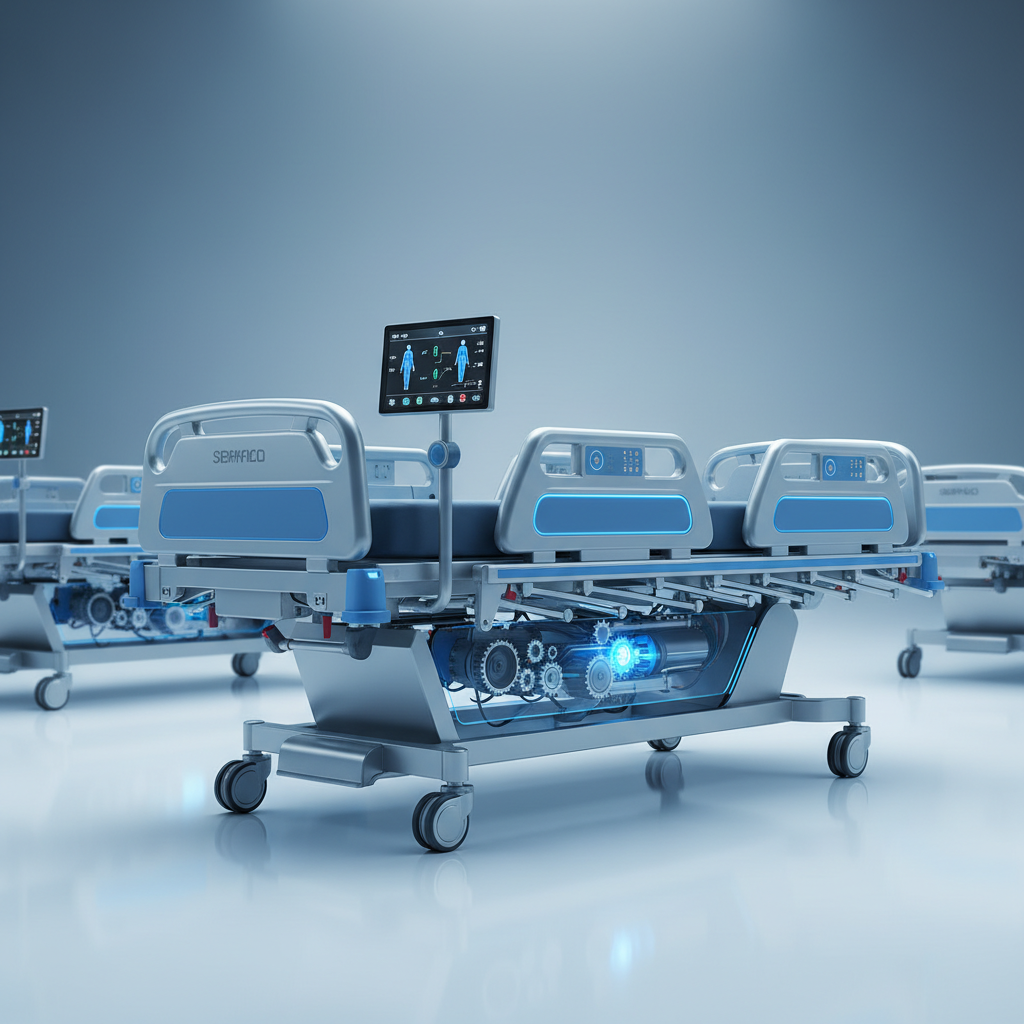
Durability is the foremost technical requirement for different kinds of hospital beds. High-grade cold-rolled steel and antimicrobial powder coatings are used to ensure that frames can withstand heavy daily use and rigorous chemical sterilization without corroding, which is essential for infection control in clinical settings.
Ergonomic scalability is another critical factor. Depending on the patient's height and weight, the ability to adjust the bed's length and width, as well as the height of the frame (Hi-Lo functionality), reduces the risk of back injuries for nurses and allows patients to transition more safely from a lying to a standing position.
Finally, the integration of pressure-relief technology in the mattress—ranging from high-density foam to active alternating air cells—is what separates basic beds from therapeutic ones. This technology is vital in preventing decubitus ulcers, which can significantly prolong hospital stays and increase treatment costs.
Global Applications and Use Cases
The application of different kinds of hospital beds varies significantly across different medical environments. In acute care hospitals, electric ICU beds are the gold standard, enabling rapid changes in patient positioning for emergency interventions. In contrast, rehabilitation centers utilize beds with higher stability and specialized handles to assist patients in regaining their independence through physical therapy.
In the context of home-based healthcare, particularly in Europe and North America, the "Home Care Nursing Bed" has seen a surge in adoption. These beds allow the elderly to remain in their own environment while receiving professional-grade care, reducing the burden on the public hospital system and improving the psychological well-being of the patient.
Utility Performance of Different Kinds of Hospital Beds
Long-term Value and Patient Benefits
Investing in high-quality different kinds of hospital beds yields tangible long-term value by reducing the incidence of hospital-acquired complications. When a patient is placed in a bed with proper lateral tilting and pressure redistribution, the risk of pneumonia and pressure sores drops significantly, leading to faster discharge rates and lower overall treatment costs.
Beyond the logical metrics of cost and health, there is a profound emotional impact. A bed that allows a patient to sit up and maintain eye level with their visitors restores a sense of dignity and agency. This psychological boost is often a catalyst for faster physical recovery, proving that medical furniture is not just about support, but about the quality of the human experience during illness.
Future Trends in Bed Automation
The future of different kinds of hospital beds is inextricably linked to the digital transformation of healthcare. We are seeing the emergence of "Smart Beds" equipped with integrated sensors that can monitor a patient's heart rate, respiratory patterns, and weight in real-time without requiring the patient to be moved to a scale or connected to cumbersome external monitors.
Furthermore, automation is moving toward proactive prevention. Future iterations of medical beds will likely include AI-driven repositioning systems that automatically adjust the patient's angle every few hours to prevent pressure ulcers, reducing the manual workload for nursing staff and ensuring consistent care regardless of staffing levels.
Sustainability is also becoming a primary driver. The industry is shifting toward the use of recycled medical-grade plastics and energy-efficient motors for electric beds, aligning healthcare infrastructure with global green energy goals to reduce the carbon footprint of large-scale medical facilities.
Overcoming Deployment Challenges
One of the primary challenges in deploying different kinds of hospital beds is the lack of standardized training for caregivers. A highly advanced electric bed can become a liability if the staff does not know how to use the emergency CPR release or the correct tilting angles, potentially leading to patient falls or improper support.
Another hurdle is the high initial cost of automated systems. To overcome this, many organizations are adopting a "modular procurement" strategy—purchasing basic high-quality frames and adding electronic actuators or specialized mattresses as budgets allow. This ensures that the foundation of care is solid while allowing for scalable technological upgrades.
Finally, maintaining these complex systems in remote areas remains difficult. The solution lies in the design of "low-maintenance" high-functionality beds that use standardized parts and simple modular electronics, allowing local technicians to perform repairs without needing specialized manufacturer support from overseas.
Technical Comparison and Suitability of Medical Bed Types
| Bed Category |
Primary Use Case |
Adjustment Type |
Patient Mobility Level |
| Full Electric ICU |
Critical Care/Surgery |
Remote/Auto |
Very Low |
| Semi-Electric |
General Ward |
Mixed Manual/Elec |
Low to Medium |
| Manual Crank |
Basic Clinics/Remote |
Hand Crank |
Medium |
| Home Care Bed |
Elderly/Recovery |
Electric |
Variable |
| Pediatric Bed |
Children's Ward |
Electric/Manual |
Medium |
| Bariatric Bed |
Obese Patient Care |
Heavy Duty Electric |
Low |
FAQS
The choice depends primarily on the patient's level of independence and the availability of caregivers. Electric beds are ideal for patients who can operate the controls themselves or for facilities where nursing staff need to change positions quickly without physical strain. Manual beds are better for low-budget environments or areas with unreliable power supplies, provided there are enough staff members to operate the cranks.
Beds featuring alternating pressure air mattresses or high-specification foam are most effective. However, the bed frame itself must support lateral rotation or tilting capabilities, as the most effective way to prevent bedsores is the regular redistribution of weight across different areas of the patient's body.
While they share similar mechanisms, home care beds are often designed with a focus on aesthetics and domestic integration. They may have different side-rail options for safety and easier-to-clean materials that fit into a bedroom environment, whereas ward beds are built for maximum clinical utility and high-frequency sterilization.
Yes, but it is generally not recommended due to the size and cost. Bariatric beds are wider and have reinforced frames to support much higher weight capacities. Using them for standard patients takes up unnecessary floor space and provides a surface that may be too large for the patient to maneuver comfortably.
With proper maintenance, a high-quality hospital bed frame can last 10-15 years. However, the mattress (which is a consumable item) usually needs replacing every 2-5 years depending on the material and usage intensity to ensure the pressure-relief properties remain intact.
Look for ISO 13485 (Medical devices — Quality management systems) and CE or FDA approvals. These certifications ensure the bed meets international safety standards regarding electrical safety, load-bearing capacity, and the non-toxicity of the materials used in patient contact areas.
Conclusion
Understanding the nuances of different kinds of hospital beds is not merely a matter of procurement but a fundamental aspect of patient care. From the heavy-duty requirements of the ICU to the dignity-focused designs of home care nursing beds, the right choice reduces clinical risks, empowers caregivers, and accelerates the patient's journey toward recovery.
As we move toward an era of smart healthcare, the integration of AI and sensor technology into medical bedding will continue to redefine the boundaries of patient monitoring. We encourage healthcare administrators and home caregivers to prioritize ergonomic and therapeutic features over simple cost, as the long-term value of patient safety and dignity far outweighs the initial investment. Visit our website for more professional solutions: www.zfmedicare.com