You know, I've been running around construction sites all year, getting dust all over my boots. Lately, everyone's talking about prefabrication, modular construction… honestly, it’s taking off like crazy. Not just residential, but hospitals, schools, even data centers. Everyone wants speed and cost savings. But to be honest, it’s not a magic bullet.
And a lot of folks, they get caught up in the 'design' part. Make it look pretty, make it ‘innovative’. Have you noticed? They forget it actually has to work on a muddy site with guys who’ve been building for 30 years and aren’t afraid to modify things. I encountered this at a factory in Foshan last time – gorgeous renderings, but the damn things wouldn’t stack properly because the tolerances were too tight.
We mostly work with heavy-gauge steel, obviously. It smells like…well, steel. A little oily, a little gritty. But it's reliable. Then there’s the composite panels – aluminum core, fire-rated. They're light, which is good for lifting, but you gotta be careful with them in high winds. They can dent. And the insulation… polyurethane foam, mostly. It's closed-cell, so it doesn’t absorb water, which is critical. Smells like chemicals when you cut it, though. Gotta wear a mask.
Global Relevance of psychiatric hospital furniture
The need for specialized psychiatric hospital furniture isn’t just a local issue; it's a global one. The World Health Organization estimates that one in four people will be affected by a mental or neurological disorder at some point in their lives. That’s a massive number, and it translates to a huge demand for facilities and, crucially, appropriate furnishings. We’re seeing increasing investment in mental healthcare infrastructure, especially in developing nations.
The UN Sustainable Development Goals also highlight the importance of inclusive and equitable healthcare, which naturally includes mental health. And frankly, a lot of older facilities are just…outdated. They’re not designed to promote healing or dignity. They’re often institutional and, well, depressing. We’re trying to change that.
Defining psychiatric hospital furniture
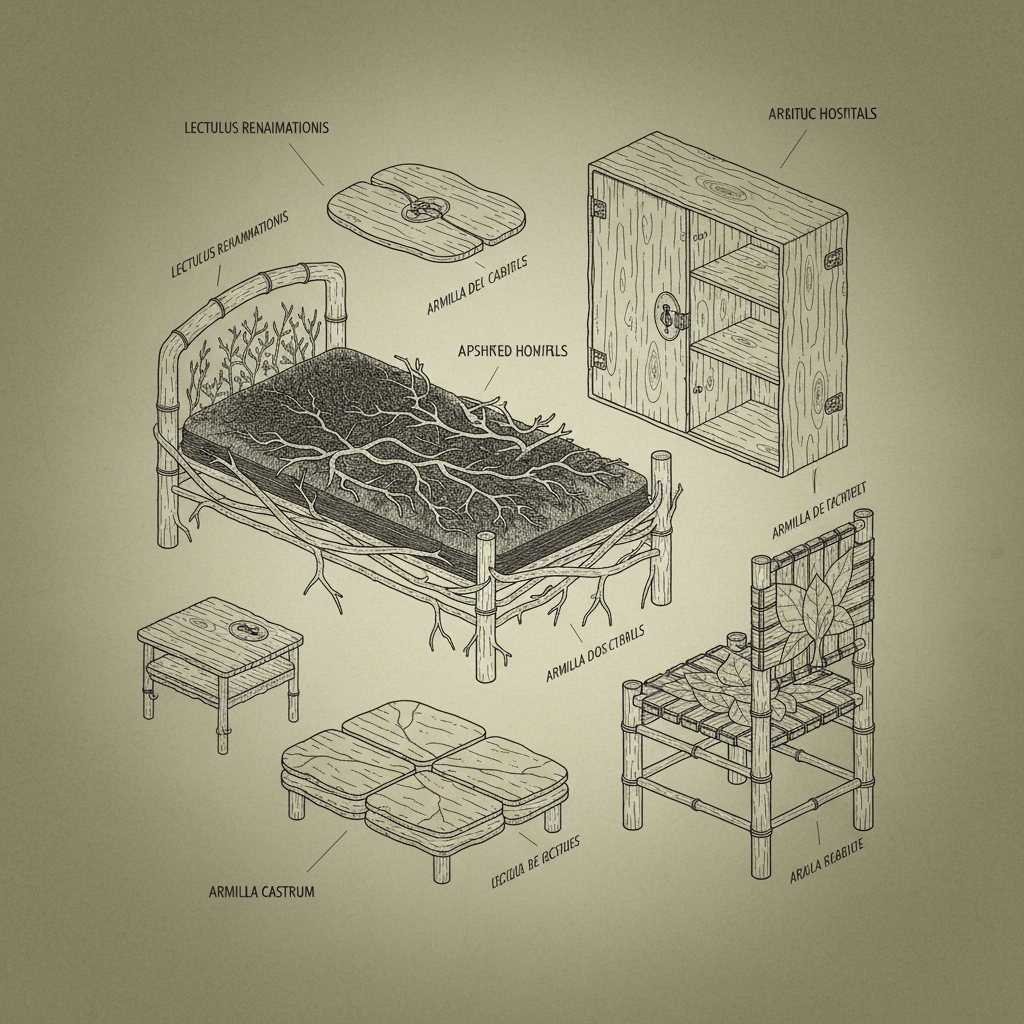
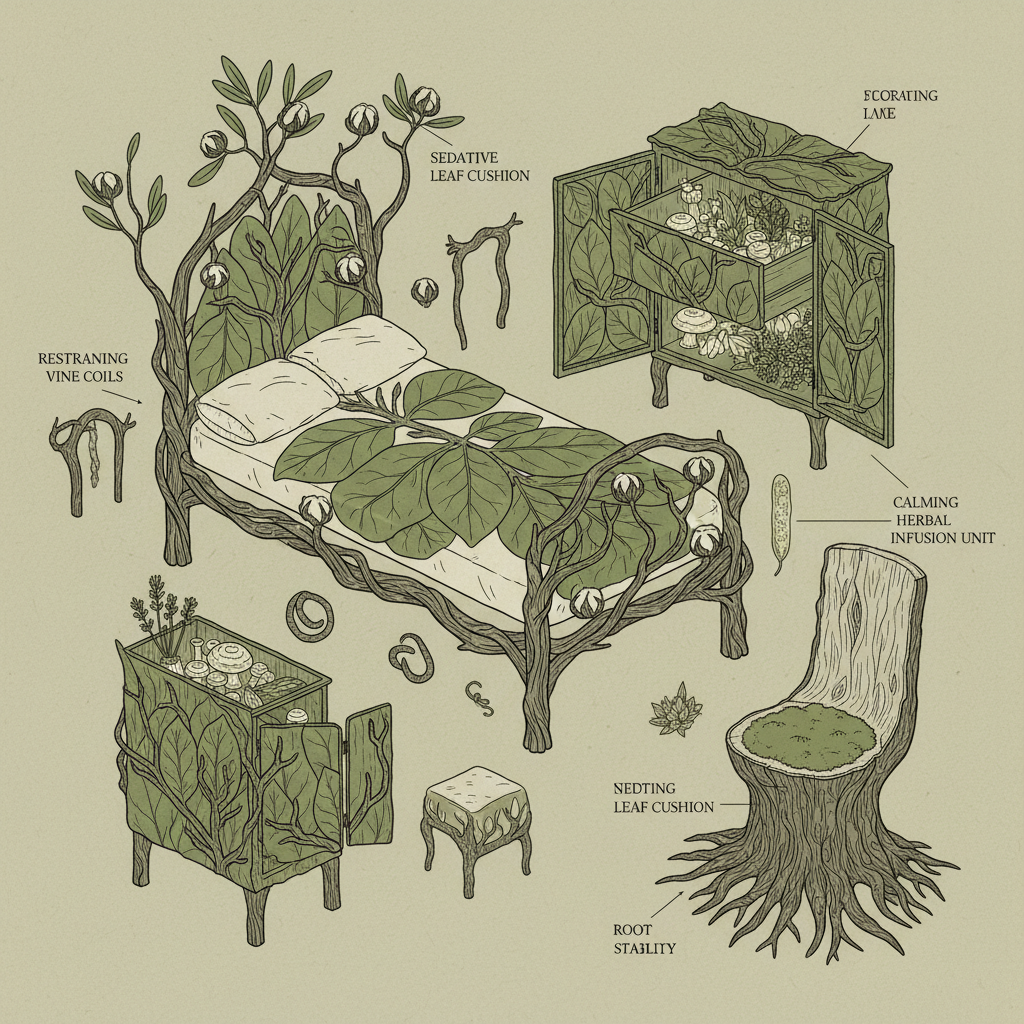
Psychiatric hospital furniture, at its core, is about creating safe, therapeutic, and dignified environments for individuals experiencing mental health challenges. It’s not just about beds and chairs; it's about the entire ecosystem within a facility. It’s furniture designed to minimize risk—no sharp edges, tamper-proof fixings—but also to promote a sense of calm and normalcy.
It’s a growing industry linked to the broader movement towards deinstitutionalization and community-based mental healthcare. We’re moving away from locked wards and sterile environments towards more homelike settings. This requires furniture that’s durable enough to withstand heavy use but also aesthetically pleasing and comforting.
It’s a far cry from the old days, believe me. I remember seeing some places… well, let’s just say the furniture looked like it was designed to contain people, not care for them. Now, it's about supporting recovery and well-being.
Key Factors in psychiatric hospital furniture Design
Durability is paramount. These furnishings take a beating. People are under stress, and things get kicked, banged, and generally abused. It's not malicious, it’s just… the nature of the environment. We use reinforced frames, heavy-duty upholstery, and tamper-resistant hardware. Everything needs to be able to withstand constant cleaning and disinfection, too.
Safety is, of course, the biggest concern. Everything needs to be anti-ligature – meaning no loops or protrusions that could be used for self-harm. That means careful design of bed frames, chair arms, even curtain rods. It's surprisingly complex. We work closely with clinicians to identify and mitigate potential hazards.
Comfort is often overlooked, but it’s crucial. A comfortable chair can make a huge difference in someone’s anxiety level. We use ergonomic designs and supportive materials. And it’s not just about the physical comfort; it’s about the psychological comfort too. The furniture should feel welcoming and non-threatening.
Psychiatric Hospital Furniture Applications Worldwide
You see a lot of demand in Europe, especially in countries like Germany and the Netherlands, where there's a strong emphasis on patient-centered care and holistic healing environments. They're really pushing for more homelike designs. Strangely, the US is still catching up in many areas.
In Asia, particularly in countries like Japan and South Korea, there’s a growing awareness of mental health and increased investment in facilities. They often prefer minimalist designs and a focus on tranquility. And in the Middle East, we're seeing a lot of large-scale hospital projects, and they’re very particular about aesthetics and luxury finishes. It's…different.
Psychiatric Hospital Furniture Application by Region
Advantages and Value Proposition of psychiatric hospital furniture
The biggest advantage, I think, is improved patient outcomes. A well-designed environment can reduce anxiety, promote relaxation, and encourage engagement in therapy. That translates to faster recovery times and a better quality of life.
Of course, there's also the cost savings. Durable furniture means less frequent replacement, which saves money in the long run. And safer furniture means fewer incidents and potential liability claims. But those are the logical arguments. The real value is in creating a space that feels human, that feels like a place of healing.
Future Trends in psychiatric hospital furniture
We’re seeing a lot of interest in modular furniture systems that can be easily reconfigured to adapt to changing needs. Think flexible seating arrangements, mobile workstations, and adaptable room layouts. It’s about creating spaces that can respond to the individual patient’s journey.
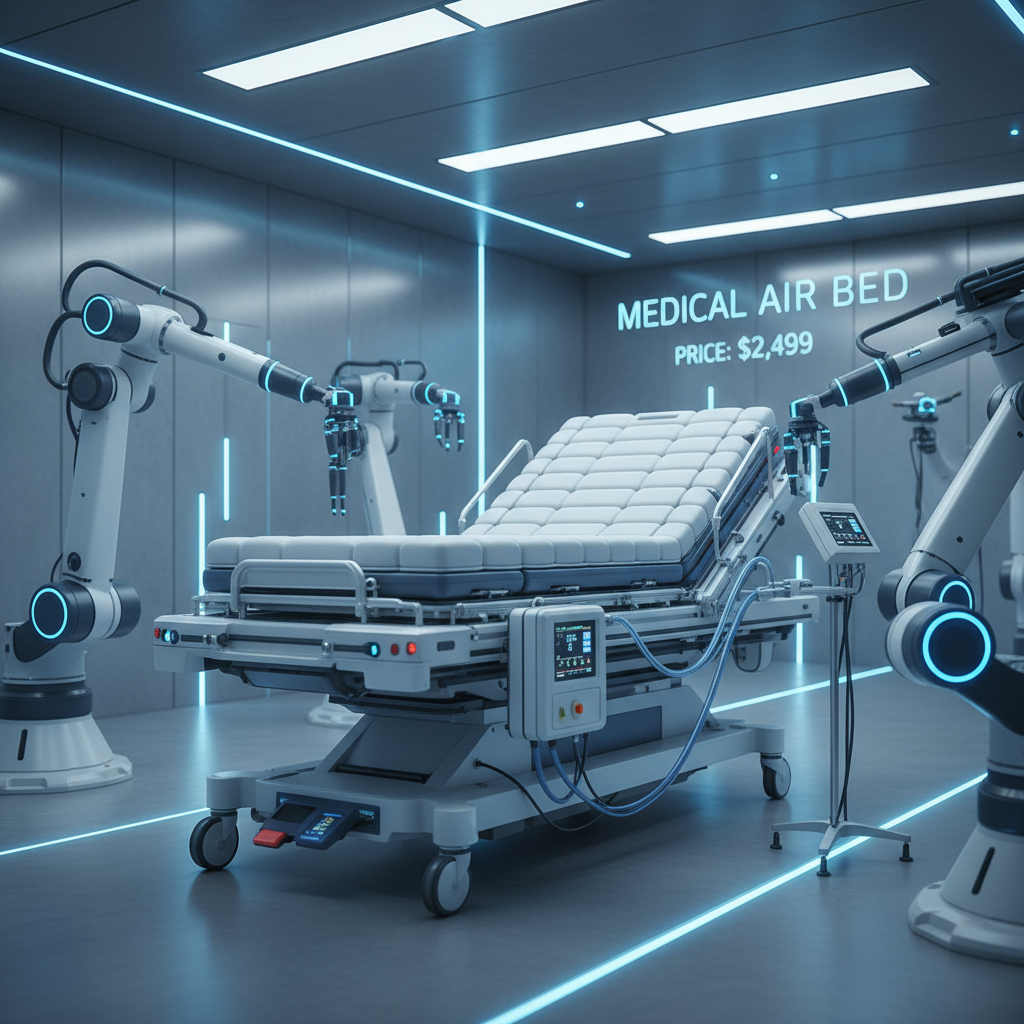
And there’s the whole area of smart furniture. Things like integrated lighting, adjustable beds with biometric sensors, and interactive surfaces. It’s still early days, but the potential is huge. Anyway, I think technology will play a bigger and bigger role in creating truly therapeutic environments.
Sustainability is also becoming more important. Clients are demanding eco-friendly materials and manufacturing processes. We're exploring options like recycled plastics, sustainable wood sources, and low-VOC finishes.
Challenges and Solutions in psychiatric hospital furniture Implementation
The biggest challenge, honestly, is getting everyone on the same page. Clinicians, architects, administrators, furniture suppliers… everyone has different priorities. You have to facilitate communication and find solutions that meet everyone’s needs.
Another issue is customization. Everyone wants something unique, but that can drive up costs and lead times. We try to offer a range of standard options that can be easily modified to meet specific requirements. But last month, that small boss in Shenzhen who makes smart home devices insisted on changing the interface to on all the call buttons, and the result was a three-week delay and a lot of frustrated engineers. It's just...sometimes you have to say no.
And then there’s the cost. High-quality, specialized furniture isn’t cheap. But you get what you pay for. Cheaping out on safety or durability is a false economy.
Challenges and Solutions in Psychiatric Hospital Furniture Implementation
| Challenge |
Impact on Project |
Potential Solution |
Implementation Cost (1-10) |
| Budget Constraints |
Compromised Quality/Safety |
Value Engineering, Phased Implementation |
6 |
| Complex Customization Requests |
Extended Lead Times, Increased Costs |
Standardized Modules with Limited Customization |
7 |
| Stakeholder Misalignment |
Design Changes, Delays |
Early Collaboration & Clear Communication |
5 |
| Supply Chain Disruptions |
Material Shortages, Delivery Delays |
Diversified Sourcing, Buffer Stock |
8 |
| Lack of Understanding of Specific Needs |
Inappropriate Furniture Selection |
Clinician Workshops & Consultation |
4 |
| Maintenance & Repair Costs |
High Lifecycle Costs |
Durable Materials, Preventative Maintenance Plan |
6 |
FAQS
Psychiatric hospital furniture prioritizes safety and patient well-being to a much greater extent. It's designed to minimize ligature points, withstand abuse, and create a calming environment. Standard hospital furniture focuses more on functionality and ease of cleaning, without the same level of attention to safety and therapeutic design. There's a huge difference in materials and construction techniques.
We use heavy-duty materials like reinforced steel frames and high-density foam cushioning. All fixings are tamper-proof and designed to withstand constant use and cleaning. We also conduct rigorous testing, simulating real-world conditions – banging, scratching, even attempted dismantling – to ensure it can handle the stresses of a psychiatric facility. Honestly, it's brutal, but necessary.
Yes, it generally is. The specialized materials and construction techniques required to ensure safety and durability come at a premium. However, when you factor in the reduced risk of incidents, the longer lifespan, and the potential for improved patient outcomes, it often represents a good long-term investment. Plus, you can’t put a price on peace of mind.
Absolutely. While we offer a range of standard options, we can also customize furniture to meet specific requirements. For example, we recently worked with a facility that needed beds with adjustable height settings and integrated monitoring systems. It required a bit of engineering, but we made it happen. Within reason, of course. We're not building spaceships here.
Ligature points are the biggest concern – any protrusion or loop that could be used for self-harm. Also, edge protection, tamper-proof fixings, and the absence of sharp corners are all critical. It's vital to work with a supplier who understands these requirements and can demonstrate compliance with relevant safety standards. Don’t cut corners on safety, ever.
More important than people realize. A calming and welcoming environment can significantly reduce anxiety and promote a sense of well-being. We focus on creating furniture that is aesthetically pleasing, comfortable, and non-threatening. It’s about creating a space that feels less like an institution and more like a home. It’s about dignity.
Conclusion
So, there you have it. Psychiatric hospital furniture is more than just beds and chairs. It’s about creating safe, therapeutic, and dignified environments for those who need it most. It's about balancing safety, durability, comfort, and aesthetics to support the recovery process and promote well-being. It’s a complex field, and it’s constantly evolving.
Ultimately, whether this thing works or not, the worker will know the moment he tightens the screw. You can have all the fancy designs and certifications in the world, but if it doesn’t feel solid and reliable on the site, it’s not going to cut it. And that, my friends, is the truth.