Guide to the Different Types of Bed Used in Hospital Settings
Understanding the Different Types of Bed Used in Hospital Settings
Selecting the appropriate medical furniture is critical for patient recovery, safety, and caregiver efficiency. The variety of types of bed used in hospital environments allows healthcare providers to tailor care to the specific needs of each patient, from critical care to long-term rehabilitation. Whether it is providing precise positioning for a surgical patient or ensuring comfort for an elderly resident, the right bed acts as a foundational tool in modern medicine. In this guide, we will explore the most common hospital bed varieties, their unique features, and how to choose the best option for your facility.

Manual Hospital Beds: The Reliable Basic
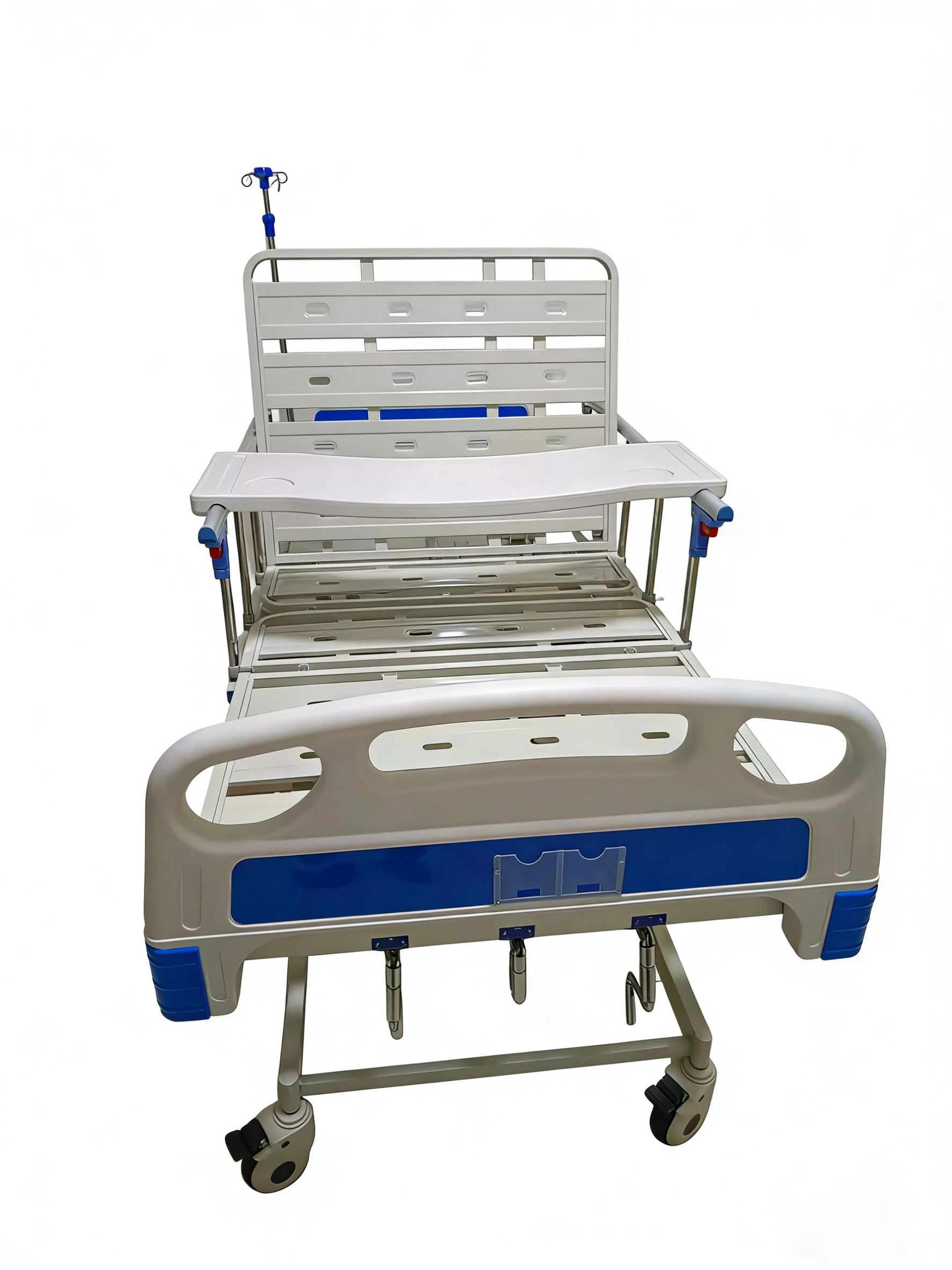
Manual beds are the most traditional types of bed used in hospital wards where high-tech automation is not required. These beds rely on hand cranks to adjust the height of the bed, the angle of the head, and the position of the feet. While they require more physical effort from the nursing staff, they are highly valued for their durability, cost-effectiveness, and ease of maintenance. They are ideal for long-term care facilities or stable patients who do not require frequent positional changes.
Pro Tip: Manual beds are an excellent choice for facilities with limited electrical infrastructure or for patients who are clinically stable and require minimal intervention.
Semi-Electric and Full-Electric Bed Options
To reduce the physical strain on healthcare workers, electric beds have become standard. Semi-electric beds allow the head and foot sections to be adjusted via motors, while the overall bed height remains manual. Full-electric beds, however, allow every movement—including the height of the frame—to be controlled by a remote or panel. This automation is essential for preventing caregiver burnout and giving patients a sense of independence. When considering various types of bed used in hospital care, electric models significantly enhance the quality of life for immobile patients.
ICU Beds: Advanced Technology for Critical Care
Intensive Care Unit (ICU) beds are the most sophisticated among the types of bed used in hospital environments. These beds are designed for patients who require constant monitoring and intensive medical intervention. A key feature of ICU beds is the lateral rotation capability, which helps prevent pressure ulcers (bedsores) and improves pulmonary function by shifting the patient's weight automatically. Additionally, they often integrate with weighing scales and advanced CPR release mechanisms for emergency situations.

Bariatric Beds for Specialized Support
Bariatric beds are specifically engineered to support patients with higher body weights. Unlike standard types of bed used in hospital care, these beds feature a wider frame and reinforced structural components to ensure safety and stability. They often include heavy-duty lifts and specialized mattresses to distribute weight evenly, reducing the risk of skin breakdown. Using a dedicated bariatric bed is not just about weight capacity; it's about ensuring dignity, safety, and accessibility for the patient and the staff.
Comparing Specialized Types of Bed Used in Hospital
Choosing between different medical beds requires an analysis of the patient's clinical needs. While a manual bed suffices for a convalescing patient, a critical care patient needs the respiratory support provided by an ICU bed's positioning. The table below summarizes the technical specifications of common options to help procurement managers make an informed decision based on facility requirements.
Factors to Consider When Purchasing Hospital Beds
When browsing the types of bed used in hospital catalogs, it is important to look beyond the price tag. Consider the ease of sanitization, as medical beds must withstand harsh chemical cleaners. Evaluate the compatibility of the bed with specialized mattresses, such as alternating pressure mattresses for bedsore prevention. Finally, ensure that the bed's mobility—via high-quality locking casters—allows for safe transport of patients between departments without jarring movements.
Conclusion: Optimizing Patient Care through the Right Bed
The diverse types of bed used in hospital settings reflect the complexity of modern healthcare. From the simplicity of manual beds to the high-tech capabilities of ICU and Bariatric models, the right choice directly impacts patient outcomes and staff productivity. By prioritizing safety, ergonomics, and clinical functionality, healthcare facilities can create a healing environment that supports both the patient and the provider. Investing in premium medical furniture is an investment in the quality of care.
Frequently Asked Questions (FAQs)
What is the main difference between a semi-electric and a full-electric hospital bed?
The primary difference lies in how the bed height is adjusted. In a semi-electric bed, the head and foot sections are operated by electric motors, but the overall height of the bed must be adjusted manually using a hand crank. In a full-electric bed, all adjustments—including the height of the bed frame—are powered by electricity. Full-electric beds are generally preferred for patients who need frequent height changes for transfers or for caregivers who want to minimize physical exertion.
Why are ICU beds more expensive than general ward beds?
ICU beds are significantly more expensive because they incorporate advanced medical technology. They often include features like automated lateral rotation to prevent pressure sores, integrated scales for precise weight monitoring, and rapid-release mechanisms for emergency CPR. The engineering required to ensure these beds can handle critical care equipment and provide precise therapeutic positioning makes them a high-end investment compared to basic types of bed used in hospital wards.
Can a bariatric bed be used for standard patients?
Yes, a bariatric bed can be used for standard patients, but it is not typically recommended unless necessary. Because bariatric beds are wider and heavier, they take up more room in a ward and may be less maneuverable. Additionally, a standard-sized patient might feel "lost" in the wide frame, which could affect their comfort and the ability of staff to provide close-contact care. It is always best to match the bed size to the patient's specific physical requirements for optimal care.
How often should hospital beds be maintained?
Hospital beds should undergo a comprehensive preventive maintenance check at least every six months. For electric and ICU beds, this includes testing the motors, checking the battery backup systems, and ensuring the brakes and locking mechanisms are functioning perfectly. Manual beds require lubrication of the cranks and inspection of the frame for structural integrity. Regular maintenance ensures the longevity of the equipment and, most importantly, the safety of the patients residing in them.