Understanding the Different Types of Hospital Bed for Patient Care
Understanding the Different Types of Hospital Bed for Patient Care
Selecting the right medical furniture is a critical decision for healthcare facilities and home caregivers alike. The variety of types of hospital bed available today allows for tailored support based on a patient's specific medical condition, mobility level, and recovery goals. From basic manual frames to highly advanced automated systems, each bed is engineered to maximize patient comfort while reducing the physical strain on nursing staff. In this comprehensive guide, we will explore the primary categories of hospital beds, their unique features, and how to choose the one that best fits your clinical or home-care needs.

Manual Hospital Beds: Simplicity and Reliability
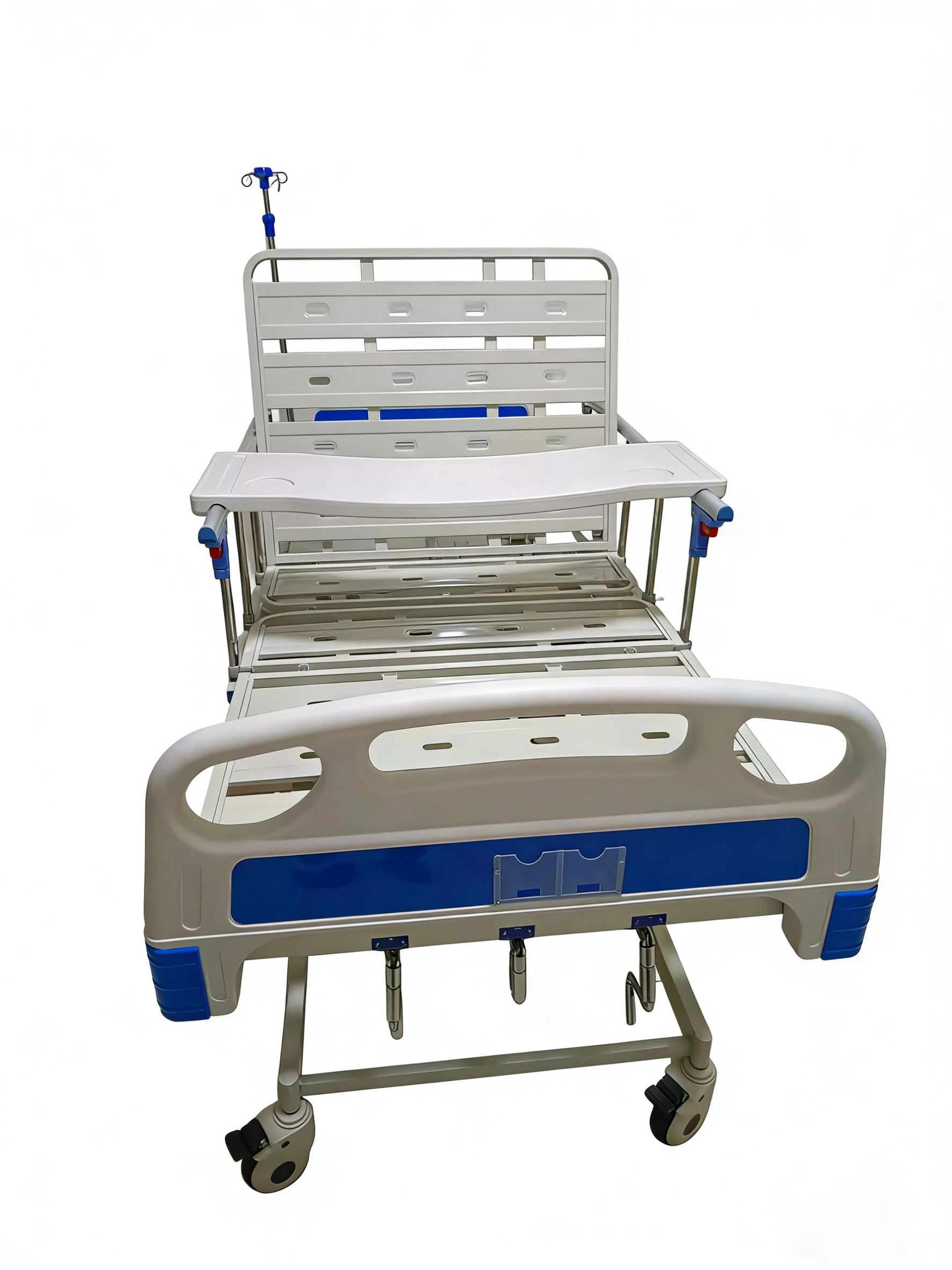
Manual beds are the traditional choice for long-term care facilities where patients are relatively stable and do not require frequent position changes. These beds rely on hand cranks located at the foot of the bed to adjust the head and foot sections. While they lack the speed of electric models, they are highly valued for their cost-effectiveness and durability. Because they do not require electricity, they are an excellent fail-safe option in environments with unstable power supplies. However, it is important to note that these types of hospital bed require more physical effort from the caregiver, which may be a consideration for facilities with limited staffing.
Electric Hospital Beds and Their Advantages
Electric beds have revolutionized patient care by introducing motorized adjustments. Controlled via a remote or a side panel, these beds allow patients to adjust their own position, fostering a sense of independence. These beds typically offer height adjustability, which is crucial for safe patient transfers and easier access for caregivers. For those searching for versatile types of hospital bed, electric models often include features like Trendelenburg and reverse Trendelenburg positions to assist with blood flow and respiratory function. This automation significantly reduces the risk of caregiver burnout and musculoskeletal injuries.
Pro Tip: When selecting an electric bed, always check for a battery backup system to ensure the bed remains functional during power outages, ensuring patient safety is never compromised.
Comparing Different Types of Hospital Bed
To make an informed decision, it is essential to compare the technical and operational differences between the most common bed types. While manual beds offer simplicity, specialized beds like Bariatric or ICU beds offer critical life-support capabilities. Understanding these differences helps in matching the equipment to the patient's acuity level. Below is a detailed comparison of the most prevalent types of hospital bed used in modern medicine.
Specialized Hospital Beds for Critical Care
In intensive care units (ICUs), the types of hospital bed used are far more complex than those found in general wards. ICU beds are often equipped with integrated weighing scales, cardiac chair positions, and advanced lateral rotation features to prevent pressure ulcers (bedsores). These specialized beds are designed to keep the patient stable while allowing doctors immediate access for emergency procedures. The ability to rapidly change the bed angle is not just for comfort—it is a clinical necessity for managing airway stability and hemodynamic status in critically ill patients.

Bariatric Beds: Support for Higher Weight Capacities
Bariatric beds are specifically engineered for patients with higher Body Mass Index (BMI). Unlike standard beds, these are wider and constructed with reinforced frames to ensure structural integrity under heavy loads. The significance of these types of hospital bed lies in their ability to provide safety for both the patient and the caregiver. They often feature extra-wide side rails and specialized mattresses that distribute weight more evenly to prevent skin breakdown. Below are the typical technical specifications for professional-grade bariatric equipment:
Conclusion: Choosing the Right Bed for Every Patient
Understanding the various types of hospital bed is the first step in enhancing patient outcomes and improving the quality of care. Whether you require the rugged reliability of a manual bed, the convenience of an electric model, or the specialized support of a bariatric or ICU frame, the goal remains the same: safety, comfort, and efficiency. By investing in high-quality medical furniture from trusted providers like ZF Medicare, healthcare facilities can ensure that every patient receives the support they need for a faster and safer recovery.
Frequently Asked Questions (FAQs)
What is the main difference between a semi-electric and a full-electric hospital bed?
The primary difference lies in the height adjustment. In a semi-electric bed, the head and foot sections are moved by motors, but the overall height of the bed frame must be adjusted manually using a crank. In a full-electric bed, every movement—including the height of the entire bed—is controlled by a motorized system. This makes full-electric beds much more convenient for caregivers who need to move the patient from the bed to a wheelchair without bending over, thus reducing the risk of back injuries.
How do I know which type of hospital bed is best for home care?
Choosing the best bed for home care depends on the patient's mobility and the caregiver's capability. If the patient can operate a remote, an electric bed is highly recommended for independence. If the budget is limited and the patient's position rarely needs to change, a manual bed may suffice. However, for patients with severe mobility issues or those at risk of pressure sores, an electric bed with adjustable height and specialized mattresses is the safest choice. Always consult with a physical therapist or doctor to determine the clinical requirements.
Are bariatric beds only for obese patients?
While specifically designed for higher weight capacities, bariatric beds are used for anyone who requires a wider sleeping surface or reinforced support for safety. The increased width helps prevent patients from rolling out of bed and provides more room for caregivers to assist with hygiene and dressing. Because they are built with heavy-gauge steel, they offer a level of stability that standard beds cannot provide, making them a safe option for any patient whose weight exceeds the safe working load of a standard clinical bed.
Where can I find high-quality medical beds for my facility?
For facilities seeking professional, durable, and certified medical furniture, it is best to partner with a specialized manufacturer. You can find a wide range of types of hospital bed, including manual, electric, and specialized care beds, at the ZF Medicare website. They provide industry-standard equipment designed to meet the rigorous demands of both hospitals and home-care environments, ensuring long-term reliability and patient safety.