Guide to Nursing Types of Bed in Hospital for Patient Care
Understanding Nursing Types of Bed in Hospital: A Comprehensive Guide
In the healthcare environment, the selection of the right patient surface is not merely a matter of comfort, but a critical component of clinical outcomes. Understanding the various nursing types of bed in hospital settings allows medical staff to provide targeted care, prevent pressure ulcers, and enhance patient mobility. From basic manual frames to advanced intelligent systems, each bed is engineered to meet specific medical needs. This guide provides an in-depth analysis of hospital beds to help healthcare administrators and nursing professionals make informed procurement decisions to improve patient safety and recovery speeds.
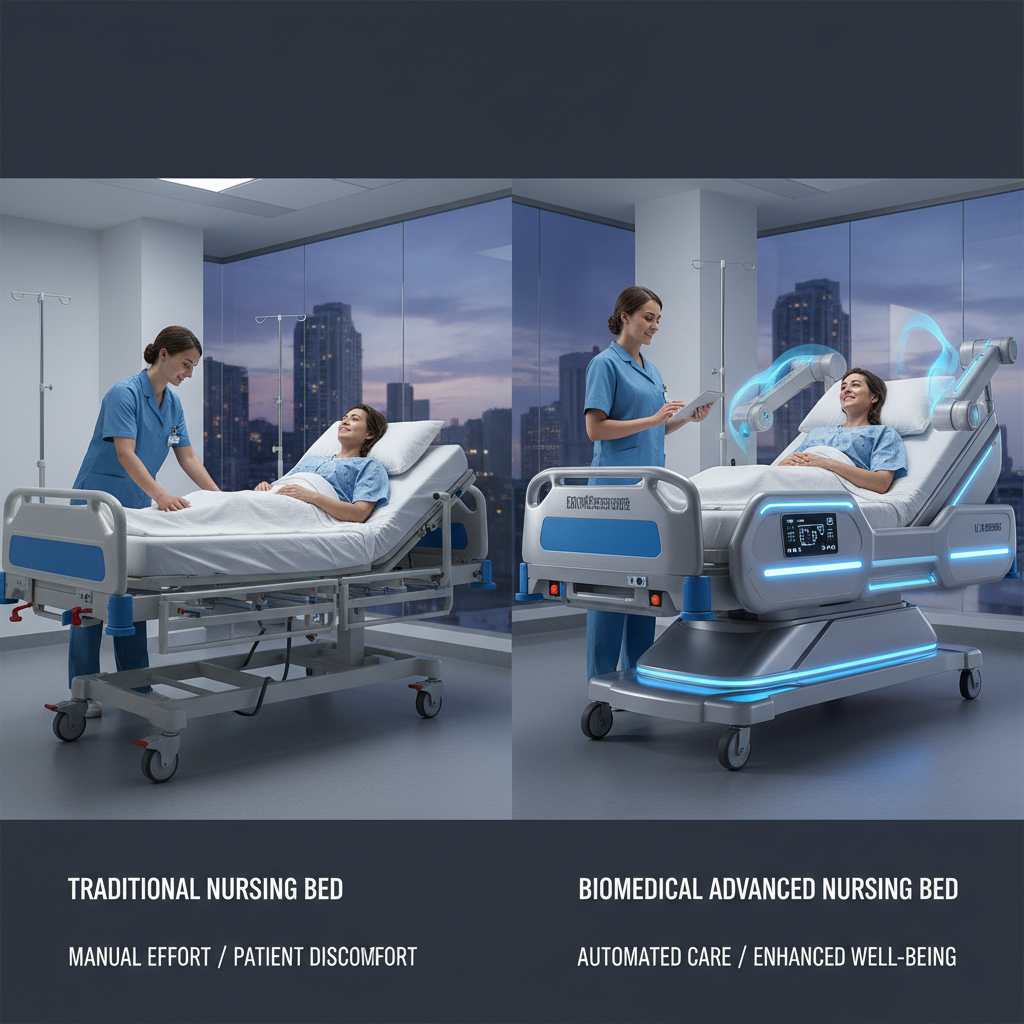
Manual Hospital Beds: The Foundation of Basic Care
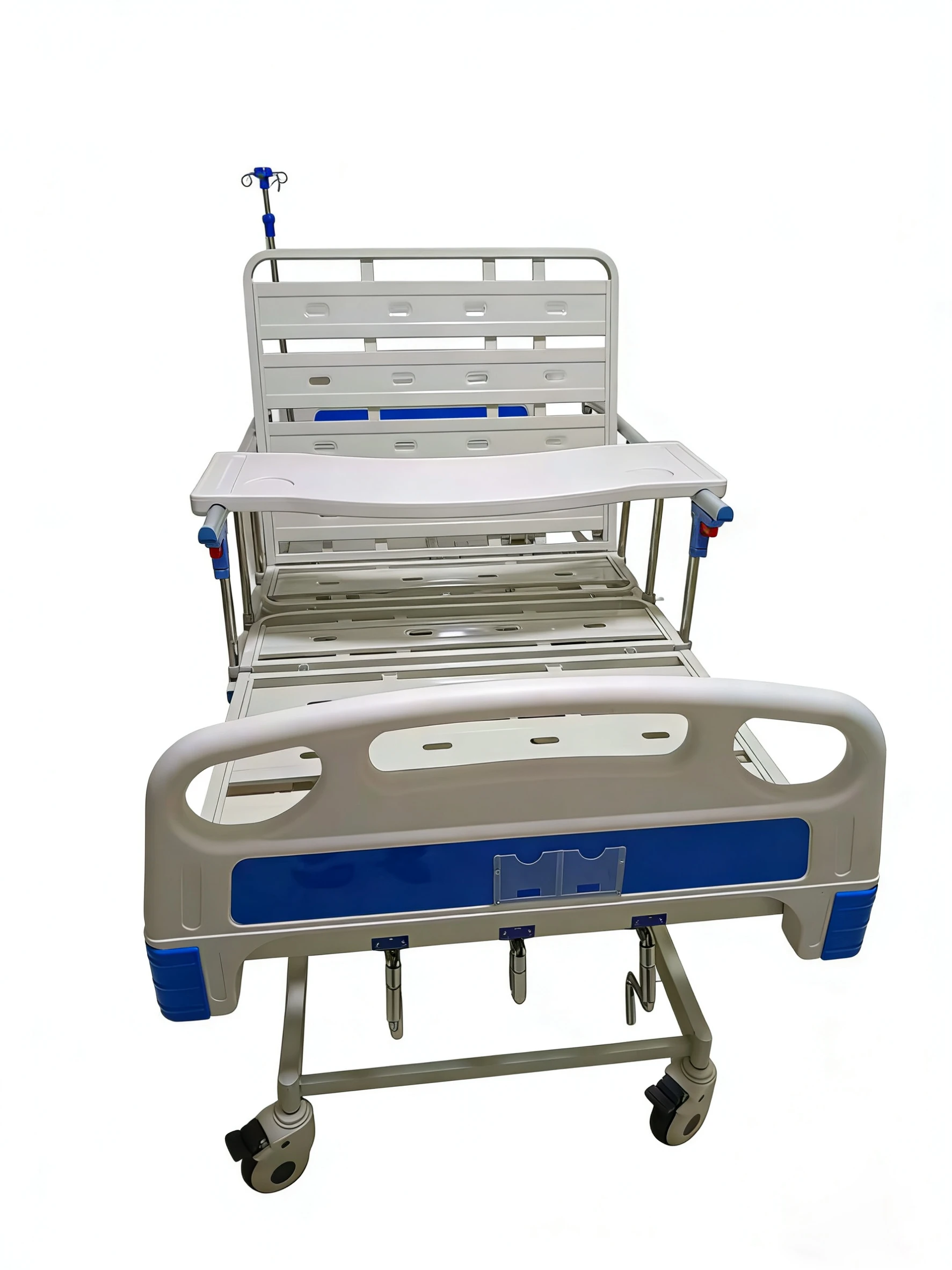
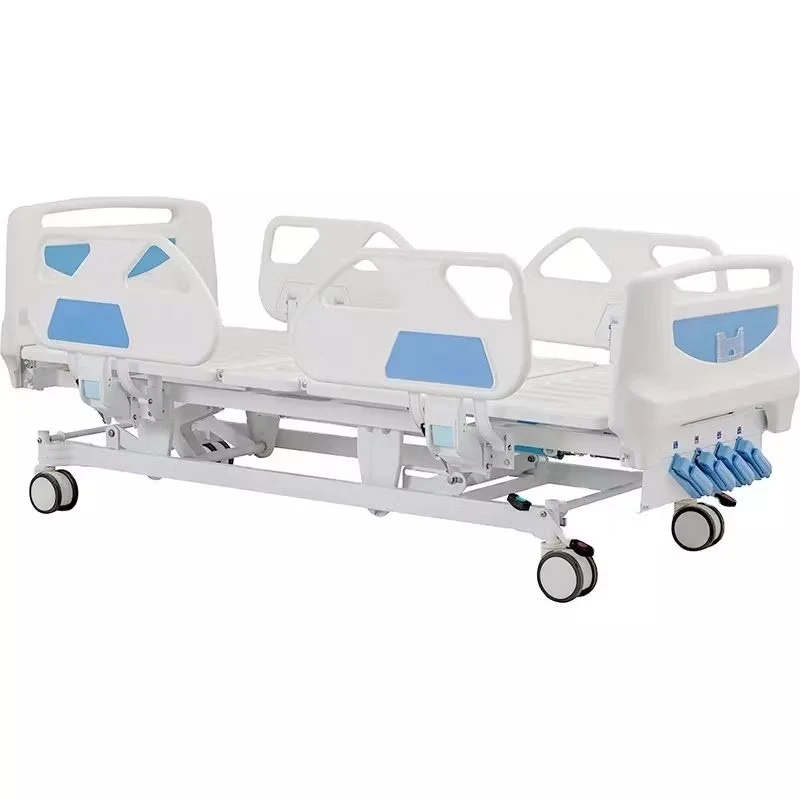
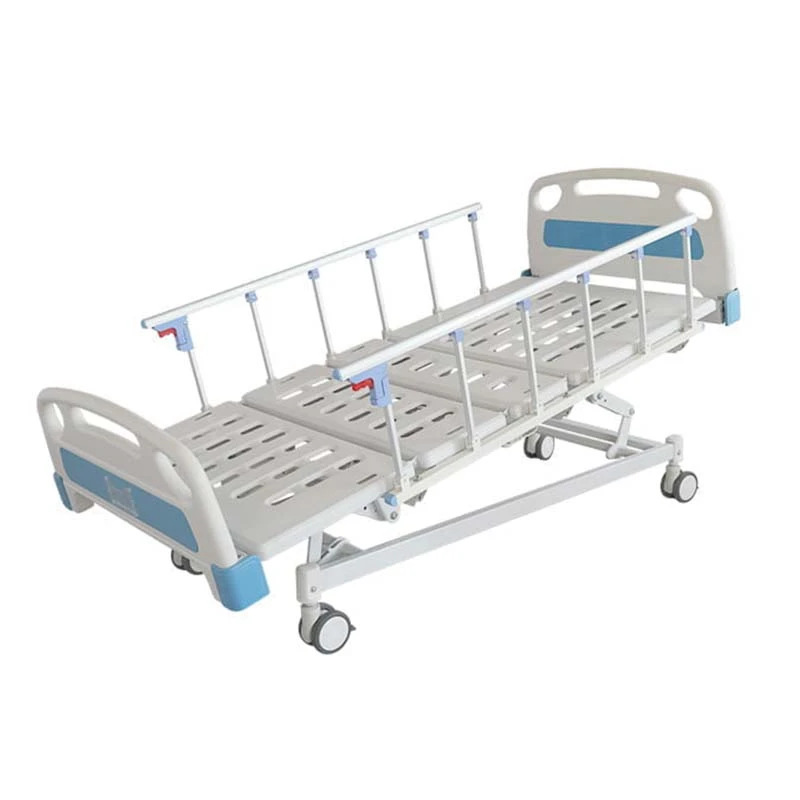
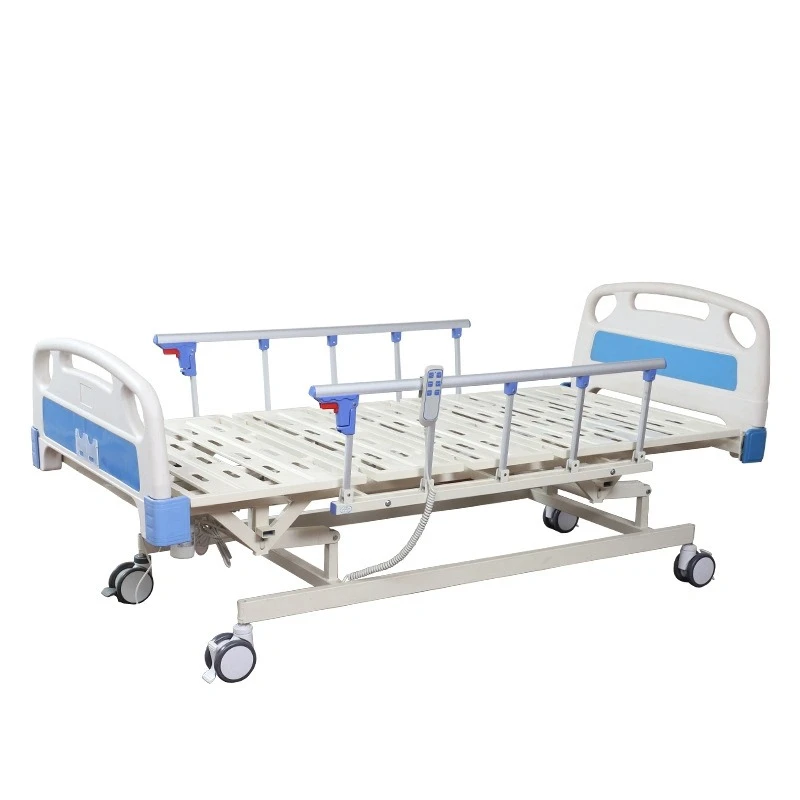
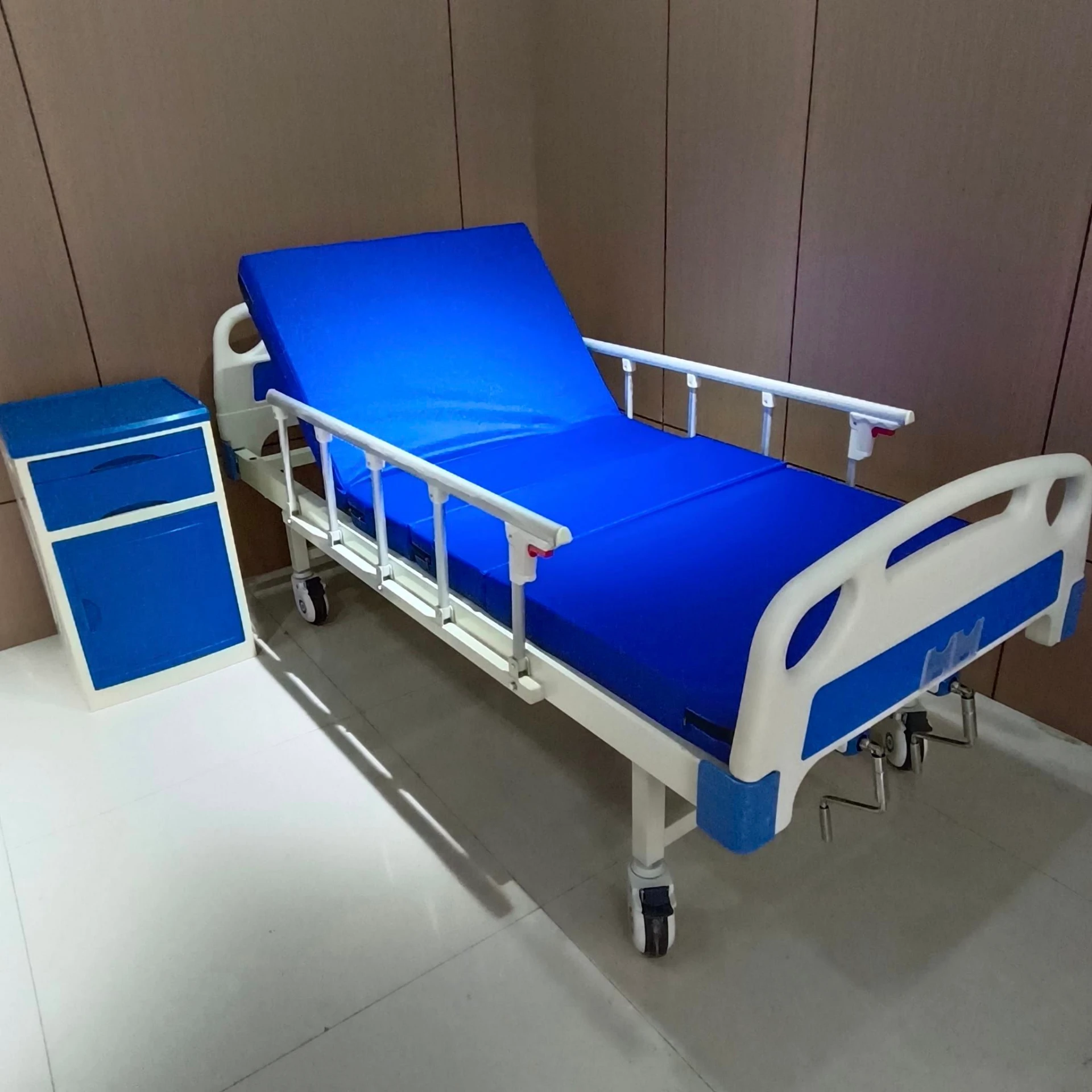
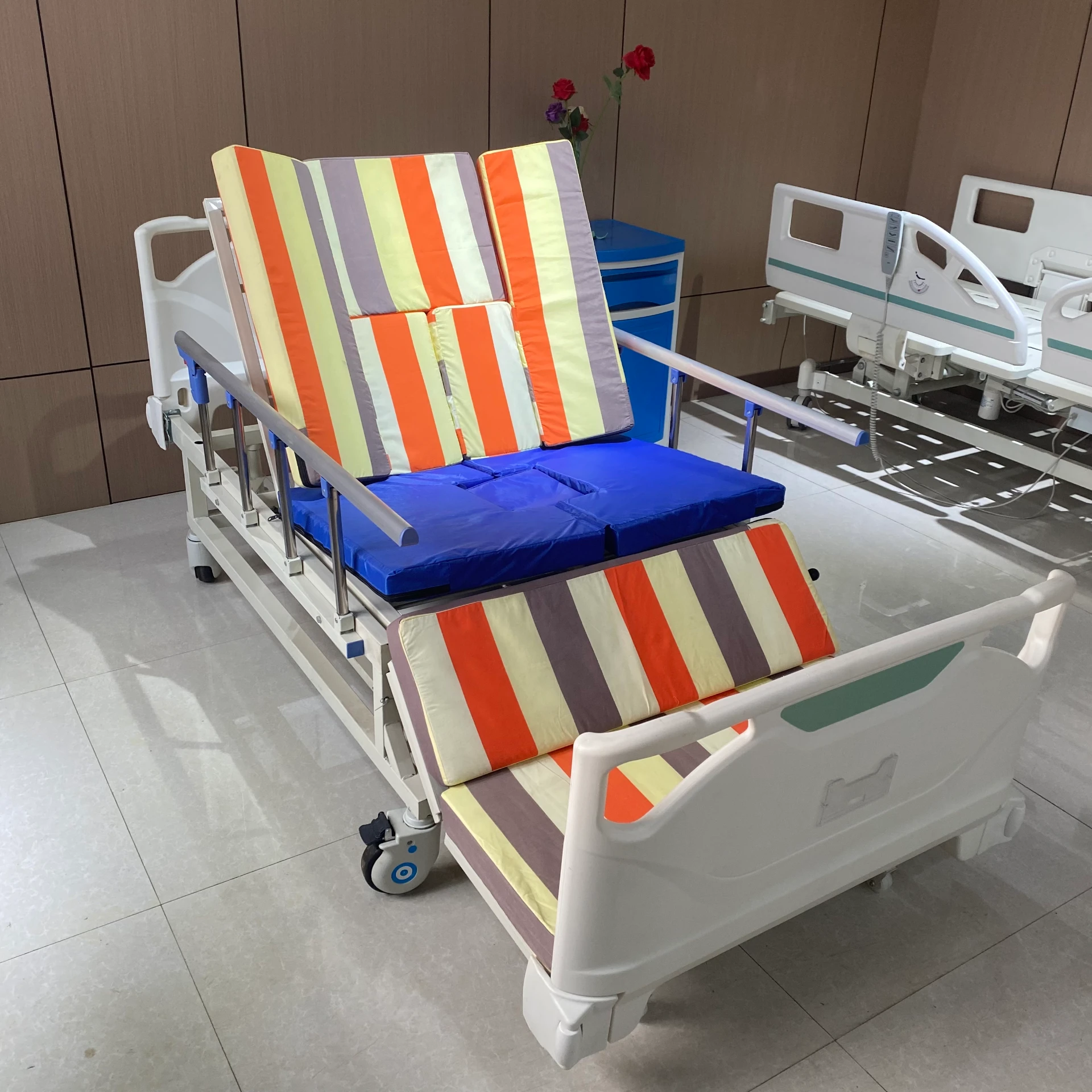
Manual beds are the most traditional of the nursing types of bed in hospital, relying on hand-cranks to adjust the height, head, and foot sections. While they lack the automation of electric models, they are highly valued for their reliability, cost-effectiveness, and lack of dependence on electricity. These beds are typically deployed in long-term care facilities or low-acuity wards where rapid position changes are not frequently required. Despite their simplicity, they provide essential support and stability for recovering patients.
Clinical Note: Manual beds require more physical effort from nursing staff, which can increase the risk of caregiver musculoskeletal injuries if proper lifting techniques are not employed.
Semi-Electric and Full-Electric Bed Systems
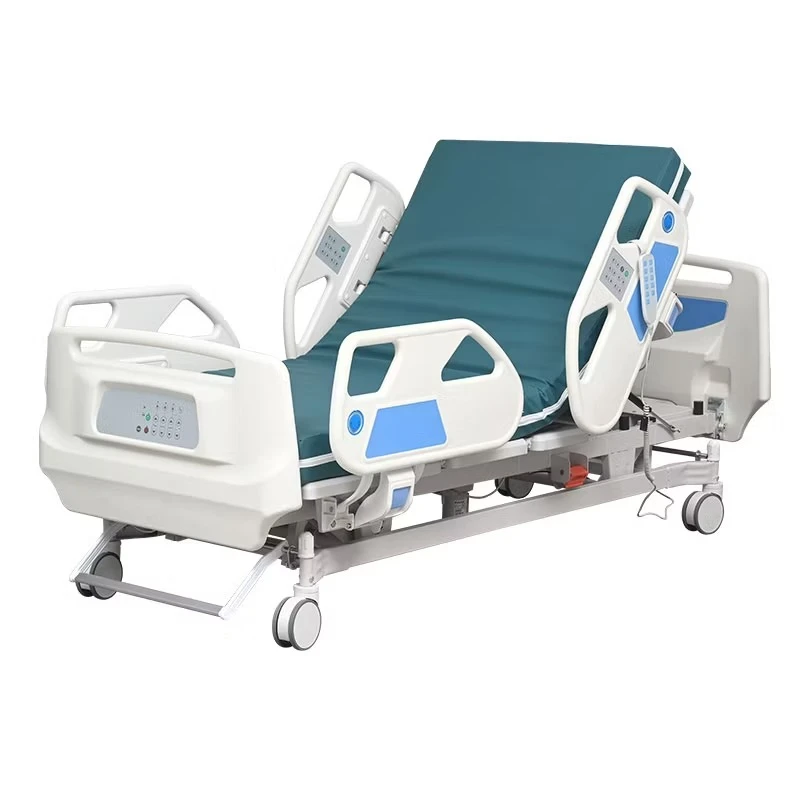
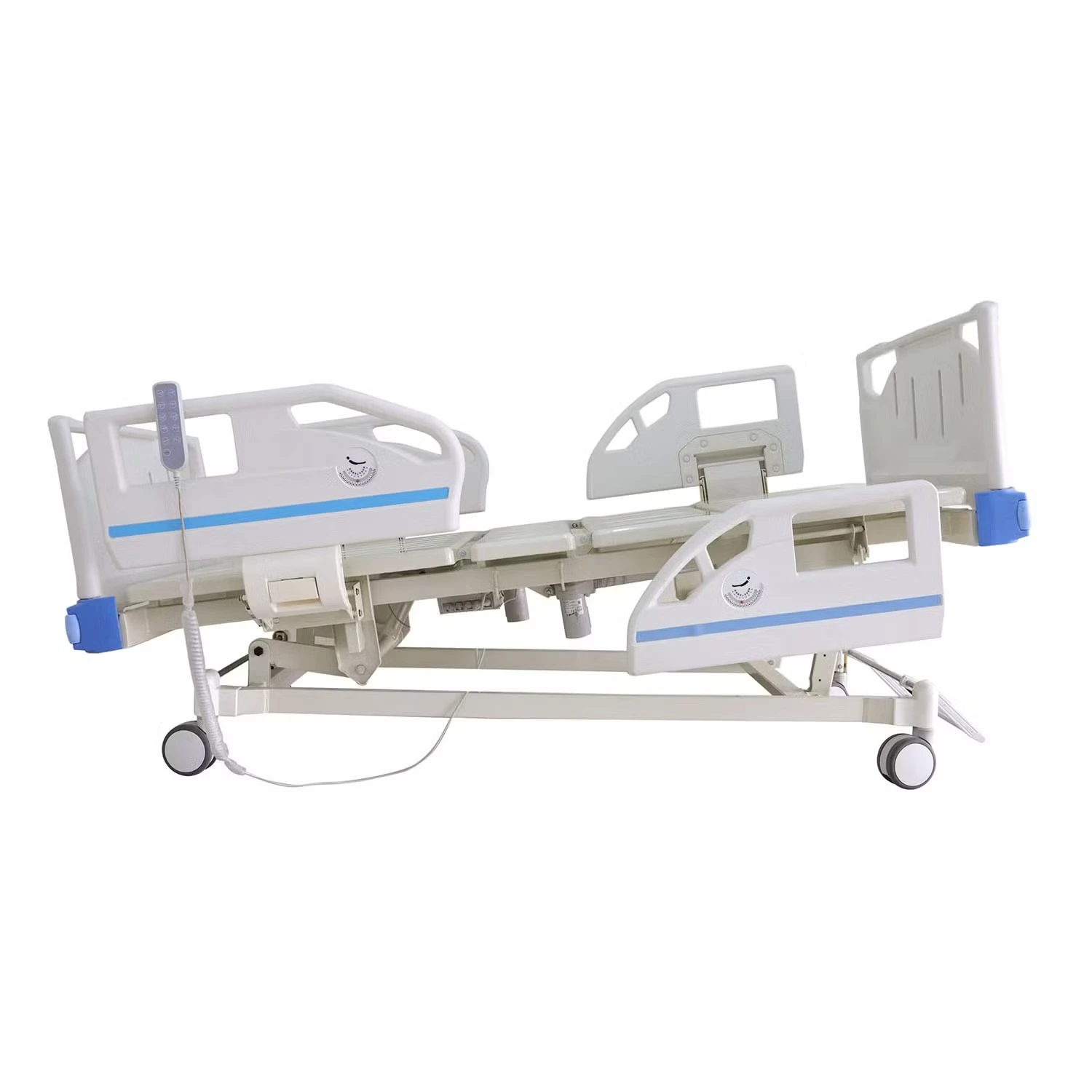
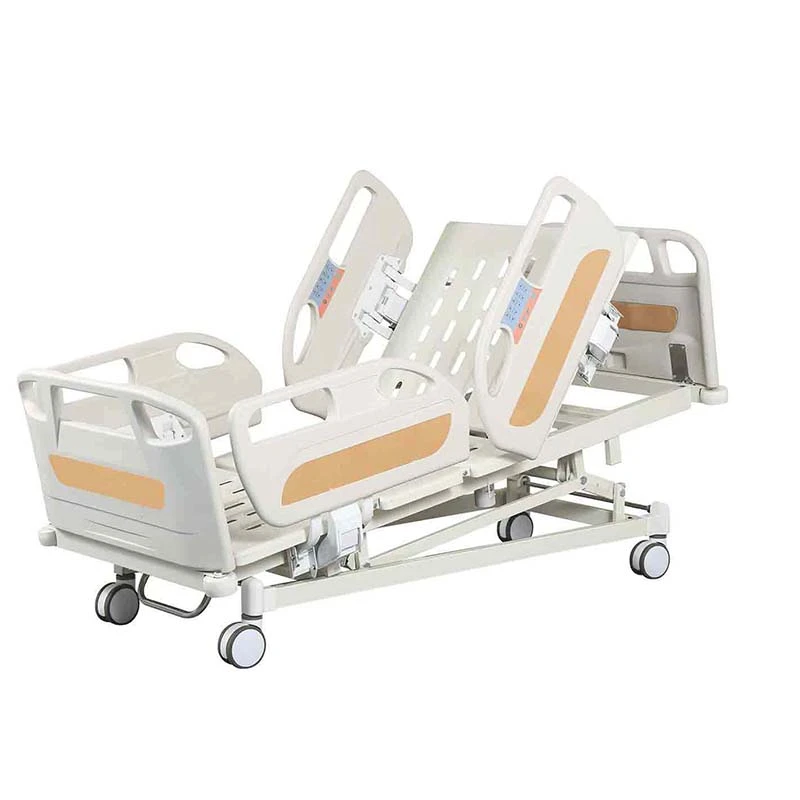
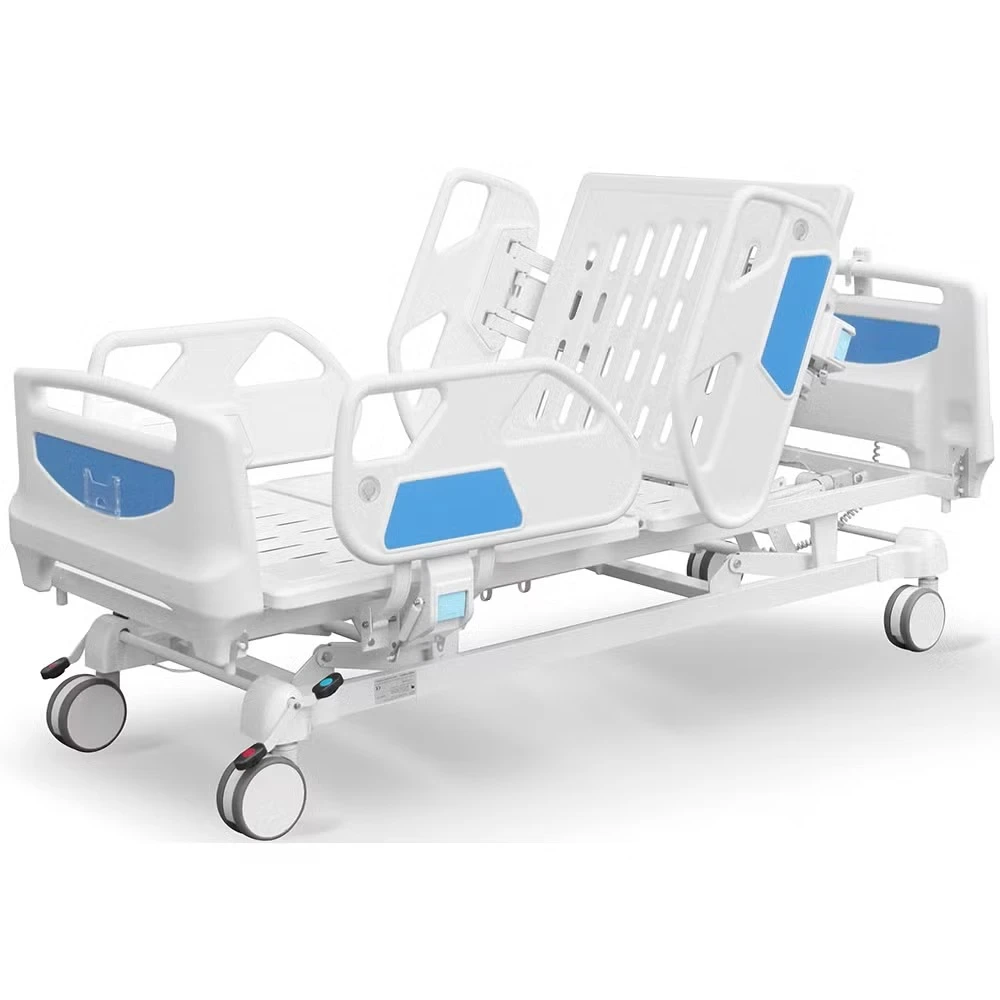
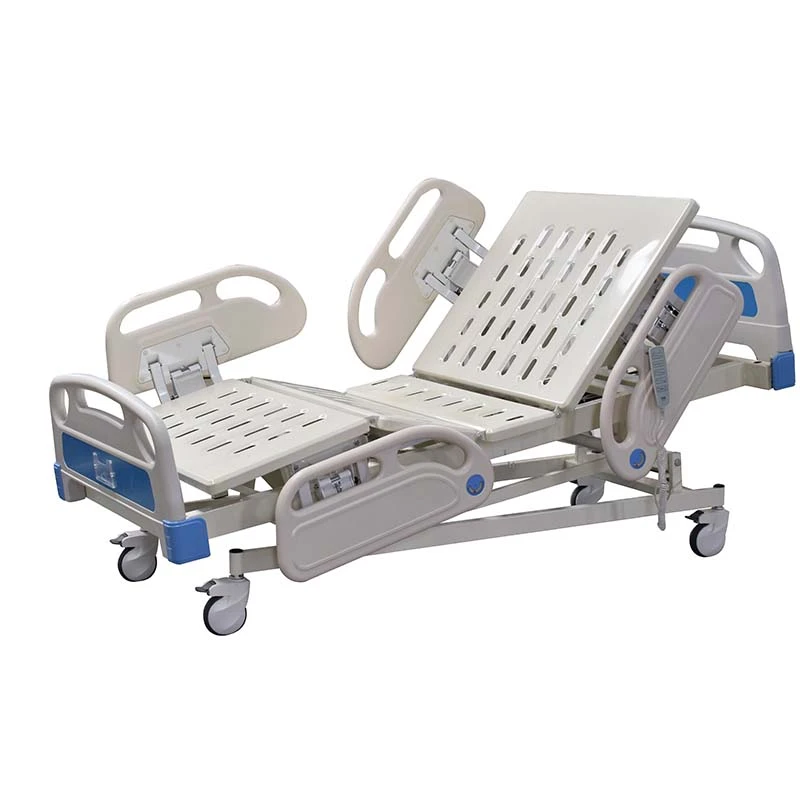
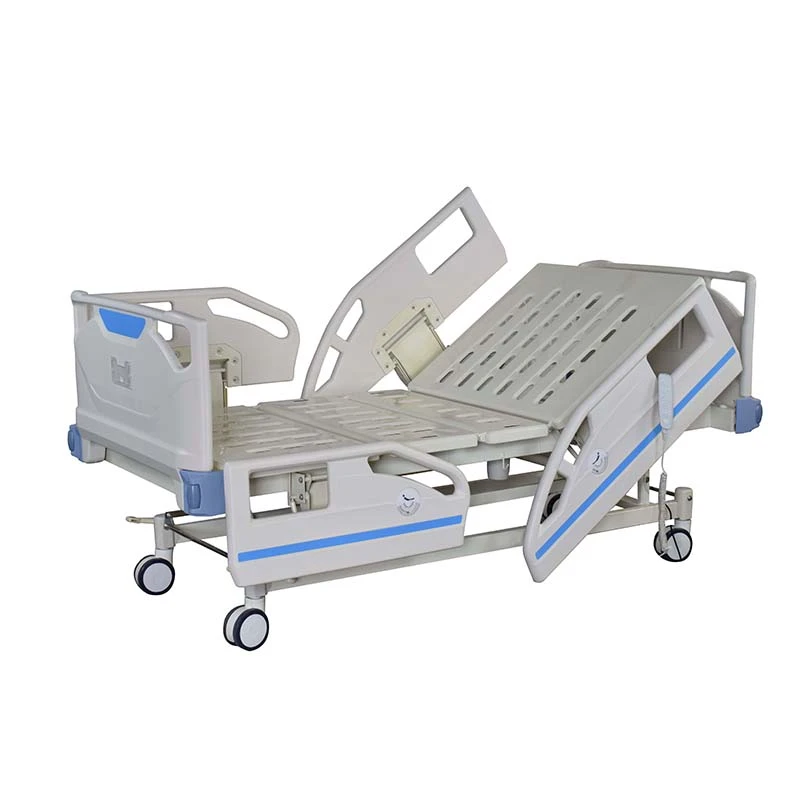
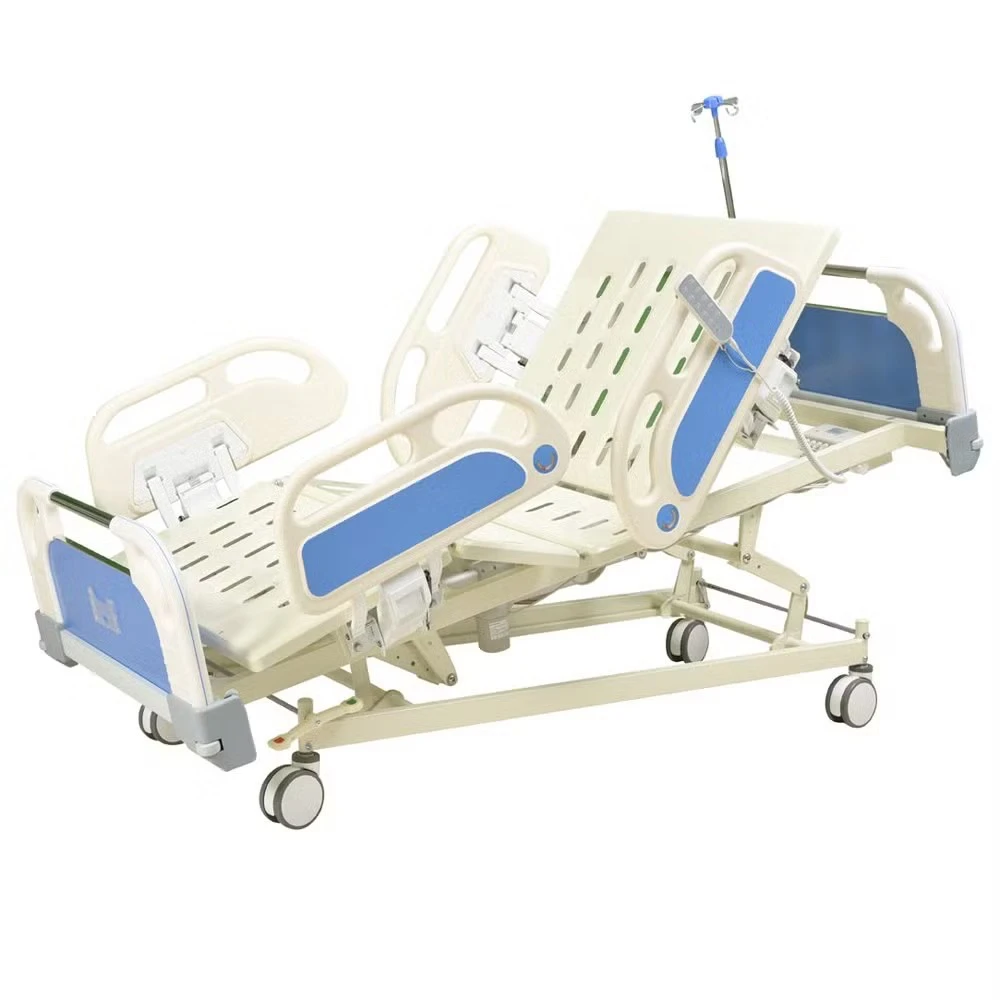
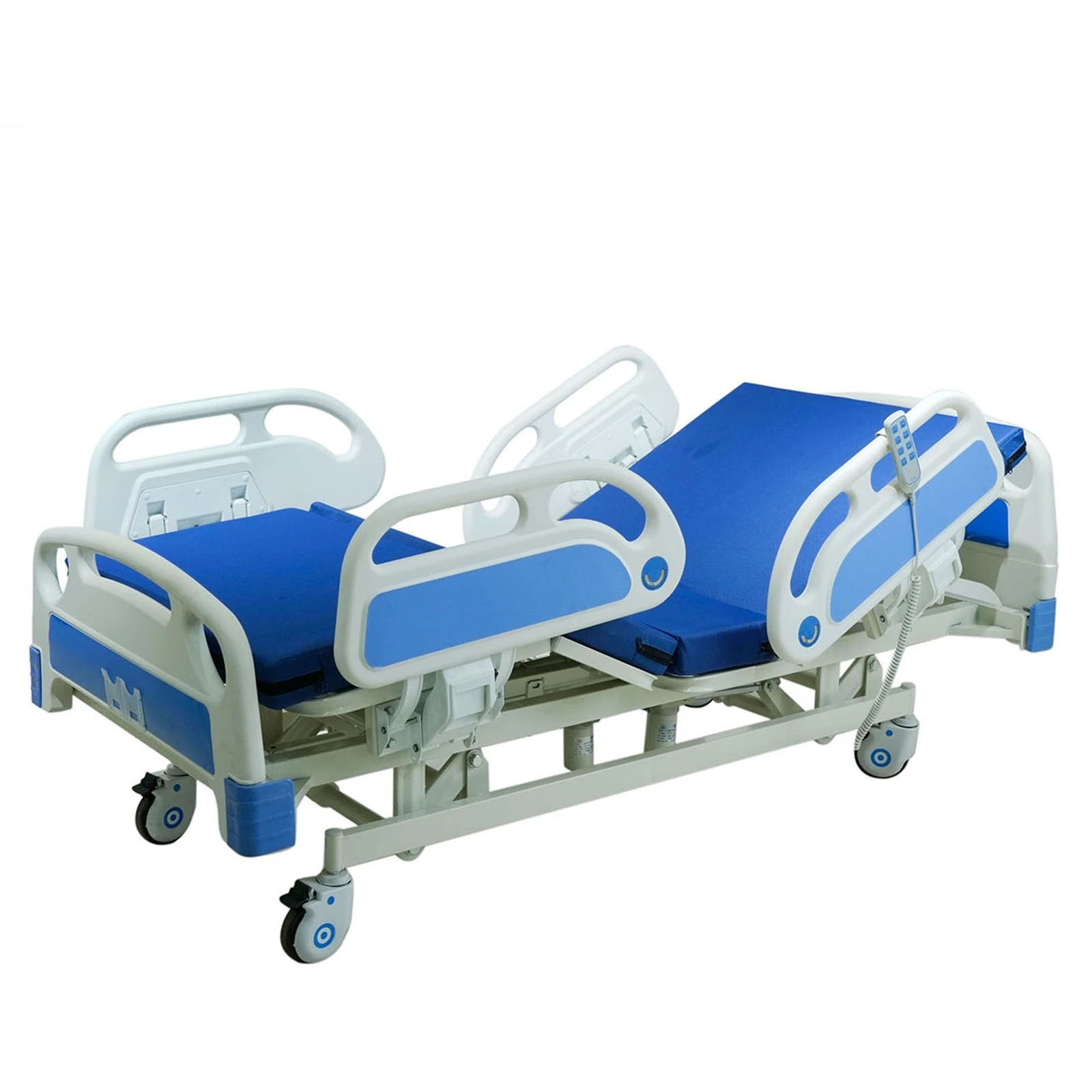
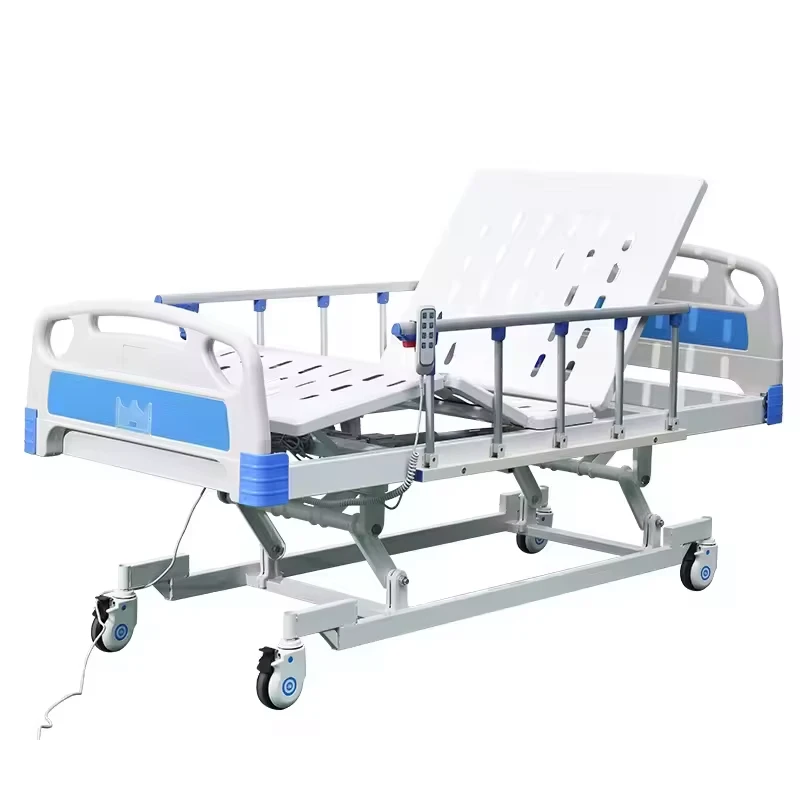
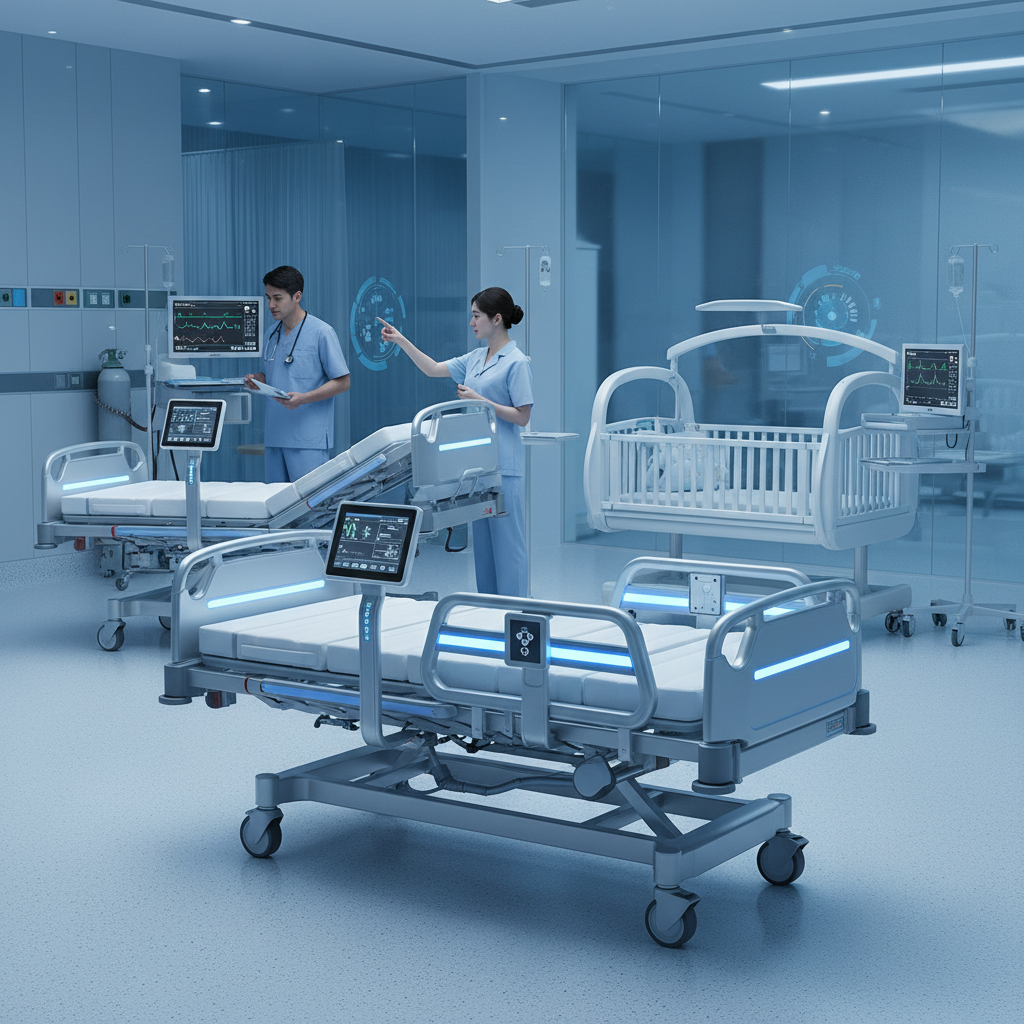
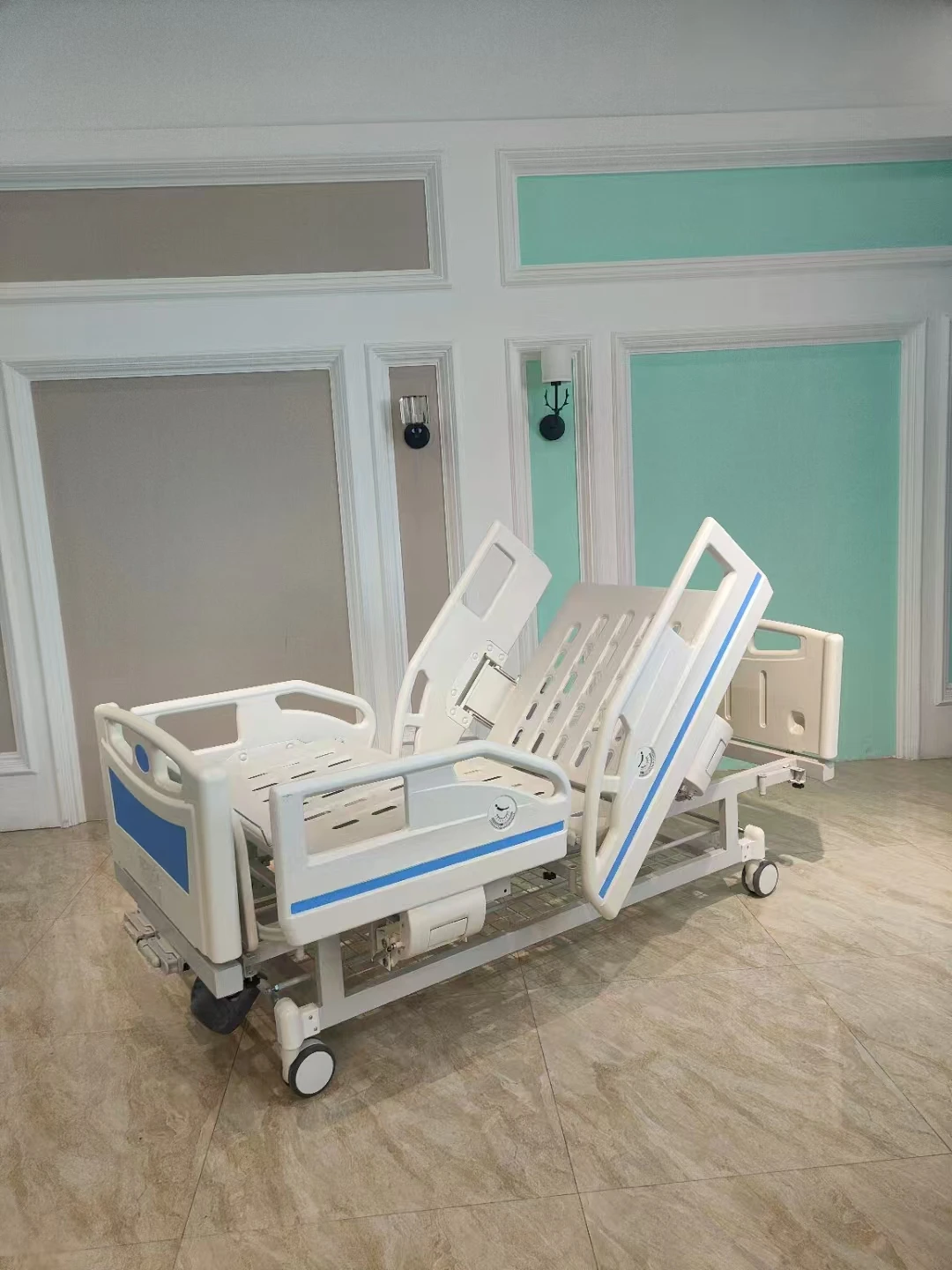
Electric beds represent a significant leap in patient autonomy and nursing efficiency. Semi-electric beds usually automate the head and foot sections but require a manual crank for overall height adjustment. In contrast, full-electric beds allow for complete control over all movements via a remote or control panel. These nursing types of bed in hospital settings are essential for patients with limited mobility, reducing the physical strain on nurses and empowering patients to adjust their own positions for comfort or breathing ease.
Comparing Nursing Types of Bed in Hospital: Features and Use Cases
Selecting the appropriate bed requires a comparison of patient needs versus bed capabilities. While a manual bed suffices for a stable patient, an ICU patient requires a specialized bed with advanced hemodynamic capabilities. The following table provides a clear comparison to help you differentiate between the primary nursing types of bed in hospital.
Bariatric and Specialized Nursing Beds
For patients with specific physiological requirements, standard nursing types of bed in hospital are insufficient. Bariatric beds are specifically reinforced to support higher weight capacities while maintaining stability and ease of movement. Additionally, specialized beds like air-fluidized beds are used to treat severe pressure ulcers by suspending the patient on a cushion of air. These beds are vital for preventing skin breakdown in immobile patients, ensuring that pressure is evenly distributed across the body surface.
Advanced ICU and Critical Care Bed Specifications
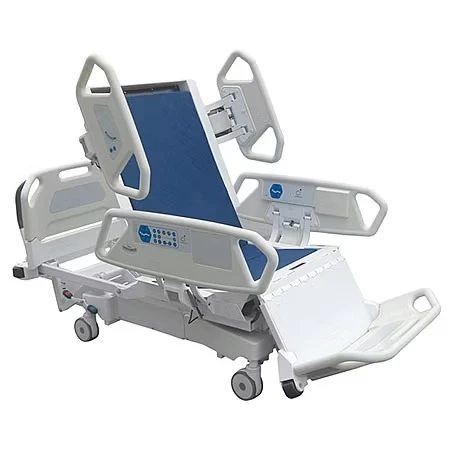
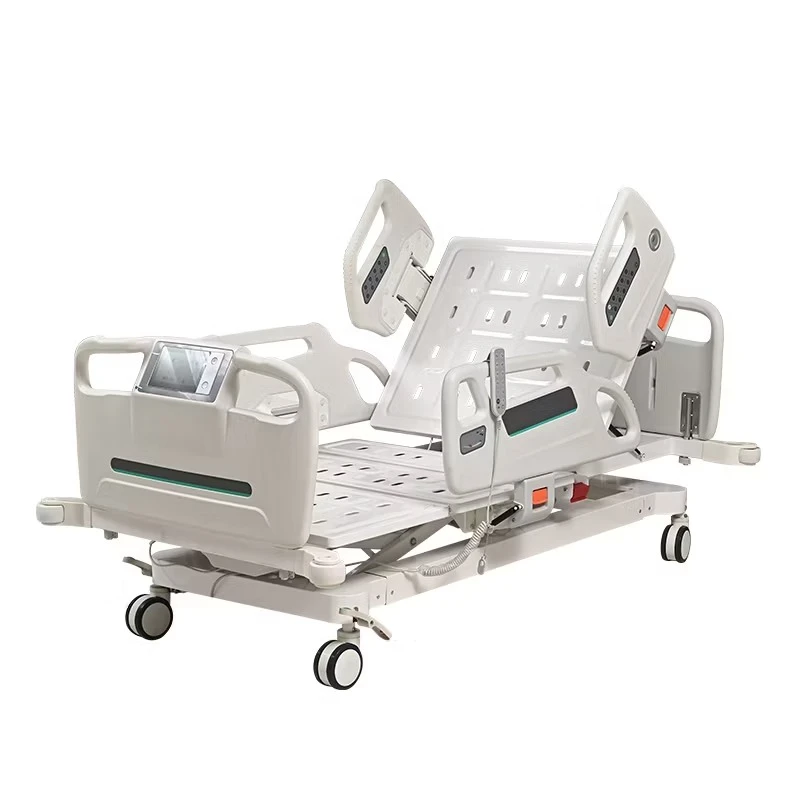
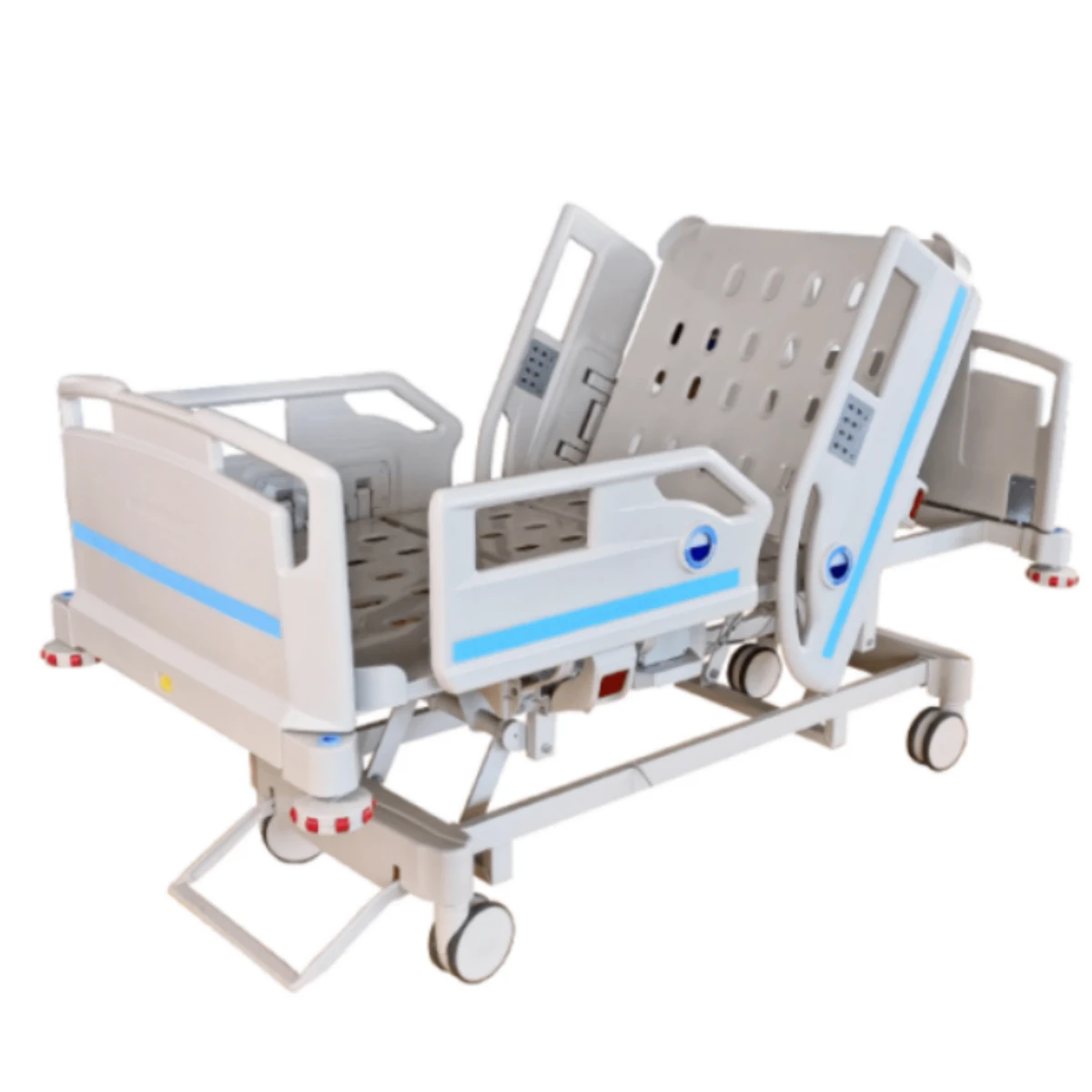
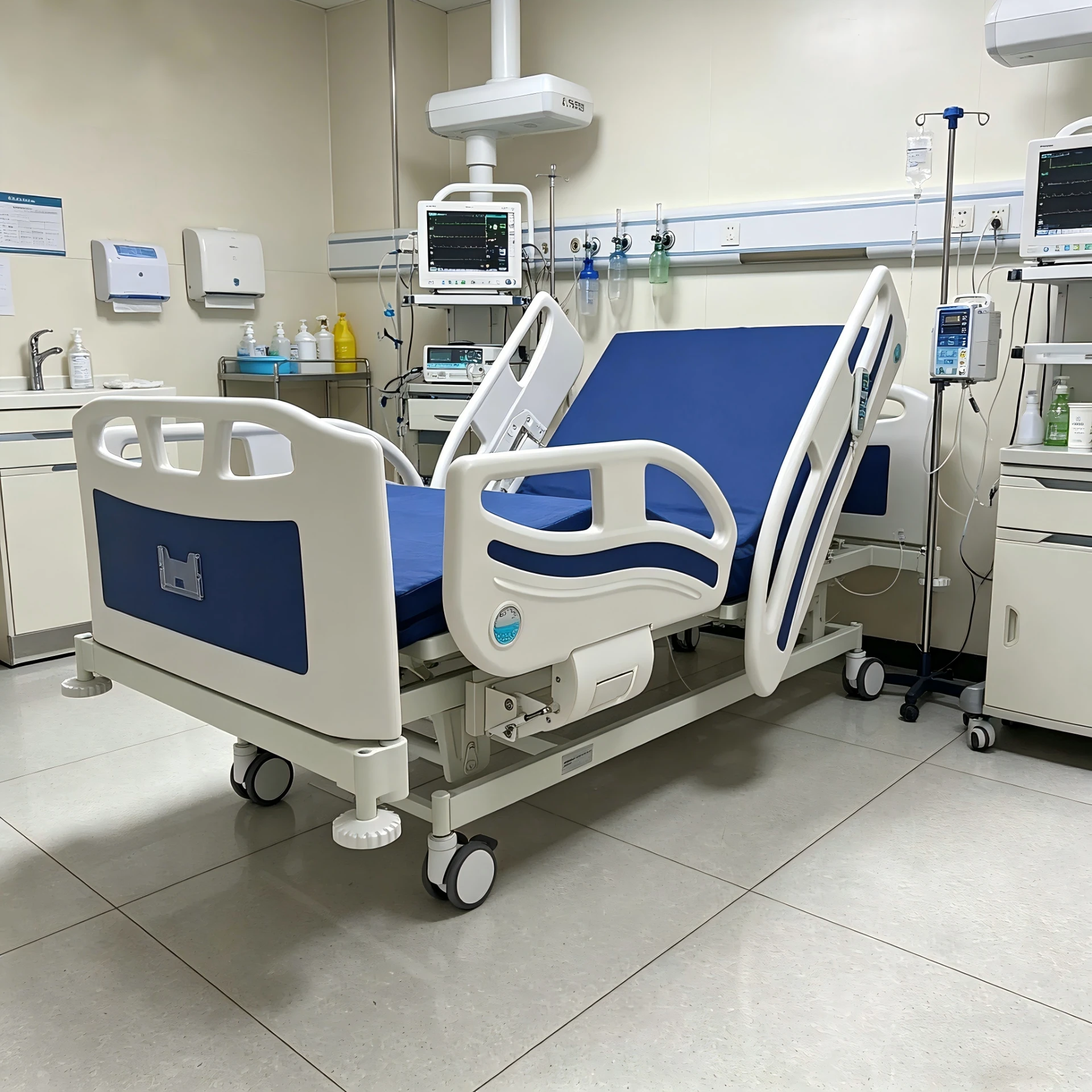
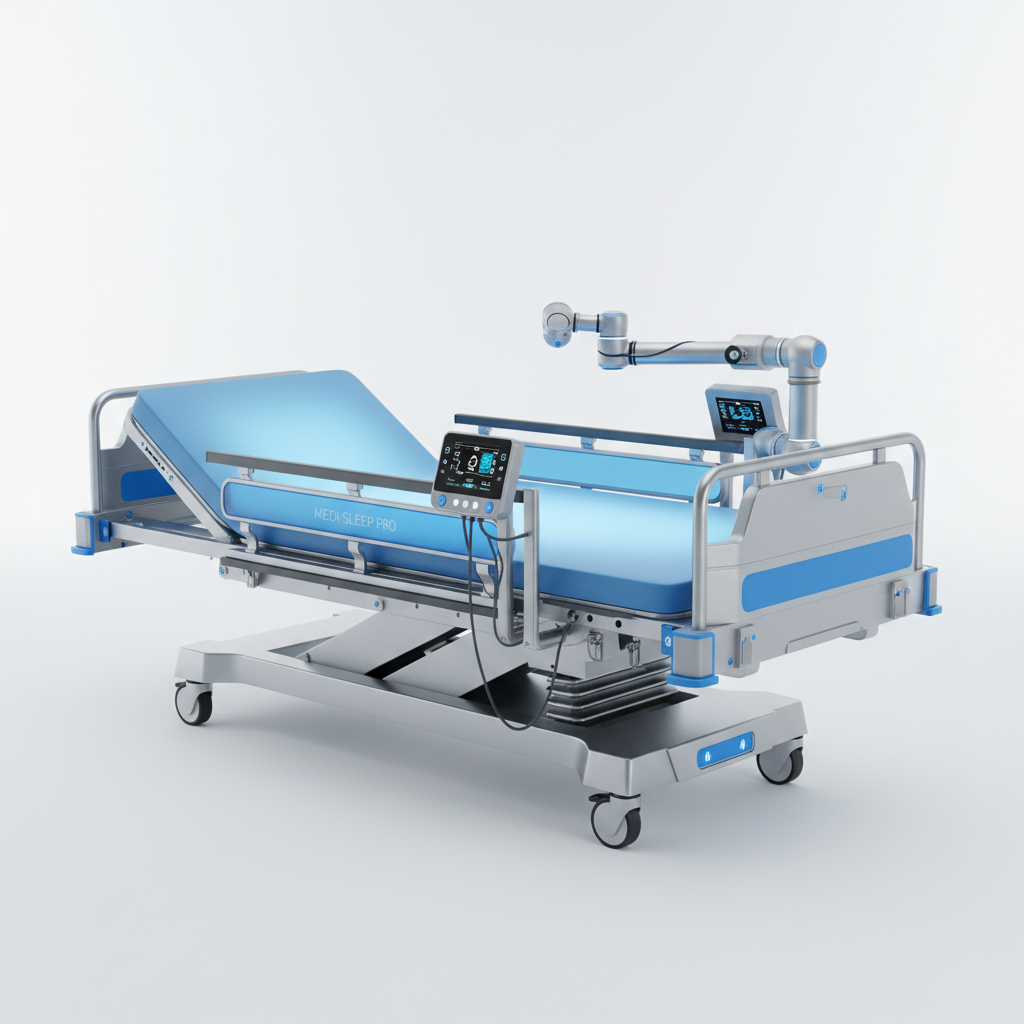
In the Intensive Care Unit (ICU), the bed becomes a piece of diagnostic equipment. These high-end nursing types of bed in hospital often include integrated weighing scales, lateral rotation therapy to prevent pneumonia, and cardiac chair positions for rapid stabilization. The integration of technology allows for precise monitoring and immediate intervention, making the bed an active participant in the patient's survival strategy.
Maintenance and Selection of Hospital Beds
The longevity of nursing types of bed in hospital depends heavily on a rigorous maintenance schedule. For electric beds, this includes testing battery backups and lubricating mechanical joints. For all beds, ensuring that mattresses are free of tears and effectively sanitized is paramount to preventing hospital-acquired infections (HAIs). When selecting a bed, administrators should balance the budget with the clinical necessity, ensuring that the chosen model reduces the workload for nursing staff while maximizing patient safety.
Conclusion: Optimizing Care through the Right Bed Choice
Choosing from the various nursing types of bed in hospital is a strategic decision that directly impacts patient recovery and staff well-being. Whether it is the reliability of a manual bed or the sophisticated life-support features of an ICU bed, the goal remains the same: providing a safe, comfortable, and therapeutic environment. By investing in high-quality medical furniture from trusted providers like ZF Medicare, healthcare facilities can ensure they are equipped to handle any clinical challenge with precision and care.
Frequently Asked Questions (FAQs)
What is the main difference between semi-electric and full-electric beds?
The primary difference lies in the height adjustment mechanism. In a semi-electric bed, the head and foot sections are adjusted via electric motors, but the overall height of the bed frame must be adjusted manually using a crank. In a full-electric bed, every movement—including the overall height of the bed—is controlled electronically. Full-electric beds are generally preferred in acute care settings where nurses need to adjust the bed height frequently to facilitate patient transfers or provide care without bending over, thus reducing the risk of back injuries.
How do bariatric beds differ from standard nursing beds?
Bariatric beds are specifically engineered for patients with obesity. They differ from standard beds in three key areas: width, weight capacity, and structural reinforcement. While a standard bed may support up to 250kg, bariatric beds often support 400kg or more. They feature wider frames to ensure patient comfort and safety, preventing the patient from feeling restricted or risking a fall. Furthermore, the motors in electric bariatric beds are more powerful to handle the increased load without straining the mechanical components.
Which bed is best for preventing pressure ulcers (bedsores)?
For high-risk patients, specialized pressure-relief beds are the best choice. This includes alternating pressure mattresses or fully air-fluidized beds, which are among the most advanced nursing types of bed in hospital. These beds constantly shift the points of pressure on the patient's skin, ensuring that no single area is compressed for too long. When combined with lateral rotation features found in ICU beds, these systems significantly reduce the incidence of Stage III and IV pressure ulcers in immobile patients.
Are manual beds still relevant in modern hospitals?
Yes, manual beds remain highly relevant, particularly in settings where budgets are constrained or in areas with unreliable electricity. They are also ideal for low-acuity patients who do not require frequent repositioning. Because they have no electronic components, they are easier to maintain and have a longer operational lifespan in rugged environments. Many clinics use them as backup options or in specific wards where the clinical need for automation is low, making them a staple in a balanced healthcare inventory.