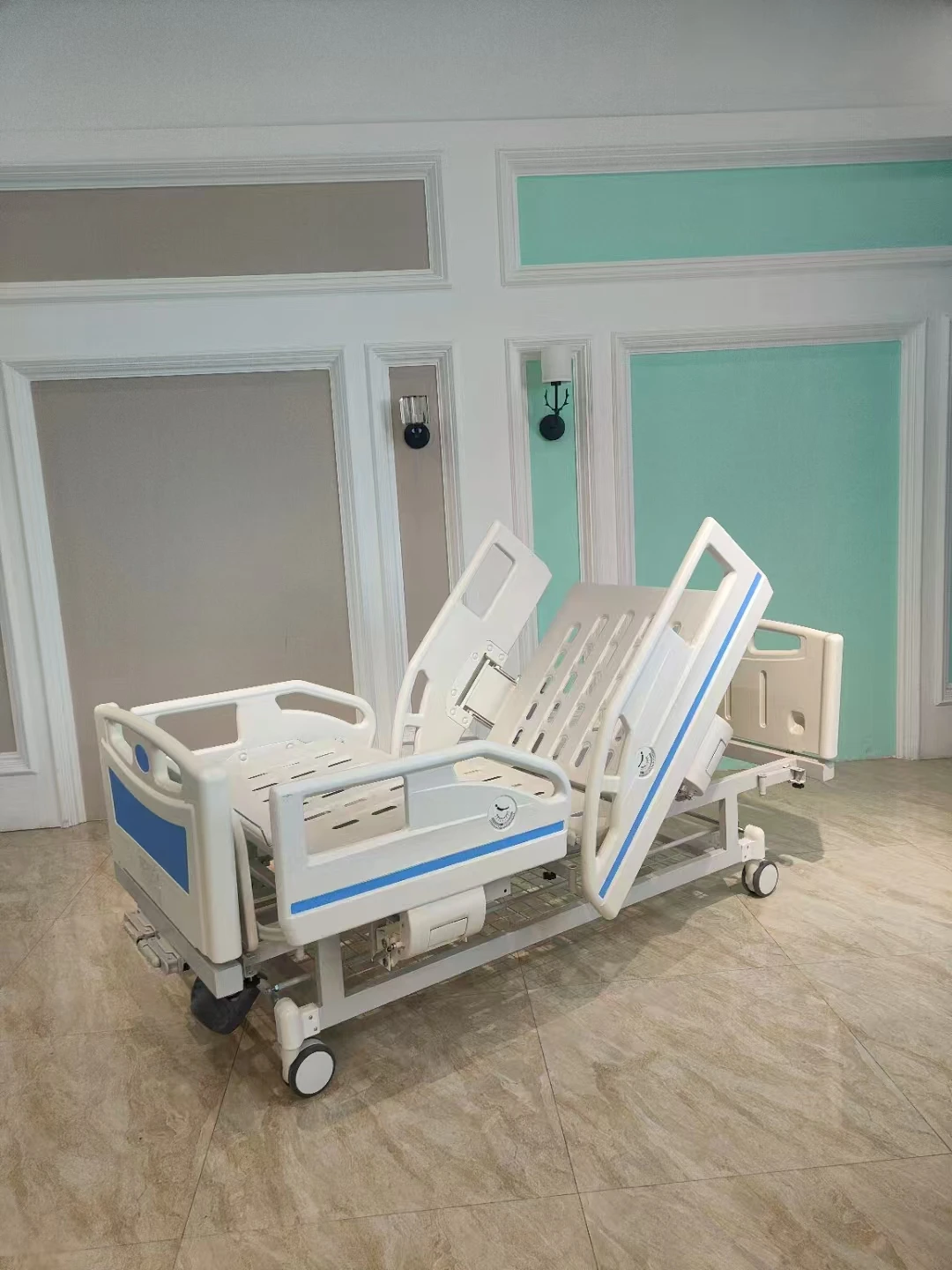
Comprehensive Guide to Finding the Best Hospital Bed for Sale
Finding the Right Hospital Bed for Sale: A Comprehensive Guide
Investing in a hospital bed for sale is a significant decision, whether for home healthcare, a medical facility, or long-term care. This guide will explore the various types of hospital beds available, key features to consider, factors impacting cost, and how to choose the best option for your specific needs. Understanding the nuances of hospital beds ensures patient comfort, safety, and efficient care. We’ll delve into the vital aspects to help you make an informed purchasing decision.
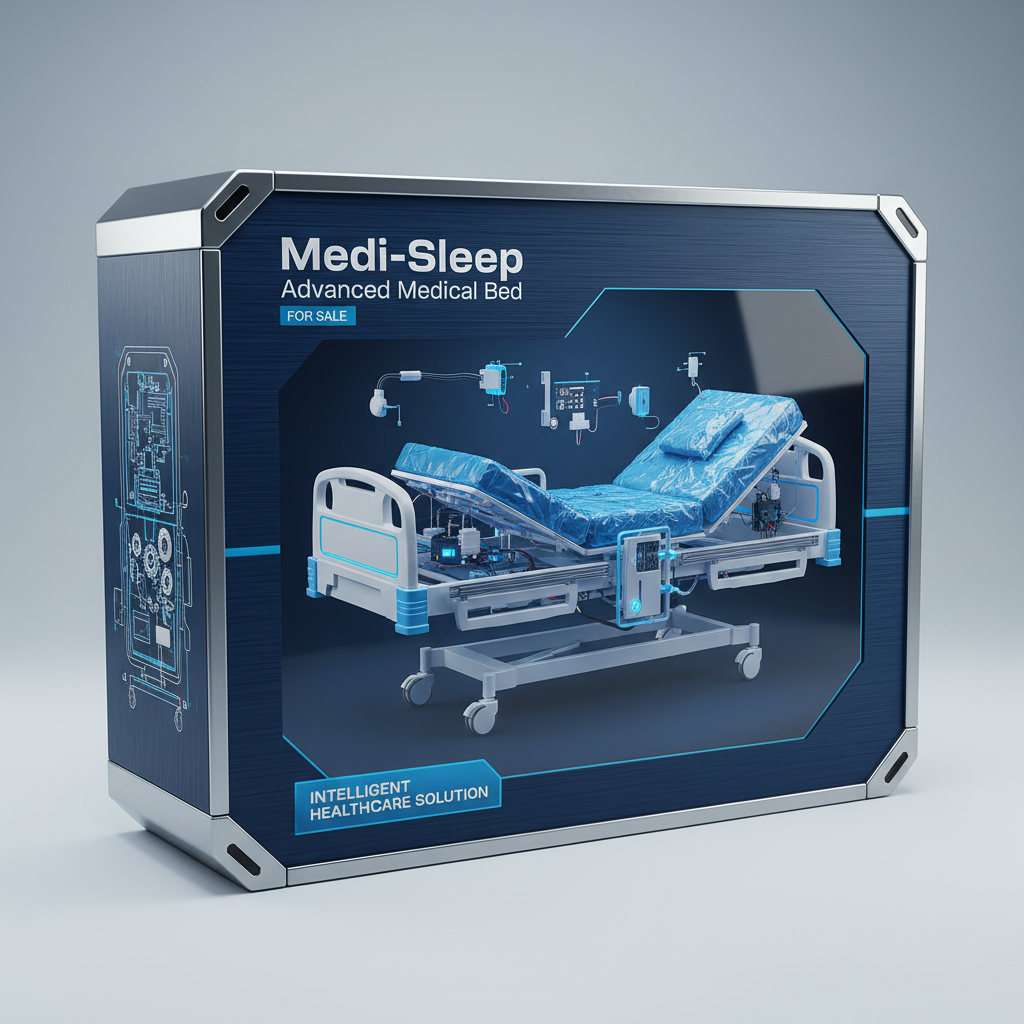
Types of Hospital Beds Available
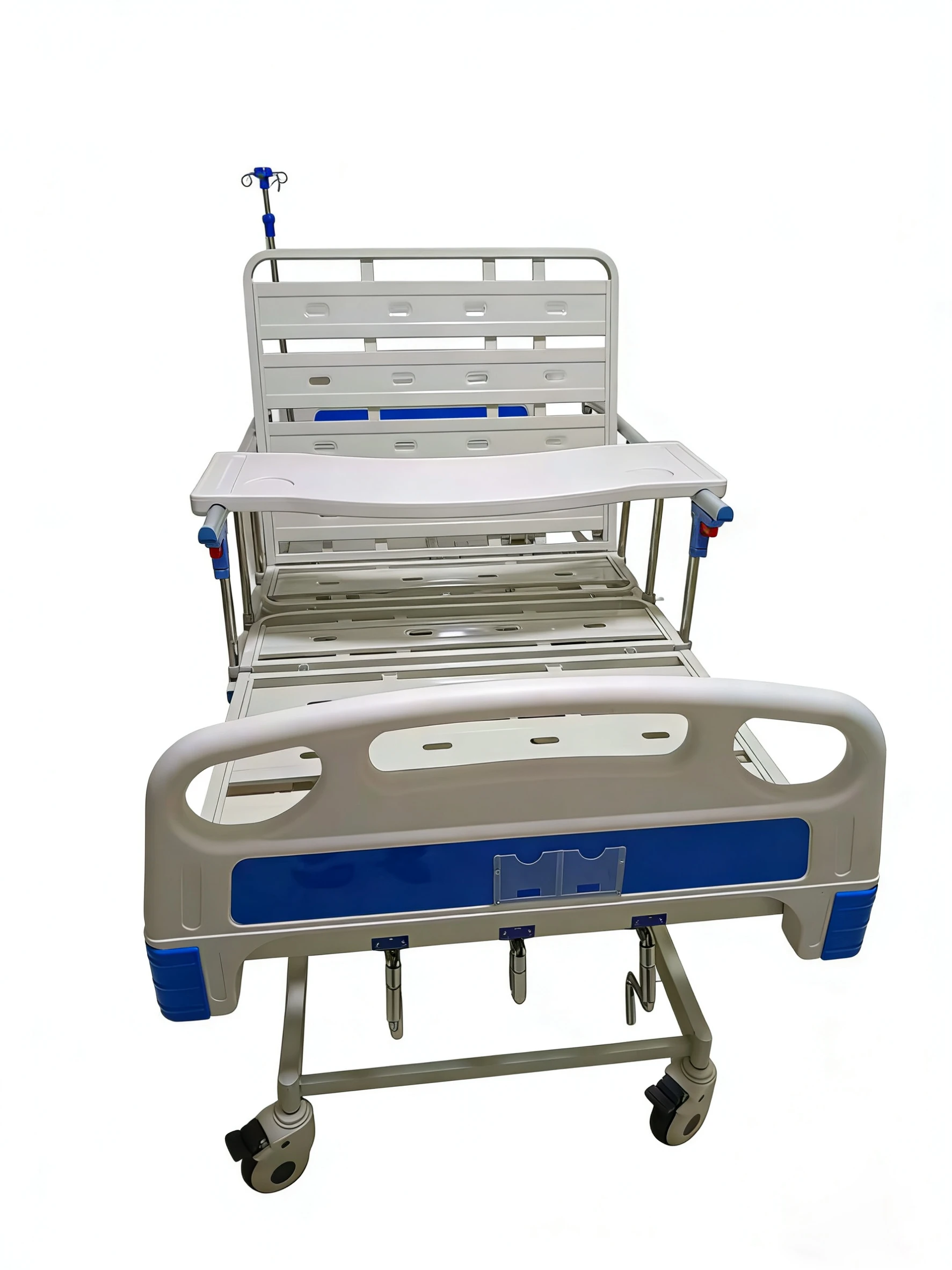
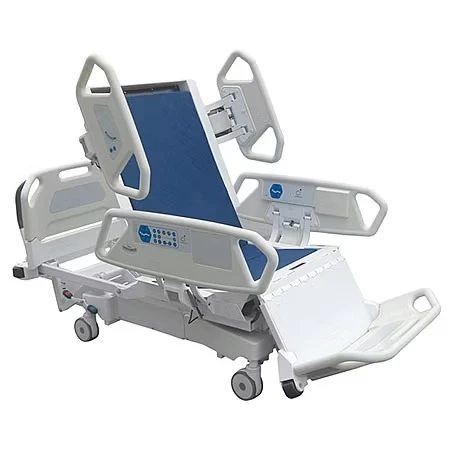
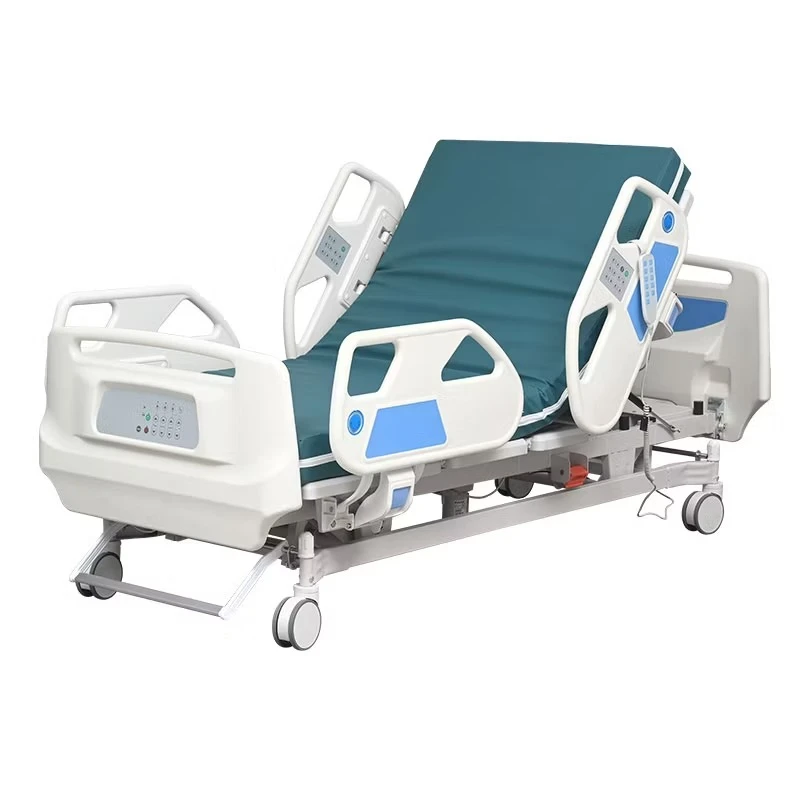
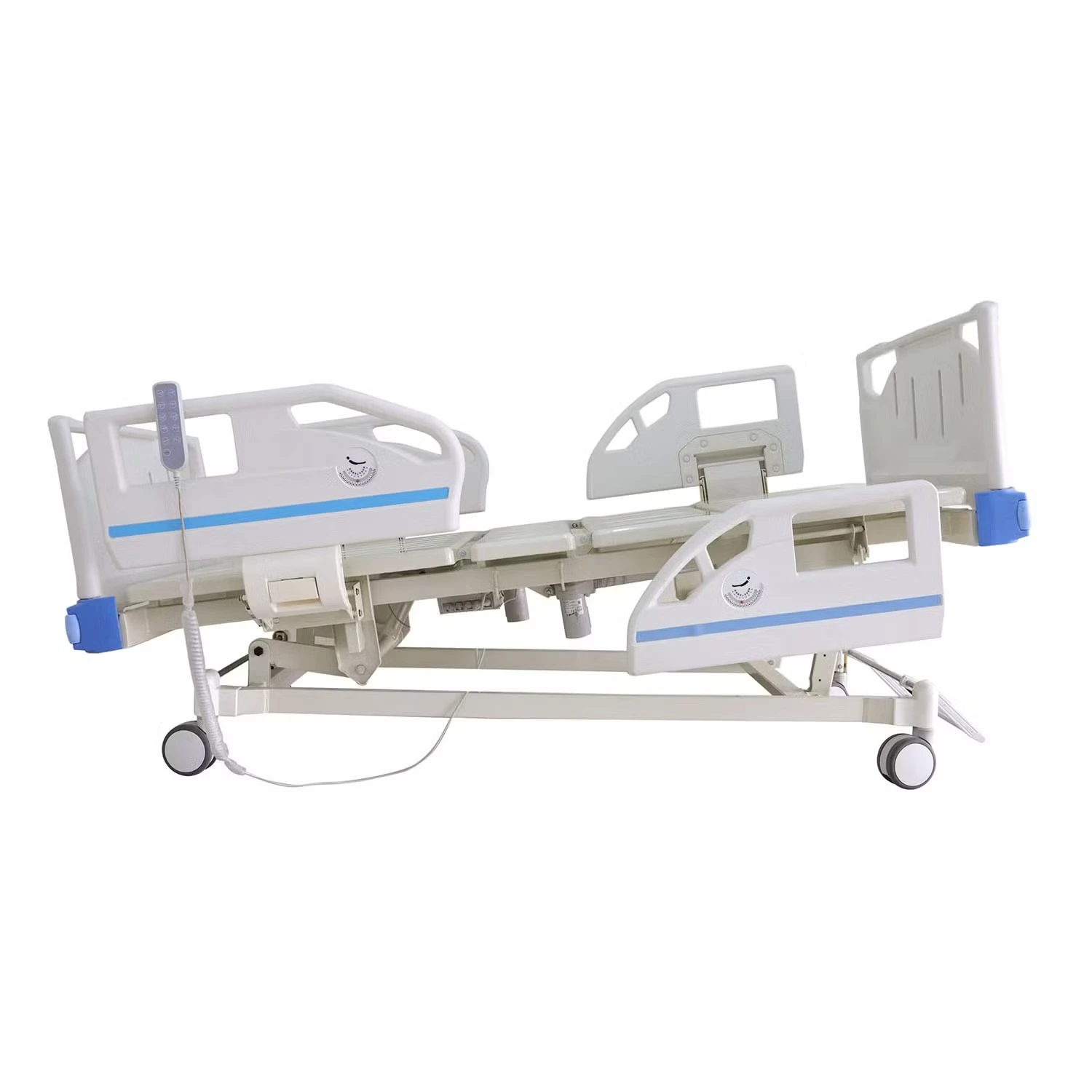
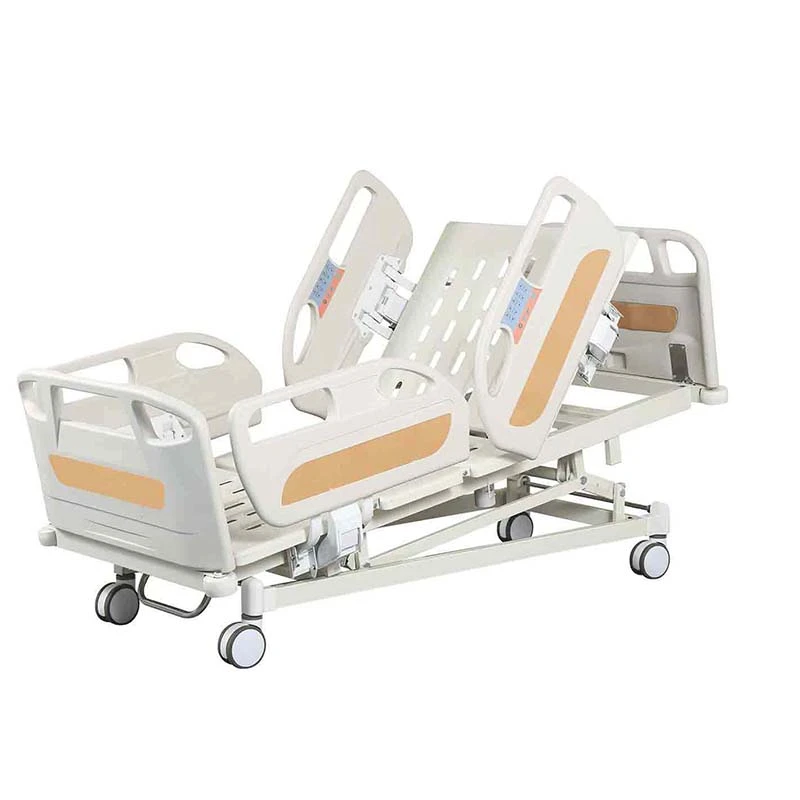
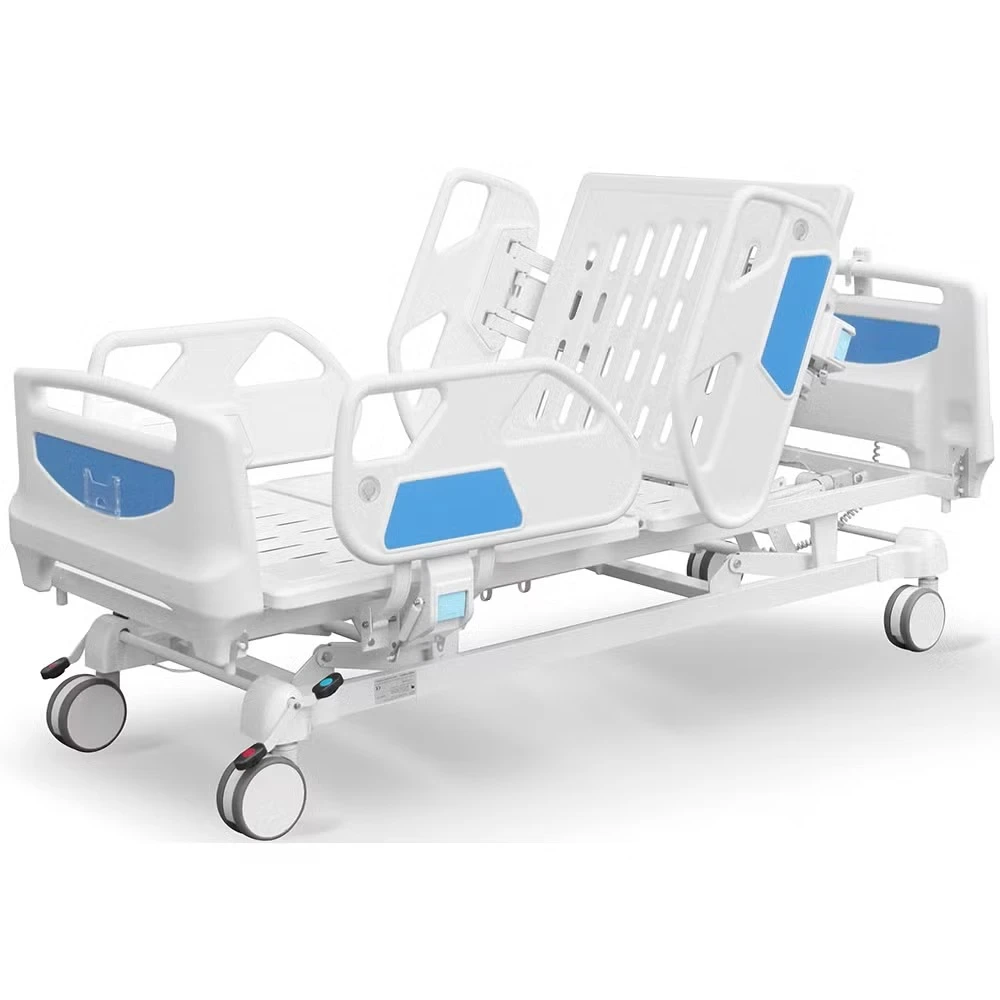
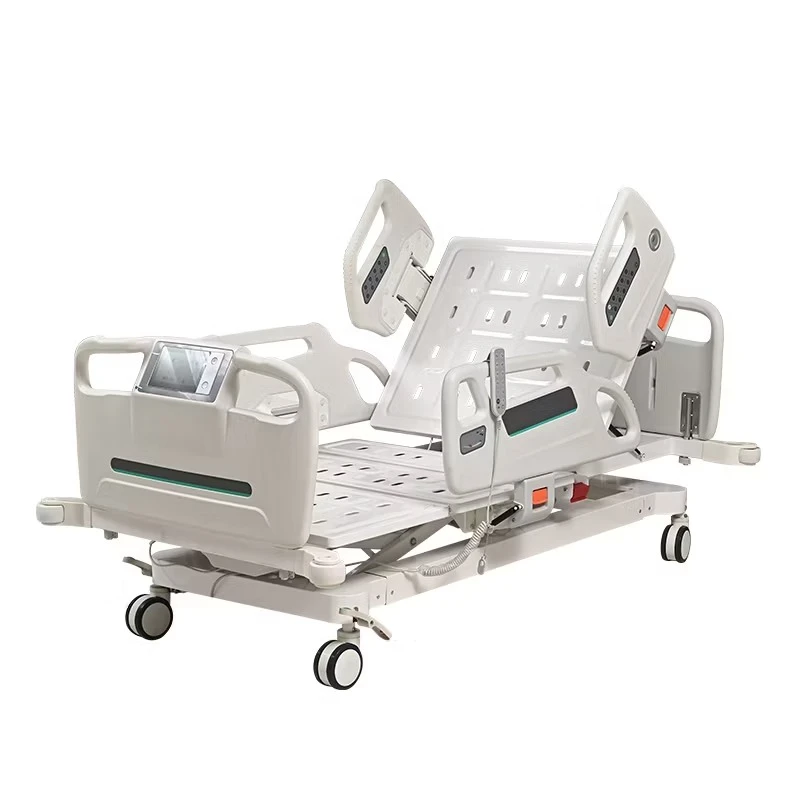
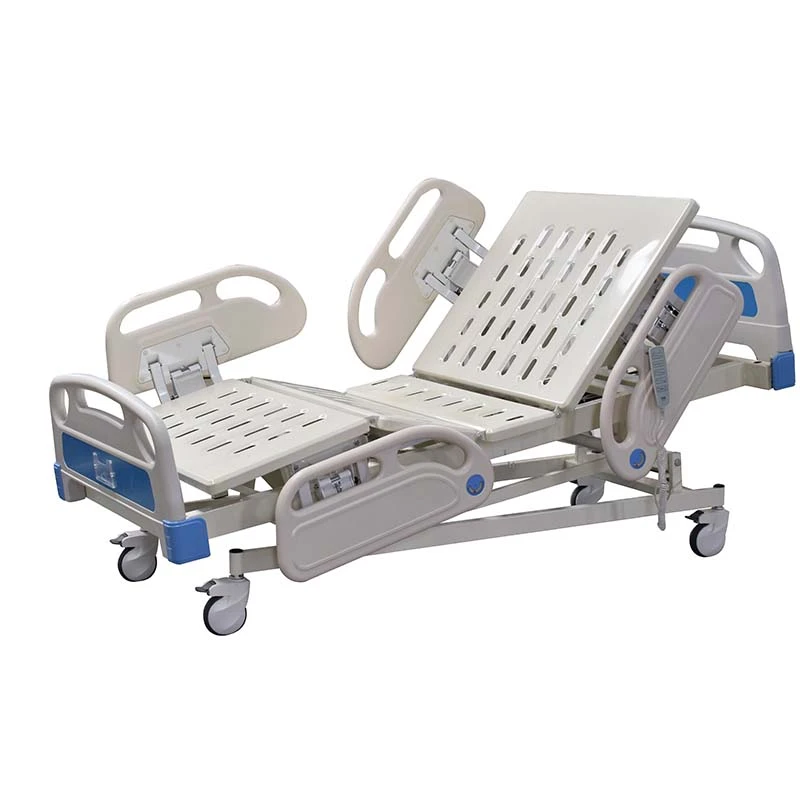
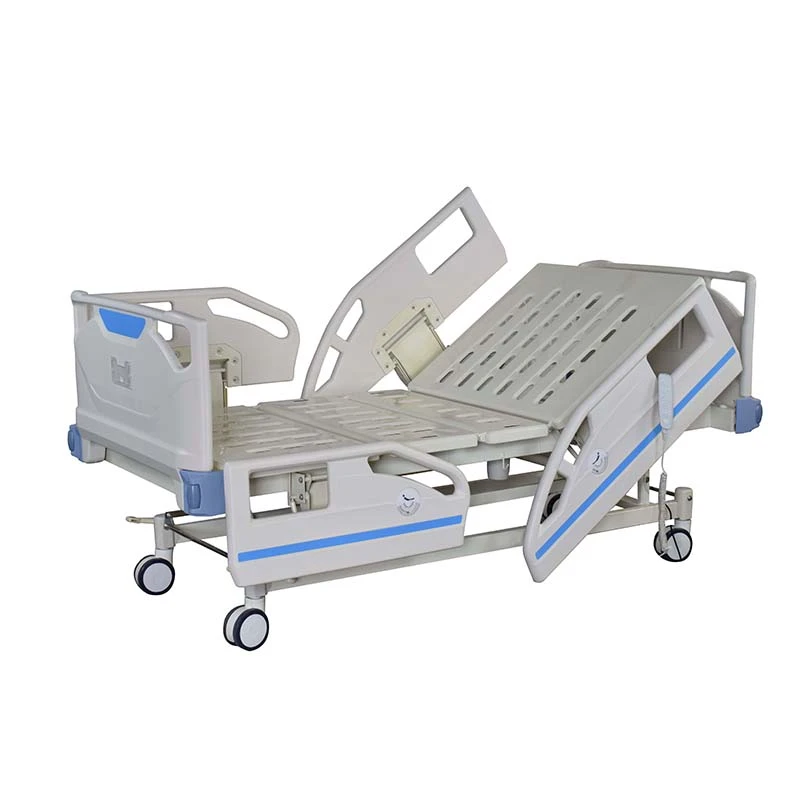
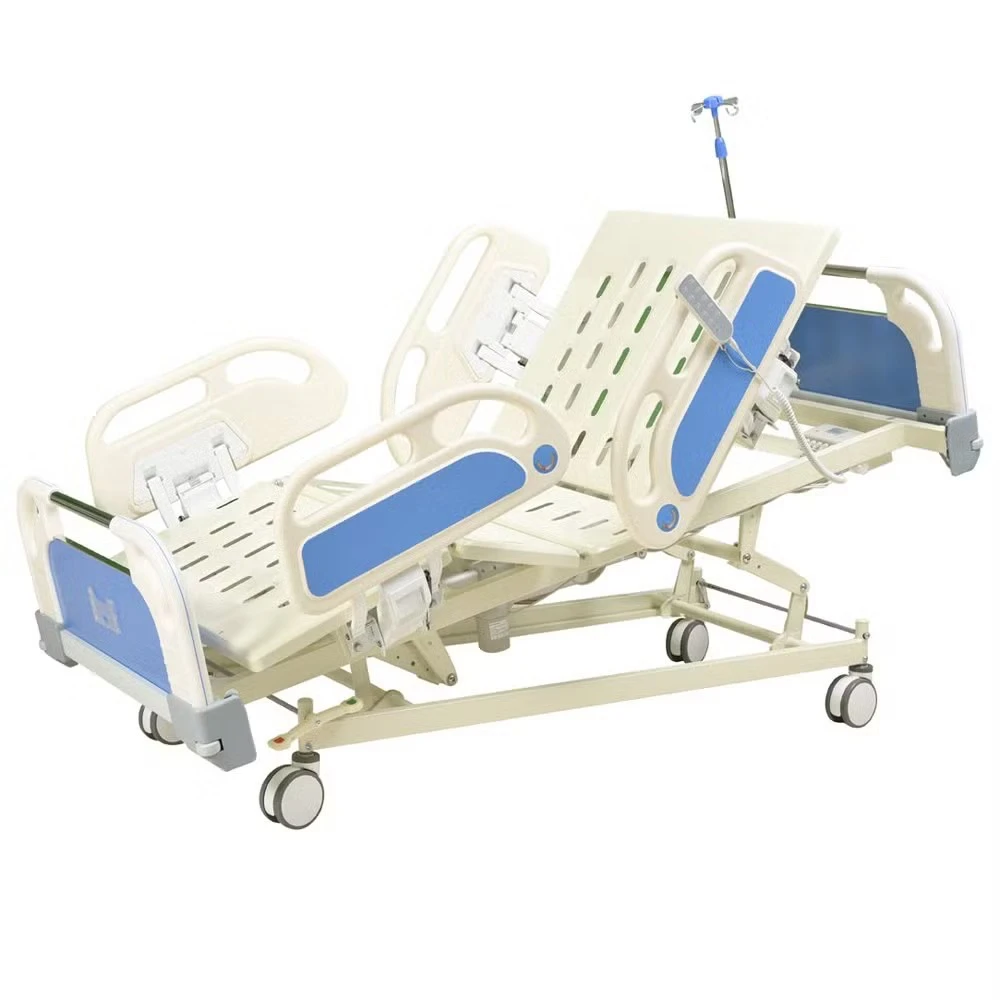
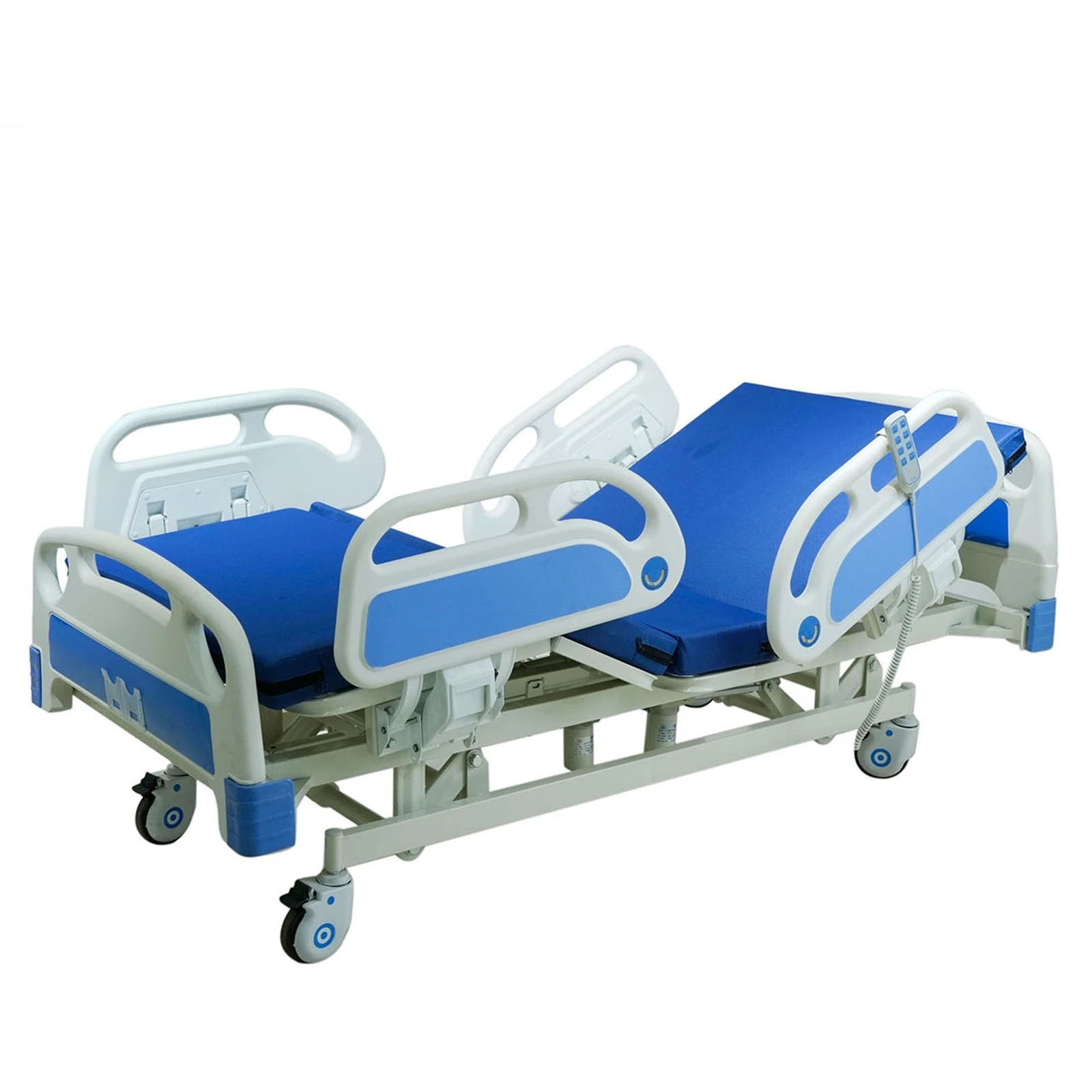
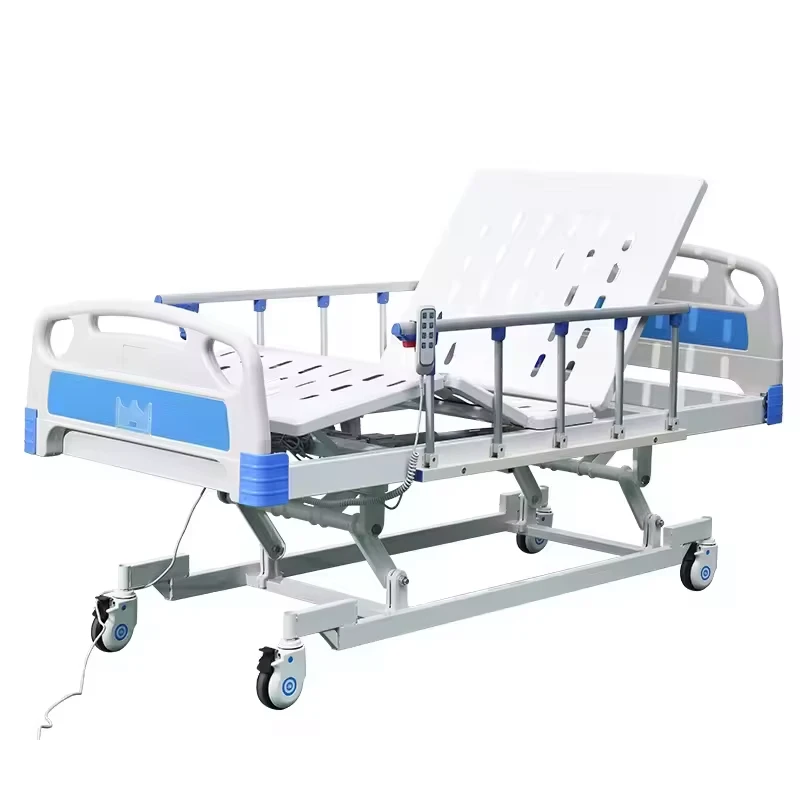
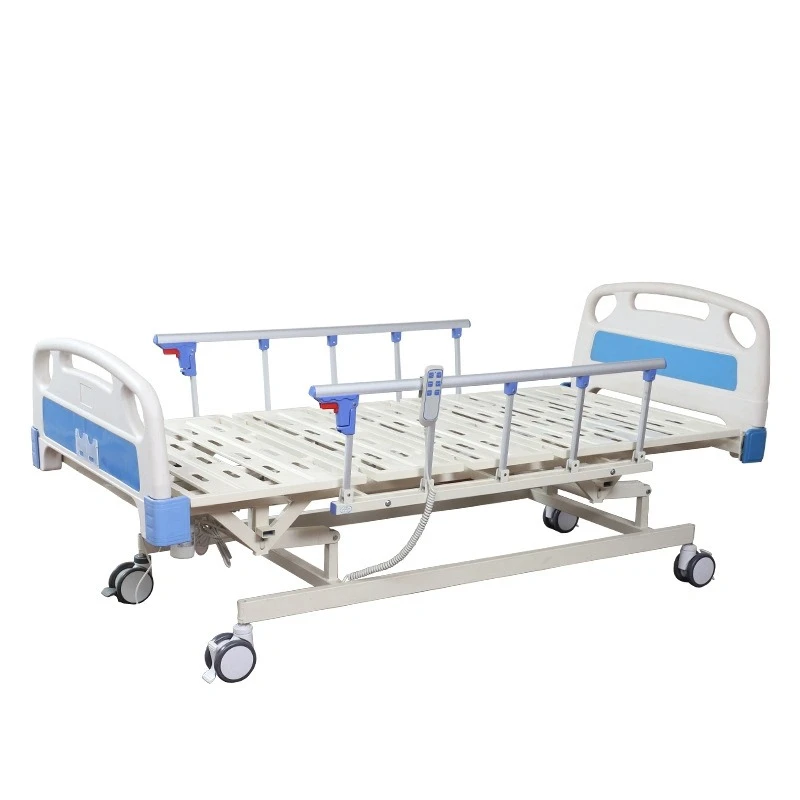
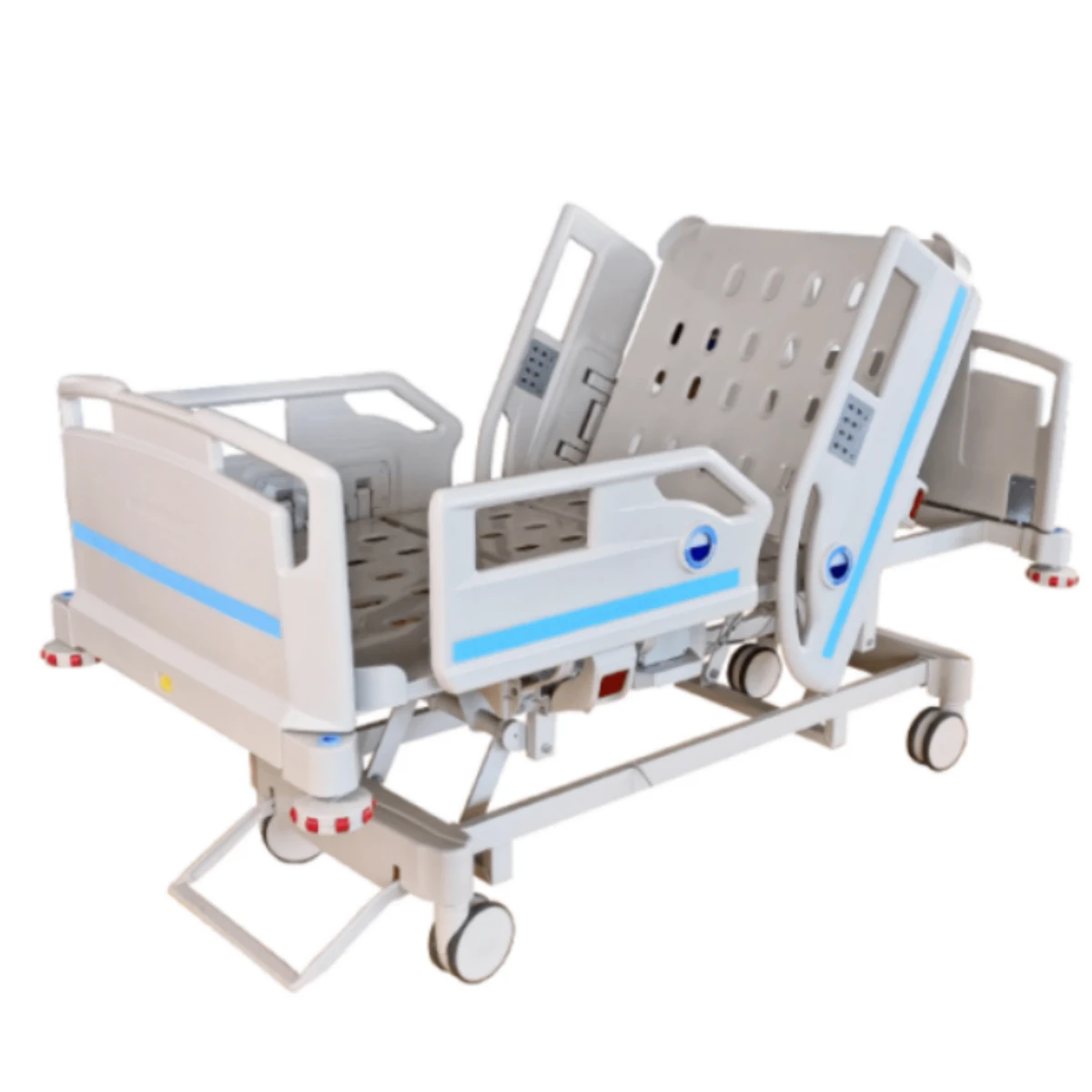
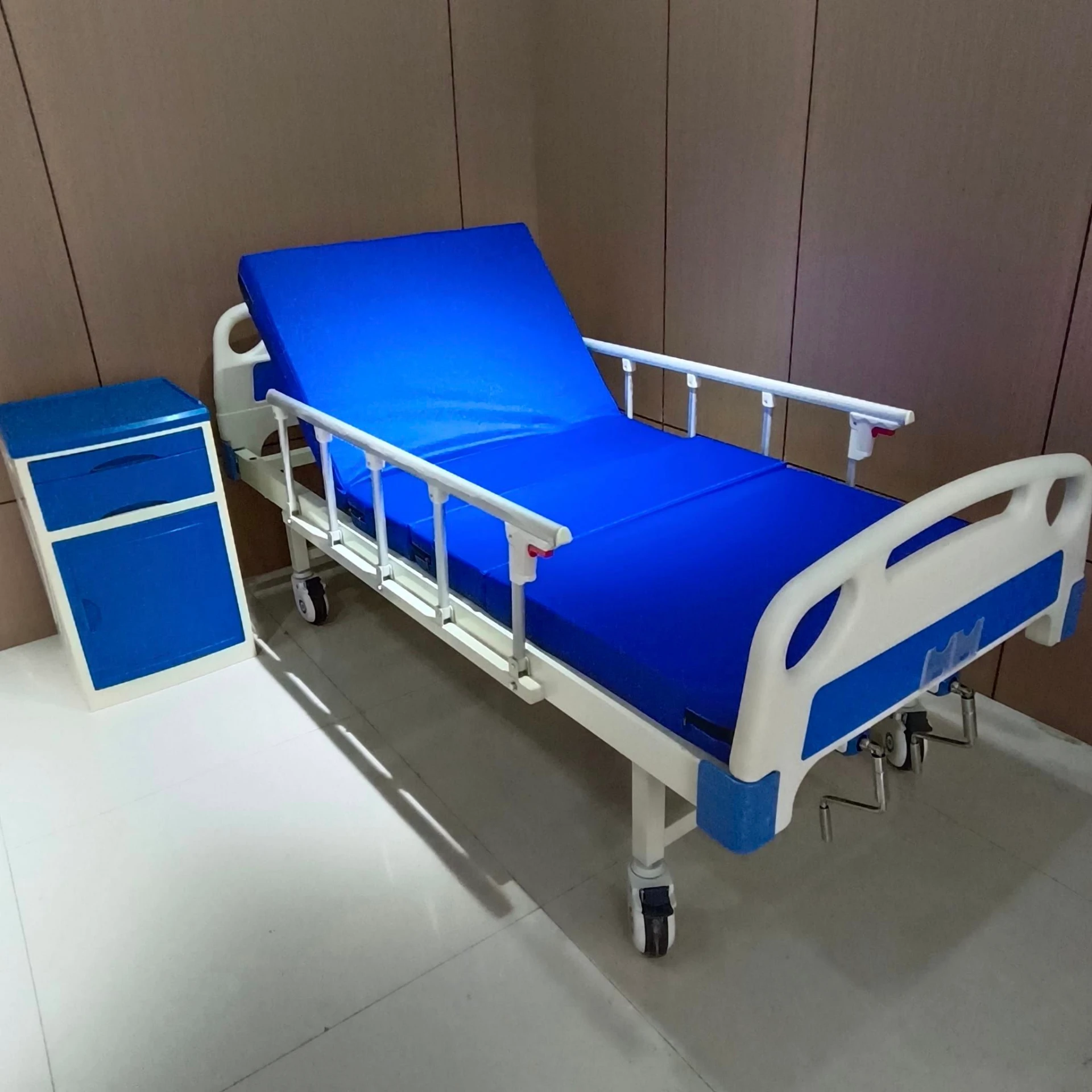
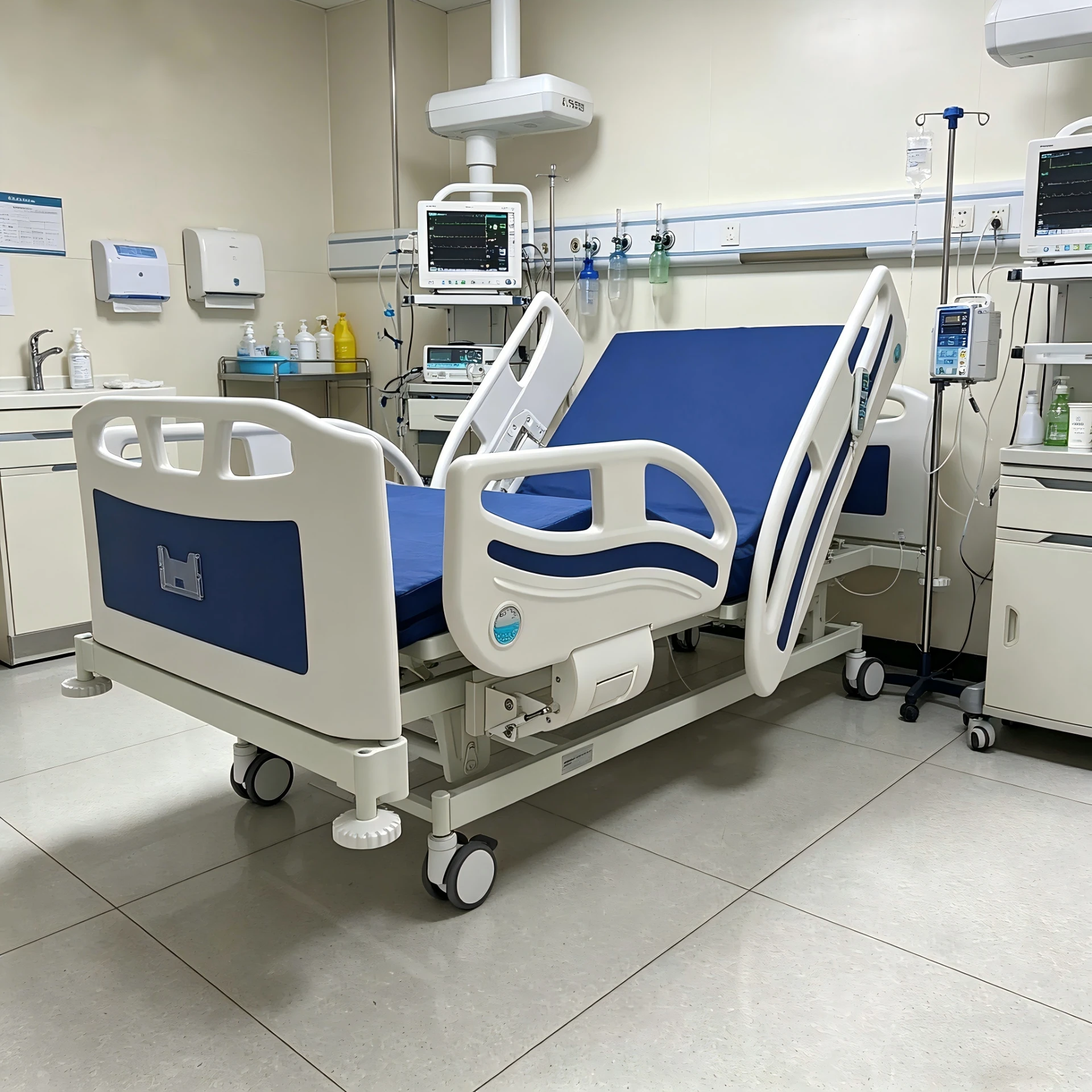
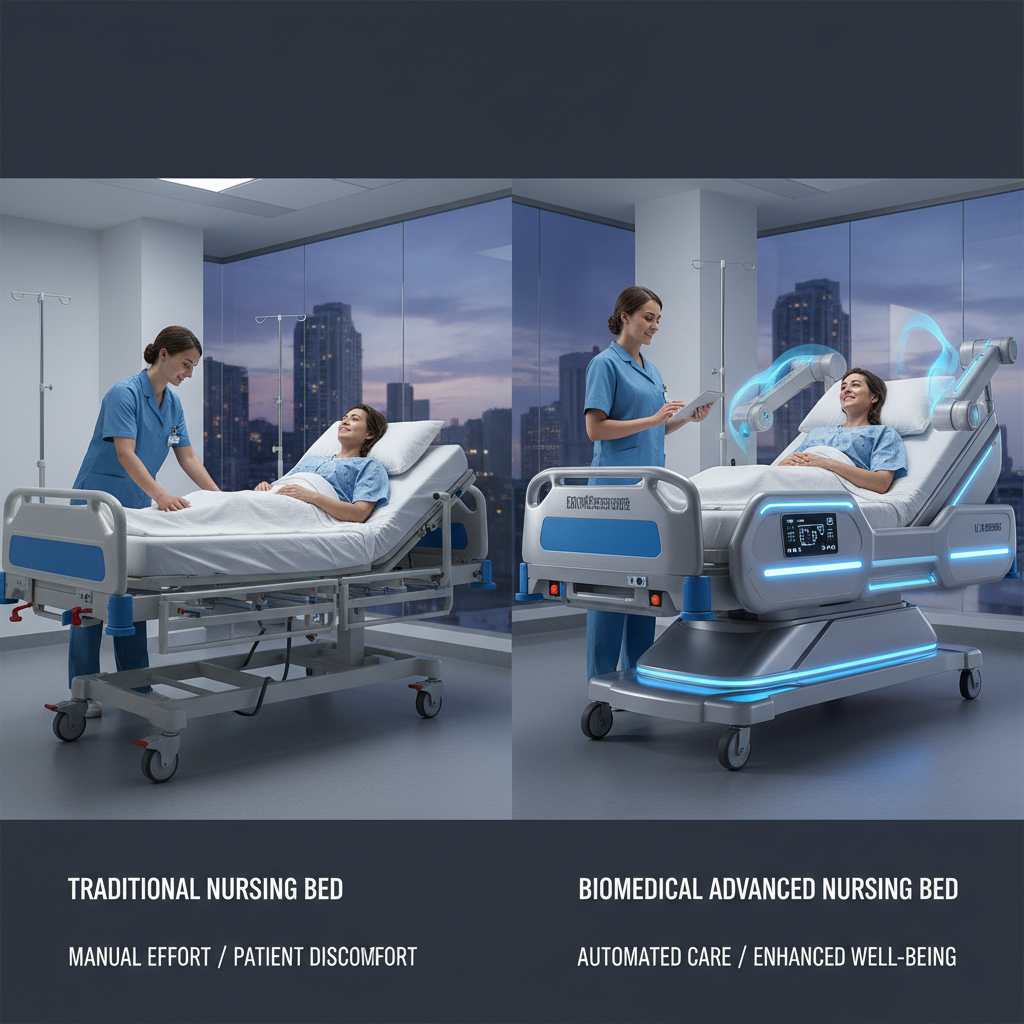
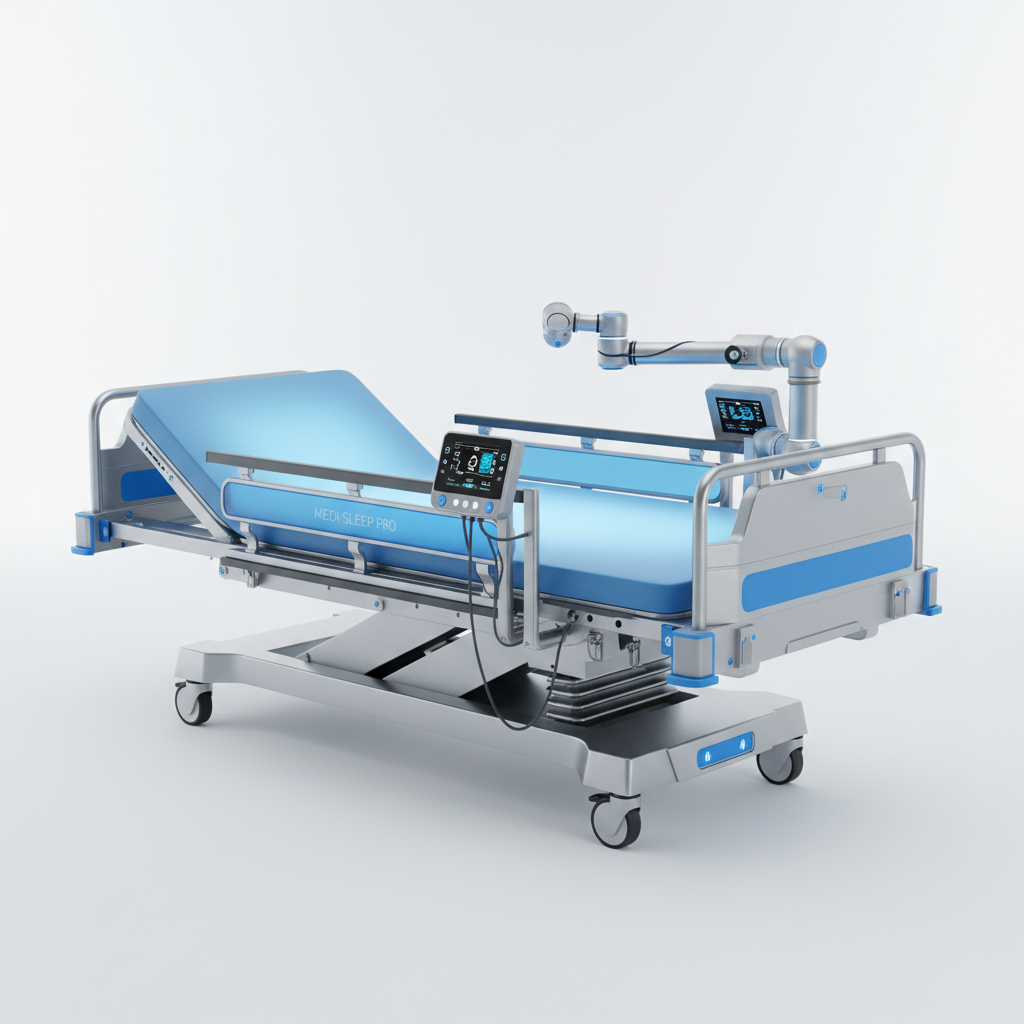
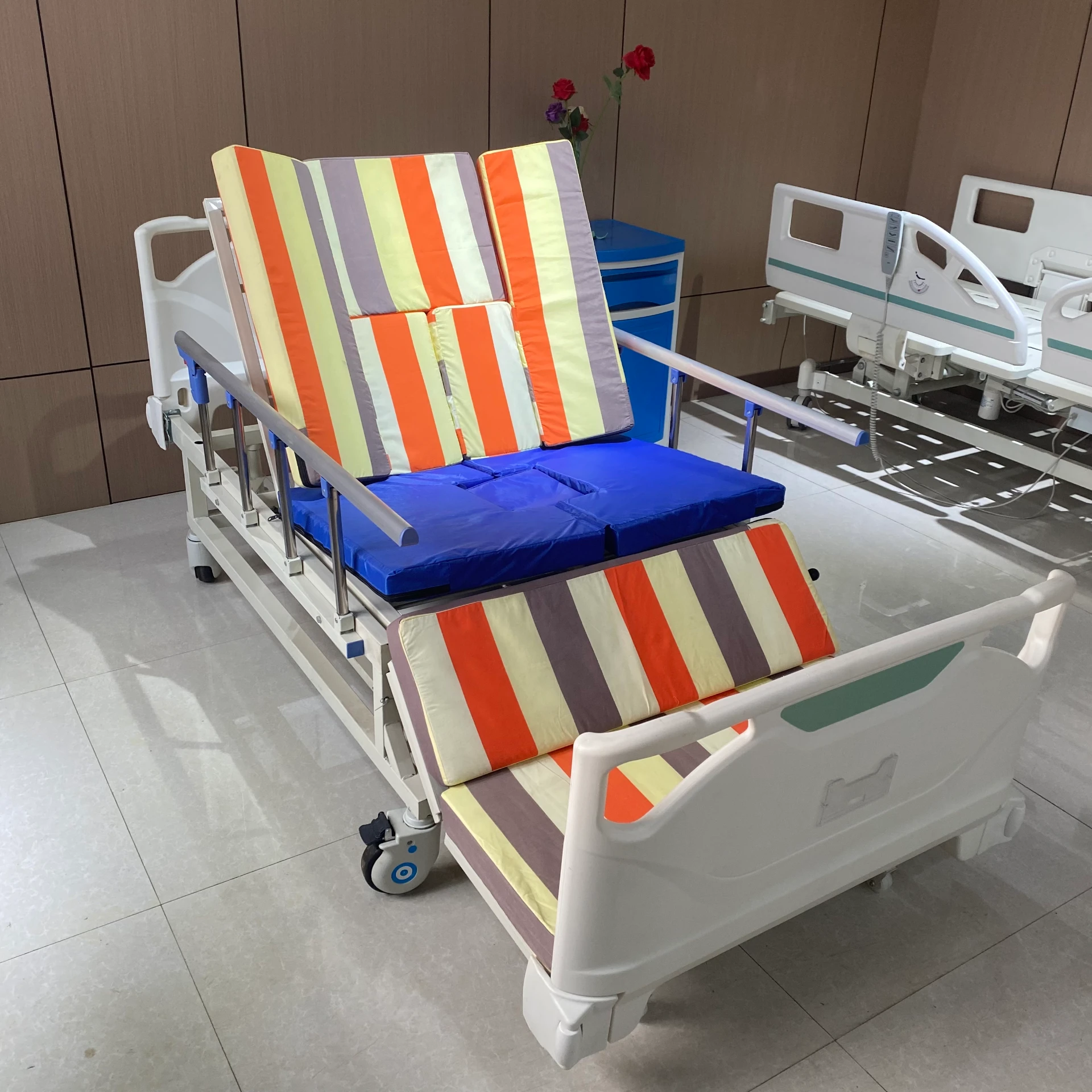
The market offers a diverse range of hospital beds, each designed for specific purposes. Manual hospital beds are the most affordable option, relying on hand cranks to adjust the bed's position. Semi-electric beds combine manual cranks for some functions with electric controls for others, such as bed height adjustment. Full-electric beds provide complete electric control over all bed features, offering maximum convenience for both patients and caregivers. Specialty beds, like bariatric beds and low-air-loss beds, cater to patients with unique medical needs. Selecting the right type of bed depends heavily on the patient's level of mobility, care requirements, and budget. ZF Medicare offers a wide selection to meet varied requirements.
Key Takeaway: Carefully evaluate the patient’s needs and anticipated level of care when choosing between manual, semi-electric, full-electric, and specialty hospital beds.
Essential Features to Look for in a Hospital Bed
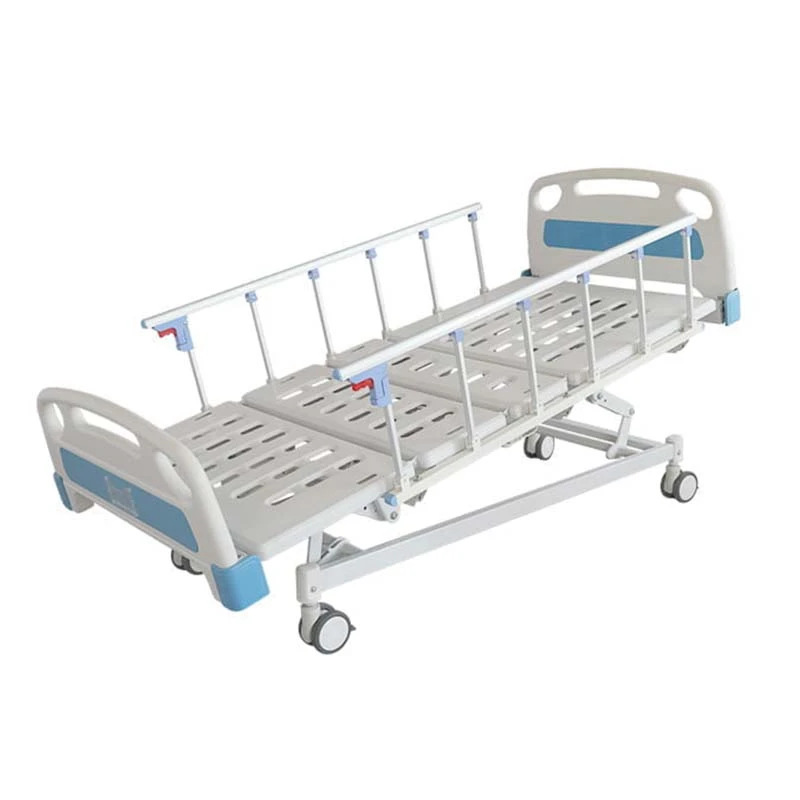
Beyond the basic type of bed, several features contribute to patient comfort and caregiver efficiency. Adjustable height is crucial for safe patient transfers and caregiver ergonomics. Head and foot adjustment allows patients to find comfortable positions for reading, eating, or resting. Side rails enhance patient safety, preventing falls. Built-in IV poles provide convenient access for intravenous fluids. Under-bed clearance is important for accommodating monitoring equipment or personal belongings. Consider features like trendelenburg and reverse trendelenburg positioning for specific medical conditions. The more features a bed has, the more adaptable it is to various care scenarios.
Key Features Checklist:
• Adjustable Height & Position
• Side Rails for Safety
• IV Pole Integration
• Adequate Under-bed Clearance
Hospital Bed for Sale: Comparing Models & Pricing
Pricing for a hospital bed for sale varies significantly depending on the type, features, and brand. Manual beds typically range from $500 to $1,500, while semi-electric beds can cost between $1,000 and $3,000. Full-electric beds often fall within the $2,000 to $5,000 range, and specialty beds can exceed $5,000. Considering long-term costs, including maintenance and potential repairs, is crucial. Comparing different models based on their specifications and reviews is essential.
Factors to Consider When Purchasing a Hospital Bed
Several factors beyond price and features impact your decision. Weight capacity is critical, particularly for bariatric patients. Mattress compatibility ensures comfort and pressure relief. Warranty and service provide peace of mind and protect your investment. Delivery and installation options should be considered, especially for larger or more complex beds. Ease of cleaning and maintenance are important for hygiene and longevity. Finally, ensure the bed meets all relevant safety standards and regulations.

Where to Buy: Choosing a Reliable Supplier
Selecting a reputable supplier is essential. Look for companies with a strong track record, positive customer reviews, and a commitment to quality. ZF Medicare is a trusted provider of hospital beds and medical equipment, offering a wide range of options and excellent customer support. Consider factors like shipping costs, return policies, and the availability of technical assistance when choosing a supplier. Don't hesitate to ask questions and compare quotes from multiple vendors.
Conclusion: Investing in Comfort and Care
Choosing the right hospital bed for sale is a crucial step in providing quality care. By carefully considering the patient's needs, available features, budget, and supplier reliability, you can make an informed decision that enhances comfort, safety, and overall well-being. Invest in a bed that supports both the patient and the caregiver, ensuring a positive healthcare experience.
Frequently Asked Questions (FAQs)
What is the average lifespan of a hospital bed?
With proper maintenance and care, a high-quality hospital bed can last between 7 to 10 years. However, this can vary depending on the frequency of use, the type of bed, and the environmental conditions it’s exposed to. Regular inspections, lubrication of moving parts, and adherence to the manufacturer's recommendations are key to extending its lifespan. Consider the initial investment and potential long-term cost-effectiveness when selecting a bed.
Are hospital beds covered by insurance?
Insurance coverage for hospital beds varies widely depending on your insurance plan, the medical necessity of the bed, and whether it's for home use or a facility. Generally, insurance is more likely to cover a hospital bed if a physician prescribes it as medically necessary for a specific condition. It's crucial to contact your insurance provider directly to understand your coverage details and required documentation.
What mattress should I use with a hospital bed?
Hospital beds require specialized mattresses designed to provide pressure relief and prevent skin breakdown. Foam mattresses, gel mattresses, and alternating pressure mattresses are commonly used. The choice depends on the patient’s risk of pressure ulcers and specific needs. Ensure the mattress is the correct size for the bed and meets relevant safety standards. ZF Medicare can advise on compatible mattress options.
How do I clean and disinfect a hospital bed?
Regular cleaning and disinfection are crucial to prevent the spread of infection. Use a hospital-grade disinfectant cleaner according to the manufacturer's instructions. Pay attention to frequently touched surfaces like side rails, bed controls, and mattress surfaces. Ensure proper ventilation during cleaning. Follow infection control protocols recommended by healthcare professionals.