Comfortable and Safe Manual Nursing Beds for the Elderly
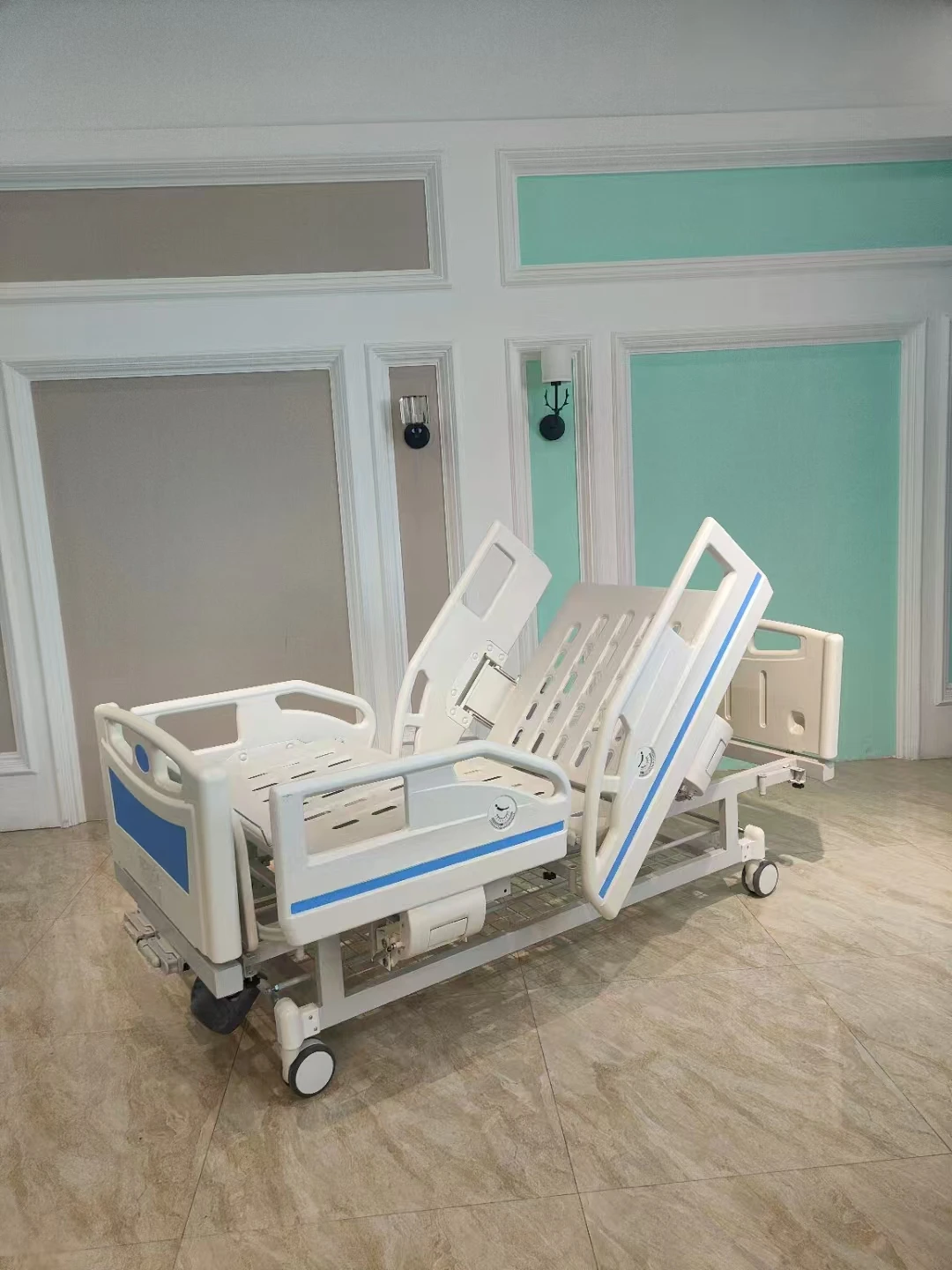
Manual nursing beds designed for the elderly provide essential comfort, safety, and ease of use in clinics, care centers, and home settings. With adjustable head and foot sections, sturdy frames, and user-friendly mechanisms, these beds support daily care activities while ensuring patient safety. Hebei Zhaofa Technology Co., LTD manufactures high-quality beds that meet ISO13485 and CE standards, delivering reliable and durable solutions for elderly care.
Key Features of a Designed-for-the-Elderly Manual Nursing Bed
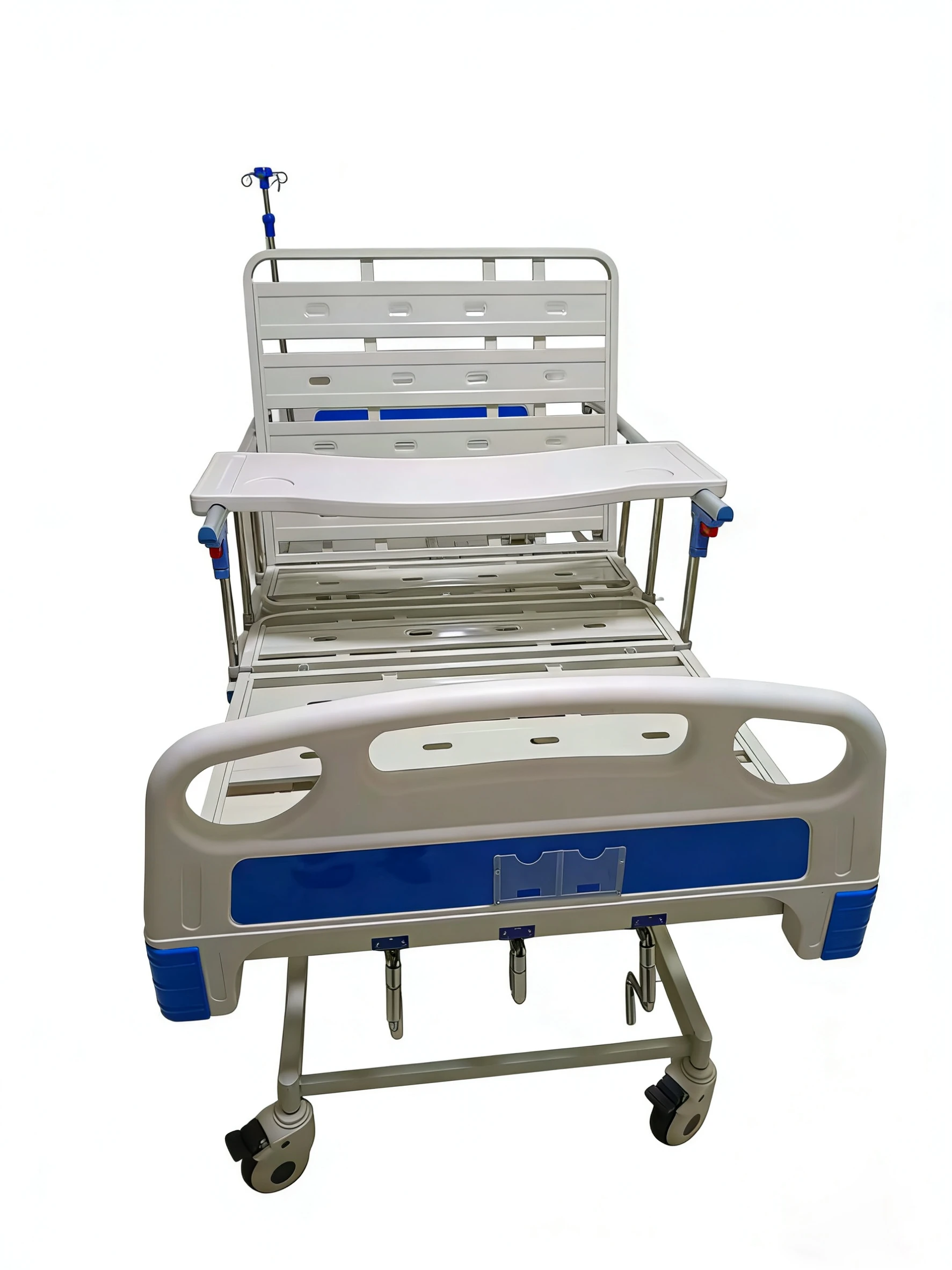
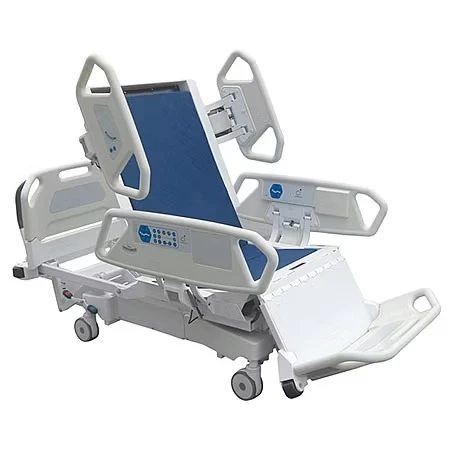
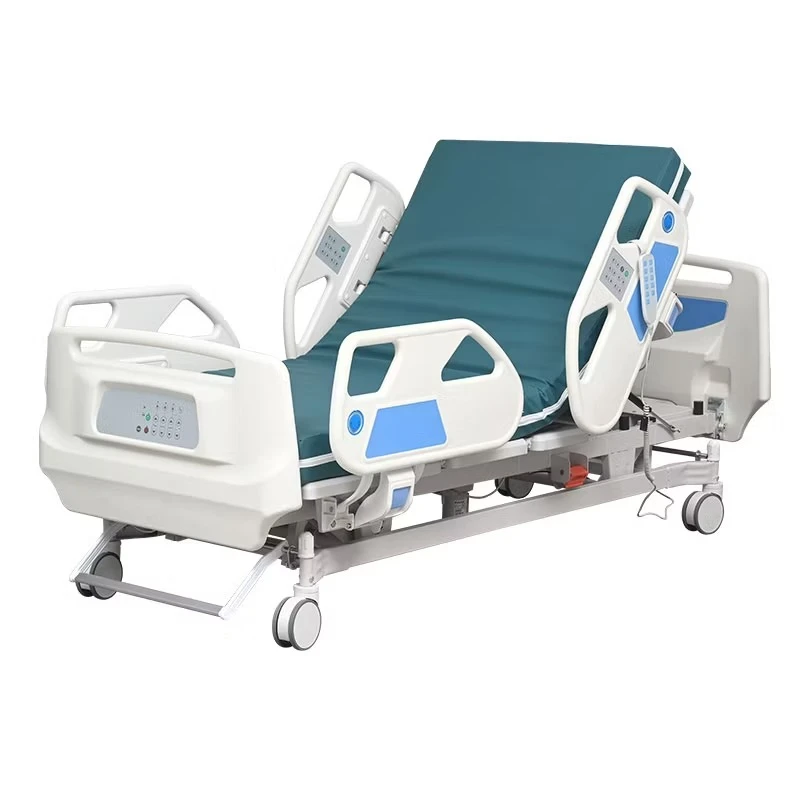
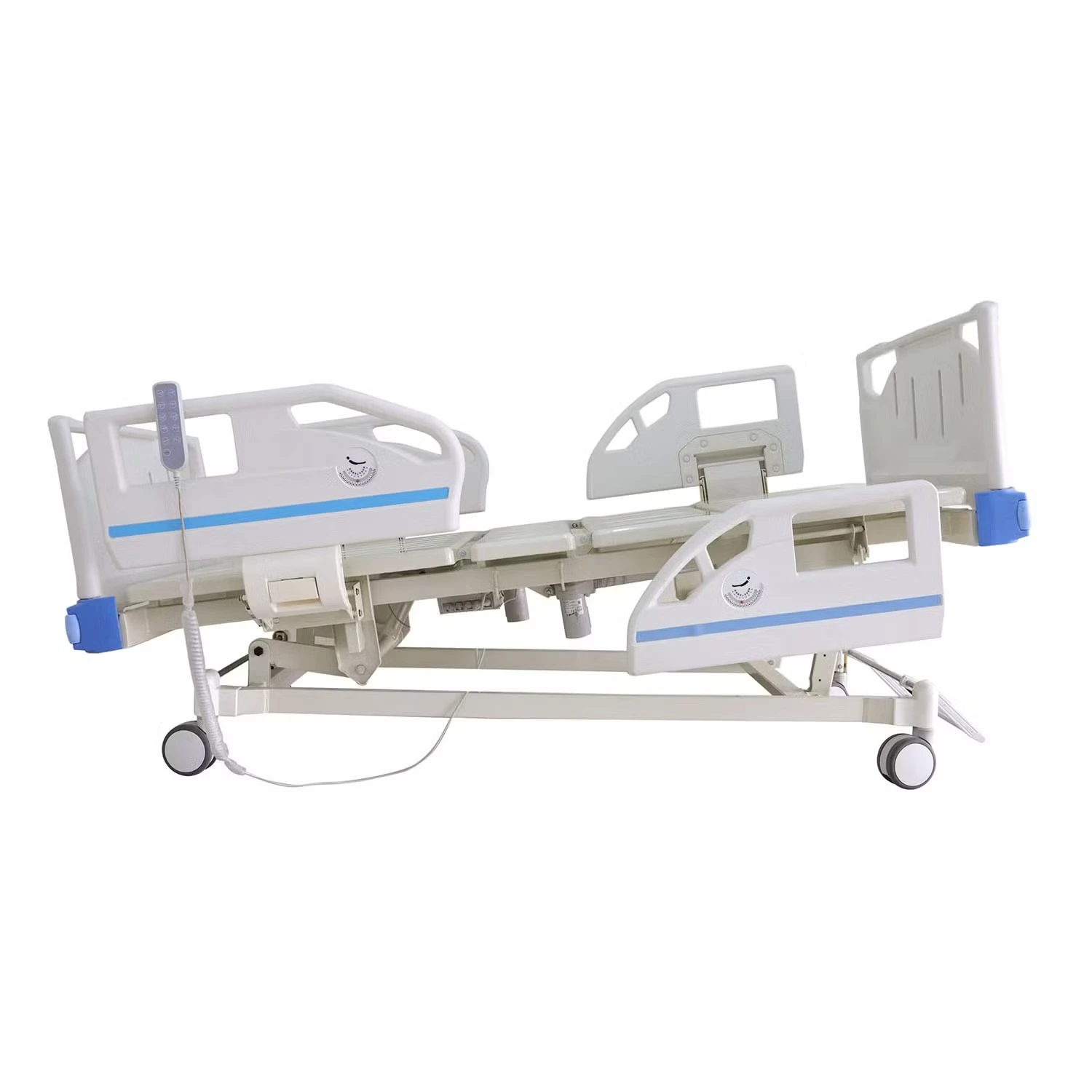
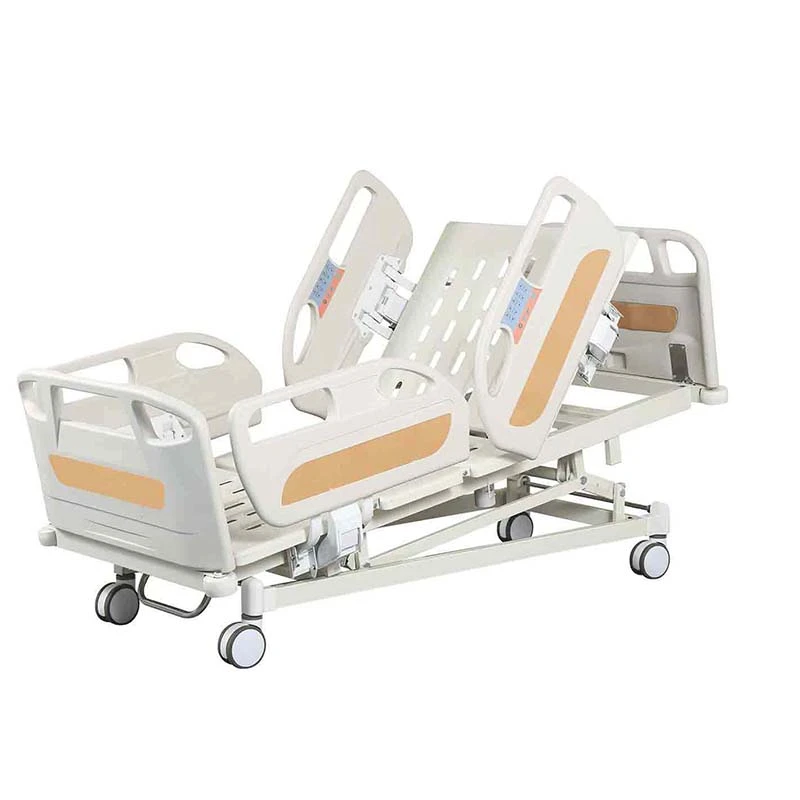
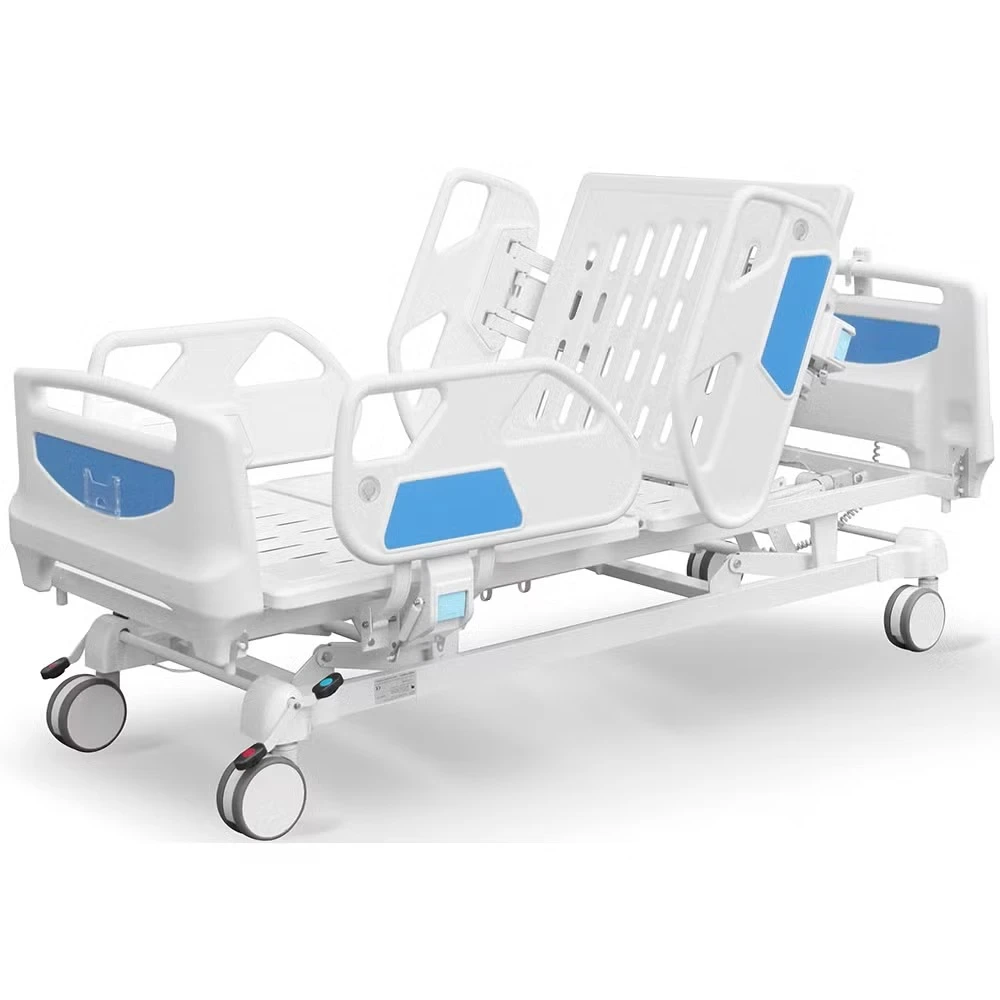
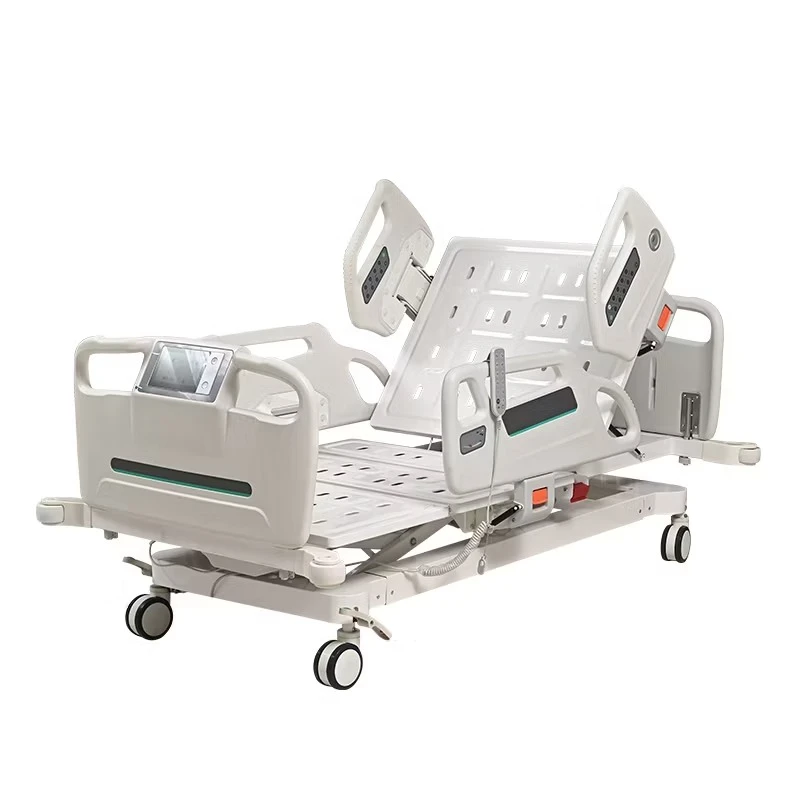
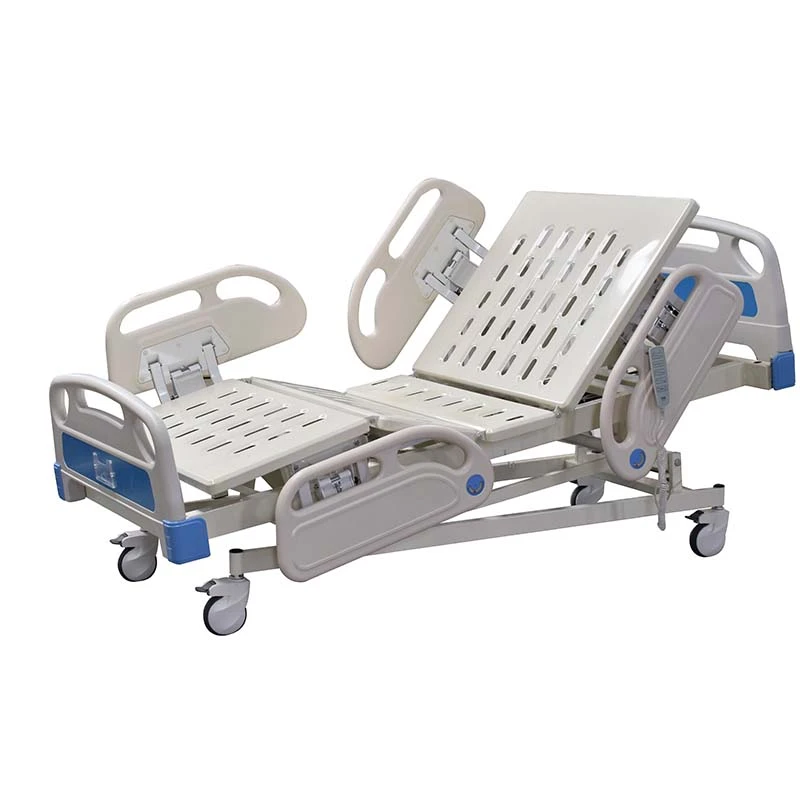
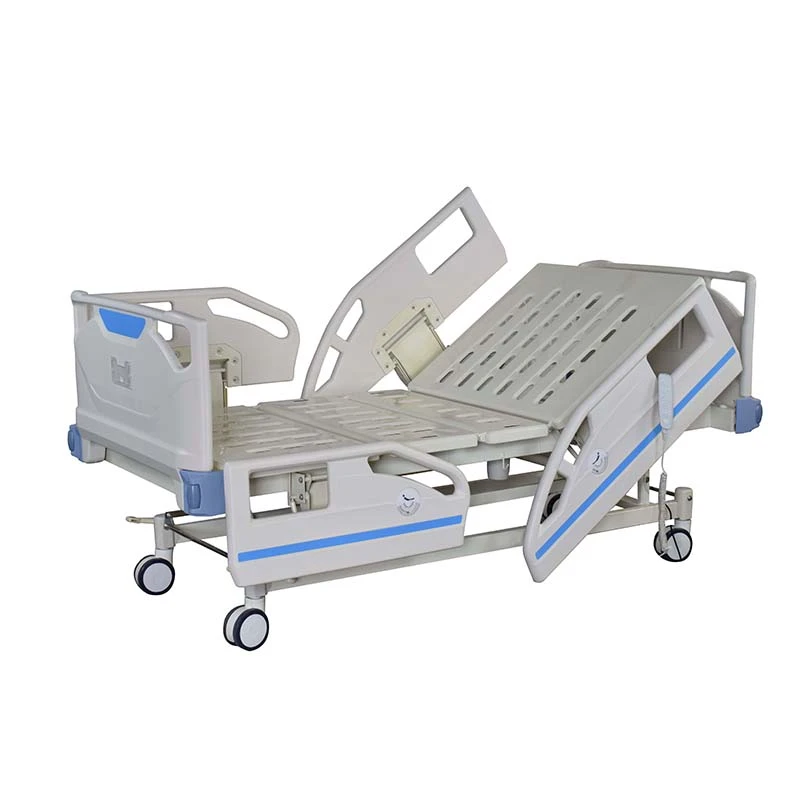
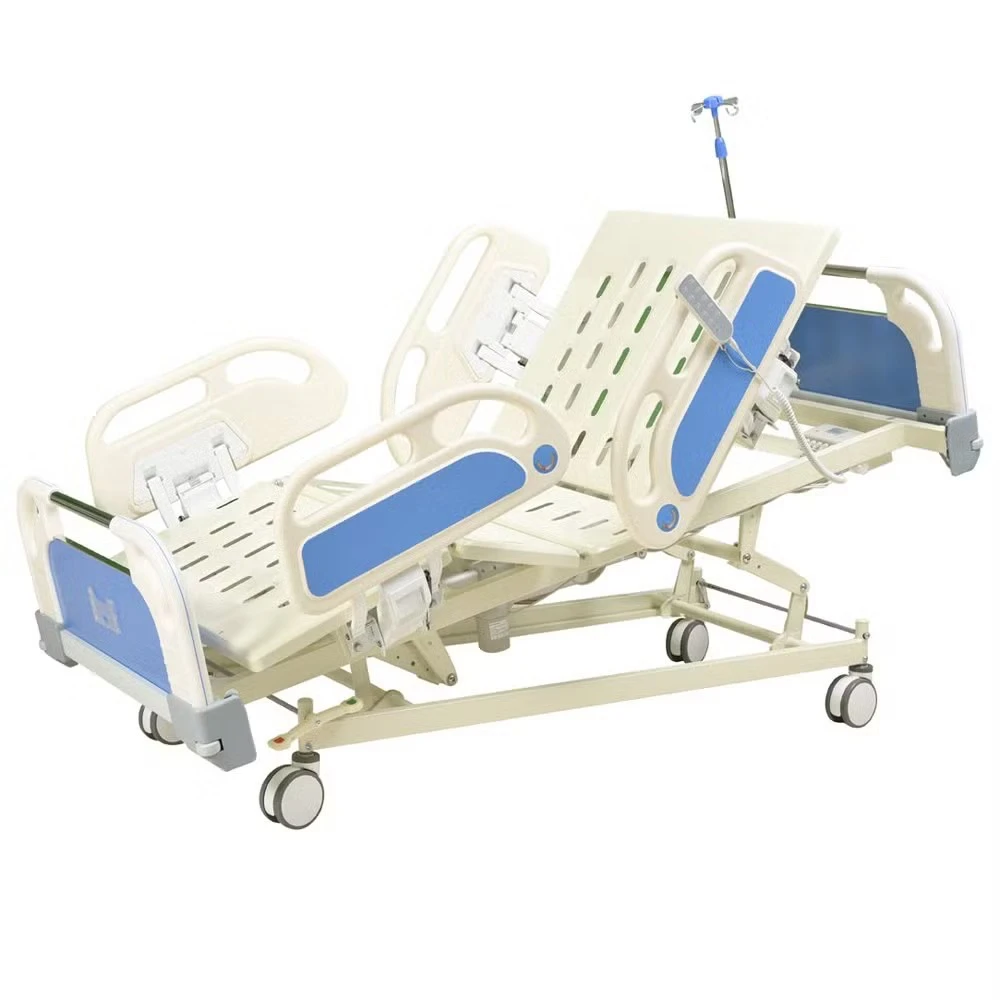
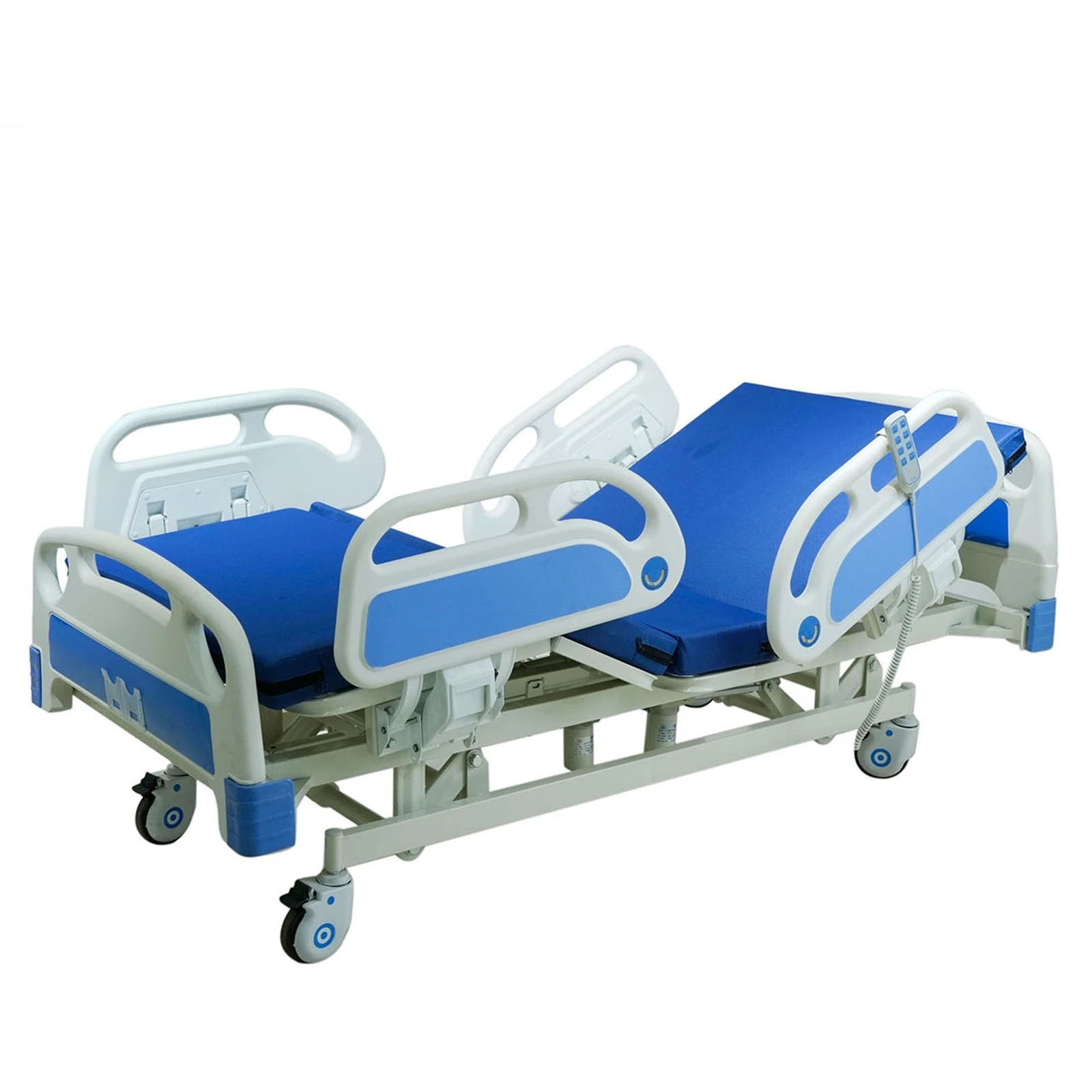
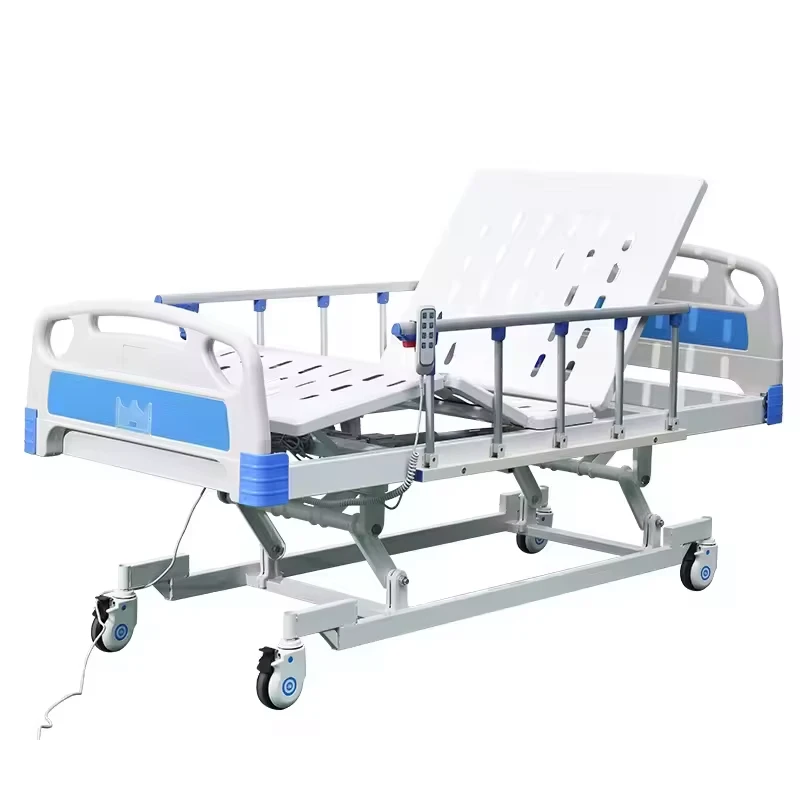
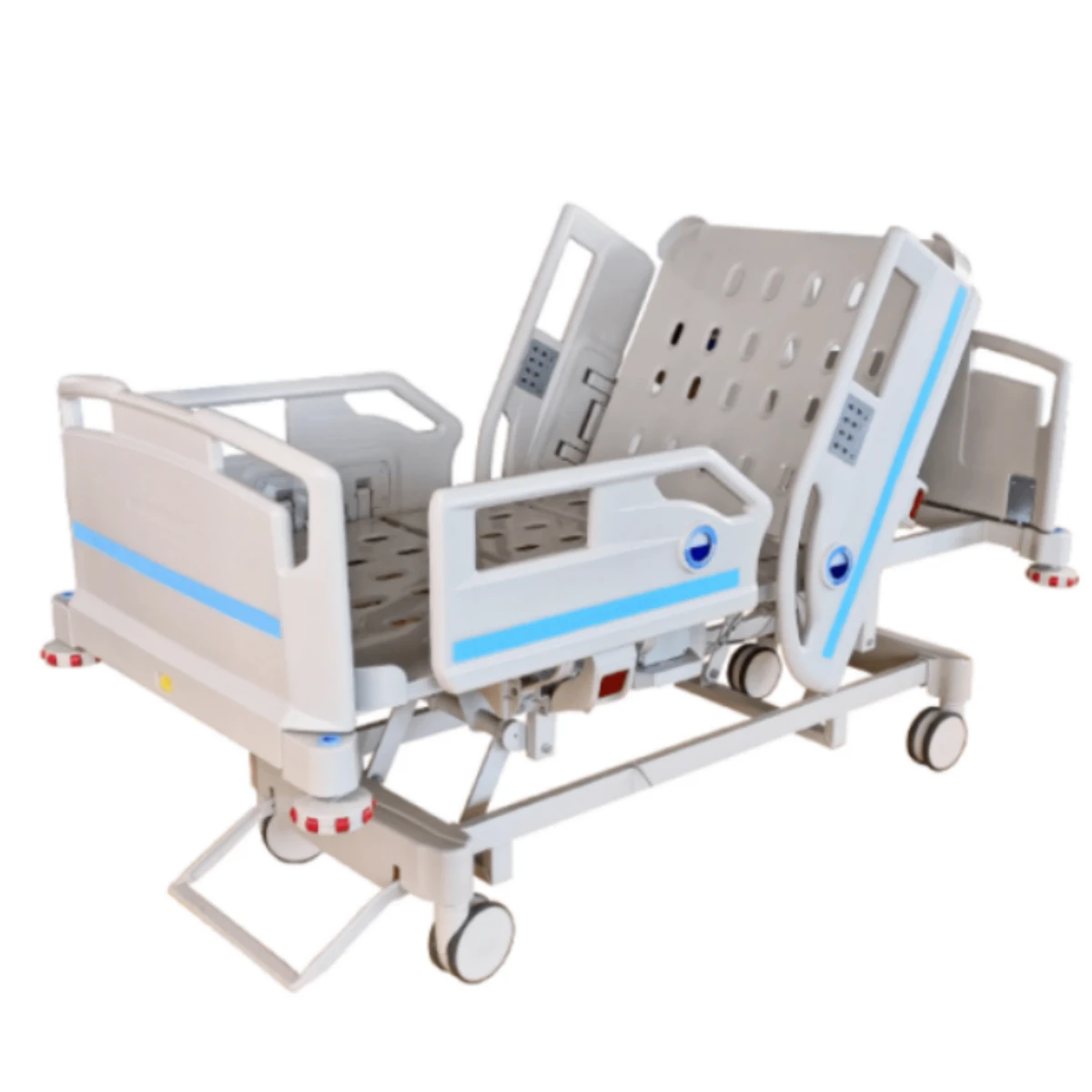
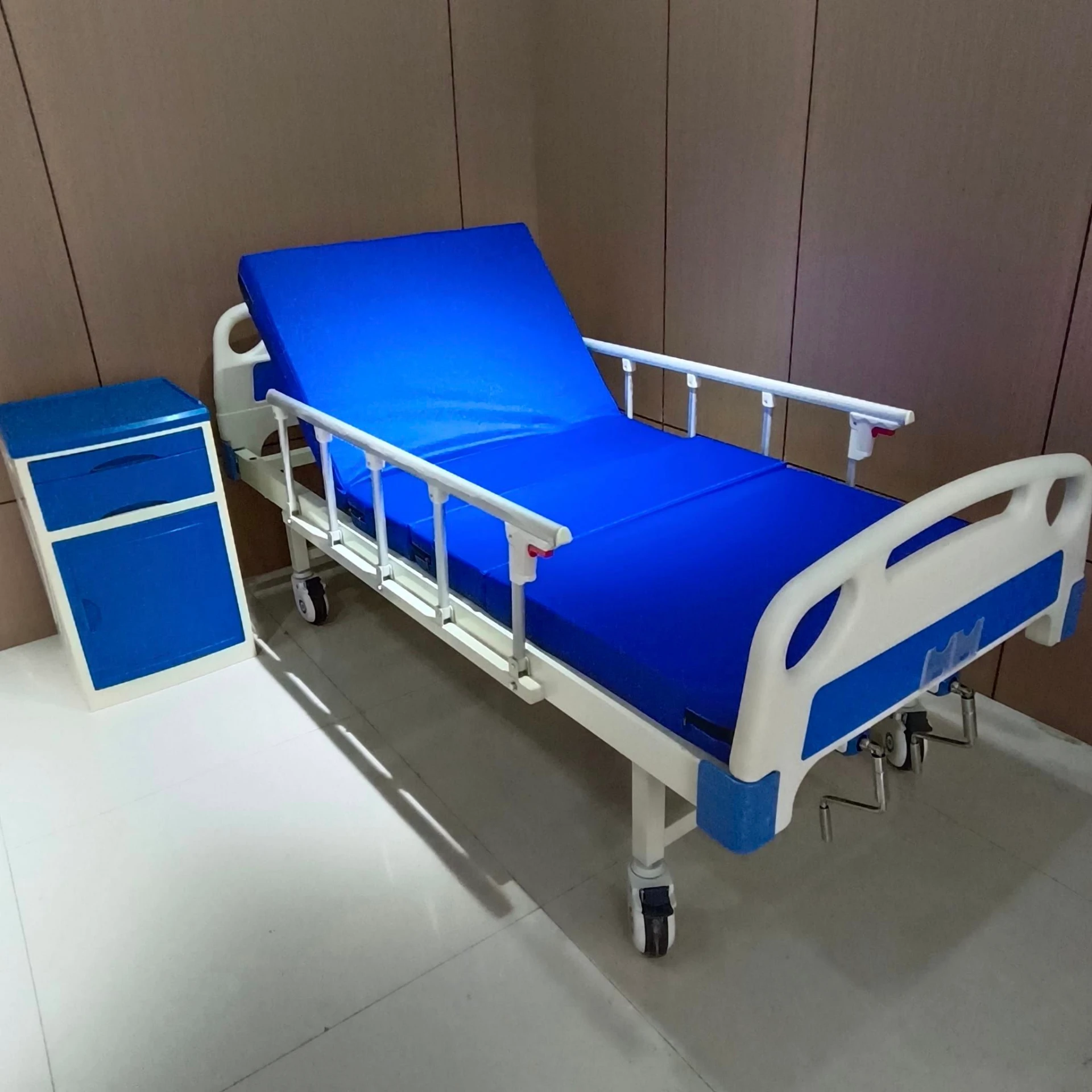
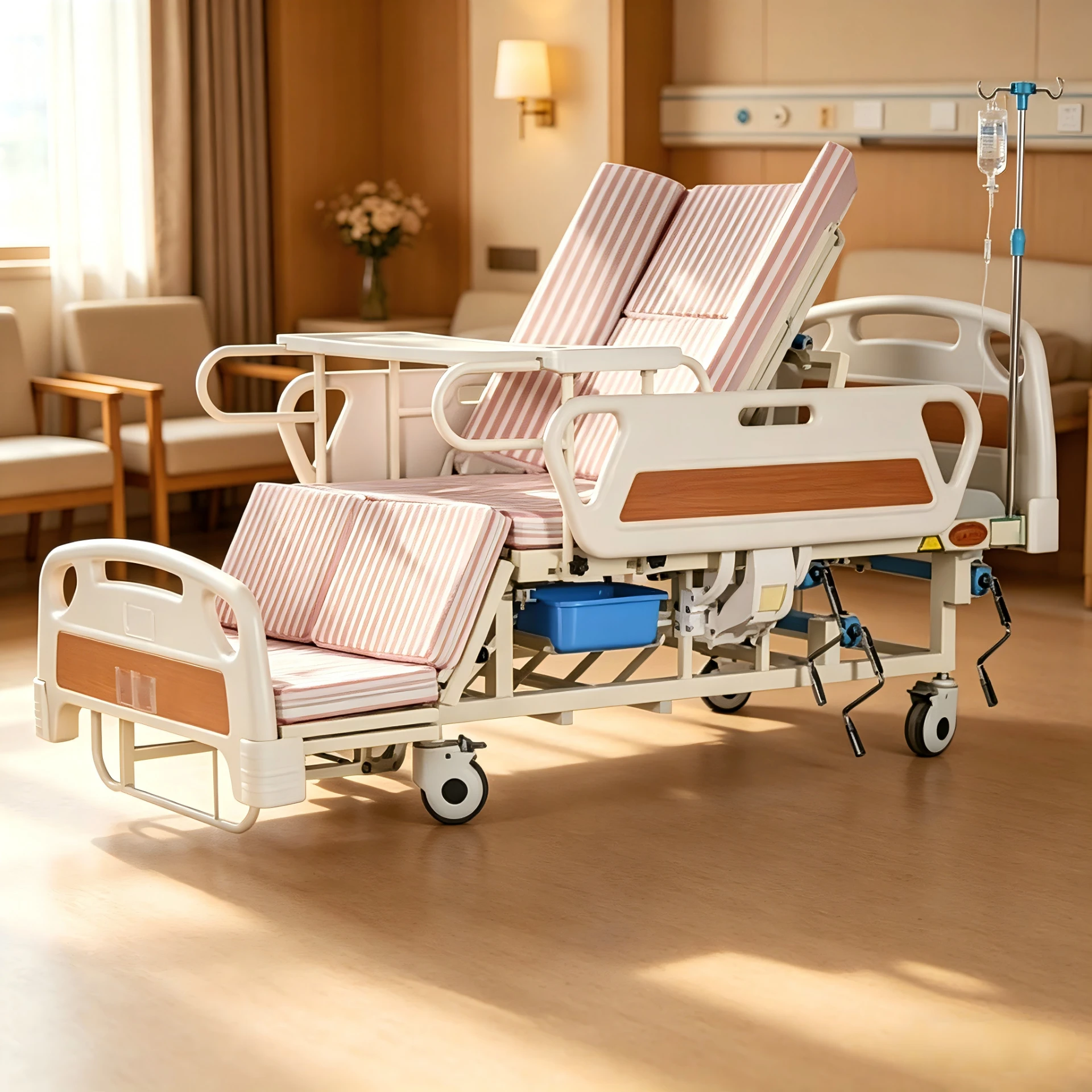
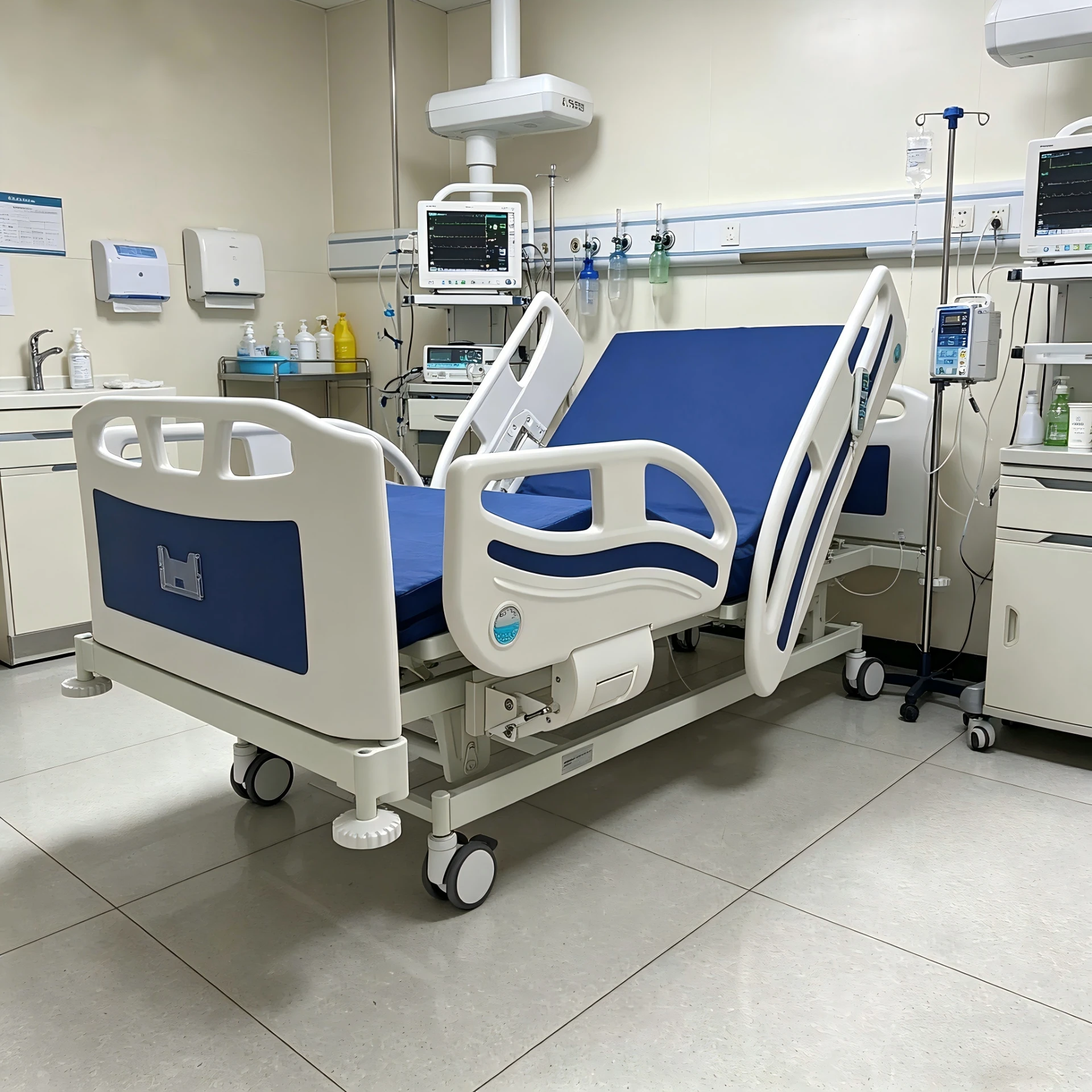
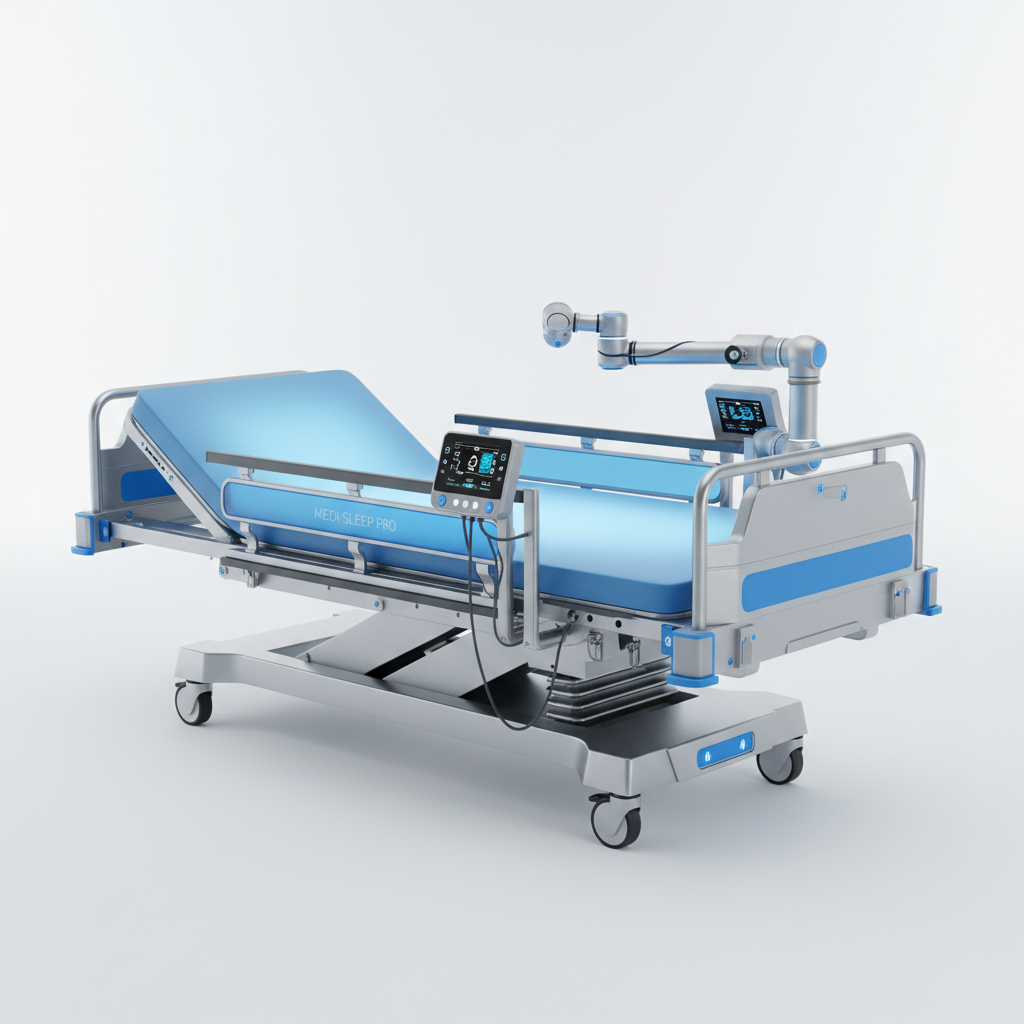
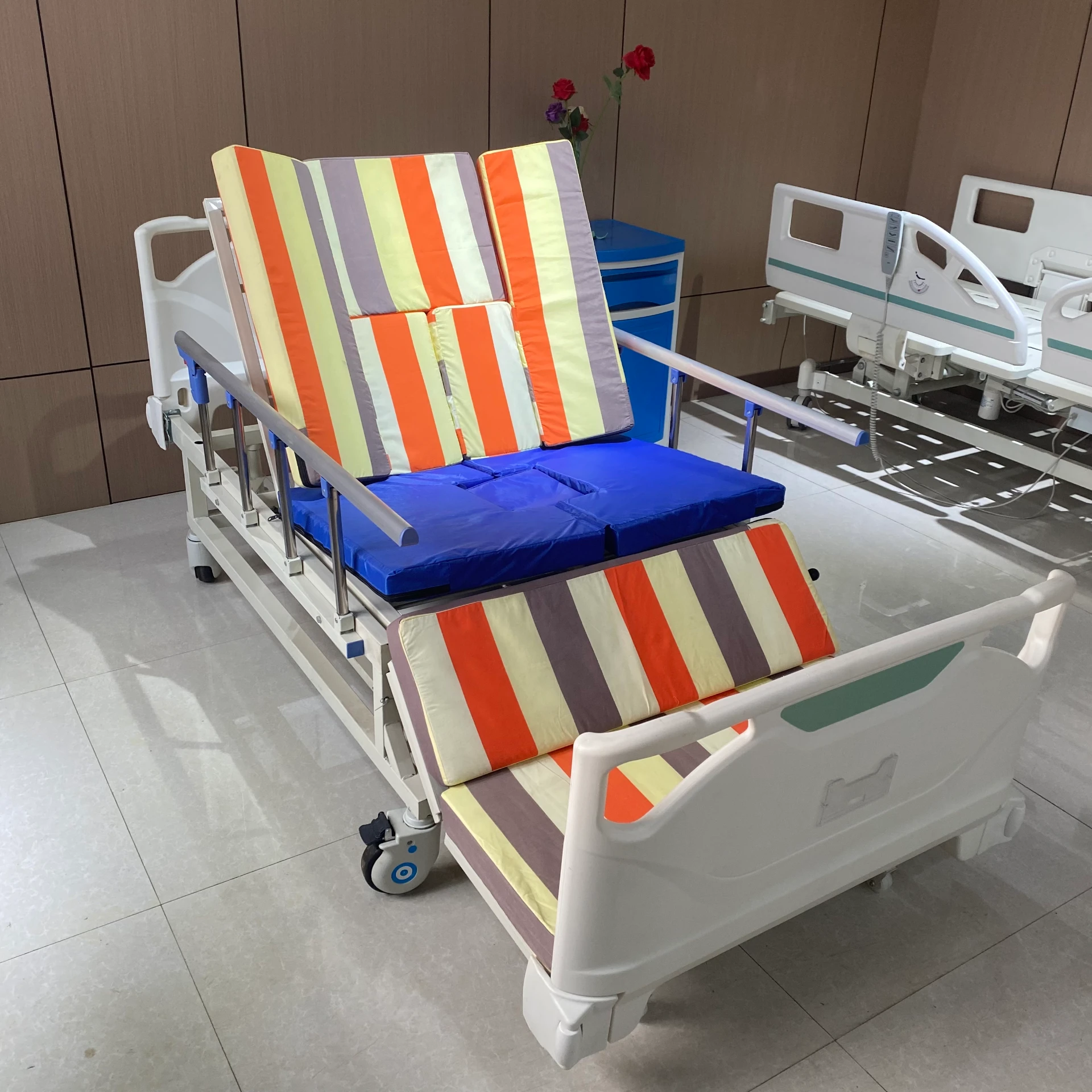
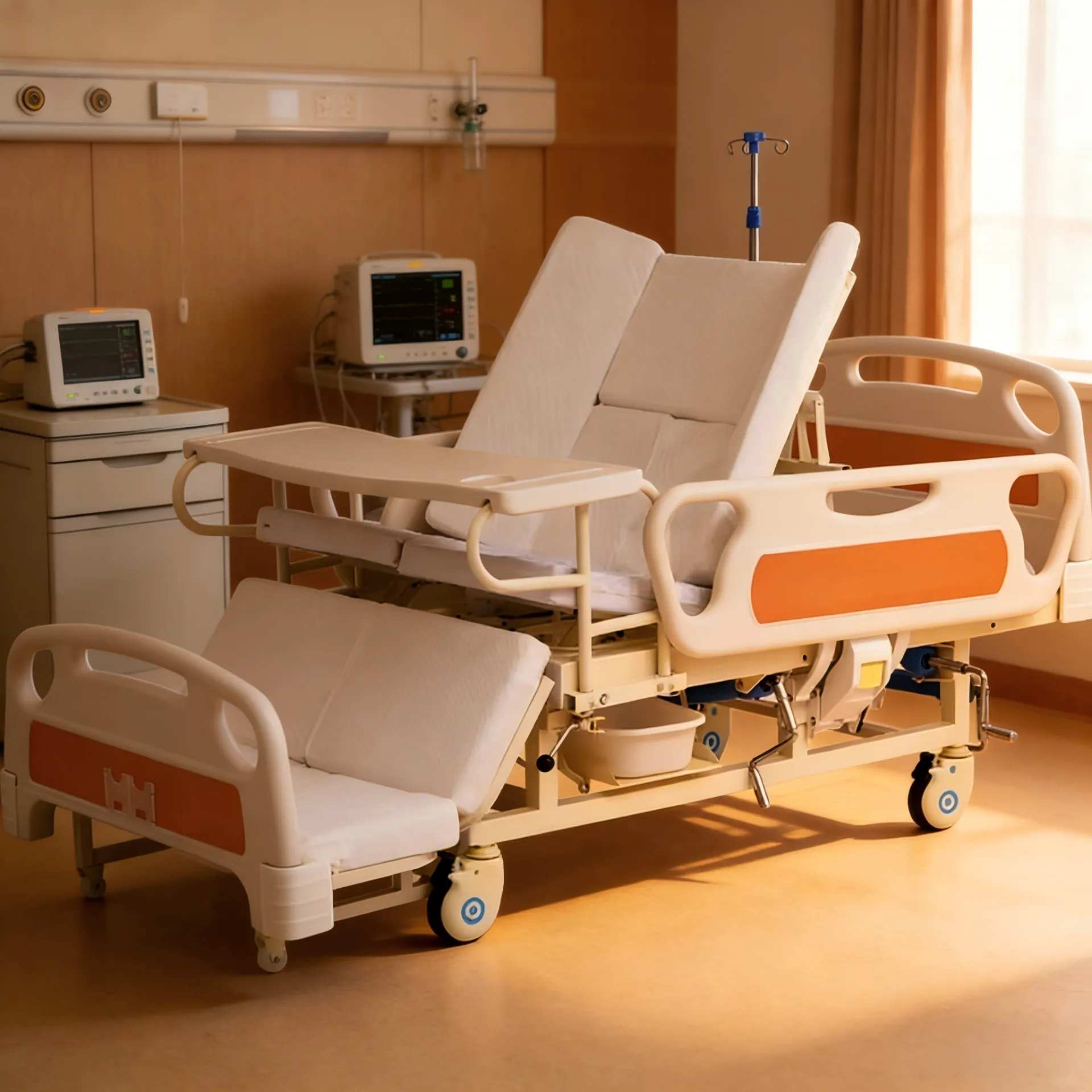
A designed-for-the-elderly manual nursing bed is an essential tool for providing comfort, safety, and mobility support for elderly patients in clinics, care centers, or at home. Unlike standard hospital beds, these beds are specifically engineered to meet the needs of older adults who may have limited mobility, chronic illnesses, or require long-term care. The primary function of a manual nursing bed is to allow caregivers to adjust the head and foot sections of the bed manually, helping patients sit, rest, or lie flat with minimal effort. This feature improves comfort, facilitates better circulation, and supports essential activities such as eating, reading, or physical therapy.
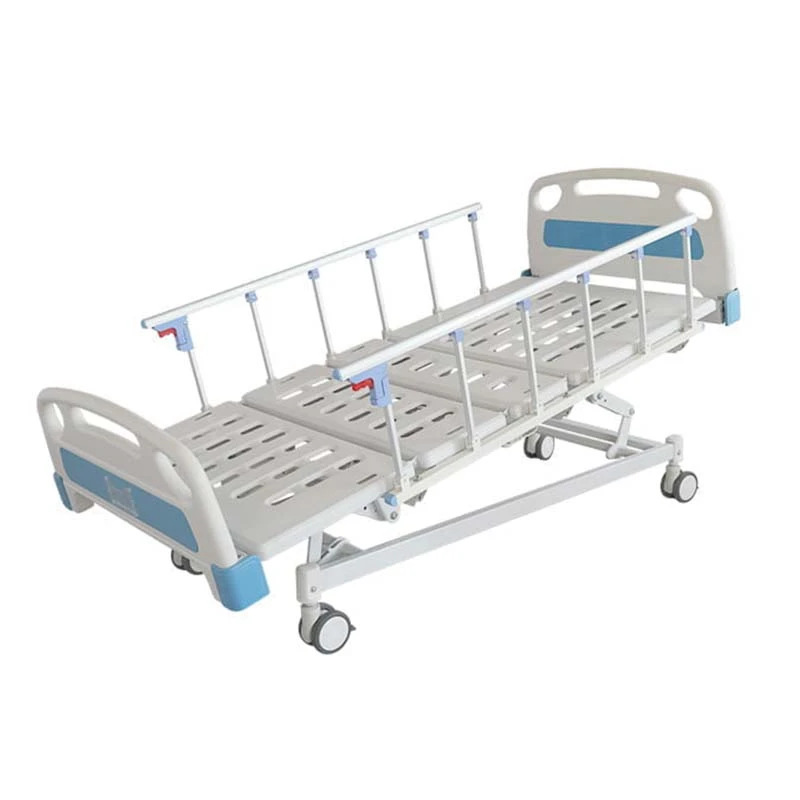
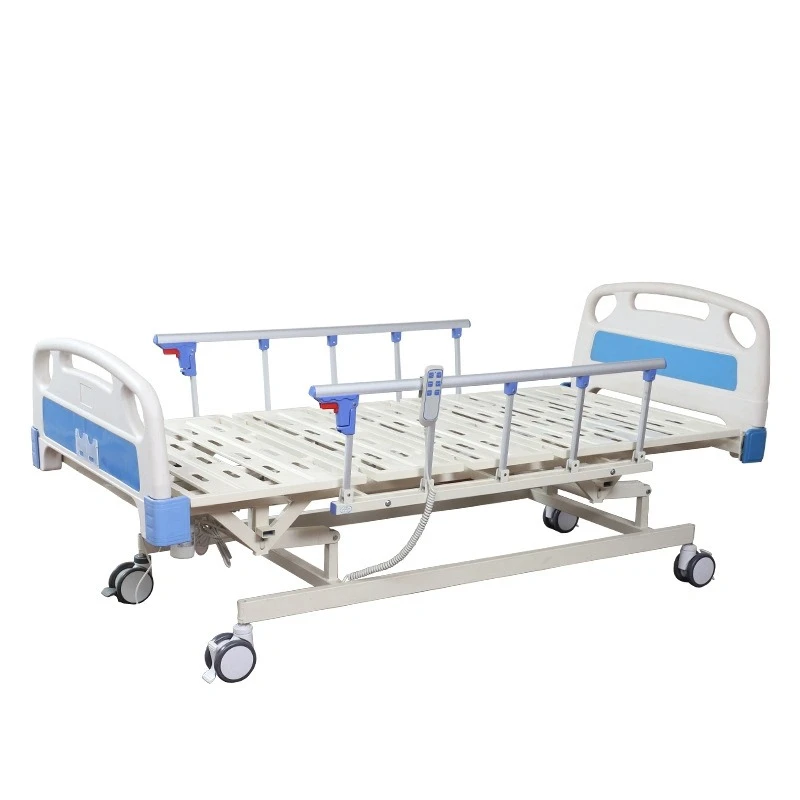
Safety is a critical aspect of nursing beds for the elderly. Most models come with sturdy side rails to prevent falls and ensure stability during adjustments. Beds are built with robust steel frames that can support patients of varying weights, ensuring durability and reliability over years of daily use. Additionally, the height of the bed can often be adjusted to make it easier for patients to get in and out, reducing the risk of accidents for both patients and caregivers.
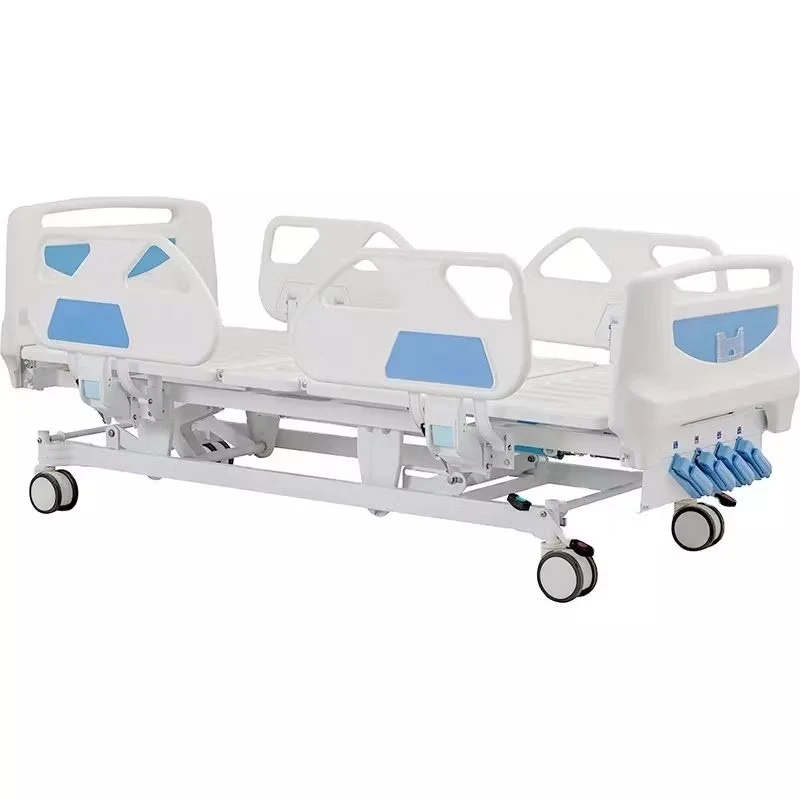
Another key feature is ease of operation. Manual nursing beds employ simple hand cranks or levers to adjust positions, which is advantageous for facilities without access to electrical power or where simplicity is preferred for quick adjustments. This ensures that caregivers can position patients comfortably without needing extensive technical training. The bed surface is designed for hygiene and easy cleaning, often made with corrosion-resistant and smooth materials that comply with clinical standards.
Hebei Zhaofa Technology Co., LTD, founded in 2014 in northern China, manufactures high-quality manual nursing beds designed for the elderly. With over ten years of production experience and a 5,000-square-meter facility, the company operates complete production lines, welding workshops, spray and shot-blasting workshops, and packaging areas. Their strict quality management system, ISO13485 and CE certifications, and professional production equipment ensure that every bed meets international standards for safety, durability, and functionality. By combining robust design and reliable manufacturing, Hebei Zhaofa delivers nursing beds that enhance patient comfort, safety, and overall quality of care.
Why Manual Nursing Beds Are Ideal for Elderly Care at Home or Clinics
Manual nursing beds are increasingly preferred in elderly care settings because they balance practicality, safety, and affordability. These beds are particularly suitable for clinics, care centers, and home environments where patients require regular monitoring, support for daily activities, or mobility assistance. Their simple mechanical design allows caregivers to adjust positions easily, reducing strain while ensuring patients remain comfortable throughout the day.
One major advantage of manual nursing beds is their contribution to patient safety. Many elderly patients have limited mobility, making them susceptible to falls or injuries. Manual nursing beds designed for the elderly are equipped with side rails, stable frames, and anti-slip surfaces, significantly reducing the risk of accidents. Adjustable head and foot sections enable patients to assume positions that improve breathing, digestion, and circulation, enhancing their overall wellbeing.
Ease of maintenance is another reason these beds are favored in elderly care. Unlike electrical beds, manual models have fewer components that could malfunction, minimizing repair needs and reducing maintenance costs. The durable steel frames and corrosion-resistant surfaces ensure that beds remain functional and hygienic over time, even with frequent cleaning and disinfection. This durability makes them an economical choice for clinics and home care environments.
Hebei Zhaofa Technology Co., LTD manufactures high-quality manual nursing beds tailored to the elderly. Their facilities, covering 5,000 square meters with multiple workshops, allow them to maintain consistent quality throughout the production process. With ISO13485 and CE-certified products, Hebei Zhaofa ensures that each bed meets strict international standards for safety, comfort, and durability. Their focus on precise manufacturing and robust materials ensures that elderly patients receive beds that support daily activities while minimizing caregiver workload.
Furthermore, manual nursing beds from Hebei Zhaofa are designed for easy installation and operation, making them ideal for both professional healthcare environments and home use. By selecting these beds, care providers can ensure enhanced safety, comfort, and convenience, providing elderly patients with a reliable solution for day-to-day care and long-term health support.
How to Choose the Right Manual Nursing Bed for Elderly Patients
Choosing the right manual nursing bed for elderly patients requires careful consideration of several key factors, including patient needs, safety requirements, adjustability, and quality standards. Selecting an appropriate bed ensures not only patient comfort but also caregiver efficiency, safety, and long-term reliability in clinical or home care settings.
The first factor to consider is adjustability. Manual nursing beds should allow for independent adjustment of the head and foot sections, enabling patients to sit upright, lie flat, or elevate their legs for therapeutic purposes. Hand cranks or simple levers should be easy to operate, requiring minimal effort from caregivers. Beds with adjustable height options are also advantageous, as they simplify transfers in and out of the bed and accommodate patients with mobility challenges.
Safety is equally important. Beds designed for the elderly should include side rails, locking wheels, and stable frames to prevent falls and accidents. Durable construction ensures the bed can support patients of different weights without risk of structural failure. Non-slip surfaces and hygienic materials contribute to infection control, making the bed suitable for healthcare environments that require regular cleaning and disinfection.
Durability and quality standards are essential considerations. Hebei Zhaofa Technology Co., LTD manufactures manual nursing beds that meet ISO13485 and CE standards, ensuring compliance with international safety and quality requirements. With over ten years of production experience and advanced facilities covering 5,000 square meters, Hebei Zhaofa employs a complete production line, welding workshops, spray and shot-blasting workshops, and packaging facilities. Their strict quality control system guarantees that each bed is reliable, safe, and long-lasting.
Caregivers should also consider patient-specific needs, such as mobility, comfort preferences, and medical conditions. Hebei Zhaofa’s expertise in hospital beds, hydraulic lifts, bedside cabinets, wheelchairs, walkers, and crutches enables a comprehensive approach to patient care. Their manual nursing beds can be integrated with other care equipment, providing a full solution for elderly patient management and enhancing both safety and convenience.
In summary, selecting the right manual nursing bed involves evaluating adjustability, safety features, material quality, and patient-specific needs. By partnering with Hebei Zhaofa Technology Co., LTD, care providers can access high-quality beds designed specifically for elderly patients. These beds combine comfort, safety, durability, and ease of use, ensuring effective support for caregivers and a better quality of life for elderly patients.
Manufacturing Process and Quality Assurance of Manual Nursing Beds for the Elderly
The production of manual nursing beds for elderly patients requires precision engineering, durable materials, and strict quality control to ensure safety, comfort, and longevity. Hebei Zhaofa Technology Co., LTD follows a detailed manufacturing process that combines advanced production techniques with rigorous testing and inspection to deliver high-quality products.
The process begins with selecting high-grade steel and corrosion-resistant materials for the bed frame. These materials are cut, shaped, and welded in specialized workshops to create a robust and stable structure. Spray and shot-blasting workshops provide smooth, hygienic surfaces that are resistant to rust and easy to clean. Mechanical components, such as hand cranks and adjustment levers, are installed carefully to ensure smooth operation for adjusting the head and foot sections.
Quality assurance is a key component of Hebei Zhaofa’s production process. Each bed undergoes thorough inspections to verify structural integrity, operational functionality, safety features, and compliance with ISO13485 and CE standards. Beds are tested for weight capacity, stability, side rail security, and ease of adjustment, ensuring they are safe and reliable for elderly patients. Packaging is conducted in dedicated workshops to prevent damage during transport and delivery.
With a 5,000-square-meter facility and more than 60 employees, Hebei Zhaofa combines complete production lines with skilled craftsmanship to maintain consistent quality across all products. Their commitment to international manufacturing standards ensures that every manual nursing bed for the elderly meets stringent safety, hygiene, and performance requirements.
Through meticulous manufacturing and strict quality control, Hebei Zhaofa Technology Co., LTD provides manual nursing beds that enhance elderly care, offering comfort, safety, and durability. These beds not only improve patient quality of life but also reduce caregiver workload, making them an indispensable part of clinics, care centers, and home care settings.