Comprehensive Guide to Hospital Furniture Selection and Procurement with PDF Resources
Hospital Furniture PDF: A Comprehensive Guide to Selection and Procurement
Selecting the right hospital furniture is crucial for creating a comfortable, safe, and efficient healthcare environment. This guide provides a detailed overview of hospital furniture, focusing on the importance of hospital furniture PDFs for informed decision-making. We will cover key considerations, types of furniture, procurement tips, and how to effectively utilize PDFs for specifications and comparisons. A well-furnished hospital enhances patient care and contributes to a positive healing experience.
Why Utilize Hospital Furniture PDFs?
Hospital furniture PDFs provide a centralized source of detailed product information, making the selection process significantly easier. These documents typically include specifications, dimensions, materials, finishes, and safety certifications. Access to this information allows healthcare professionals and procurement teams to accurately compare different options, ensuring compatibility with existing infrastructure and adherence to specific requirements. PDFs also facilitate efficient communication with vendors and internal stakeholders, streamlining the entire procurement workflow. Furthermore, having digital copies allows for easy archiving and future reference.
Key Benefits: Streamlines procurement, facilitates accurate comparisons, ensures compliance with standards, and enables easy communication.
Types of Hospital Furniture & Their PDF Specifications
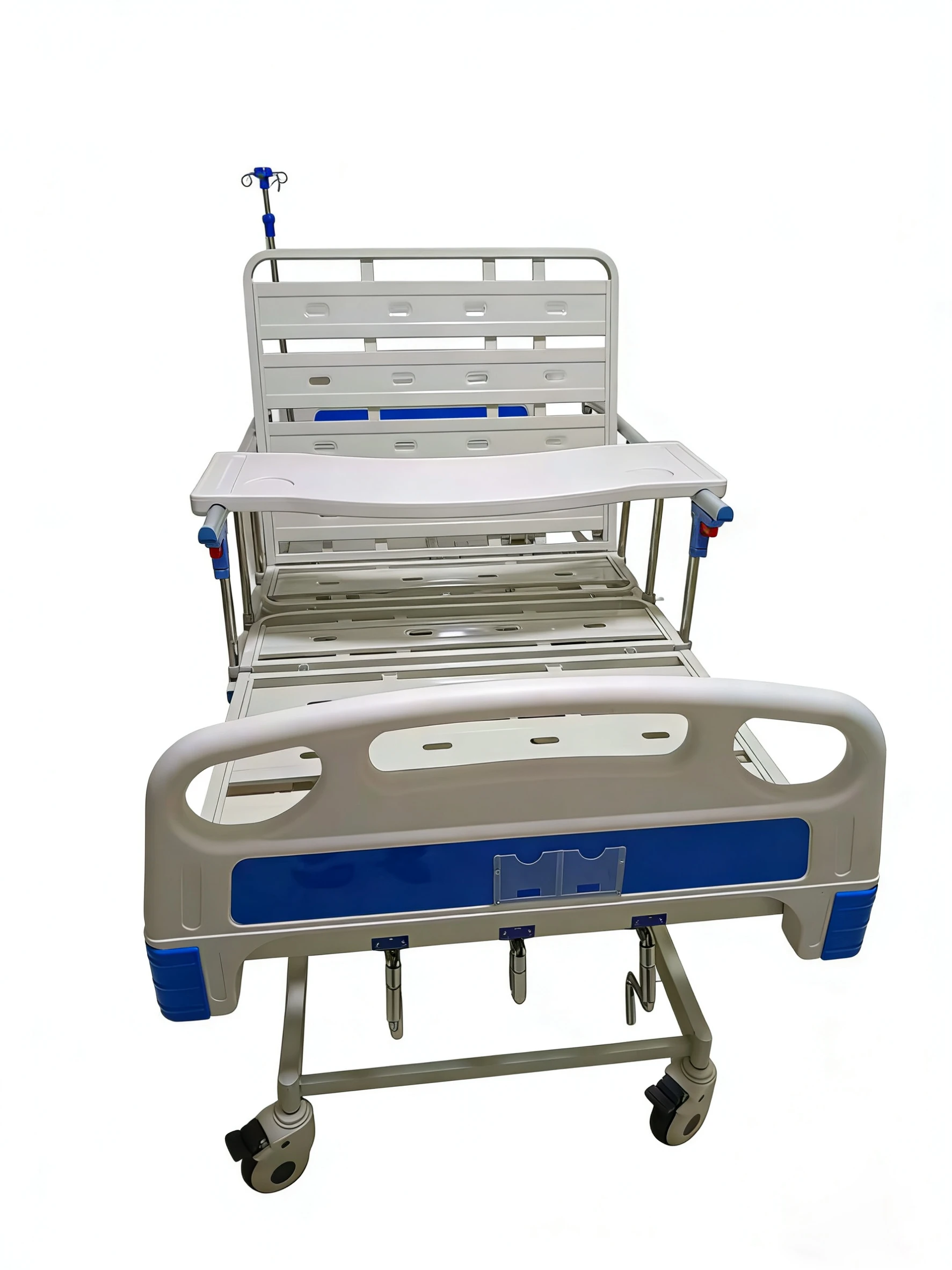
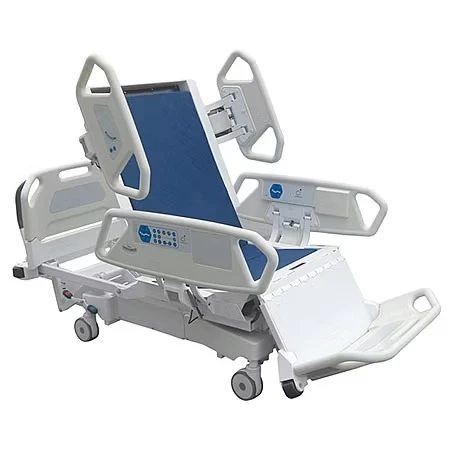
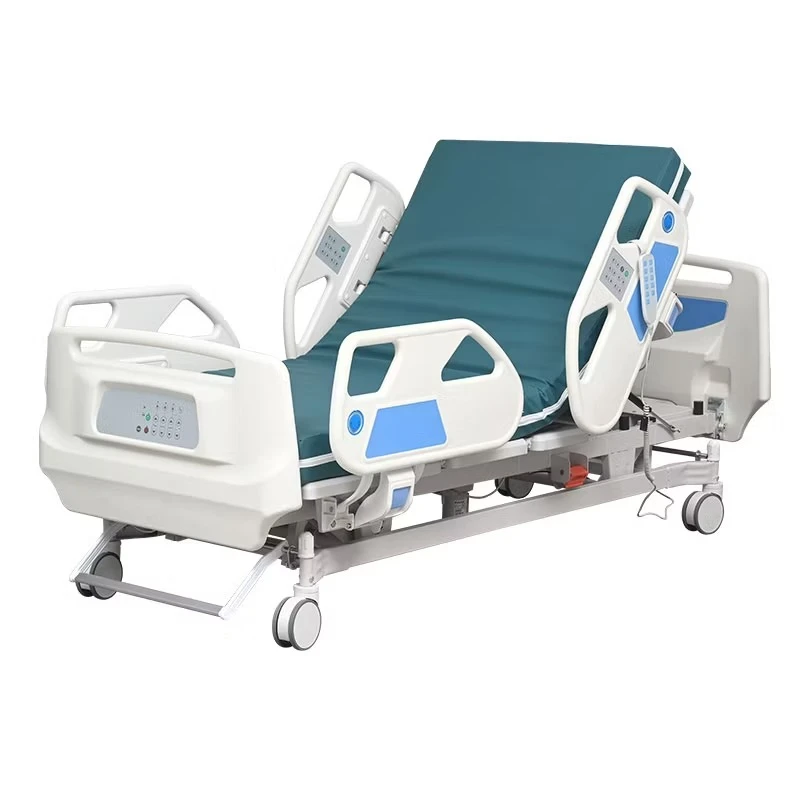
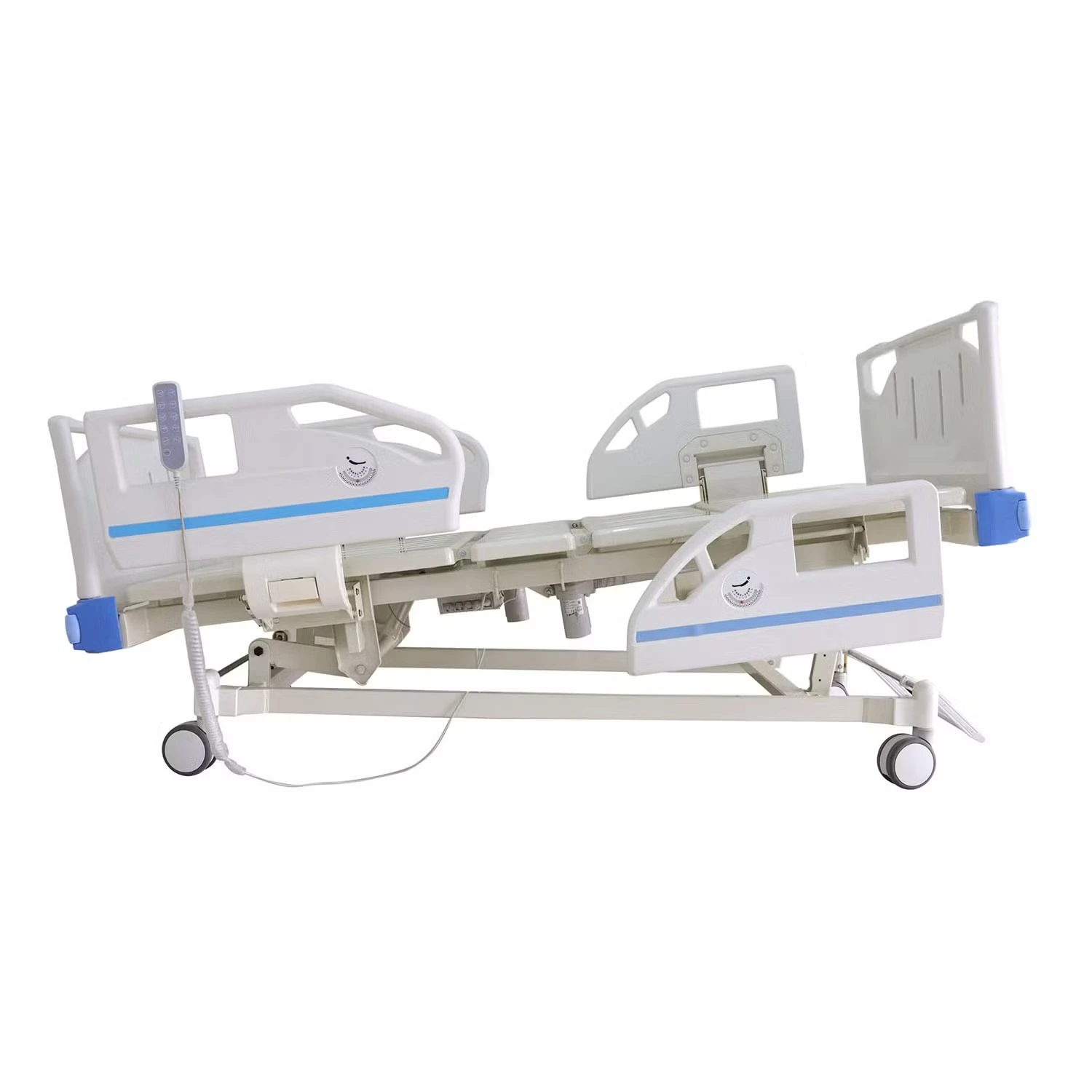
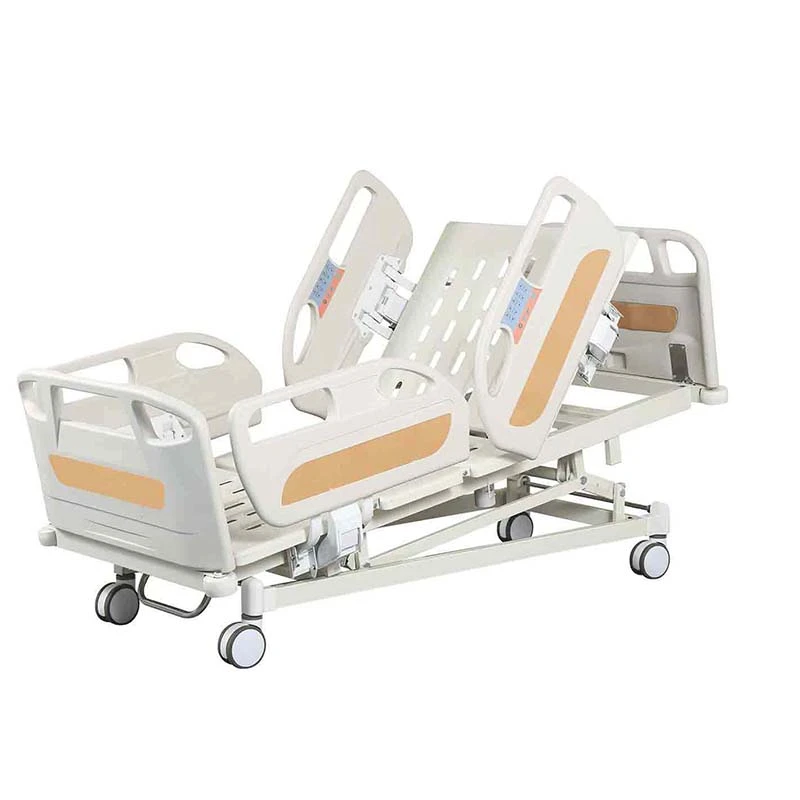
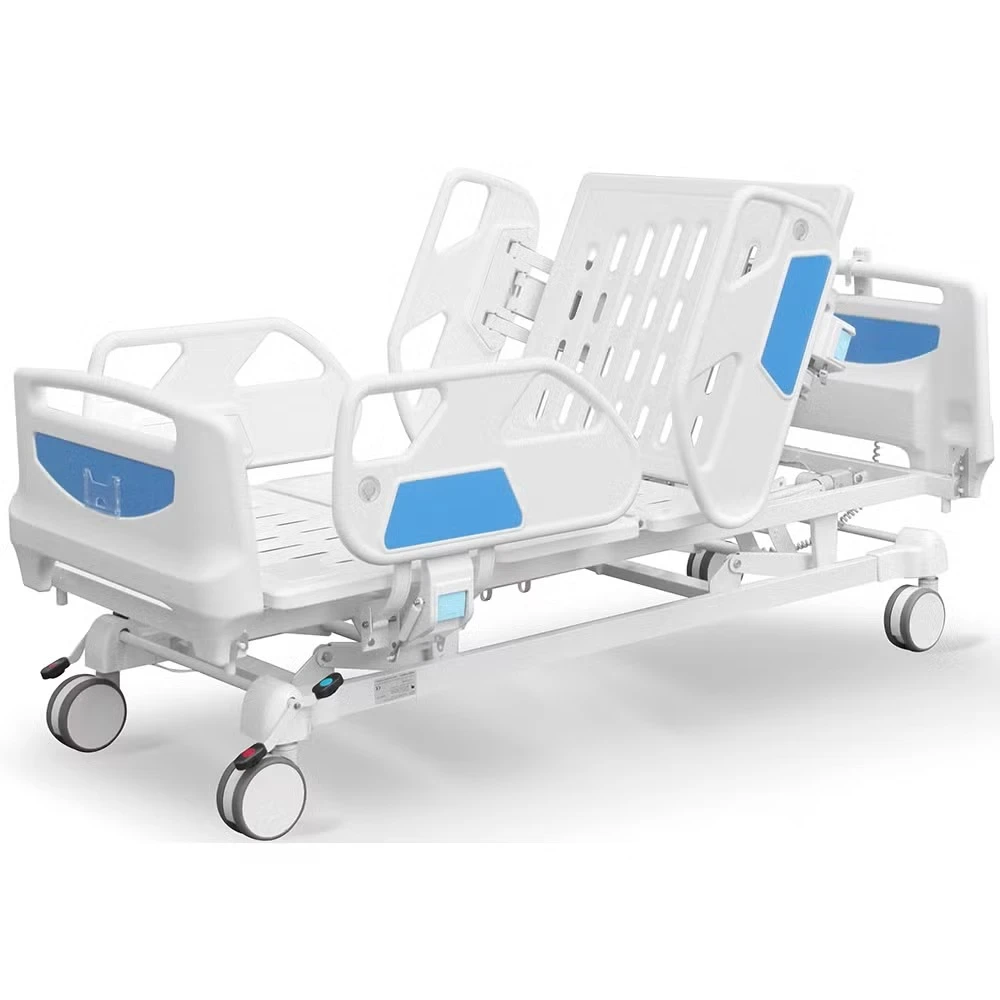
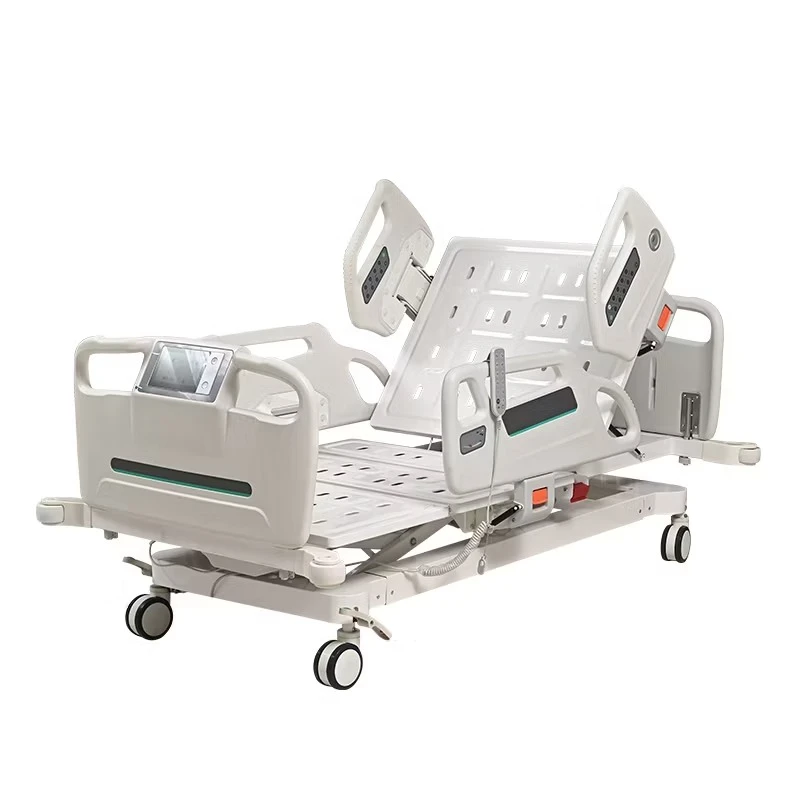
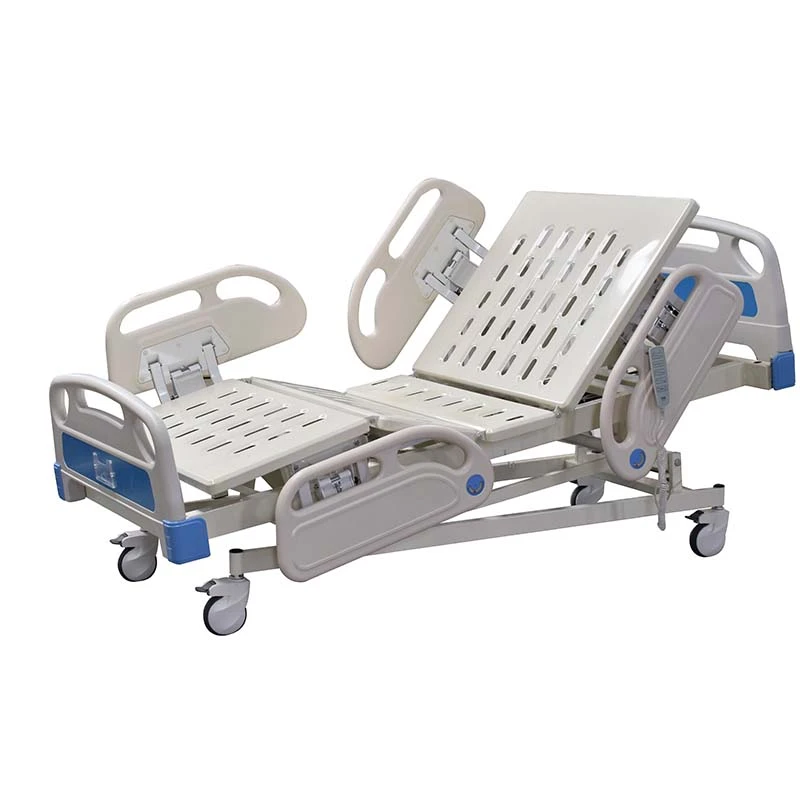
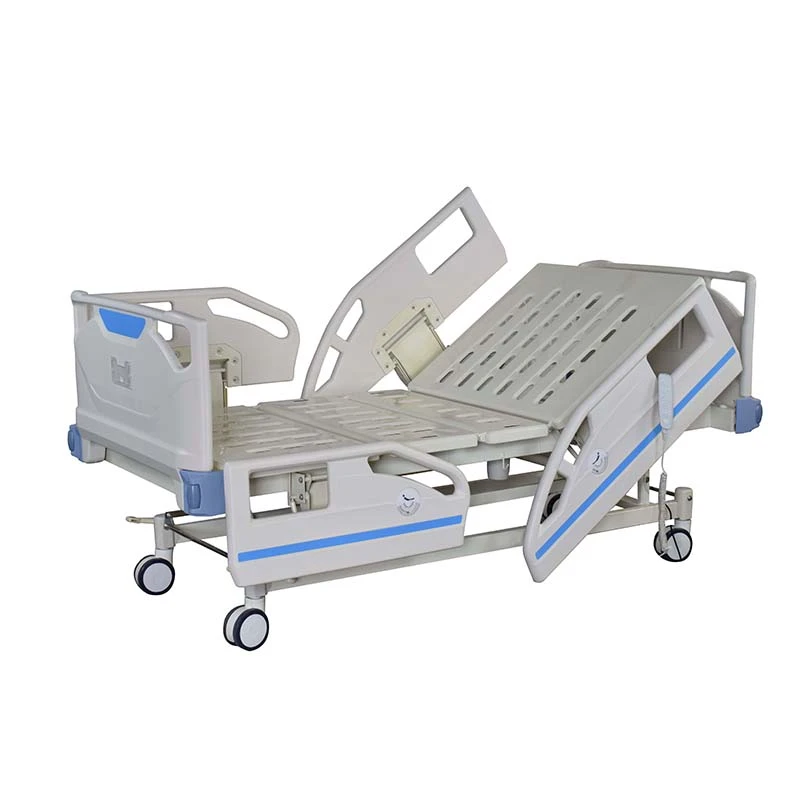
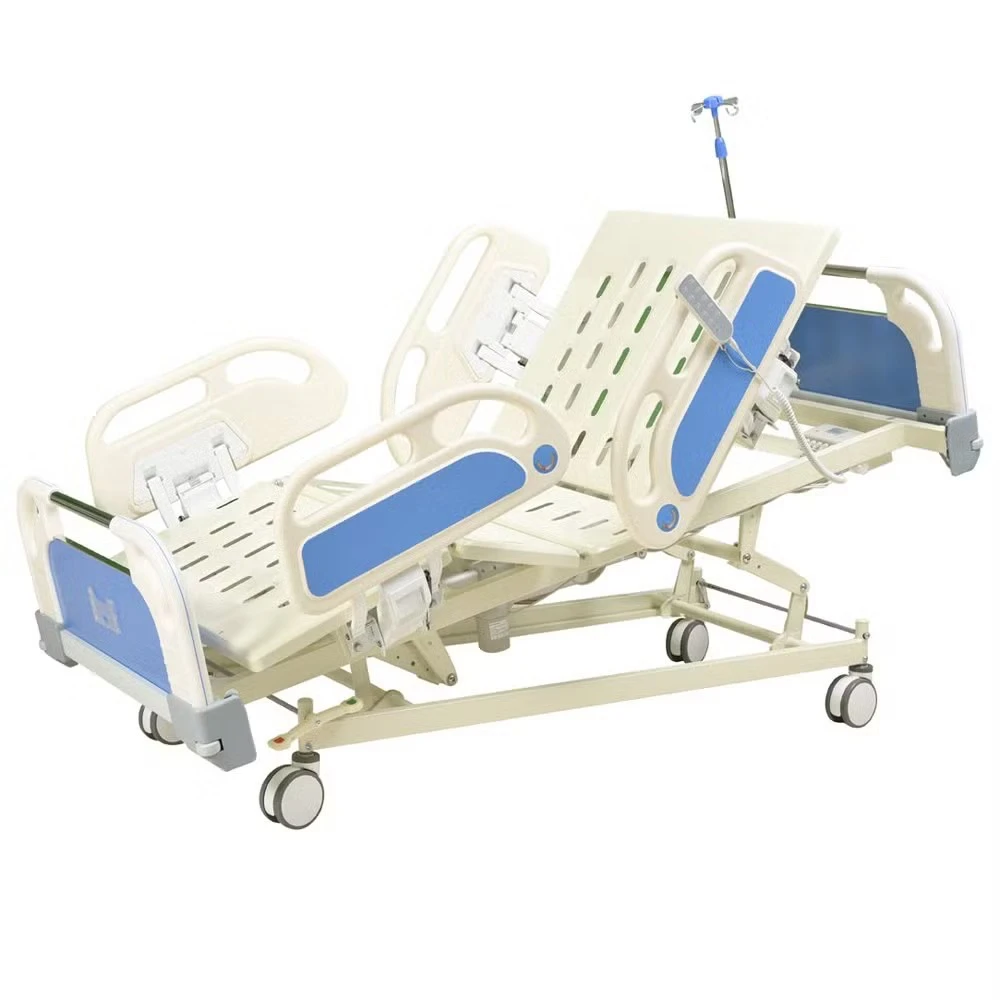
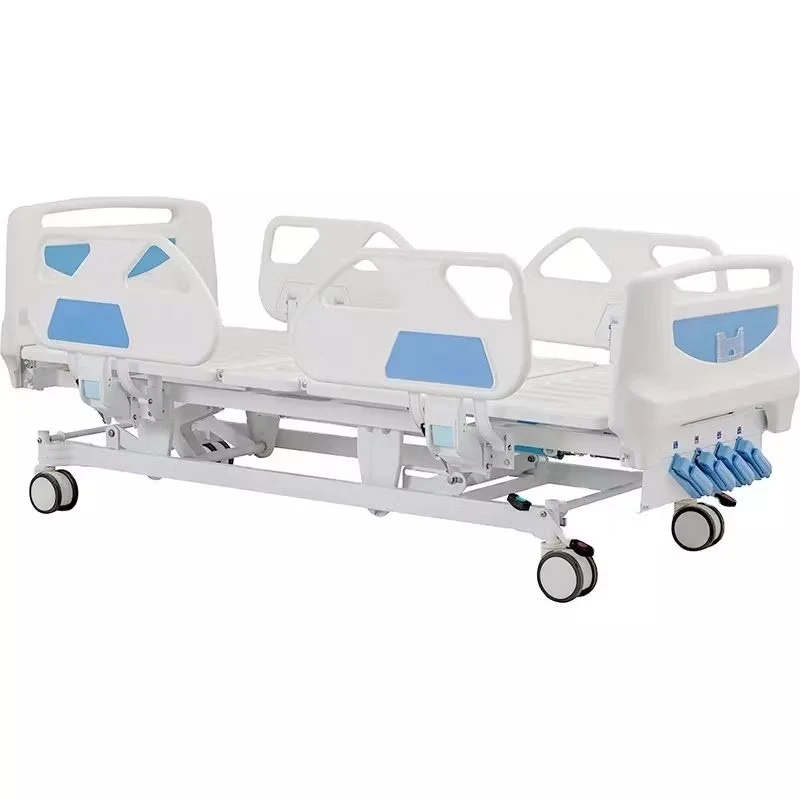
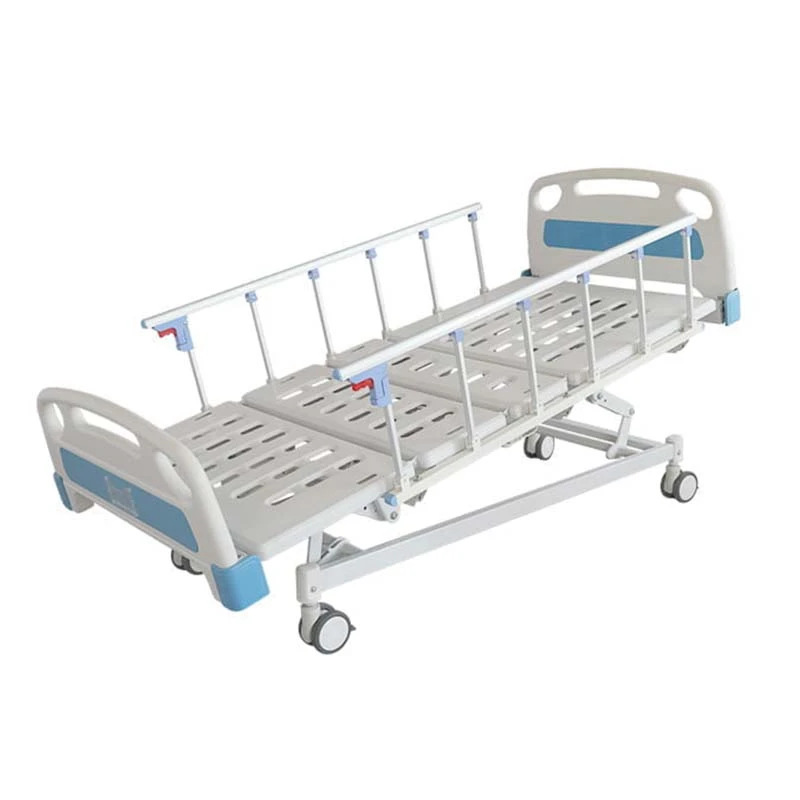
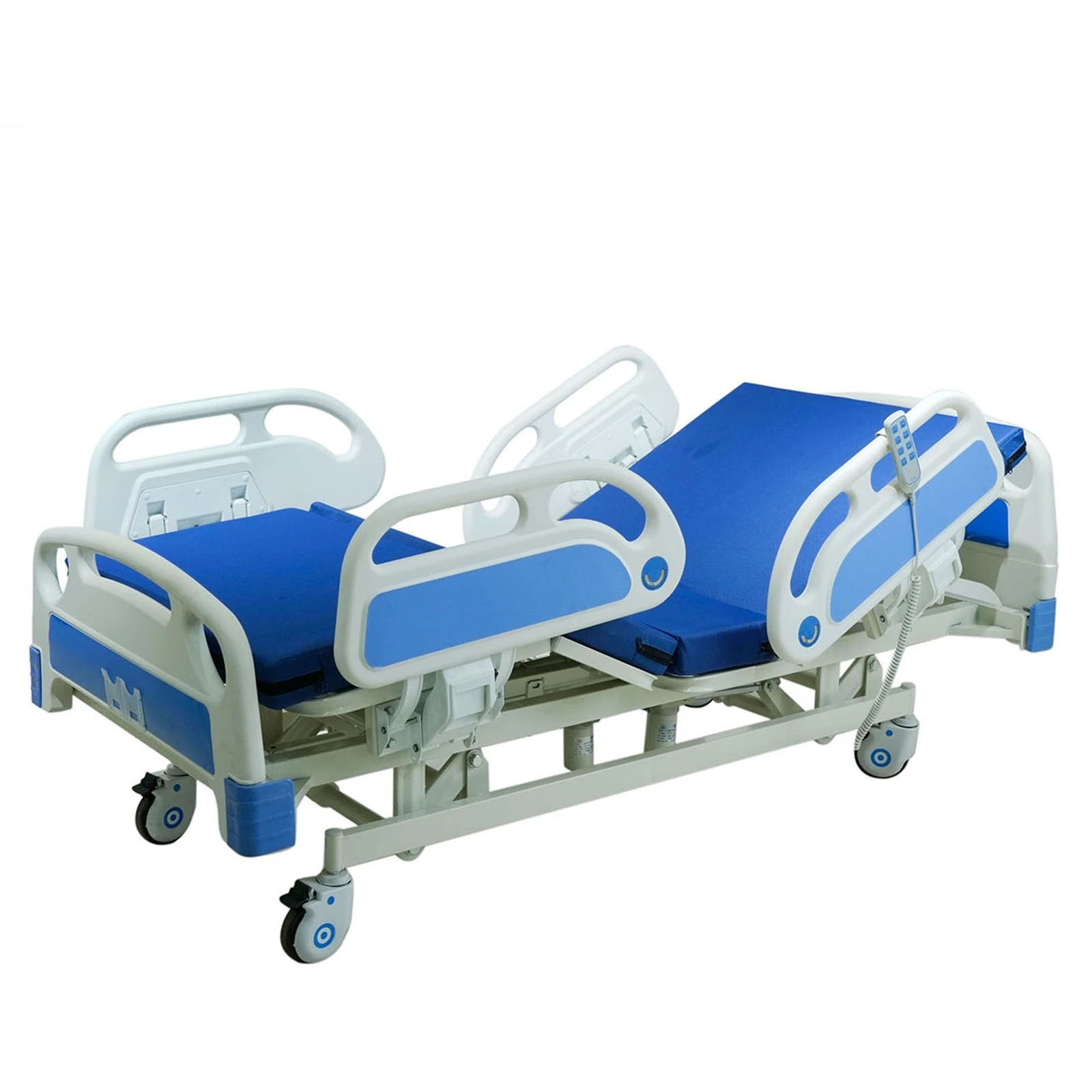
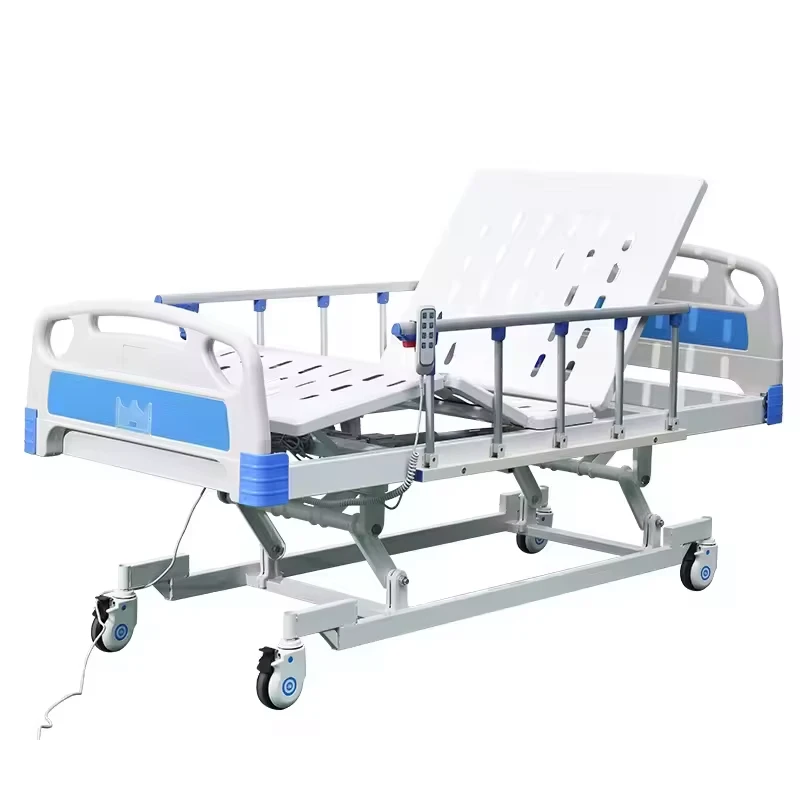
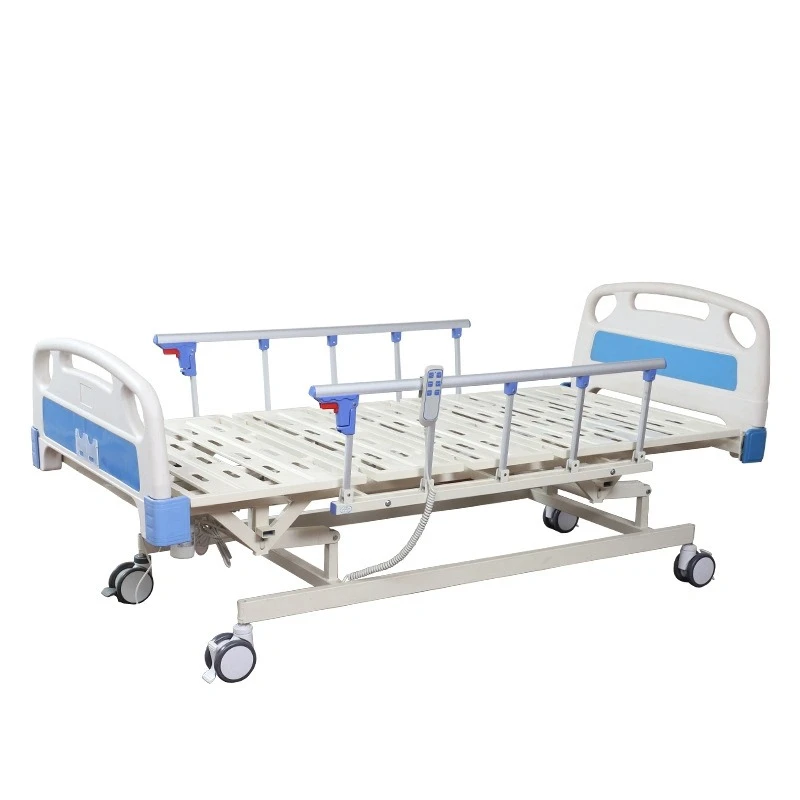
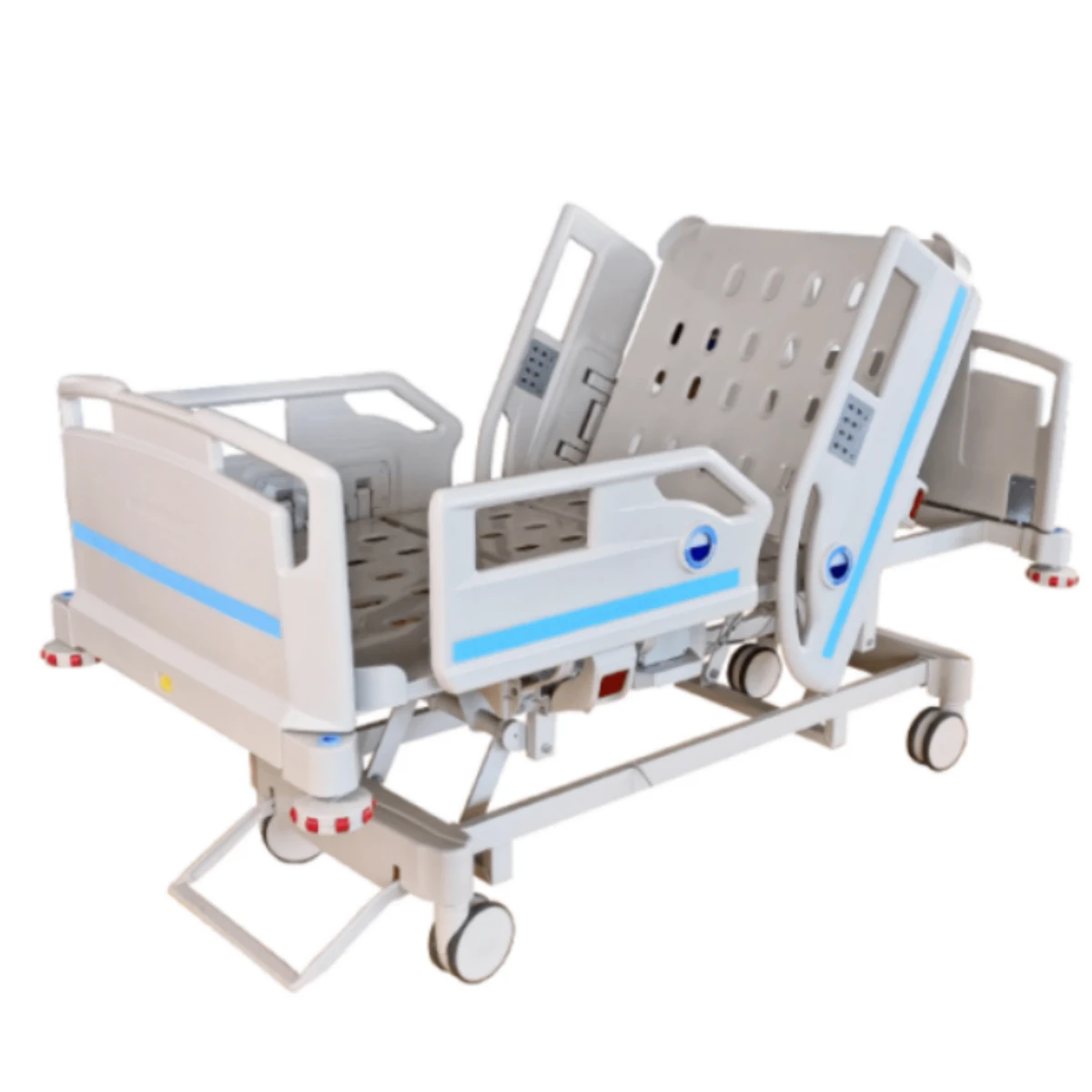
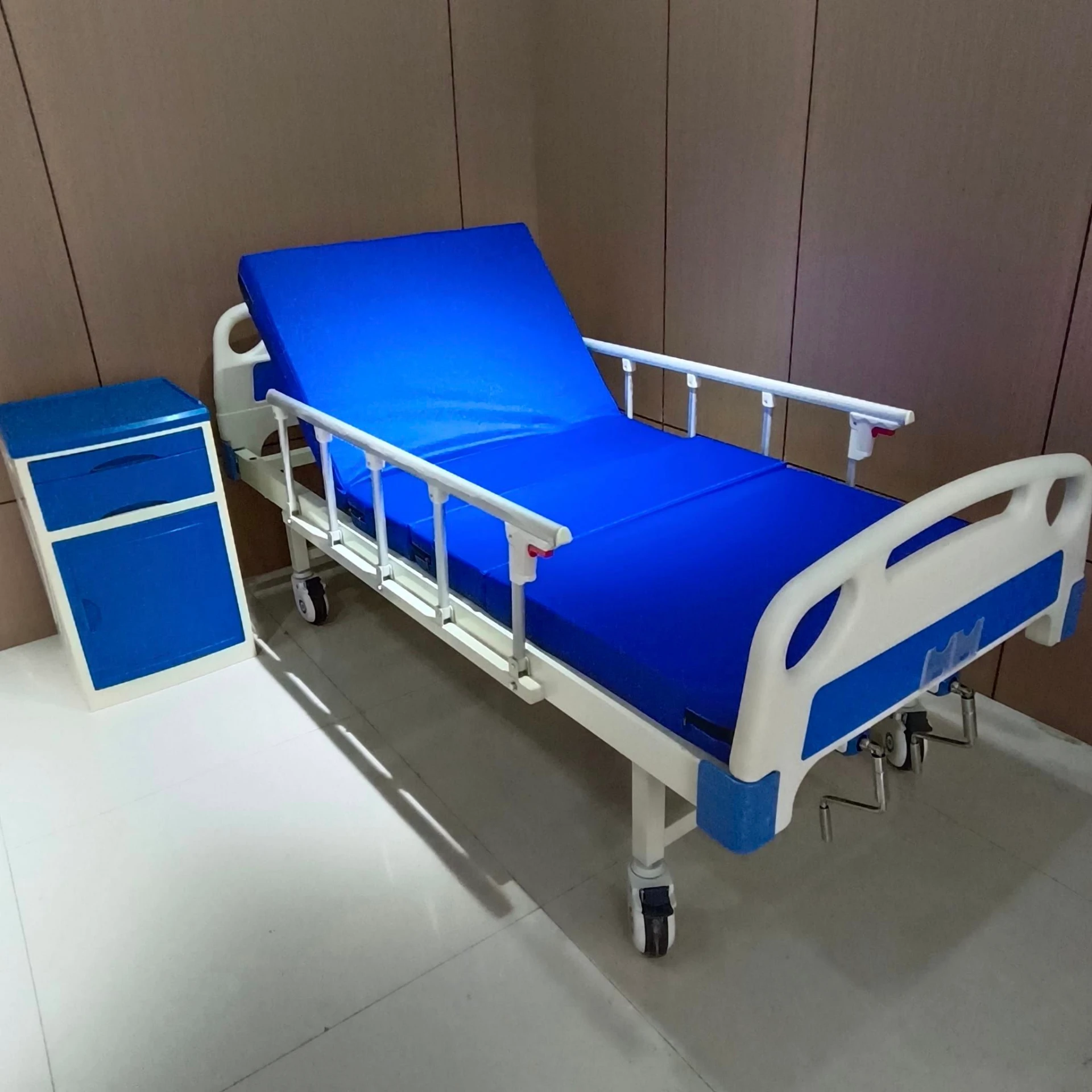
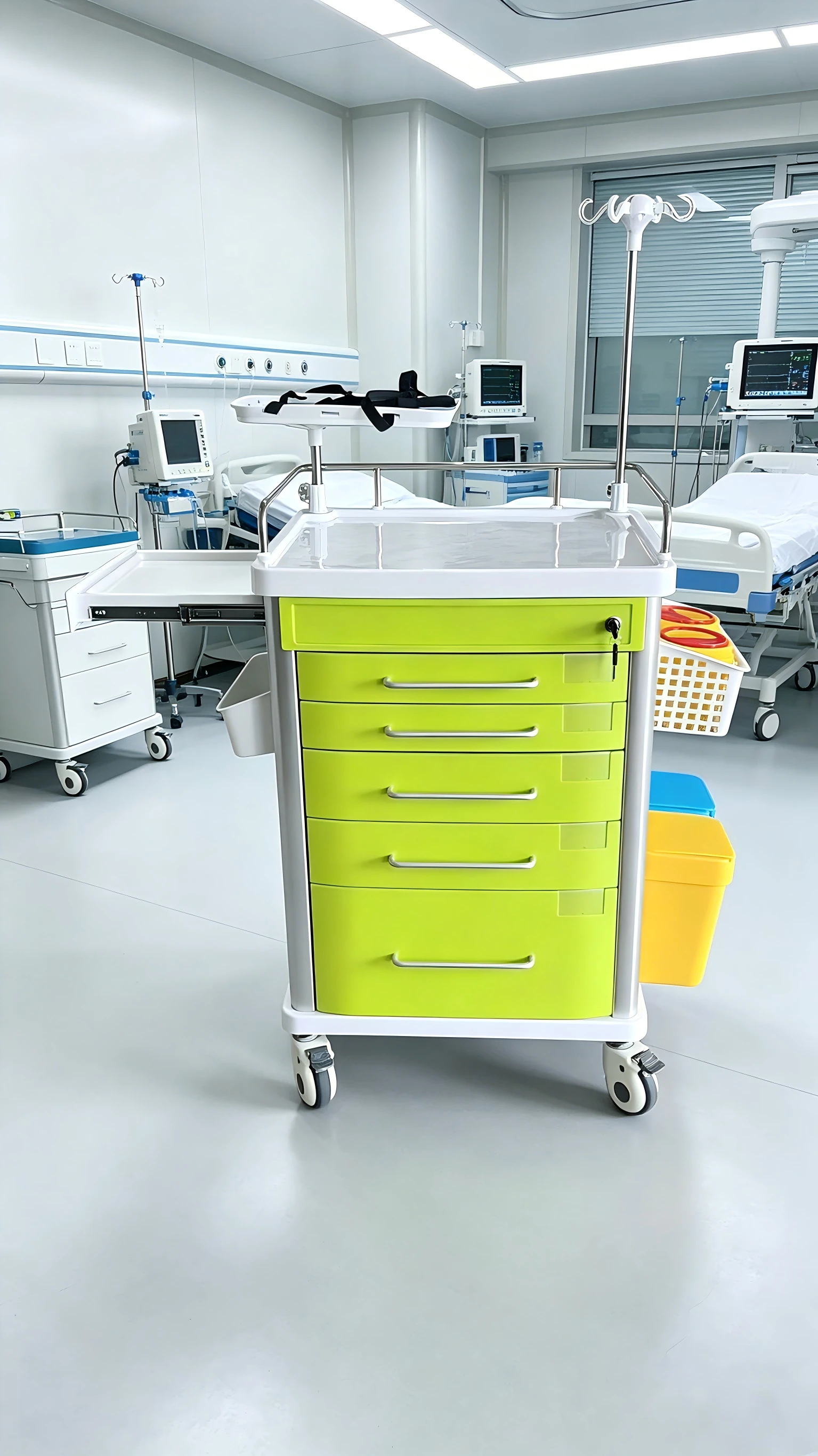
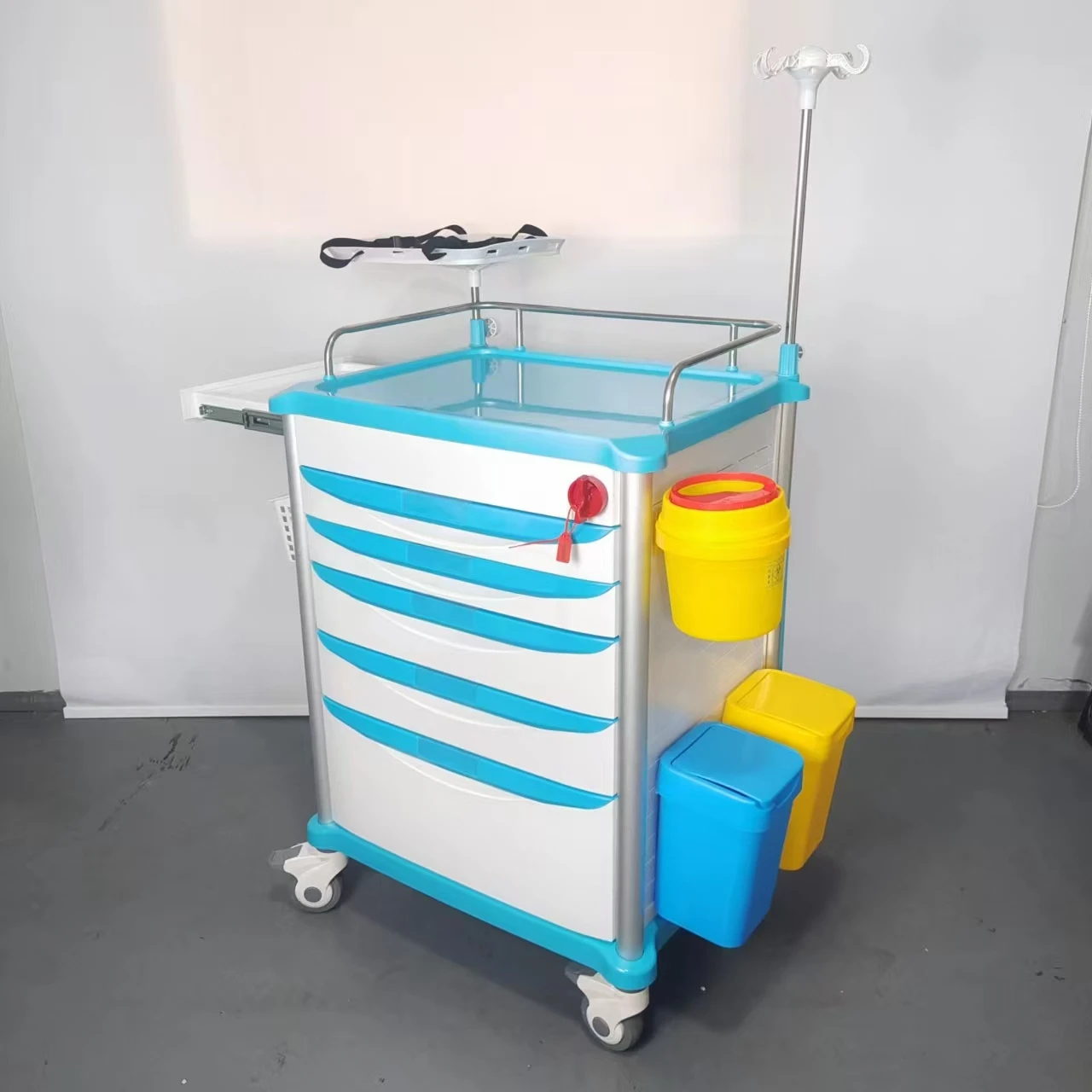
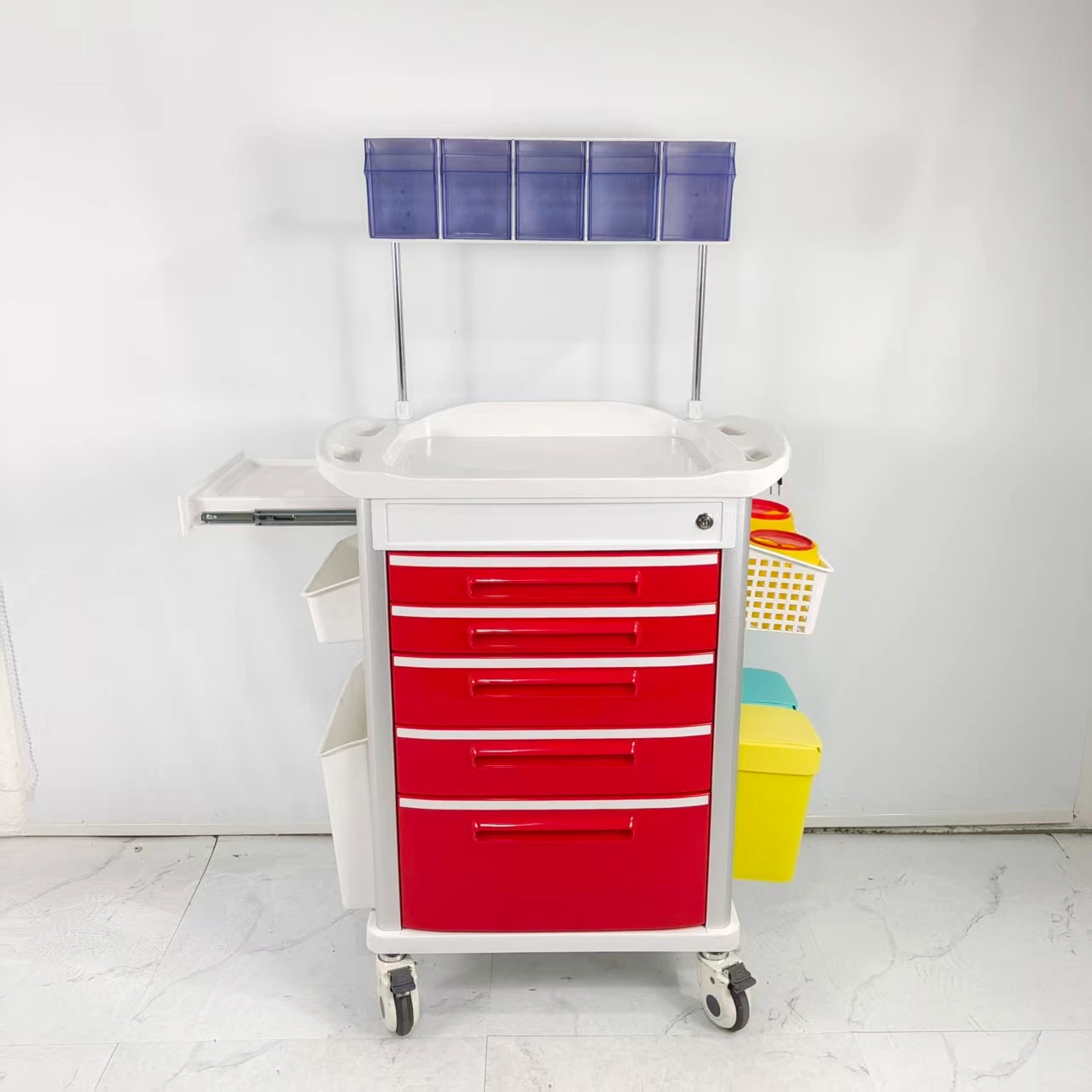
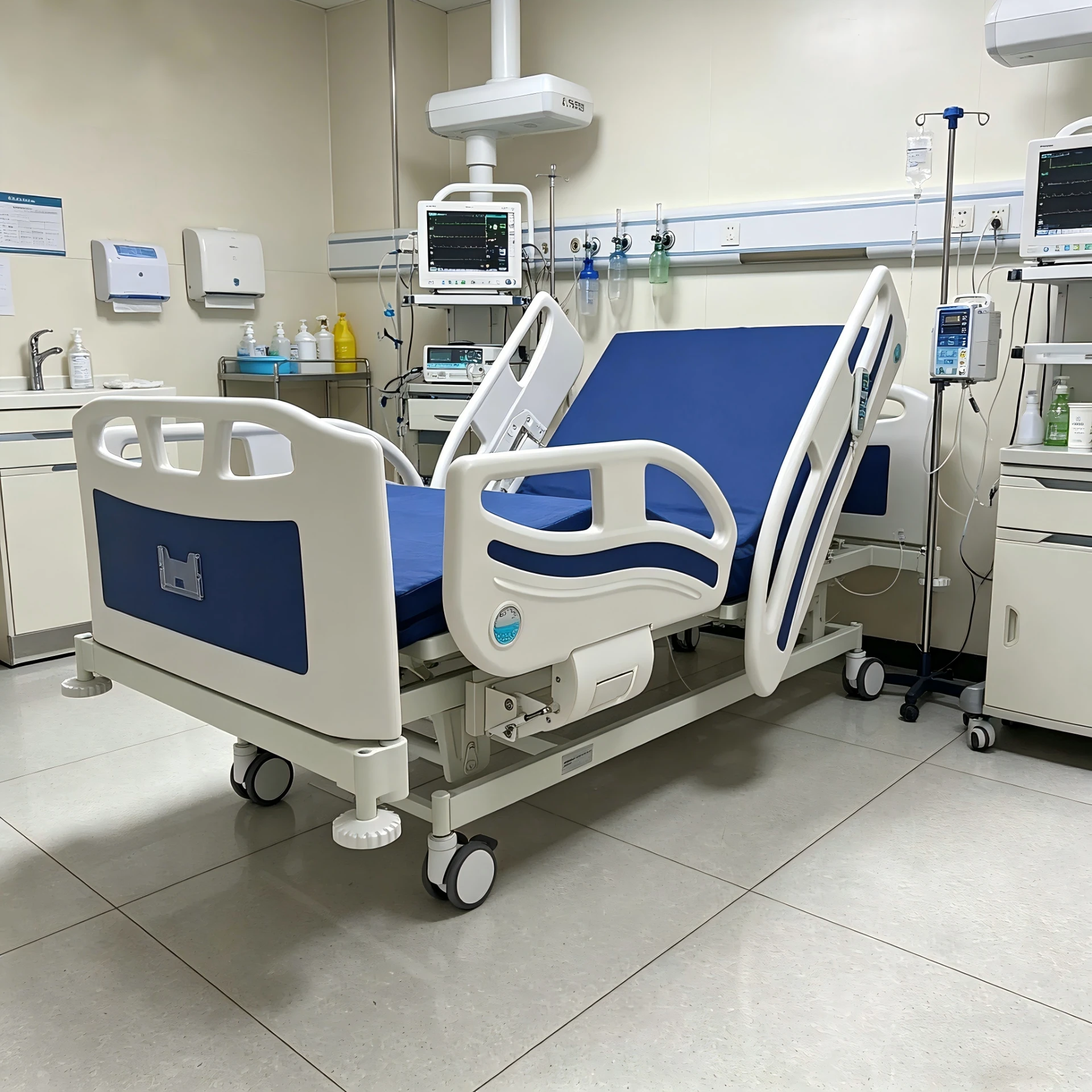
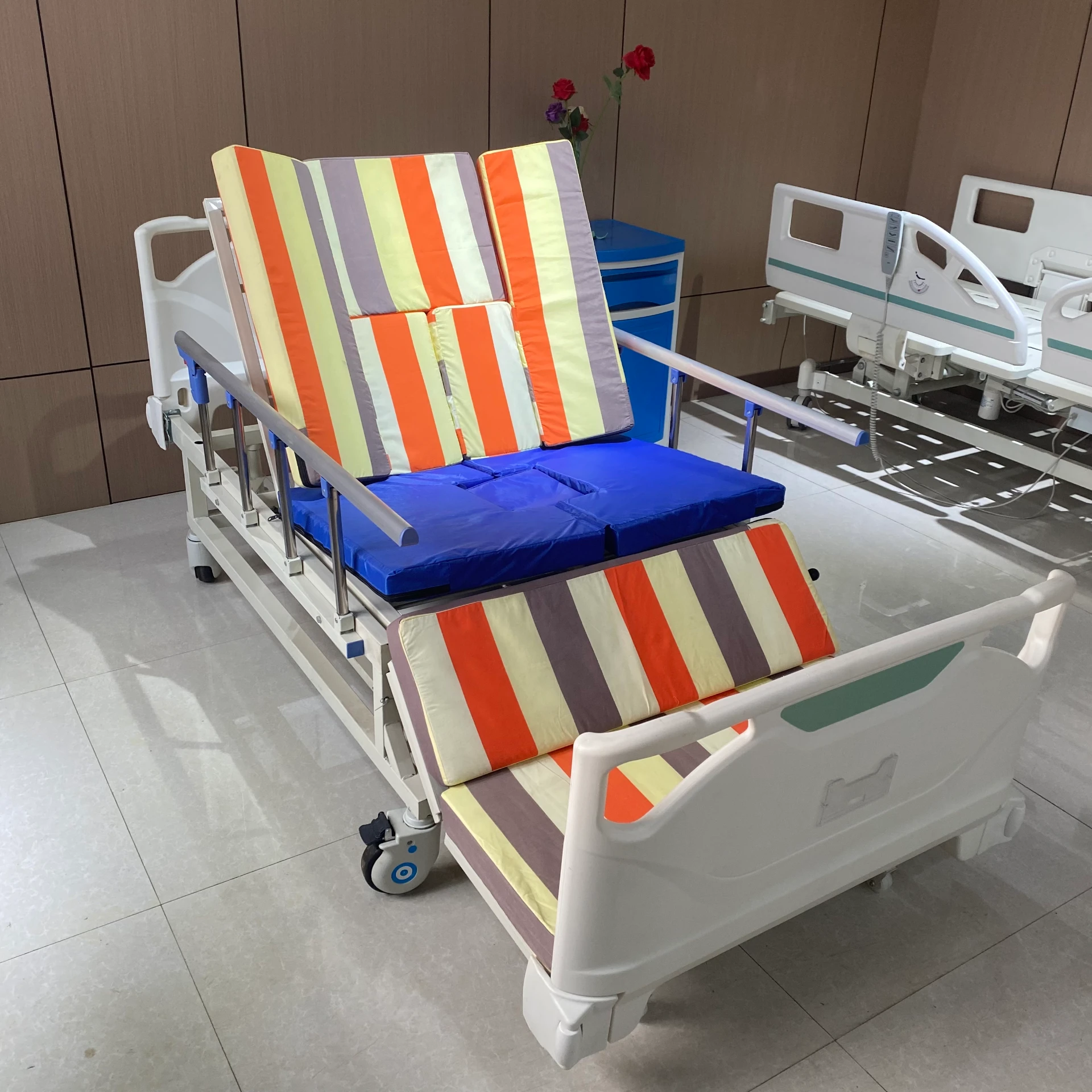
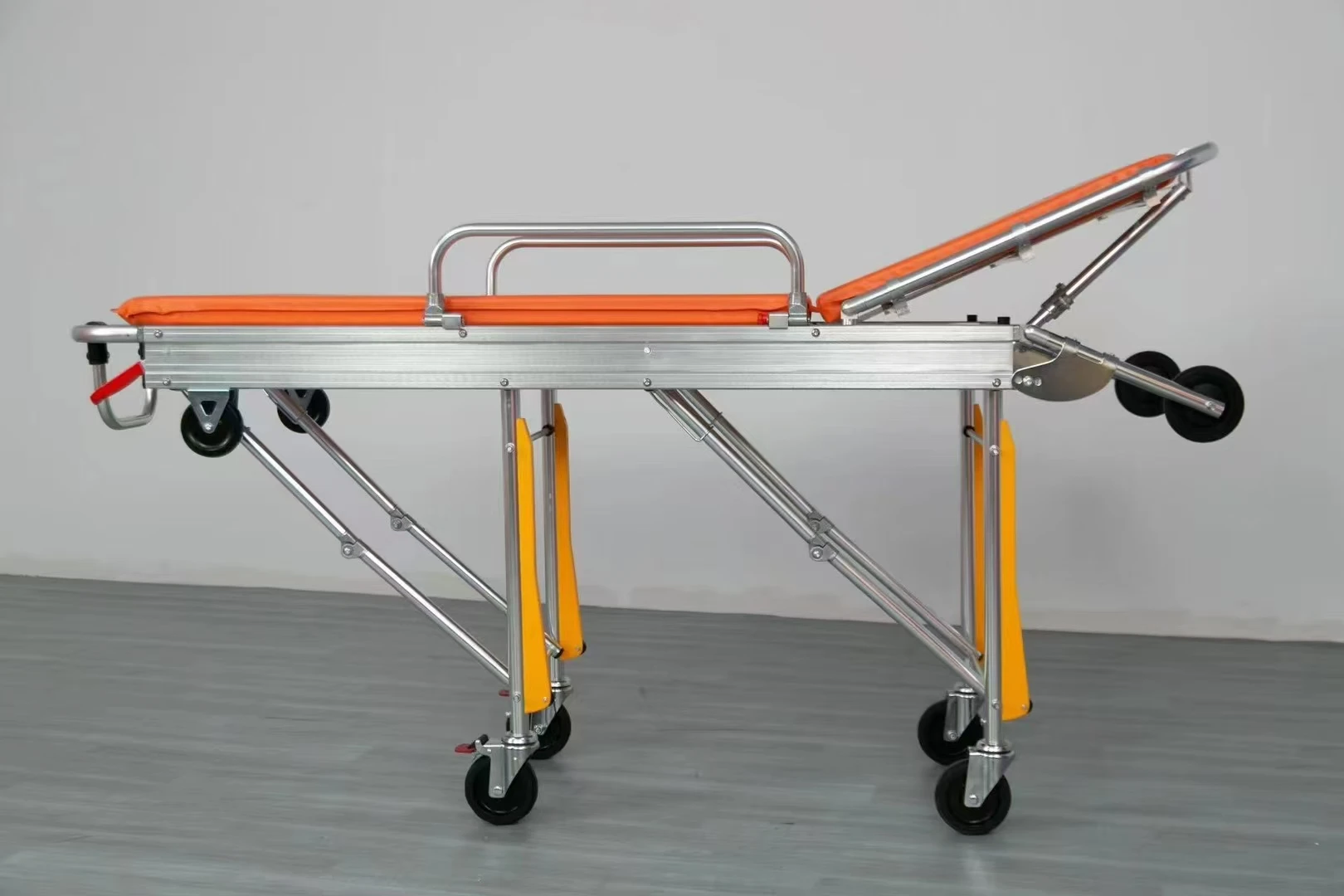
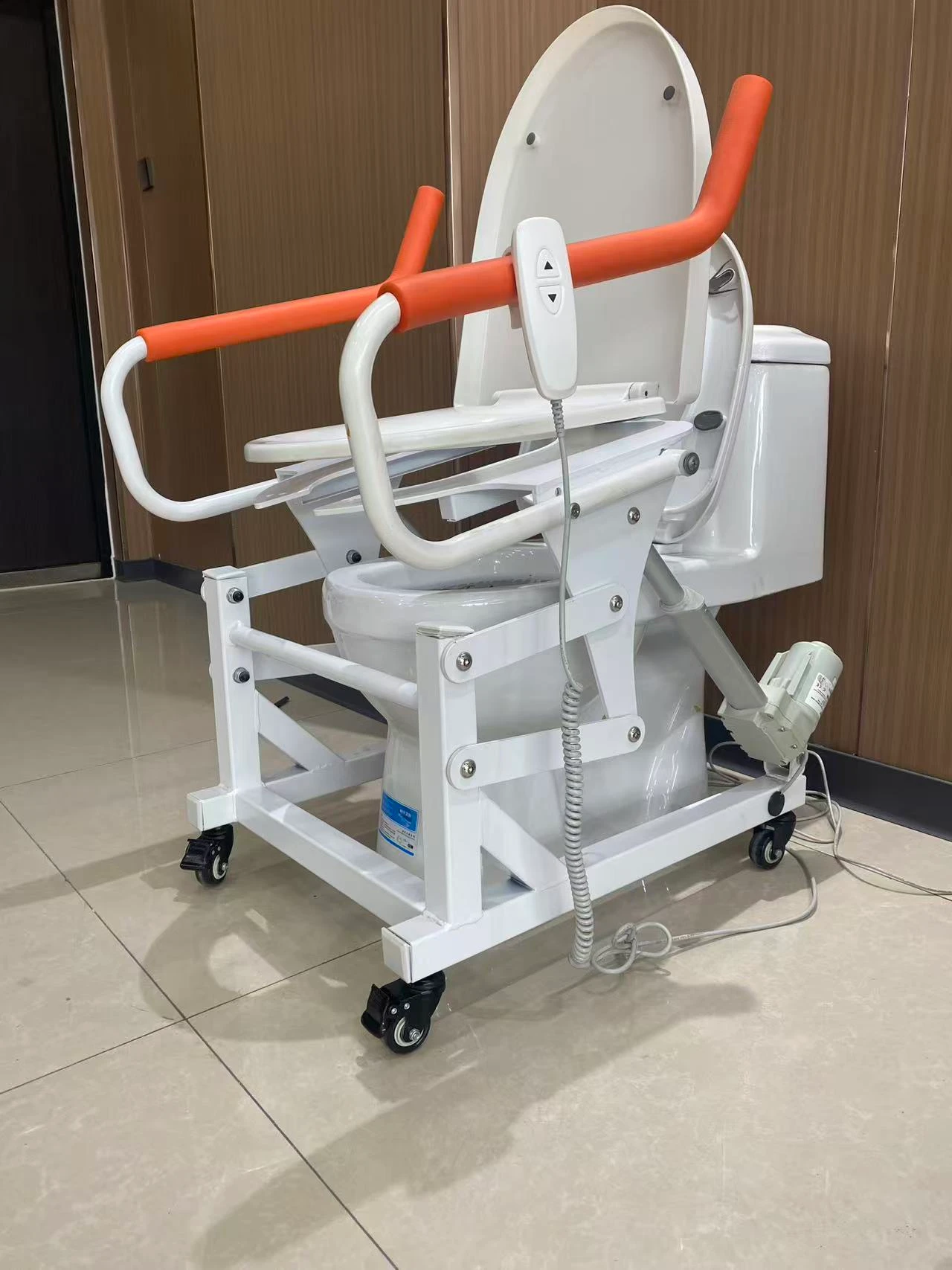
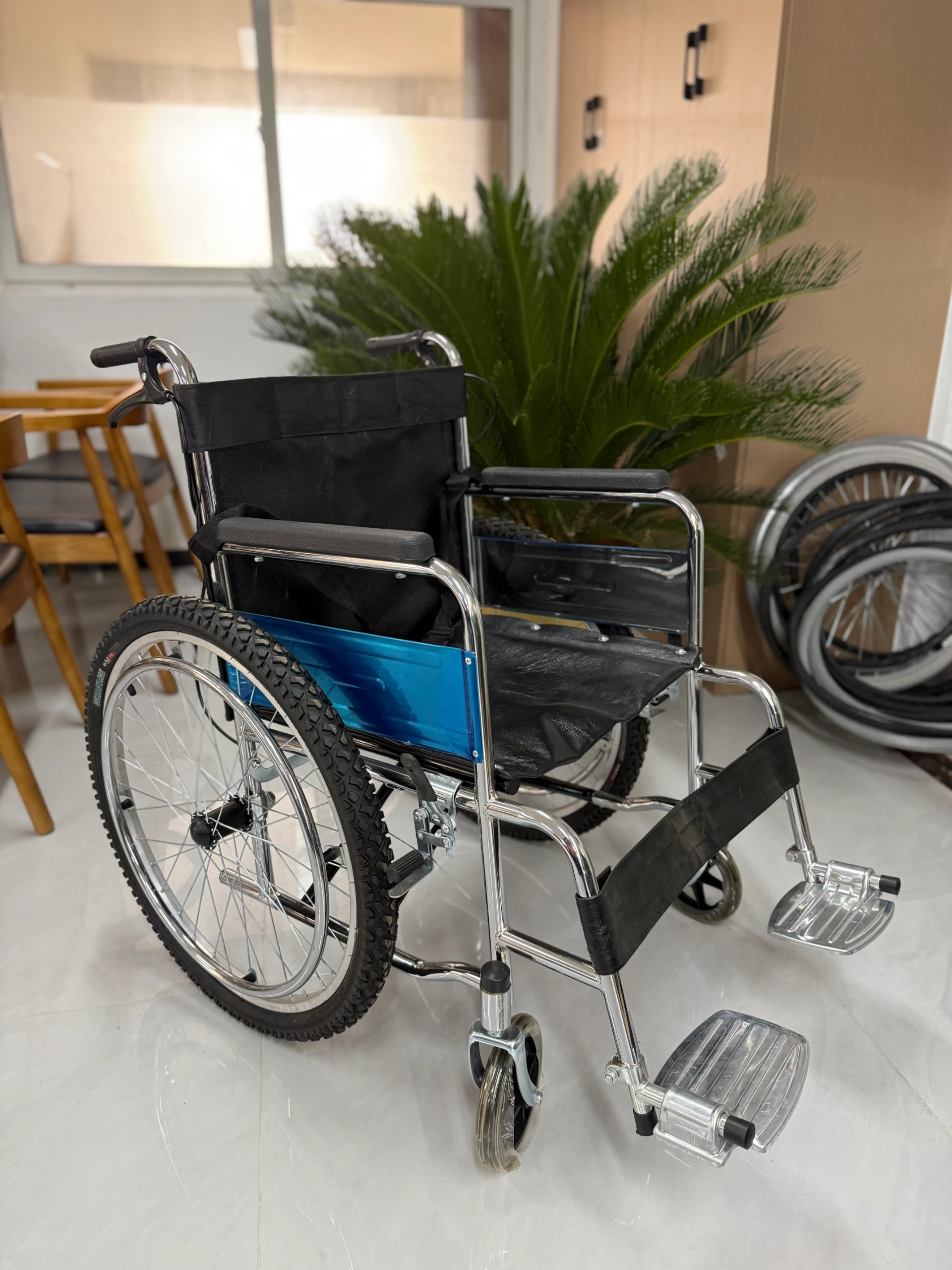
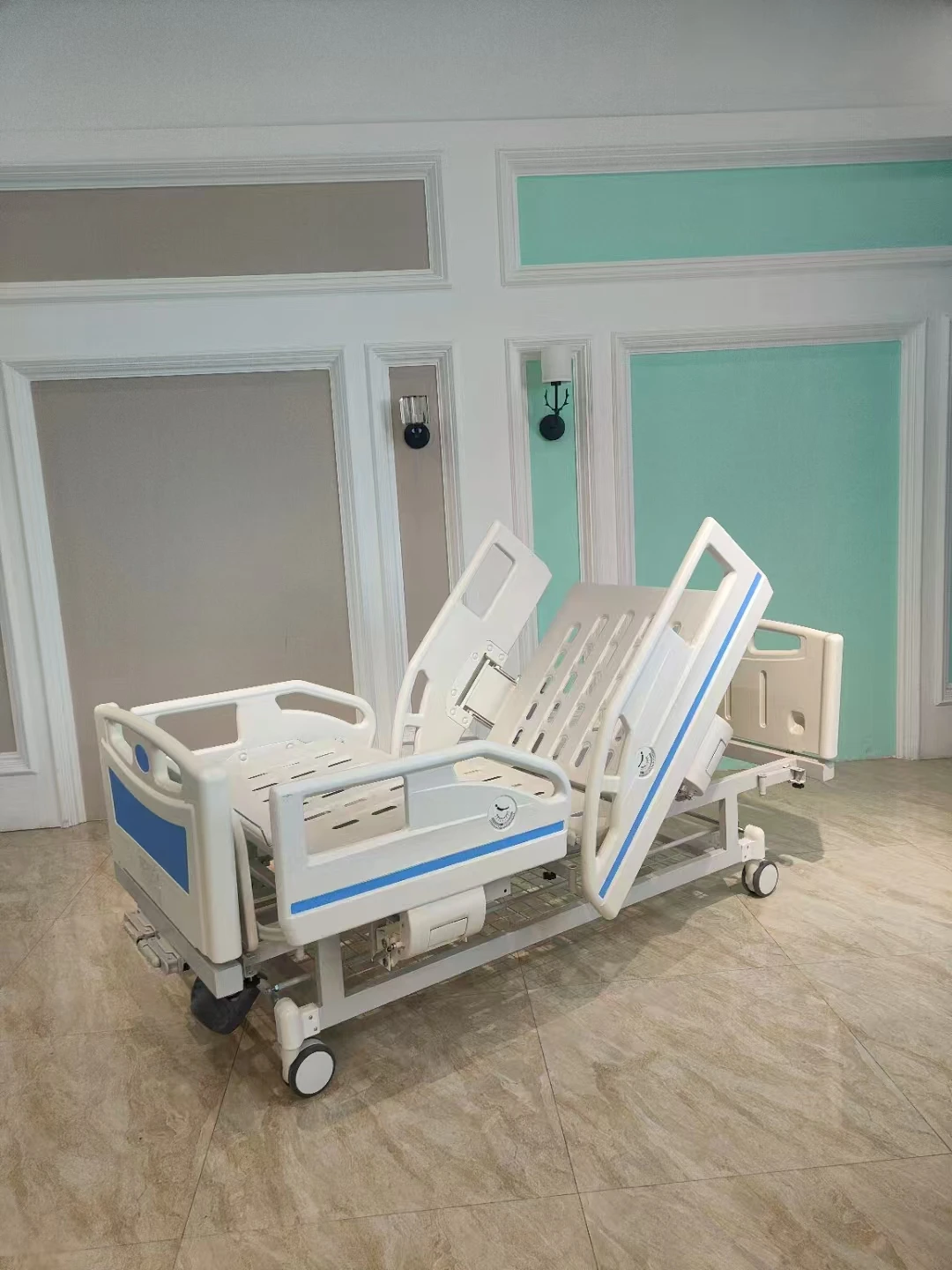
A wide range of furniture is required within a hospital setting. Common types include hospital beds, patient chairs, examination tables, bedside tables, waiting room seating, and storage solutions. Each type has specific considerations. For instance, hospital beds require detailed specifications on weight capacity, adjustability, and safety features. Patient chairs need to be ergonomic and easy to clean. ZF Medicare provides detailed PDFs for each product, outlining these crucial characteristics. These PDFs are essential for matching furniture to specific clinical needs and patient demographics.
Key Furniture Types:
• Hospital Beds
• Patient Chairs
• Examination Tables
• Waiting Room Seating
Hospital Bed Specifications: A PDF Comparison
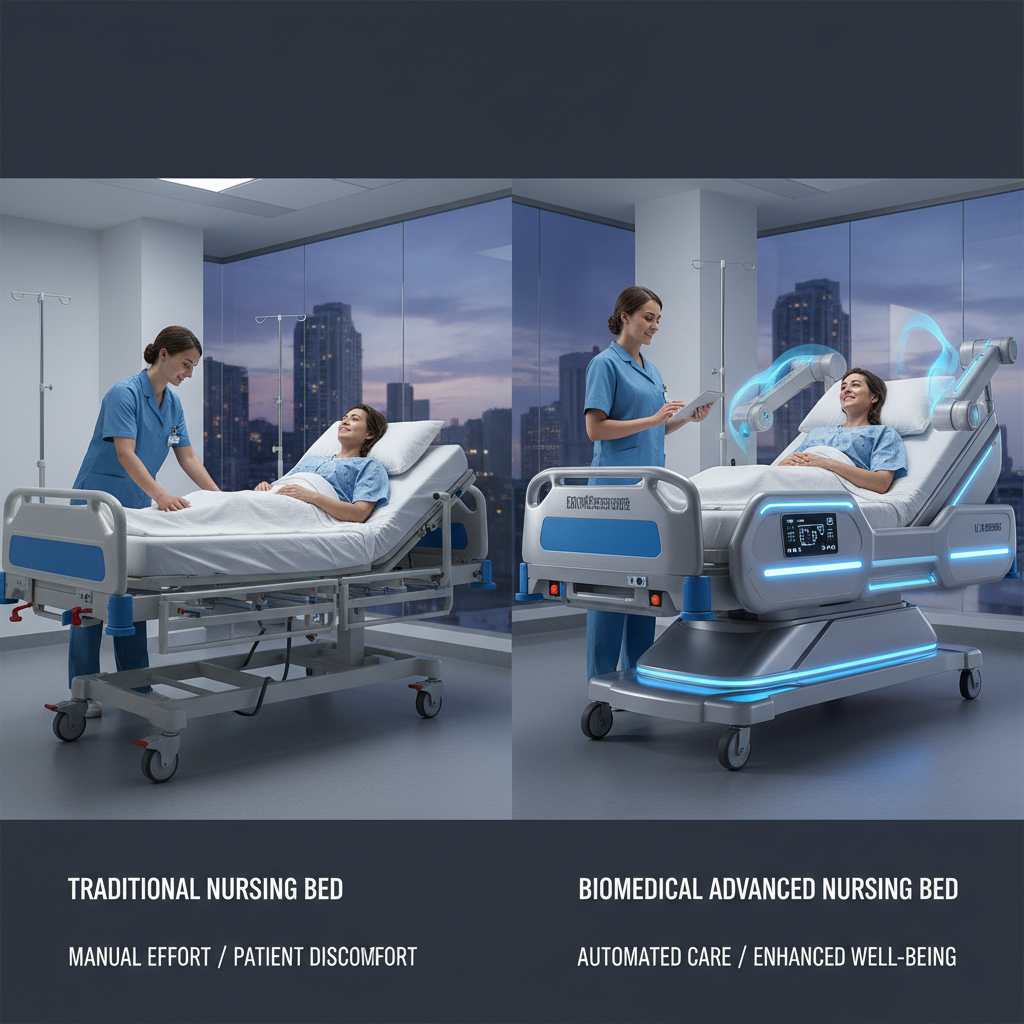
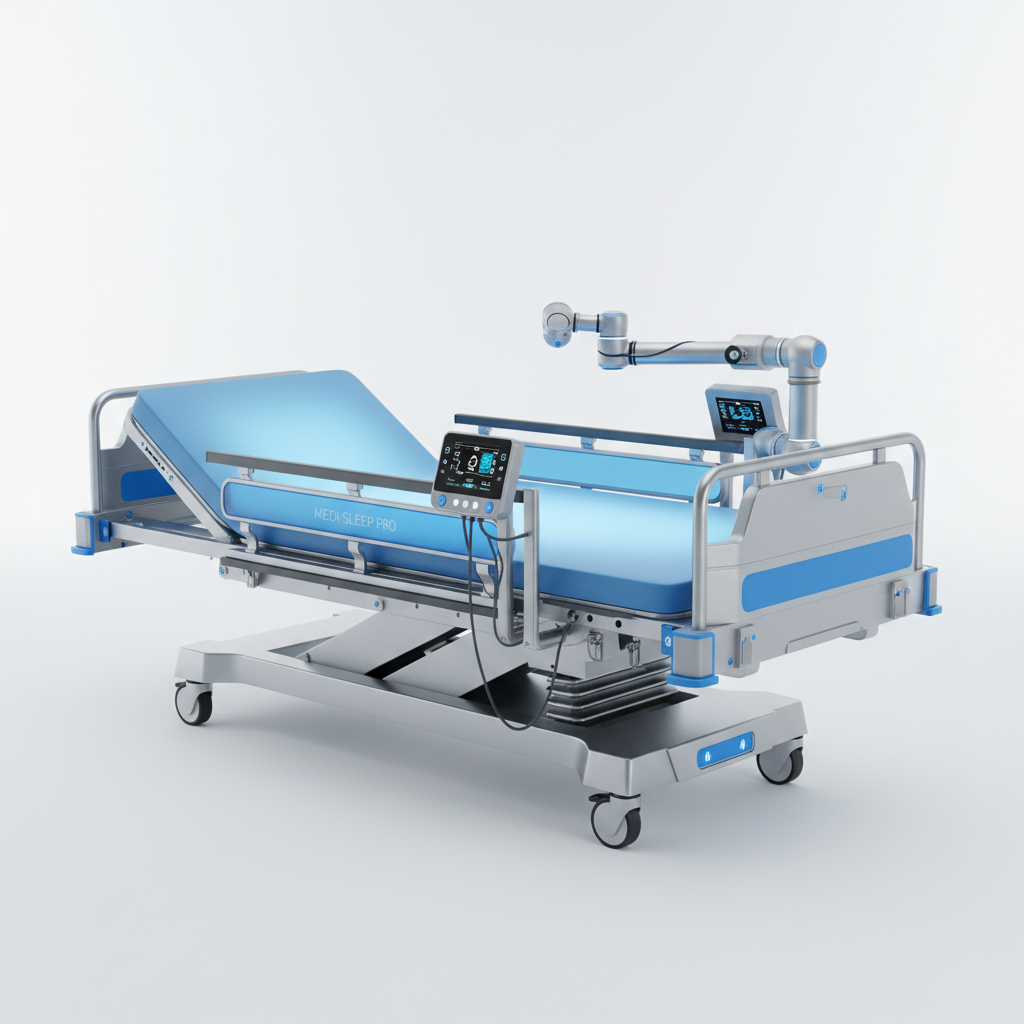
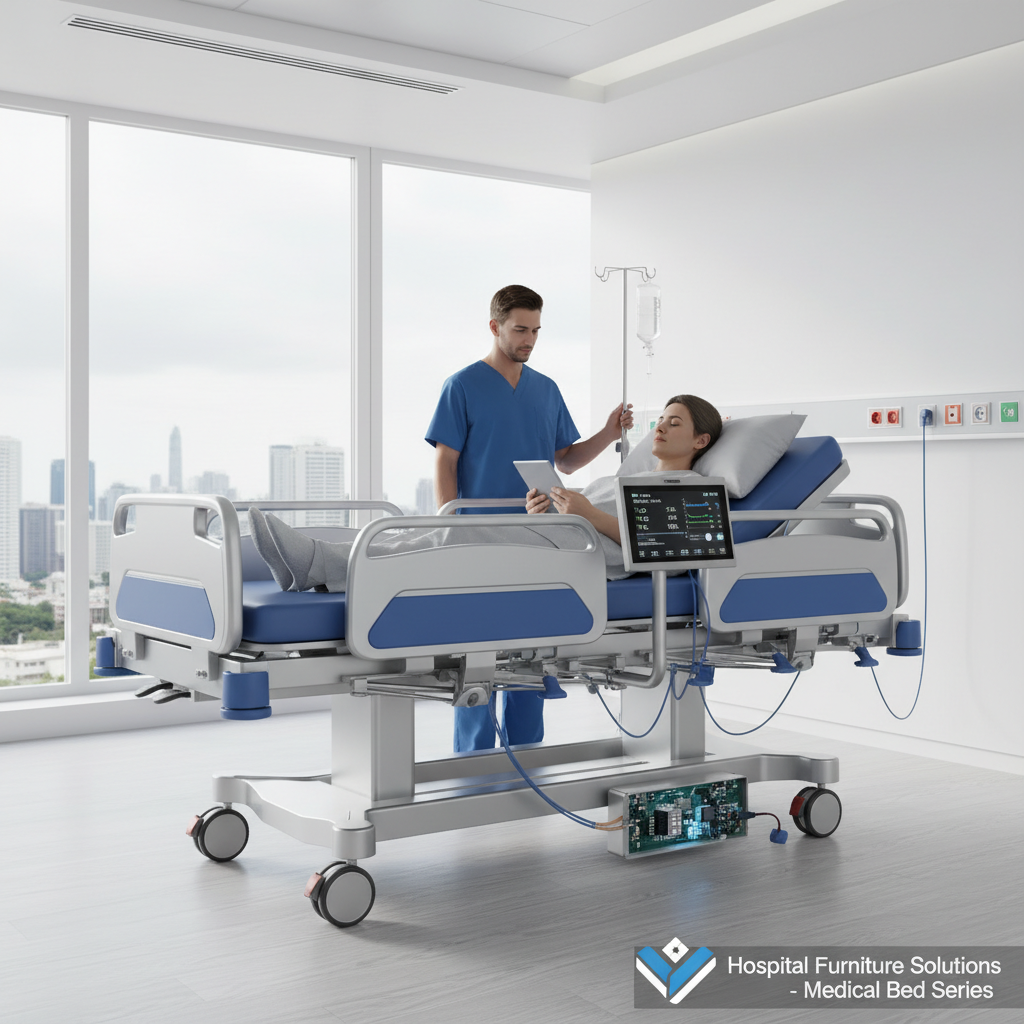
Hospital beds are a critical component of patient care. Key specifications to review in a PDF include bed dimensions (length, width, height), weight capacity, adjustable features (head and foot articulation), side rail safety mechanisms, and mattress compatibility. Comparing different models using PDFs allows you to identify the best bed for your patient population and clinical requirements. Look for certifications ensuring the bed meets relevant safety standards.
Procurement Best Practices: Leveraging Hospital Furniture PDFs
Effective procurement requires a systematic approach. Start by defining your needs and creating a detailed specification list. Then, request PDFs from potential vendors, focusing on products that meet your criteria. Utilize a spreadsheet or comparison tool to analyze the specifications side-by-side. Consider factors such as warranty, lead time, and after-sales support. Request samples if possible to evaluate the quality and comfort firsthand. ZF Medicare’s customer support team can assist with navigating their comprehensive PDF catalog.
Understanding Material Safety and Certifications in Hospital Furniture PDFs
Hospital furniture must meet stringent safety and hygiene standards. PDFs should clearly indicate the materials used, ensuring they are non-toxic, antimicrobial, and easy to clean and disinfect. Look for certifications such as ISO 13485 (Medical Devices – Quality Management Systems) and compliance with relevant healthcare regulations. The PDF should also detail the furniture's resistance to common cleaning agents and disinfectants. Prioritizing materials that promote infection control is vital for patient safety.
Conclusion: Empowering Healthcare with Informed Furniture Choices
Utilizing hospital furniture PDFs is essential for creating a safe, comfortable, and efficient healthcare environment. By carefully reviewing specifications, comparing options, and prioritizing safety certifications, healthcare professionals can make informed procurement decisions that benefit both patients and staff. ZF Medicare is committed to providing comprehensive documentation and support to help you select the best furniture for your needs.
Frequently Asked Questions (FAQs)
Where can I find comprehensive hospital furniture PDFs?
Many manufacturers, including ZF Medicare, provide detailed product catalogs and individual PDFs on their websites. You can also find these resources through industry directories and procurement platforms. When searching, specify the type of furniture and the desired specifications to narrow your results. Ensure the PDFs are up-to-date and contain all relevant information, including dimensions, materials, and safety certifications.
What key information should I look for in a hospital bed PDF?
Focus on the bed’s overall dimensions, weight capacity, adjustability features (head and foot articulation, height adjustment), side rail safety mechanisms, mattress compatibility, and any special features like trendelenburg positioning. Also, check for certifications like ISO 13485 and compliance with relevant healthcare standards. The PDF should also provide information on ease of cleaning and disinfection, as well as warranty details.
How important are material certifications in hospital furniture?
Material certifications are extremely important. They ensure that the furniture meets specific safety and hygiene standards, minimizing the risk of infection and promoting patient well-being. Look for materials that are non-toxic, antimicrobial, easy to clean, and resistant to common healthcare disinfectants. Certifications like GREENGUARD Gold and ISO 13485 demonstrate a commitment to quality and safety.
What is the role of ergonomics in hospital furniture, and how can PDFs help me assess it?
Ergonomics is crucial for both patient comfort and staff safety. Ergonomically designed furniture promotes proper posture, reduces strain, and minimizes the risk of musculoskeletal injuries. PDFs should provide detailed dimensions and adjustability features that allow you to assess the ergonomic suitability of the furniture for specific users and tasks. Look for features like adjustable height, lumbar support, and comfortable seating surfaces.