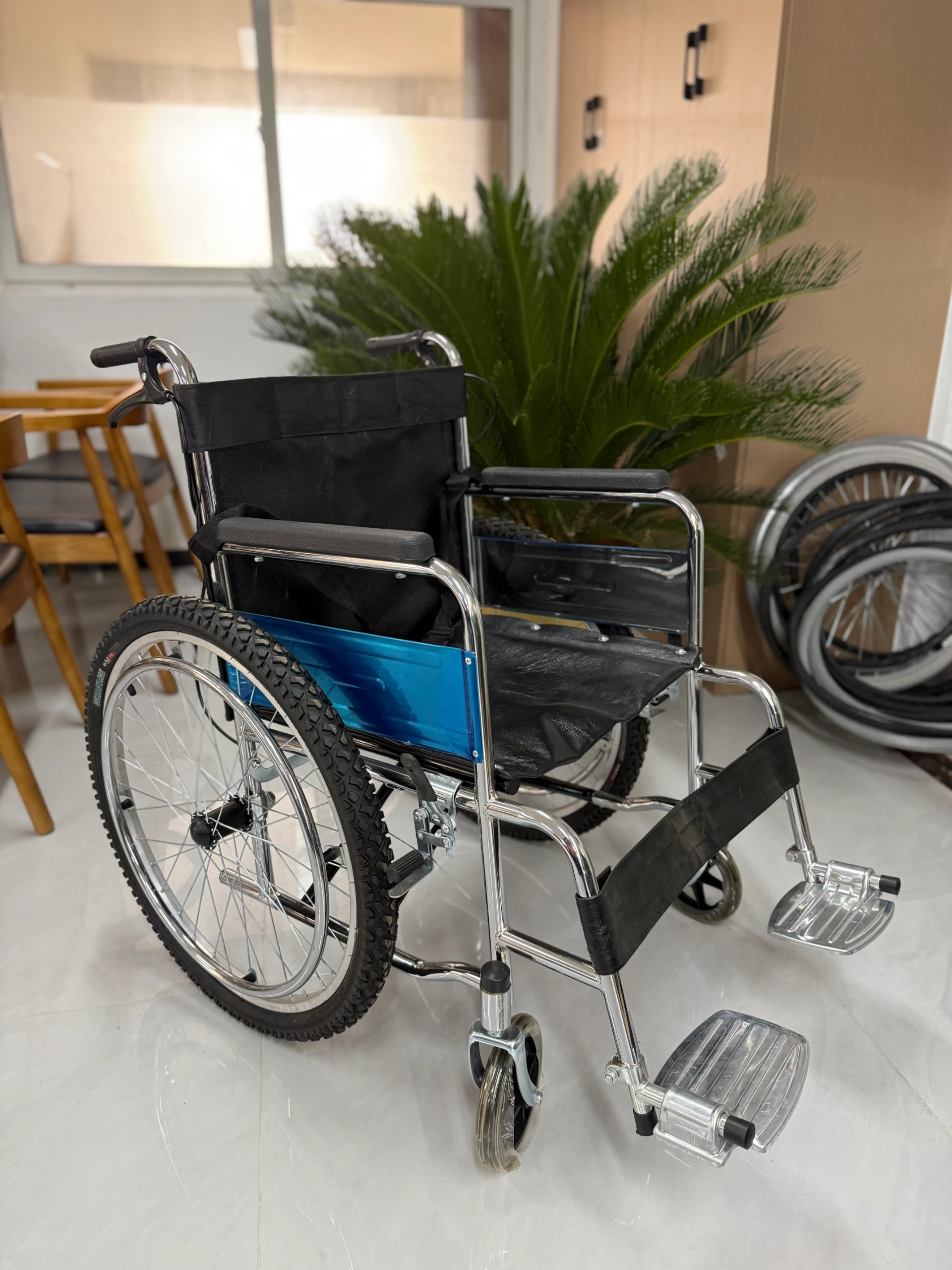
Elevating Healthcare with Innovative Hospital Furniture Design Solutions
Hospital Furniture Design: Creating Healing Environments
Effective hospital furniture design goes beyond aesthetics; it’s about fostering healing, enhancing patient comfort, and optimizing workflow for healthcare professionals. At ZF Medicare, we understand the unique demands of healthcare environments and specialize in creating furniture solutions that meet these needs. This article will explore the key considerations in hospital furniture design, covering everything from materials and ergonomics to infection control and modern trends. Investing in well-designed hospital furniture is an investment in patient care and staff well-being.
Key Considerations in Hospital Furniture Design
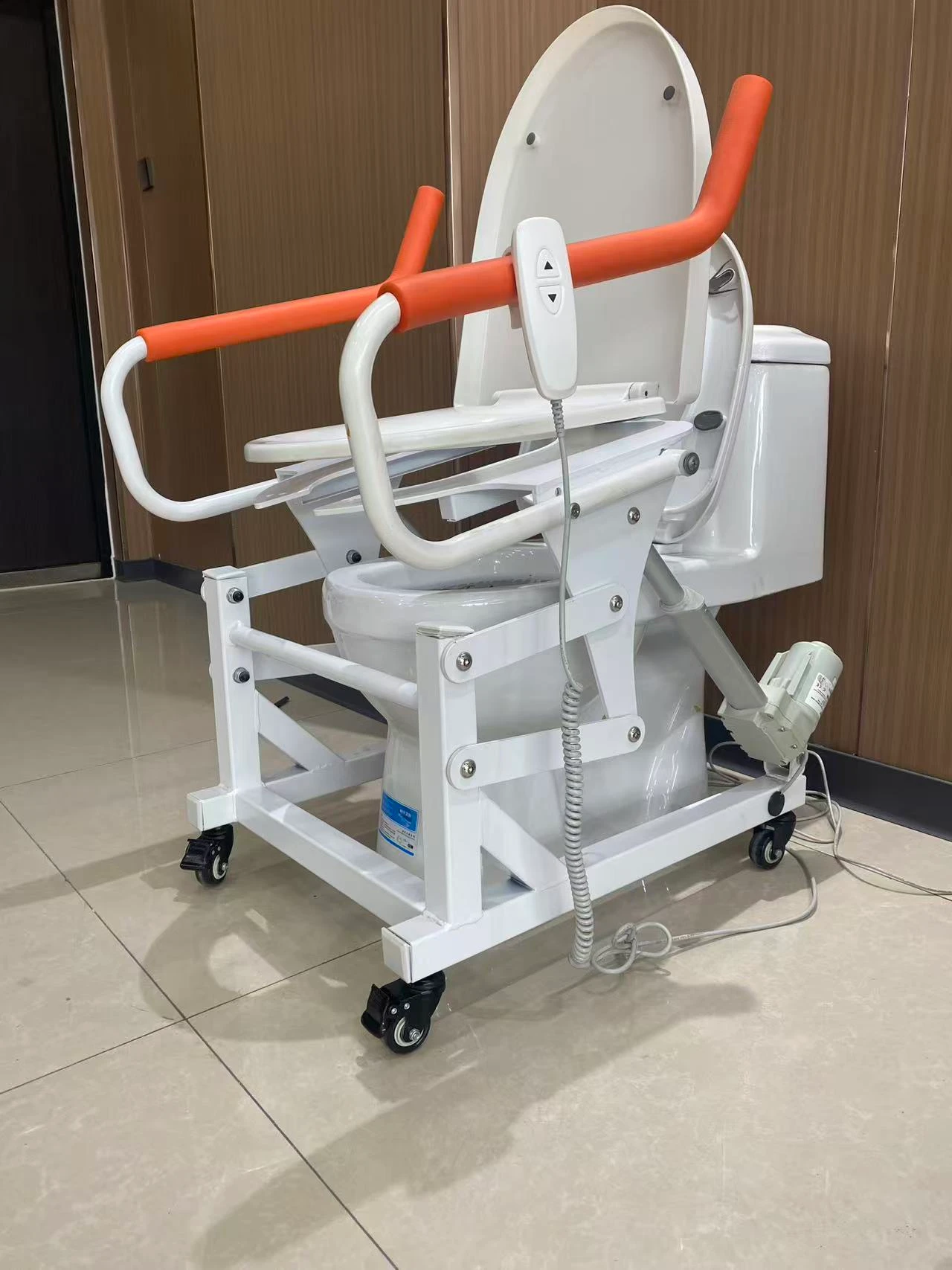
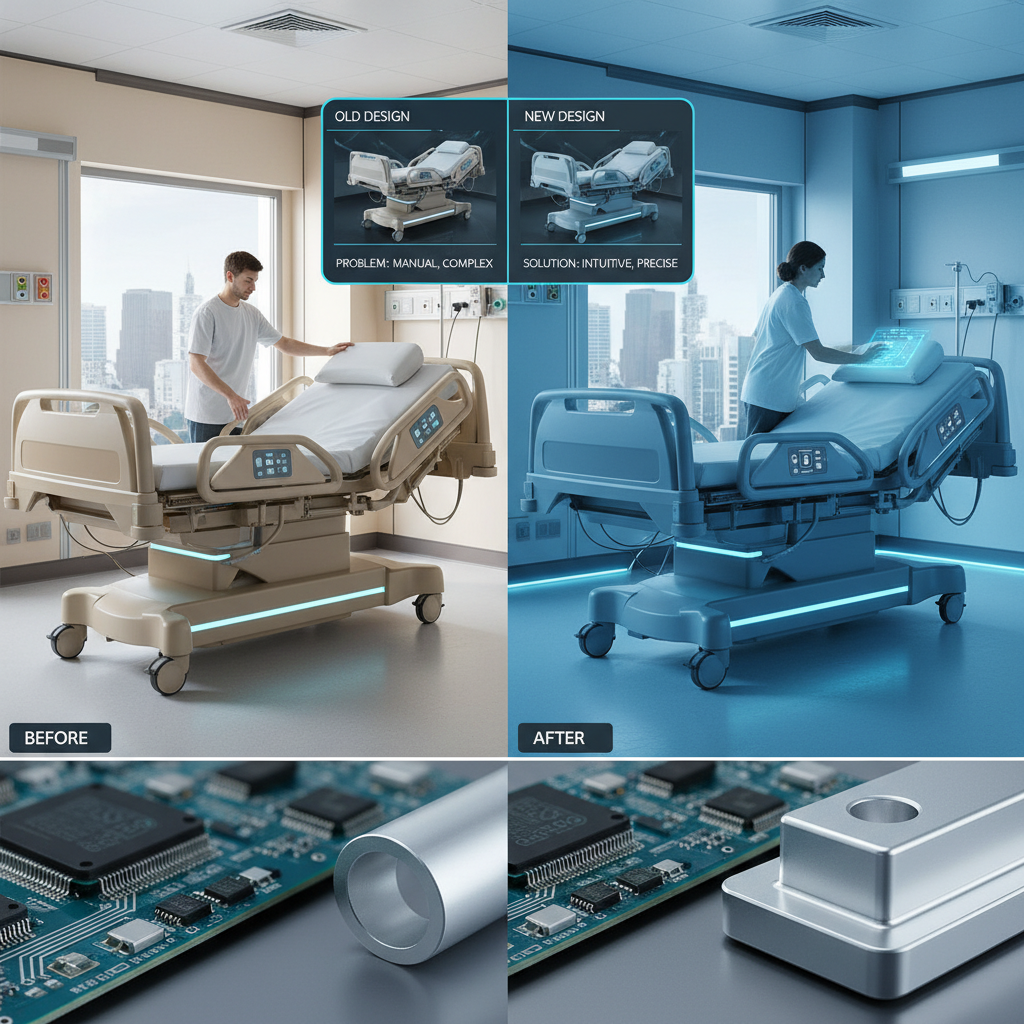
Designing furniture for a hospital is fundamentally different from designing for other spaces. Durability, hygiene, and patient safety are paramount. Materials must withstand frequent cleaning and disinfection without degrading. Ergonomics are essential to prevent strain on both patients and staff. Furthermore, furniture needs to support various functionalities – from patient examination and treatment to rest and recovery. Considerations include modularity for flexible space utilization, accessibility for patients with varying mobility levels, and aesthetics that promote a calming atmosphere. A poorly designed piece of furniture can hinder workflow, compromise patient safety, and create an unwelcoming environment.
Core Principles: Durability, hygiene, patient safety, ergonomics, and adaptability are the cornerstones of effective hospital furniture design.
Materials Matter: Selecting the Right Options
The choice of materials significantly impacts the lifespan, hygiene, and overall functionality of hospital furniture. Antimicrobial materials are increasingly popular, inhibiting the growth of bacteria and reducing the risk of healthcare-associated infections (HAIs). Vinyl and polyurethane are common choices for upholstery due to their durability and ease of cleaning. Frames are often constructed from stainless steel or powder-coated steel for strength and corrosion resistance. Wood, while aesthetically pleasing, requires careful sealing to prevent moisture absorption and bacterial growth. ZF Medicare prioritizes materials that meet rigorous healthcare standards.
Material Considerations:
• Antimicrobial surfaces reduce HAI risk
• Vinyl and polyurethane are durable and easy to clean
• Stainless steel and powder-coated steel offer strength and corrosion resistance
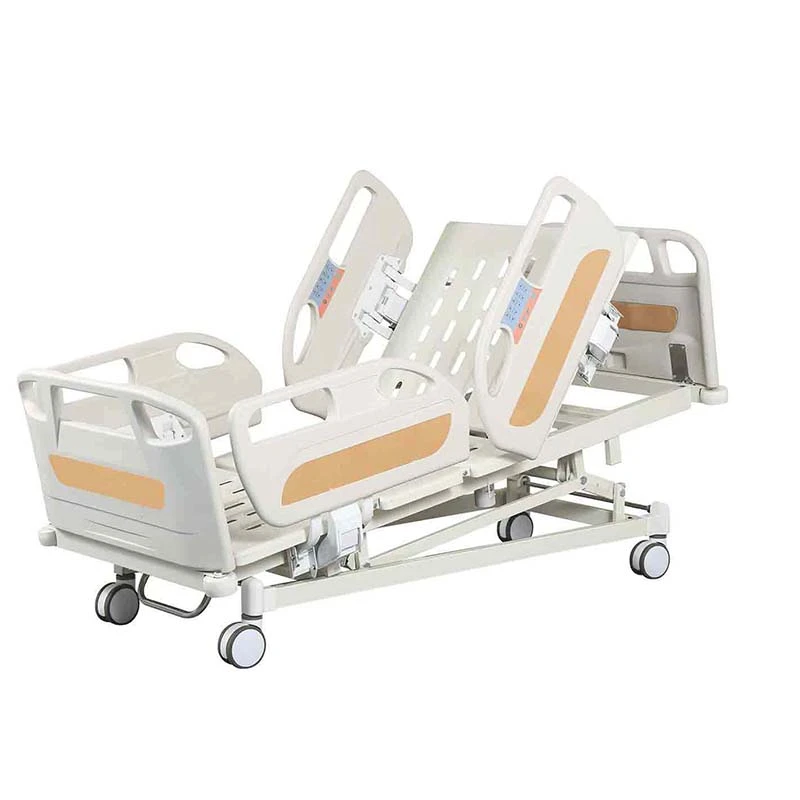
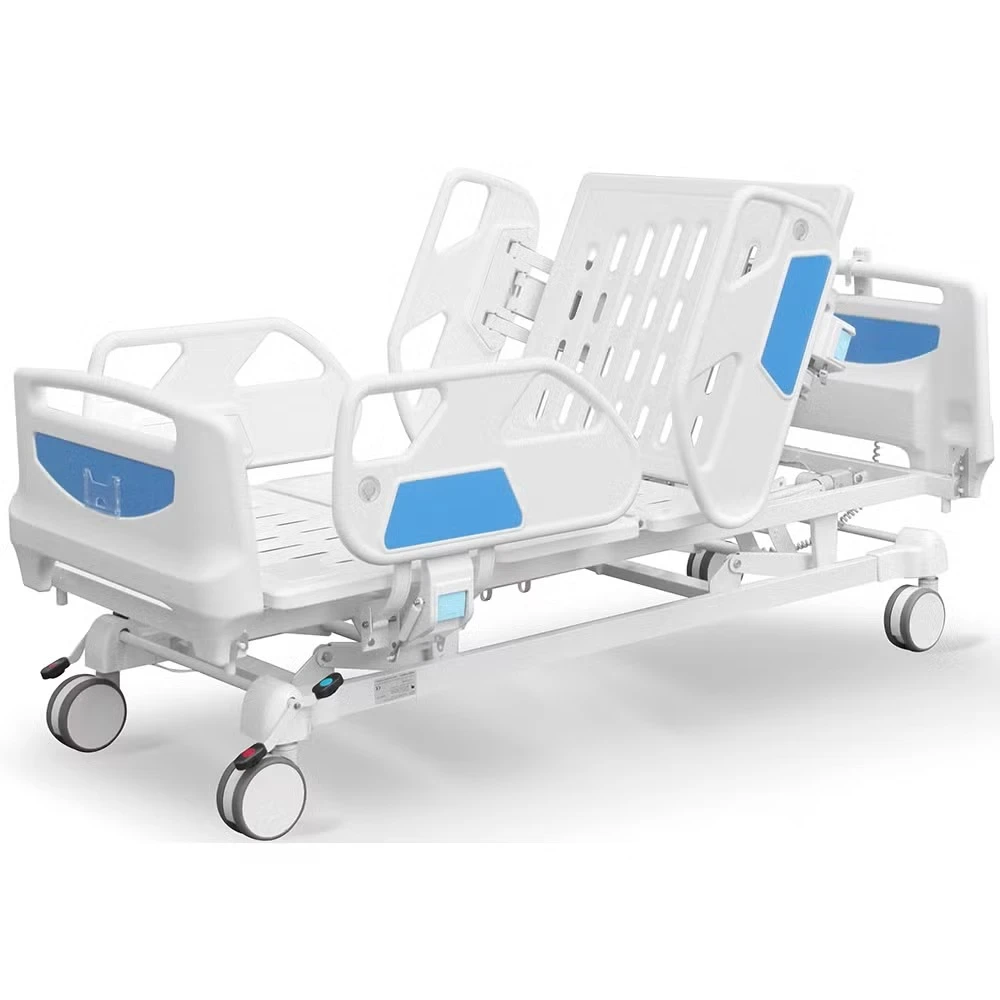
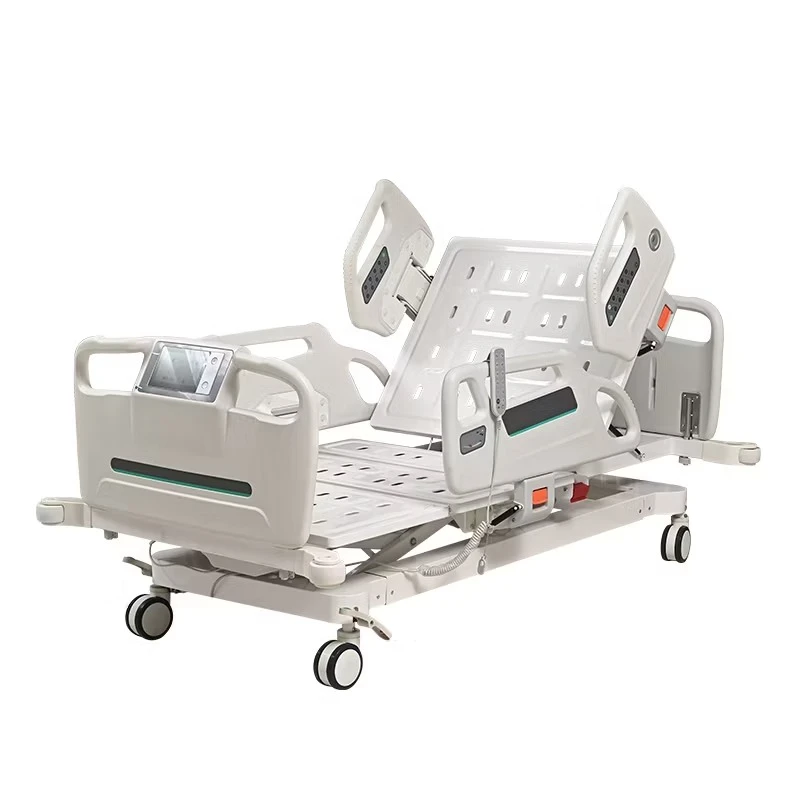
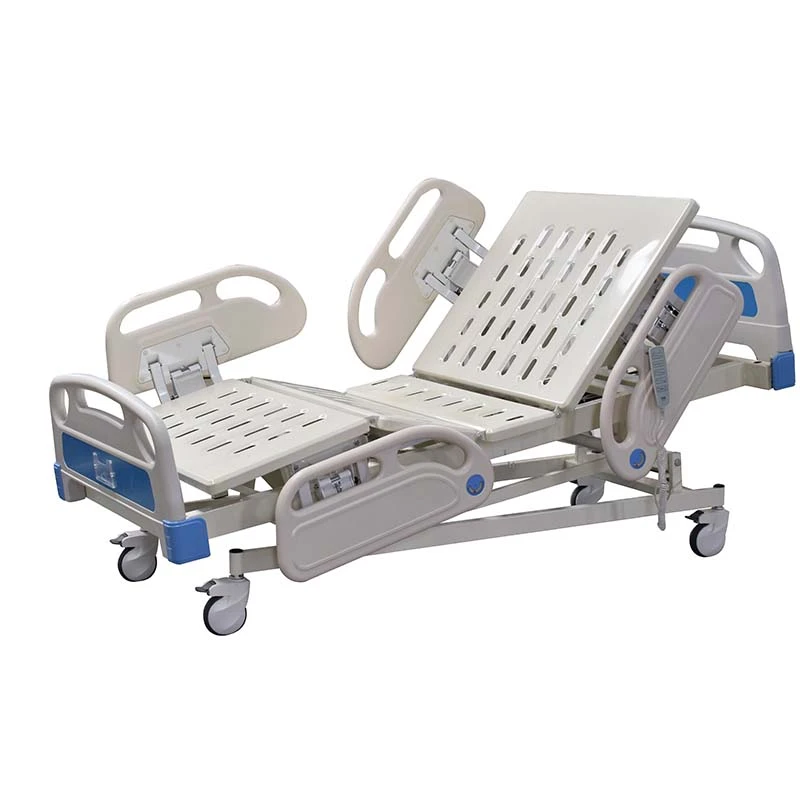
Hospital Bed Design: A Critical Component
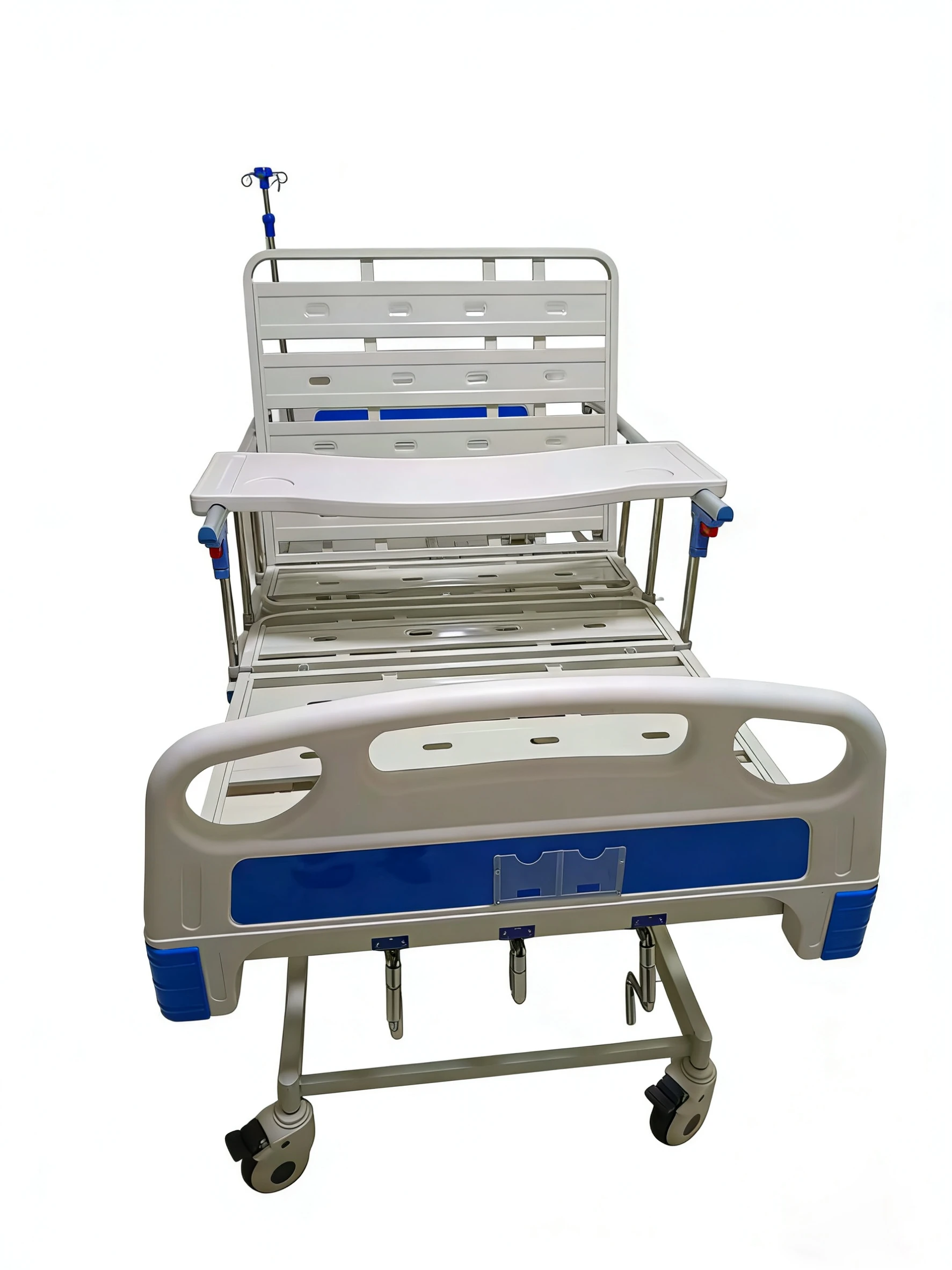
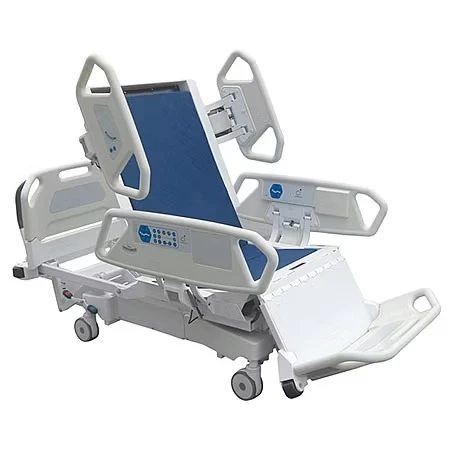
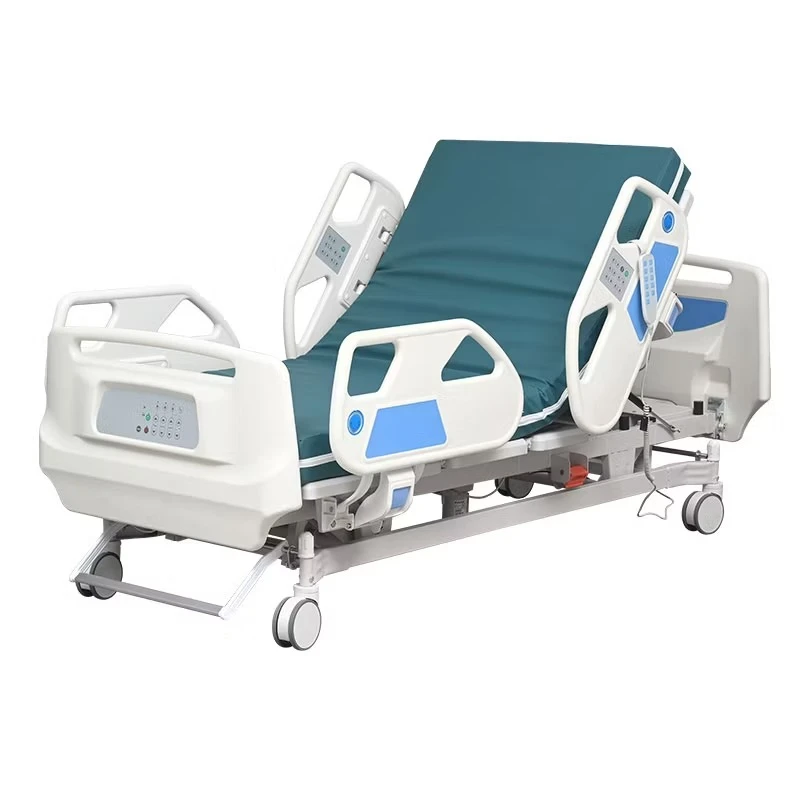
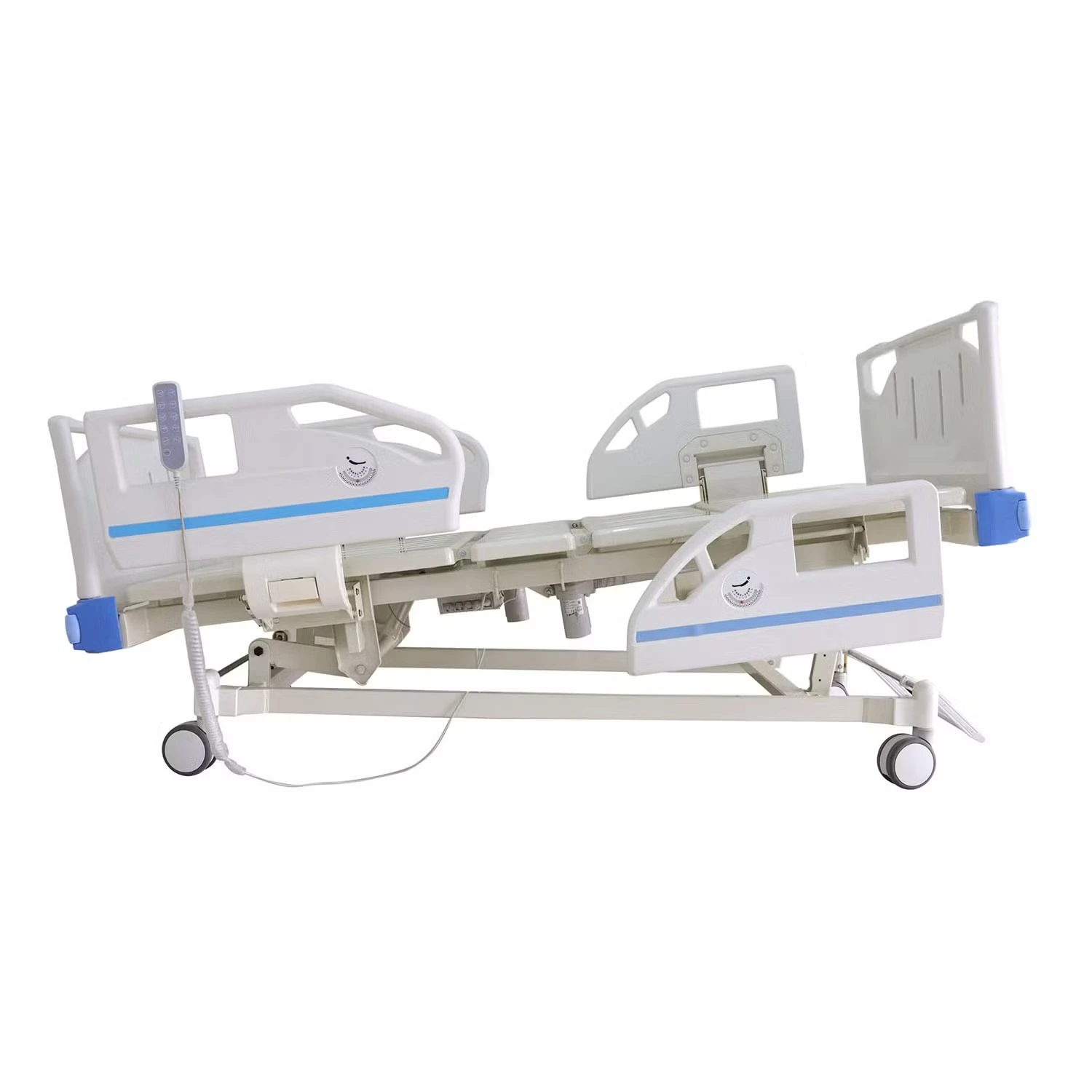
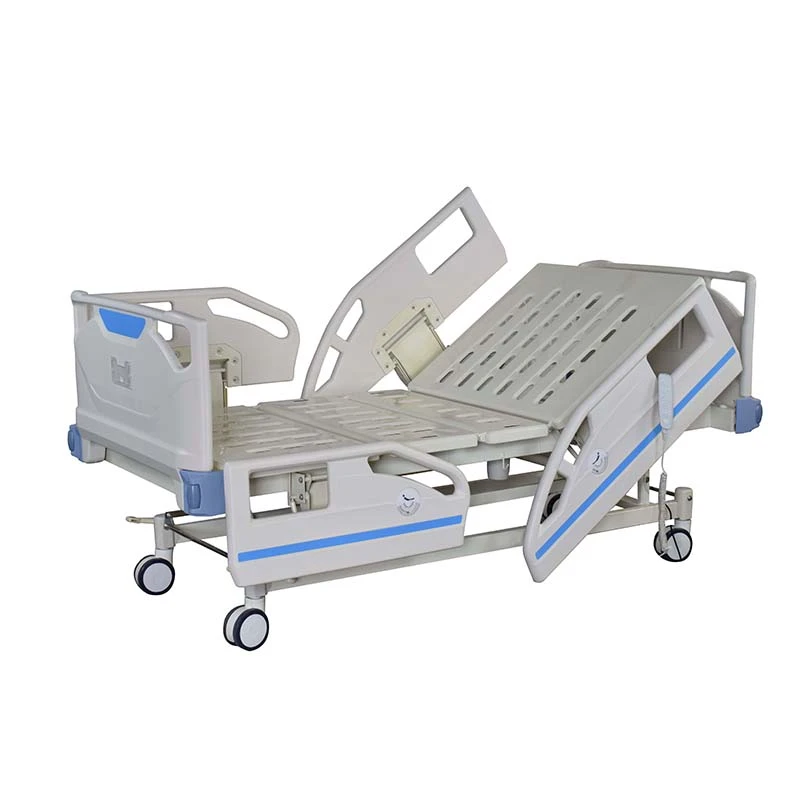
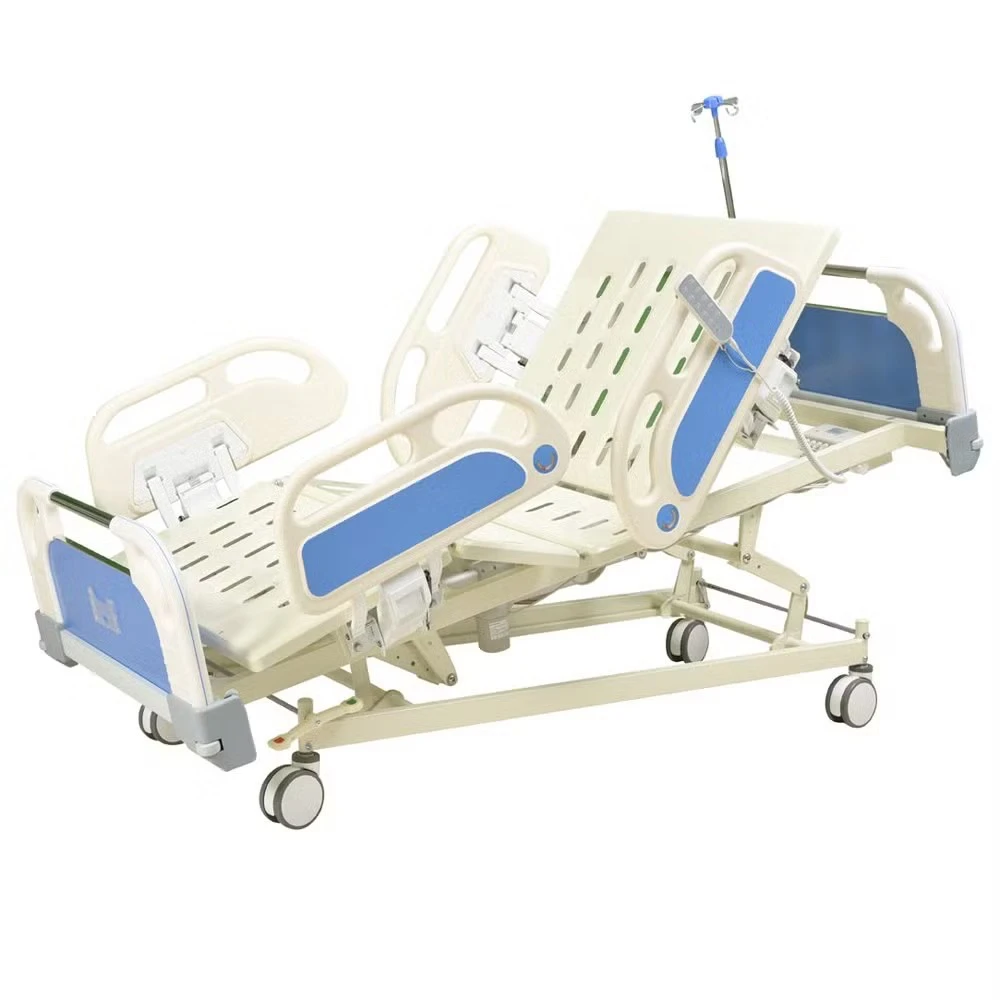
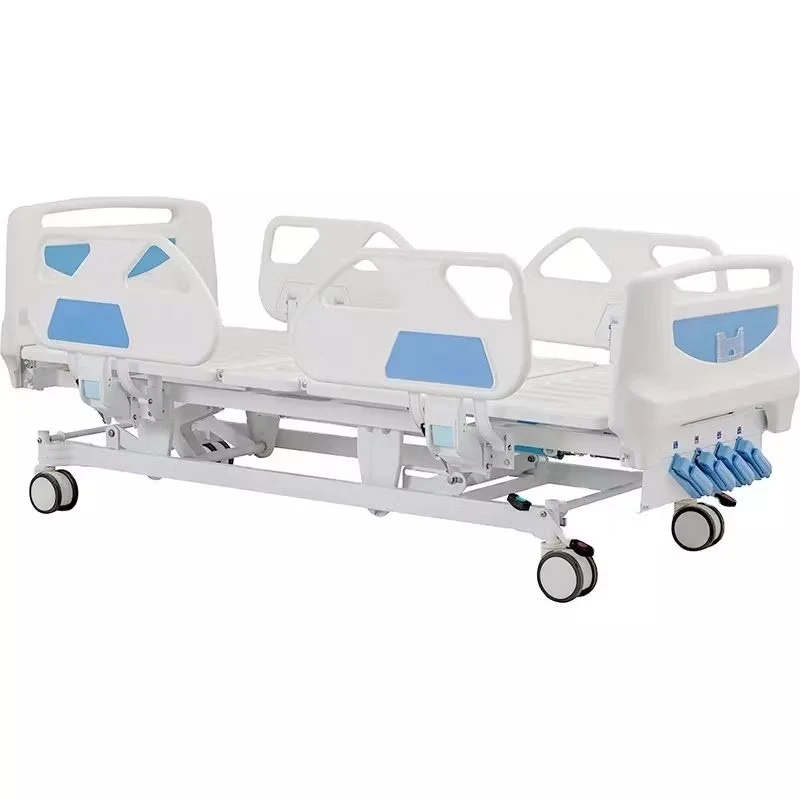
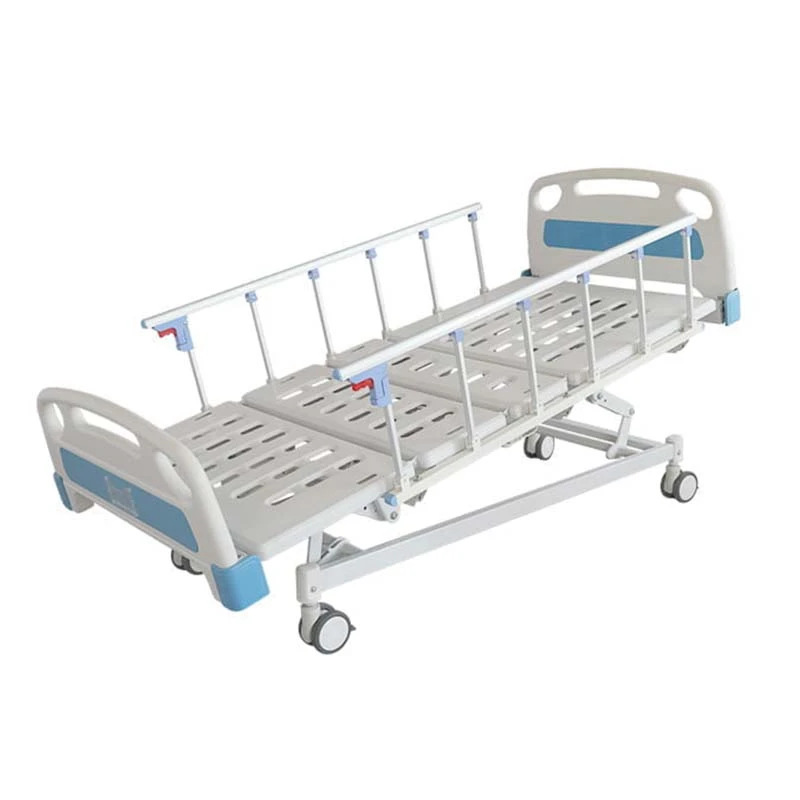
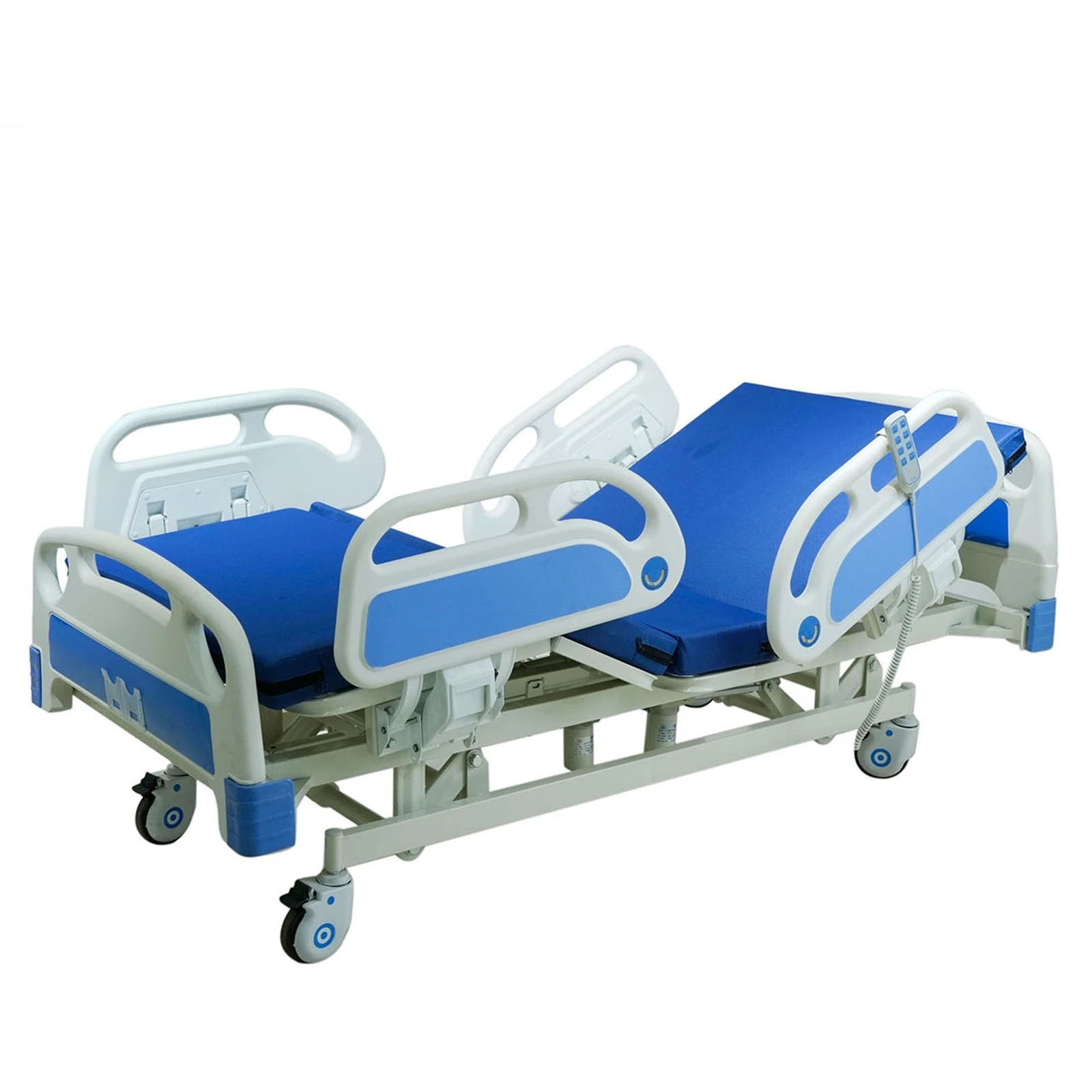
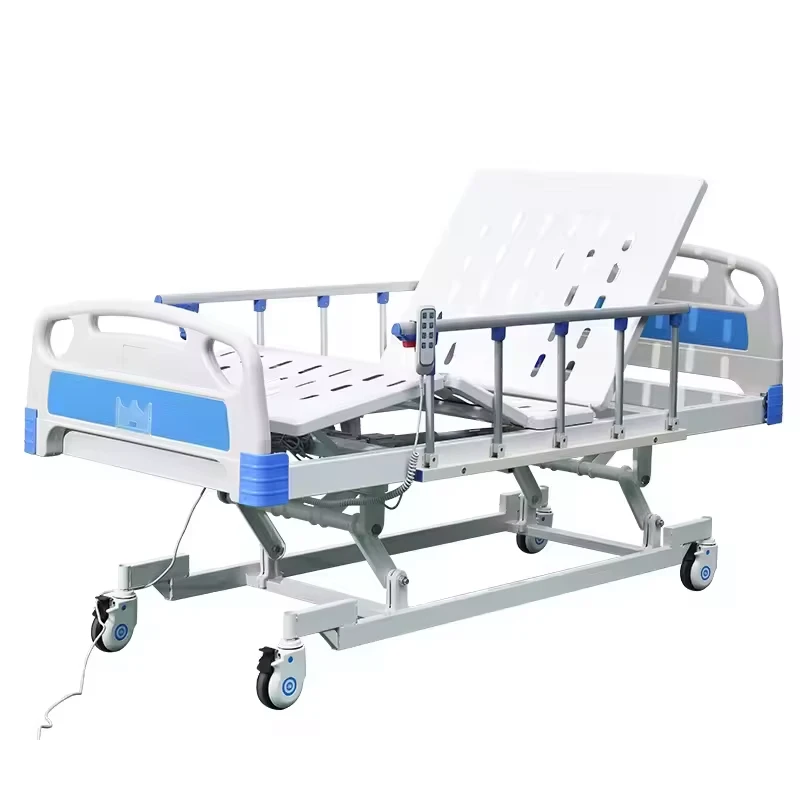
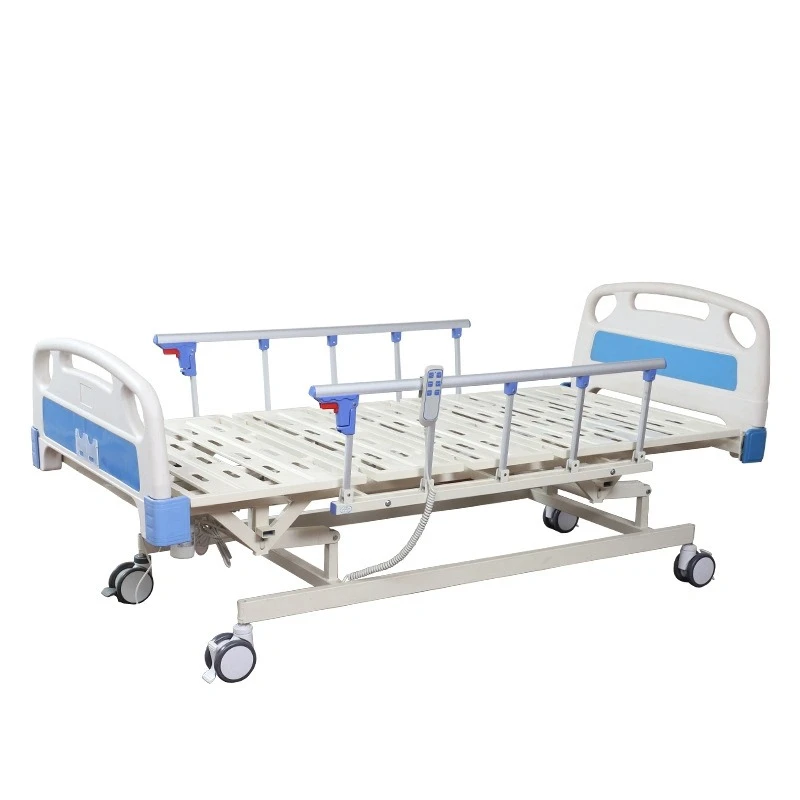
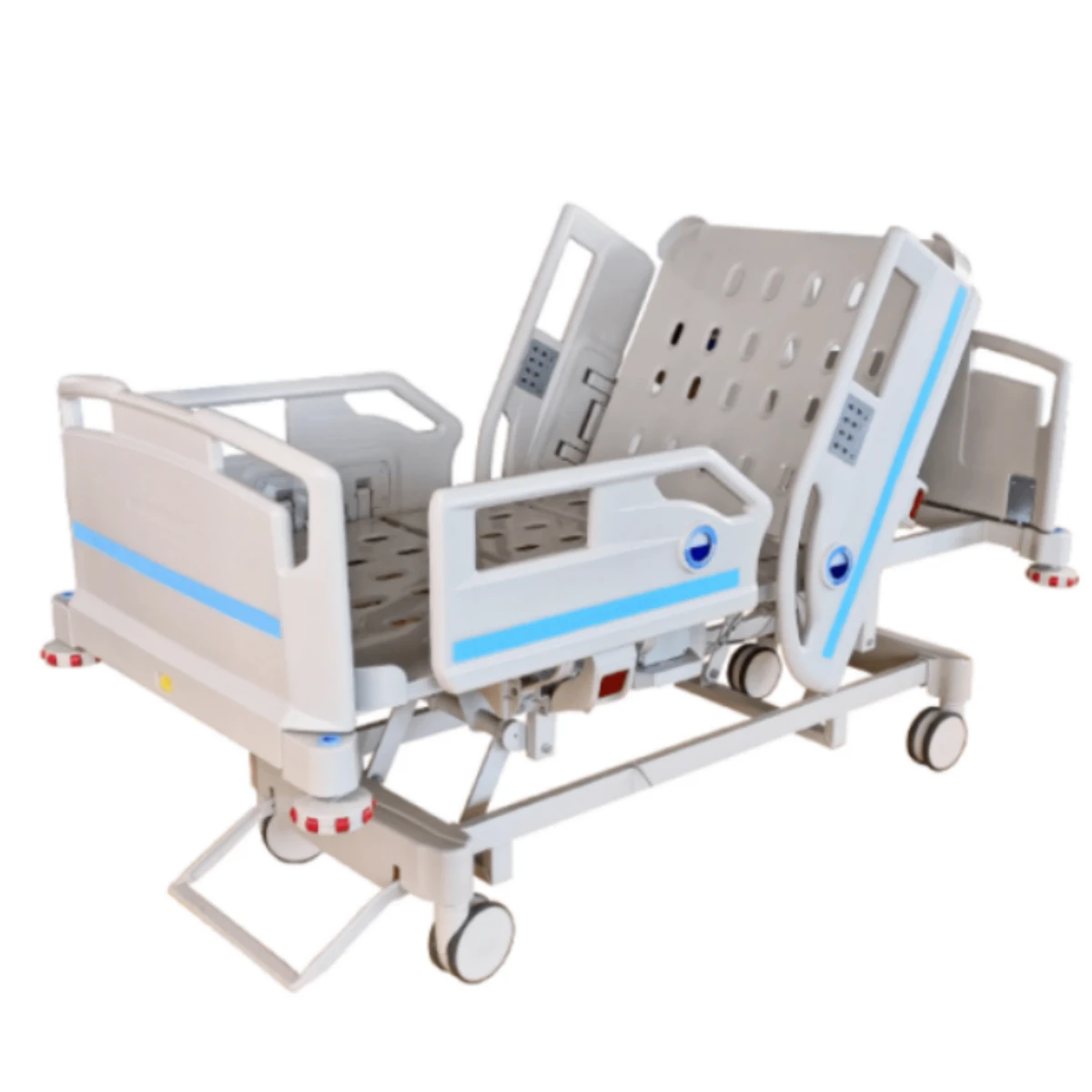
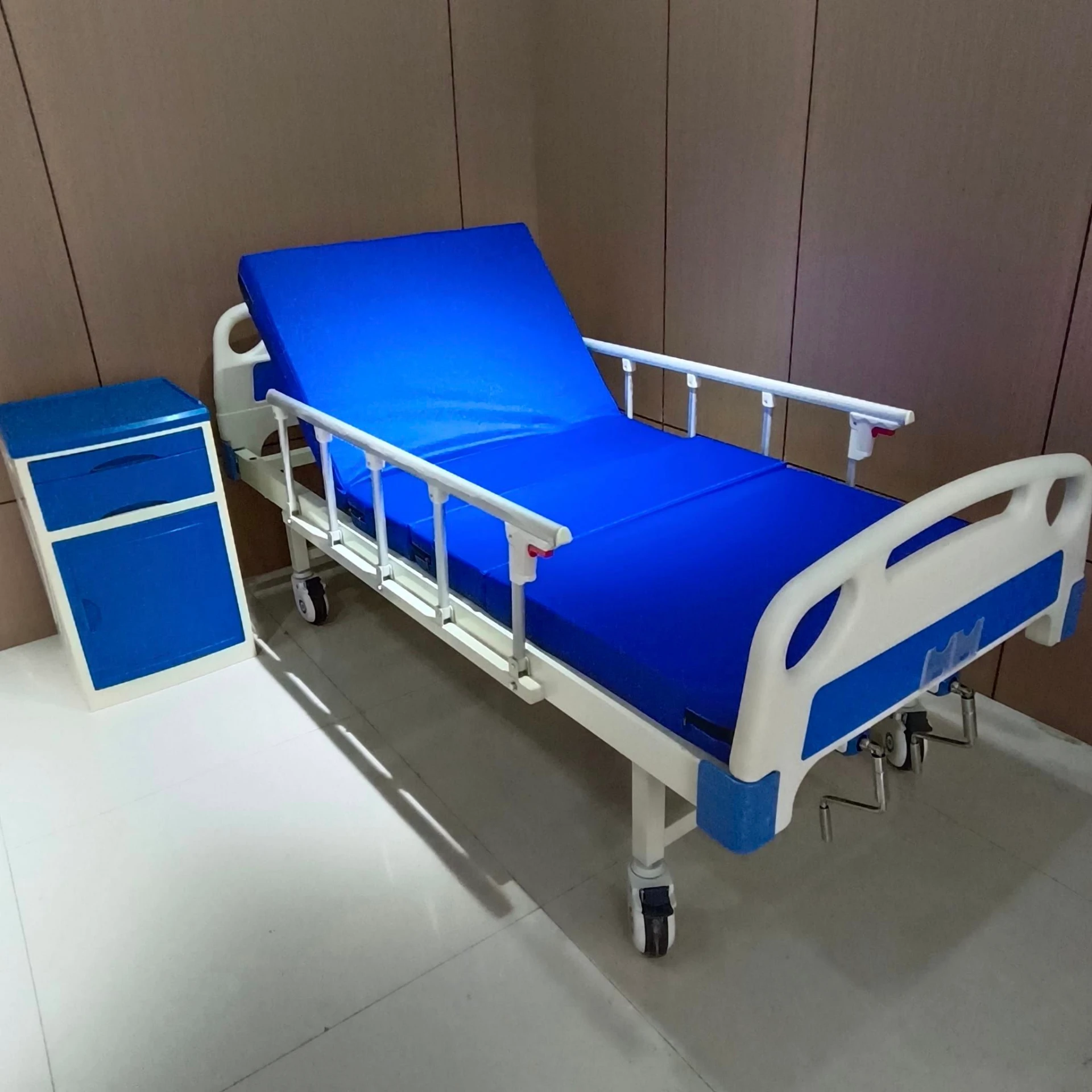
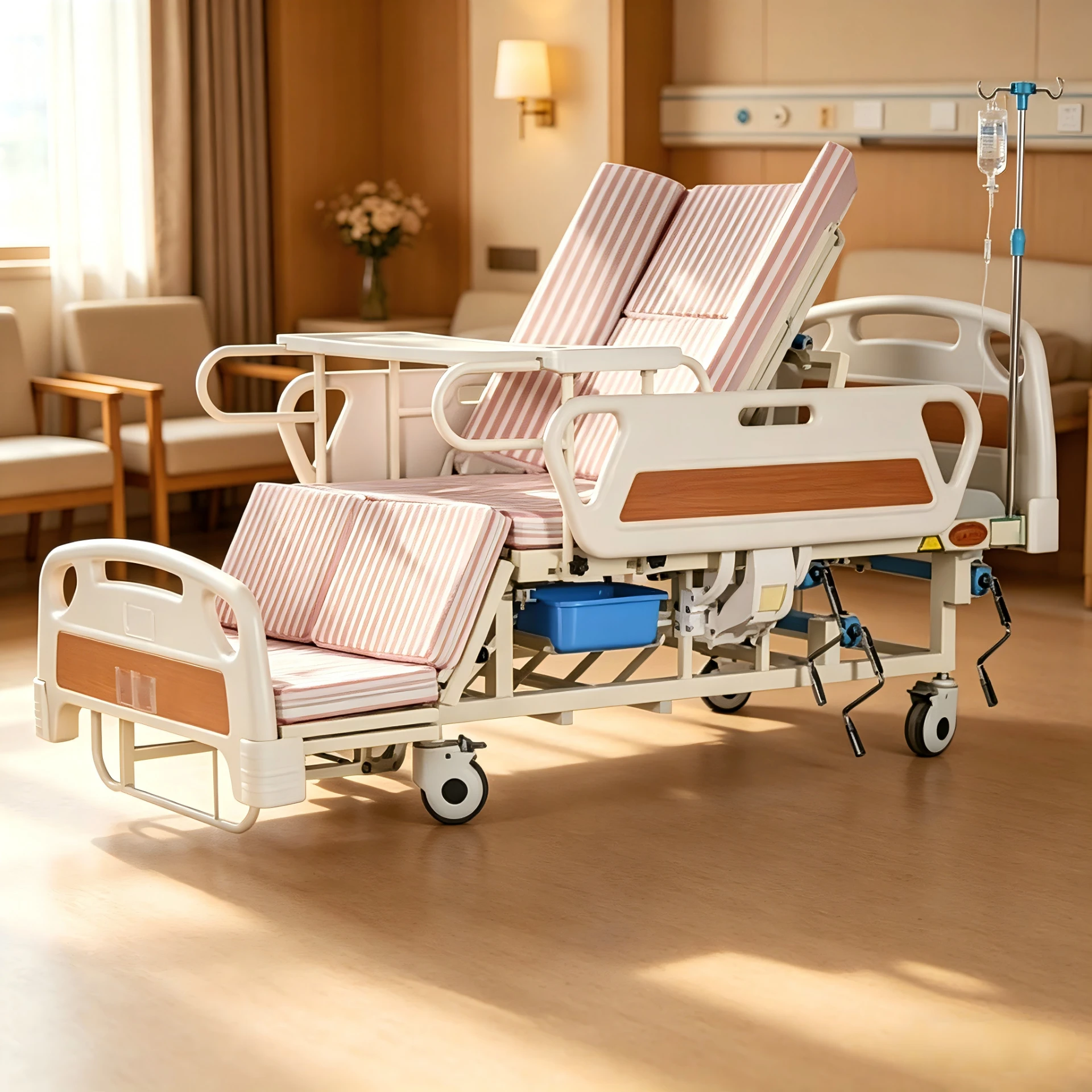
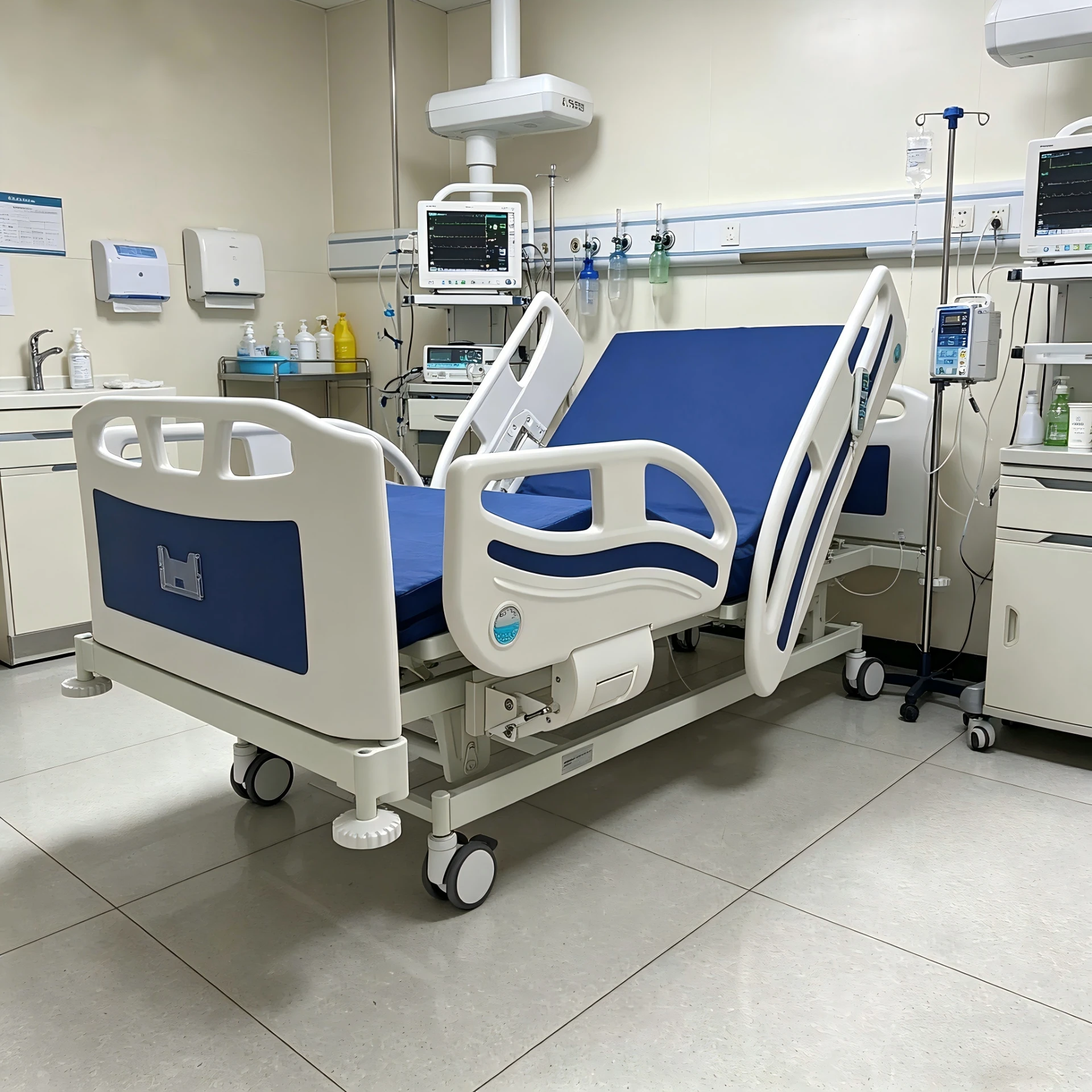
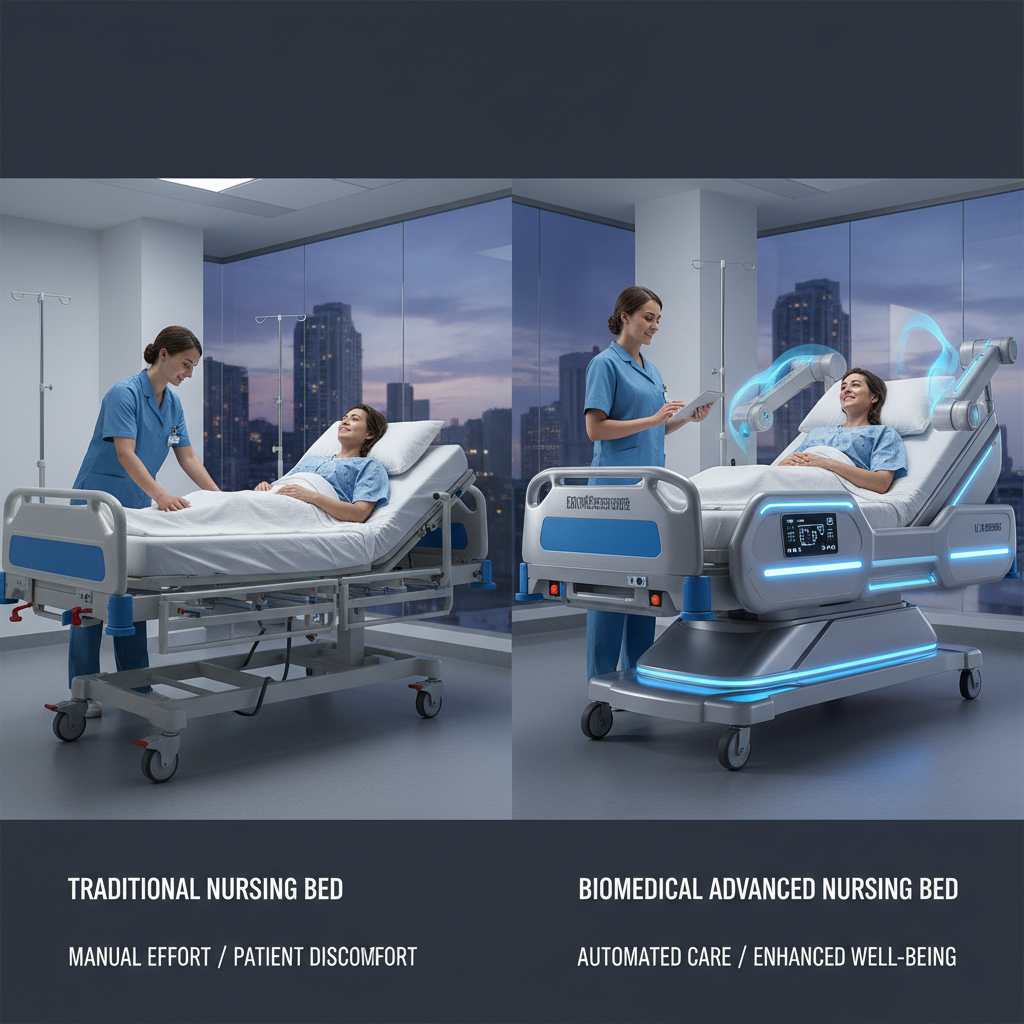
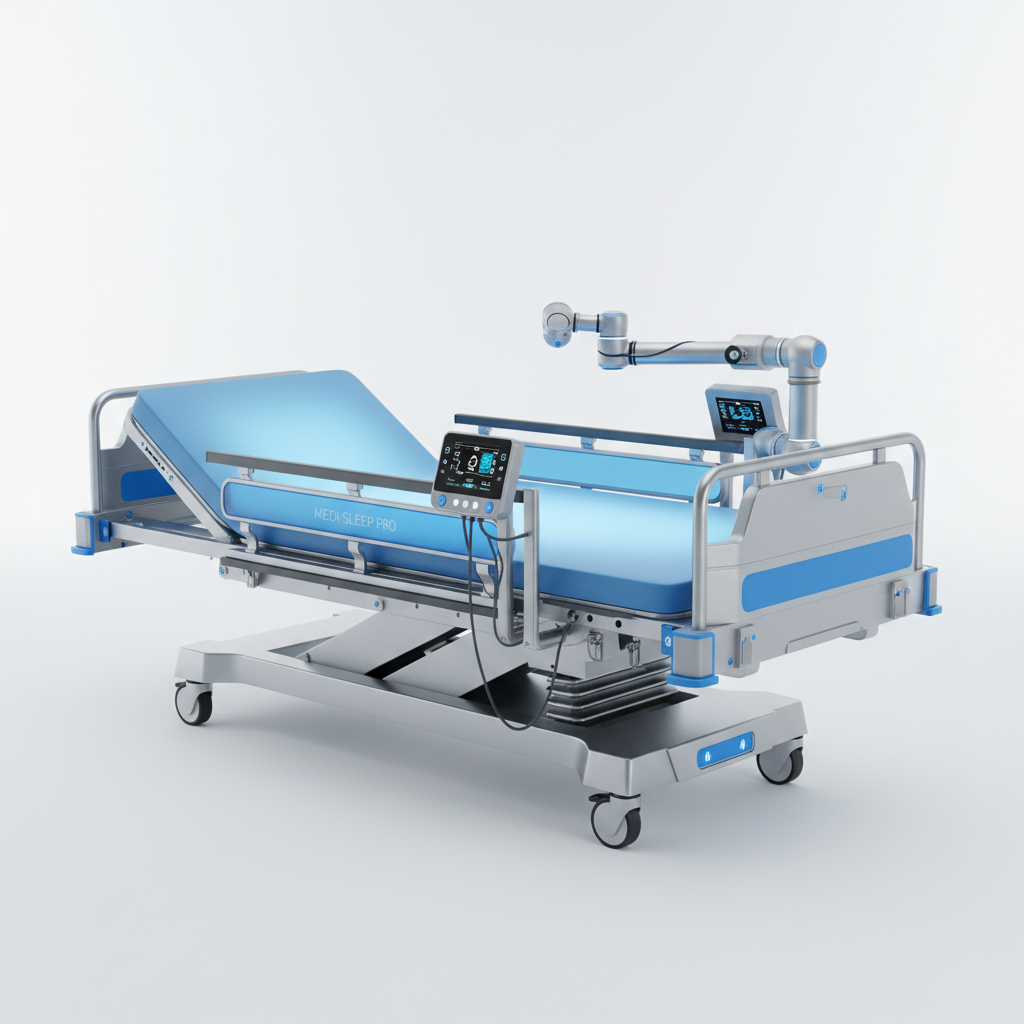
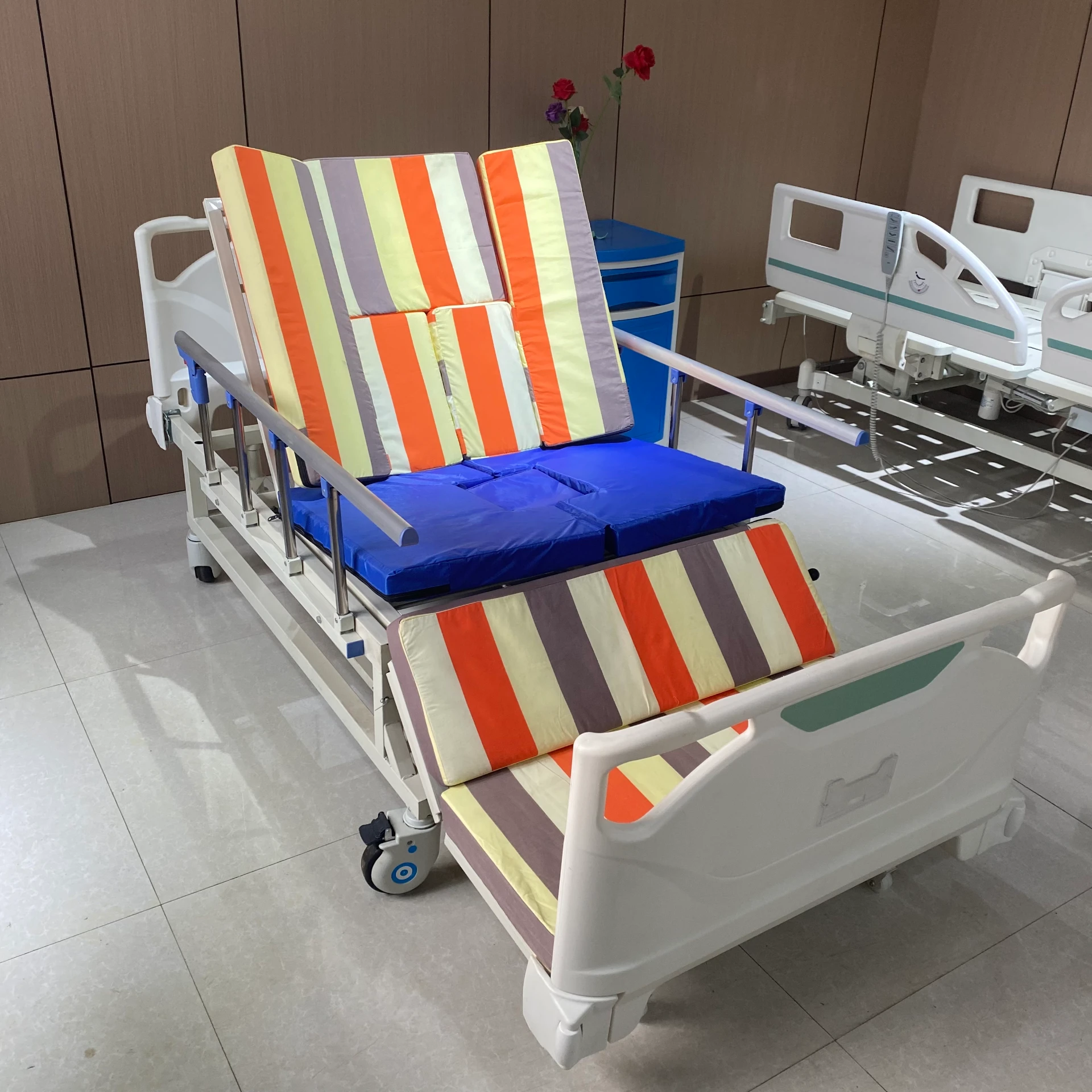
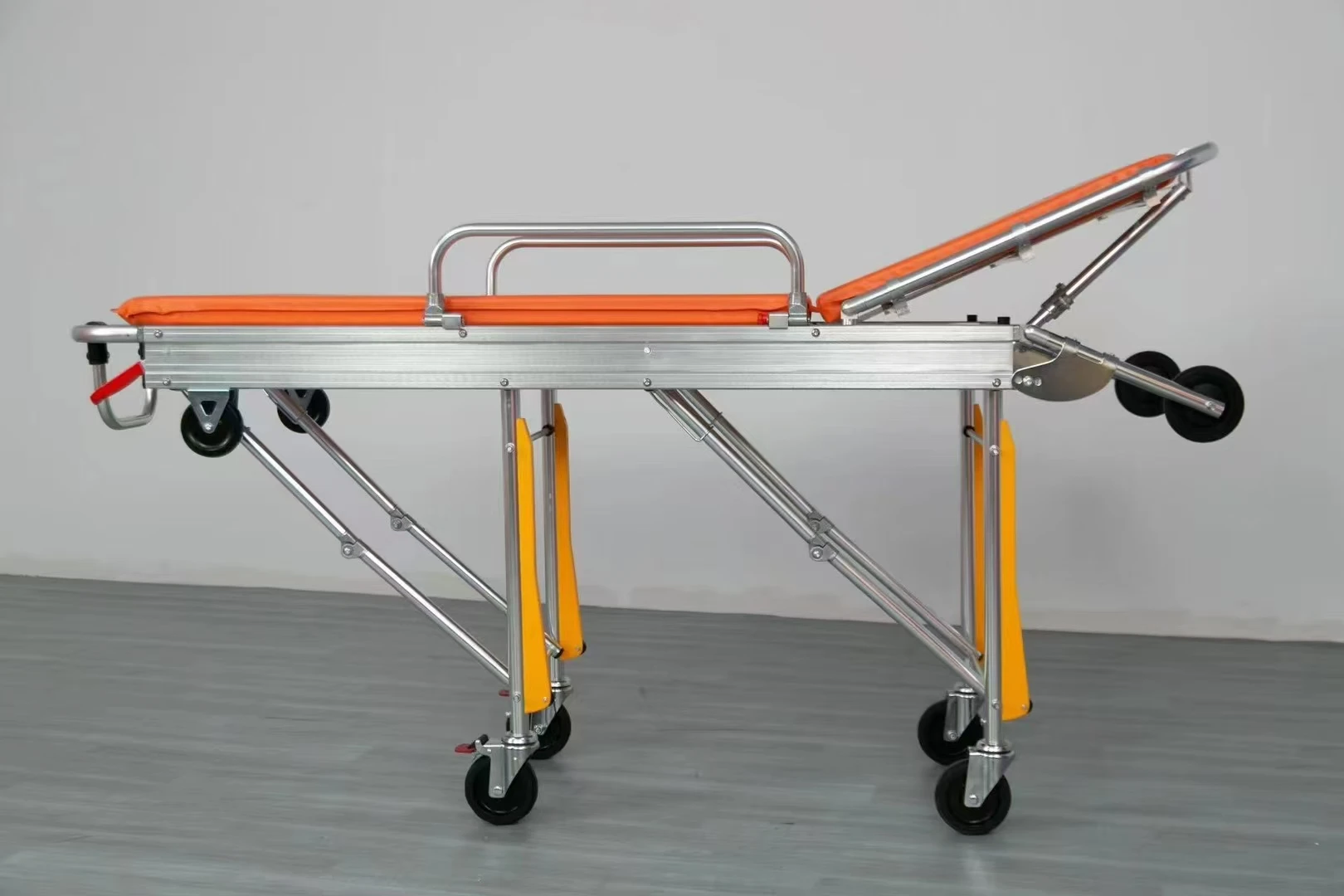
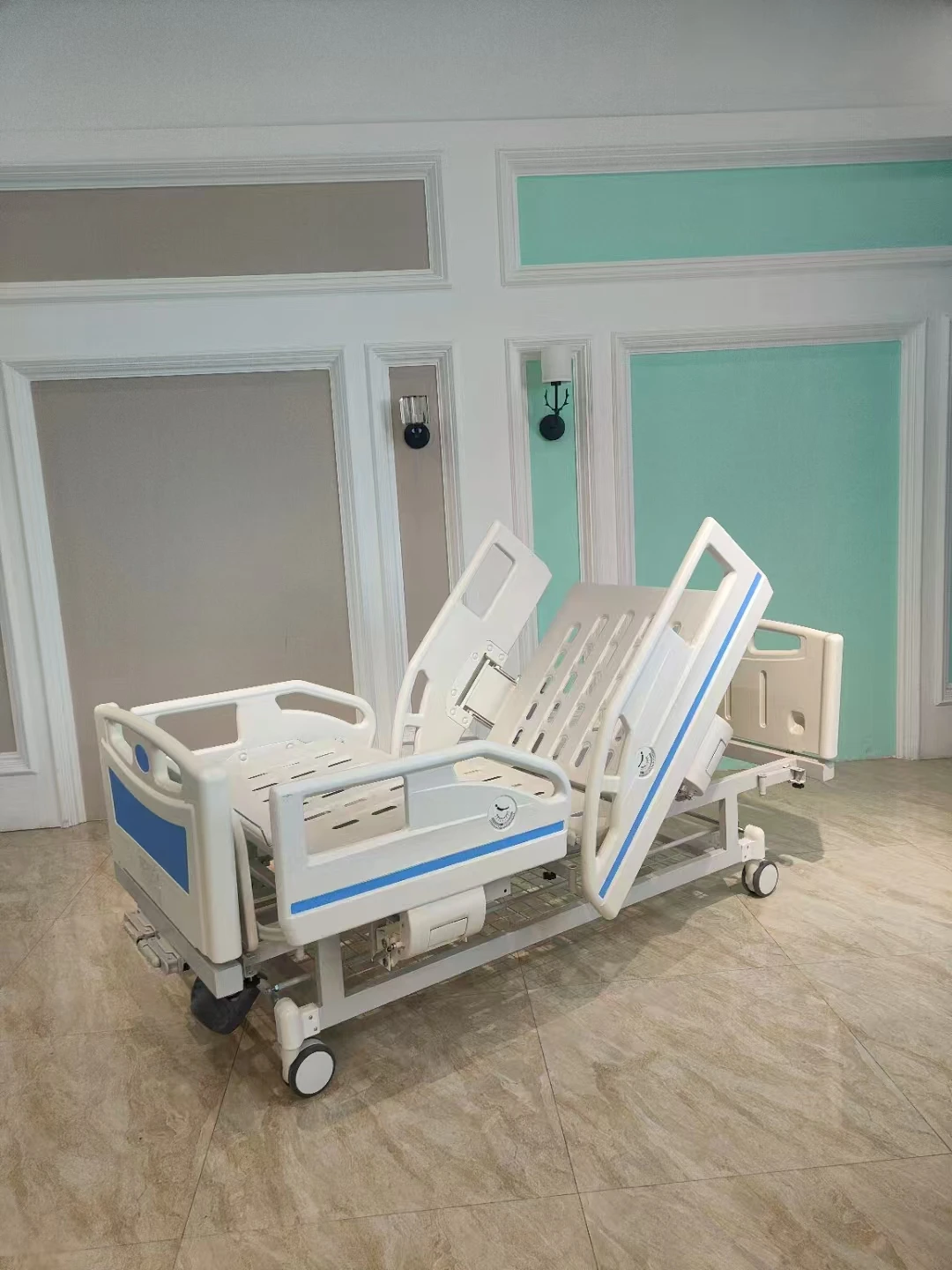
Hospital beds are arguably the most critical piece of furniture in a healthcare setting. Modern hospital bed design focuses on patient safety, comfort, and caregiver convenience. Features like adjustable height, backrest angle, and leg rest elevation are essential for patient positioning and care. Integrated controls, side rails, and built-in weighing scales enhance functionality. Furthermore, beds should be easily maneuverable and equipped with locking mechanisms for safety. At ZF Medicare, we offer a range of hospital beds designed to meet diverse clinical needs.
Ergonomic Design for Patients and Staff
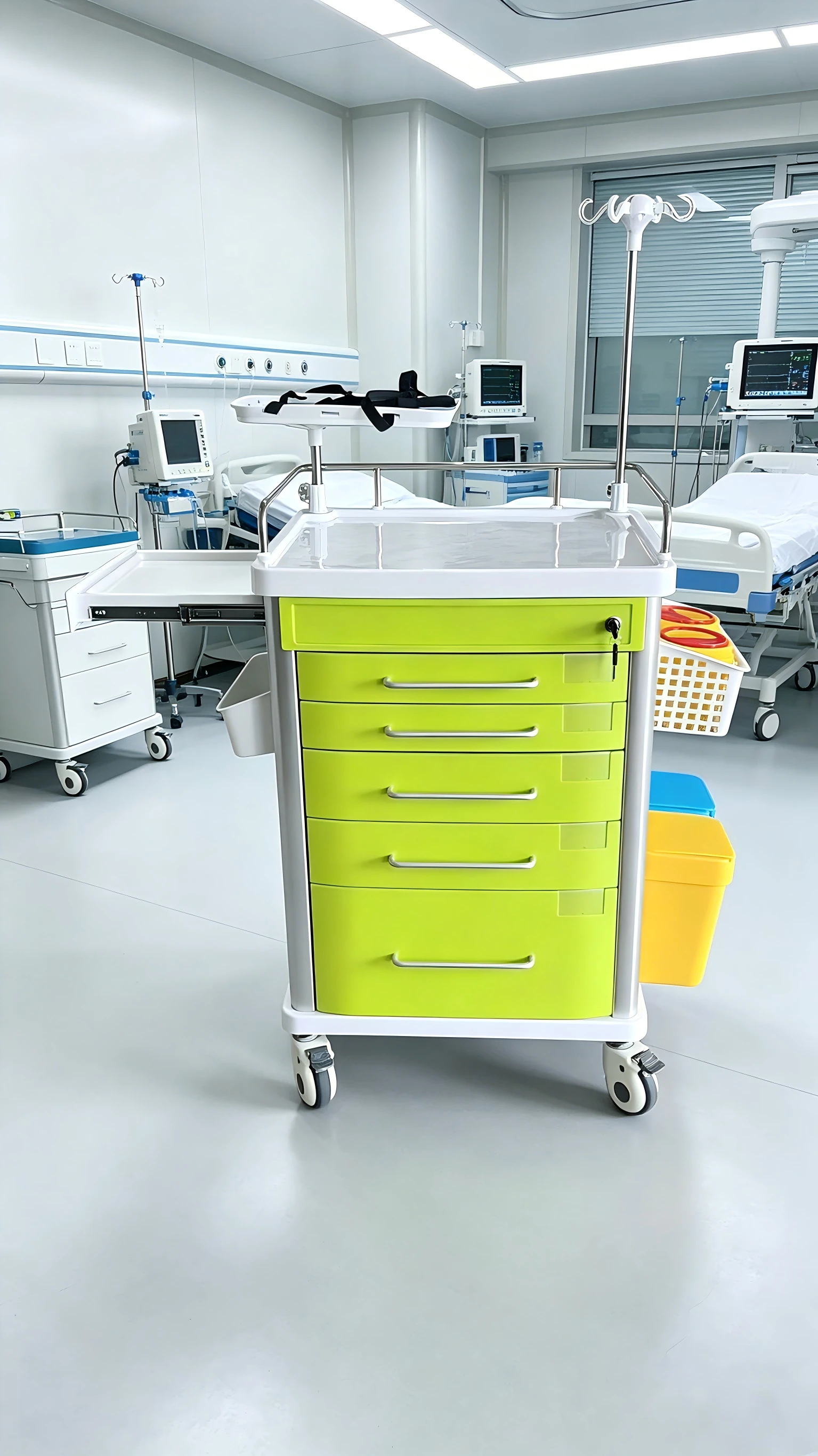
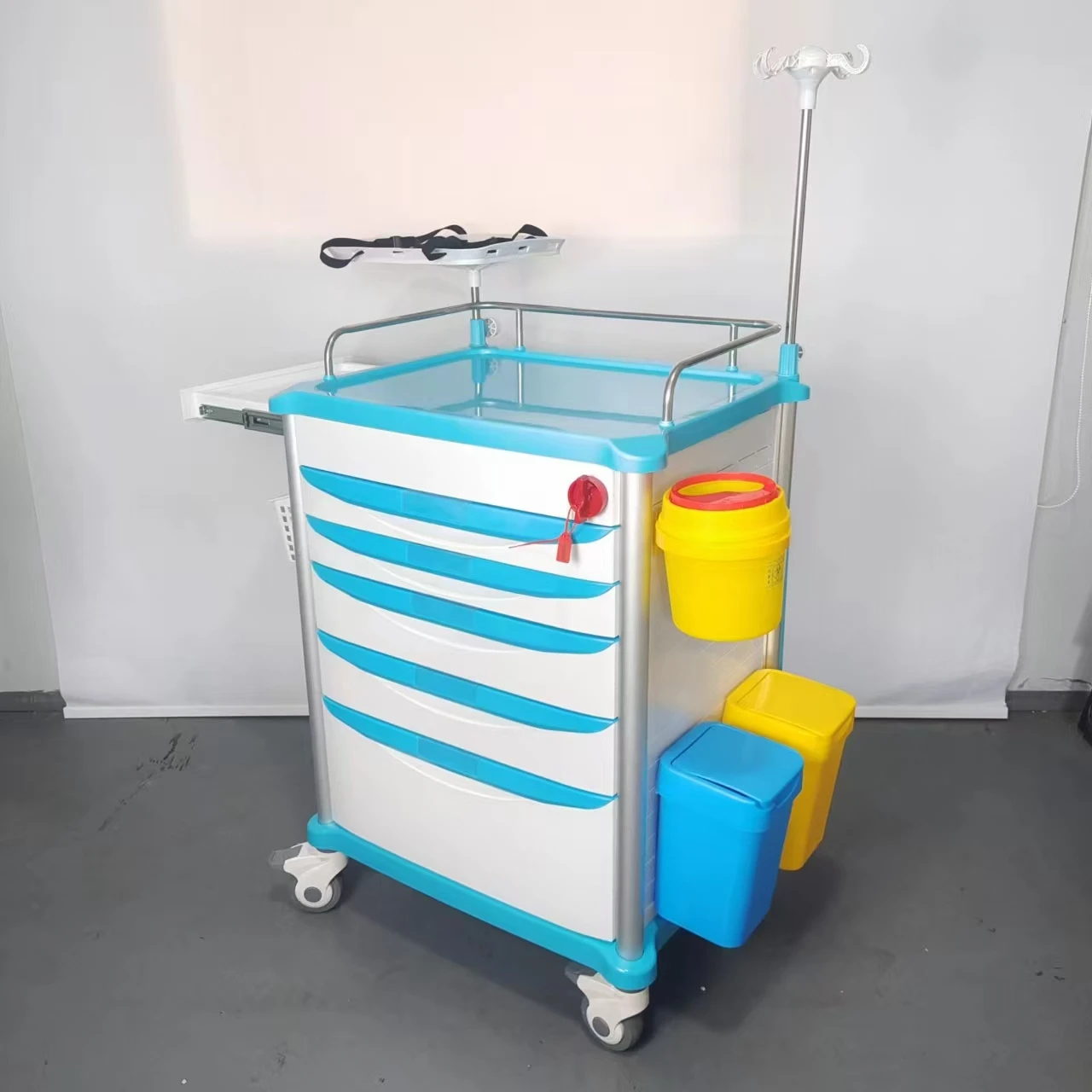
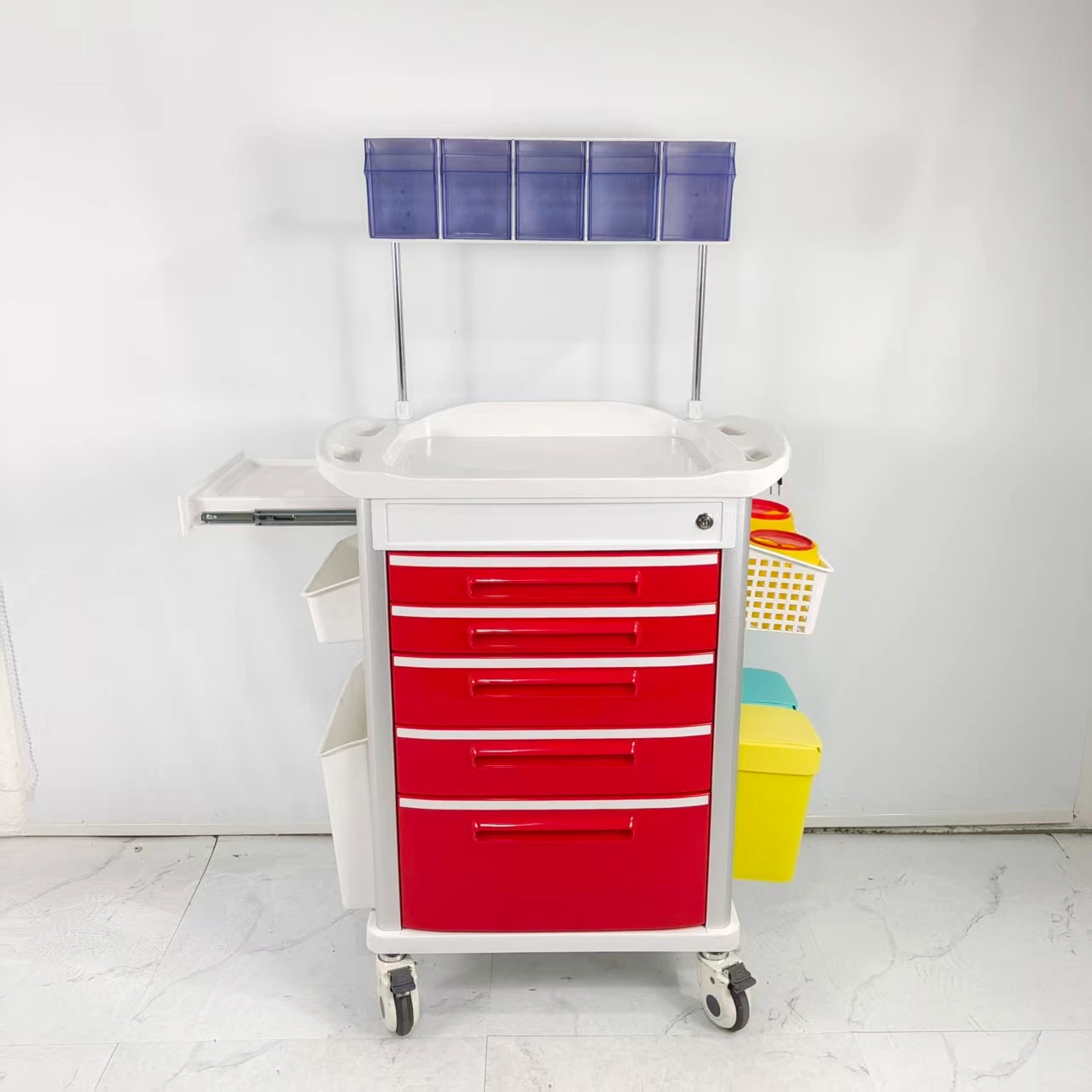
Ergonomics play a vital role in preventing injuries and improving the well-being of both patients and healthcare staff. For patients, comfortable seating and support are crucial for promoting rest and recovery. For staff, adjustable chairs, work surfaces, and equipment carts can reduce strain and improve efficiency. Consider the height of surfaces to minimize bending and reaching. Ensure chairs provide adequate lumbar support and are easily adjustable. Ergonomic furniture contributes to a more productive and positive work environment.
Future Trends in Hospital Furniture Design
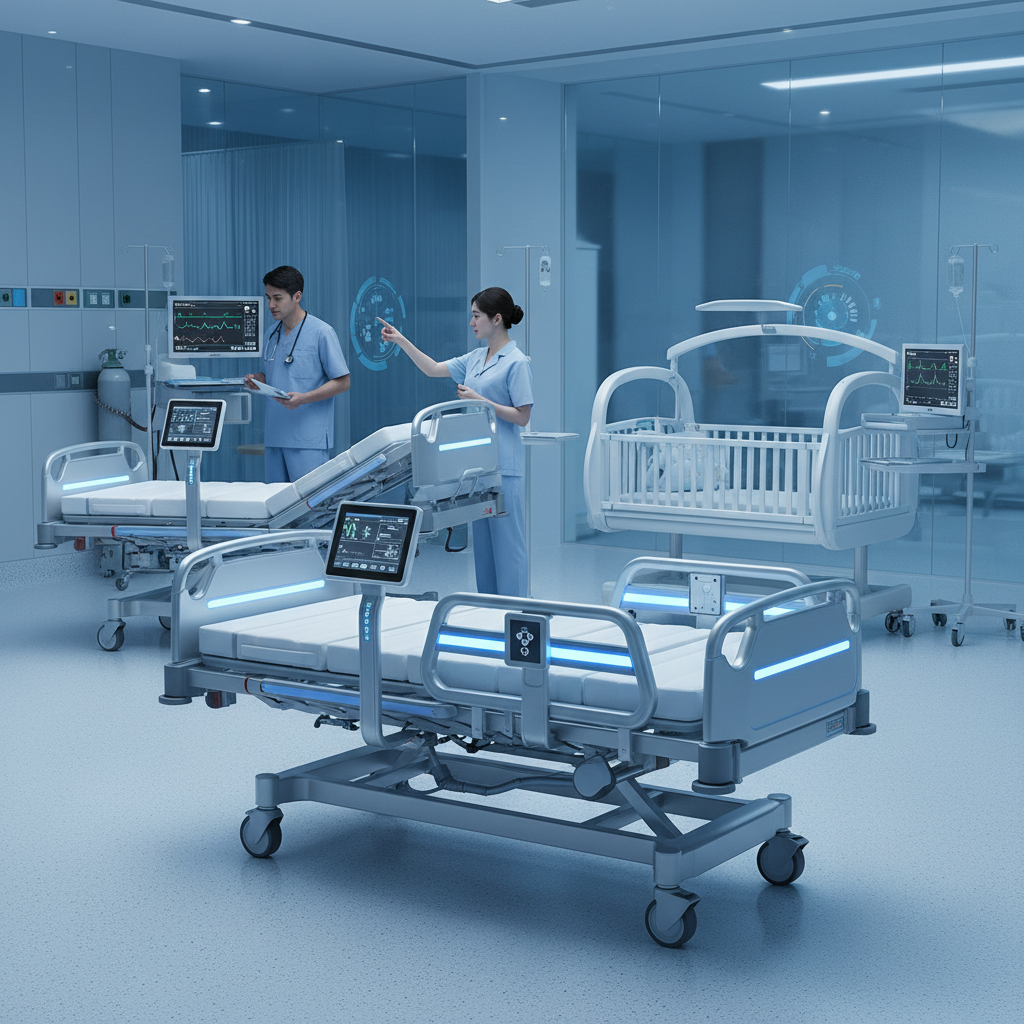
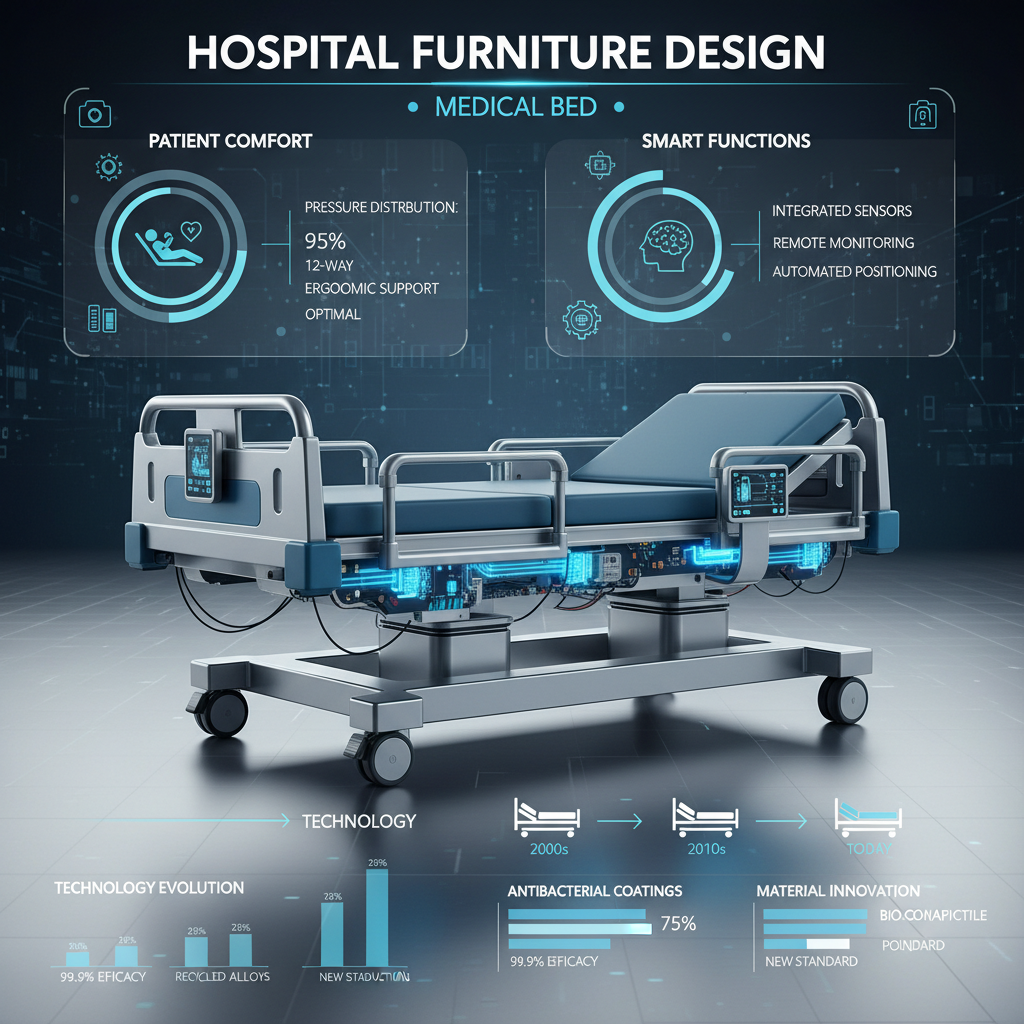
The field of hospital furniture design is constantly evolving. We're seeing a growing emphasis on flexible and modular designs that can adapt to changing clinical needs. Smart furniture with integrated technology, such as monitoring sensors and charging ports, is also gaining traction. Biophilic design – incorporating natural elements like wood and plants – is being used to create more calming and restorative environments. ZF Medicare stays at the forefront of these trends, offering innovative solutions that enhance patient care and improve the overall healthcare experience.
Conclusion: Investing in Quality Hospital Furniture
Investing in high-quality hospital furniture design is an investment in the well-being of patients and staff. By prioritizing durability, hygiene, ergonomics, and innovative design, healthcare facilities can create environments that promote healing, enhance efficiency, and improve the overall patient experience. ZF Medicare is committed to providing furniture solutions that meet the unique demands of the healthcare industry.
Frequently Asked Questions (FAQs)
What are the key considerations for infection control in hospital furniture?
Infection control is paramount. Furniture should be made from non-porous materials that are easy to clean and disinfect. Antimicrobial surfaces can inhibit bacterial growth. Designs should minimize crevices and seams where dirt and bacteria can accumulate. Regular cleaning and disinfection protocols are essential. Upholstery should be resistant to fluids and easily sanitized. Proper ventilation in areas where furniture is used also contributes to infection control.
How important is modularity in hospital furniture?
Modularity is incredibly important. Hospitals frequently need to reconfigure spaces to accommodate changing needs. Modular furniture allows for flexibility and adaptability. Individual components can be easily rearranged or added to create different layouts. This is particularly valuable in emergency departments, intensive care units, and patient rooms. It minimizes disruption and allows for efficient space utilization.
What is the role of biophilic design in healthcare environments?
Biophilic design incorporates natural elements into the built environment. In healthcare, this can include using wood finishes, incorporating plants, and maximizing natural light. Studies show that biophilic design can reduce stress, improve patient outcomes, and create a more calming atmosphere. It can also enhance the well-being of healthcare staff. It promotes a sense of connection with nature, which has restorative effects.
How does ZF Medicare ensure the quality and safety of its hospital furniture?
At ZF Medicare, quality and safety are our top priorities. We use only high-quality materials that meet rigorous healthcare standards. Our furniture undergoes thorough testing to ensure durability, stability, and resistance to infection. We comply with relevant industry regulations and certifications. We also offer comprehensive warranties on our products, providing peace of mind to our clients.