Exploring the Variety of Kinds of Hospital Beds for Optimal Patient Care
Understanding the Different Kinds of Hospital Beds
When it comes to healthcare facilities, selecting the right hospital bed is crucial for patient comfort, safety, and efficient care. There’s a wide range of kinds of hospital beds available, each designed to meet specific needs. This article will explore the different types of hospital beds, their features, and how to choose the best option for your healthcare setting. From basic manual beds to advanced ICU models, we'll cover everything you need to know to make an informed decision.
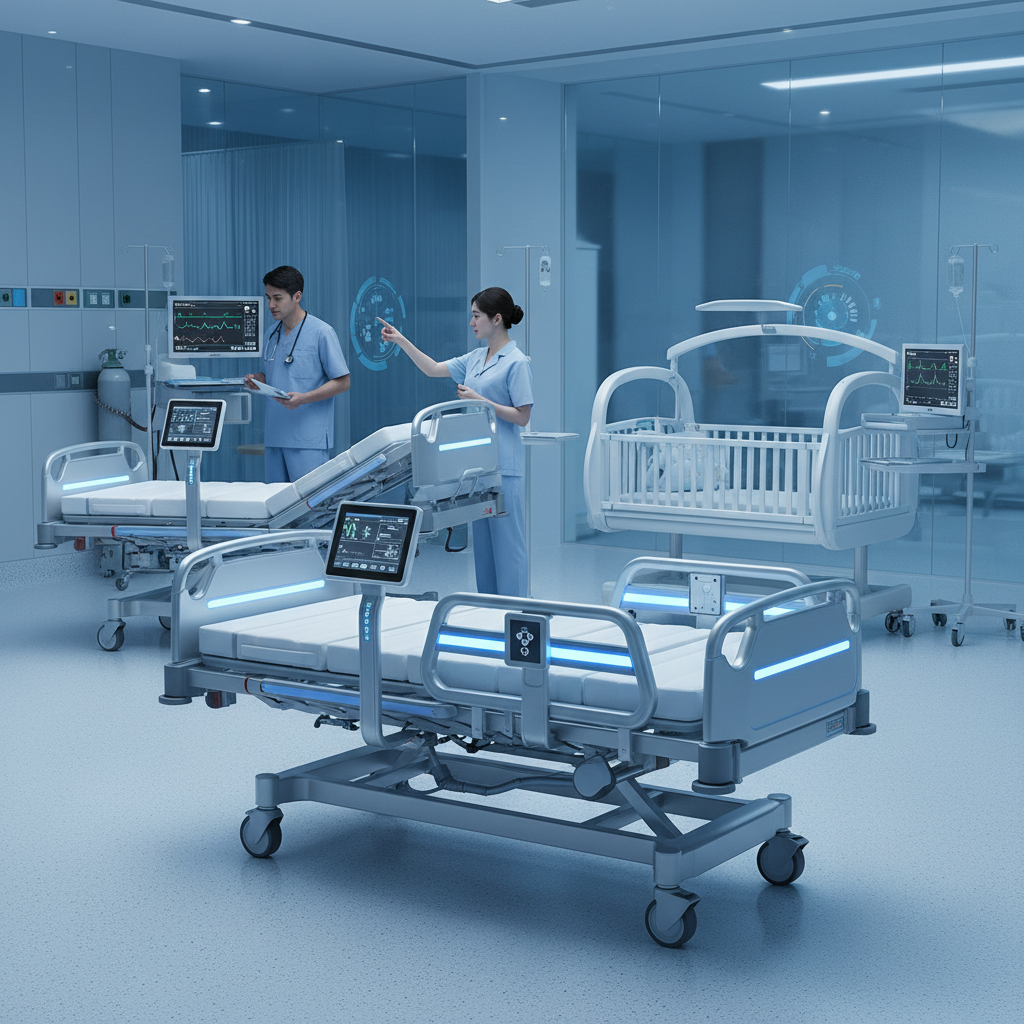
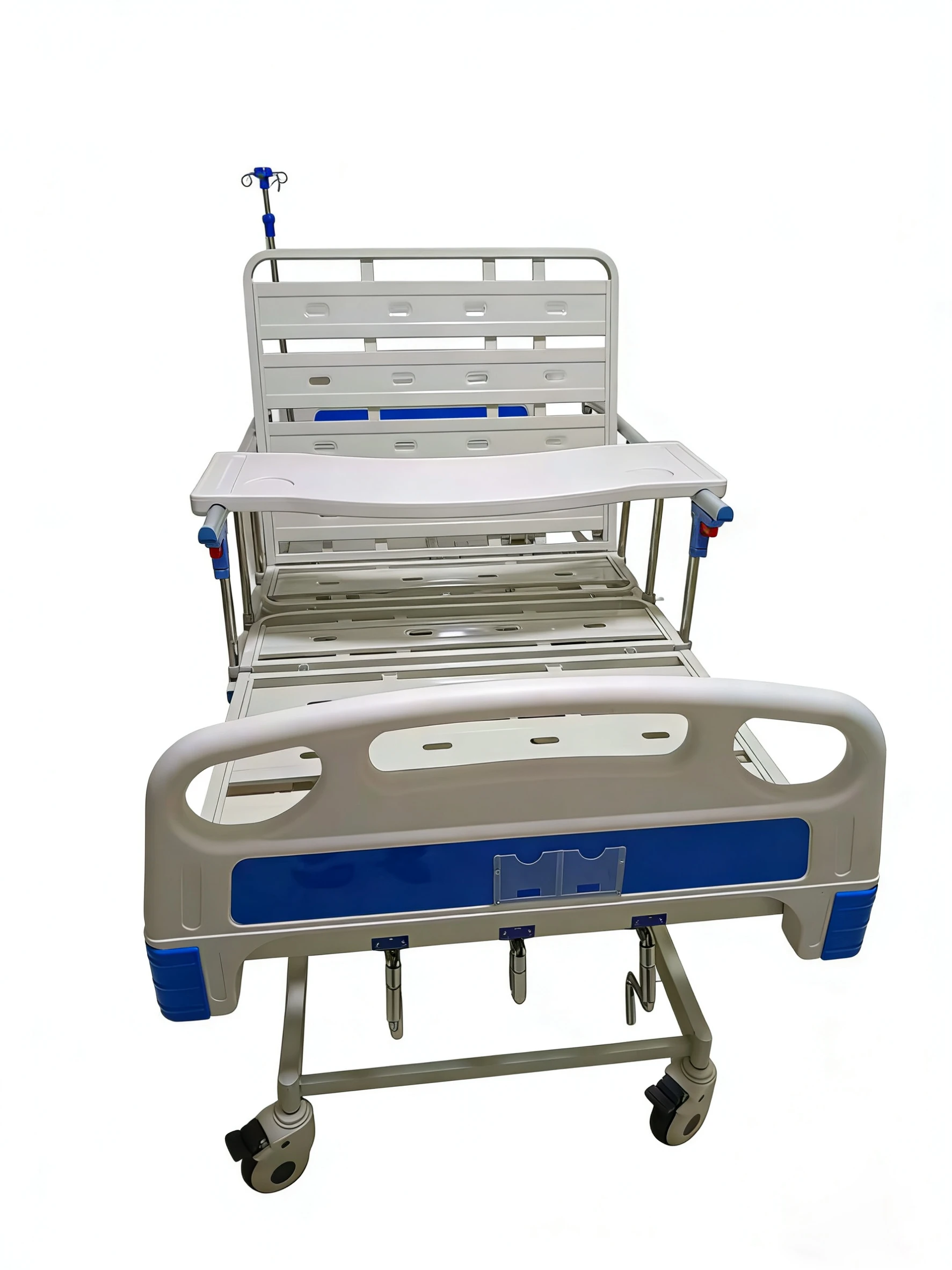
Manual Hospital Beds: The Basic Foundation
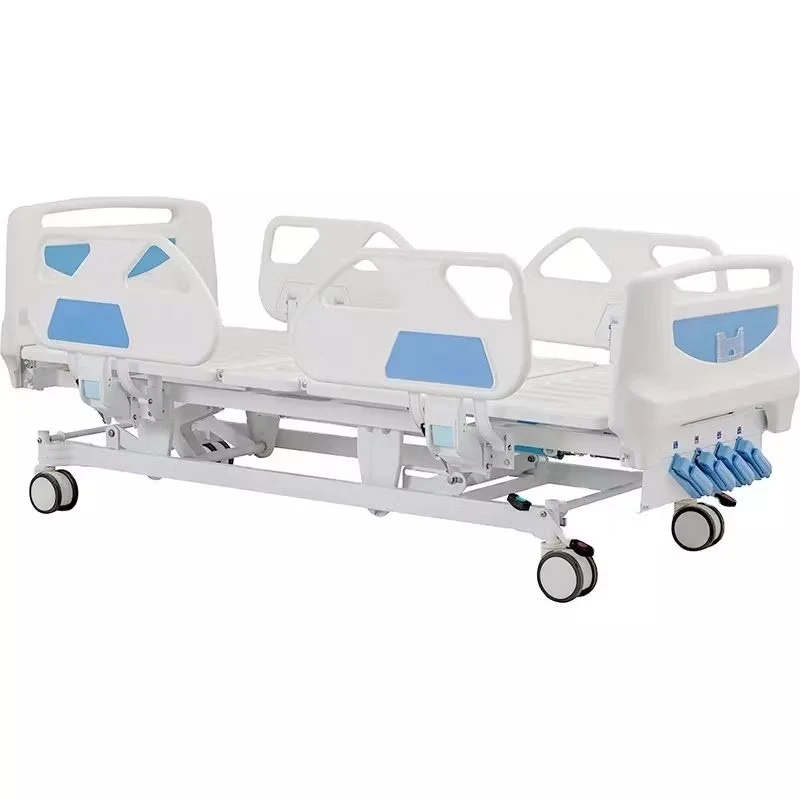
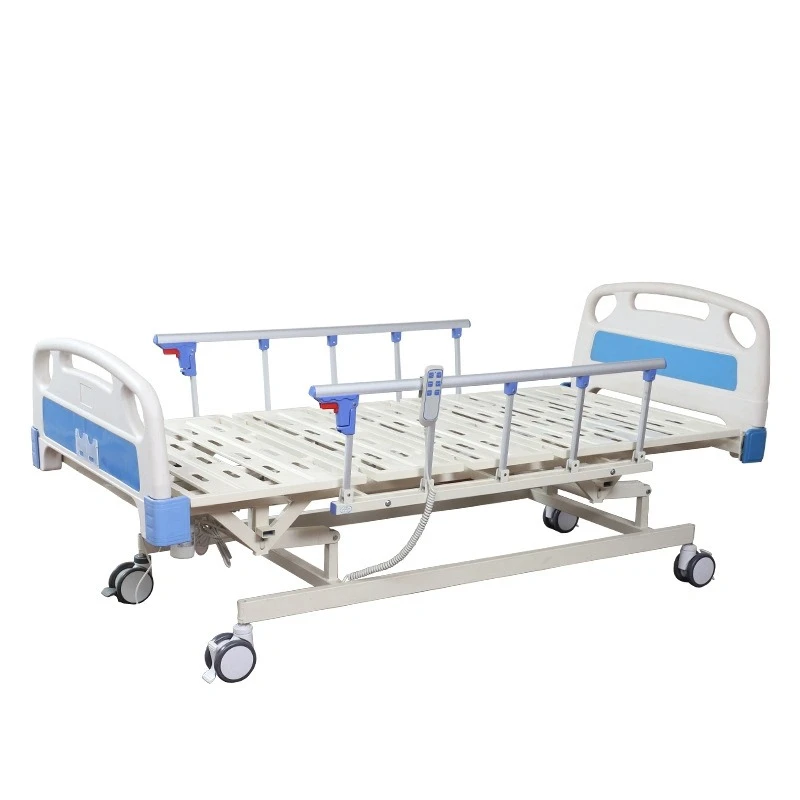
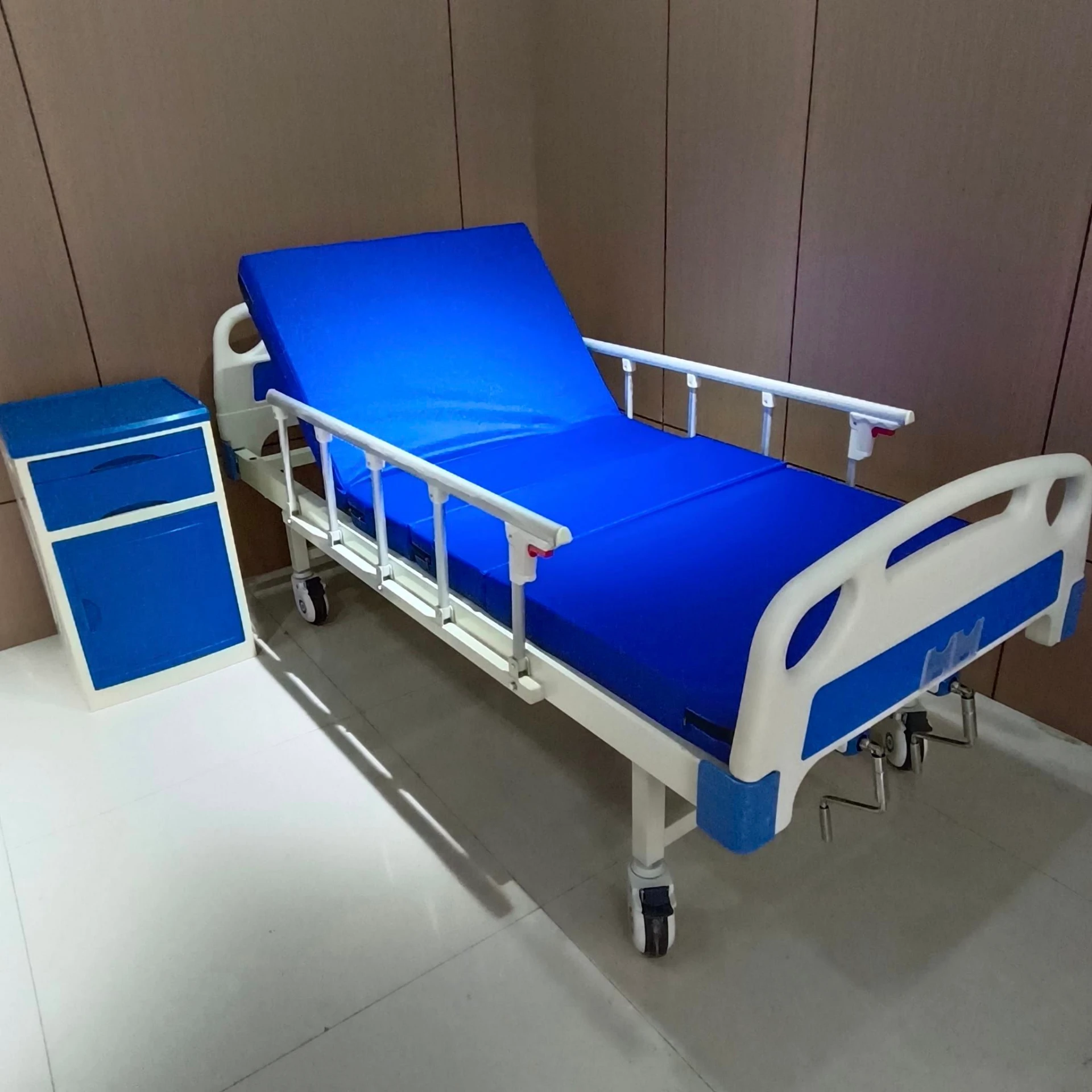
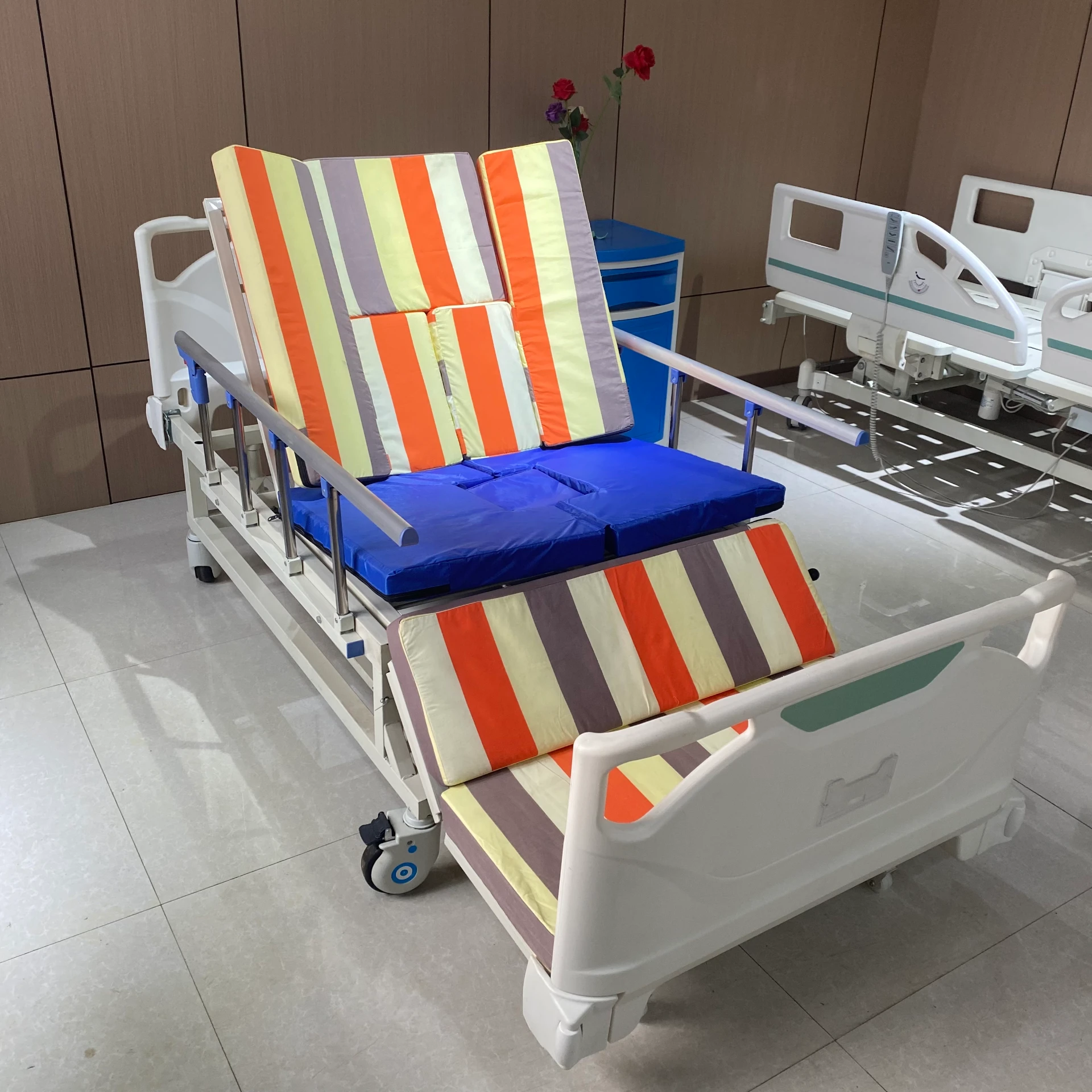
Manual hospital beds are the most basic type, relying on hand cranks to adjust the bed’s height, head, and foot sections. They're a cost-effective option suitable for patients who have some mobility and can assist with positioning themselves. While they lack the convenience of electric beds, they are reliable and require minimal maintenance. These beds are often used in smaller clinics or for patients who don't require frequent adjustments. The simplicity of manual hospital beds makes them easy to operate and maintain.
Key Highlights: Cost-effective, simple operation, minimal maintenance, suitable for patients with some mobility.
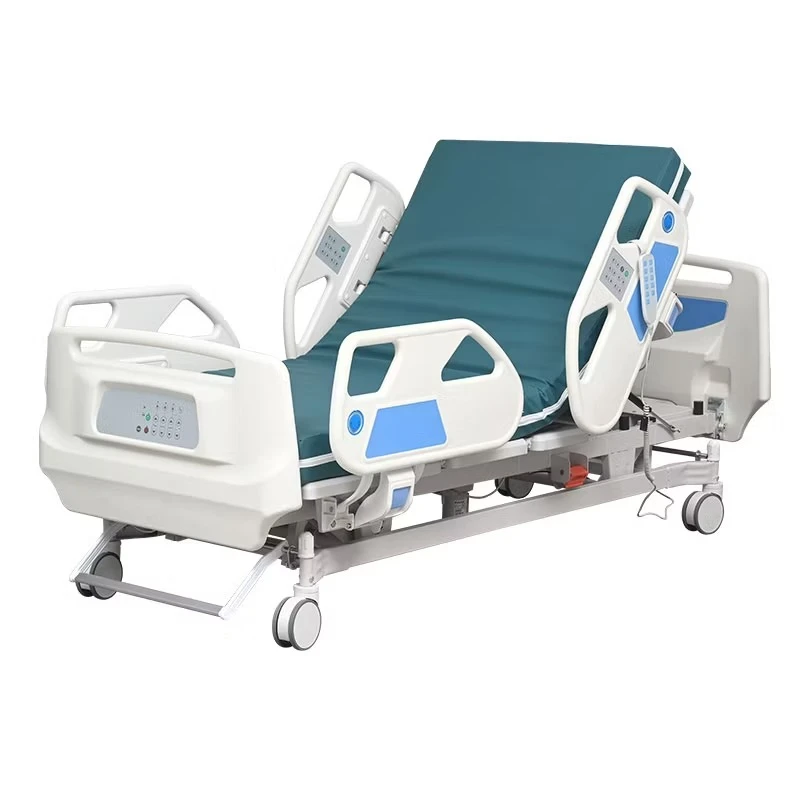
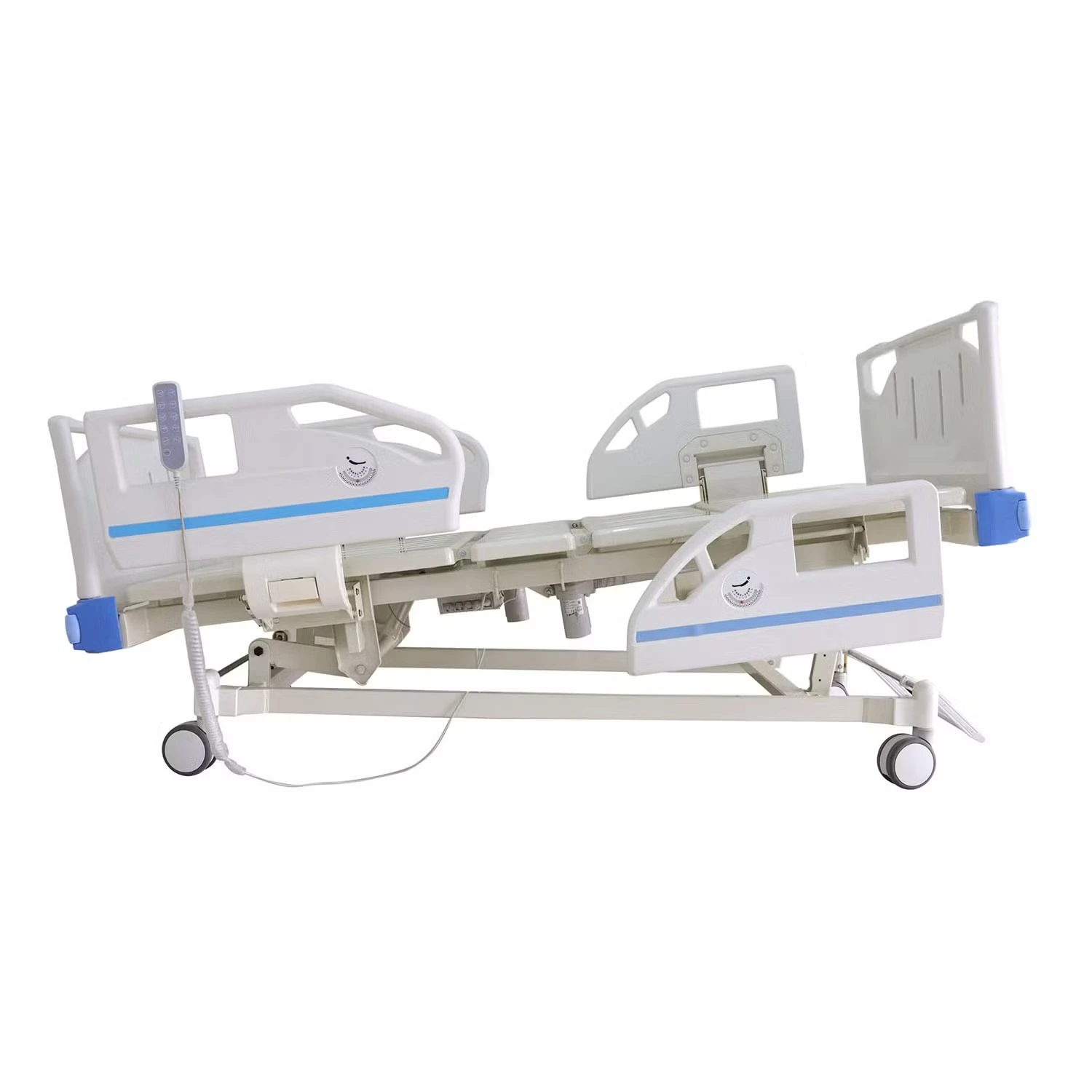
Electric Hospital Beds: Convenience and Functionality
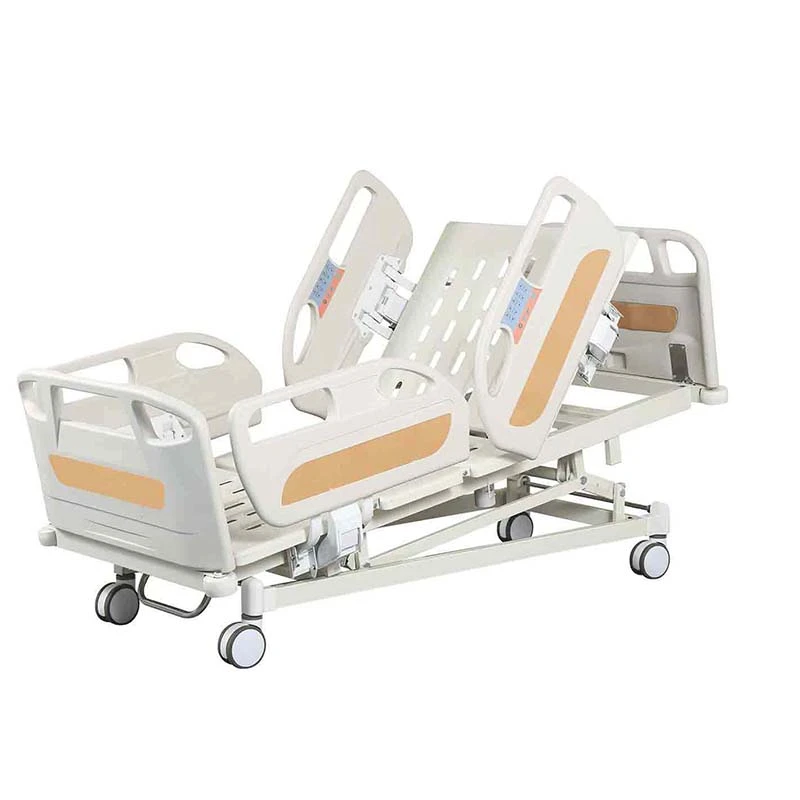
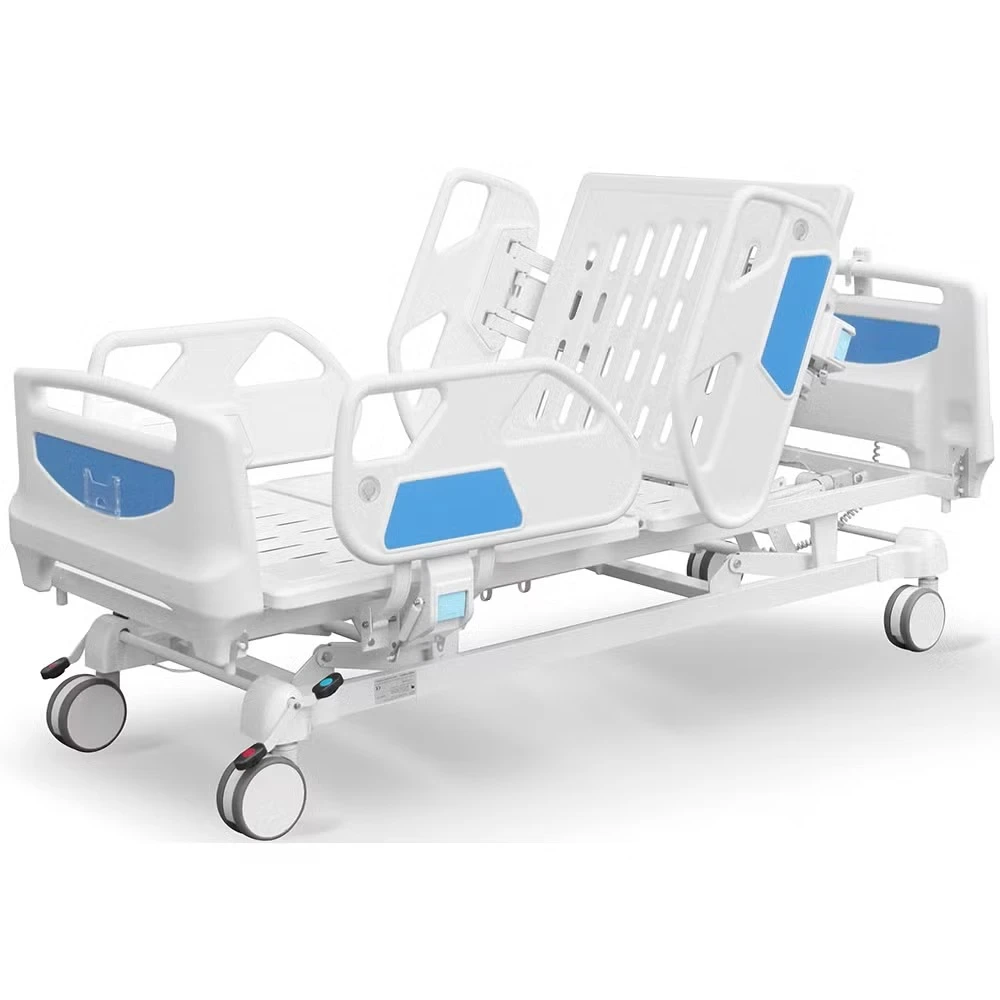
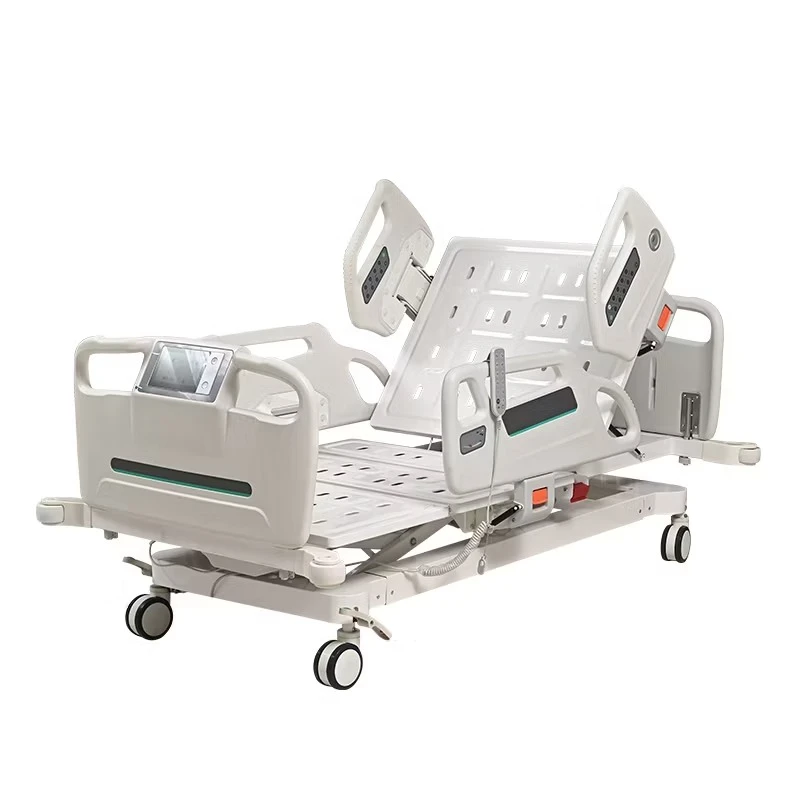
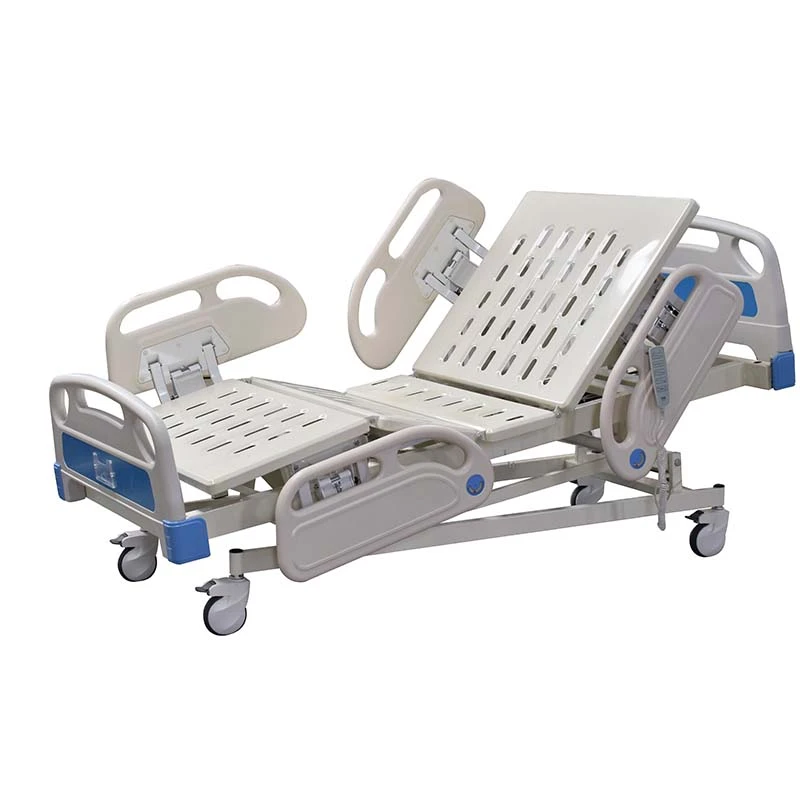
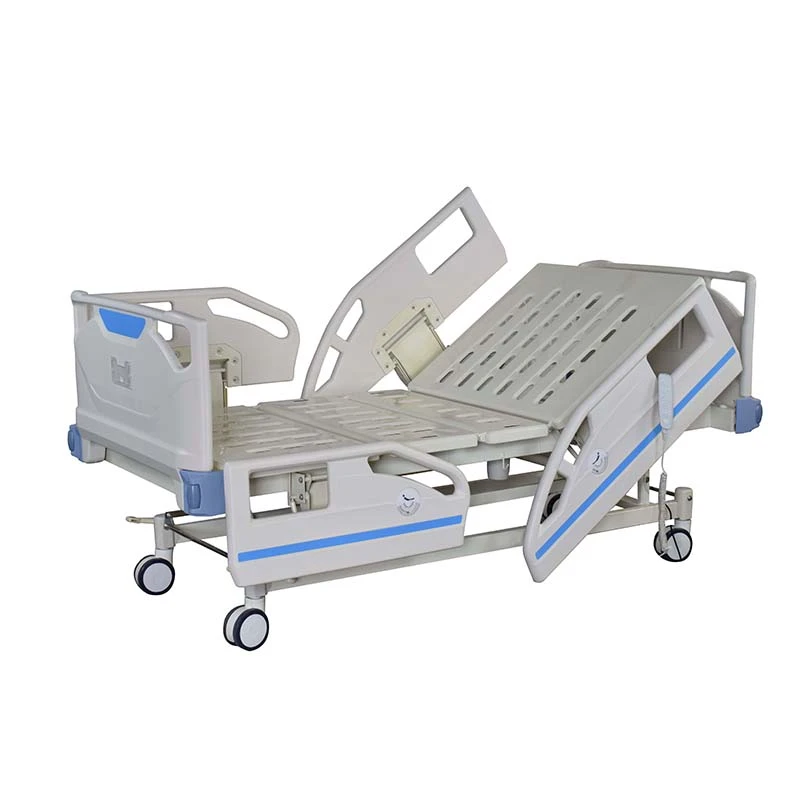
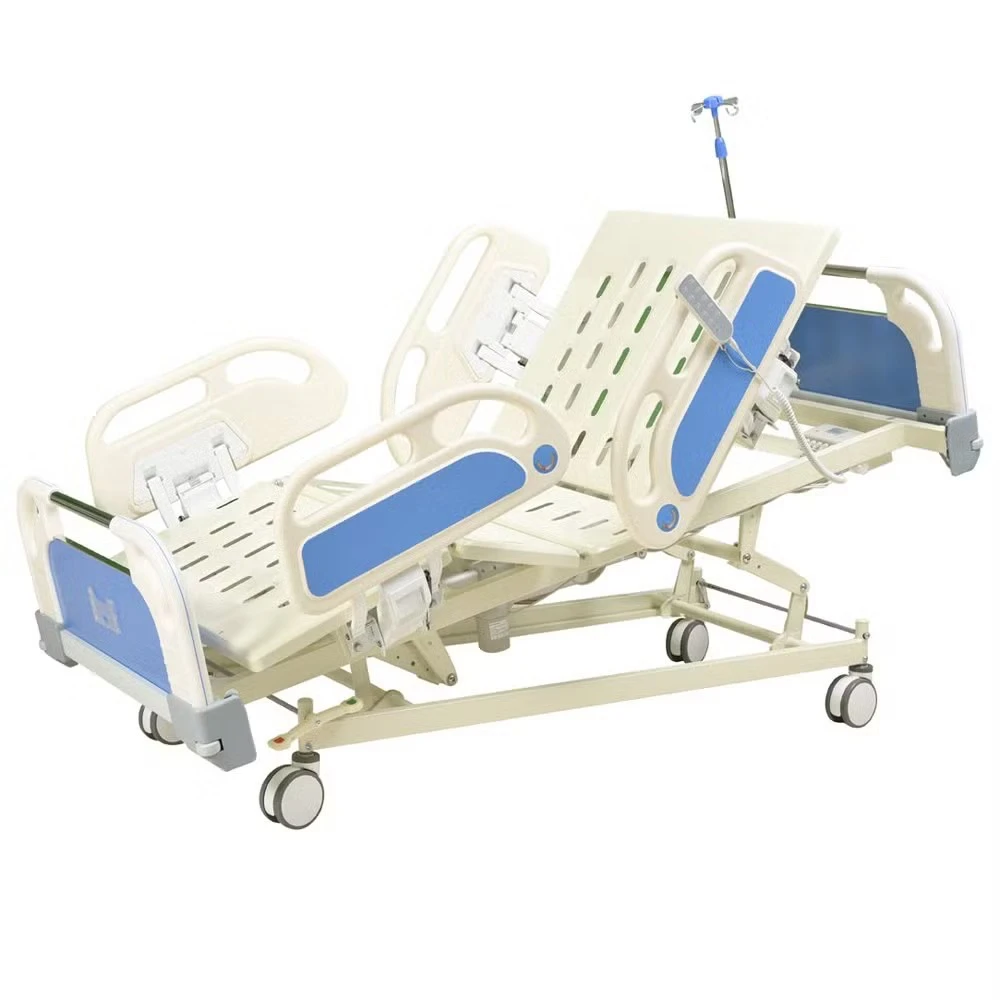
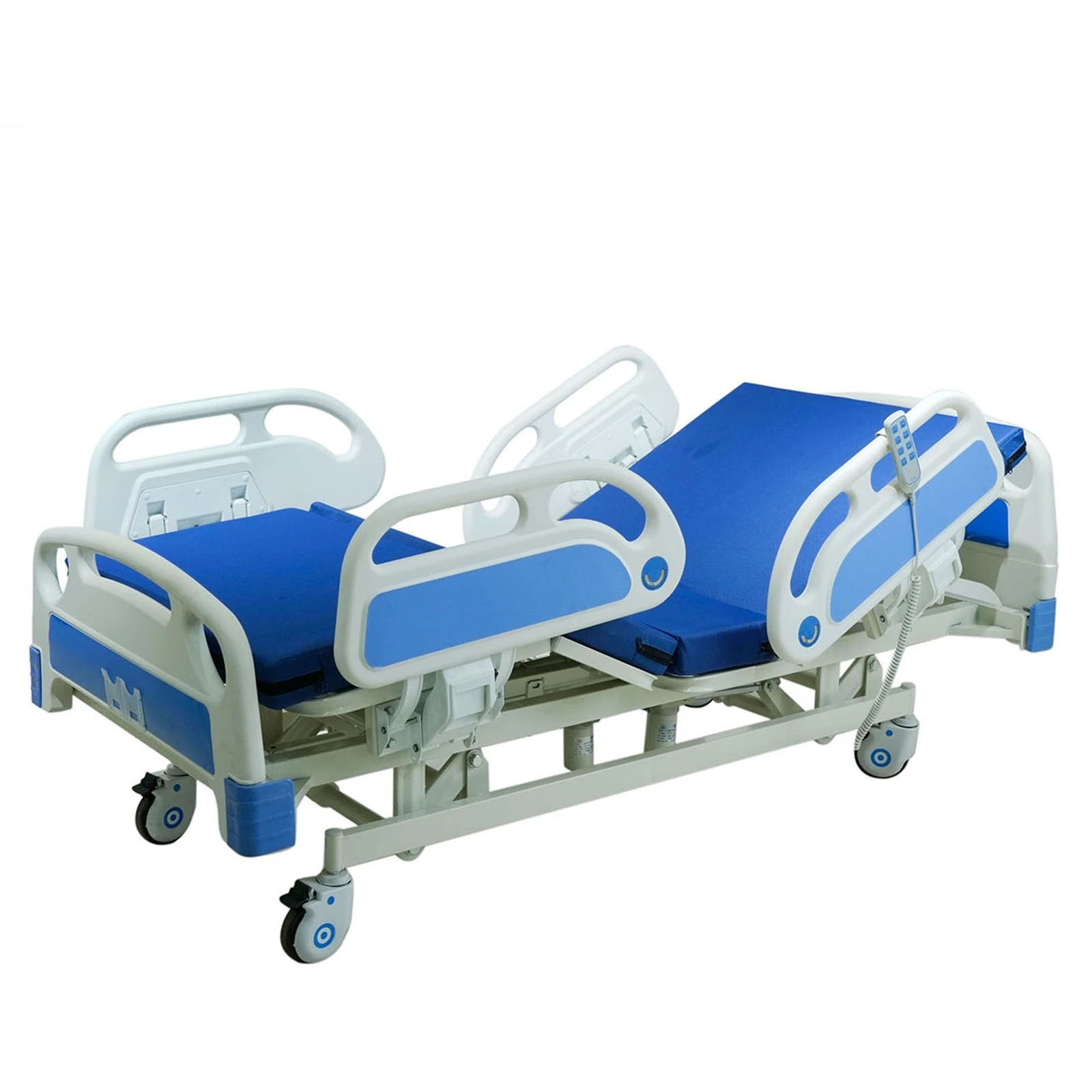
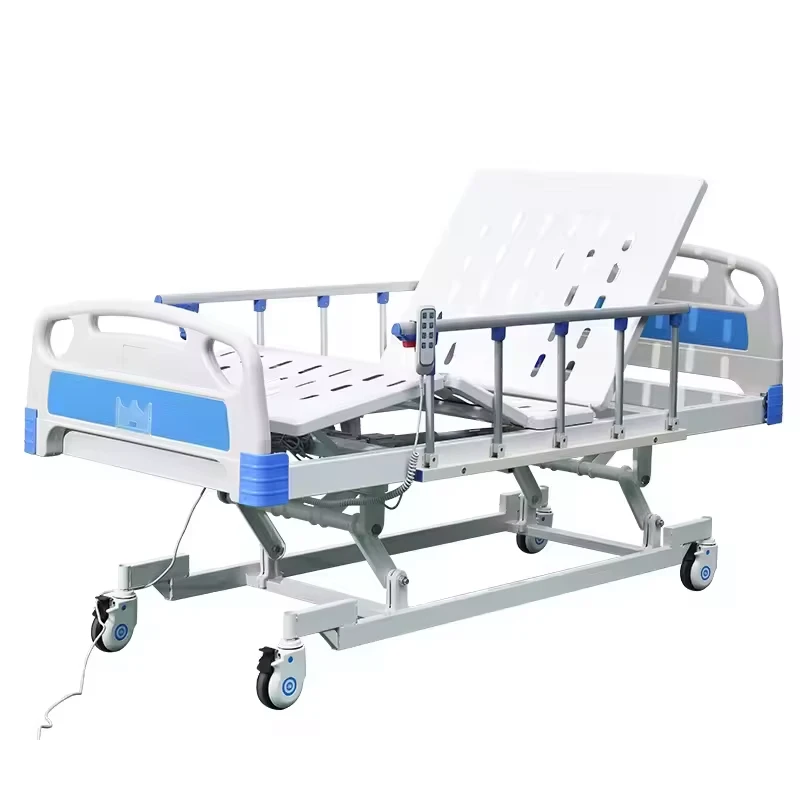
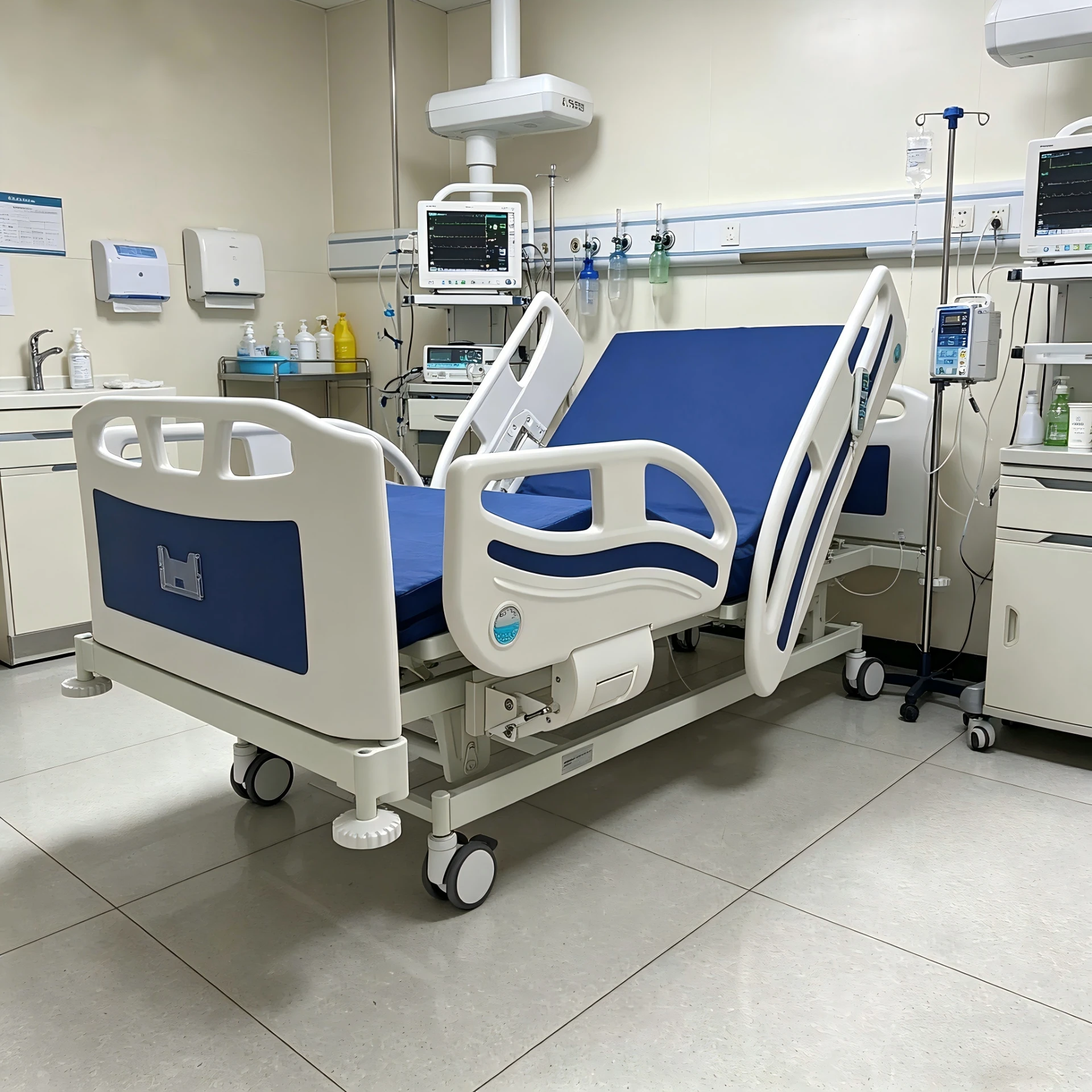
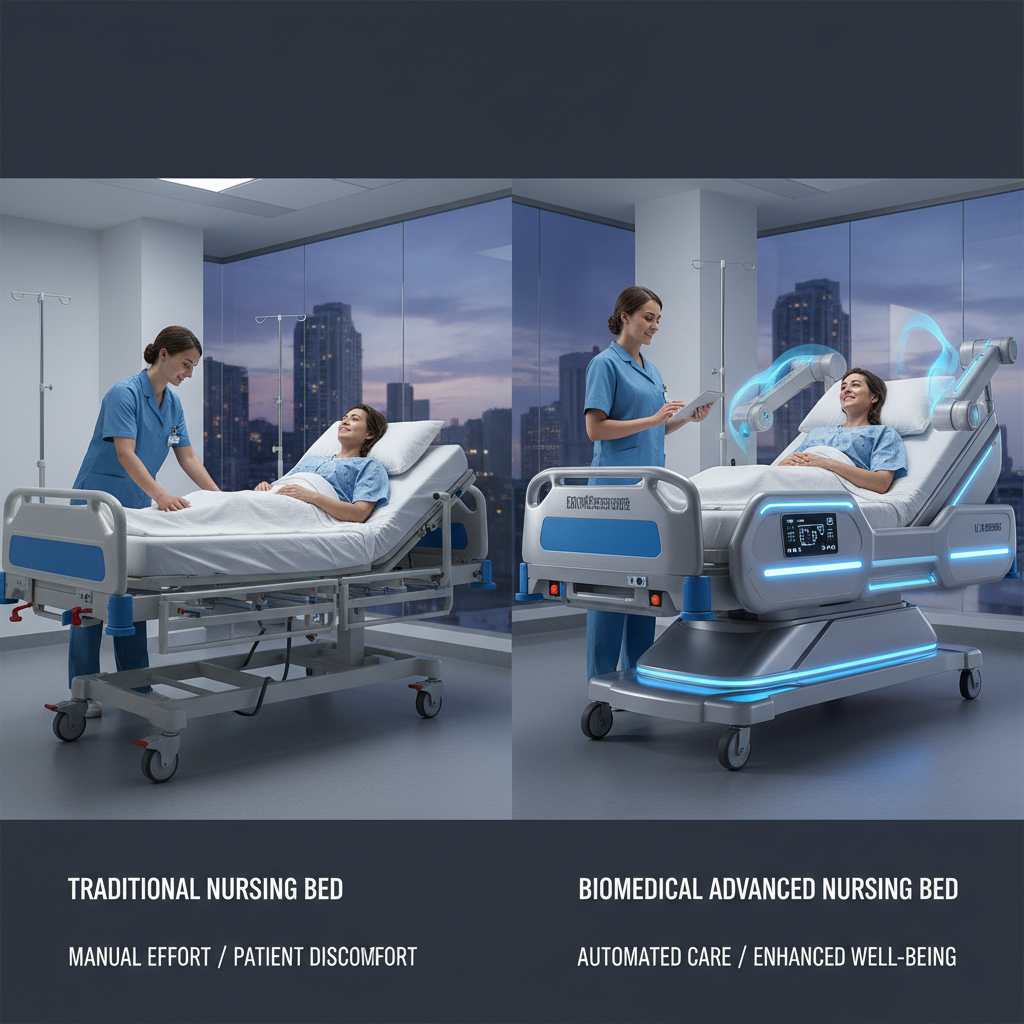
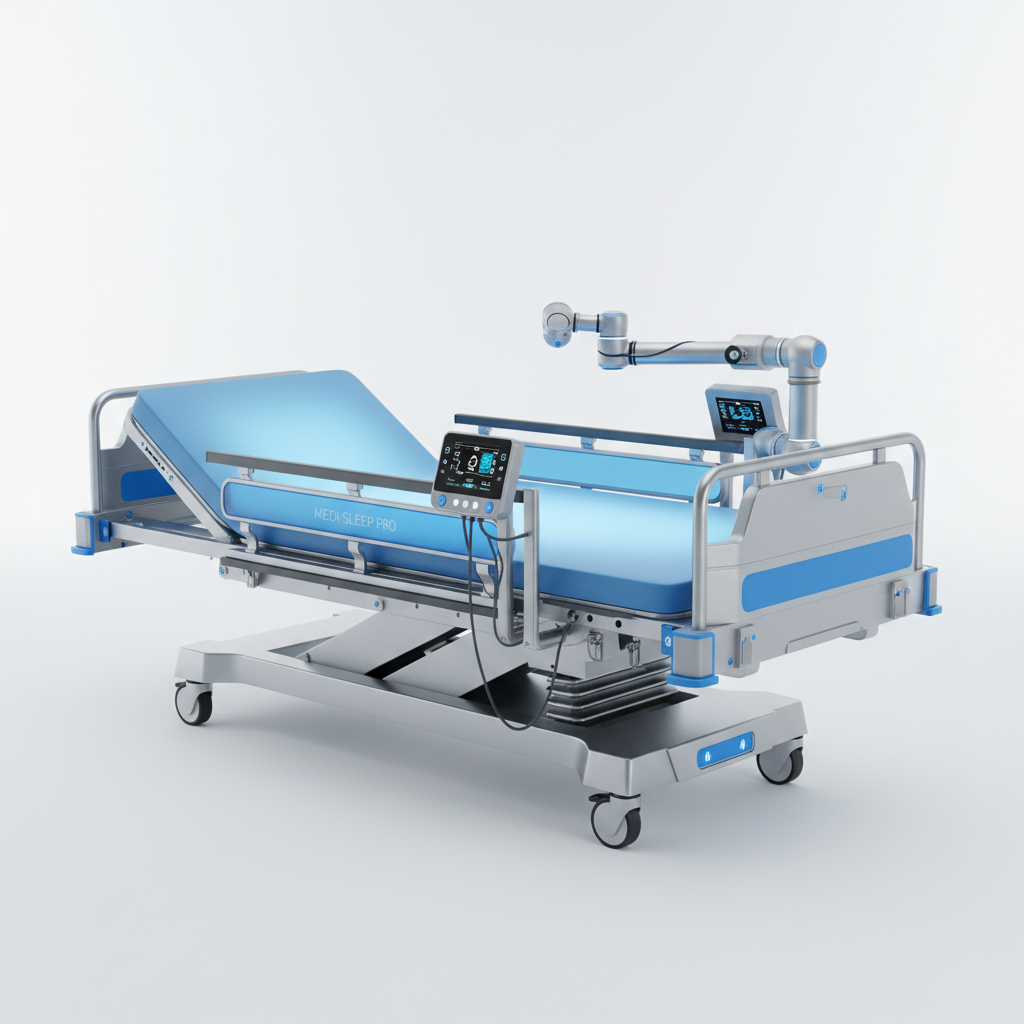
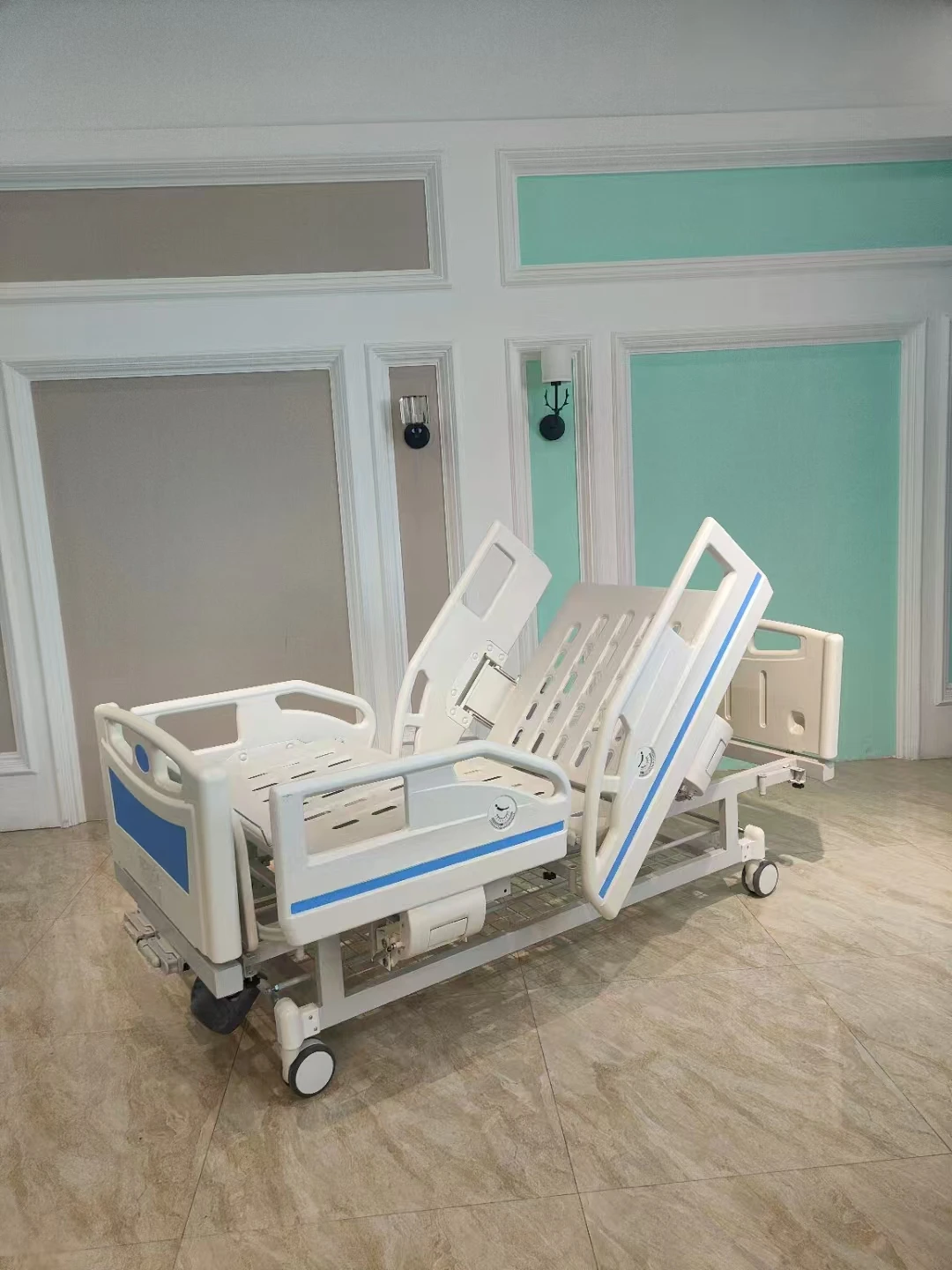
Electric hospital beds offer greater convenience with motorized adjustments for height, head, and foot sections. These beds typically come with a control panel for both the patient and the caregiver. They're ideal for patients who have limited mobility or require frequent positioning changes. Advanced models may include features like Trendelenburg and reverse Trendelenburg positioning. Electric hospital beds are a staple in most modern healthcare facilities.
Electric Bed Benefits:
• Easy adjustment for patients and caregivers
• Ideal for patients with limited mobility
• Advanced positioning features (Trendelenburg, reverse Trendelenburg)
• Improved patient comfort and safety
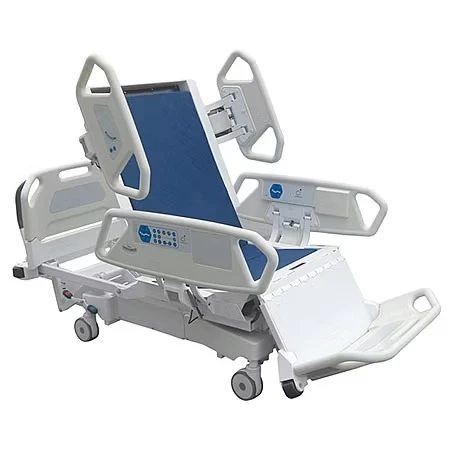
Specialty Hospital Beds: Meeting Unique Patient Needs
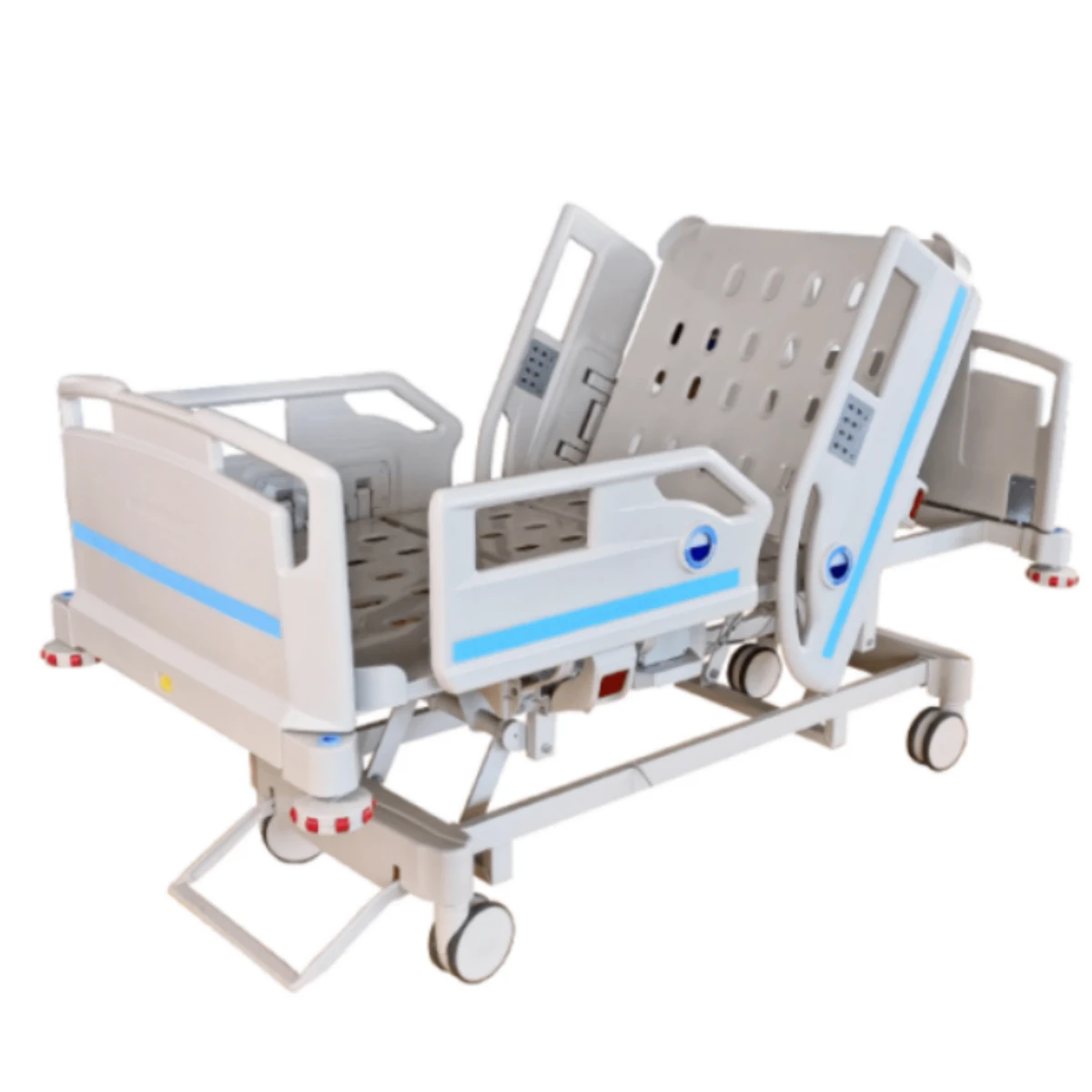
Beyond manual and electric beds, several specialty beds cater to specific medical requirements. These include bariatric beds designed to support heavier patients, pediatric beds for children, and ICU beds equipped with advanced monitoring and life support features. Pressure-reducing beds are also crucial for preventing bedsores in patients with limited mobility. Selecting the right specialty bed ensures optimal patient care and safety. Specialty hospital beds represent a vital component of modern healthcare.
Types of Hospital Beds: A Comparative Overview
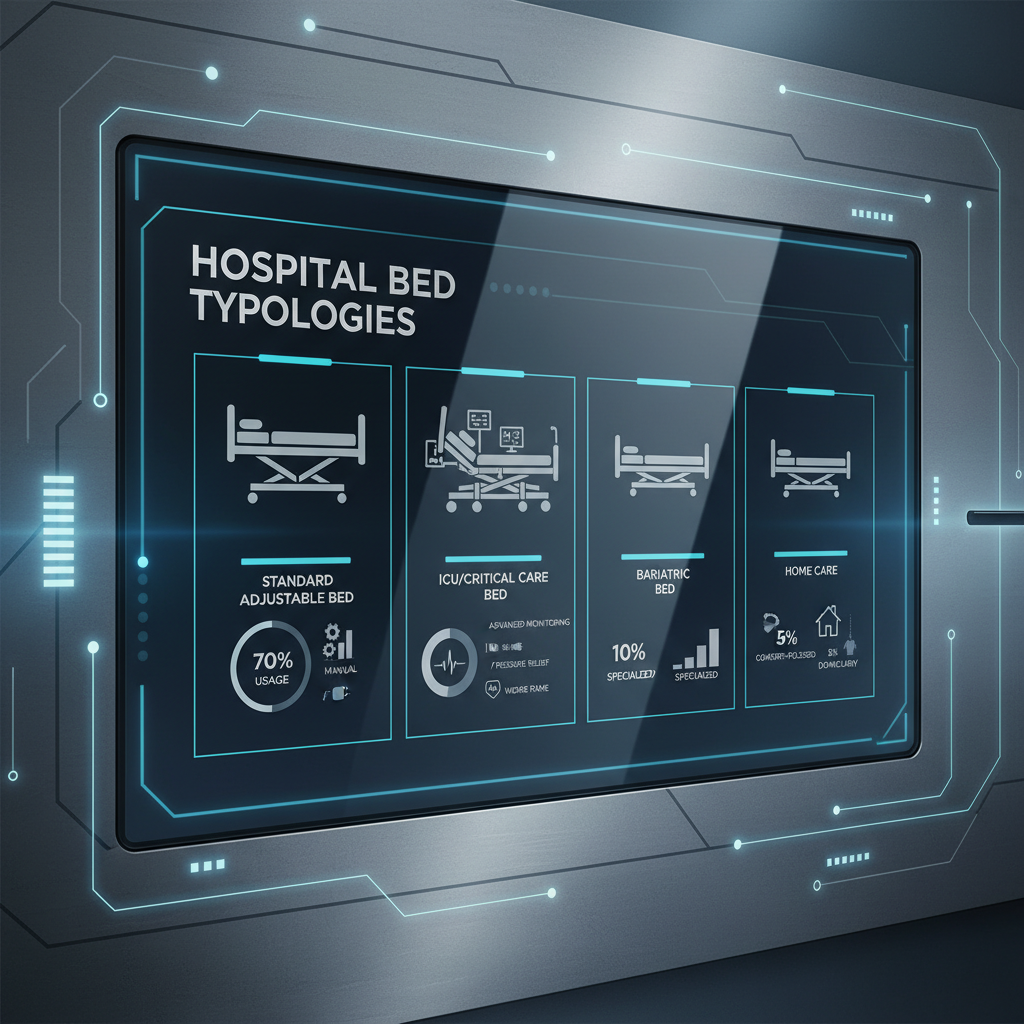
Understanding the nuances between different types of hospital beds can be challenging. Here's a comparative table highlighting the key features and benefits of each type:
Choosing the Right Hospital Bed: Factors to Consider
Selecting the ideal hospital bed requires careful consideration of several factors. These include the patient’s mobility, medical condition, weight capacity, budget, and the specific needs of your healthcare facility. It’s important to assess the level of care required and choose a bed that provides the necessary support and functionality. Investing in a high-quality bed can significantly improve patient outcomes and enhance the overall efficiency of your healthcare operations. ZF Medicare offers a comprehensive range of hospital beds to meet diverse healthcare needs.
Conclusion: Investing in Patient Comfort and Safety
Choosing the right kinds of hospital beds is a critical decision for any healthcare provider.
By carefully considering patient needs, budget constraints, and the features of each bed type, you can ensure optimal comfort, safety, and care. ZF Medicare is committed to providing high-quality hospital beds that meet the evolving demands of the healthcare industry. Prioritize patient well-being by investing in the right equipment.
Frequently Asked Questions (FAQs)
What is the difference between a standard electric bed and a full-electric bed?
While both are electric, a standard electric bed typically allows adjustment of the head and foot sections only, while a full-electric bed offers complete adjustability – height, head, and foot – all controlled electronically. Full-electric beds generally provide more comprehensive positioning options and are ideal for patients requiring frequent and extensive adjustments. They often come with additional features like Trendelenburg and reverse Trendelenburg positioning for improved patient care.
How do I choose the right bed for a patient at risk of falls?
For patients at risk of falls, consider a low-height electric bed with side rails. The low height minimizes the distance of a potential fall, and the side rails provide an added layer of security. Beds with a bed exit alarm system can also alert caregivers if a patient attempts to get out of bed unassisted. Regularly assess the patient's fall risk and adjust the bed settings and safety measures accordingly.
What are the maintenance requirements for electric hospital beds?
Electric hospital beds require regular maintenance to ensure optimal functionality and safety. This includes routine inspection of electrical components, motors, and control panels. Lubricate moving parts as recommended by the manufacturer. Check for any signs of wear and tear on the bed frame and side rails. Regularly clean the bed surfaces to prevent the spread of infection. Schedule professional maintenance checks annually to address any potential issues.
Are there hospital beds specifically designed for pressure sore prevention?
Yes, pressure-reducing or pressure-relieving beds are designed to minimize pressure on vulnerable areas of the body, reducing the risk of pressure sores. These beds typically feature specialized mattresses with alternating pressure, foam layering, or air cells to redistribute weight and improve circulation. These are crucial for immobile patients or those with limited ability to change position.